There’s a certain energy that happens when emerging CPG founders, marketers, creatives, and operators all gather in the same room. At the Naturally New York Spring Fling, that energy felt especially clear: the better-for-you space is growing up, and its branding is getting bolder.
The event itself was refreshingly informal. A bright, upbeat room full of founders sharing products, stories, and ideas. And while every brand had a different point of view, one visual trend kept popping up: Dopamine Packaging.
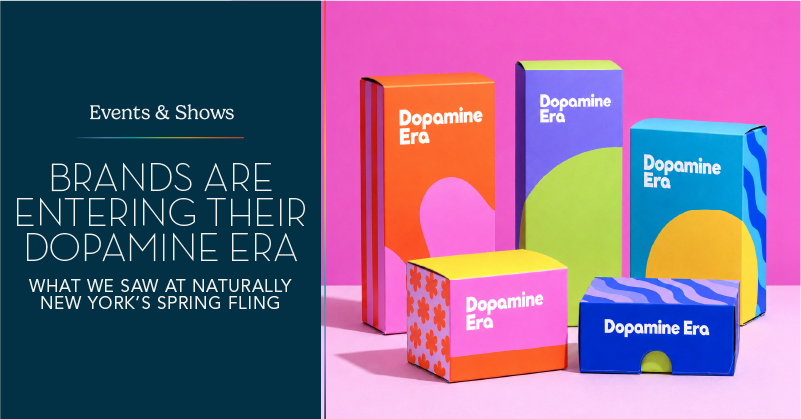
This mood-first branding is bringing joy to shelves (and directly to consumers). “Dopamine Packaging” seems to be one of the defining visual languages of emerging food and beverage brands.
Bright colors. Optimistic typography. High-energy palettes. Packaging designed not just to inform, but to spark emotion instantly. In a crowded category where consumers make split-second decisions, these brands understand something important: people don’t just buy products anymore. They buy brands that they connect with.
In the better-for-you space specifically, we’re seeing a move away from the sterile, overly clinical wellness aesthetic to brands embracing indulgence, personality, humor, nostalgia, and visual stimulation. A few brands that were showcased really embodied that shift.
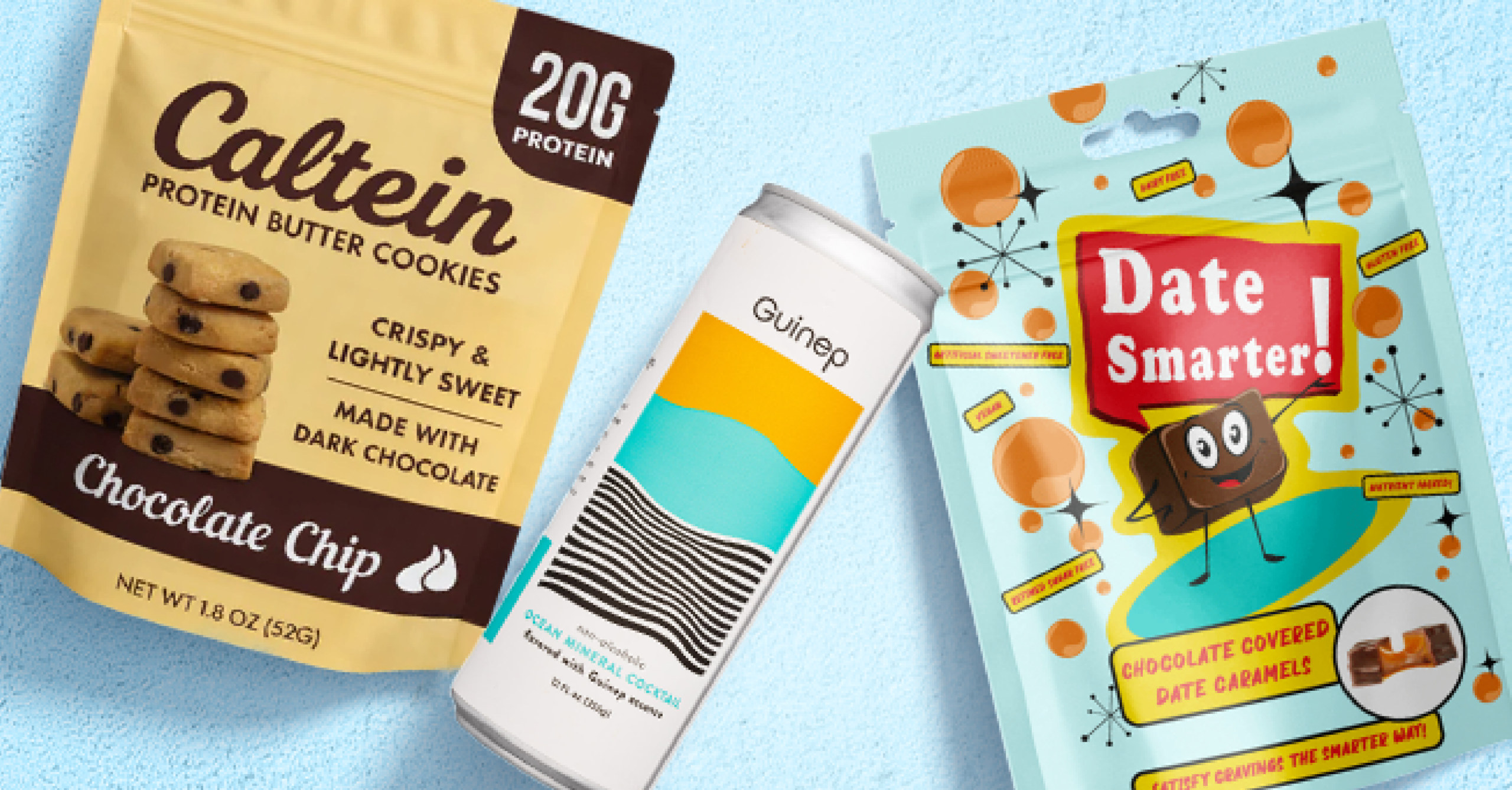
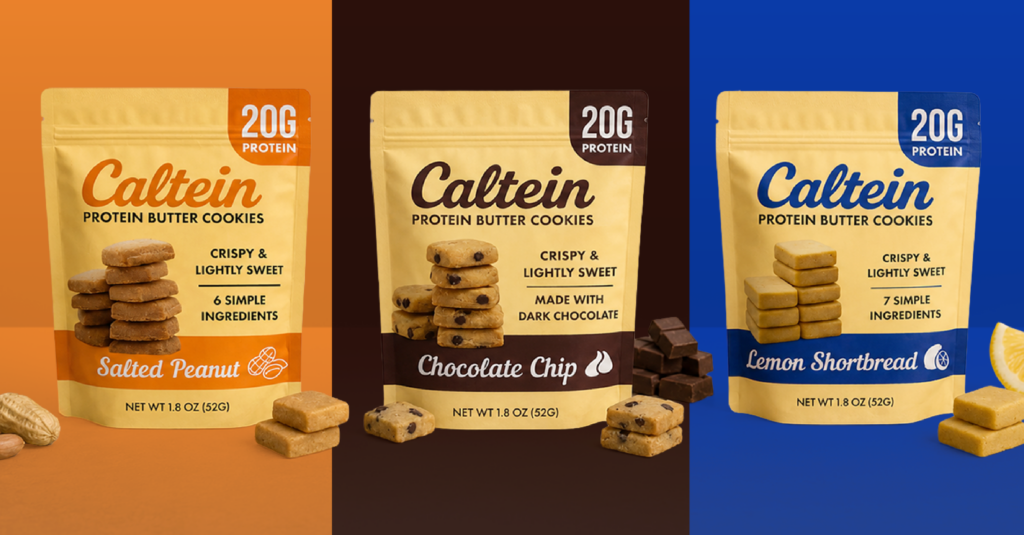
The protein category has historically leaned heavily into performance-first branding: dark colors, aggressive typography, hyper-masculine visual systems. CALTEIN flips that entirely.
Their butter cookie pouches feel nostalgic, playful, and genuinely appetizing, while still communicating functional benefits like high protein and simple ingredients. The warm color palette and retro-inspired typography create a softer, more emotionally driven entry point into the category. This aligns with a broader shift we’re seeing across wellness brands: consumers increasingly want products that feel joyful, not restrictive.
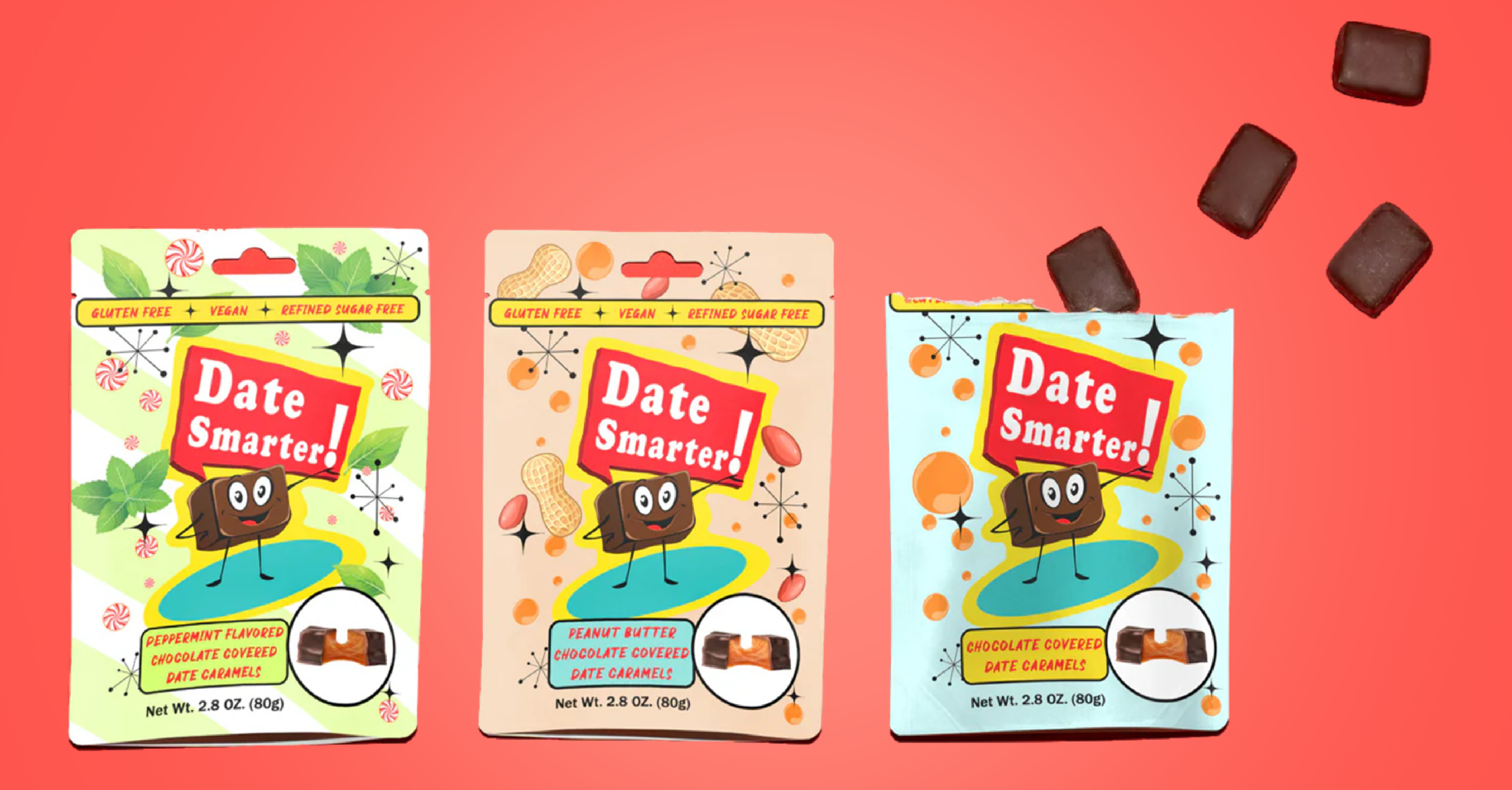
Date Smarter’s packaging leans into vibrant color, kinda-retro inspired illustration, playful callouts, and personality-driven messaging, all while introducing consumers to a healthier snack built around dates. Packaging like this instantly reframes the experience as fun, craveable, and accessible.
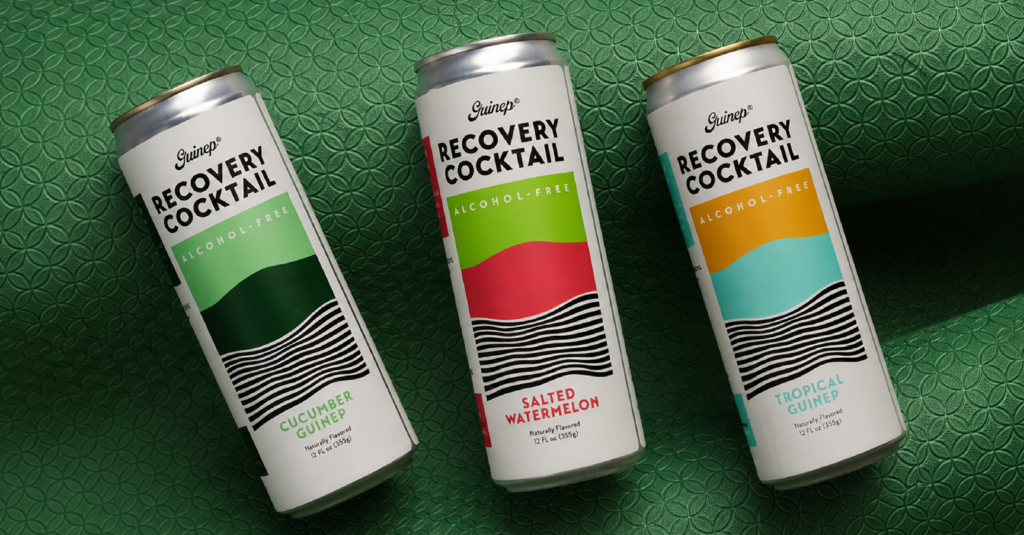
GUINEP took a slightly different approach but still tapped into the same emotional territory through color blocking and bold visual contrast. Their cans feel modern, energetic, and culturally expressive without becoming visually overwhelming.
The best emerging brands today understand that packaging no longer lives only in-store, it lives in TikToks, Instagram Stories, unboxings, and founder content.
All these emerging brands recognize that branding is the product experience.
Packaging has become: a growth tool, a trial driver, a social asset, a positioning strategy, and a way to communicate emotion instantly. And especially in the better-for-you space, brands are finally realizing that wellness doesn’t have to look clinical to feel credible.
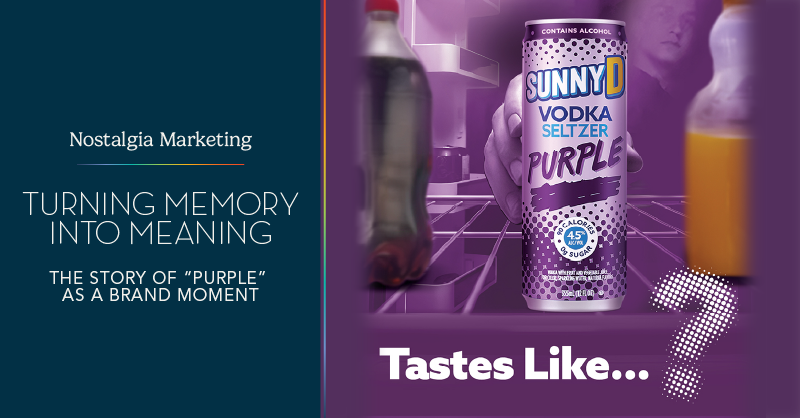
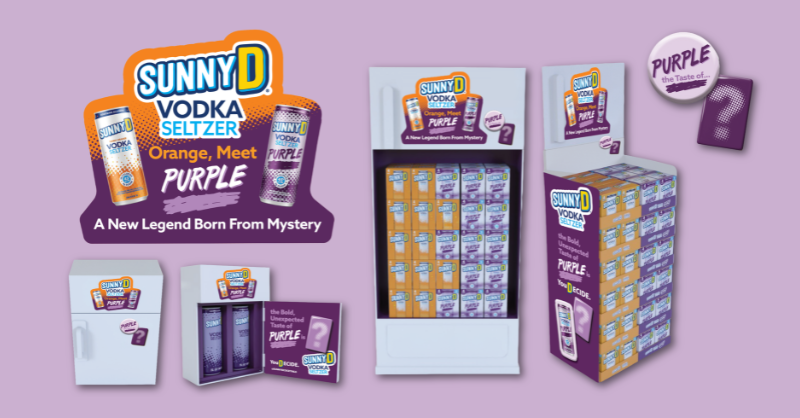
Some of the most powerful brand moments don’t start with something new; they start with a memory. SunnyD identified an innovation opportunity by tapping into a reference that had already been part of culture for decades and launched its long-anticipated “Purple” flavor.
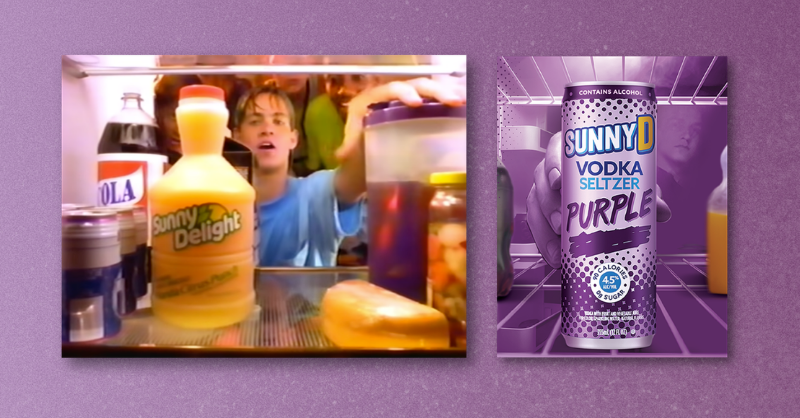
The reference dates back to a well-known 1990s commercial where a refrigerator full of drink options included the now-famous line, “purple stuff.” While the moment was brief, it stuck in viewers’ minds and quickly became part of the brand’s cultural footprint.
By bringing “purple stuff” to life through SunnyD’s latest launch of their Vodka Seltzer RTD beverage named Purple, the result wasn’t just a new product launch, but a moment of recognition for audiences who grew up with the reference.
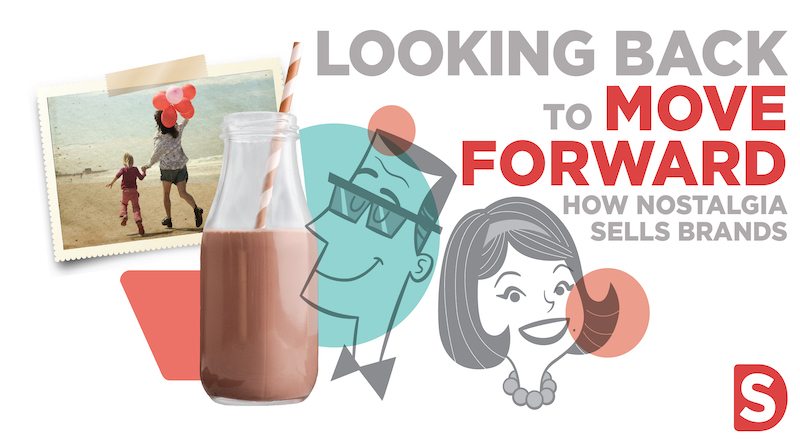
Nostalgia remains one of the most effective tools in marketing because it resonates with people, creates immediate familiarity, and piques their interest. When people recognize something from their past, there’s no need to introduce it or explain it – the connection is already there.
This approach has become increasingly common as brands revisit recognizable elements from the 1990s, from the return of Dunkaroos, which came back after years of fan demand, to the revival of Floyd D. Duck across Bubble Yum’s social channels. By reintroducing familiar products and characters, these brands tap into shared cultural memory while also introducing those references to younger audiences encountering them for the first time.
The difference often comes down to how that nostalgia is applied. Forced nostalgia often tries to recreate moments too literally, relying on imitation rather than meaning. Authentic callbacks work differently; they take something that already exists in culture and give it new context, allowing audiences to complete the story themselves.
That’s what made this moment for SunnyD Vodka Seltzer work. The reference to “purple stuff” was already recognizable and understood, rooted in a 1990s cultural moment. It carried a kind of multi-generational awareness, resonating with those who grew up with it, while sparking interest through new eyes experiencing it for the first time. It also created a built-in curiosity. “What does purple taste like?” became part of the appeal, turning a long-standing joke into a real question people finally had the chance to answer.
Building Cross-Channel Campaigns from Cultural Relevance
Because the idea was rooted in a cultural reference that already carried meaning, the real challenge became ensuring the campaign could live consistently across every place consumers might encounter it. In today’s digital landscape, the strength of a campaign concept depends on how seamlessly it can translate without losing its recognizability. That is where we came in.
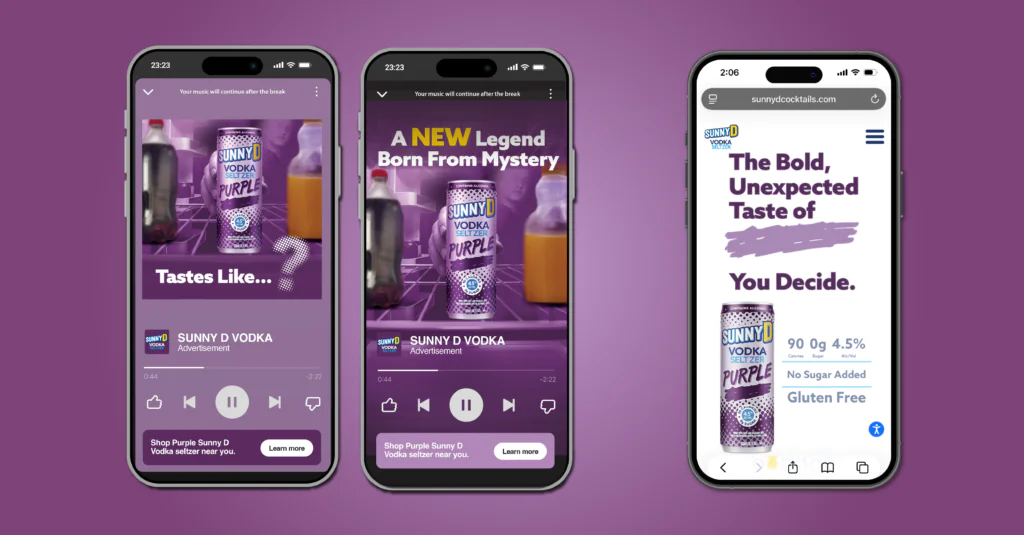
The Smith Design team helped the campaign come to life across a full ecosystem of touchpoints. We developed digital assets that carried the core “purple” idea into e-commerce, the brand website, Instacart, paid digital advertising, Spotify audio, trade advertising, and on in-store POS materials. In just three days, the campaign generated 117 million impressions, including 4.2 million from Walmart and Instacart display and 135.6K from Spotify ads, two key areas where we created digital assets for the campaign.
The goal wasn’t to reinvent the idea at every step, but to maintain consistency, so whether someone encountered it on their phone, in a store, or while streaming music, it felt like part of the same story.
Where Memory Becomes Experience
At its core, the SunnyD Vodka Seltzer Purple campaign launch shows how powerful it can be when brands don’t try to invent meaning but instead build from something that already exists in culture. Purple wasn’t created in the moment; it was something people already knew.
By turning that shared reference into a real product and a full campaign, the idea moved from memory to experience. And for audiences, that shift is what made it stick, not just seeing it again, but finally getting to experience it.
When it comes to visual aesthetics, a trend can be defined as a style, look, or design approach that gains popularity or widespread adoption for a period of time. These periods are becoming increasingly brief, making it even more crucial to recognize what’s hot—while it’s still hot—and understand how to leverage those trends effectively.
Putting our best foot forward in any design project starts with understanding the competitive landscape. That includes being aware of common aesthetic choices (i.e., trends), but more importantly, understanding why those choices are being made. That “why” often comes from deeper influences such as user experience, interaction patterns, accessibility standards, and evolving audience expectations. We will dig into those factors a bit more below.
Still, visual design direction should not be dictated solely by trendiness. A popular look is not automatically right for a brand. Merit, substance, and quality must come first. The goal is not to mimic “the cool kids”, but to understand what makes them perceived as cool, and then interpret those qualities in a way that is authentic to your brand.
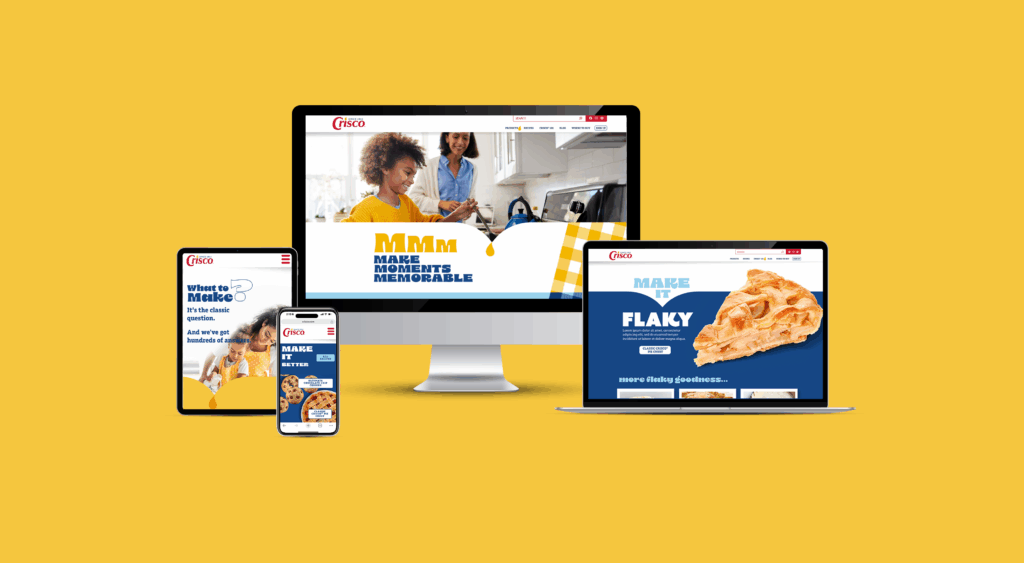
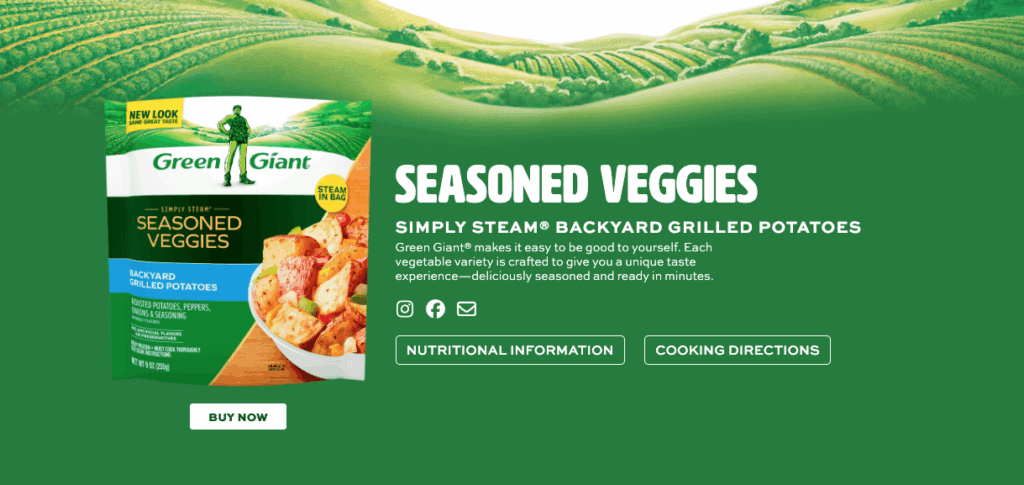
The in-depth research and insights that guided our most recent web design work for Green Giant, Grandma’s Molasses, and Crisco, all of which launched this year, still resonate with many aspects of today’s trends.
Now, let’s dive into the trends…
Minimalism and Clean Design
Minimalism is still having its moment, mostly because users want clarity. With so much competing for attention online, clean, intentional design feels like a breath of fresh air. Avoid being overly stark, think minimal, but with a purpose. Key design principles still apply. The layout, hierarchy, and content are all carefully planned and intentional.
You will usually see this trend show up through:
generous amounts of whitespace
simple, readable type
fewer competing elements on the page
clear visual hierarchy that guides the eye
The end result for this minimalistic trend is having pages that load quickly and content that is easier to absorb.
Dark Mode and High-Contrast Themes
Although not everyone is a fan, Dark Mode remains a very popular trend and is an easy way to make a website look sleek.
Here are the benefits of Dark Mode:
strong contrast that boosts readability
richer colors that pop against darker backgrounds
a streamlined, contemporary vibe
Tip: Offering a toggle (light ↔ dark) is a strong UX move that accommodates user preferences. Giving users control over how they view your site is a small touch that goes a long way.
Bold Typography and Expressive Fonts
Type is doing a lot of heavy lifting these days. Instead of decorative flourishes, brands are leaning into typography to set the tone and deliver personality instantly.
oversized headlines, expressive, and creative fonts are tricks that seem to never get old
variable fonts (which can change weight/width dynamically) are becoming more common for adaptability
3D Visuals, Animations, and Immersive Elements
The web is getting more dynamic, sometimes in subtle ways, sometimes in totally immersive ones. A little motion can make a site feel alive, but we are also seeing more sites lean into 3D elements, scroll-triggered effects, and interactive elements.
Some hallmarks of this trend are:
animations that guide attention
3D models or illustrations used as focal points
optimization for a smooth experience
These “user engagement” visuals help create memorable experiences and reinforce quality, but must be done with performance in mind, so they don’t bog down the user’s machine. Use animations/motion where they add meaning, not just for decoration.
Organic Shapes, Asymmetry and Fluid Layouts
There has been a steady shift away from perfectly rigid grids and sharp, rectangular shapes.
You will spot this trend through:
curved edges instead of sharp corners
sections that overlap or flow into each other
a more human, dynamic, and fluid feel, versus overly mechanical layouts
Tip: Asymmetry can draw attention, but make sure the layout still feels balanced, and navigation remains intuitive.
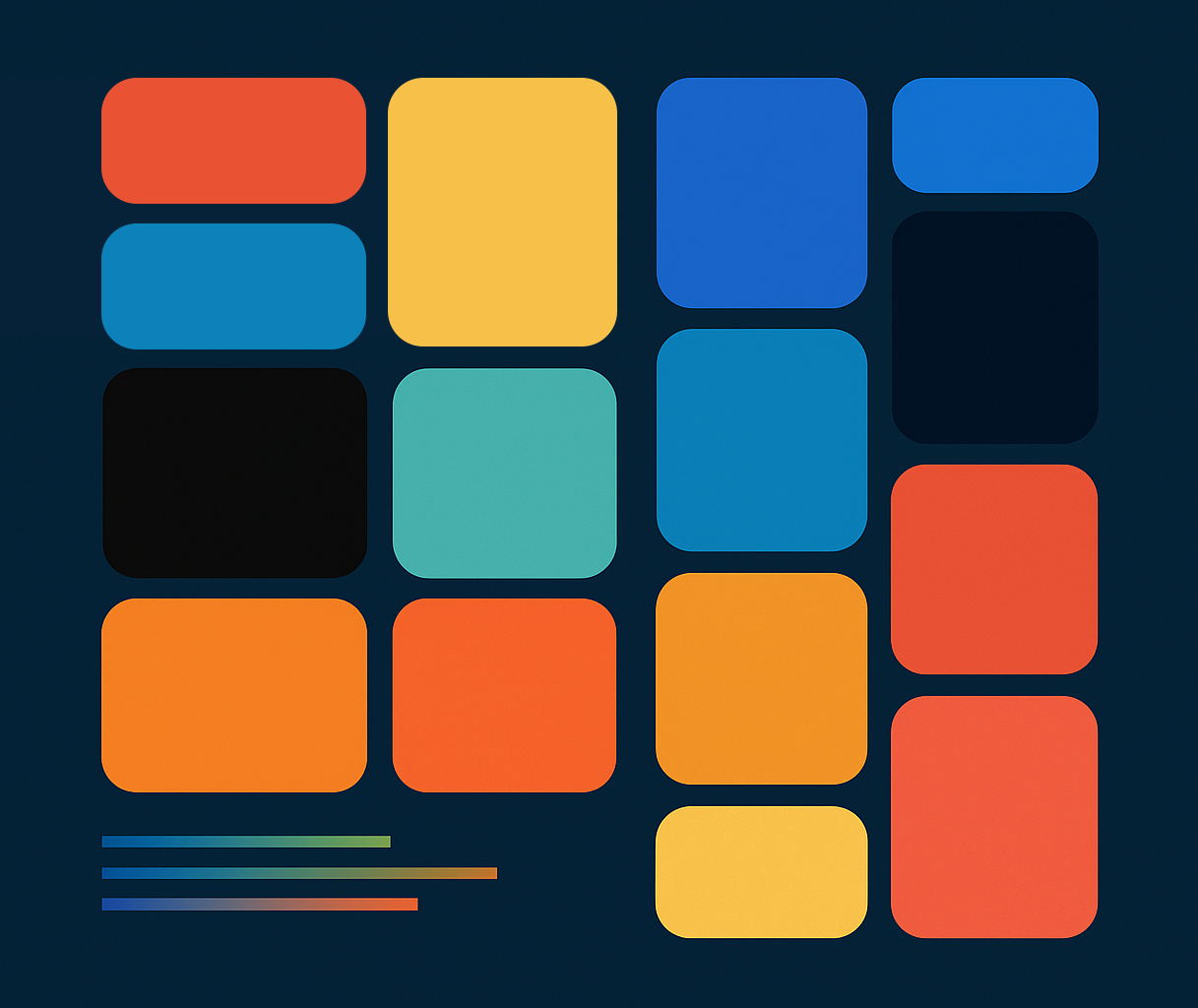
Grids and “Bento Boxes”
Counter to the above is a layout style where content is divided into distinct, modular “boxes” or compartments, much like the sections of a Japanese bento box, where the trend gets its name. Clarity, balance, and modularity are their key features.
boxes can vary in size, not limited to just uniform squares
different sized blocks working together cohesively
size and various configurations of the grid are used to create an overall architecture as well as visual hierarchy
It’s not just decorative. Each box serves a purpose, presenting a specific type of content (text, image, video, link, etc.) It is clean, modern, and makes perfect sense for content heavy experiences.
Customization and Personalization
With AI involved with so much of our digital activity, personalization and adaptive experiences are becoming the norm, even if we do not realize it. Sites are starting to adjust themselves based on how and where people use them.
This shows up through:
content recommendations tailored to each visitor
navigation that prioritizes what you need most
location aware messaging or features
layouts that adapt based on user behavior
When done well, personalization feels intuitive, not invasive.
Privacy and Security
With all this customization comes stricter rules and regulations around Privacy and Security. These measures are in place to protect users and control how their information is shared, which is why cookie-consent popups are now appearing everywhere you look.
Accessibility
In order to discuss accessibility trends, it is only fair to start with WCAG 2.1/3.0 standards. While being compliant to these standards reduces the risk of lawsuits, 85% of organizations see accessibility as a competitive edge, with the added benefit that accessible sites improve SEO and conversions.
Meeting these standards, along with adding even more options for users to adjust contrast and point sizes for readability, only makes the experience that much better for the user.
Voice Navigation & Assistive Tech Integration are becoming increasingly popular. With AI assistants like Siri, Alexa, and Google Assistant searching the internet and assisting users, it is key to make sure the sites are developed in a way that they can access information easily and correctly.
Sustainability in Web Design
The internet accounts for about 3.7% of global carbon emissions, rivaling that of the airline industry, and could consume as much as 8% of global electricity by 2030.
To be sustainable, we need to recognize that websites rely on energy-intensive servers and data centers, which often utilize fossil fuels and substantial amounts of water for cooling. The key to reducing the carbon footprint is to minimize the energy required to maintain, operate and consume the site.
optimizing code creates a more efficient site, quicker load times, and less bandwidth
fewer unnecessary scripts which create less draw from servers
mobile-first design that prioritizes essentials
green hosting providers have their own initiatives in place to help reduce their carbon footprint
A lighter site is not just greener. It is faster and more user-friendly.
Web design trends are evolving faster than ever, driven by technology, user expectations, and cultural shifts. While it’s tempting to chase what’s popular, the most effective designs balance trend awareness with brand authenticity, usability, and accessibility. Minimalism, dark mode, bold typography, immersive visuals, and adaptive layouts all offer exciting opportunities, but they should serve a purpose beyond just aesthetics. Personalization powered by AI, sustainability considerations, and compliance with accessibility standards are no longer optional; they’re essential for creating inclusive, future-ready experiences. Ultimately, great design isn’t about following trends blindly; it’s about understanding why they resonate and using that insight to craft meaningful, user-focused solutions that stand the test of time.
Spice isn’t just a flavor; it’s a cultural force. Over the last decade, heat has evolved from a fringe fascination to a defining characteristic of modern food culture. As consumers chase bolder, more layered flavor experiences, brands find new and unexpected ways to bottle that energy.
From Cult Favorite to Collaboration Powerhouse
Few brands embody this evolution like Frank’s RedHot. What began as a pantry staple has transformed into an icon of crave culture and a symbol of familiarity, fandom and flavor.
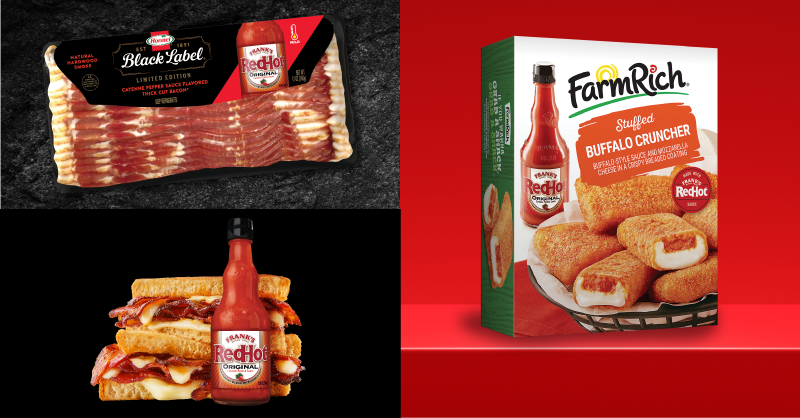
In recent years, Frank’s has proven that strategic collaborations can amplify equity on both sides. The BLACK LABEL® Bacon with Frank’s RedHot, Farm Rich Frank’s RedHot Stuffed Buffalo Crunchers, SpaghettiOs Frank’s RedHot, and Goldfish Frank’s RedHot partnerships each leveraged the brand’s cult following to infuse new energy and buzz into beloved household names.
Smith Design helped bring two of these partnerships to life: BLACK LABEL® Bacon with Frank’s RedHot and Farm Rich Frank’sRedHotStuffed Buffalo Crunchers. The packaging captures the playful spirit and bold attitude consumers expect from both brands. Each collaboration merges everyday comfort with heat-driven excitement, creating products that feel familiar yet turned up a notch. Consumers are buying into a shared cultural moment built around boldness, fun, and nostalgia.
The Rise of Regional Heats
While established brands ride the wave of co-branded spice, a new generation of products is shaping the next era of “smart heat.” Emerging names like Tari Hot Sauce, inspired by Peruvian culinary traditions, showcase the vibrancy of regional peppers such as aji amarillo — bringing nuanced, citrusy brightness rather than pure fire.
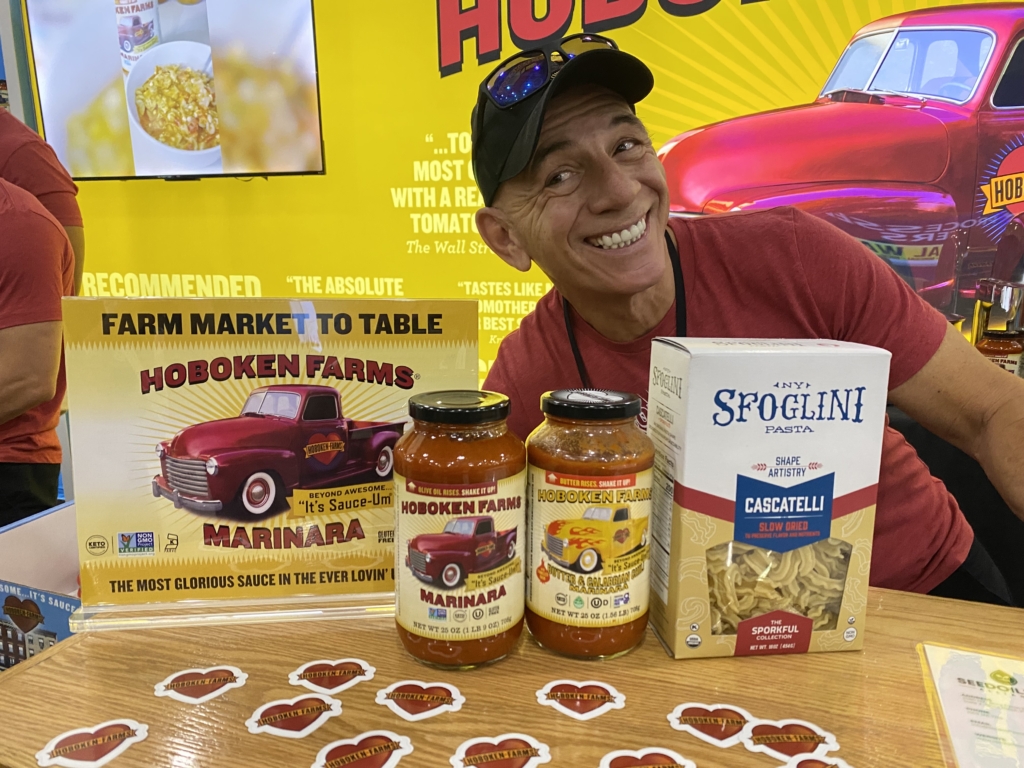
Similarly, Hoboken Farms’ Calabrian Chili Marinara brings buttery, sweet heat to a comfort classic. Spice is no longer reserved for snacks or condiments but has become a staple in sauces, spreads, and meals.
These products speak to a broader trend: heat as a marker of sophistication. Today’s consumer wants flavor that feels crafted, not chaotic. Products with depth, balance, and a sense of story behind every bite will win with consumers in 2026.
Sweet Heat
The “sweet heat” movement continues to sizzle as consumers crave more dynamic flavor experiences and brands find creative ways to deliver balance and bite in one irresistible pour. What began with the hot honey craze has evolved into a full-fledged flavor category, expanding into syrups, sauces, and snacks that combine indulgent sweetness with a kick of spice.
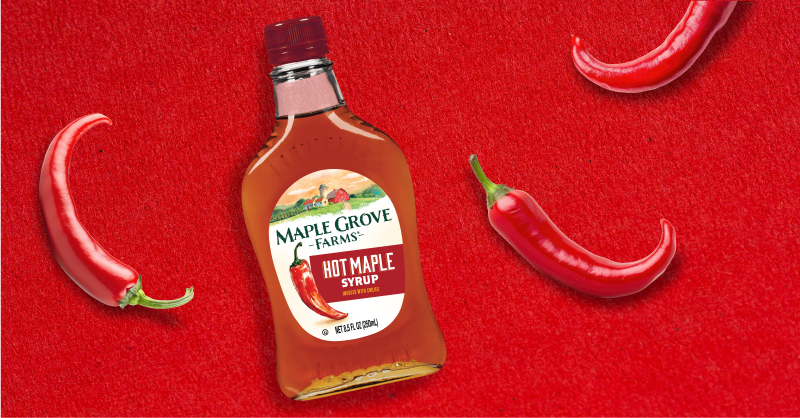
One of the newest standouts in this space is Maple Grove Farms’ Hot Maple Syrup, a just-released product that turns classic comfort into a bold flavor adventure.
Working with Maple Grove Farms, Smith Design developed packaging that reflects this balance, blending the warmth of maple tradition with a modern, fiery twist. The design brings the product’s duality to life, pairing heritage and edge in a way that mirrors its rich sweetness and subtle chili kick.
This launch embodies a defining flavor trend for 2026: sweet heat as a bridge between indulgence and intensity. It’s not about overpowering spice, but about contrast, how warmth and sweetness can coexist in ways that feel elevated, sensory, and new.
The Design Opportunity in “Heat”
For brands and designers alike, heat is more than a sensory trend, it’s a visual and emotional language. Red, orange, and smoky hues evoke intensity and warmth, while typography and texture can telegraph authenticity and craft. Successful “spice branding” balances attitude with accessibility: leaning into energy without alienating mainstream audiences.
As the category grows, co-branding and limited editions have become key storytelling tools. When done well, these collaborations extend the shelf life of excitement and tap into audiences eager for something familiar but turned up a notch.
What’sNext for Heat in 2026
Looking ahead, the conversation around heat will continue to evolve. Expect more emphasis on regional authenticity, sweet-heat pairings, and cross-category experimentation — from spicy honeys and chili oils to heat-infused snacks, condiments, and even beverages.
The brands winning in this space understand that heat isn’t just about Scoville units — it’s about emotion, culture, and experience. In 2026, spice is less about pain and more about personality.
’Tis the season of the Great Pumpkin, and with it comes the onslaught of Pumpkin Spice everything. Although the media, social and otherwise, love to poke fun at the plethora of products out there – consumers look forward to it and embrace it wholeheartedly.
Spice maker McCormick recently conducted a survey about seasonal spice mixes used at home – their Pumpkin Pie Spice Mix came in as the “top seasonal flavor consumers look forward to the most throughout the year.” According to the McCormick Proprietary Consumer Survey for 2025, 72% of respondents use pumpkin pie spice at least once a week.
Melt In Your Mouth Pumpkin!
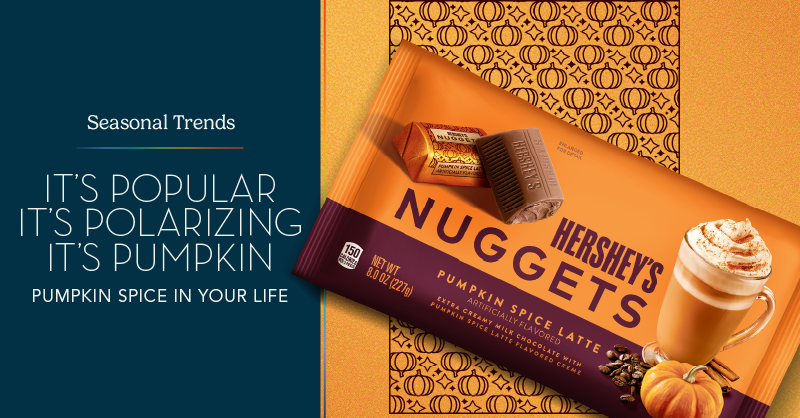
Packaged goods companies fill our shelves with an ever-growing array of pumpkin-spiced products to make it convenient for all to get in on the fall flavor fun. Smith Design has partnered with several clients to bring their brands into this flavor trend. We very recently worked with Hershey on Pumpkin Spice Latte Nuggets, embracing the warmth of fall with a rich, spice-toned color palette, custom illustrations, and in-house photography. The result is a cozy, craveable package that signals fall at first glance and stands out in the seasonal candy aisle.
Pumpkin Goes Nuts!
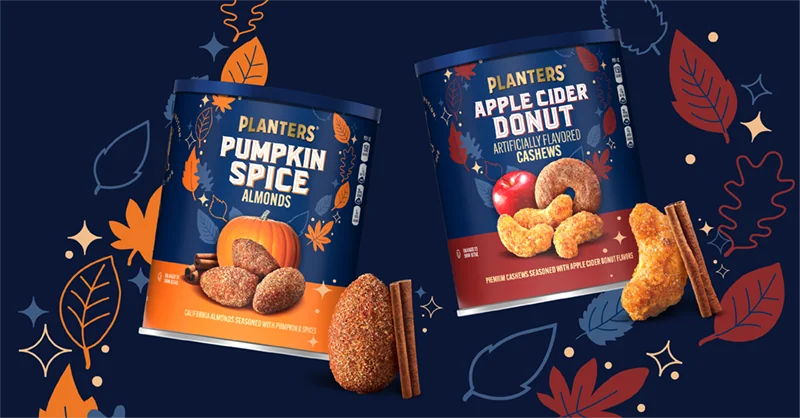
We also created seasonal packaging for Planters, and this year, you can enjoy both the design and the satisfying crunch of Pumpkin Spice Almonds. If the season really grabs you, also look for Planters Apple Cider Donut Cashews to fully fall into fall flavors. Smith Design has established a successful seasonal look for Planters offerings with bold graphics, illustration, and in-house photography to tempt your snack buds. There are holiday mixes as well to warm your winter, like Festive Fancifuls, but let’s not rush things!
From the Great Pumpkin comes the Greek Pumpkin
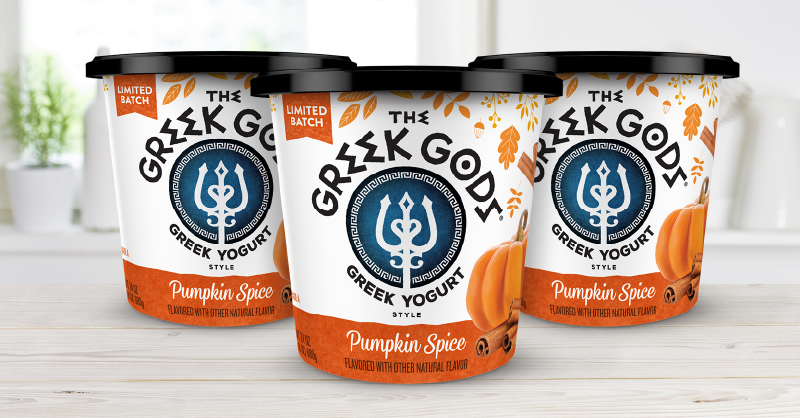
The yogurt aisle is always representing with the latest flavor trends and the most up-to-date seasonal tastes. Our work with Hain Celestial Group includes the launch of several limited-edition yogurt SKUs for The Greek Gods, including Pumpkin Spice. The packs have fun, illustrative flavor cues and photography to enhance the special seasonal attraction of this SKU to their main line of delicious yogurts.
Listen, whatever you may feel about Pumpkin season, don’t let it pass untasted. Frankly, we are here for it. If your brand is looking for tasty and trendy design launches, Smith Design is ready with a skilled team known for strategic thought leadership, stunning graphics, impactful illustrations, and delicious photography that sells. Put down that Pumpkin Margarita and give us a call!
Over the past year, we have seen a wave of brand redesigns, some honoring equities while others completely abandoning them. As a design agency that partners with category-leading heritage brands, our take is simple: treat equities as irreplaceable assets, not creative constraints.
Respecting Memory While Refreshing Meaning
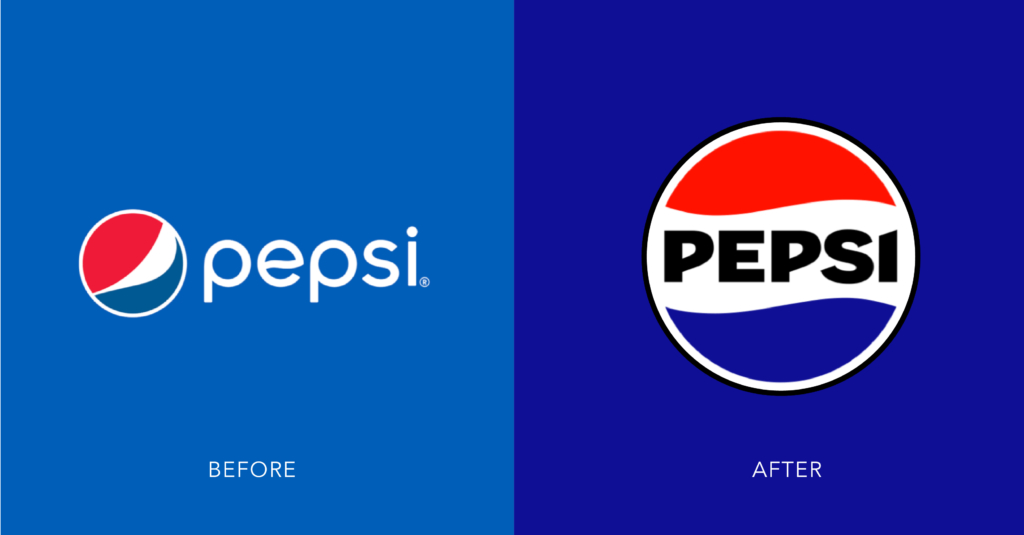
Pepsi’s identity refresh channeled 1990s visual memory, returning to a bolder wordmark locked inside the globe, with a darker palette and black accents to elevate Zero Sugar. It’s a case study in nostalgia with intent – contemporary, but instantly “Pepsi.”
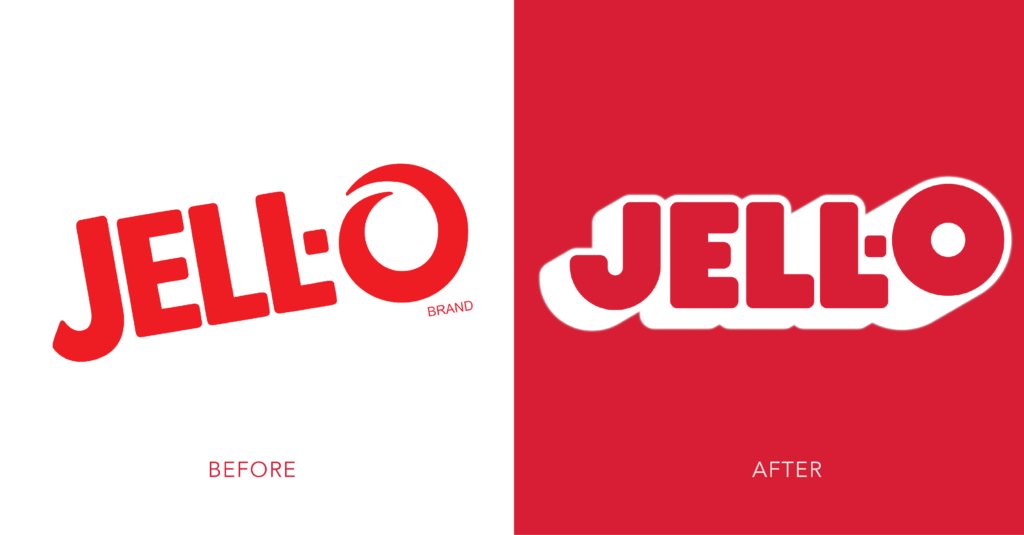
Jell-O leaned into a retro-playful packaging system and jiggle-forward visuals, trading clinical cues for joyful appetite appeal. Jell-O is an excellent example of a heritage brand made current by amplifying, not erasing.
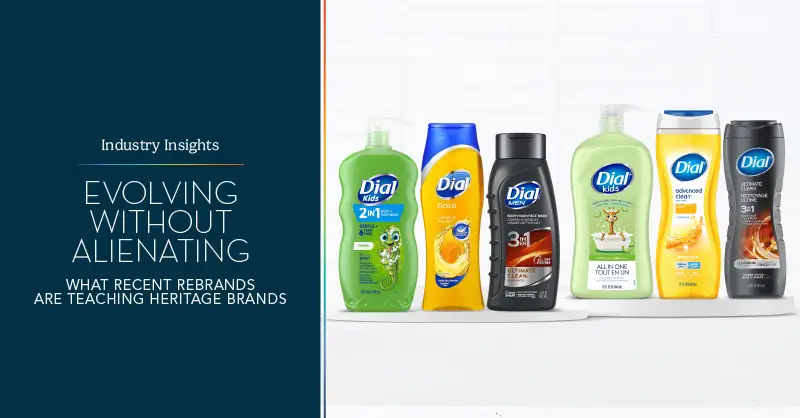
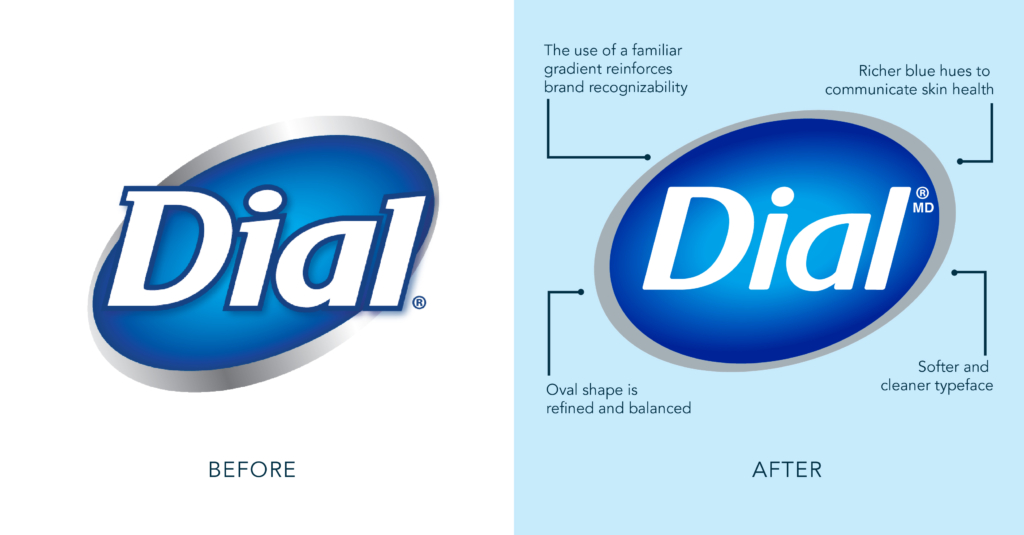
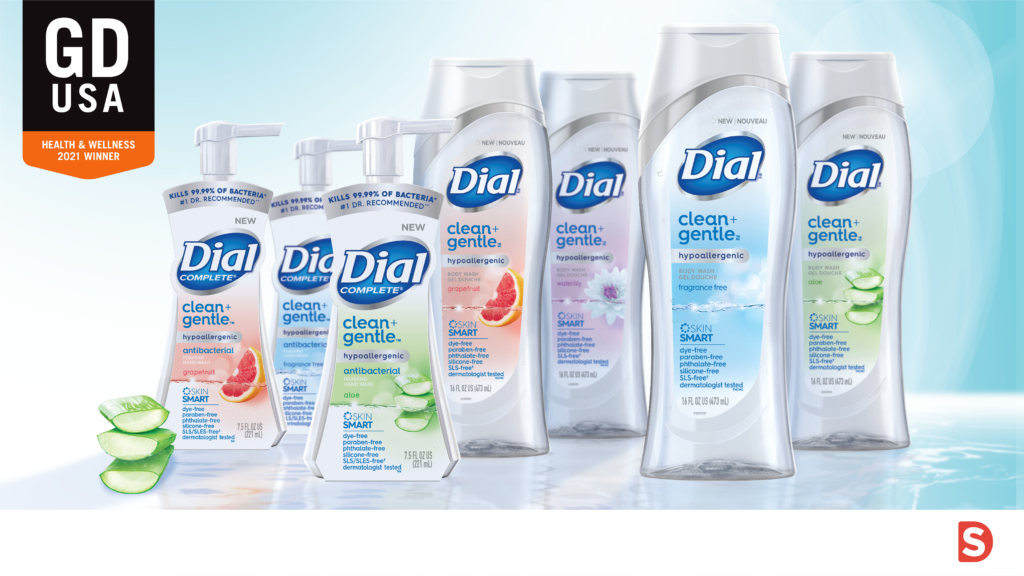
Dial evolved its identity by honoring core brand equities while expanding beyond cleanliness to build emotional and sensory connections. In collaboration with Smith Design, the brand introduced modernized illustrations, streamlined packaging, and distinct subline expressions that transform its heritage into a foundation for fresh, relevant storytelling.
Why these landed: each began with an audit of non-negotiable equities (shapes, colors, wordmarks, pack architecture) and then used those as springboards. Heritage was a tool to increase recognition and warmth, not the strategy itself.
Breaking the Bond with Loyalists
Cracker Barrel attempted a modernized logo and store refresh that muted hallmark cues (the “old country store” feel). Customer backlash resulted in a swift halt of the rollout and reinstating the original logo, a lesson in how deeply an experience and brand mark are intertwined for legacy brands.
Jaguar in a bold push toward electrification, rolled out a campaign centered on the tagline “Copy Nothing”, featuring a new minimalist logotype and sleek visuals. Fans and critics accused Jaguar of abandoning its storied heritage, claiming the company “killed a British icon.”
What went wrong: backlash isn’t just about logos; it’s about signals towards a bigger change that will affect the core of what consumers know and love about a brand. When the new expression seems to disinvite your base, consumers start to recognize what may be changing at a deeper level, leaving the new visual strategy to take the brunt of the negativity for the bigger organizational change.
Our Philosophy for Heritage Leaders
We design with two truths in mind:
Equities are capital. You don’t delete assets that took decades to accrue; you reinvest in them.
Growth requires stretch. New, younger audiences need fresher codes to see themselves in the brand. The backlash received by some brands should not deter heritage brands from making necessary updates; mindful reimagination will make sure you are evolving to meet those new consumer needs.
The job is to hold the line on what must endure and evolve what can invite.
How We Do It (and what you can expect)
Equity Map & Hierarchy. We inventory distinctive assets (color, iconography, pack silhouettes, taglines). Then we tier them: Keep / Evolve / Explore.
We purposely use dual-audience testing. We test current users and next-gen prospects separately first and then together, so we can see where preferences diverge rather than averaging them into something not rooted in strong support.
Scenario design, not one-offs. We prototype territories:
Conserve: tight evolution, maximum continuity.
Bridge: bolder motion with protected core equities.
Breakthrough: novelty option pressure-tested for stretch.
Decision by “Equity + Effect.” We combine recognition/fit metrics with persuasion and “would try/buy” lift. The winning route protects recognition and grows relevance.
When current vs. new consumers don’t agree…this is the hard part, and it happens. How do we continue forward without abandonment?
Find the overlap first. Identify assets both groups rate as “makes it feel like the brand.” Those become untouchables.
Localize the novelty. Concentrate change where your base is least sensitive and keep primary marks, core colors, and hero pack elements consistent.
Stagger the leap. If the breakthrough route wins with prospects but alarms loyalists, roadmap it: launch the Bridge system now, pre-wire the “why,” and schedule feature releases toward the bolder behaviors once familiarity builds.
Narrate the change. Use brand storytelling to frame evolution as a return to purpose, not a departure. Communicate how the launch narrative connects the past to the future in human terms.
Great redesigns don’t choose between heritage and modernity; they translate heritage into modernity. When you honor what people already love, you earn the right to show them what they’ll love next.
Breakfast has emerged as one of the most dynamic innovation zones in the CPG landscape. Shifts in consumer habits, heightened focus on wellness, and a craving for convenience have turned the morning meal into a canvas for experimentation and an opportunity for growth for CPG companies.
A Category Reawakened
With more people working from home or adopting flexible schedules post-pandemic, breakfast has moved from a rushed necessity to a daily ritual consumers are eager to personalize, enhance, and optimize.
Add to this the rise of functional foods, growing demand for clean-label ingredients, and a desire for flavor exploration, and it becomes clear: the traditional cereal aisle is no longer enough.
Trends Driving the Breakfast Boom
Consumers want more from their first meal, giving rise to notable trends across the category. A few trends exhibiting tenacity right now include:
1. Functional Nutrition
Consumers want breakfast with benefits: energy, focus, satiety, and gut support. Brands like Taika (adaptogenic lattes) and MUSH (probiotic-rich oats) lead the charge by embedding function into formats people already know and love.
2. Protein Priorities
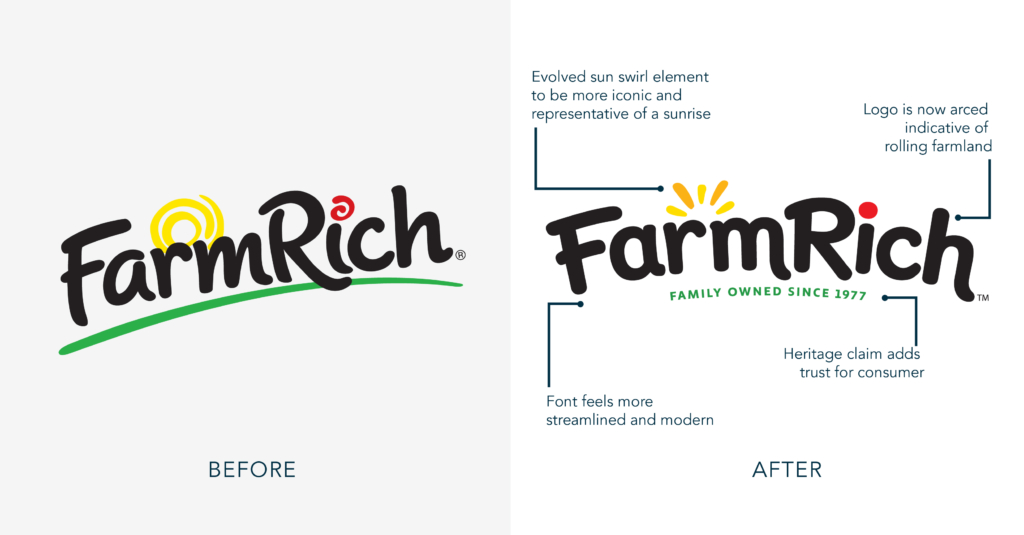
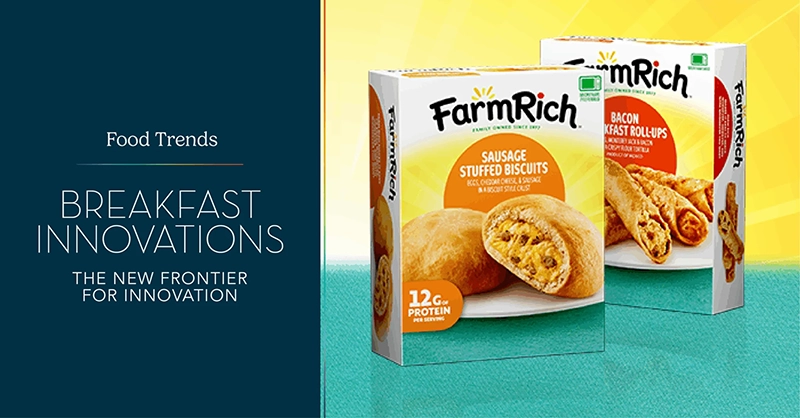
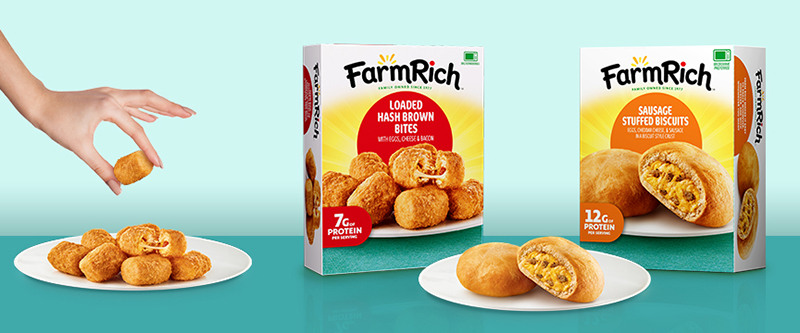
Breakfast has become the protein anchor of the day. Brands like Farm Rich are turning familiar formats into high-performance food without sacrificing taste. Smith Design recently worked with both brands to capture innovations in breakfast. Farm Rich’s High Protein Cinnamon French Toast Sticks, Loaded Hash Brown Bites, Bacon Breakfast Roll Ups, and Sausage Stuffed Biscuits offer the delight and familiarity of indulgent breakfast foods in a portable format that packs a protein punch. Smith created the logo for Farm Rich, redesigned the packaging, and shot the food photography.
3. Plant-Based
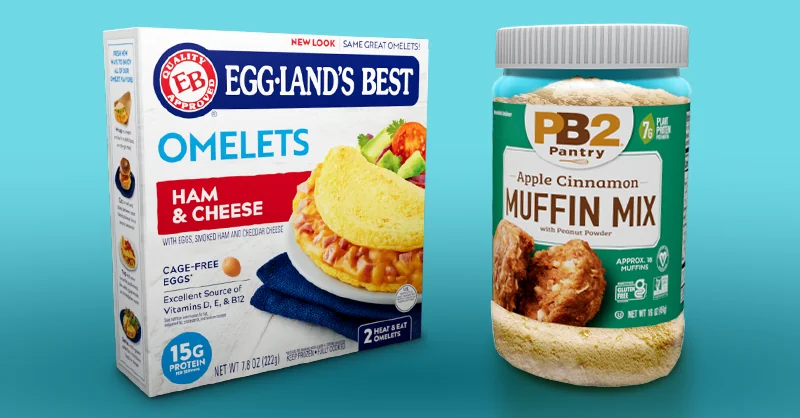
With demand for plant-forward meals increasing, breakfast is an ideal entry point. PB2’s Apple Cinnamon Muffin Mix combines the benefits of added protein that’s all plant-based. Smith Design worked with PB2 on the label design and food photography for this innovative morning mix.
4. Snackification of the Morning Meal
Today’s breakfast might be eaten in the car, at a desk, or mid-Zoom. This shift has opened doors for portable, resealable, microwaveable formats. Smith Design leveled up the package design and photography for Eggland’s Best Sous Vide Egg Bites, which go from frozen to fabulous in minutes and are easy to bring on the go.
The Breakfast Opportunity
For CPG brands, breakfast offers a unique intersection of habit, health, and hedonism. It’s a chance to build brand loyalty in a new category through daily rituals, capture self-space in multiple grocery aisles, and drive category disruption without the need to educate consumers from scratch about their brand.
First held in 1903, the Tour has become one of the most prestigious events in sports, captivating fans with its dramatic mountain climbs, high-speed sprints, and iconic landscapes. It’s a grueling, multi-week stage race that blends athleticism with tradition.
But beyond the peloton lies a fascinating visual language: the jerseys themselves. From the famed maillot jaune to the green, polka dot, and white jerseys, each color tells a story—honoring the race’s history, celebrating standout performances, and adding a layer of symbolism to every pedal stroke. Whether you’re new to the Tour or a longtime fan, understanding the origins of these jerseys offers a richer appreciation for the spectacle and strategy of the race.
Yellow Jersey (Maillot Jaune) – Overall Leader
Introduced: 1919
Significance: Worn by the rider with the lowest overall time (General Classification).
Why Yellow?: It matched the yellow newsprint of L’Auto, the race’s original organizing newspaper.
Fun Fact: Eugène Christophe was the first to wear it. At the time, it was controversial because riders felt it made them too easy to target.
Green Jersey (Maillot Vert) – Points Leader
Introduced: 1953 (50th anniversary of the Tour)
Significance: Awarded to the best sprinter based on points from stage finishes and intermediate sprints.
Why Green?: It was originally sponsored by a lawn mower company, hence the green color.
Fun Fact: Points are weighted toward flat stages to favor sprinters.
Polka Dot Jersey (Maillot à Pois Rouges) – King of the Mountains
Introduced: 1975
Significance: Given to the best climber, based on points earned on categorized climbs.
Why Polka Dots?: A chocolate sponsor (Chocolat Poulain) used red polka dots in its branding.
Fun Fact: Climbs are categorized by difficulty, with more points available on the hardest ones.
White Jersey (Maillot Blanc) – Best Young Rider
Introduced: 1975 (discontinued in 1989, revived in 2000)
Significance: Awarded to the best rider under 25 in the General Classification.
Why White?: It represents youth and potential—a clean slate.
Fun Fact: Many eventual Tour winners started out by winning the white jersey early in their careers.
And while history, tradition, and pure athletic prowess are the center points of this epic endurance event, let’s not forget the calories. It takes a fair amount of them to fuel such continued exertion. As an amateur competitive cyclist, I can tell you that certain foods are more suited to sustaining the energy needed to climb the Alps. Even better, I discovered I can support caloric intake for an endurance ride, pulling only from Smith Design client projects.
Here’s how I would set my menu:
Night before:
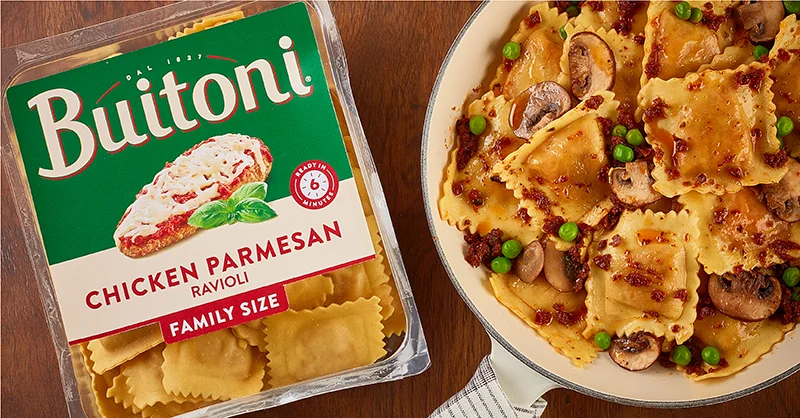
While the science of “carb-loading” has shifted, a pasta meal is still a great idea, as long as it’s a healthy balance of macronutrients. I’d choose Buitoni Chicken Parmesan Ravioli.
Breakfast:
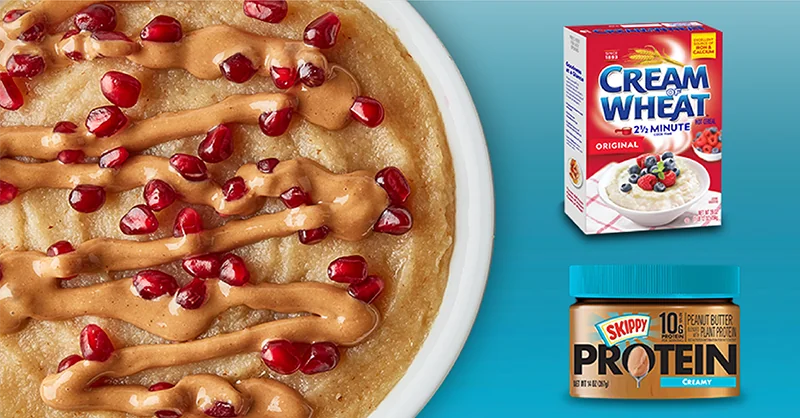
Cream of Wheat will top off your carbs in the morning. I like to stir in some Skippy Creamy Protein Peanut Butter for extra satiation.
On the Bike:
The pros have support cars and domestiques to fetch their snacks, but amateurs? We need to cram our pockets full of goodies. Single-serve packets are easily stashed in cycling jerseys, and small bites are best for snacking on the go. I’d reach for:
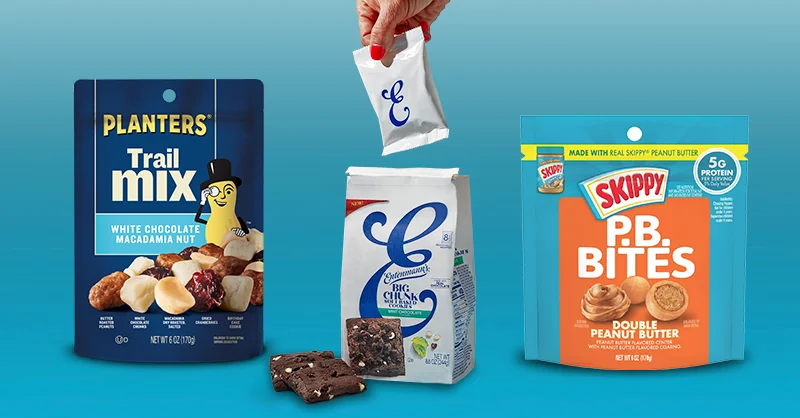
Skippy P.B. Bites, Planters Trail Mix, and Entenmann’s Big Chunk cookies.
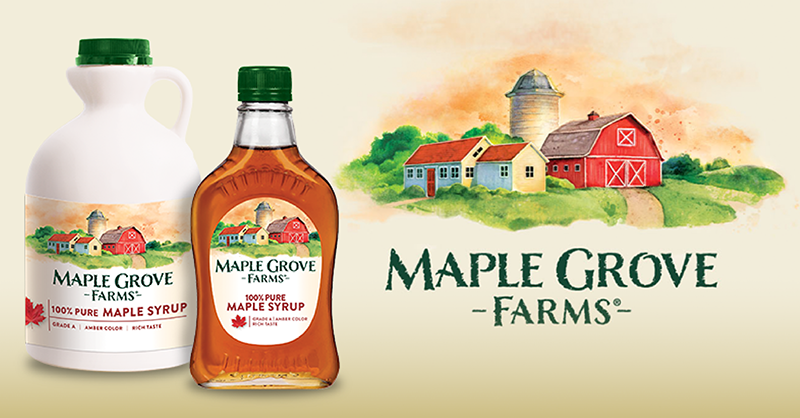
Electrolytes in your water bottle are an absolute must. Did you know you can make your own by combining a little Maple Grove Farms Maple Syrup and pinch of salt?
After it’s all over, don’t forget to show your bike some love. Towel it off using Bona’s All Purpose Cleaner (Lavender scent, of course) and a microfiber cleaning cloth.
The Tour de France airs from Saturday, July 5th, through Sunday, July 27th, and the Tour de Femmes airs from July 26th to August 3rd.
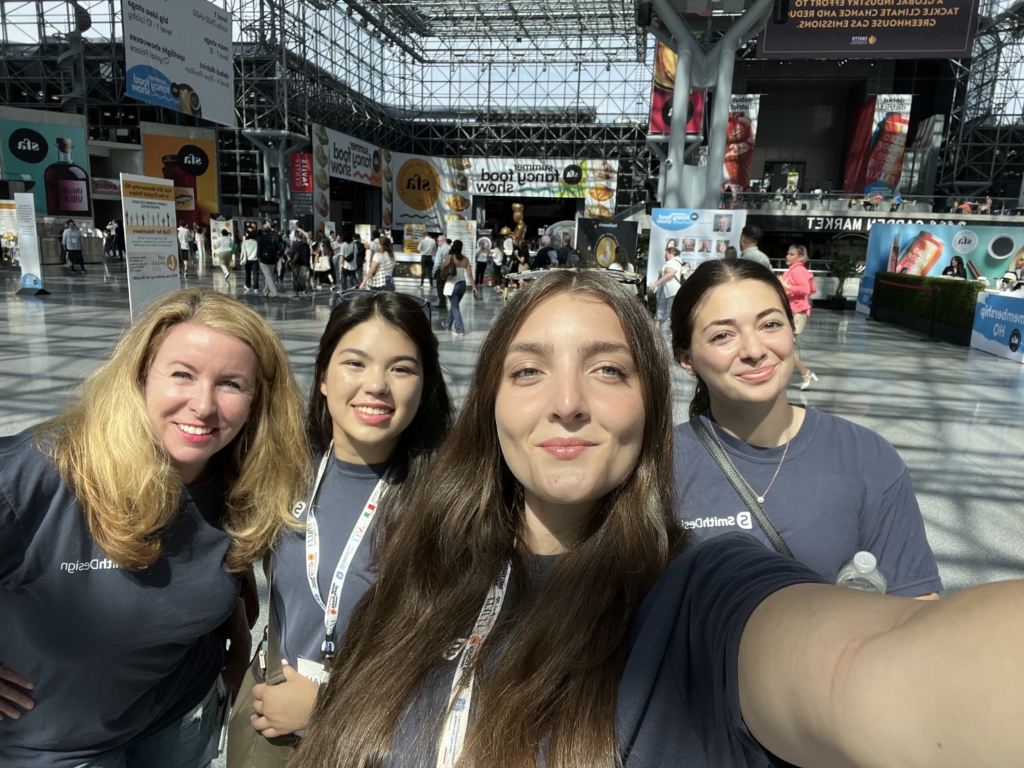
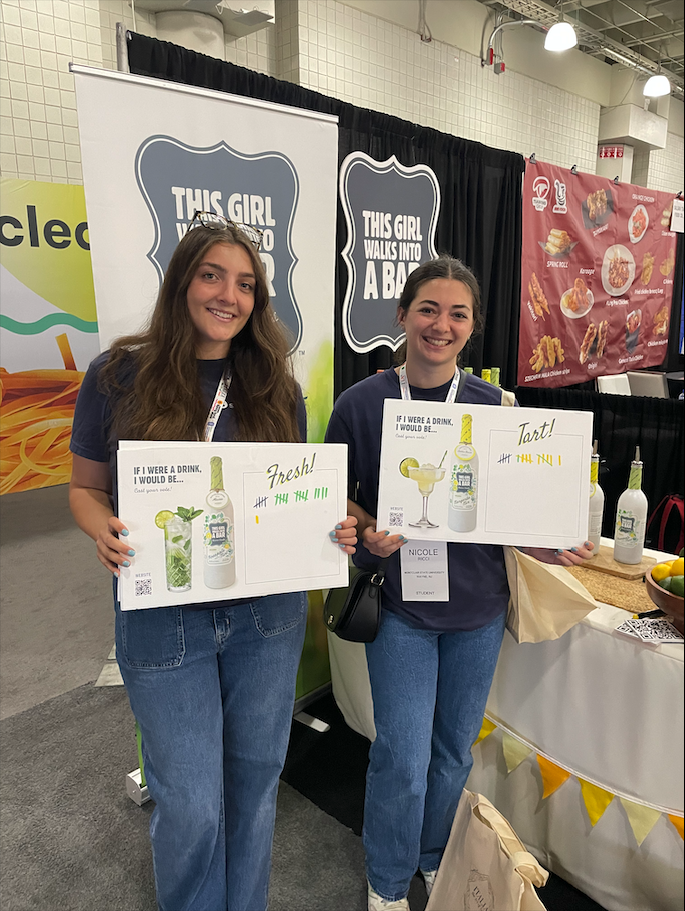
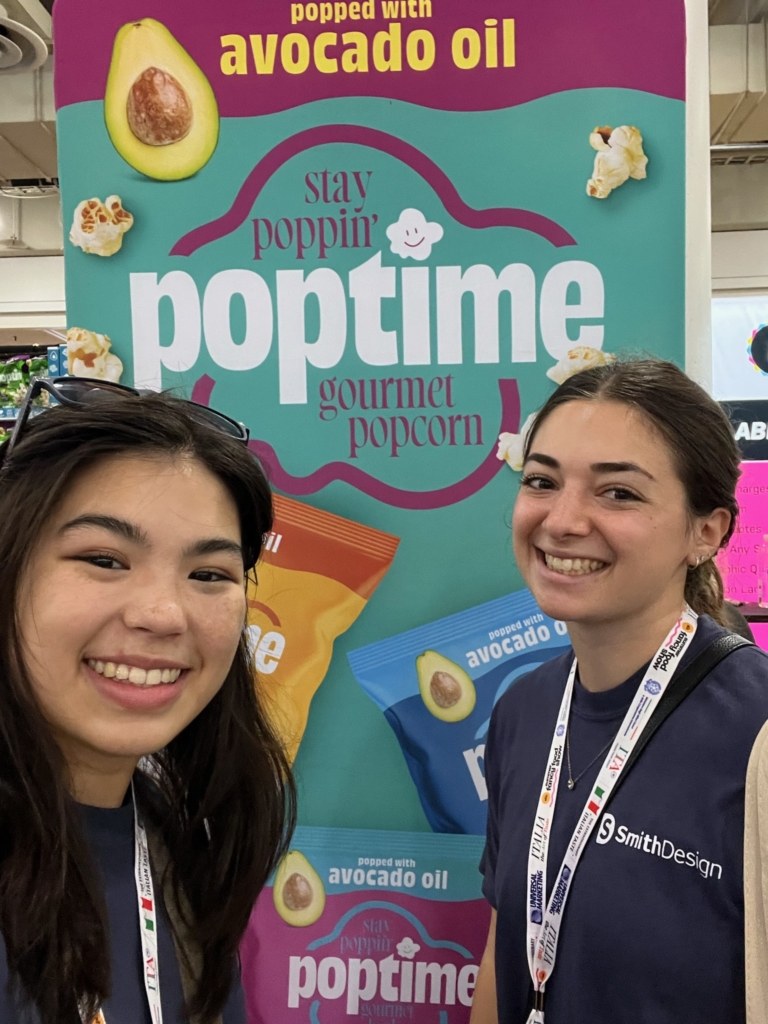
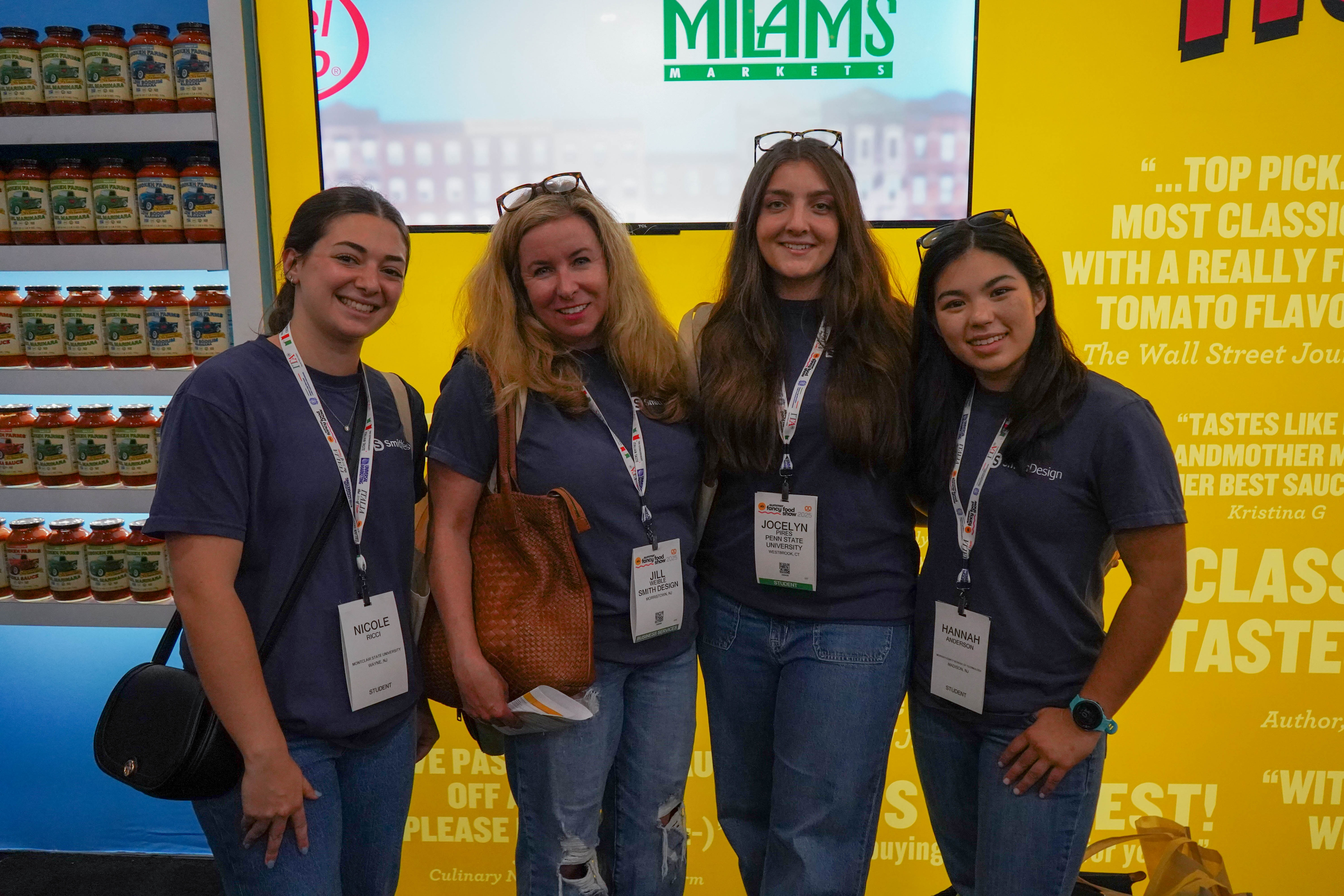
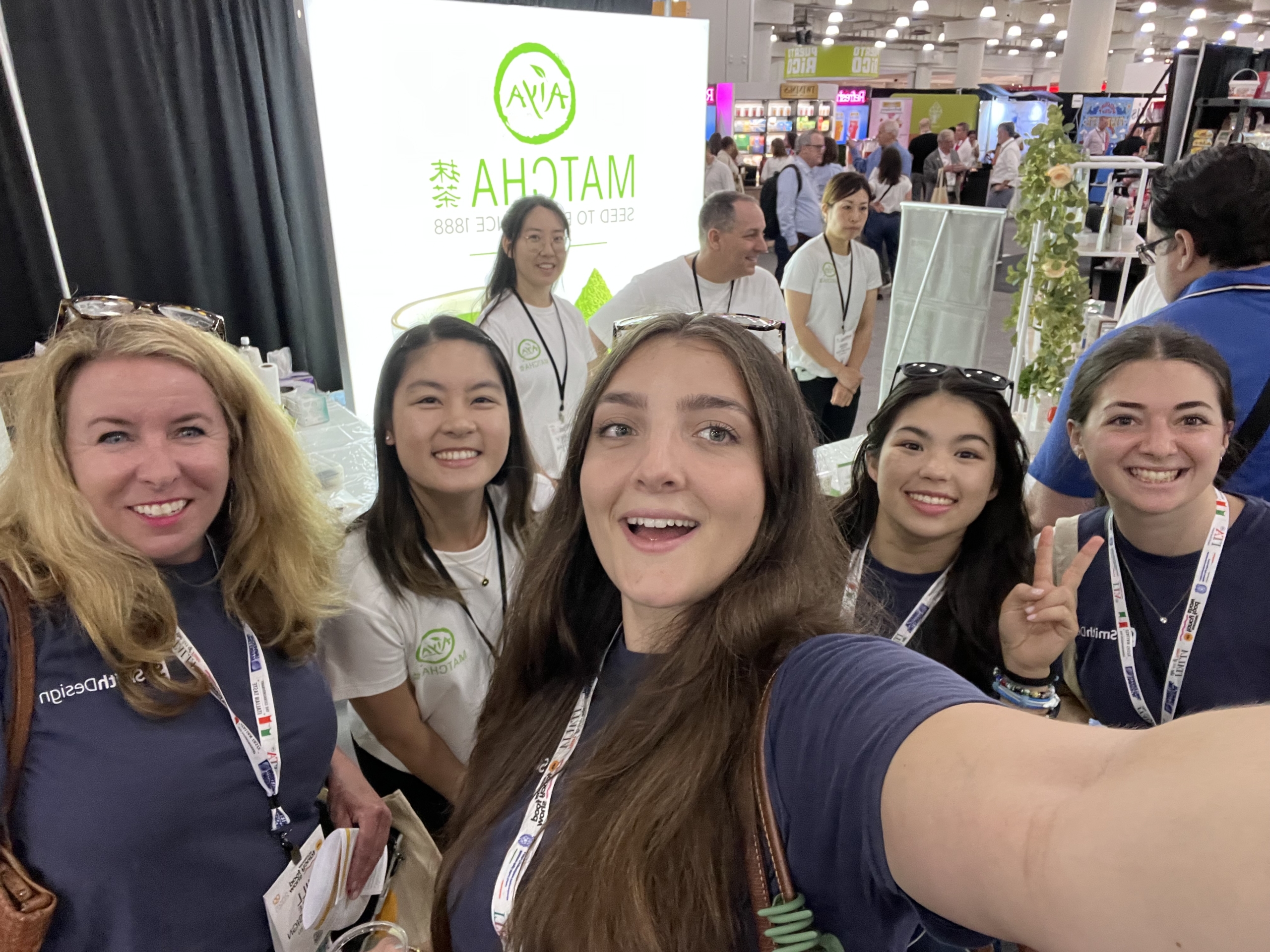
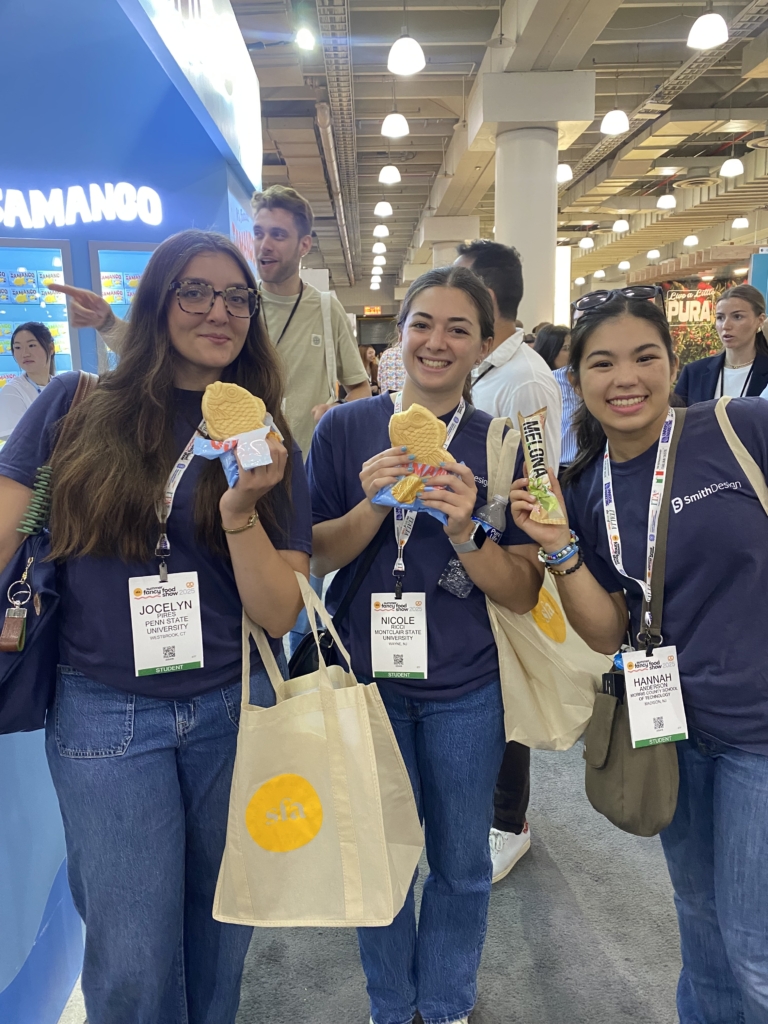
This year’s SFA Summer Fancy Food Show was stocked with delicious treats, hot new products, and over 2,500 innovative, beautifully designed, eye-catching booths. Four of Smith Design’s own were able to attend: Senior Client & Business Growth Development Manager, Jill Weible, and our three summer interns, Hannah, Jocelyn, and Nicole.
THE ADVENTURE BEGINS
We started the day by meeting up at the front of the Javits Center! Jill briefed us on our game plan and, after picking up our own special name badges, we headed to the first floor ready to stuff our tote bags full of samples to bring back to the office! With over five thousand booths to go visit, we made sure to bring our best walking shoes and prepared to fill our brains (and bellies) with a whole lot of food knowledge.
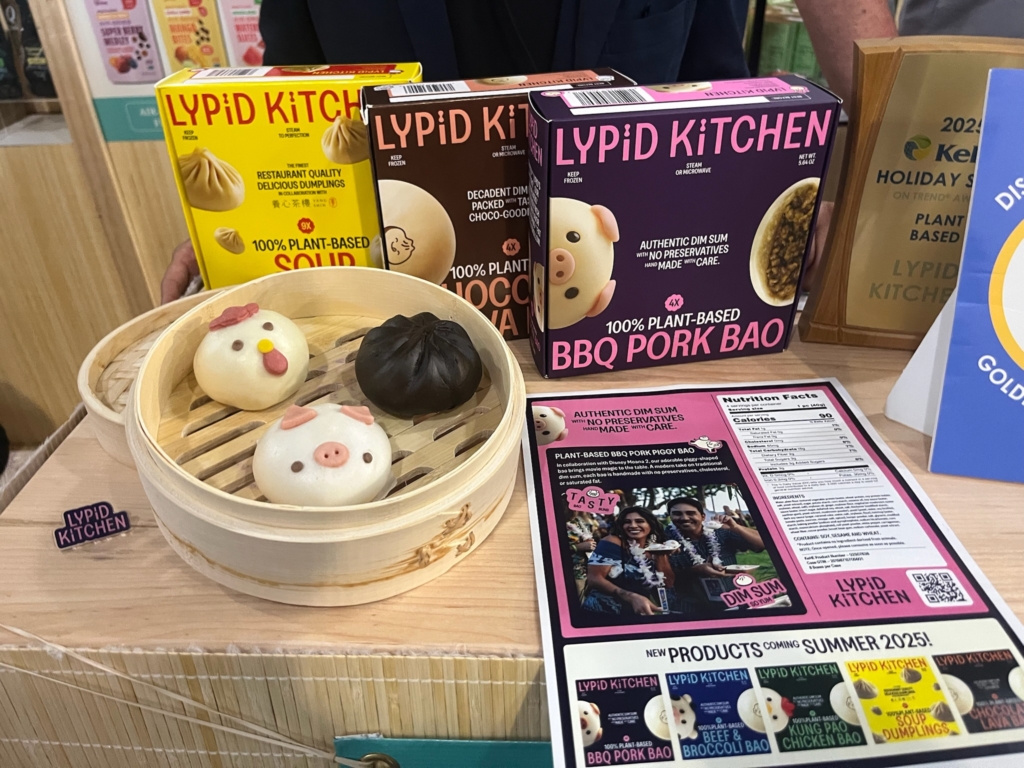
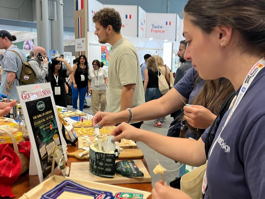
Booth by booth, we were able to see so many different foods, snacks, drinks, and desserts! Some have been around for decades, centuries even; others were brand new, fresh takes on treats we had never seen before! By talking with the diverse group of exhibitors, we were able to learn about new technologies, flavor combinations, business collaborations, and find out what is, or will be, trending now!
A SPICY KICK
There was no shortage of heat at SFA’s Summer Fancy Food Show, and we’re not just referring to the weather. Spice was one of the most popular trends among this year’s exhibitors. After prior Fancy Food Shows helped launch Mike’s Hot Honey into the stratosphere, hot honey was an incredibly popular ingredient in various products, especially marinara sauce.
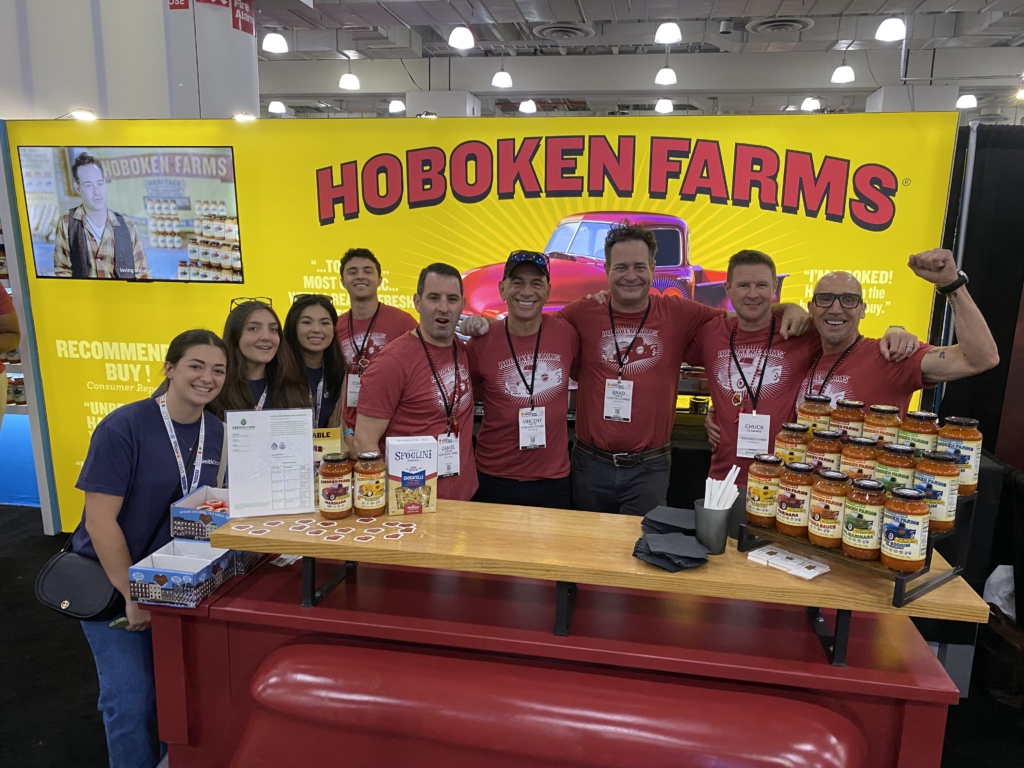
Speaking of Spice, our friends at Hoboken Farms launched a spicy, new sauce flavor – Butter & Calabrian Chili Marinara. We spent some time at their truck-themed booth watching their Yo-Yo master perform and sampling the new sauce cooked up by Brad.
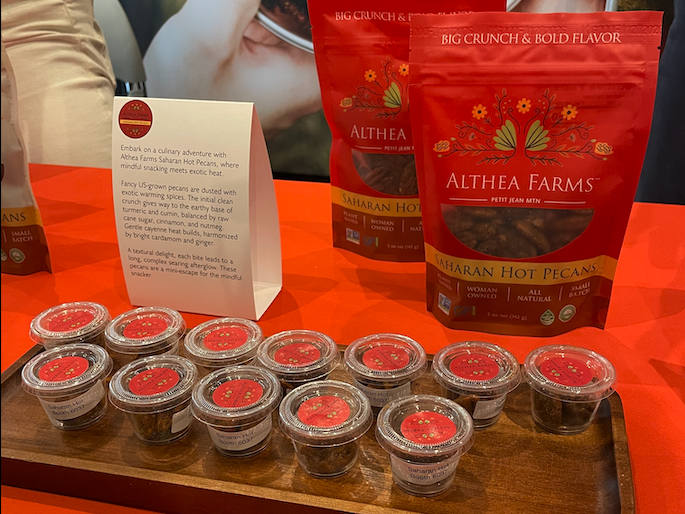
Our taste buds were on fire all day after trying everything from Saharan Hot Pecans at Althea Farms, Rondele Mango Habanero Cheese at Lactalis, the adorably designed Noodletown Sesame Noodles with Chili Crisp at Acecook, and Maazah’s fresh Cilantro Chutney sauce.
ALTERNATIVES FOR EVERYONE
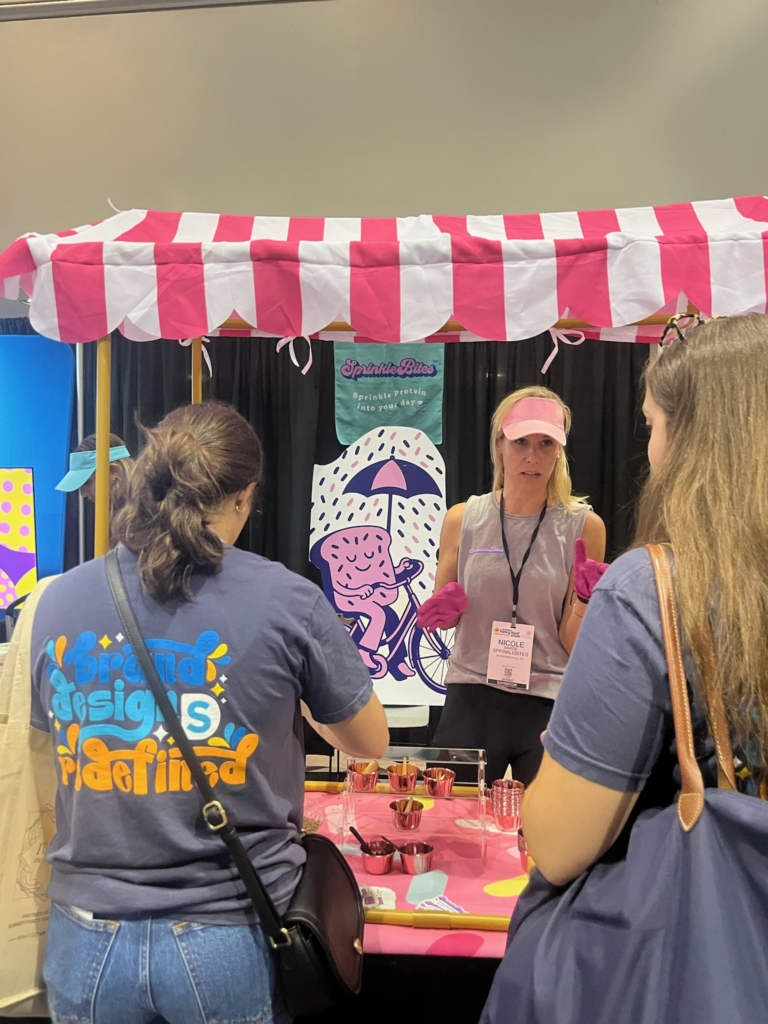
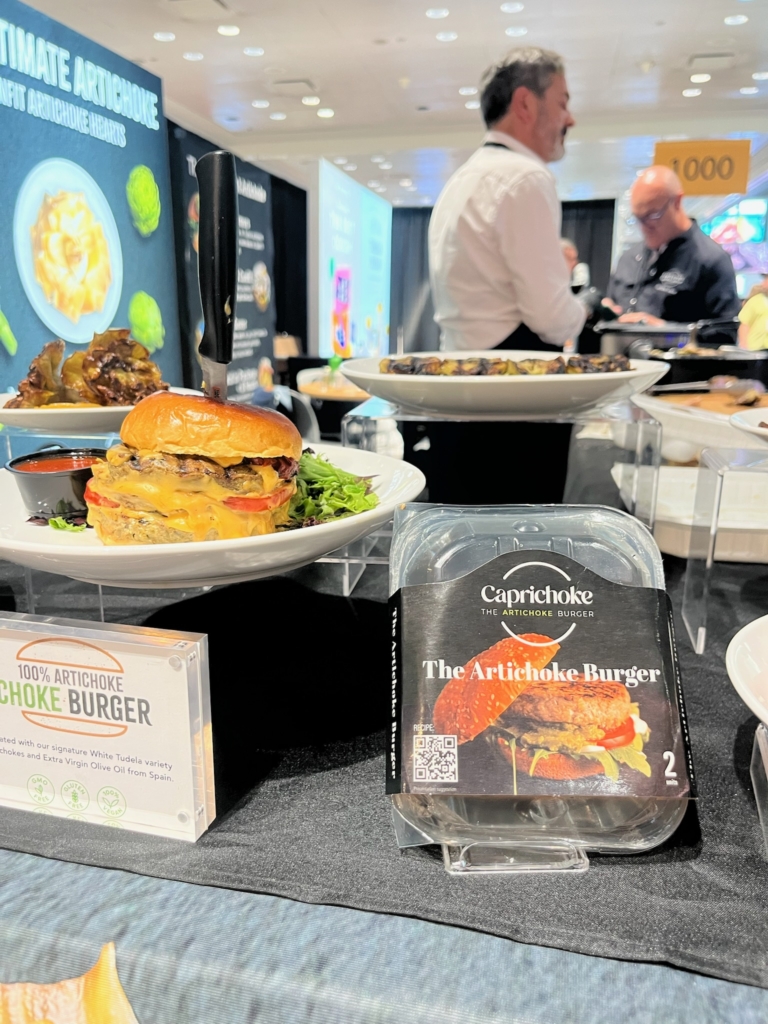
If one thing was clear at this year’s show, it’s that the food industry is in the midst of an accommodating age. We tried a huge variety of alternative products, some highlights being The Ultimate Artichoke’s artichoke burgers, Natural Heaven’s heart of palm pasta, Prime Shrimp’s shrimp burger, and Bezi Labeneh’s tangy cream cheese alternative. We even sampled protein sprinkles at Sprinkle Bites, which was one of the most innovative products we tried at the show.
In addition to offering different ingredients and regionally-inspired flavors, many of the alternative products were also created to accommodate health and dietary preferences. These packages were sprinkled with claims of being high in protein and fiber and low in fats, sugar, and carbs.
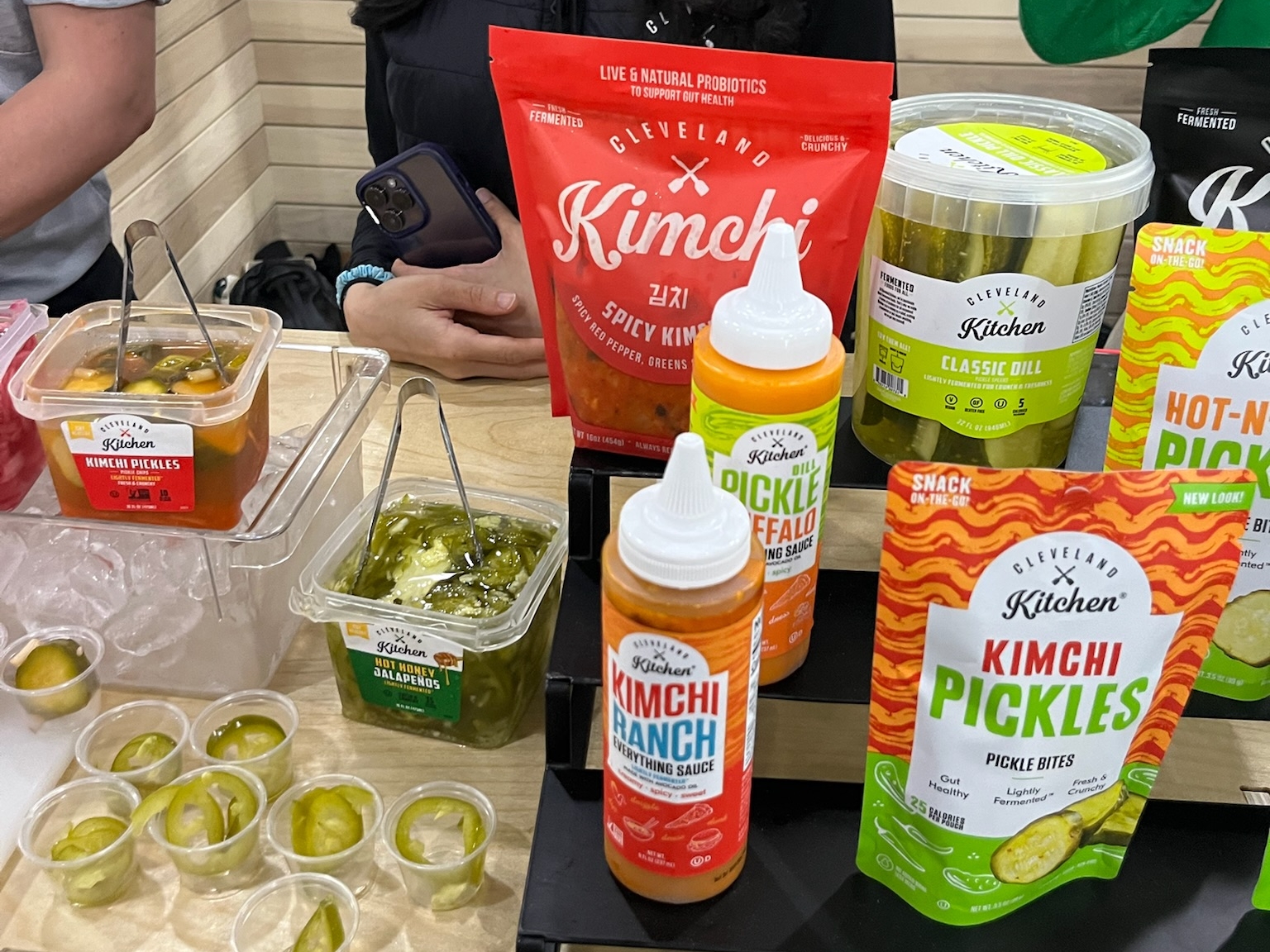
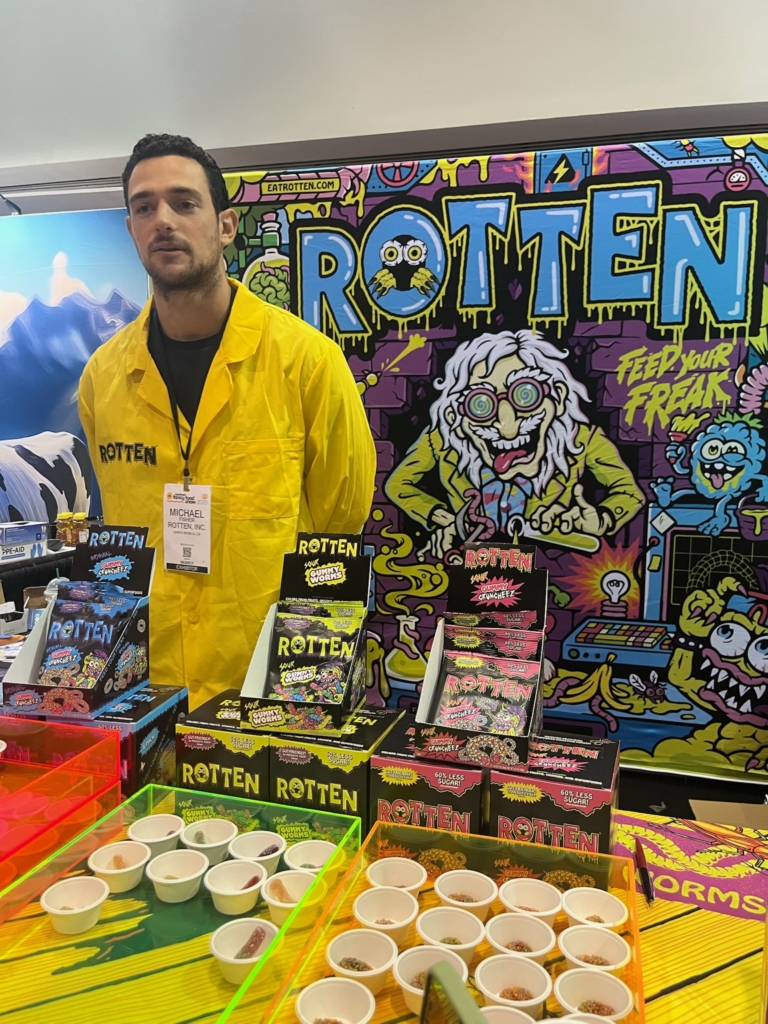
Continuing on with the health theme, another major trend we noticed at Fancy Food was the abundance of products highlighting the inclusion of prebiotics. Visiting “Rotten Candy”, a new brand that ironically produces healthier alternatives to classic gummy candies, felt like stepping into a mad scientist’s laboratory with their neon, nostalgic illustrations. We sampled their unbelievable gummy candies that also happened to be packed with prebiotics and offer 60% less sugar than leading gummy brands.
EASE & CONVENIENCE
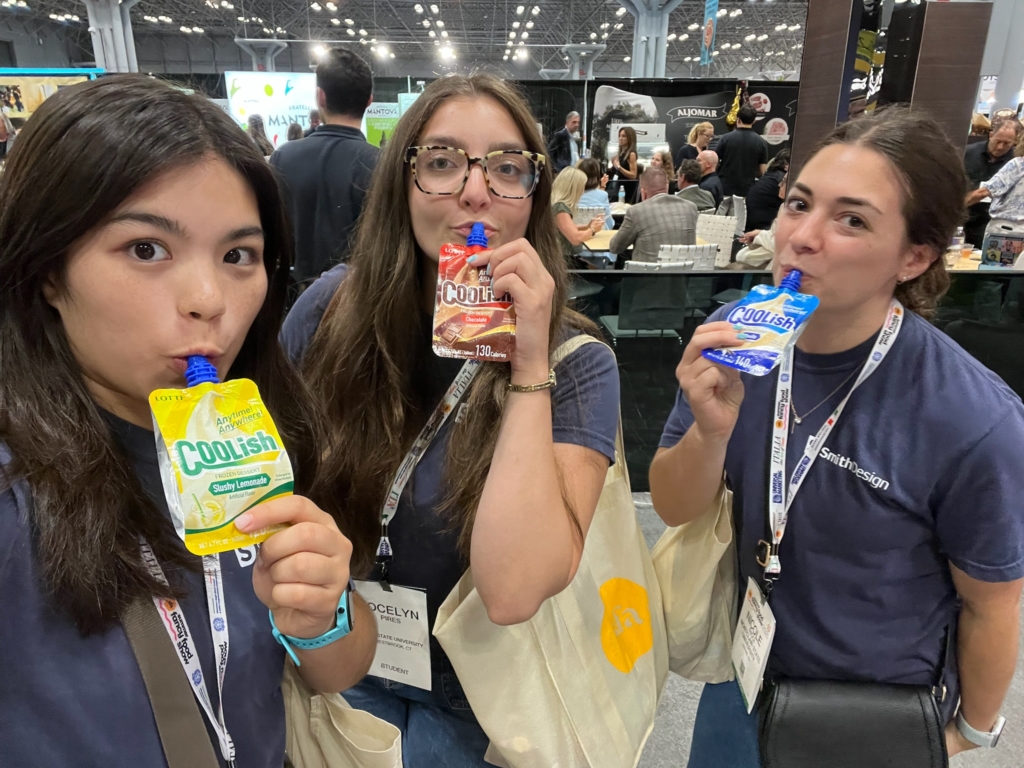
One of our favorite micro-trends we observed was convenient, on-the-go packaging. We also saw lots of individually packaged snacks with portioned servings. Lotte’s Coolish Frozen Desserts came in squeezable pouches, bringing all the fun of ice cream, without the drippy mess.
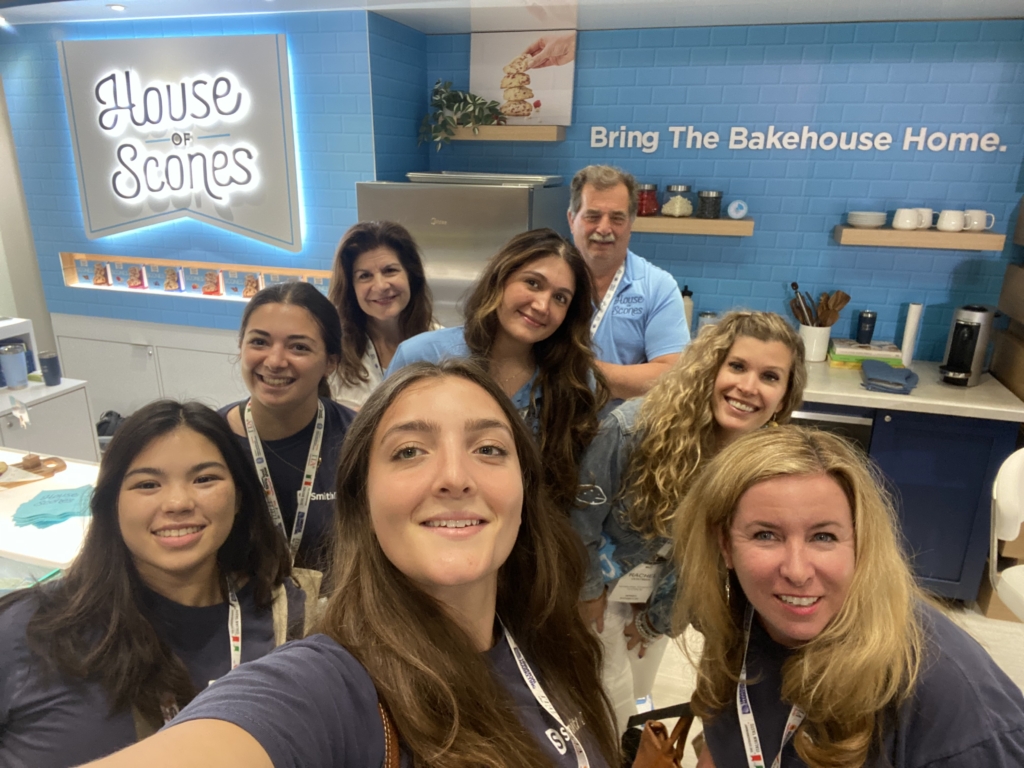
Many brands introduced new products offering a gourmet flavor experience at home. King Arthur Baking Company was serving fresh, hot biscuits straight from the oven with strawberry rhubarb jam and melted butter using their Buttermilk Biscuit Flour Blend. We also enjoyed visiting House of Scones, sampling their delicious scones and seeing Smith Design’s polished branding and package designs on display. These brands and their standout products offered a thoughtful cooking and eating experience, in addition to their delicious taste.
RAINBOW OR REFINED?
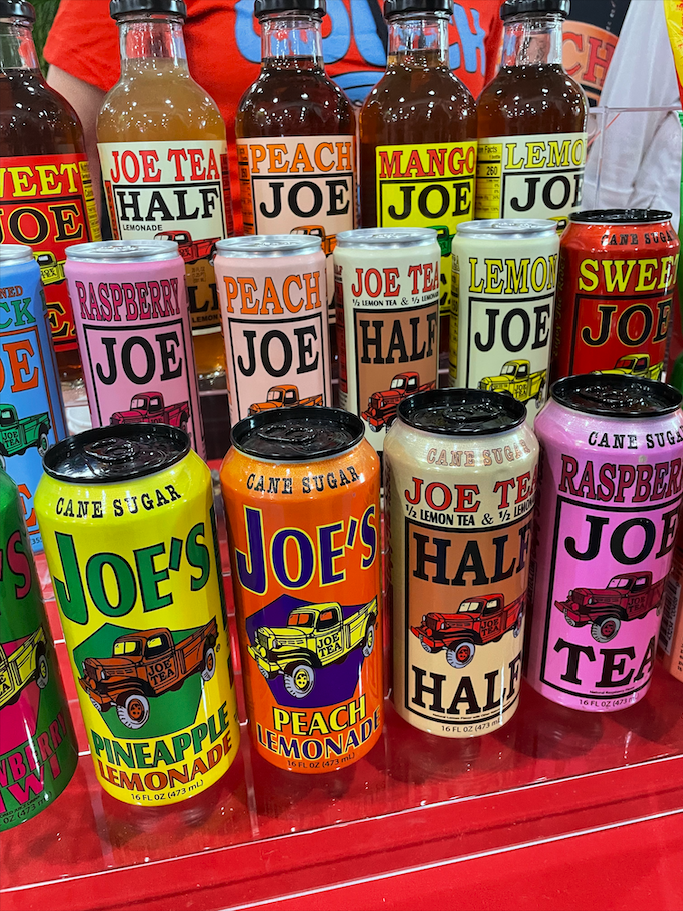
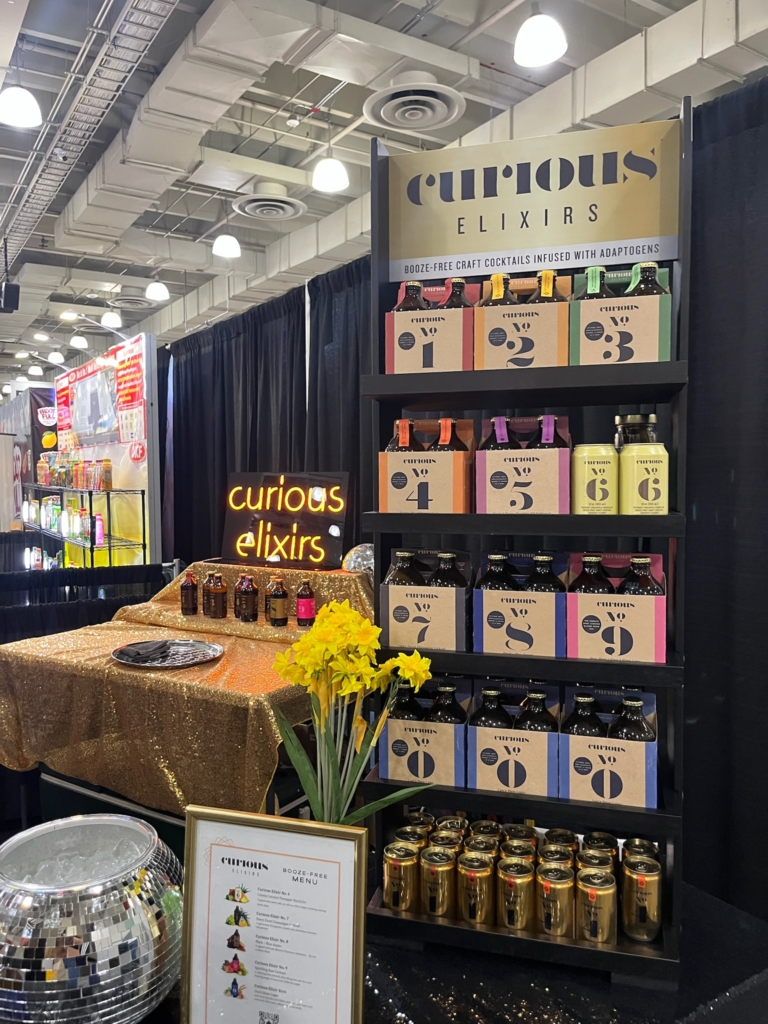
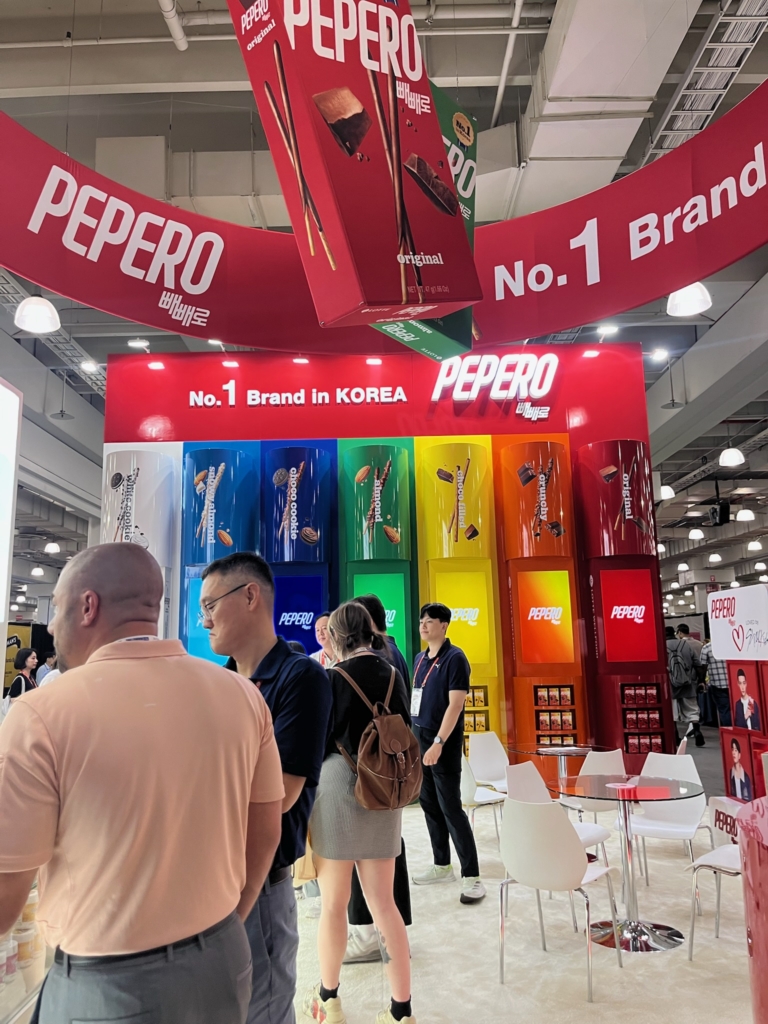
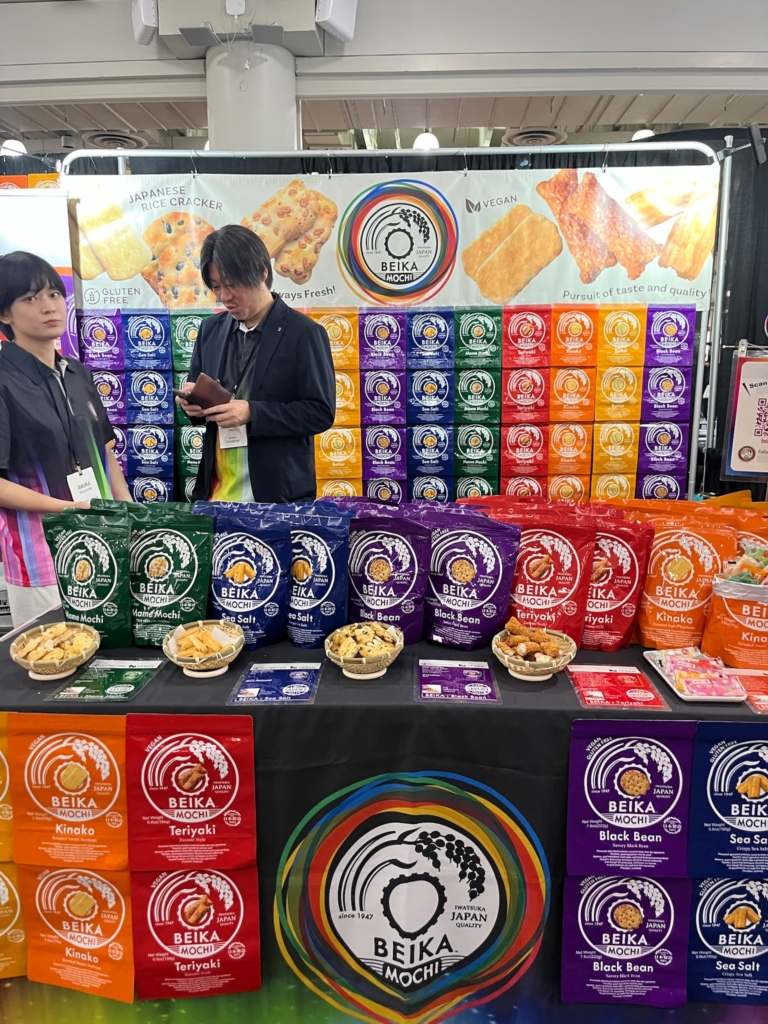
Rather than sticking to a particular brand color, many brands have been leaning into the rainbow aesthetic. These brands remain anchored by their wordmarks and logos, with different rainbow shades for every flavor. Curious Elixirs, Joe Tea and Pepero were standout booths because of their punchy, multi-colored packaging.
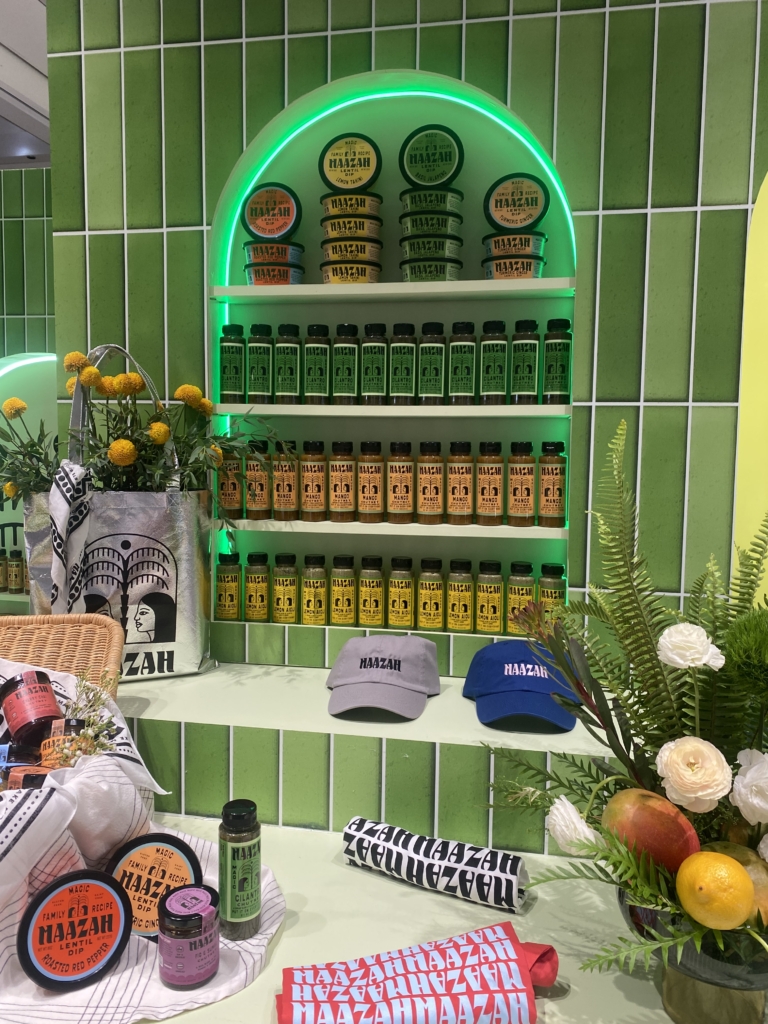
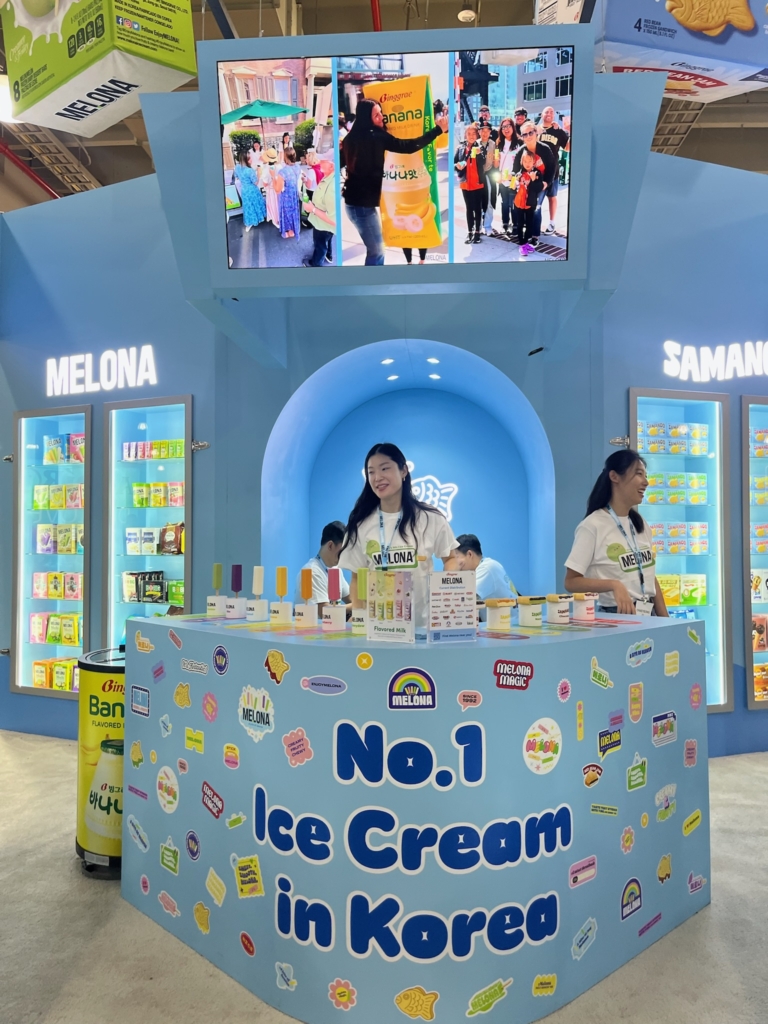
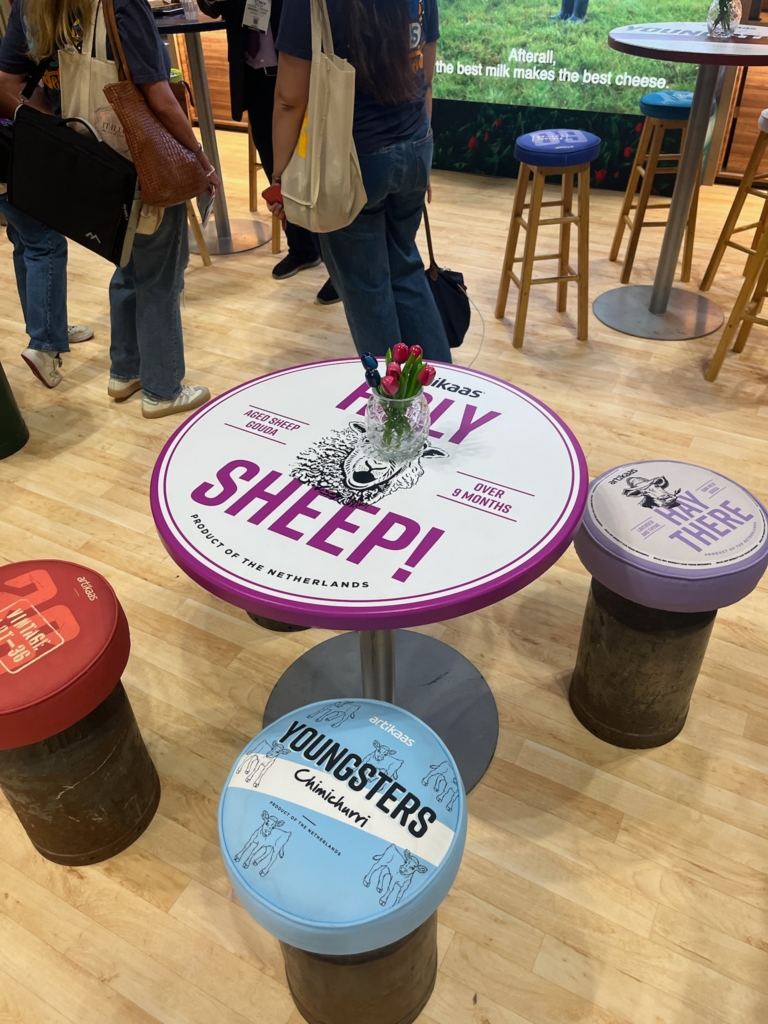
Monochromatic color schemes could be equally effective for some brands. We loved Melona’s icy blue booth, tricked out with neon signs and colorful stickers, which perfectly complemented their Taiyaki Ice Cream sandwiches. Artikaas leaned into the “cheesy” theme, their tables and barstool cushions adorned with their clever cheese wheel designs. Maazah’s soothing, green-tiled booth felt like an oasis in the chaos of the Javits Center. Their chutneys and lentil dips were tasty paired with a full charcuterie spread.
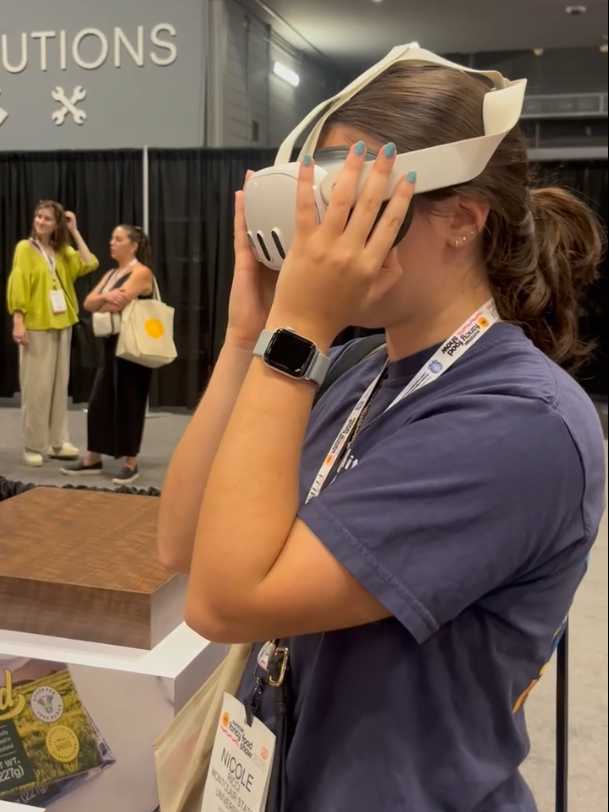
Highlights: – Visiting our clients and seeing their fabulous booths and new product innovations – Learning the stories behind products – Josephine’s Cookies, history of Twinings – Westgold VR headset – we could almost taste the grass! – Ornate tinned fish – Sprawling charcuterie spreads – Easting samples 😉
There was so much to see and do at the show. We learned so much and will cherish this experience forever. We were able to see how much work goes in behind the scenes to get the products we use and eat every day to the shelves and left the center inspired and ready to apply our newfound knowledge in our work.
After a long day at Fancy Food, we made our way back to New Jersey with overflowing totes, satisfied appetites, packed camera rolls, and even a brand-new pizza board. Here’s to another great year at SFA’s Summer Fancy Food Show!
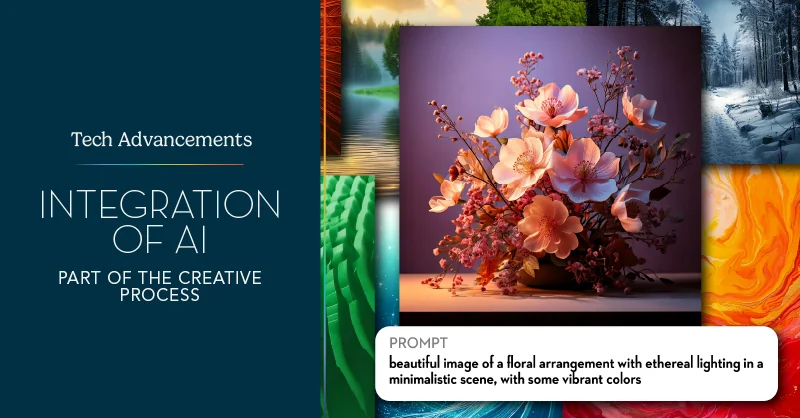
Whether you’re a designer or a brand marketer, this blog offers insights that can help you harness the power of Visual Generative AI. Maximize agility with faster turnaround times and cost efficiency with “GenAI”.
AI has rapidly evolved from a niche area in computer science into a transformative force across various industries, particularly graphic design. Visual GenAI enables machines to perceive, interpret, and act on visual data similarly to how humans do, but the implications of this technology extend far beyond mere image recognition.
GenAI – New Developments
The recent conversations surrounding GenAI focus on developments in AI image synthesis such as Firefly, Runway, DALL-E, Midjourney, and Flux, which have accelerated automated creativity.
The integration of GenAI in graphic design has evolved from basic automation tools to sophisticated generative systems, significantly impacting the creative process by streamlining repetitive tasks, generating design ideas, and enhancing image manipulation, allowing designers to focus more on conceptualization and high-level decision-making.
The future of AI in graphic design likely includes even more advanced customization, personalized design experiences, and the ability to seamlessly integrate diverse data sources into visual outputs, further blurring the lines between design and data analysis.
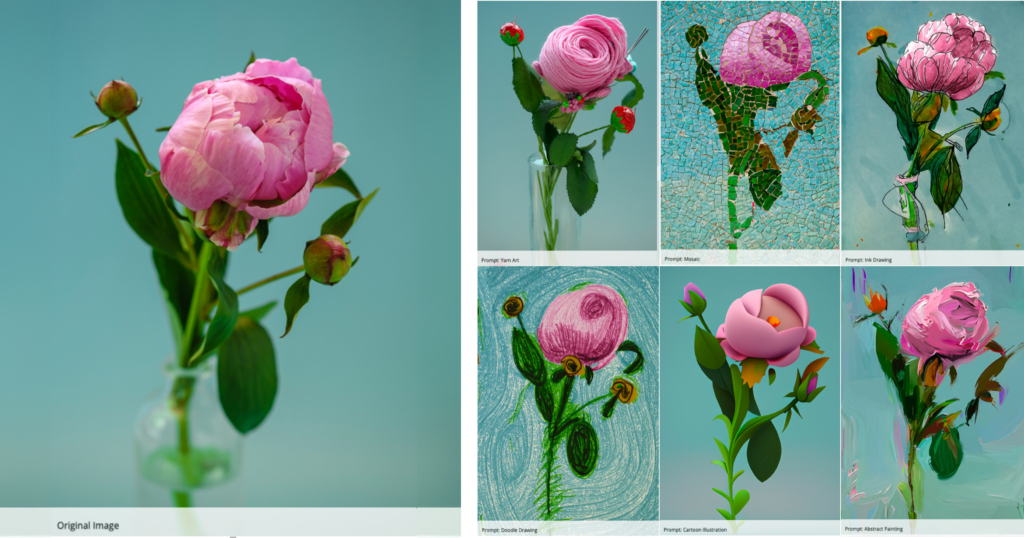
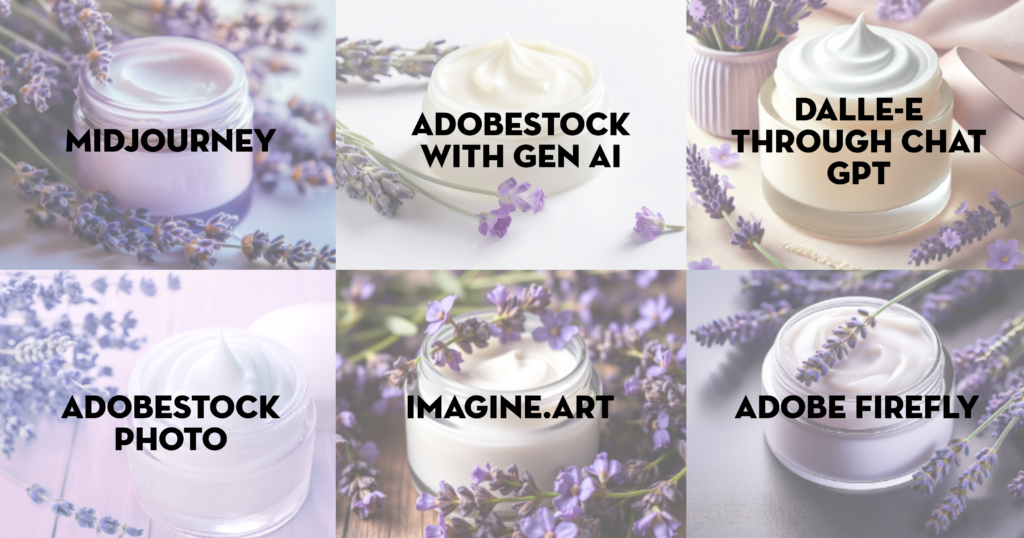
Guess Which Images Are Made With AI?
Stay tuned for the answer revealed further down in the blog…
GenAI – Governance
In mid-October Smith Design sent three representatives to the Adobe MAX 2024 conference in Miami Florida. They returned with a wealth of new knowledge, including how Adobe is paving the way for GenAI governance by implementing content credentials and using only permitted content. Adobe takes responsible innovation in the age of GenAI very seriously. Their leadership positioning and commitment to thoughtful AI innovation is an example for other GenAI development models. A diverse Adobe AI Ethics Review Board oversees training, testing, and the review process to ensure accountability, responsibility, and transparency. Click here to learn more about our learnings from the Adobe Max conference: https://smithdesign.com/blog/adobe-max-2024-recap/
With an everchanging landscape, the GenAI risk and governance stakeholders in different organizations will need to diligently oversee the responsible use of GenAI by mitigating potential biases, security threats, and ensuring safety and ethical practices.
Drive Efficiency and Enhance the Creative Process Using AI as a Tool
As we are weeks away from entering the last year of Q1 in the 21st Century, several key trends converge to reshape the industry. Advancements in machine learning, natural language processing, and computer vision are driving these trends, making AI more accessible and powerful than ever before. Designers who embrace these technologies will equip themselves to meet the demands of an increasingly digital and personalized world in the 21st century Q2 and beyond.
Think of the process of using AI as spit balling ideas, image swipe sessions, or post-it sketch storms with your team, during the beginning phase of design. How might you use AI to generate ideas, or use it in your workflow?
You can use AI to:
Enhanced Creative & Visual Briefs: Generate unique design concepts that designers may not have considered. AI can assist designers in providing fresh perspectives to spark creativity.
Efficiency and Speed: Quickly generate designs or concepts, significantly reducing turnaround times. This speed can be crucial in meeting tight deadlines.
Customization: Tailor designs based on specific prompts, enabling a high degree of personalization.
Cost-Effectiveness: Streamline the design process, especially for preliminary concepts and prototypes, making it more affordable than traditional research methods.
Exploration of Styles: Mimic various artistic styles and genres, allowing designers to experiment with different looks and feel without needing to master each style individually. AI programs enhance efficiency and creativity by quickly generating ideas and automating repetitive tasks. It can also help with style references, material reference, consumer types, objects, materials, conveying idea/context, design language, packaging types, photography language, etc.
Consistency: Maintain design consistency across various projects by adhering to predefined style guidelines and parameters.
Accessibility: For those without advanced design skills, or the ability to verbally communicate their vision, AI tools can provide a way to create professional-looking designs with minimal expertise.
Data-Driven Insights: Analyze trends and patterns to inform design decisions.
Experimentation: Assist in testing and iterating on multiple design concepts quickly, helping designers find the best solution without extensive manual effort.
Support for Collaboration: Facilitate collaborations by providing a shared platform where team members can generate and refine design ideas together.
And now for the answers!
Conclusion
As AI continues to advance, its impact on graphic design and marketing will only grow. By integrating these technologies into their workflows, designers can unlock new levels of creativity and efficiency. The future is bright for those willing to embrace the possibilities that AI brings to the table.
Want to learn more about how to successfully navigate using AI as a tool for inspiration and efficiency? Fill out the form below to be one of the first to receive our more extensive white paper that is in development. Please add that you are interested in the GenAI white paper.
Smith Design also offers Educational Seminars where we host webinars and live or streamed events on trending topics. Please fill out the form to connect and to learn more.
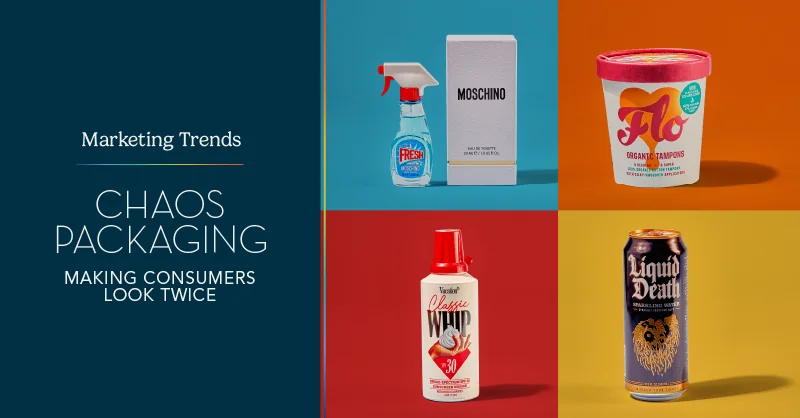
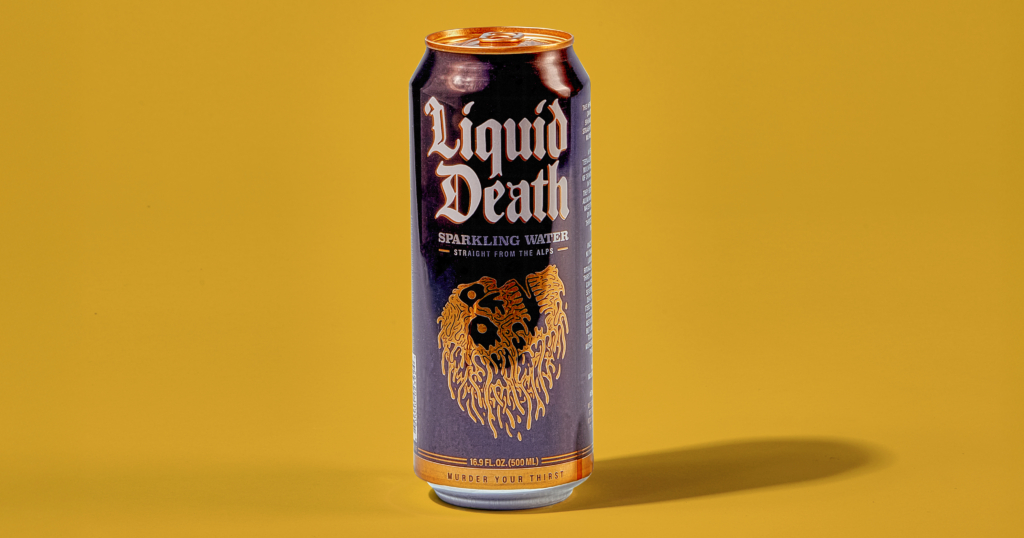
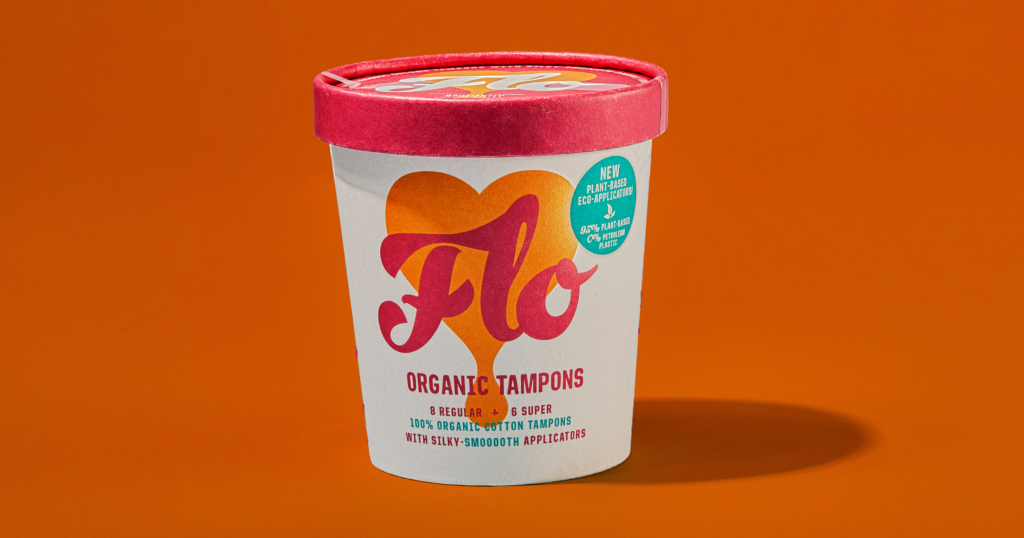
In today’s world of retail, consumers crave uniqueness, surprise, and a touch of rebellion – and the latest packaging trend, aptly called “chaos packaging,” brings all these elements to the forefront. Chaos packaging, a phenomenon that continues to gain traction on TikTok and recently spotlighted by The Wall Street Journal, embraces an unorthodox approach by selling products in containers that are unconventional to their category. Think tampons packaged in what looks like ice cream containers or water in tallboy cans traditionally used for beer. This outlandish packaging taps into our curiosity and challenges the norms of what packaging “should” be, prompting many to wonder: How far will this trend go, and what could be next?
Small Startups Disrupt the Shelves
The chaos packaging trend began with small startup brands that, due to limited budgets, needed to stand out against larger competitors. Without funds for extensive advertising, these companies had one primary promotional tool – their packaging. Rather than using conventional packaging that might get lost on shelf, they adopted surprising, playful forms, and in many cases, they used stock packaging to keep costs down. By placing their products in non-standard containers, these brands caught the eye of consumers in a shockingly fresh and economical way.
Influencers Fuel the Chaos Packaging Craze
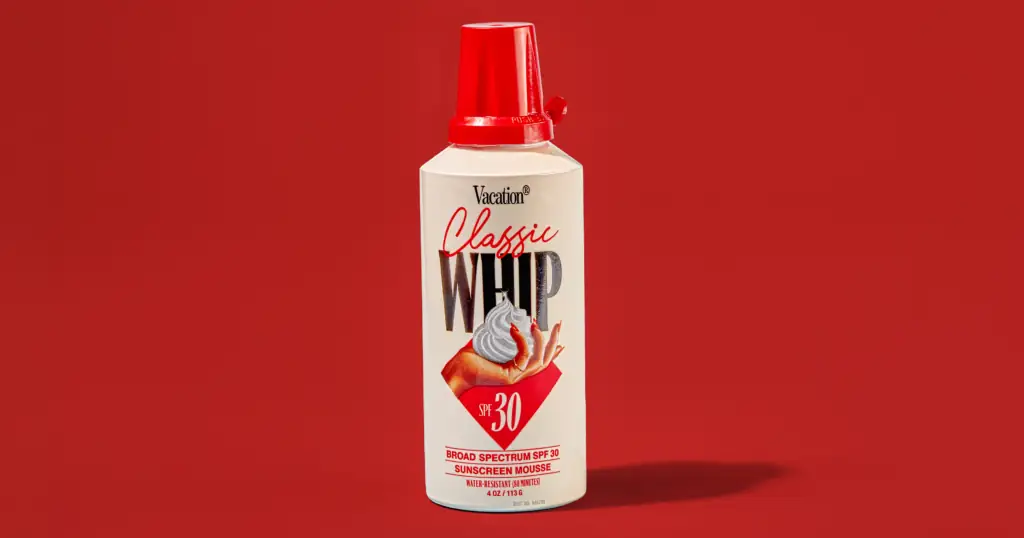
Social media influencers continue to play a significant role in amplifying chaos packaging. This past summer, the Vacation brand sunscreen went viral. This sunscreen packaged in a whipped cream container really whipped up a frenzy of social posts!
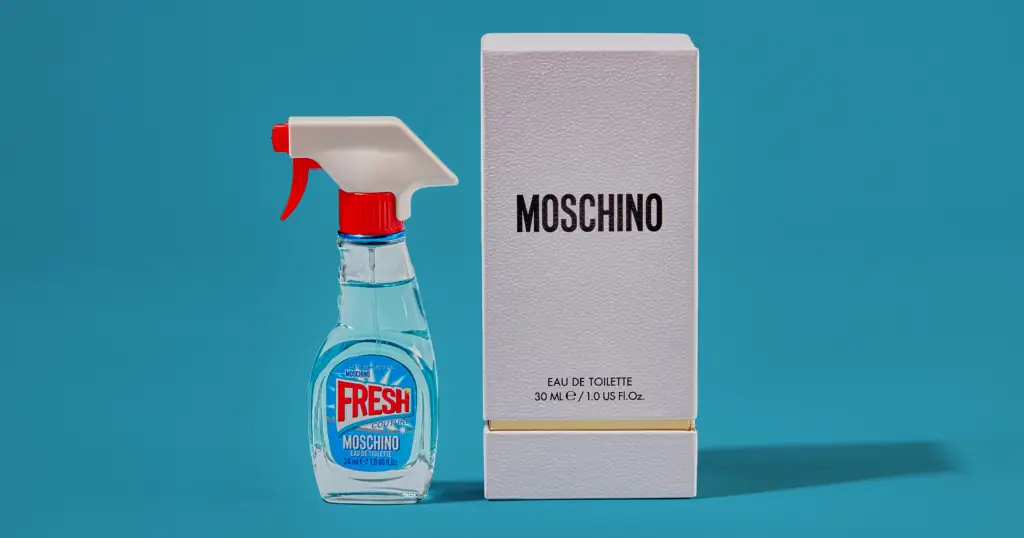
Another standout example comes from Moschino, a perfume brand beloved by influencers. The perfume’s outer box appears plain, but inside, the bottle resembles a surface cleaner’s trigger spray bottle – an unexpected twist that shocks and delights.
A Mini Bit of Nostalgia
The Moschino perfume’s packaging may remind Gen Z and Gen Alpha of the “mini-brand” and “unpacking” trends that flooded YouTube in the past decade. Videos of unboxing surprise toys, mystery eggs, and miniatures sparked fascination and surprise, a sentiment chaos packaging now revives. In a news segment about chaos packaging that recently aired on a Philadelphia station, one of the news anchors stated that the Moschino brand is like the answer to Gen Z growing up. Brands actually become mini-brands!
What’s Next for Packaging Trends?
With chaos packaging capturing attention, the natural question is: What’s next? The idea of a “surprise element” in packaging has deep roots in consumer culture, from cereal box toys to Happy Meal surprises. As brands look for the next big thing, candy and personal care sectors may continue to experiment with innovative shapes and formats, perhaps pushing the boundaries further than ever.
Consider the rising trend of using tackle boxes for candy storage or the popularity of unusual shapes and vessels in beauty stores like Sephora and Ulta. As a medium, packaging is transforming into an experience itself, inviting consumers to interact, play, and share their finds with friends and followers.
Sustainability Meets Chaos: A New Frontier
As brands push the envelope with chaos packaging, sustainability remains a crucial priority for all packaged goods. Both CPG companies and packaging manufacturers are researching and innovating with eco-friendly packaging options.
An example of sustainable packaging innovation is the in-mold labeling (IML) technology for plastic containers. With the IML manufacturing process, the labels are fused to the containers, allowing for easier recyclability because the packaging is a single material. Yogurt cups, primarily made with IML packaging, could inspire chaos packaging in unexpected categories. Imagine beauty products such as face masks or an exfoliator sold in yogurt containers! IML yogurt cups can also be used as packaging for foods in the snacking category, from dried fruits and nuts to chips and dips.
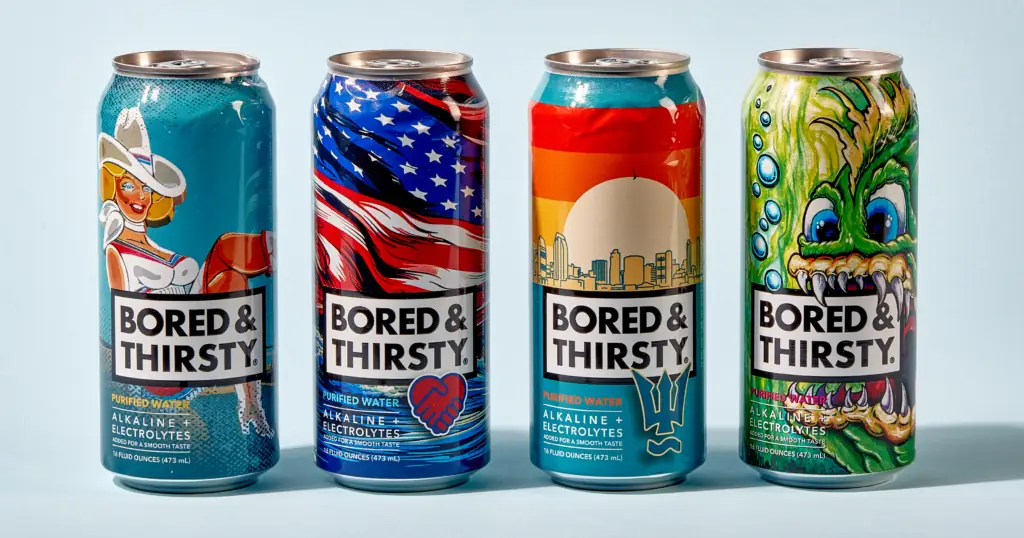
Aluminum is perhaps the most sustainable material on earth as it is highly recyclable. A current trend we observed is water being packaged in aluminum cans. As previously mentioned, Liquid Death water is pretty disruptive as it looks like beer in an aluminum tall boy can. Another fun example of water being packaged in cans is Bored & Thirsty water which has a plethora of wild designs with one consistent simple and clean logo. These designs allow the consumer to make a statement as they enjoy their water!
The future and evolution of packaging, if not chaotic, then certainly fun and sustainable
The chaos packaging trend signals a shift in consumer expectations, with brands redefining traditional forms. As brands innovate, there’s no telling how far they’ll take this trend and how packaging will evolve. Consumer packaging will continue to be a canvas for creativity, tapping into consumers’ love for surprise, fun, and perhaps even a bit of nostalgia – all while adapting to a more sustainable world.
Looking for ideas for your brand’s packaging?
You have come to the right place for inspiration, creativity, and brand strategy!
At Smith Design, we continue to research and immerse ourselves in trends and solutions across different categories. We’d love to hear from you!
Please fill out the form below with your contact information, and we will schedule a consultation.
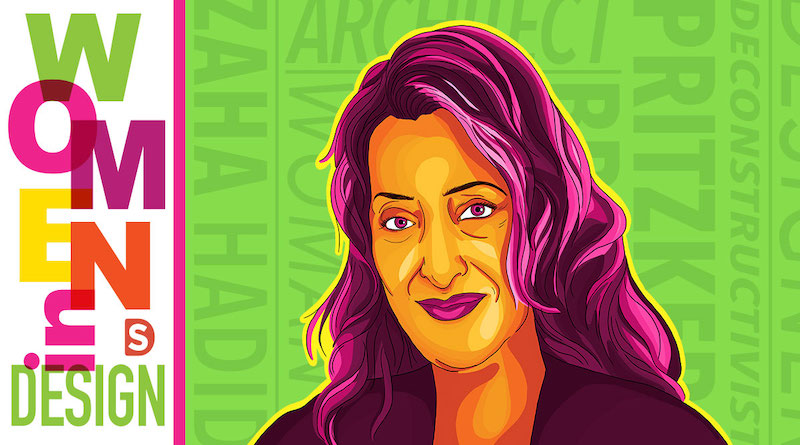
It’s Women’s History Month and to honor women’s contributions to American history, we are excited to bring back our Women in Design series! Each week we will shine a light on women trailblazers in the design industry. You might not know them all by name, but definitely by their work and influence on the design world as a whole.
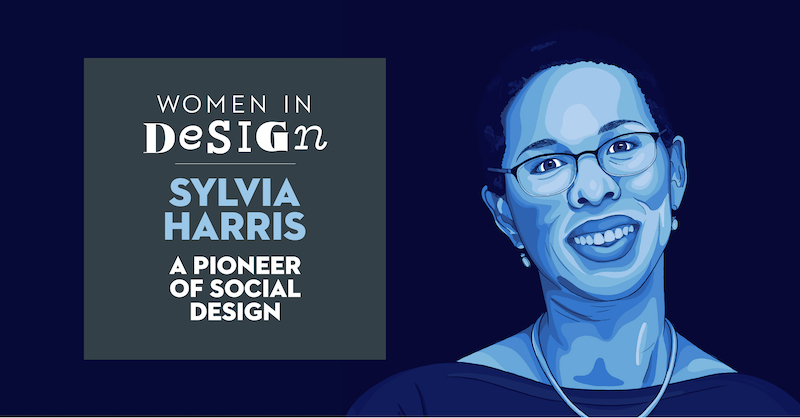
Virginia native Sylvia Harris was a strategist, educator, and graphic designer. Harris attended Virginia Commonwealth University, where she graduated with a BFA in Communication Art and Design and an undergraduate focus in film and photography. After college, Sylvia moved to Boston where she discovered graphic design as a career path. She felt that there was still more for her to learn about the art world and design and decided to attend Yale School of Art where she graduated with an MFA.
Harris’ experience as a Black woman during the desegregation in the 1960s instilled in her a strong belief in social justice and a calling to help others that were disenfranchised by social systems.
Harris established Sylvia Harris LLC, a design and strategy company with a focus with on using design to solve problems for civic agencies, universities, and hospitals.
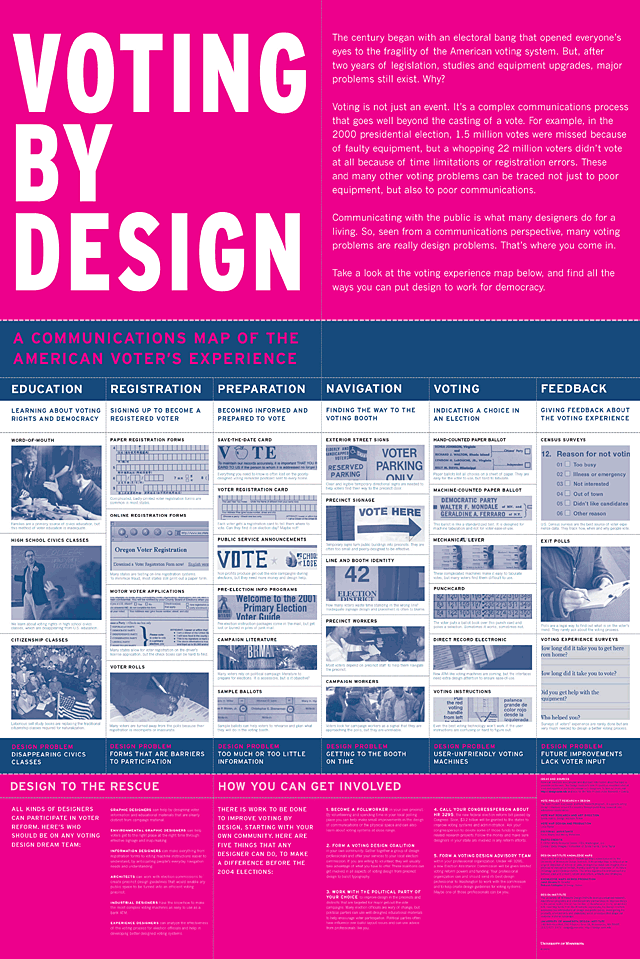
Notably, Harris was the creative director behind the design of the 2000 Census for the United States Census Bureau. With the goal to increase participation, especially among under-represented populations, she had the opportunity to study how and what design could do to get more citizens engaged.
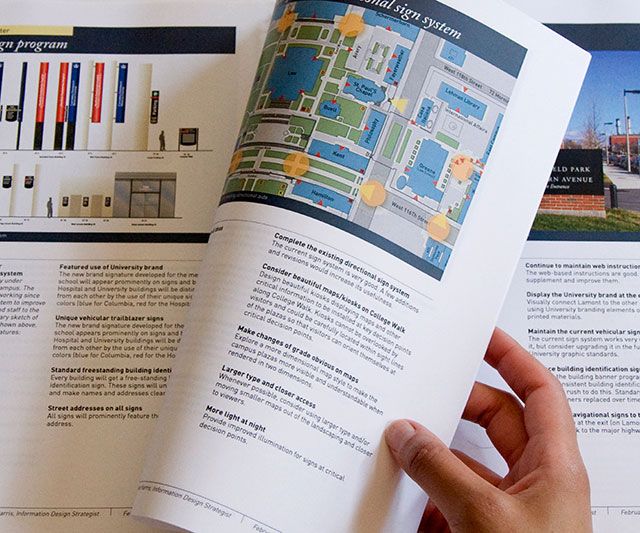
Among her may accomplishments, Harris worked with New-York Presbyterian and the Columbia Medical Center as an independent project leader creating information master plans for the hospital designed to improve communication with patients.
Source: https://www.aiga.org/
In April of 2014, Harris was awarded AIGA’s highest honor and most distinguished award, the AIGA Medal. Sylvia Harris will always be remembered as a pioneer of vital inspiration to the field of social design. After her untimely death, the AIGA (American Institute of Graphic Arts) established the Sylvia Harris Citizen Design Award to honor her dedication to the field of social impact design.
We are excited to announce that Smith Design is now a member of the Sustainable Packaging Coalition! We are honored to join the ranks of brands, agencies and manufacturers across the supply chain that are committed to finding and implementing more sustainable packaging solutions.
Sustainability has long been a core value at Smith Design. As brand and packaging designers, we feel a unique responsibility to be accountable for our own footprint and to be actively engaged in and committed to advancing sustainability in the packing industry as a whole. We look forward to continuing our journey towards a greener future, both as an independent business and in partnership with our clients. To learn more about the SPC and its initiatives, click here.
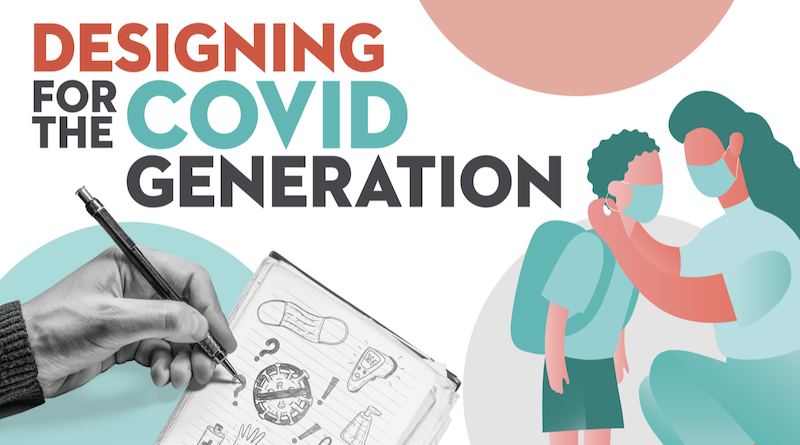
Designing meaningful products and experiences for kids carries unique challenges, and this has never been more true than for “Generation C”, the millions whose early formative years have been defined by living through the pandemic.
Despite the hardships of the last year, Gen C have proven themselves to be remarkably resilient. Whether it’s getting back up after a skinned knee, learning to read facial expressions under a mask, or even making friends over Zoom, there is no doubt that this cohort will continue to adapt and thrive in the post-pandemic world.
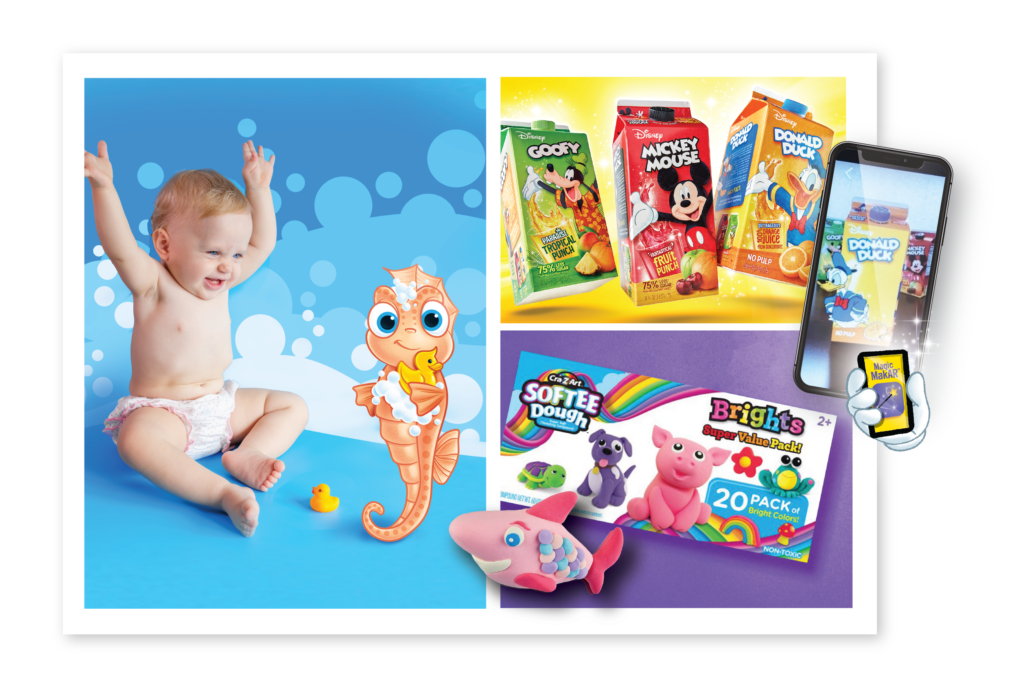
Throughout the past year and beyond, we’ve partnered with brands to find new ways to create engaging and memorable brand experiences, from custom characters for Dial that make washing up more fun, to an AR experience with Florida’s Naturals that livens up the breakfast table, to a brand world for Softee Dough that encourages endless, device-free imagination.
As Gen C prepares to re-enter the “normal” world they will do so with a perspective unlike any generation that’s come before them. In this new landscape, brands will have the opportunity to rethink ways to make meaningful connections, whether through online experiences that cater to Gen C’s digital fluency, innovative products that inspire play and creativity, or something new entirely.
Even as we welcome our clients and collaborators back into the studio, we’re excited to continue to offer the flexibility of remote photoshoots! Over the past year, we’ve honed our process to offer an engaging and attentive experience with our in-house photo team and studio, all without the time or expense of traveling to the set. Check out the below or get in touch to learn more about how we’re bringing the set to you!
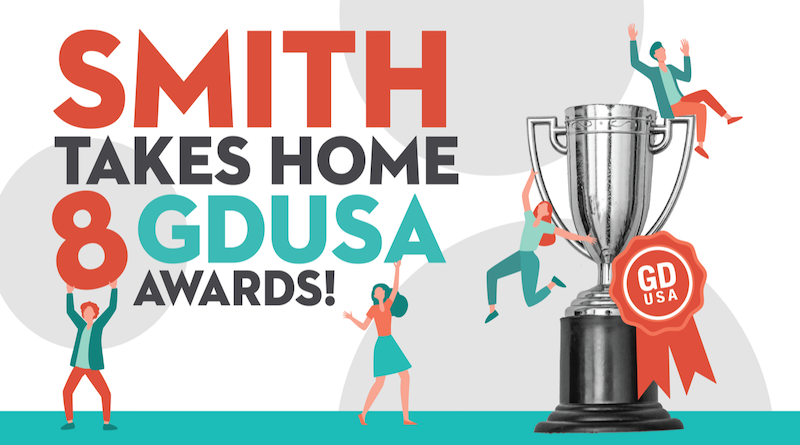
The results are in! We’re proud to announce that Smith Design has been awarded 8 GDUSA Awards, including 4 recent wins in the Health & Wellness category and 4 for American Package Design. We’re fortunate to work in partnership with our clients at Skippy, All, Snuggle, Robitussin, Dial and FulFil Nutrition to bring compelling design to life across products doing good for people and planet. Take a look at some of winning designs below.
To learn about these projects and more, check out these case studies
It probably goes without saying, but Smith Design is full of creatives. In our new Smith Spotlight blog series, we’re highlighting the talents of our team and their endeavors outside of our studio. Follow along to get to know the people who make Smith Design awesome.
Our first Smith Spotlight goes to our LEGO Master, Mike Doyle!
Mike’s journey to LEGO master began with a family trip to LEGOland. After exploring the park, he began to wonder about the artistic possibilities of LEGO. A quick search online showed him there are many LEGO artists building amazing pieces of art with LEGO, and he became inspired to create artful pieces himself.
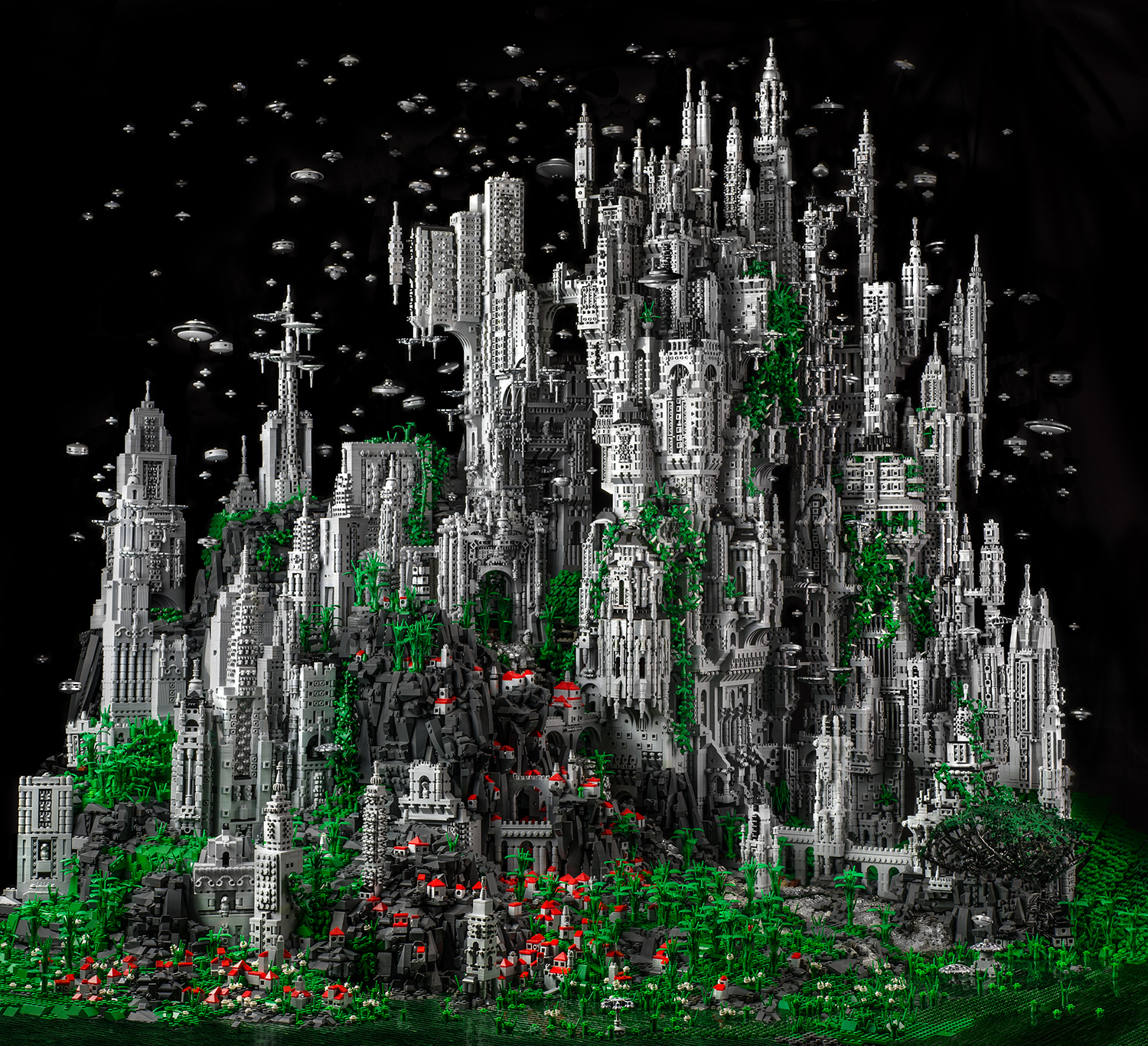
Through his builds, Mike wanted to elevate LEGO to fine art. Many of his pieces combine grayscale bricks, a stunning contrast to the typical primary colors people tend to associate with LEGO. Inspiration for his builds came from real life structures and settings, and often reflect social & cultural events.
What makes his builds unique is their organic nature. Despite the angular mechanics of the bricks, his builds flow with life, even simulating houses falling apart or the flames of an explosion (with no glue involved). The more pieces he built, the larger the pieces became, some getting to be 6 feet high. He has sold prints of his builds all over the world.
What Mike Doyle creates with LEGO has the power, mystery, pain, and intrigue that so many try to capture with more accessible forms of media. He creates deep worlds using something so innocent and unassuming that the medium in itself creates a fascinating juxtaposition: innocence with destruction, old and new, imagination versus reality.
His work with LEGO gave him the opportunity to give back to his community. He hosted children’s programs where he led workshops on creating detailed houses with LEGO. At the end of the workshop, the kids put their houses together to create one large neighborhood of unique homes. He also enjoyed speaking about the art at museums and libraries throughout the country. His art has been showcased at museums such as the Morris Museum in New Jersey and the Cincinnati Art Museum.
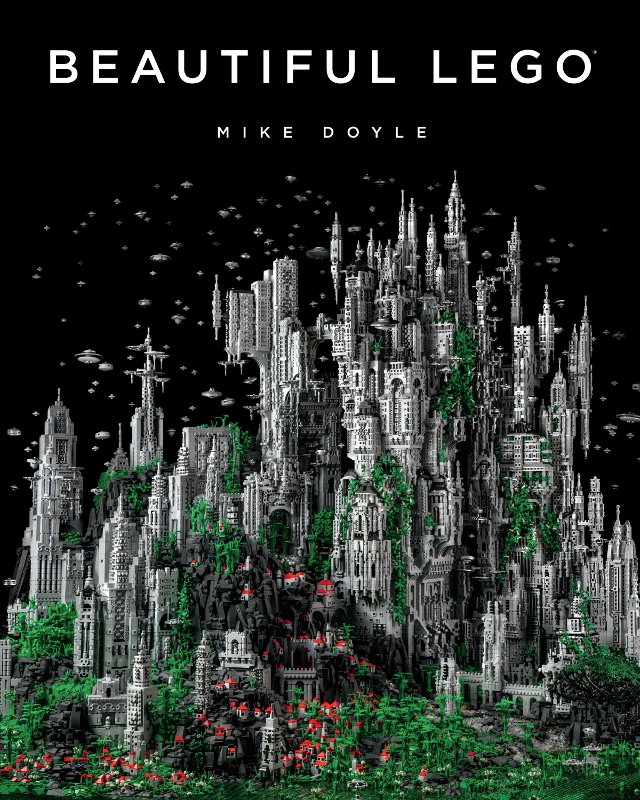
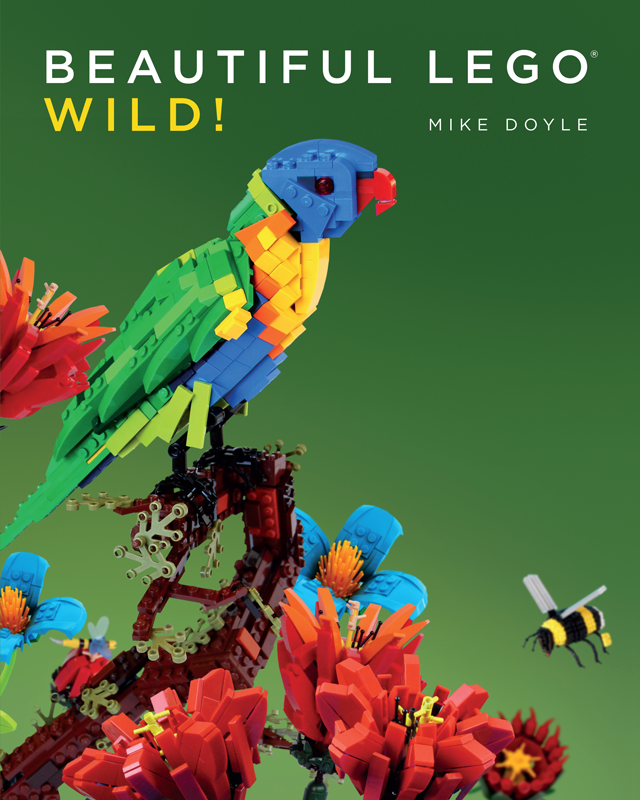
Mike has published 3 LEGO books that feature both his work and work by other artists – Beautiful LEGO, Beautiful LEGO 2 Dark, and Beautiful LEGO Wild. He describes the books as a “celebration of LEGO”, and he was glad to see the joy the books brought others, both for the readers and for the artists featured. These books, described by The Los Angeles Times as “one man’s quest to prove LEGO can be art”, can be purchased here.
Through his experience in creating LEGO art, Mike has learned to appreciate “taking the ordinary and making it extraordinary”. He discovered how to change the nature of things into something more. He applies this framework to all of his creative endeavors.
Some ask if LEGO brick-building is Art. To me, that is like asking is sculpting with clay, Art. Well… it could potentially be. Anything, absolutely anything can be made into Art in the right hands, even the ‘child’s toy’ LEGO. In the end, bricks are a medium, like oil paint or clay or pixels on a screen. It’s what you do with them that matters.
Mike Doyle
Mike has been a Smith Designer for about 5 years. Now a Design Director, he began his career with Smith as a freelancer before joining the team full time. The Smith team often looks to him for guidance in seeing the big picture, and we all appreciate his work ethic, expertise, and wit!
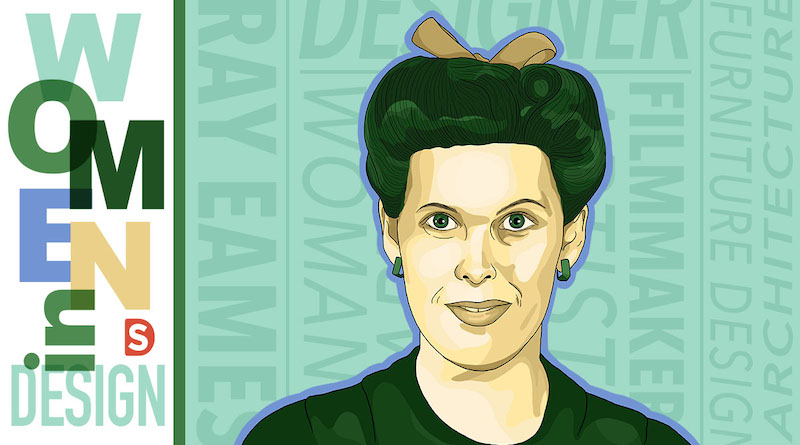
In this blog series, we shine a light on women trailblazers in the design industry – women who have earned a Wikipedia page (or are likely to very soon). You might not know them by name, but definitely by their work and influence on the design world as a whole.
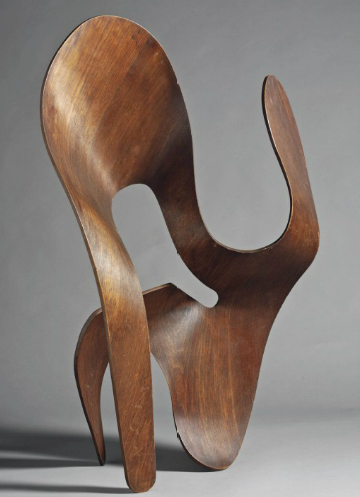
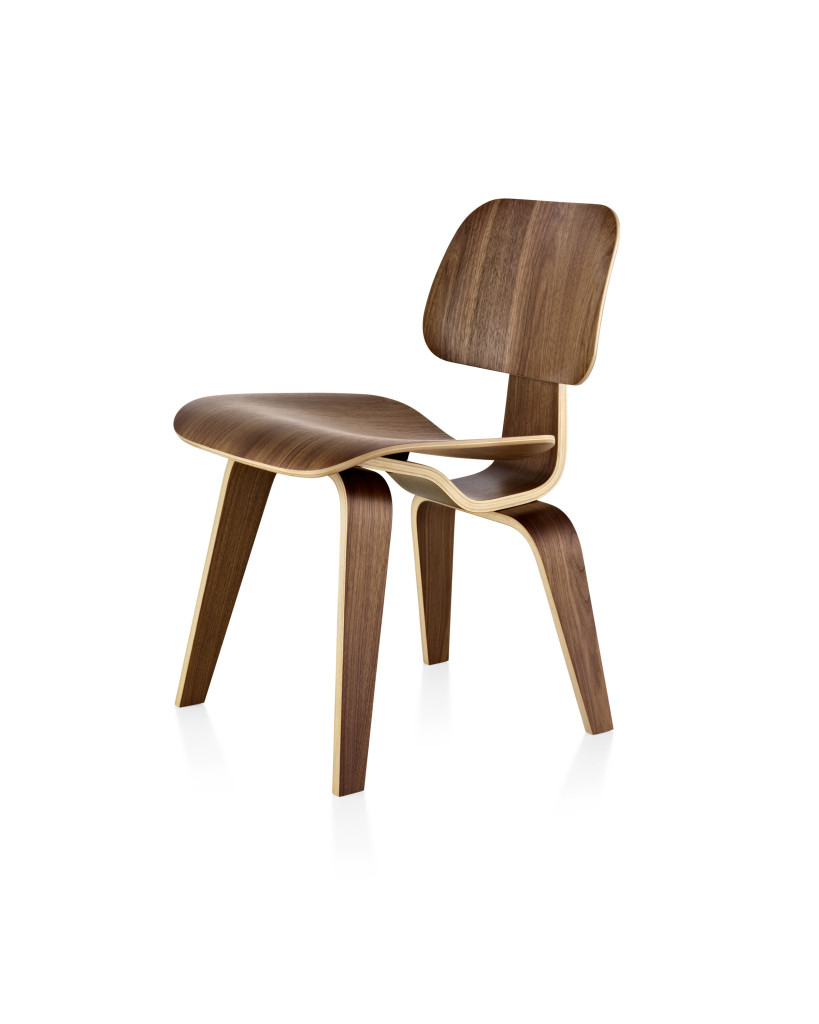
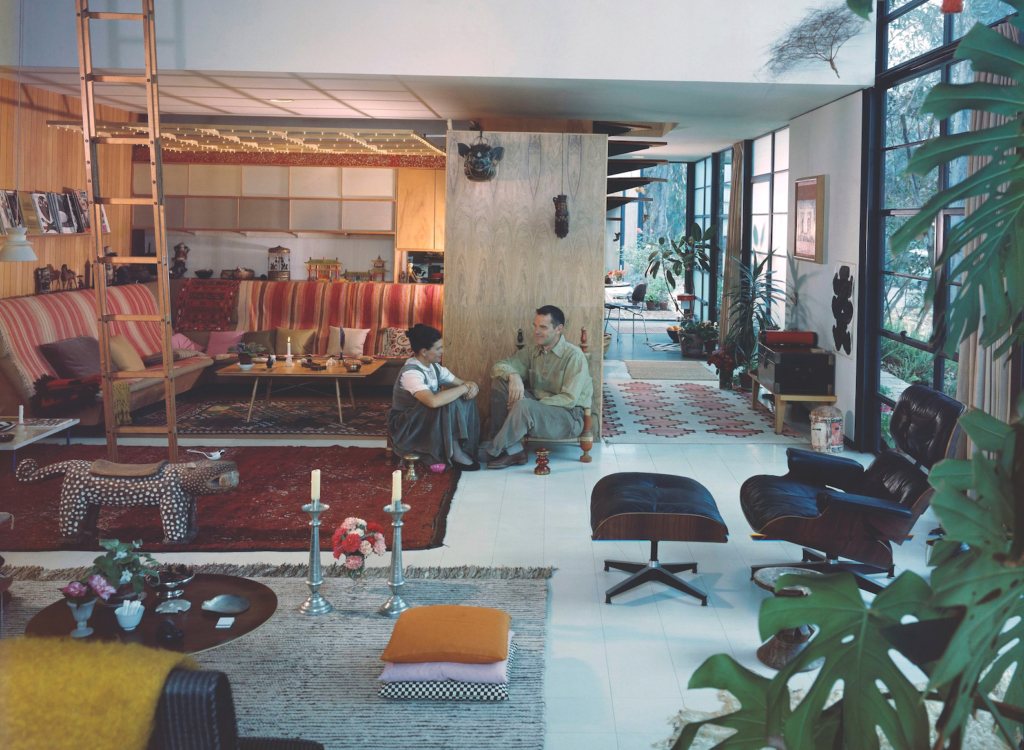
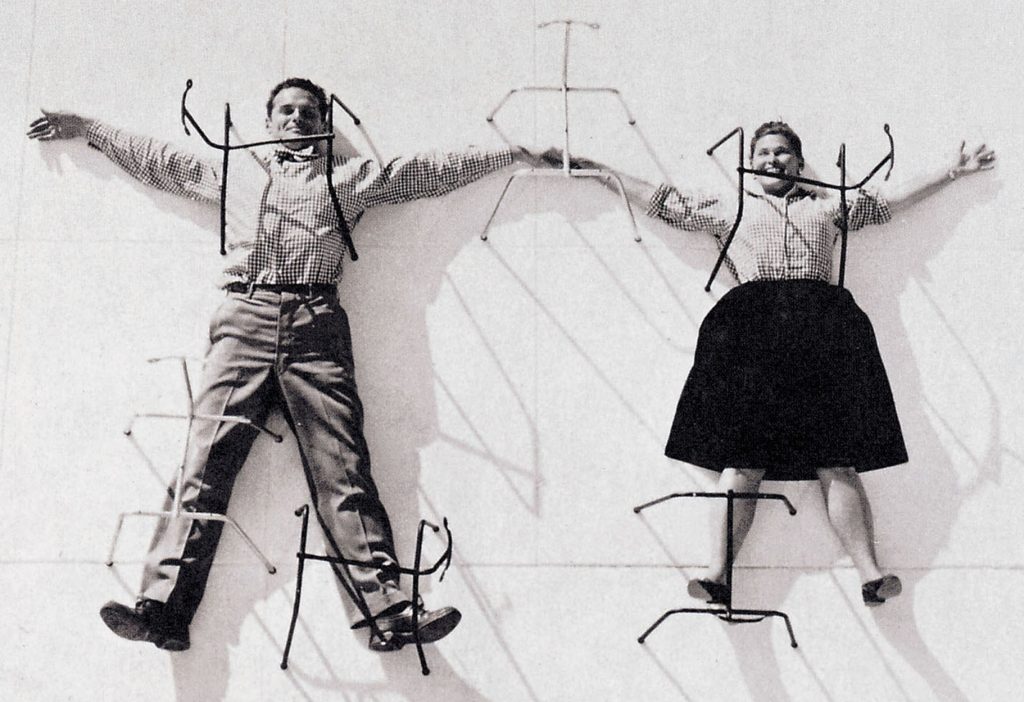
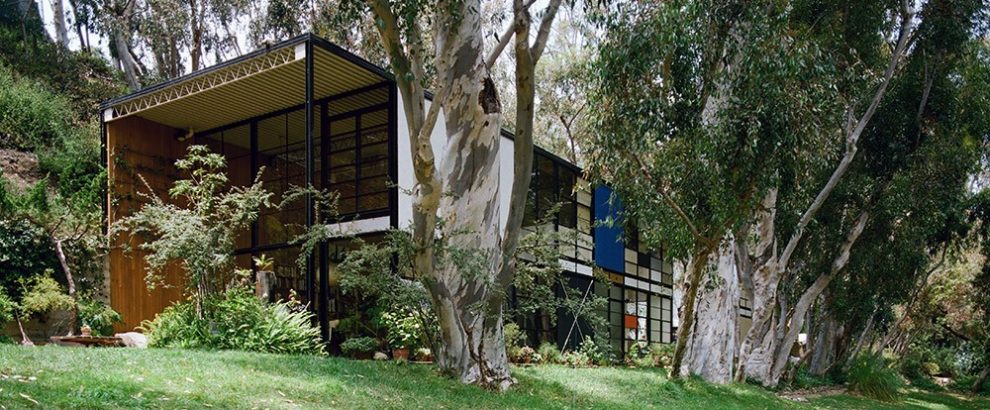
Born Bernice Kaiser, Ray Eames, along with her husband Charles, had a prolific career that ran the gamut from furniture design and architecture to filmmaking, textiles, toys, graphics, exhibition design and much more. Growing up in Sacramento, California, she credits her ability to appreciate and enjoy her surroundings to her parents, who referred to her as Ray Ray.
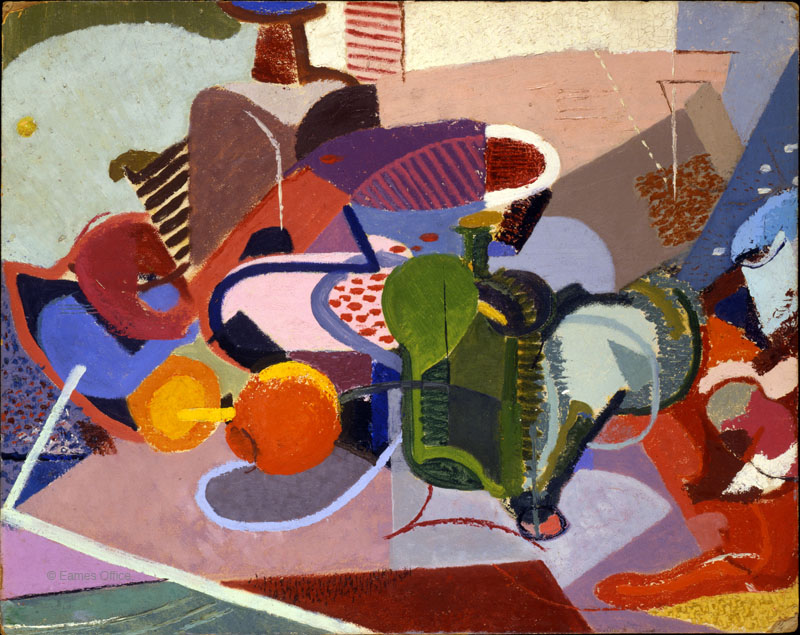
Mentored by renowned painter Hans Hofmann, Ray started out her creative life as a student of abstract expressionist painting in New York City. Sadly, much of her artwork from this period of her life is lost but her influence on the movement pushed appreciation of abstract artwork to the mainstream. She became a founding member of American Abstract Artists, a group that promoted abstract art in a time that major art galleries refused to embrace it.
“I never gave up painting, I just changed my palette.”
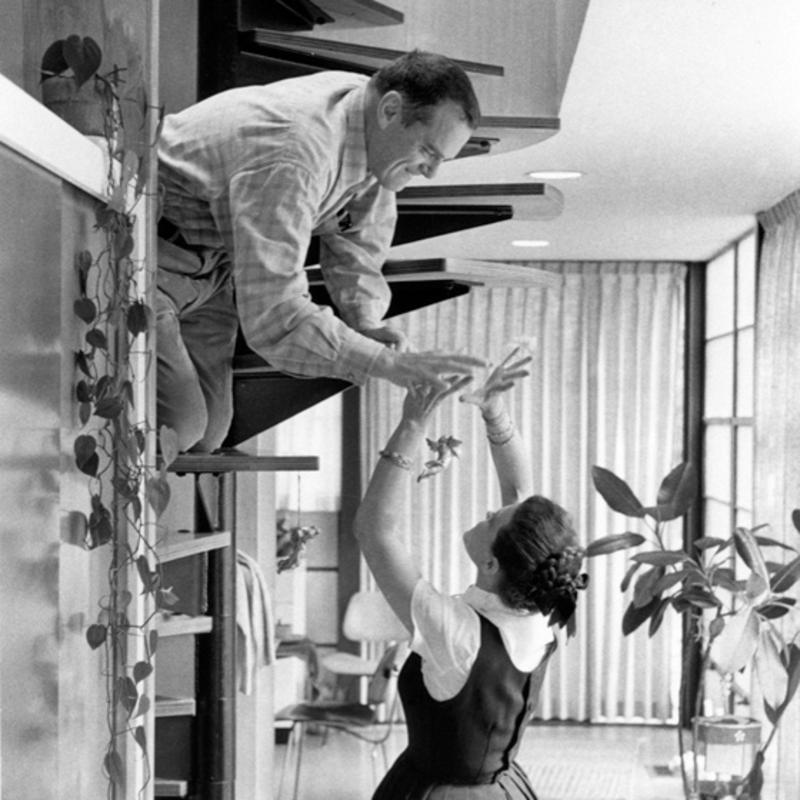
Ray went onto study at the prestigious Cranbrook Academy of Art in Michigan, where she expanded her artistic talents from painting to other medium and met her future creative collaborator and husband, Charles Eames. This powerhouse design duo went onto reshape the world of industrial design.
Ray’s vision was unique in that she possessed an innate ability to understand the connectedness between the form of things and their uses, between the details and the bigger picture. In creative collaboration with Charles, Ray’s innovations in furniture design, architecture, and even toys emphasized quality, form, and function at a reasonable cost.
Not surprisingly, Eames did not receive the same accolades as her husband but despite this lack of deserving recognition, her legacy remains as impactful as her husband. Charles, to his credit, strived to ensure she was acknowledged as an equal partner.
Ray Eames will be remembered for her ever-evolving innovations within her design – how to best use materials, how to anticipate the needs of the end user, and how details come together to make a whole. Charles probably said it best in the now-famous quote; “Anything I can do, Ray can do better”.
This concludes our year of acknowledging women in design through this series, featuring portraits by Becki Murray, a designer on the Smith Design team.
In this blog series, we shine a light on women trailblazers in the design industry – women who have earned a Wikipedia page (or are likely to very soon). You might not know them by name, but definitely by their work and influence on the design world as a whole.
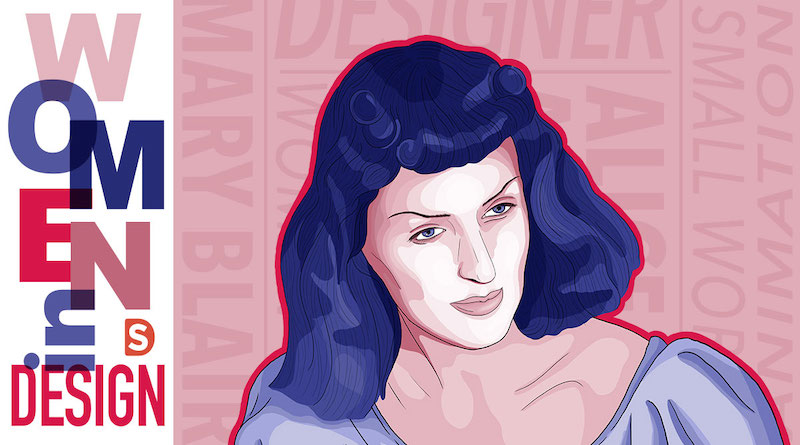
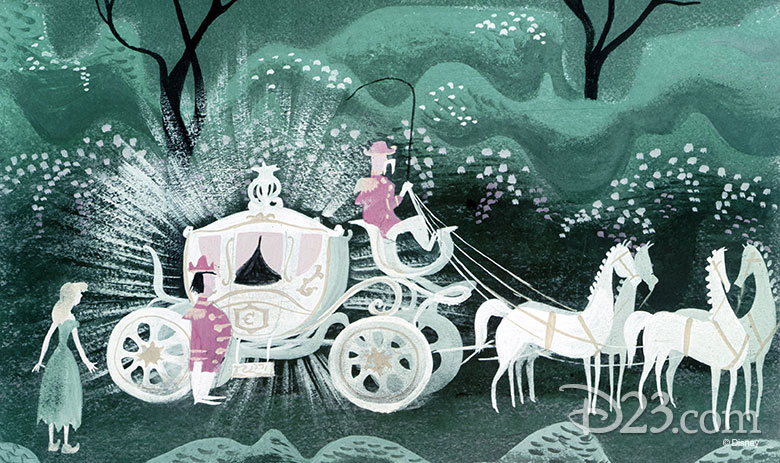
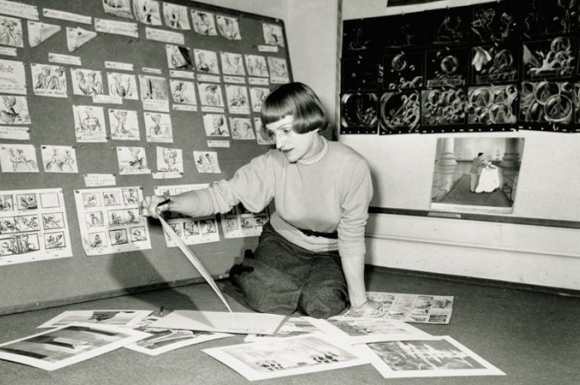
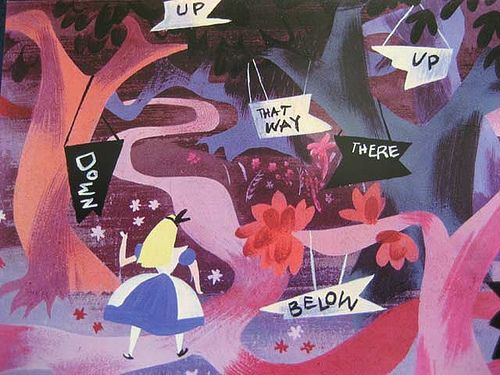
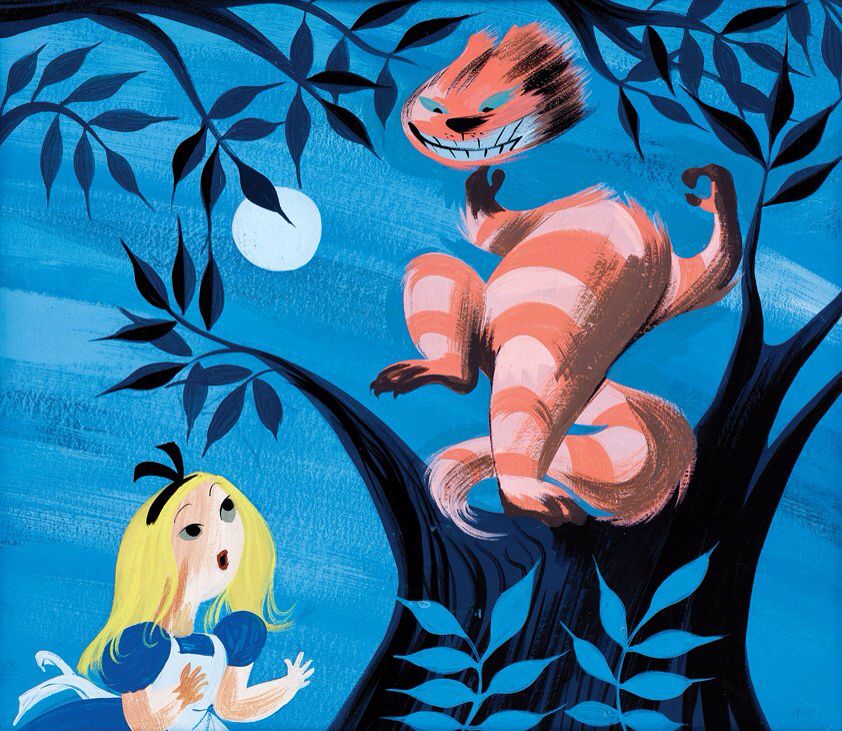
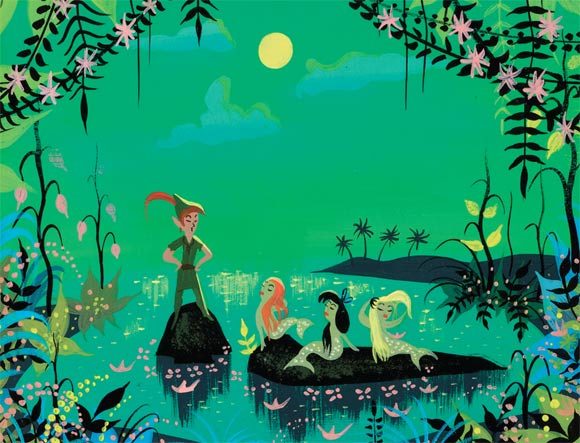
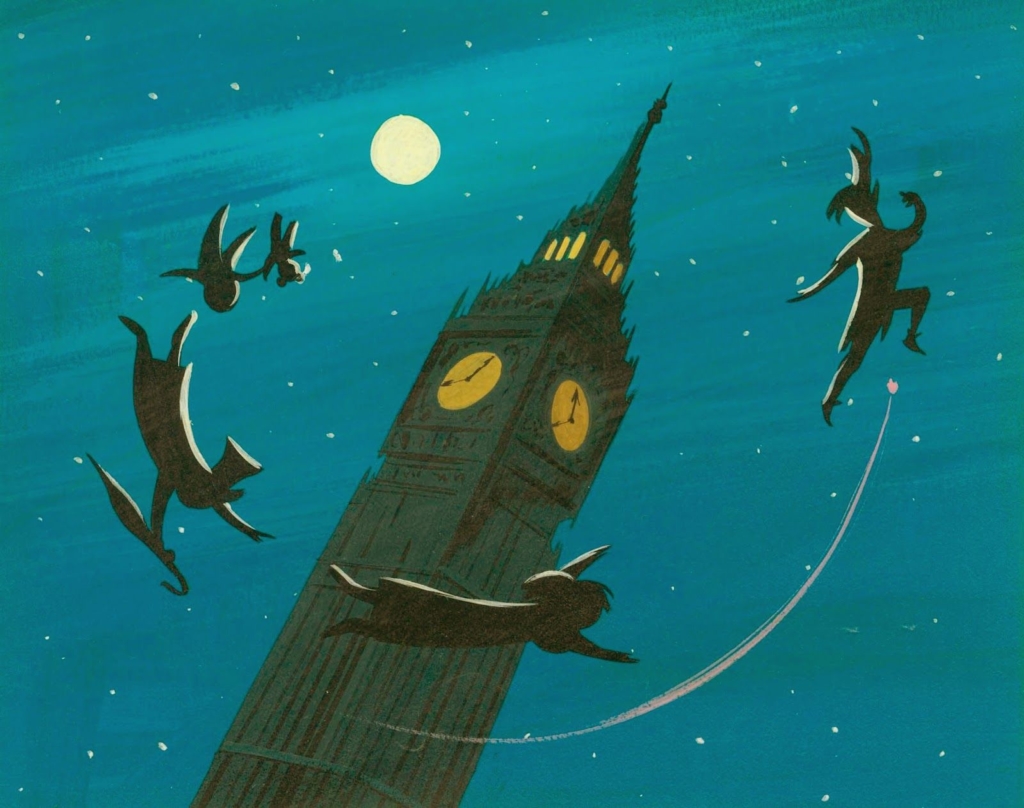
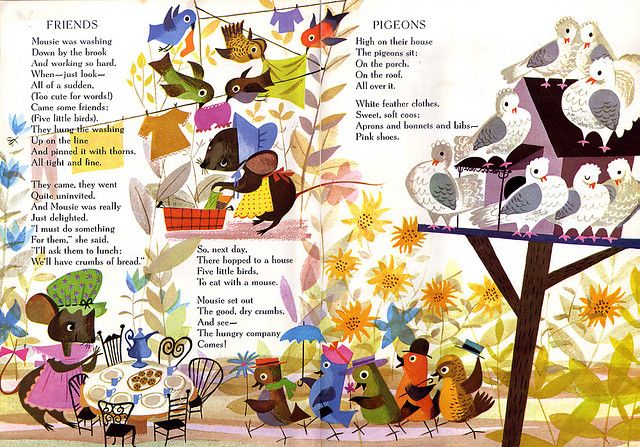
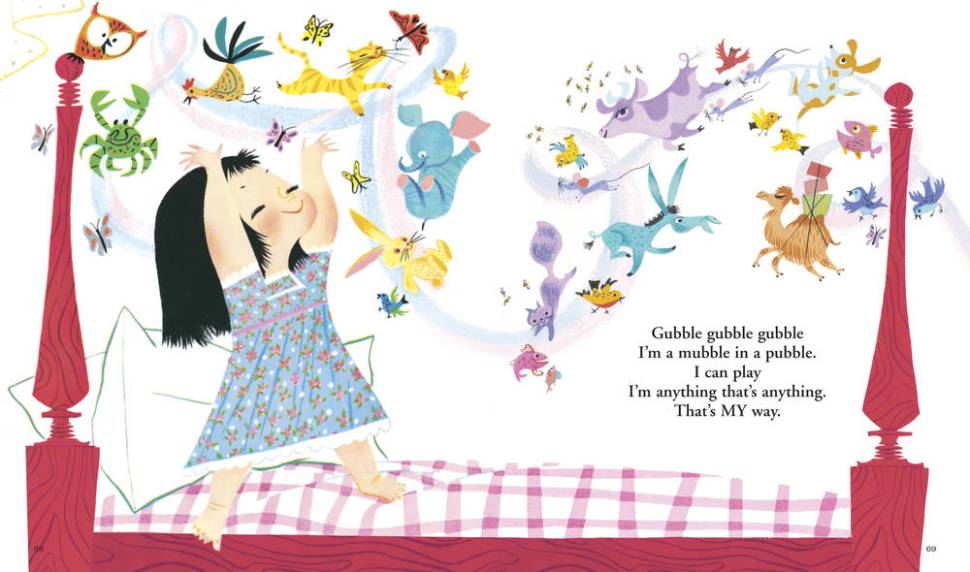
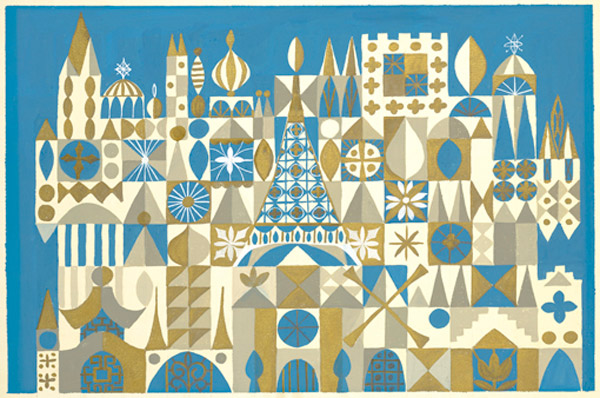
Mary Blair was an impactful artist and animator who brought fairytales to life through dreamy concept art and color styling. She introduced Modernism to Disney’s animation studio, helping to create the artistic style for films such as Cinderella, Alice in Wonderland, and Peter Pan. Thanks to Blair, the visuals of these stories resonate across generations.
Mary Blair grew up in Texas in the early 1900s before moving to California in the early 20s, where she would attend San Jose State University. During her education, she was recognized as a bright, emerging talent, and was awarded a scholarship to Chouinard Art Institute. Here, she honed her watercolor and color styling skills and met her husband Lee Blair, a fellow artist who would also go on to work at Disney.
After graduation, Blair’s talent soared early on in her career. She quickly became known for the unique color styles of her designs, earning the attention of both the art community and animation studios. She became a professional animator at Metro-Goldyn-Mayer. As her distinct style developed, she was welcomed to join the prestigious California Water-Color Society. Her watercolors impressed Walt Disney, and she joined Disney’s animation studios as an art supervisor and color stylist. Walt Disney said that Blair “knew about colors he had never heard of before”.
Blair had a major influence on Disney’s animation, but she faced challenges in her efforts. Despite having the respect of Walt Disney, her other supervisors were quick to dismiss her work as overly abstract and too colorful. In a time where animation studios were dominated by men, she had to fight to push through her ideas, disregarding jealous resentment from her male colleagues. Her determination led to the modernization of the studio’s art style, and her imagination is present in many of Disney’s most iconic films of the time. Her concept art set the foundation for the style that has become associated with a sense of comfortable nostalgia to people who grew up with these classics on their screens.
In addition to her accomplishments at professional animation studios, Blair was also a successful freelance designer. She illustrated several Little Golden Books with beautiful, whimsical drawings.
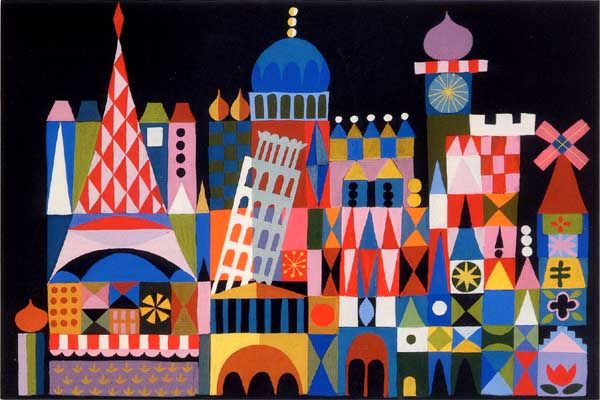
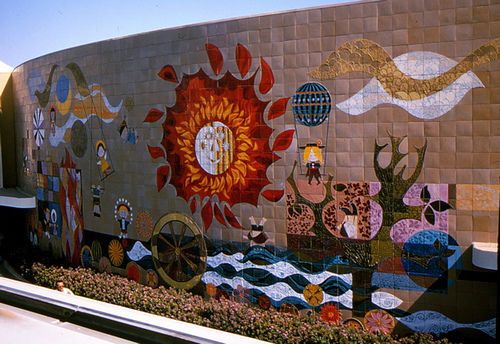
While she was freelancing, Walt Disney reached out to her again, asking if she would help design a new attraction that would eventually find fame at Disneyland, “It’s a Small World”. She also created stunning murals that are showcased throughout Disney’s parks.
Mary Blair’s innovative influence on animation is undeniable. The worlds she designed through her artwork made children believe in magic, while bringing modern art to the screen. She was posthumously honored for her effect on the art of animation by being inducted into the Disney Legends hall of fame. To learn more about Blair, visit the website presented by her nieces, magicofmaryblair.com.
“Her most distinctive factor is that she is kind of showing us her soul…she puts herself into her art work and it transcends the greatest of the Disney movies.”
Nonprofit organizations face a unique challenge when it comes to branding. Nonprofits are inherently rooted in emotions, and capturing that essence in a brand can be difficult. There is temptation to shy away from branding efforts and allow the mission and values of the organization to speak for themselves. However, strategic branding is critical in a competitive climate for funding, attention, and volunteers. Due to shifting consumer expectations, for-profit brands have been engaging more and more in values-driven marketing, further emphasizing the need for nonprofit organizations to build a strong, cohesive brand that defines their identity and increases recognition.
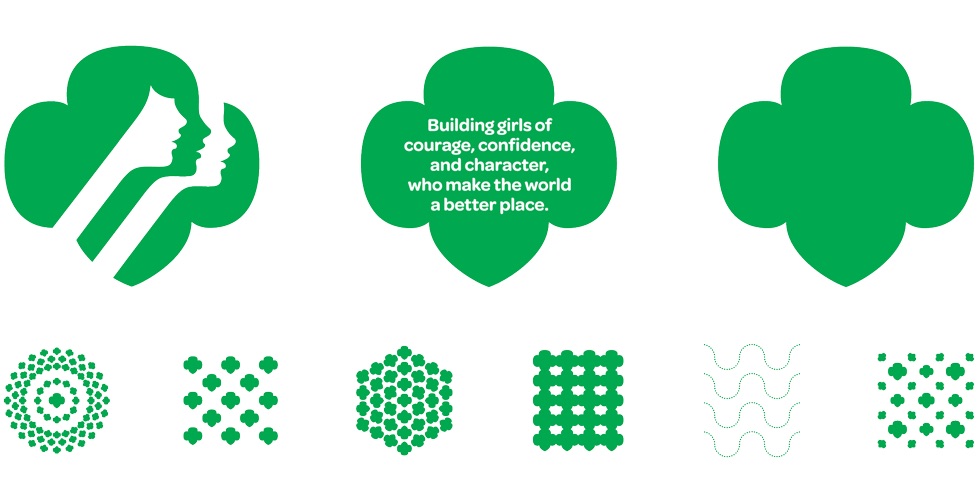
For example, Girl Scouts is a nonprofit that has greatly benefited from restructuring their brand over time. As a result, Girl Scouts avoids becoming stagnant in a fast-paced landscape. Their branding aims to capture the holistic Girl Scout experience. Their logo represents confidence, empowerment, and unity. The trefoil and the three faces within it tie back to the Girl Scout’s three-part promise. Their extensive brand guidelines ensure this essence is captured in all of their initiatives and communications. Thanks to these branding efforts, most people have an understanding of the organization’s mission and goals.
As a part of their branding initiatives, Local Minds, a UK-based organization that provides mental health services, developed a logo that beautifully encompasses the goal of their programs. The scribble to the left illustrates the mental state people can find themselves in when dealing with a mental health issue. The scribble is smoothed out nicely to write out “mind”, representing the transition to a healthy mind.
The American Heart Association updated their mission and logo in 2018 to modernize their brand and better reflect their main objective, “to be a relentless force for a world of longer, healthier lives”. Their brand guidelines consolidate the organization’s positioning under a clear message: “life is why”. All of their communication touchpoints are related to this message and their mission. The simplification of their branding and messaging keeps their organization current and engaging, without losing the strength of their heritage.
It is important to recognize that many smaller nonprofit organizations do not have the same branding and marketing budget as larger organizations. However, there are many cost-effective options for nonprofits to seek out help with their branding and marketing initiatives. At Smith Design, we’re always excited to support nonprofit missions through our pro bono strategic branding and design efforts.
The Nevada Blind Children’s Foundation, an organization dedicated to providing essential educational and extracurricular activities for children who are visually impaired, partnered with us during the opening of their new Children’s Learning Center. We developed a logo for the center that utilized core brand equities while differentiating the center as a unique initiative. We also designed a branded booklet for the foundation’s After School Programs & Events.
God’s Creatures Ministry reached out to us for assistance with a challenge they were facing in the development of their branding. Their mission relates to Noah’s Ark, providing a safe place for all species, but they were struggling with how to fully capture this nurturing spirit in a logo. With this goal in mind, we explored brand colors, ark shapes, and various animal illustrations before creating the final logo.
As Marty Neumeier explains, a brand is “not what you say you are, it’s what they say you are.” A strategic nonprofit brand approach should communicate the mission, differentiate the organization, motivate the team, and promote engagement with new and current supporters. Through this process, thought leadership is attainable for nonprofits of all sizes.
Through insight-driven strategic branding, a unique and ownable positioning can inspire meaningful communications across all touchpoints. For help with nonprofit branding efforts and navigating the ever-changing world of consumer trends, reach out to our team below.
In this blog series, we shine a light on women trailblazers in the design industry – women who have earned a Wikipedia page (or are likely to very soon). You might not know them by name, but definitely by their work and influence on the design world as a whole.
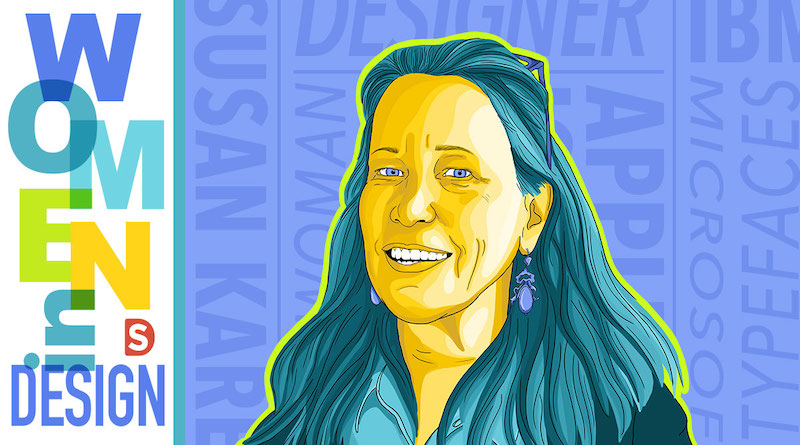
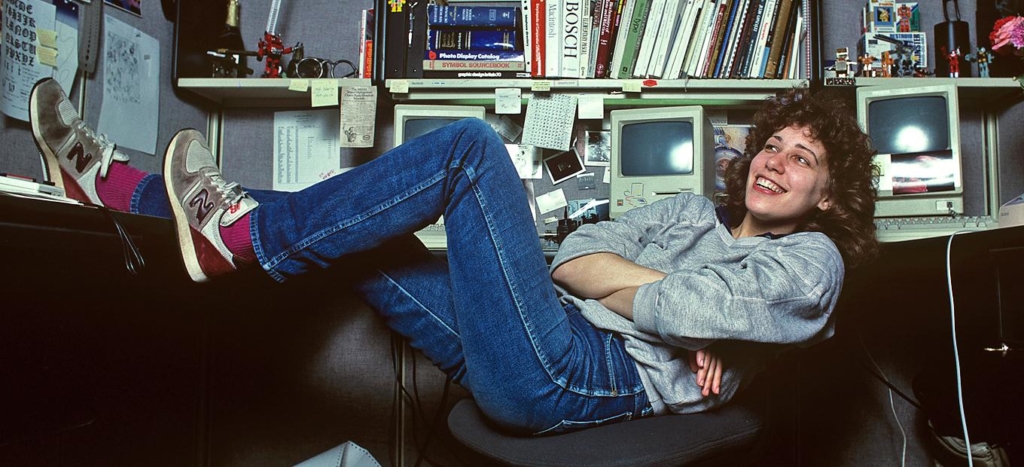
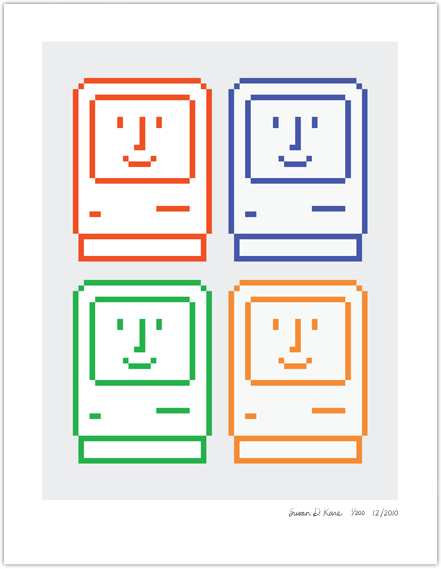
Our October Woman of the Month is Susan Kare, a founding mother of modern design and the creative genius behind some of the most recognizable icons, typefaces, and graphic elements in the world. If you have a Mac, you can see Kare’s looped box design on your Command key.
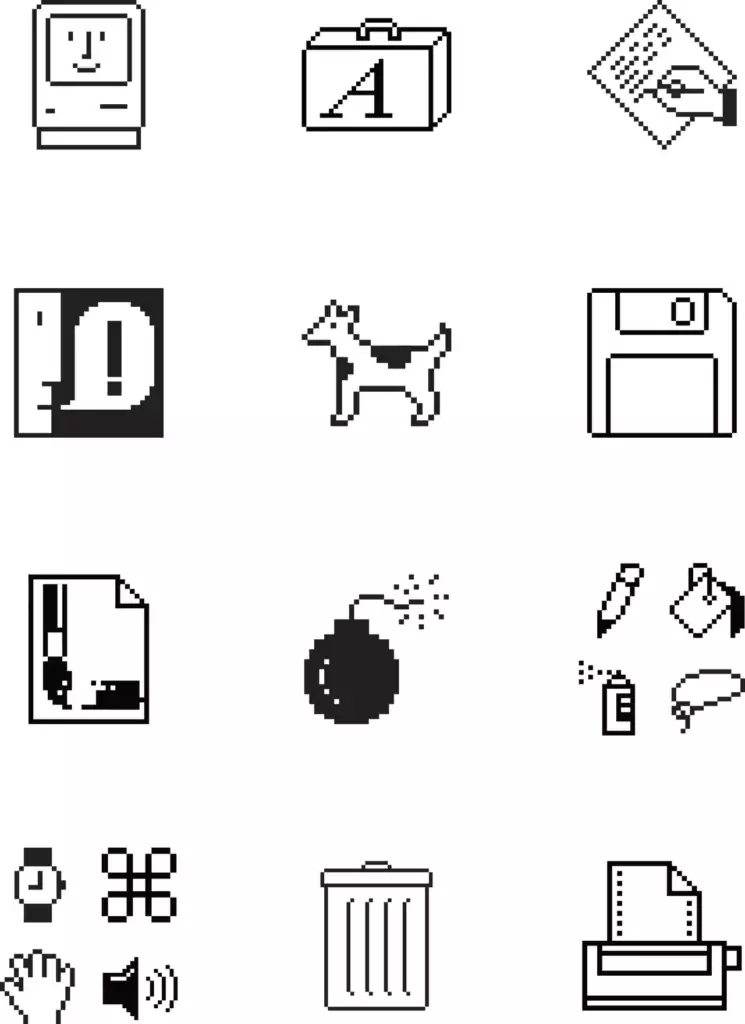
Known as “the woman who gave the Macintosh a smile”, Kare’s digital career took off when she was asked to mock up a few icons and font elements for Apple. She showed up to her interview with a notebook full of pixelated sketches on graph paper, some of which became the iconic elements that gave Macintosh the wit that has charmed users for generations.
Despite having no previous experience with computers, her designs for Apple revolutionized the industry. Her pixel art went beyond graphic design – drawing from experience gained in a Fine Arts PHD and by incorporating aspects of mosaics, needlepoints, and pointillism. By focusing primarily on meaning and clarity, she made computer graphics approachable and available to a wide audience for the first time. Before, knowledge of code was necessary for simple commands like cut, copy, and paste. Kare’s images became a guide for users of all experience levels to interact with computers.
“An icon is successful if you could tell someone what it is once and they don’t forget it…the best icons are more like traffic signs than graphic illustrations.”
Susan Kare
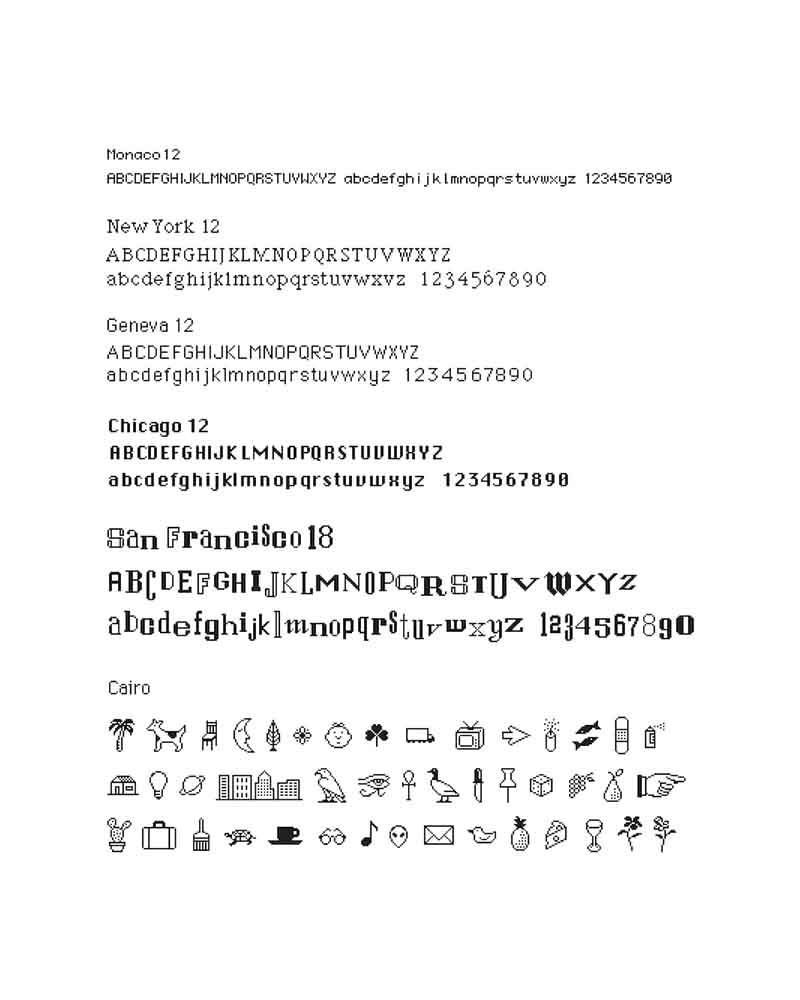
In addition to the icons she designed, Kare created several fonts for Apple that became the standard operating fonts that come with every computer today. She designed these fonts with the screen in mind, aiming to optimize the user’s experience.
After her time at Apple, Kare continued to work with Steve Jobs at NeXT, Inc., eventually becoming an independent designer. She worked with technology giants Microsoft, IBM, Intel, and Sony Pictures, continuing to bring that combination of simplicity and accessibility to everything she touched. Her art can be found in Microsoft’s Windows 3.0, including the deck of cards of the computer’s solitaire game that was more than just a casual way to pass the time, but was actually designed to help users become comfortable using a mouse.
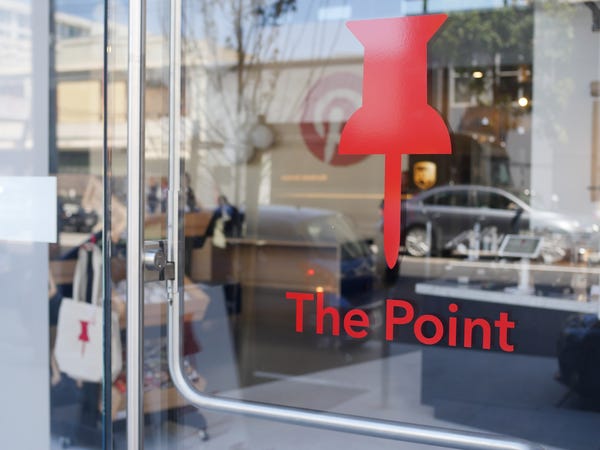
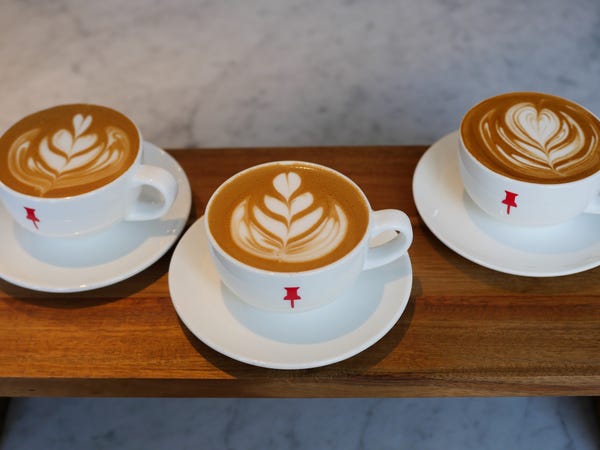
Recipient of the AIGA Medal in recognition of her achievements in design and human-computer interaction, today Kare is Creative Director of Special Projects at Pinterest, heading up the design of The Point, Pinterest’s café in their headquarters.
The seamless interaction we have with computers today is largely due to Kare’s dedication to making computers enjoyable for everyone. The personality in Susan Kare’s work resonates on screen and beyond. Her continuing impact on design is that of wit, whimsy, and maintaining human charm in an increasingly digital landscape.
In this blog series, we shine a light on women trailblazers in the design industry – women who have earned a Wikipedia page (or are likely to very soon). You might not know them by name, but definitely by their work and influence on the design world as a whole.
This month, we’re highlighting Jessica Walsh, a bright star in the design field and an all-around creative. Her agency, &Walsh, founded in July of last year has become one of only 36 female-led creative studios in the United States.
Unsurprisingly, Walsh was a self starter from the get-go. Teaching herself coding at age 11, she soon had a growing client base of middle school students looking to launch their own websites. Although web was her first introduction to design, her style really flourished years later at art school and then during her internship at Print. Described as daring, surreal and bold, she cleverly utilizes the tools available to create thought provoking, hilarious, clever and heartfelt pieces.
Jessica Walsh unapologetically commits to the big idea. While some of us might struggle with execution, she commits to the idea first and executes without compromise, often without the use of a computer. In this way, she is operating in a world where technology is used as a tool, but not the only tool. Her creations, more than just graphic works, commit to a big idea first.
“What I have learned over the years is that a computer is a great tool, but it’s just a tool. Sometimes when you just get off the computer and start working with your hands, you end up having a lot of accidental discoveries and ideas that never would have happened if you are just sitting there all day pushing pixels on the screen.”
Walsh joined Sagmeiter INC., in 2012, making partner 3 years later. Remarkable as that may sound, her true accomplishments during this time are in her personal projects. First, in 2013, Walsh catalogued in video and graphics (later becoming a book) her experience dating Timothy Goodman, a designer friend in “40 days of dating”. A film is currently in the works. Then in 2016 she teamed up with the same friend in “12 kinds of kindness” , exploring ways to be kinder and other similar themes. These social experiments are fascinating, thought provoking, beautifully designed, and ultimately very personal and exposing, appealing to young people familiar with the reality TV experience.
Walsh is aware of her responsibility as a female leader in a male dominated category. She includes Paula Scher, Gail Anderson & Maira Kalman as sources of inspiration as she acknowledges that the agency world has in the past been a tough place for women leaders. She also is aware of how her position as a female can be used as a competitive advantage. When Walsh posed naked with Sagemiter to announce their partnership, (a call back to a similar image Sagmeister himself released when he founded his company in 1993) they received instantaneous notoriety through social media, according to a February 2013 interview with The Creative Influence Director Mario De Armas.
To quote Ms Walsh, it achieved its goal… “it was quite a functional piece of design.”
Now, at 33, with Walsh running her own agency servicing clients such as Museum of Modern Art, The New York Times, and The School of Visual Arts, it is still her genre defying personal work that stands out above the rest. While her former partner Stephan Sagmeister takes 1 year off in every 7 to recharge his creative batteries, Jessica Walsh seems to keep her creativity flowing by focusing on the human experience, something we can all relate to. By sharing her inner world, we the audience are invited to take a look at our own personal creativity to see where it can lead us.
In 2018, growth of the plant-based market had reached $4.6 billion. It is predicted to grow to $85 billion over the next 10 years. This rise can be attributed to growing concerns for health, sustainability, and animal welfare, especially among Gen-Z and Millennial consumers.
The increase in popularity is also due to improvements of the products themselves. With developments in technology and manufacturing, plant-based meat alternatives are getting better and better at mimicking the texture and taste of real meat, becoming more appealing to general consumers, not just health-conscious shoppers.
With these meat-free options becoming mainstream, many large brands have developed their own plant-based innovations. Burger King embraced the trend with their Impossible Whopper. This new take on the classic Whopper was one of their most successful product launches, attributing to one of their best quarters in recent years.
SKIPPY®, Farm Rich, and Green Giant also expanded into the plant protein space, partnering with Smith Design to develop effective brand identities and packaging designs.
Green Giant’s Harvest Protein Bowls are frozen meals that pack 12g-14g of plant-based protein punch. The packaging communicates the plant-based point of difference, appealing to the growing number of consumers interested in easy incorporation of natural, healthy foods into their diets.
One of SKIPPY®’s newest products features their well-loved peanut butter with the added benefit of plant protein, in a unique, squat jar that helps consumers avoid “peanut butter knuckles”. We ensured that the label demonstrates a visual connection to iconic SKIPPY® equities, while clearly communicating the enhanced protein offering. The innovation is already generating buzz in the category.
When Farm Rich extended their wholesome portfolio with a line of plant-based snacks and appetizers, we were careful to develop a brand identity that differentiates these from the core line of products while staying true to established equities. The details in the handwritten font subtly emphasize the plant-based offering and work with the whitewashed wood background to indicate naturalness. We targeted health-conscious consumers through the photography, pairing healthy sides with the meat-free products.
The demand for plant-based protein sources has already had a powerful impact on product innovation, and its growth won’t be slowing down anytime soon.
For help navigating the ever-changing world of consumer trends, subscribe to our newsletter or reach out to our team below.
In this blog series, we shine a light on women trailblazers in the design industry – women who have earned a Wikipedia page (or are likely to very soon). You might not know them by name, but definitely by their work and influence on the design world as a whole.
This month, we’re celebrating renowned architect Zaha Hadid. As her professor described her at graduation, Zaha Hadid was “a planet in her own orbit”. She stayed true to her unique vision throughout her impressive career and continuously moved architectural design forward. She became the first woman to receive the prestigious Pritzker Architecture Prize.
Hadid was often called the “queen of the curve“. Her expressive designs pushed the limits of architectural geometry. Famously opposed to straight lines and mediocrity, her fluid-like structures breathe new life into the spaces around them. Her work includes some of the most iconic buildings in the world. She designed museums, opera houses, stadiums, art & science centers, and more. She loved designing buildings she knew would encourage culture in the community.
Hadid was born in Baghdad, Iraq. In an interview with The Guardian, she credited “the rivers and the dunes” of Iraq as inspiration for her concepts. She studied architecture in London, and was touted by her professors as one of the best students they ever taught. Even early in her career, people recognized her ability to bring the seemingly impossible to life. She went on to open her own architecture firm, Zaha Hadid Architects, and taught architecture at several schools, such as Harvard Graduate School of Design and Cambridge University.
While she is widely regarded as the world’s top female architect, Hadid often refused this categorization, insisting that she was simply an architect and should be referred to as such. She expressed that she experienced sexism and racism during her career, and she hopes her journey shows young women that the glass ceiling can be broken.
Hadid’s creativity wasn’t limited to architecture. She explored other mediums, such as collaborating with brands in the fashion industry to create conceptually and visually stunning shoes.
Zaha Hadid’s enduring impact on architecture and design as a whole is undeniable. The world experienced a great loss when she passed away in 2016. Her strong, creative spirit lives on through her work and the many people she’s inspired.
“When people see something fantastic they think that it’s not possible to achieve it in real life. But that’s not true. You can achieve amazing things.”
Zaha Hadid, The Guardian Interview “Zaha Hadid: I Don’t Make Nice Little Buildings”
In this blog series, we shine a light on women trailblazers in the design industry – women who have earned a Wikipedia page (or are likely to very soon). You might not know them by name, but definitely by their work and influence on the design world as a whole.
This month, we’re highlighting Yesenia Perez-Cruz, an accomplished designer, speaker, and author. Yesenia Perez-Cruz is a great role model for women and people of color who are interested in design and technology. Her drive towards innovation and passion for inclusivity make her a strong leader in this traditionally male, white industry.
Initially Perez-Cruz, who came to the US when she was 5 years old, thought she would grow up to be a writer. Her time was spent at this early age reading books as a way to teach herself English. Reading and writing became the foundation for her creative curiosity and that self-motivated drive can be attributed to her success today. A graphic design course in her senior year of high school changed all that and led to her acceptance to the design program at Drexel University.
It was here that Perez-Cruz first became interested in web and user interface design and, eventually, more specifically, UX design.
UX design, simply put, “refers to any interaction a user has with a product or service”. Her work in UX puts her on the forefront of innovations which consumers experience first-hand and in real time. Her inclusive mindset ensures that technology is designed responsibly with all humans in mind, creating a seamless, positive interaction for all end users.
In her current role as Senior UX Manager at Shopify, she’s noted that her love of writing now plays a bigger role in her career than she expected with UX design presenting an opportunity to tell an interactive story. Her work, visually stunning as well as highly functional, has earned her street-cred awards like Rad Girl’s 2015 Designer of the Year and a Webby.
Winner of the 2012 Webby in “Celebrity/Fan” category
She is especially passionate about the relationship between technology and design, providing audiences with applicable inspiration for their own work. In her book, “Expressive Design Systems” she explores the ways in which design systems can elevate design and innovation, and how to avoid becoming stifled by processes.
Perez-Cruz, a self described introvert, travels the world as a speaker at conferences and events, sharing her expertise and passion but also as a way to advocate for inclusivity and for women of color in the highly competitive design/tech world.
In an interview with The Great Discontent, she explained “When I was going to conferences for the first time, I never saw people on stage who looked like me—there weren’t a lot of women or Latinas. I realized that if I wanted to see more Latinas on stage, I’d have to push myself to get up there. I hope that others will be inspired by that.”
Yesenia Perez-Cruz’s viewpoint is one we should all pay attention to. Through her own self advocacy and inclusive approach, she hopes to encourage others to pursue a similar path.
COVID-19 will undoubtedly leave an unprecedented impact on the world. All industries and business markets will be affected, even the digital landscape.
However, budget cuts are impacting digital campaigns and partnerships. In order for companies to weather the current situation, many budgets have been reduced and reworked. Marketing budgets have come under more detailed scrutiny than ever, so paying for sponsored content partnerships tends to get deprioritized. Influencers have been reducing their rates to try and continue partnerships with brands, but unfortunately, many campaigns have been paused or cancelled, despite the positive metrics.
With the increase in social media usage and the quickly accelerating growth of e-commerce, brands across all categories shouldn’t dismiss sponsored content as a valuable marketing strategy in a post-COVID-19 world. There is now an opportunity for brands and influencers to create a more authentic connection with each other and with their audiences. Sponsored partnerships are being approached openly and honestly, parameters being laid out with an understanding of the difficulties COVID-19 has caused. As Later points out, influencers are able to approach brands with reduced pricing for sponsored campaigns and content, creating partnerships that may not have happened before. If your brand is considering starting or refreshing an influencer marketing campaign, now might be the perfect time to solidify plans.
Great examples of brands successfully utilizing social media channels and influencer partnerships, even during this time of new challenges, are found in the tool industry. Many brands of tools partner with influencers on social media, who use and review their products in their professions. Their opinion is reliable because these influencers actually use these products on jobsites. They naturally relate to the brands’ target audience, building community and trust, while encouraging others in their field to try the products they recommend. This digitally connected network of influencers and audiences will continue to drive positive results for the partnered brands, especially with the ongoing rise of e-commerce.
In addition to reevaluating existing partnerships and developing new ones, there is an opportunity to reframe content to be more effective in the changing world. Recently, sponsored content through a filtered lens has been losing its charm on audiences. In an analysis of the fashion magazine industry, The Times asked “In a world where toilet paper is hard to come by, is there a place…for magazines selling dreams of luxury?” This question applies to influencers and their content as well. Influencers will be more successful with their sponsored content if their voice is honest and reliable. Consumers crave authenticity. Audiences, especially from Generation Z (who make up the majority of Instagram users), will respond well to content that does not feel disconnected from reality.
The perspective of influencer marketing has to change from “don’t you want to be like me?” to “I am just like you”. Now more than ever, people want to feel comforted by honesty, authenticity, and familiarity. Campaigns that achieve this will connect with their target audiences and earn brand loyalty.
Emma Chamberlain, a YouTuber and influencer who is especially popular with Gen Z, has built her entire personal brand around authenticity, often taking it to the extreme with her content. Her content is so real and relatable that it makes her followers feel like they are on the inside of a private joke with her.
Another example of successful authenticity is fitness influencer Katrina @collegecleaneating. She posts engaging content, opening up about relationships, mental health, and body positivity struggles she’s experienced on her fitness journey. Her approachable, empathetic digital presence has earned her about 650,000 followers on Instagram and differentiates her profile from other fitness accounts that rely heavily on perfection. When she shares sponsored content, her followers are ready to engage and inherently trust her opinion.
As the world moves forward and marketing teams are faced with many decisions, influencer marketing shouldn’t be overlooked. With the right content, partnerships, and strategy, influencer marketing is a powerful tool that B2C brands can use to leverage the rising popularity of e-commerce, build brand loyalty, drive traffic to websites, and ultimately increase digital sales. Questions about developing effective brand and digital marketing strategies? Contact us below.
In this blog series, we shine a light on women trailblazers in the design industry – women who have earned a Wikipedia page (or are likely to very soon). You might not know them by name, but definitely by their work and influence on the design world as a whole.
Maira Kalman is a renowned artist and writer. She was born in Tel Aviv, Israel and moved to NYC when she was a young girl, where she continues to reside. She was married to the famed graphic artist Tibor Kalman for 18 years until his death in 1999. They founded the agency M & Co together and were highly successful, blending illustration, typography and imagery to create iconic art for prestigious institutions, including the National Audubon Society and MOMA, and covers for the acclaimed Interview magazine.
After the birth of their children, Maira took a new, independent path that led her to become a design legend in her own right.
Over the course of her career, she has written and illustrated books for both children and adults that feature her playful take on the world. Her style perfectly captures the whimsical and wise, combining a naive style with a sage’s vision. As a storyteller, which is how she refers to herself, her careful use of language and image work together to capture the eccentric, intelligent way Kalman herself views the world and her appreciation for society, history, and the humorous aspect of life.
She was commissioned to illustrate the iconic design bible “The Elements of Style” in 2005, which promoted this quote from the New York Times – “While The Elements of Style has never lacked fans or dutiful adherents, appreciation for this slim volume has taken a turn toward the whimsical and even surreal.”
Her work is almost always uniquely personal, capturing her point of view on anything from politics to family. Working with her son Alexander, Maira created an exhibition dedicated to the memory of her mother Sara Berman, an early inspiration, which later became a book titled ‘Sara Berman’s Closet’. She has also collaborated on a short firm with her son called “The Most Wonderful Day” which can be seen here on YouTube.
Her wit, charm and intelligence come through most famously in the The New Yorker magazine cover published in December 2001. She collaborated with her partner Rick Meyerowitz, redrawing the New York City map post 9/11 and renaming it ‘New Yorkistan’. The response to the cover was overwhelming, the magazine disappearing from newsstands in two days and becoming the best selling issue in the magazine’s history.
Maira Kalman’s impactful work is a reminder to notice and appreciate life. She inspires audiences to look closer at seemingly common things, to see the importance of the ordinary. She elevates politics and philosophy to higher levels of thought, commanding worthy attention. To learn more about Maira Kalman, visit her website, Instagram, or watch her Ted Talk.
If I’m being honest, recent global events have made me nostalgic. Typically, I like to live in the moment but recently I’ve found myself digging through old photos and journals in search of…? I’m not sure. These trips down memory lane feel comforting thoughts, in a childlike way. There is a tendency to glamorize the past, looking through rose-colored spectacles at simpler, less complex times. But one thing is for sure – Marketers know that these nostalgic feelings sell brands.
Take for example recent additions to the marketplace such as the Olipop soda brand. Their simple chic packaging leverages nostalgia in a way that triggers a recall that isn’t there – but somehow we believe in its authenticity. Fitch and Leedes lean heavily into a kitschy 50’s genre for their brand of tonics and mixers. The retro brand sends strong trust & quality signals to consumers that say “this is a brand that has stood the test of time and endured.”
A few years ago, a flagging cereal category released limited edition nostalgic packaging in the hope of inspiring Gen X and younger Boomers into revisiting their favorite childhood flavors. The problem with this is that it’s a short-lived fantasy. Say Fruity Pebbles was your thing back in the day. You see it packaged the way you remember it and it sparks good memories of Big Wheels and The Flintstones. You might even buy it. But these types of purchases are one-offs as most of us don’t have the constitution to eat sugary cereal the way we used to. Predictably, nothing could save the cereal category from its inevitable decline. However, Pabst Blue Ribbon has found an ingenious workaround. Their newest offering -– a Hard Coffee – is said to taste exactly like YooHoo Chocolate Milk. By tapping into a taste instead of just a graphic approach, PBR may well have found the perfect way to be nostalgic for childhood without abandoning reality completely.
Other brands are using flavor as a way to bring consumers into the fold by leveraging holistic wellness in an unusual way. With flavors like Classic Chocolate and Dark Chocolate Milk, Slate beverages with a low sugar and high protein claim will certainly bring back happy memories and cue happier times thus keeping your mind AND body healthy. Cue the serotonins!
Finally, let’s not forget the heritage brands that are having another minute in the spotlight. As we face challenges buying fresh food during this time of social distancing, tried and true shelf stable brands are thriving as consumers rediscover their favorites from childhood – foods like Hamburger Helper and Chef Boyardee. Time will tell whether this is a permanent change in consumer behaviors but, Jon Nudi, head of General Mills, North American would like to think so.
“Right now, we have people trying the products they haven’t had for a while, and we hope they’re surprised and find that they’re delicious and that we have them come back,” he is quoted as saying in the New York Times back in early April.*
Regardless, brands that focus on creating stronger emotional bonds between consumers and their products, especially in childhood and early adulthood, will find that those bonds are strong and lasting. As we weather our current circumstances, when the future is uncertain, we can all take some comfort in reminiscing in the way things used to be – because sometimes looking back is the best way to move forward.
This May 5th, organizations around the world are coming together for #GivingTuesdayNow, a new global day that celebrates generosity and unity in response to COVID-19. As a Pledge 1% member, Smith Design has committed to leveraging our assets to have an impact, and now– more than ever– we are rallying our teams and partners to give back.
As a way to give back to our frontline heroes, Smith Design participated in FLAG, Front Line Appreciation Group. The group was started by 2 women in New Jersey and has grown nationwide. Their mission is to ensure that frontline workers are fed and cared for. Our team joined their cause by filling out Flag Fuel Boxes. These Fuel Boxes provide food and words of encouragement for the frontline and essential workers who are helping all of us during this time.
Supplies for the boxes were purchased and donated by Smith Design. 7 employees and their families packed the care packages and wrote personal notes for the heroes. We designed a sticker to emphasize our appreciation. Together, we completed 172 boxes!
We can’t thank our frontline workers enough for all that they are doing.
This pandemic is affecting every person on Earth. Only together will we heal and recover. We encourage you to join us and other members of the business community in giving whatever you can to help. Together, we are a force for good.
To learn more about Pledge 1% or to access their tools and resources for companies to navigate this pandemic visit www.pledge1percent.org.covid19.
In this blog series, we shine a light on women trailblazers in the design industry – women who have earned a Wikipedia page (or are likely to very soon). You might not know them by name, but definitely by their work and influence on the design world as a whole.
This month, we’re featuring acclaimed graphic designer, illustrator, silk-screen printer, and author, Teresa Sdralevich.
Sdralevich is a highly regarded designer of posters that hold social, cultural, and political relevance. Her impactful work has reached all corners of the world.
#standupforhumanrights Poster for the 70th Anniversary of the Universal Declaration of Human Rights
She has also illustrated many books for young readers, published across Europe.
Sdralevich’s 2018 book “Poster Power! Great Posters and How To Make Them” received a British Design and Production Award & is referenced as a source of truth and inspiration for designers of all ages. What makes the book so special is that it is uniquely personal – Sdralevich’s sharp humor and wisdom, both informative and engaging, is evident in the interactive pages.
Her style is playful and lyrical, every mark made is both purposeful and expressive. You can see the influences of Keith Haring and Basquiat in her naive, simple characterizations while the messages have a clever sophistication. As graphic artists, we are all challenged to distill down complex themes into simple visual messages which is what Teresa Sdralevich does so brilliantly. We can all learn from her simple, straightforward, no-nonsense style.
Sdralevich is currently based in Brussels, where she continues to hone her craft, but she can be found traveling all over the world to lead workshops or participate in poster events.
Through her art, books, and workshops, Teresa Sdralevich is truly making a positive impact on the world and on the minds of aspiring designers. To learn more and see her work, visit her website, Instagram, or Facebook.
Sustainability, environmental impact, eco-friendliness – these are more than just trending buzzwords. Not only is it ethical for companies to consider the environmental impact of their operations, but it is also necessary in order to be trusted by their consumers (especially socially-conscious millennials). The way many brands approach sustainability in their products and packaging has adapted with increased environmental focus and research.
Some brands are created with green-friendliness at the core of their products. Ocean Huggers produces plant-based alternatives to seafood. Ahimi replicates raw tuna with tomatoes, and unami utilizes eggplant to replace freshwater eel. The goal is to reduce the stress overfishing causes on our oceans.
In addition to eco-friendly products, many companies incorporate sustainability into their packaging as well. Seed Phytonutrients, a producer of natural bath products, is credited with developing the first shower-friendly paper bottle. These unique bottles use 60% less plastic than traditional bottles. The paper is able to withstand water without getting damaged, then it dries to look good as new.
Pretty famously, Saltwater Brewery created a biodegradable six-pack holder in response to the overwhelming amount of plastic in our oceans. The sustainable holder safely disintegrates in water and is actually edible for ocean wildlife. The Florida brewery hopes this innovation will draw attention to the environment and inspire people to find ways they can contribute to a sustainable future.
As the impact we have on the environment becomes increasingly apparent, people are discovering new ways to innovate towards a healthier future. From creative shampoo bottles to new enzymes that break down plastic in record time (learn more in our newsletter), every step towards sustainability is progress.
World Art Day is an international celebration of art in all the ways it impacts our world. In honor of this year’s World Art Day, our team participated in #HelpByDesign. #HelpByDesign is a design campaign that brings messages of hope during this time of uncertainty and social distancing. The campaign is run by the group Known Unknown, a global community of designers. Options for messages to include in the typographic designs are provided as inspiration, but designers are welcome to create their own as well.
Each designer was given free rein to communicate their chosen message in any way they wanted. The best part was seeing how each square showcased the designer’s personality and unique style.
Participating in this campaign helped connect us with designers all over the world and highlights the importance of visual communication as a unifying tool in times of crisis. To see more artwork for this campaign, visit @known_unknown on Instagram.
It’s always nice to see brands support great causes, and packaging is a creative way to emphasize the importance of giving back.
Charitable packaging supports important causes by raising awareness. This packaging can also be a call-to-action, inspiring others to support the cause as well. Charitable packaging is often a smaller part of a brand’s overall partnership with a cause. Consumers have come to expect brands to make a conscious effort to give back to the community. Showing their charitable side through these partnerships help brands connect with their consumers on a human level.
Dial® partnered with Big Brothers Big Sisters through the Healthier Futures™ program. Healthier Futures™ promotes healthy hygiene habits. To show their support, Dial® featured artwork on their packaging that incorporates drawings by the children who participate in Big Brothers Big Sisters. The packaging captures the spirit of Big Brothers Big Sisters so delightfully with scenes that represent the mission of the organization and raises awareness of their initiatives to support children and their communities.
Patients of St. Jude Children’s Research Hospital showcased their artwork on Green Giant’s limited edition packaging. The cans featured illustrations of vegetables; sweetcorn growing tall, dancing green beans and sunny blue skies are all featured prominently in the colorful labels. The cans are one of the ways Green Giant shows their support of St Jude. The brand also donates money towards St. Jude’s amazing research, and encourages their employees to support the cause as well. In 2018, B&G Foods donated $350,000 on behalf of the Green Giant brand.
Hormel Foods raised awareness of childhood hunger with their limited edition Chili can designs. The limited-edition label represents the first time the brand has shifted away from its conventional yellow, orange, and red color scheme on its Hormel®Chili No Bean variety in more than 80 years. The cans represent the brand’s partnership with professional football player Adam Thielen for a campaign called “Thursdays with Thielen”. For every yard Thielen gained during a game, Hormel Foods donated Hormel Chili to Second Harvest Heartland in the Twin Cities. Hormel Foods was able to donate 20,000 cans, which provided about 15,000 meals.
Now more than ever, consumers need to see that the brands they support are kind, caring, and human. The brands featured above are going beyond a charitable donation by making a powerful statement on their actual packaging – a proud and bold declaration of support to their causes.
For those new to the conversation, gender neutrality is the concept that social institutions should not distinguish roles according to a person’s sex or gender. In recent years, parents with young children are focusing on personal identity, offering children plenty of choices and encouraging traits that make a good human – not just man or woman.
The CPG industry has been slow to follow suit. Darby Saxbe, Ph.D., associate professor of psychology at USC, has found “there is an unspoken taboo that prevents marketing traditionally “girl” toys to boys.
“We want girls to play with a chemistry set but we don’t want boys to play with dolls or tea sets. But in fact, learning how to care for others, taking turns, and interacting socially might be really important values for building a better society,” Saxbe says*.
Some brands, however, are starting to challenge whether gender even has a place in design. Just like the ahead-of-its-time Calvin Klein One fragrance of the 80’s – why can’t brands be for a boy AND a girl? A recent Mintel study implies that brands might do better to focus on the need they are fulfilling rather than the gender they are targeting. Basic human needs, after all, are usually not gender specific.
Odele bath products appeal to both our need for simplicity and gender neutrality. The women-owned business states on their website “we decided to throw this whole his/hers/theirs nonsense out the bathroom window and start Odele.” They go on to say “Our 100% natural fragrance is ungendered, and our products are developed based on needs by hair type; not by gender, age, or any other measure”. We say Brava!
Another brand throwing out traditional rules is the aptly named Fluide. The make-up brand was established to cater to a growing number of people who do not identify with a gender or as they put it “…gender expansive identities.” Fluide’s partnerships with LGBTQI health & advocacy groups show that they are prepared to live by their line “We are they. We are them. We are you.”
How can designers support this evolution and serve as actors of change? By acknowledging their gender biases and stereotypes, prioritizing the needs of the target consumers as people, looking beyond the history of gendered graphics – but most of all, by being aware of the gender neutral movement and understanding how to respectfully address the needs of an evolving population.