Social Impact: 5 Ways Social Media Is Reshaping CPG Packaging Design in 2026

The grocery aisle has always been a battleground for attention. But the battlefield has expanded. Today, a package doesn’t just need to pop off a shelf; it needs to stop a scroll, survive image compression, and be worthy of a 15-second video. Social media has fundamentally changed what “good packaging” means, and brands that understand this are winning. Here are five ways it’s happening.

1. Packing Protein

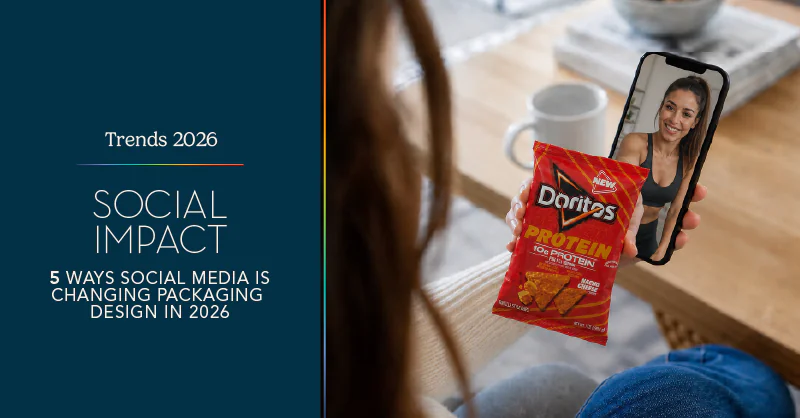
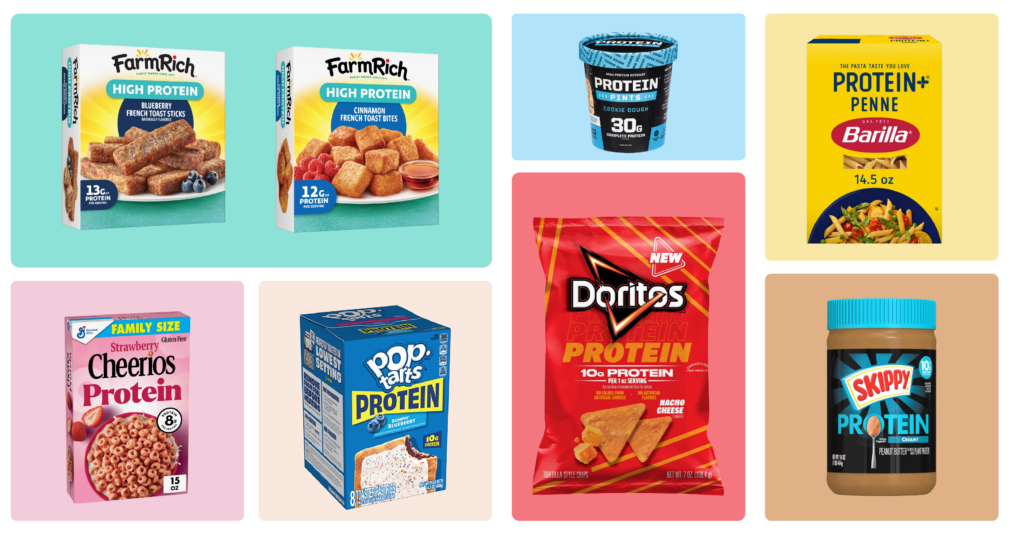
Protein water. High-protein Doritos. Protein ketchup. A decade ago, these would have sounded like a fever dream. Today, they’re just Tuesday at the grocery store, and fitness influencers on TikTok, Instagram, and YouTube deserve a lot of the credit. 

The protein obsession has forced a rethink of packaging strategy across the industry. Some brands are simply moving protein claims from the back panel to the front, turning what used to be a nutritional footnote into the hero of the design. Others are launching entirely new protein-forward SKUs, recasting familiar products as performance foods and reaching new consumer segments in the process. Cereals like Cheerios and even ice cream like Protein Pints have started borrowing the visual language of protein bars and sports drinks, leaning into a performance aesthetic that would have felt out of place five years ago.

At Smith Design, we’ve helped brands capitalize on this shift, in some cases by simply refreshing brand lineups to highlight the macro nutrient on pack to help consumers get the information they need to reach their protein goals. In other cases, we’ve helped brands go a step further, such as our design of Farm Rich’s high-protein breakfast line of French Toast Sticks.

Trend to watch: Fibermaxxing. With more than 95% of Americans not getting the amount of fiber recommended by the FDA, and a new awareness of the importance of gut health, fiber is getting greater attention on social media. Expect packaging to respond. 
2. Collaborations and Limited-Edition Flavor Drops 

Social media runs on novelty. Even a brand’s most loyal fans can experience “like fatigue” after seeing the same product photo a thousand times. The solution the industry landed on? Borrow a page from luxury fashion: collaborate, drop, and repeat. 

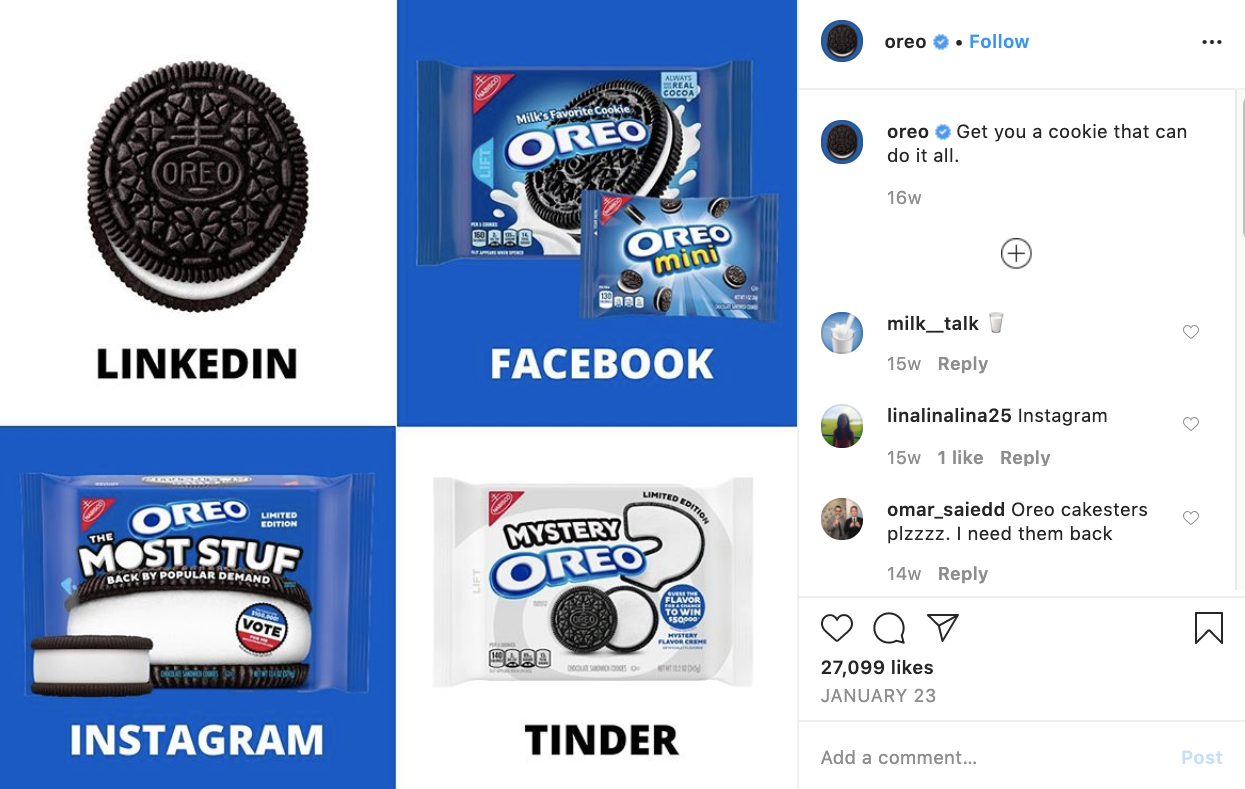
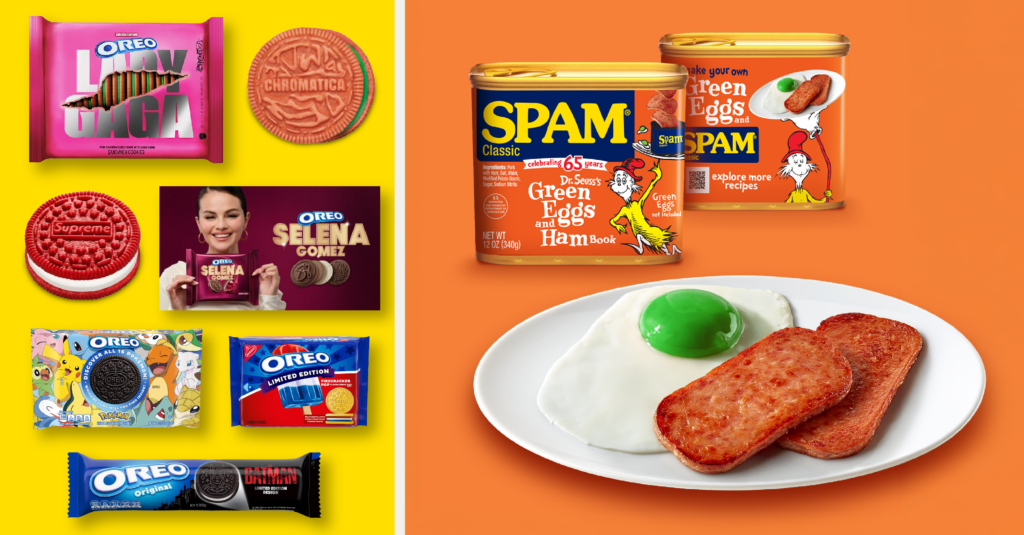
Oreo has become a gold standard. Its collabs have spanned streetwear (Supreme), music (BTS, Lady Gaga’s Chromatica album, Post Malone, Blackpink), gaming (Super Mario Brothers), and beverages (Coca-Cola). Novelty flavors (Candy Corn, Red Velvet, and a Hot Chicken Wing cookie launched in China) keep the brand perpetually buzzy.

Pepsi did it with Peeps (marshmallow-flavored soda, naturally). And then there’s the Crocs x KFC collab: shoes covered in fried chicken imagery that looked like an absurdist art project straight out of Bushwick. Packaging collabs can get incredibly idiosyncratic, funny and personal too, which helps a brand build a personal connection with fans. That was the case when Popsicle collaborated with influencer Jake Shane, who famously loves red Popsicles (but not orange ones) to create a package of All Cherry Jake Shane Popsicles, which racked up millions of views when Shane revealed the packaging.

For packaging designers, collaborations are genuinely exciting; they create space to break from brand guidelines and let two distinct visual voices remix into something neither brand could pull off alone. 

Our team has had the opportunity to participate in a lot of fun collaborations and flavor mashups. Last year, we designed Green Eggs and Spam in celebration of the 65th anniversary of the Dr. Seuss classic (and we continue to design all sorts of fun flavors for Spam, and Spam stans online are appreciative!). Popsicle found magic by teaming up with both Disney and Jolly Rancher. The packaging becomes the announcement, the conversation starter, and the collectible all at once.

Trend to watch: Limited-time and seasonal flavors expanding well beyond snacks and chips into categories like condiments, dairy, and beverages. 
3. Designing for the 6-Inch Screen 

Which came first: bold, flat packaging design or the dominance of user-generated content on social feeds? At this point, it doesn’t matter; they reinforce each other completely. 

Winning on shelf used to be the only visual battleground that mattered. Now the 6-inch phone screen is the new storefront, and it plays by different rules. Gradients, beveled type, intricate illustrations, thin serif fonts (sorry, Garamond!) and glossy finishes don’t always survive image compression to 72 ppi very well. A delicate serif typeface that looked refined in print can become illegible as a 200×200 pixel Amazon thumbnail or when it’s being held by a UGC creator for 2 seconds in front of a phone camera. Dainty and detailed simply doesn’t perform on camera.

What does work: fewer words, heavier fonts, bolder colors, higher contrast. If a UGC creator holds your product up for three seconds on TikTok, your design needs to read instantly. Brands like Oatly and Olipop have mastered this: their packaging is flat, bold, and playful enough to function as content on its own.

Some brands go further by specifying matte over gloss finishes so ring lights and camera flashes don’t blow out their type. Others, like Magic Spoon, use maximalist color-blocking to ensure they’re unmistakable even at thumbnail size. The throughline: packaging design is paying attention to how the design works onscreen as well as on shelf. 

Trend to watch: Have we hit maximum color-maxxing? Brands like Olly and Magic Spoon have used saturated, high-contrast palettes to dominate visual real estate across both digital and physical retail, but we might be seeing a reaction in the other direction, with some brands (like Huel) maximizing white space while others, like the sardine brand Fishwife, are leaning into patterning while keeping the bold color.

4. Packaging as Performance: The Unboxing Era 

Beauty brand Glossier was at the forefront of unboxing on social media; its signature pink bubble-wrap pouches were designed to be shared, and they were. Unboxing videos have since become their own content genre, complete with trending audio, quick cuts, and influencers who turn the ritual of opening a package into a mini-drama worth watching.

Some on-trend brands have taken notice and started designing for the reveal. Liquid Death is a standout example: its shock-value branding and irreverent copy make it feel like merch from a heavy metal band you love. Including actual merch inserts makes customers feel like members of a club, and gives them something to post about. The collector’s edition 11-pack collaboration with Spinal Tap sold for $1,100 each. Yes, that’s 11 cans of water.

The principle extends beyond DTC brands. Lego and Tiffany have both reinvented the advent calendar into a premium unboxing event. Graza, the olive oil brand, built viral moments around its distinctive squeeze-bottle design that made people want to demonstrate it on camera. Layered packaging — nested boxes, interior messages, double-sided printing with a bold callout on the underside — rewards the consumer who opens it and gives influencers something to discover.

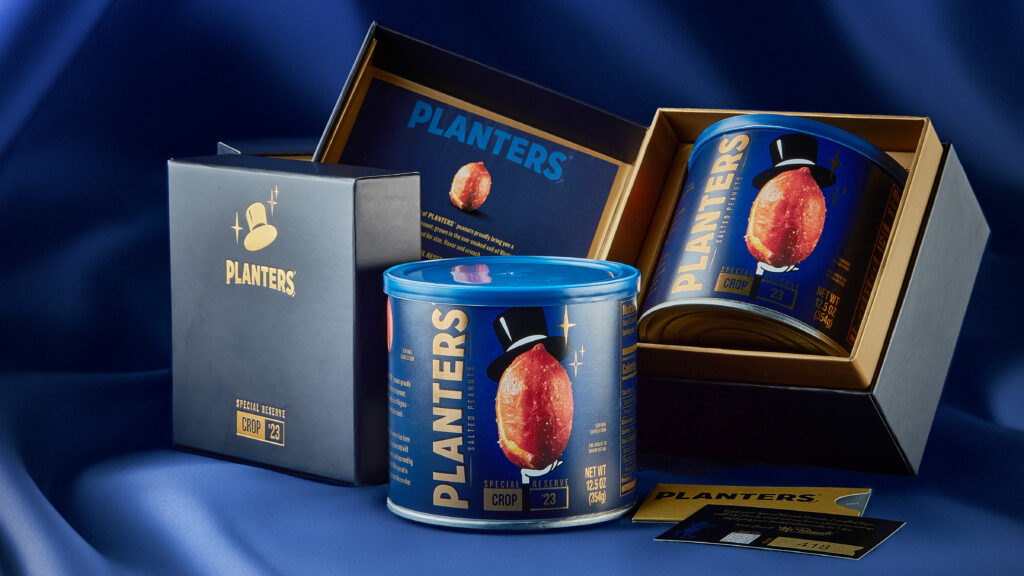
Here at Smith Design, we helped Planters approach this with the limited-edition release of its Special Reserve Peanuts, designing an unboxing experience that felt sensory and elevated, appropriate for a product that deserved to feel special. 

Trend to watch: Keepsake packaging: designs worth holding on to (and keeping on a desk or shelf), giving brands perpetual visibility in creators’ backgrounds. Glossier’s pink pouches are reused as travel organizers and get quick recognition even without obvious logos. In Europe, Nutella jars are designed to be turned into drinking glasses and tumblers. 
5. The Social Backlash Effect 

No honest conversation about social media’s influence on packaging design would be complete without talking about the flip side: the public verdict, delivered instantly and at scale. 

Before social media, a brand could roll out a redesign that would sit on store shelves for years before enough consumer complaints filtered through to signal that something was wrong. Today, the feedback loop is measured in hours.

When Cracker Barrel attempted to modernize its logo in 2025, fans took to TikTok and X within days, framing the change as a betrayal of the brand’s nostalgic identity. The company reversed course within a week. Jaguar’s 2025 rebrand generated a different kind of controversy: a polarizing reaction that some argued was a calculated play for visibility, even if the design itself divided opinion.

The lesson most brands have taken from moments like these: move carefully. The risk of getting it wrong publicly (and immediately) has made incremental “refreshes” far more appealing than full rebrands. In an era when consumers feel personal ownership over the brands they love, packaging changes are never just a design decision. They’re a public statement, and the public is always watching. 


At Smith Design, we help CPG brands navigate all of this: from trend-driven redesigns to full brand overhauls.
Designing Relevance: Keeping Brand Mascots Alive and Impactful

In an era of fragmented attention and fast-moving trends, brand mascots can no longer rely on nostalgia alone but must be actively designed for relevance. Driven by shifts in consumer behavior, digital marketing strategies, and the rise of parasocial relationships in online culture, they have evolved dramatically from static product icons to dynamic social media personalities.

As influencer culture grew in popularity, marketers recognized the value of authentic content and forming emotional connections with their audience. A mascot helps a brand cut through the noise, standing out using humor, sarcasm, or irreverence while still being “on brand.” Even better, because they’re not real people, mascots are flexible digital assets that can respond to trends quickly and don’t need costly influencer contracts. They become nimble, multi-platform brand representatives capable of driving engagement, merchandising, and emotional connection.

Mr. Peanut and The Jolly Green Giant

Smith Design worked with some long-standing mascots, notably Mr. Peanut and the Jolly Green Giant, helping to evolve their presence on packaging and social media.

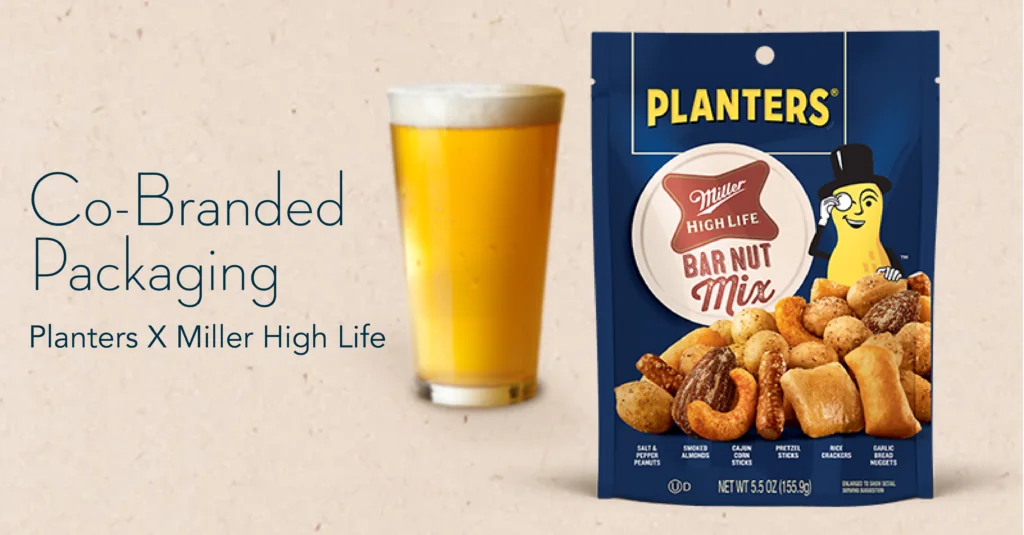
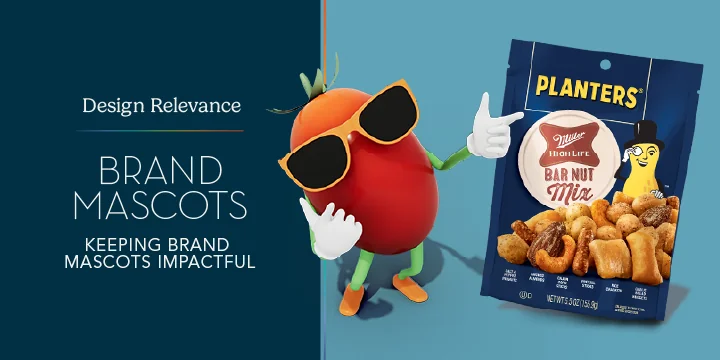
We created the cobranded visual identity and shot the food photography for the Mr. Peanut × Miller High Life Bar Nut Mix, a campy and clever collaboration between two century-old brands that appealed to Millennials and Gen Xers who appreciate retro-kitsch, especially regarding their favorite snacks.

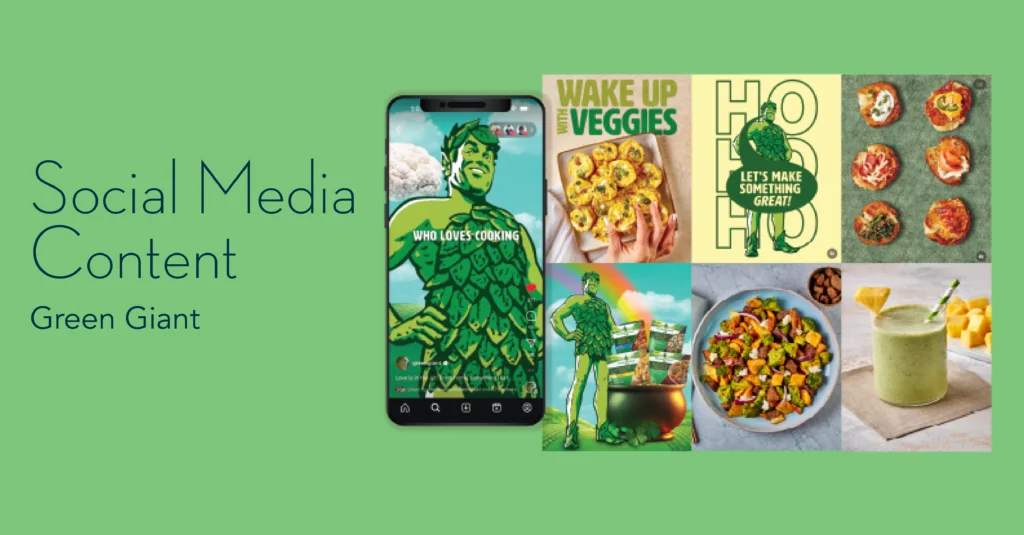
In creating content for Green Giant’s social media, Smith Design focused on posts that allow the Giant to participate in social media trends while retaining his strong, silent persona. One trending post jumped on the “looking for a man” trend and proved one of the brand’s most popular posts. Audiences recognized the trend and appreciated the nod to pop culture.

A Tomato is Born: Designing a Character That Works

Today’s mascots have human-like quirks, backstories, and even relatable drama. Think Duo, Duolingo’s sassy owl, known for chaotic shenanigans like sending threatening reminders to keep up with learning streaks, flirting with celebrities, dancing in public, and office antics.

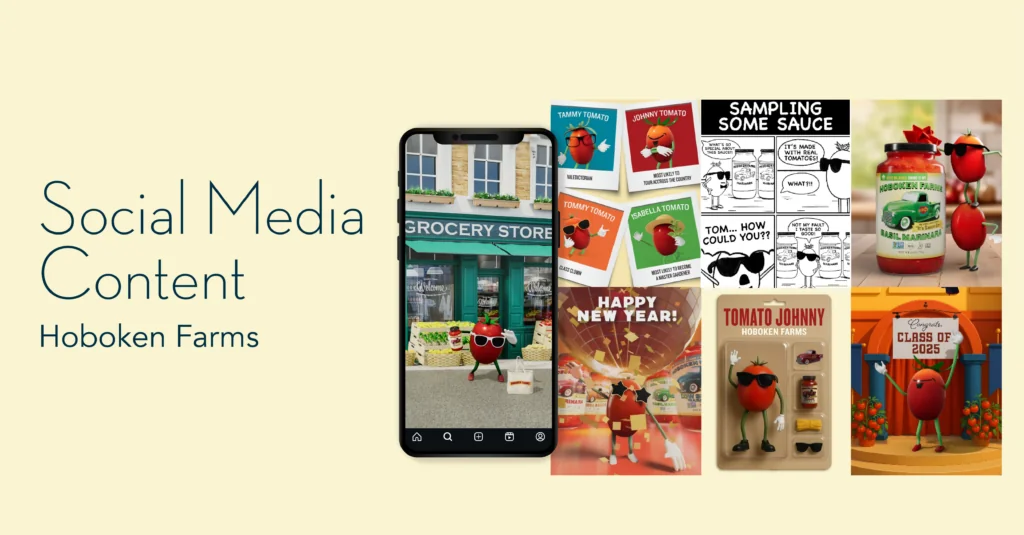
Smith Design embraced the opportunity to create character-focused, relatable, organic social media content for sauce company Hoboken Farms. The brand had no pre-existing mascot in this case, but Smith made a band of unofficial mascots to breathe fresh air into their social media content.

Consequently, a quartet of anthropomorphized Roma tomatoes have become “regulars” on the brand’s social media feed. They’ve gone dancing for New Year’s Eve, announced grocery store partnerships, and even graduated college. As 3D animated representatives, they’re easygoing and adaptable to the task.

And when Smith creatively pivoted them to participate in the popular AI “action figure” trend, they spawned personalities of their own, complete with signature accessories representing each of Hoboken Farms’ four varieties of sauce. Tammy, Tommy, Johnny, and Isabella Tomato are now a part of the sauce’um Hoboken Farms gang, and we’re excited to see what they do next!

If you’re looking to give your brand a representative, an enhanced voice, or even a little extra charisma, let’s chat. At Smith Design, we have vast experience in working with heritage brand mascots as well as inventing fresh, new characters that truly stand out. Whether you’re envisioning a cheeky character, a clever sidekick, or a mascot with undeniable swagger, we’re here to help your brand make a lasting impression. Let’s create something that gets noticed and keeps people talking.

The Future of Influencer Marketing

COVID-19 will undoubtedly leave an unprecedented impact on the world. All industries and business markets will be affected, even the digital landscape.

However, budget cuts are impacting digital campaigns and partnerships. In order for companies to weather the current situation, many budgets have been reduced and reworked. Marketing budgets have come under more detailed scrutiny than ever, so paying for sponsored content partnerships tends to get deprioritized. Influencers have been reducing their rates to try and continue partnerships with brands, but unfortunately, many campaigns have been paused or cancelled, despite the positive metrics. 

With the increase in social media usage and the quickly accelerating growth of e-commerce, brands across all categories shouldn’t dismiss sponsored content as a valuable marketing strategy in a post-COVID-19 world. There is now an opportunity for brands and influencers to create a more authentic connection with each other and with their audiences. Sponsored partnerships are being approached openly and honestly, parameters being laid out with an understanding of the difficulties COVID-19 has caused. As Later points out, influencers are able to approach brands with reduced pricing for sponsored campaigns and content, creating partnerships that may not have happened before. If your brand is considering starting or refreshing an influencer marketing campaign, now might be the perfect time to solidify plans. 

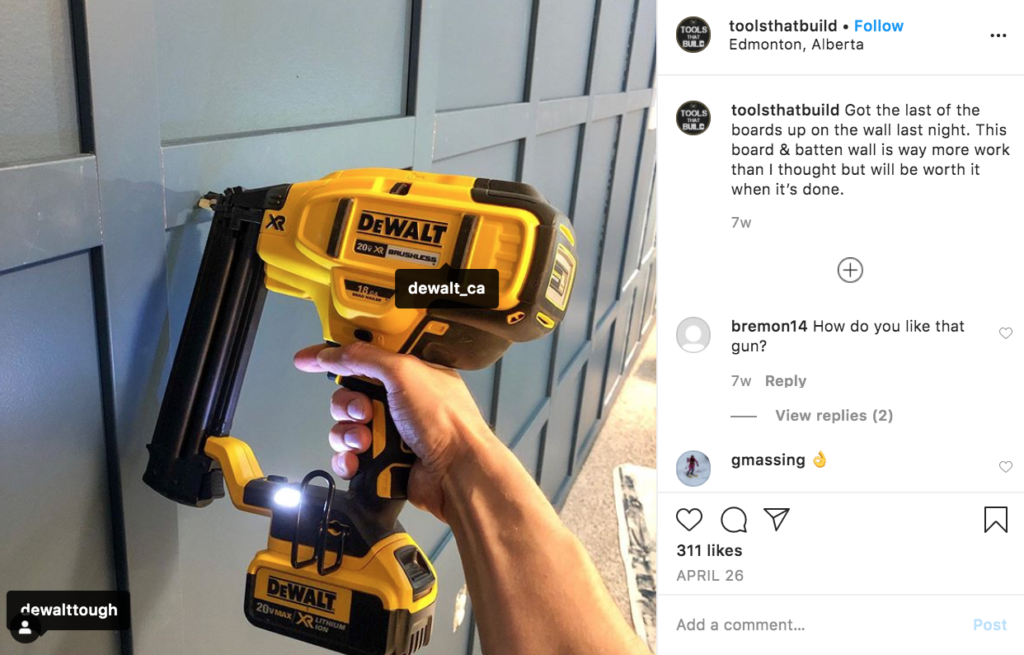
Great examples of brands successfully utilizing social media channels and influencer partnerships, even during this time of new challenges, are found in the tool industry. Many brands of tools partner with influencers on social media, who use and review their products in their professions. Their opinion is reliable because these influencers actually use these products on jobsites. They naturally relate to the brands’ target audience, building community and trust, while encouraging others in their field to try the products they recommend. This digitally connected network of influencers and audiences will continue to drive positive results for the partnered brands, especially with the ongoing rise of e-commerce. 

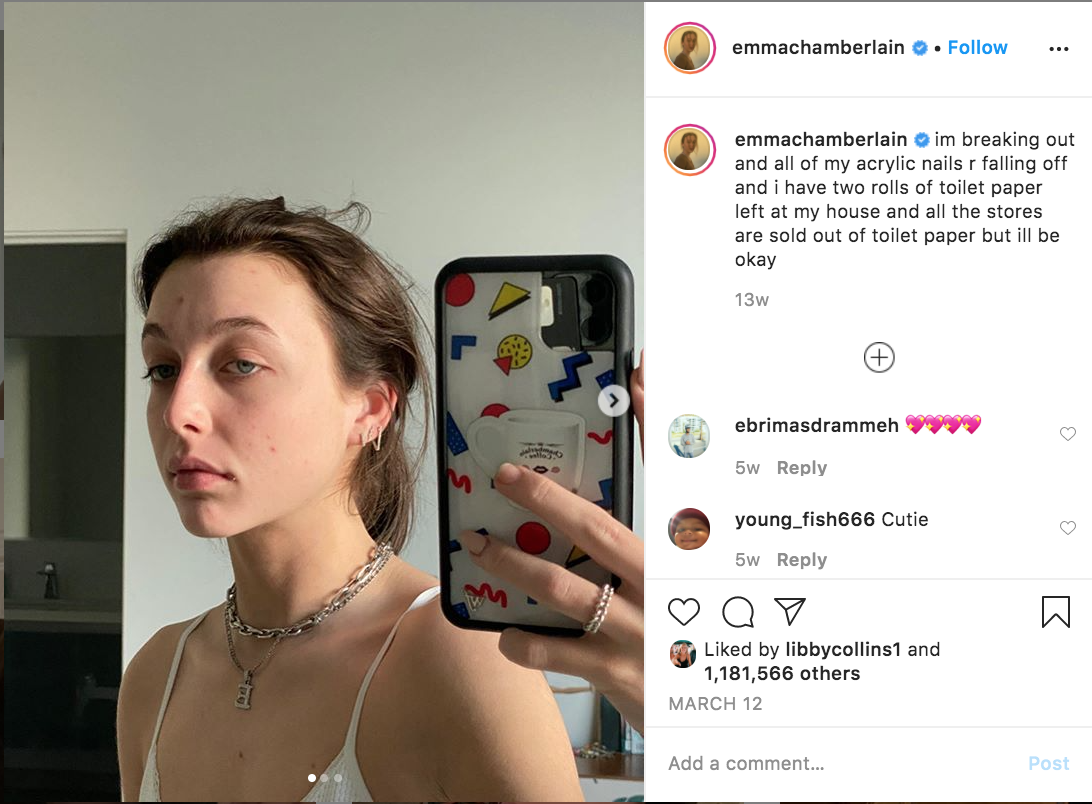
In addition to reevaluating existing partnerships and developing new ones, there is an opportunity to reframe content to be more effective in the changing world. Recently, sponsored content through a filtered lens has been losing its charm on audiences. In an analysis of the fashion magazine industry, The Times asked “In a world where toilet paper is hard to come by, is there a place…for magazines selling dreams of luxury?” This question applies to influencers and their content as well. Influencers will be more successful with their sponsored content if their voice is honest and reliable. Consumers crave authenticity. Audiences, especially from Generation Z (who make up the majority of Instagram users), will respond well to content that does not feel disconnected from reality.

The perspective of influencer marketing has to change from “don’t you want to be like me?” to “I am just like you”. Now more than ever, people want to feel comforted by honesty, authenticity, and familiarity. Campaigns that achieve this will connect with their target audiences and earn brand loyalty. 

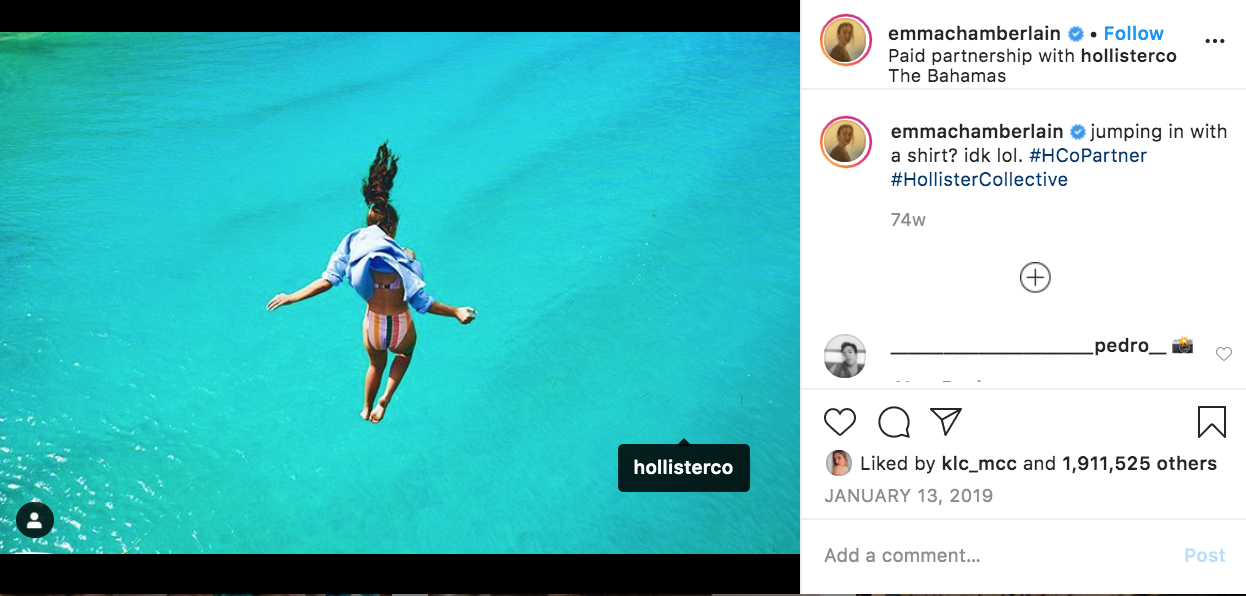
Emma Chamberlain, a YouTuber and influencer who is especially popular with Gen Z, has built her entire personal brand around authenticity, often taking it to the extreme with her content. Her content is so real and relatable that it makes her followers feel like they are on the inside of a private joke with her. 

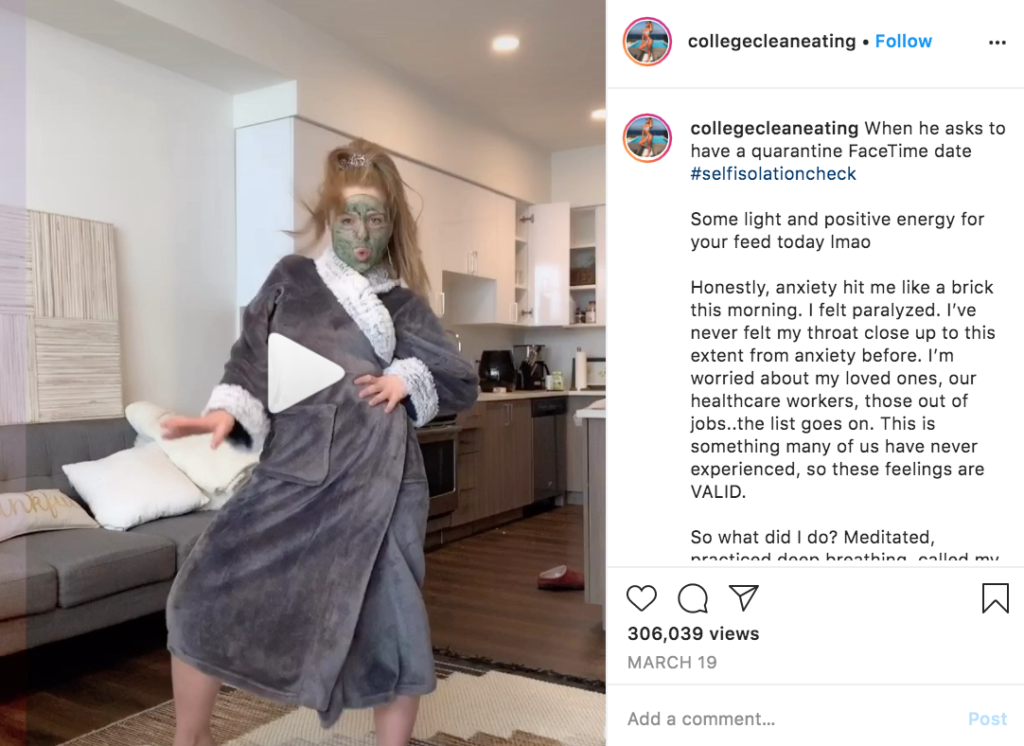
Another example of successful authenticity is fitness influencer Katrina @collegecleaneating. She posts engaging content, opening up about relationships, mental health, and body positivity struggles she’s experienced on her fitness journey. Her approachable, empathetic digital presence has earned her about 650,000 followers on Instagram and differentiates her profile from other fitness accounts that rely heavily on perfection. When she shares sponsored content, her followers are ready to engage and inherently trust her opinion. 

As the world moves forward and marketing teams are faced with many decisions, influencer marketing shouldn’t be overlooked. With the right content, partnerships, and strategy, influencer marketing is a powerful tool that B2C brands can use to leverage the rising popularity of e-commerce, build brand loyalty, drive traffic to websites, and ultimately increase digital sales. Questions about developing effective brand and digital marketing strategies? Contact us below. 

Sources:

https://www.ai-ap.com/publications/article/26614/trending-could-covid-19-kill-off-influencer-cultu.html

nytimes.com

https://www.bigcommerce.com/blog/influencer-marketing-statistics/

Through a Lens: How Gen-Z Views Food

“Gen-Z”. The generation under the scrutiny of marketers who want to understand their shopping preferences, their consumer habits, and TikTok. Generally speaking, this generation is an ethnically diverse, socially-conscious group of digital natives who are growing up with unprecedented access to technology. As this group of people (born between 1995-2015) gets older, their impact on all industries, including the food and restaurant industry, is becoming increasingly evident. 

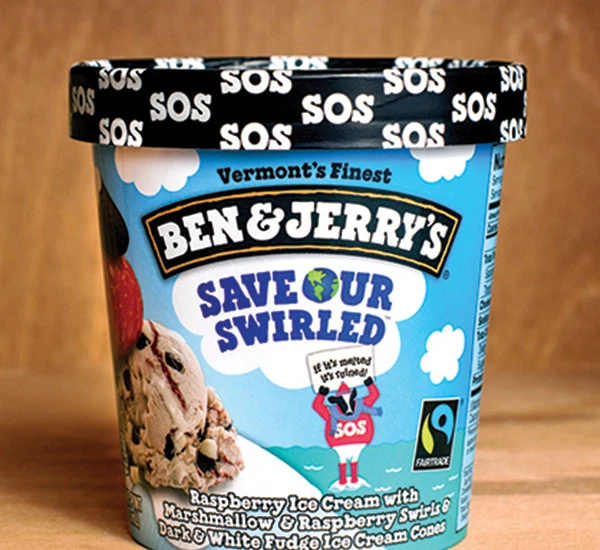
This generation is practical and realistic. They crave authenticity, which causes them to opt away from artificial ingredients and preservatives if they can help it. Ethical and sustainable sourcing is also important to them, as they are careful about the impact their actions have on the greater good. Studies show that Gen-Z is more eager than previous generations to go meatless, 79% of the generation wanting to at least reduce their overall meat intake in an effort to be more sustainable. As major influencers of the rise in popularity of veganism, they will find it odd if a brand or restaurant does not offer vegan and/or vegetarian options. In addition to wanting to see food brands be inclusive with their dining options, they especially appreciate brands that engage with relevant trends, and in some cases, politics. 

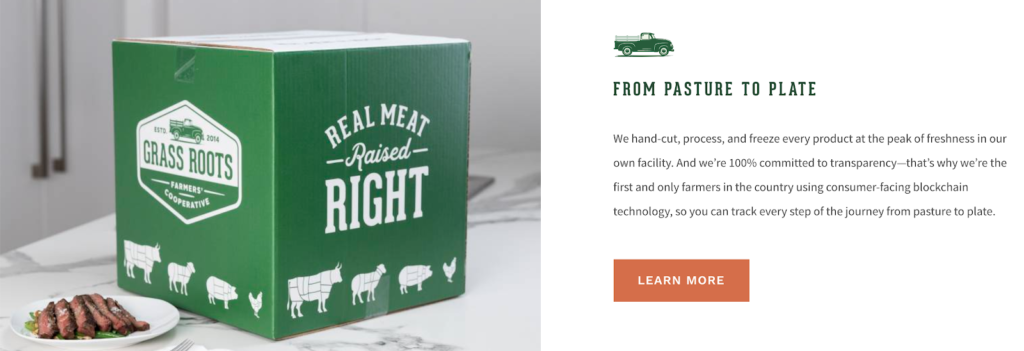
As Melissa Abbott explained in Food Business News, Gen-Z is all about transparency. “Gen Z is the first generation to completely grow up in the digital age, so to them there is no question that can be unanswered. This is really affecting the food that they eat because they want to know where it’s from, how’s it grown, who made it.” Perceptions of shadiness won’t be tolerated by these consumers. A good example of transparency that would resonate with Gen-Z is Grass Roots’ pasture-raised meat. They explain the mission and pasture-raised farm methods behind their products, and even emphasize transparency in their shipping process. Their digital presence is engaging and their message is clear. 

At the center of many stereotypical jokes about this younger crowd is the trend of photographing and posting meals on social media. This habit doesn’t come as a surprise, as this generation accounts for about 75% of Instagram users. In reality, the act of pausing for a moment to appreciate the meal and share it with others actually makes the meal more satisfying. A study from the Journal of Consumer Marketing found that the attention to detail and delay in gratification has a positive effect on the senses. 

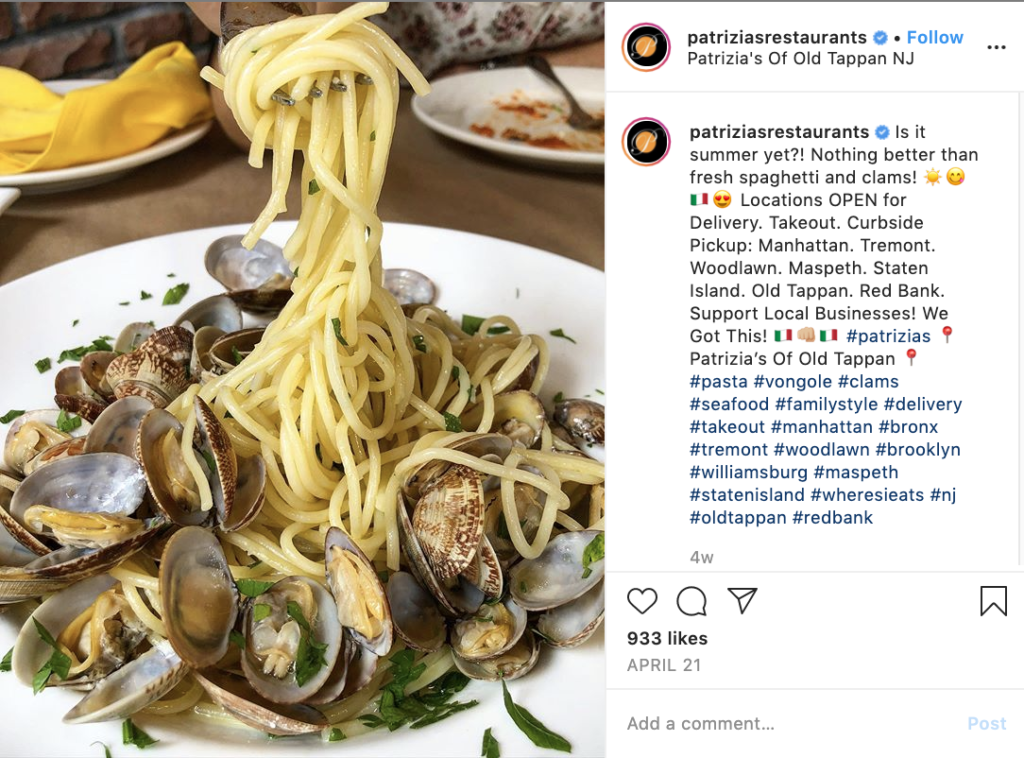
Brands and restaurants can benefit from creating a digital relationship with their consumers through social media. It only makes sense to engage with consumers where they spend time – and in many cases for food, that is Instagram. An Instagrammable dish seen on social media is a call to action for these adventurous eaters.

In addition to Instagram, TikTok is also having a strong impact on this generation’s food trends and habits. Lots of food trends have gone viral on TikTok, especially with the help of the platform’s many food influencers. From cute cereal made out of tiny pancakes to recipes for full meals, TikTok’s bite-sized videos are perfect for sharing food content with Gen-Z.

Growing up with social media, Gen-Z’s digital attention moves at a fast pace. The short recipe videos through TikTok are this generation’s ideal way of learning to cook – convenient, clear, and fun. Brands can leverage this type of content to showcase how to cook with or use their products.

While Gen-Z eaters are adventurous and like a photogenic experience when it comes to food, they also appreciate convenience. Even before COVID-19, take out and drive through meals were increasing in popularity as younger people chose to take their food home and dine on their own terms. Often, this includes streaming something on the TV while eating. In this situation, the combination of convenient food and entertainment of their choice creates a tailored dining experience in the comfort of their home. Retail brands will benefit from this trend as well, as more and more grocery stores offer delivery or pickup options. 

It is key for brands to understand how Gen-Z’s conscious consumerism and digital habits affect their preferences in food and dining, and how those preferences will affect those industries as a whole. To learn more about generation z’s consumer habits, visit our POV analysis here

Sources:

A New Generation to Feed by American Egg Board

https://upserve.com/restaurant-insider/generation-z-new-food-trends/

https://www.ama.org/marketing-news/how-ben-jerrys-took-both-its-ice-cream-and-mission-global/

https://www.buzzfeed.com/racheldunkel/recipes-on-tiktok-that-have-my-mouth-watering

https://www.instagram.com/patriziasrestaurants/

Let’s Talk.
close slider
Contact Form_Home