Expanding Palates: The Continued Rise of Globally Inspired Flavor Exploration

As Millennials and Gen Z continue expanding their palates, global flavors have become integral to their culinary experiences. Both generations grew up surrounded by diverse global cuisine, and for Gen Z, global food is more than just about taste; it’s an immersive experience that combines authenticity, culture, and emotional connection. This shift towards adventurous eating reflects a desire for more sophisticated palates as a way to enhance their culinary explorations. As retailers and brands respond to this growing interest, the availability of unique and complex flavors is expanding across various food and beverage categories. From snacks to drinks, options are becoming increasingly diverse, catering to audiences eager for new taste sensations.

Traditional brands that have historically relied on American flavor profiles are now expanding their horizons by embracing globally-inspired varieties. This shift allows them to connect with the adventurous tastes of Millennials and Gen Z while staying aligned with ever-evolving culinary trends.
Where Flavor Innovation Meets Authentic Design

But flavor innovation alone isn’t enough. As shelves become more crowded with globally inspired offerings, package design plays a critical role in signaling authenticity, communicating flavor cues, and inviting consumers to explore something new. Color palettes, typography, patterns, and imagery all work together to evoke cultural inspiration while maintaining a brand’s own visual equity. When done thoughtfully, packaging becomes a gateway, helping consumers quickly understand unfamiliar flavors and feel confident trying them.

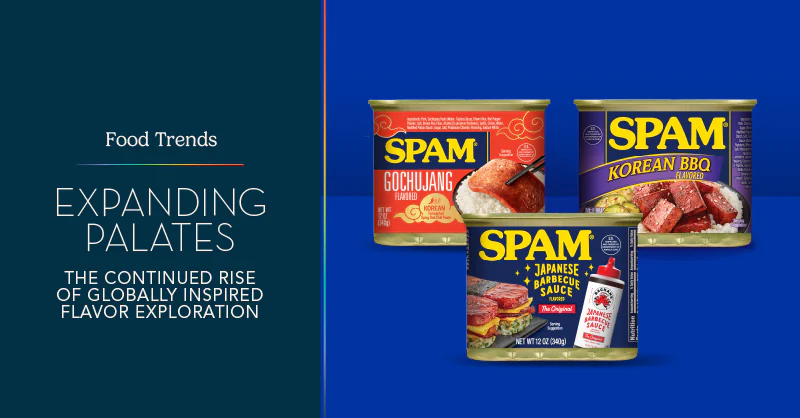
SPAM has long held a meaningful place in Asian American food culture, where it’s been embraced across generations in dishes like musubi, fried rice, and other comfort-driven fusion meals. Recent limited-time offerings continue to build on that cultural connection, blending familiar pantry staples with globally inspired flavors to celebrate community and culinary creativity. A recent collaboration between the SPAM brand and Bachan’s Japanese Barbecue Sauce brings this idea to life, combining two pantry staples rooted in Asian American food culture into a single, umami-rich experience inspired by a pairing fans have been creating at home for years.

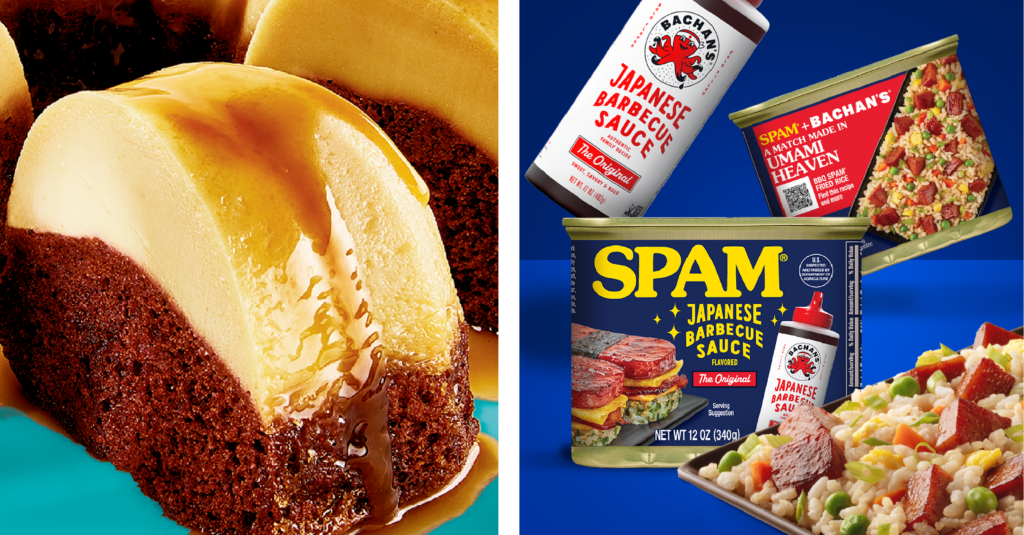
The SPAM Japanese Barbecue Sauce flavored variety, made with Bachan’s Original Japanese Barbecue Sauce, delivers a savory balance of sweet, garlicky, and soy-forward notes while celebrating Japanese American culinary traditions. Smith Design partnered with the SPAM team to help shape the packaging for this collaboration, translating the bold flavor fusion into a package design system that feels culturally informed, modern, and shelf-ready.

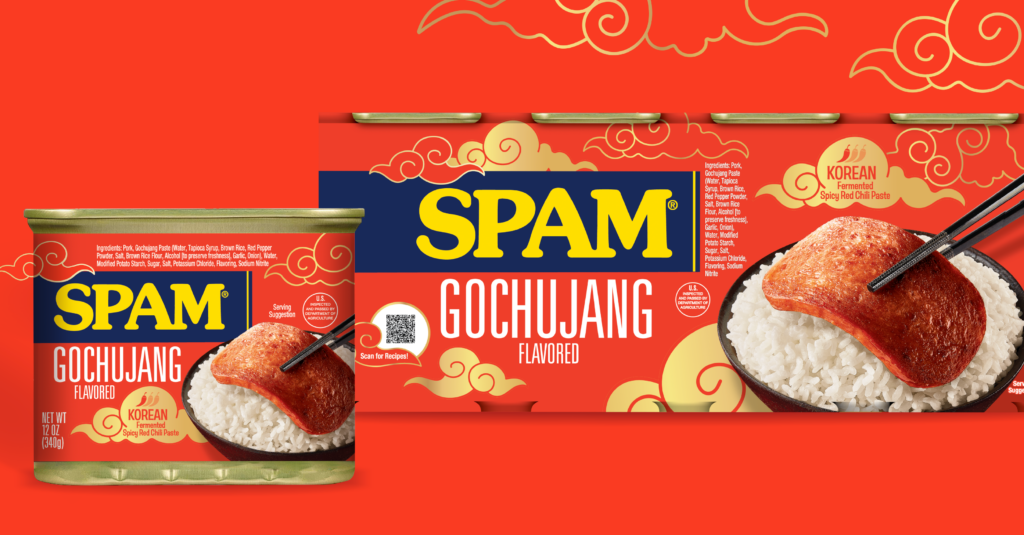
The launch of SPAM Gochujang, inspired by the popular Korean condiment, is another example of this trend. This limited-edition variety combines spicy, sweet, smoky, and umami elements, making it a great addition to any occasion. Smith Design also had the pleasure of collaborating with SPAM to shape the visual aesthetic of this product, ensuring it resonates with Korean heritage and aligns with the essence of gochujang sauces found in adjacent categories. This focus on design not only elevates the product’s appeal but also creates a deeper connection with consumers seeking immersive culinary experiences.
Beyond globally inspired heat and fusion, brands are also finding growth in traditional Hispanic flavors rooted in nostalgia, cultural pride, and the comfort of home. Consumers are gravitating toward offerings that feel authentic and emotionally resonant, creating a compelling opportunity for brands to expand into heritage-driven spaces with credibility and warmth. This insight guided our recent partnership with Pillsbury Baking and Hometown Foods to launch a new line of Hispanic Recipe baking mixes.
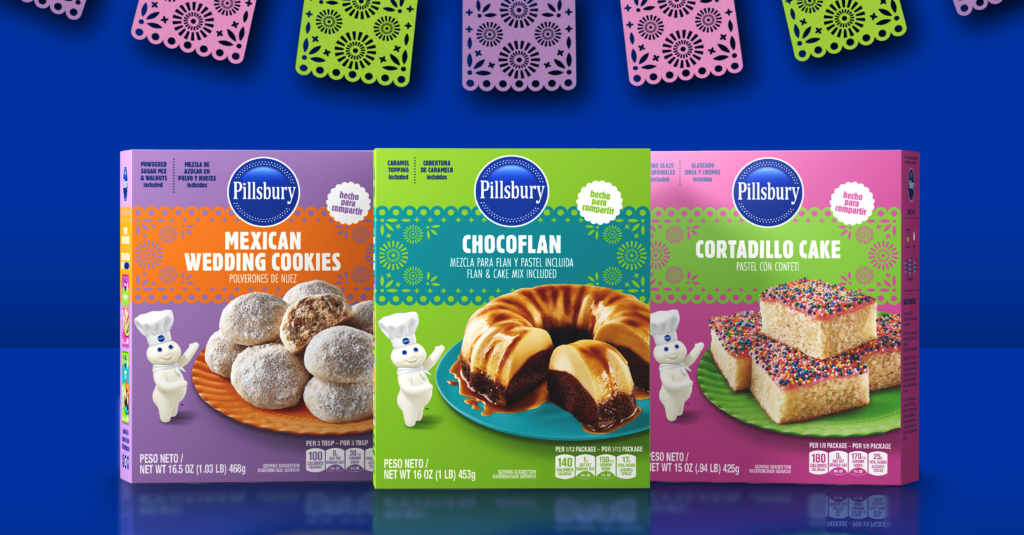
Following an in-depth cultural and visual audit and market analysis, we helped translate deeply familiar flavors into a modern retail experience that feels both genuine and accessible. The resulting packaging for Mexican Wedding Cookies, Chocoflan, and Cortadillo Cake blends vibrant, culturally inspired color palettes and patterning with photography that evokes homemade indulgence. The design honors time-tested recipes while staying true to Pillsbury’s playful, trusted brand voice, creating a bridge between tradition and contemporary shelf appeal.

Flavor Communication to Cultural Storytelling

As interest in global flavors continues to grow, packaging is evolving from simple flavor communication to storytelling. Whether highlighting regional ingredients, showcasing flavor mashups, or using design to convey heat, sweetness, or spice, brands have an opportunity to turn global inspiration into a compelling shelf presence. The result is packaging that doesn’t just describe the product, it sparks curiosity and encourages discovery.
Brain + Beauty: Rethinking Drinkable Function

Functional beverages continue to evolve, and a new dual-focus trend has emerged, with drinks that support both cognitive wellness and visible beauty. Consumers are no longer satisfied with single-purpose beverages; they want products that enhance how they feel and how they show up in daily life. Expo West 2026 highlighted this shift, revealing brands that combine wellness benefits, flavor, and lifestyle-focused experiences to redefine what drinkable function can be.

From Single Benefit to Integrated Wellness

Five years ago, functional beverages were largely defined by a single promise: energy, hydration, immunity, or digestion. Bold ingredients like adaptogens, probiotics, and nootropics dominated.

Today, the category is moving toward integrated wellness. Hydration incorporates broader mineral profiles. Energy is expected to feel balanced and sustainable. Magnesium has emerged as a key ingredient, supporting stress response, recovery, and overall equilibrium.

Consumers also evaluate flavor, design, and experience alongside efficacy. The most successful brands integrate benefits seamlessly, providing a daily ritual that fits naturally into modern lifestyles.

Trends in Action at Expo West

Expo West 2026 made these shifts tangible. Leading brands no longer focus on single ingredients. They combine multiple benefits into cohesive, everyday experiences.

Everyday wellness is evolving. Drinks now blend adaptogens, nootropics, and hydration with lifestyle benefits. Classic formats are being reimagined. Soda-inspired beverages feature functional ingredients and bold, nostalgic flavors. Protein is increasingly incorporated to support satiety and sustained energy. Bright, fruit-forward flavor combinations make functional benefits approachable and enjoyable.

Together, these trends reinforce a key insight: success is no longer defined by one ingredient. It comes from how well benefits, flavor, and experience are integrated.

Brain + Beauty: A Defining Shift

A major emerging trend is the convergence of cognitive wellness and beauty. Consumers no longer see these areas separately. Stress affects skin. Hydration impacts both mental clarity and appearance. Recovery, sleep, and overall balance influence how people feel and present themselves.

Magnesium plays a central role in this shift. Traditionally associated with relaxation and muscle function, it now supports calm, recovery, and overall balance. These benefits influence both cognitive clarity and visible well-being. In this way, magnesium bridges brain and beauty, connecting internal wellness with external expression.

ELOS: Launching at Expo West

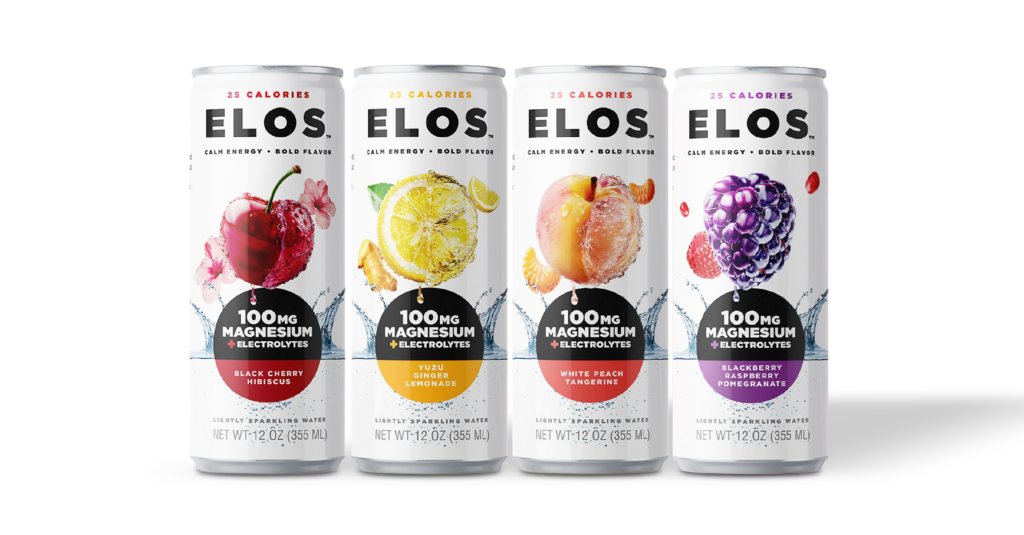
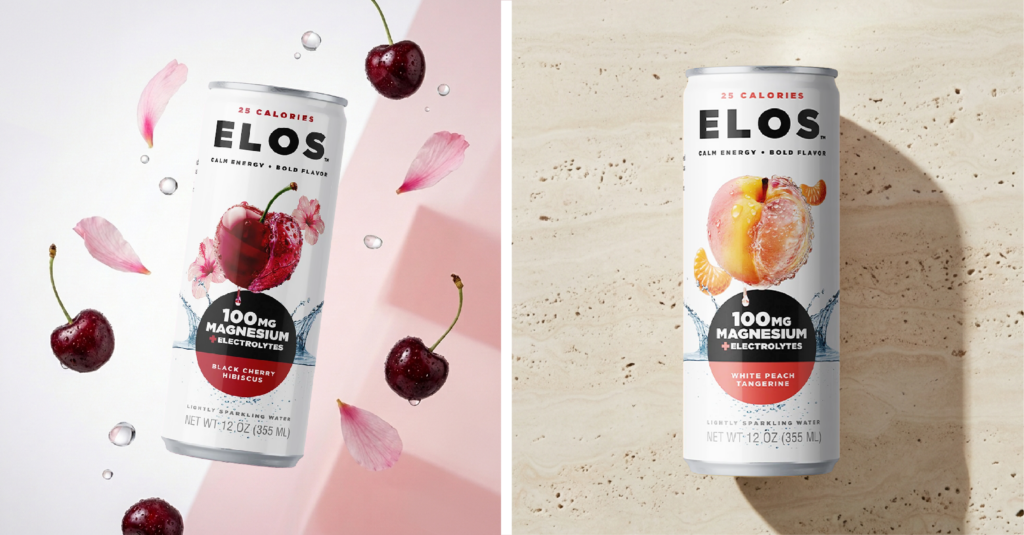
At Smith Design, we recently partnered with Accelerated Manufacturing Solutions (AMS) to launch ELOS, a functional sparkling water brand that officially debuted at Expo West 2026. From the beginning, we worked end to end: naming guidance, brand positioning, visual identity, packaging, and comprehensive brand guidelines.

Our process began with a deep dive into the beverage category and broader wellness landscape. We analyzed competitors, consumer motivations, and emerging cultural signals to identify strategic opportunities for differentiation.

Smith Design collaborated closely with AMS to shape every aspect of the brand:

  • Naming: We explored potential brand names and strategies, ultimately landing on ELOS, a modern, flexible identity designed to grow with the category
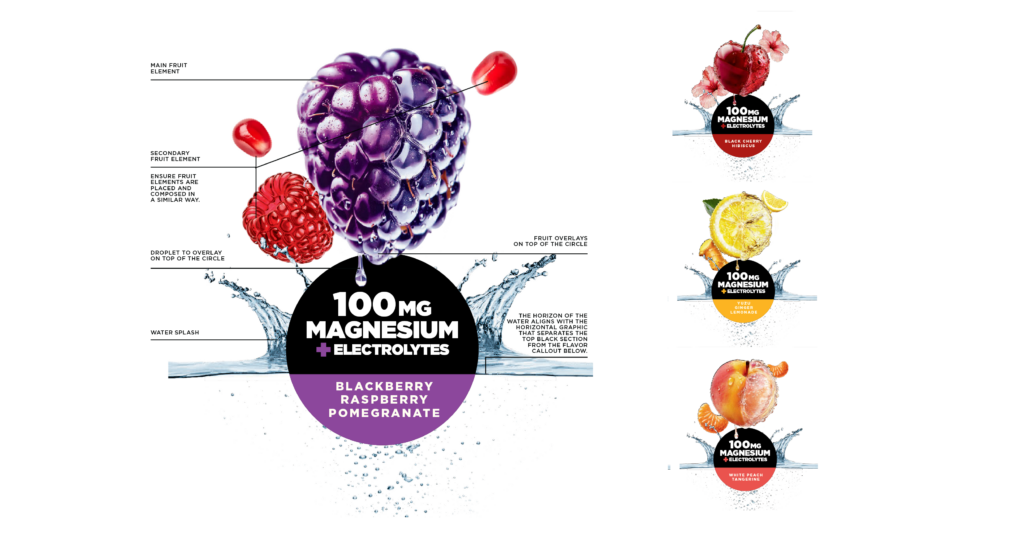
  • Brand Positioning: We defined a promise of refreshment paired with everyday wellness benefits, expressed through a bold, rebellious personality. Large hyper-liquified fruit graphics signal energy, edge, and shelf presence
  • Visual Identity and Packaging: Design systems communicate premium refreshment while reflecting the playful, bold spirit of ELOS
  • Brand Guidelines: Comprehensive guidelines ensure consistency across packaging, marketing, and future product extensions

The initial product delivers a lightly sparkling beverage with magnesium, electrolytes, essential vitamins, and fruit-forward flavor. ELOS is designed as a flexible brand platform capable of evolving with trends, flavors, and consumer expectations.

By combining functionality with flavor, design, and experience, ELOS reflects the future of integrated wellness beverages and the Brain + Beauty movement.

Looking Ahead

Expo West 2026 confirms a clear trajectory for the category: integration is key. Consumers want products that deliver benefits, enjoyment, and balance, seamlessly woven into everyday rituals.

The brands that will lead combine credible wellness claims with strong identity, thoughtful design, memorable flavors, and compelling storytelling. ELOS demonstrates this evolution, pairing wellness, flavor, and personality in a way that feels current, forward-looking, and fully integrated.

For brands and partners, the takeaway is clear. Success comes from building platforms designed to evolve alongside consumers, where integrated wellness, enjoyment, and experience define the next chapter of functional beverages.


Designing for the COVID Generation

Designing meaningful products and experiences for kids carries unique challenges, and this has never been more true than for “Generation C”, the millions whose early formative years have been defined by living through the pandemic.

Despite the hardships of the last year, Gen C have proven themselves to be remarkably resilient. Whether it’s getting back up after a skinned knee, learning to read facial expressions under a mask, or even making friends over Zoom, there is no doubt that this cohort will continue to adapt and thrive in the post-pandemic world.

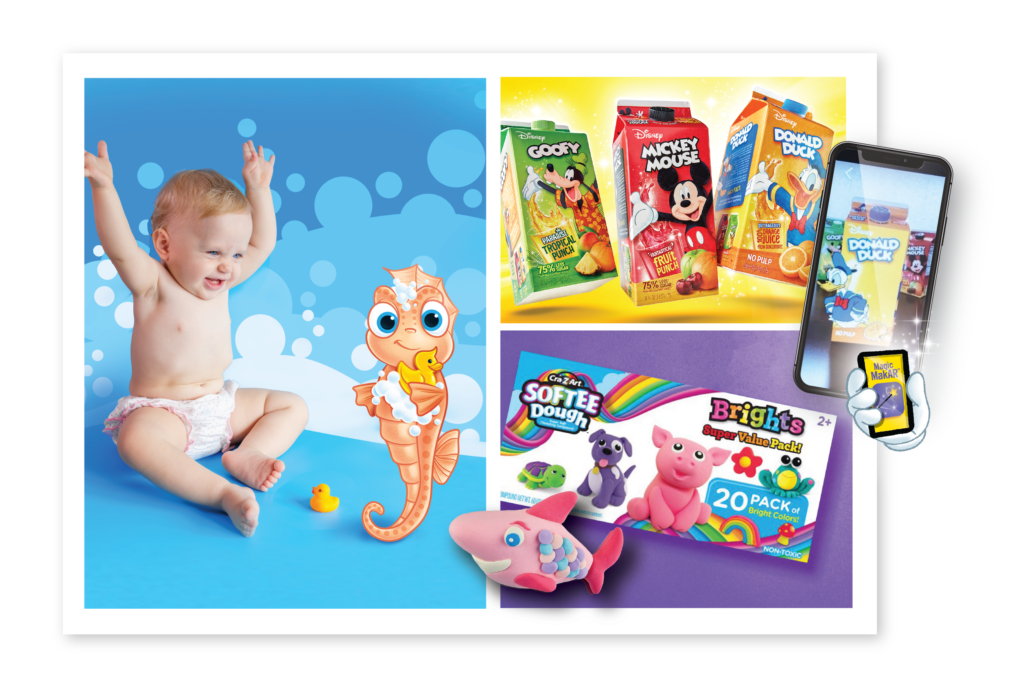
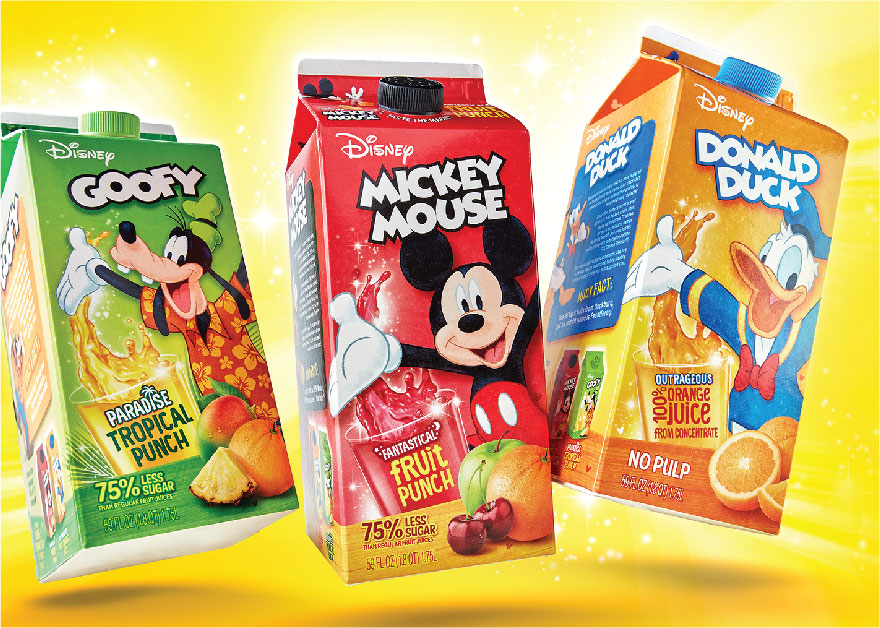
Throughout the past year and beyond, we’ve partnered with brands to find new ways to create engaging and memorable brand experiences, from custom characters for Dial that make washing up more fun, to an AR experience with Florida’s Naturals that livens up the breakfast table, to a brand world for Softee Dough that encourages endless, device-free imagination.

As Gen C prepares to re-enter the “normal” world they will do so with a perspective unlike any generation that’s come before them. In this new landscape, brands will have the opportunity to rethink ways to make meaningful connections, whether through online experiences that cater to Gen C’s digital fluency, innovative products that inspire play and creativity, or something new entirely.

Remote Photoshoots with Smith Design

Even as we welcome our clients and collaborators back into the studio, we’re excited to continue to offer the flexibility of remote photoshoots! Over the past year, we’ve honed our process to offer an engaging and attentive experience with our in-house photo team and studio, all without the time or expense of traveling to the set. Check out the below or get in touch to learn more about how we’re bringing the set to you!

GDUSA AWARDS 2021

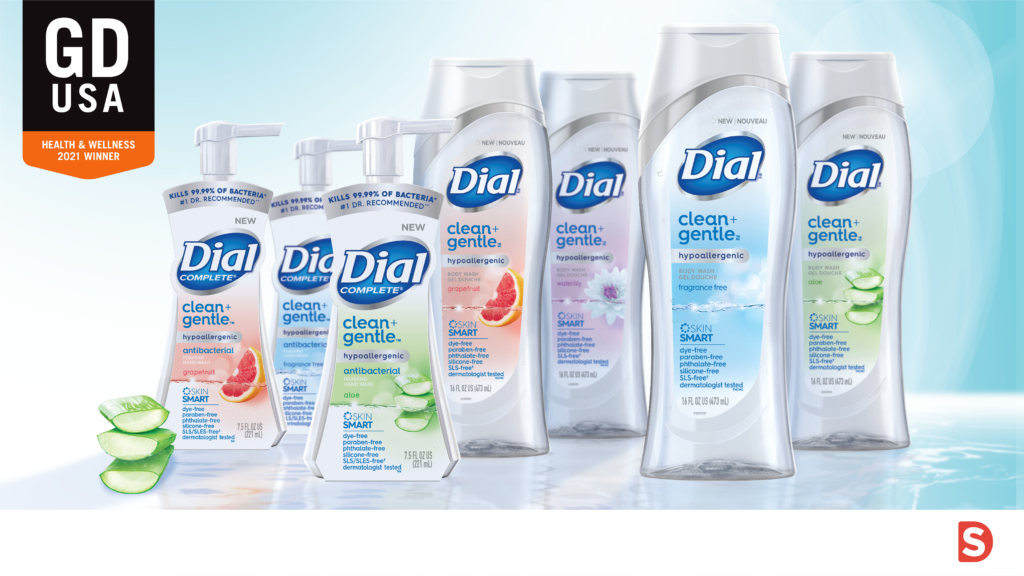
The results are in! We’re proud to announce that Smith Design has been awarded 8 GDUSA Awards, including 4 recent wins in the Health & Wellness category and 4 for American Package Design. We’re fortunate to work in partnership with our clients at Skippy, All, Snuggle, Robitussin, Dial and FulFil Nutrition to bring compelling design to life across products doing good for people and planet. Take a look at some of winning designs below. 

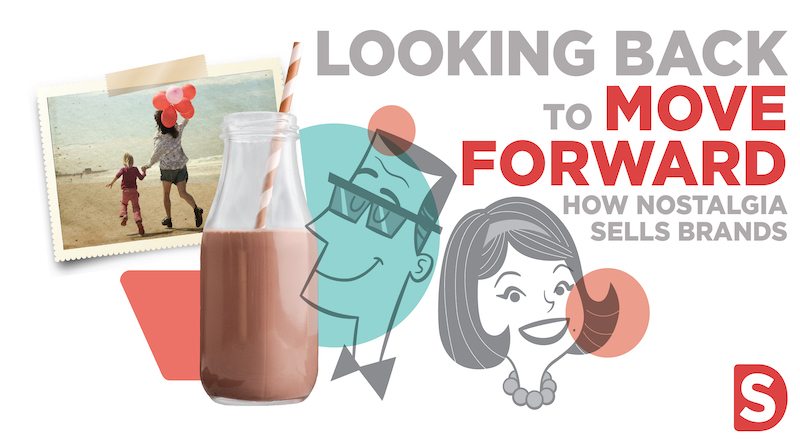
Looking Back to Move Forward: How Nostalgia Sells Brands

If I’m being honest, recent global events have made me nostalgic. Typically, I like to live in the moment but recently I’ve found myself digging through old photos and journals in search of…? I’m not sure. These trips down memory lane feel comforting thoughts, in a childlike way. There is a tendency to glamorize the past, looking through rose-colored spectacles at simpler, less complex times. But one thing is for sure – Marketers know that these nostalgic feelings sell brands.

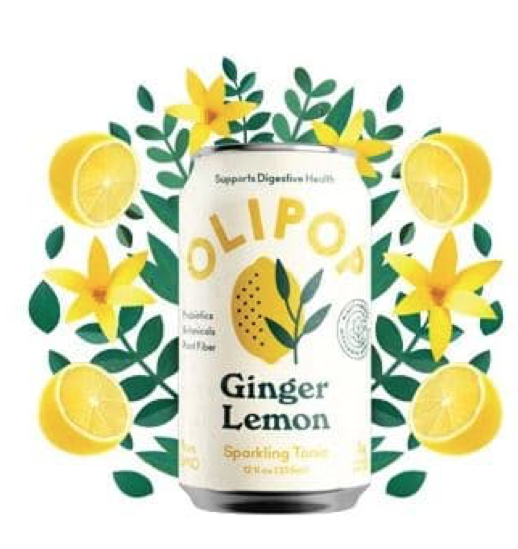
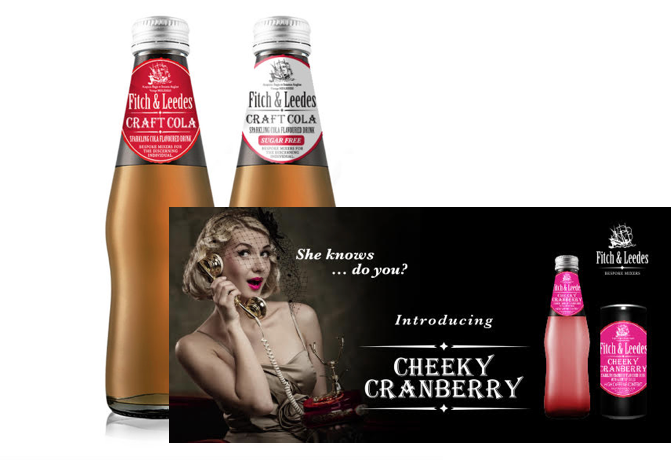
Take for example recent additions to the marketplace such as the Olipop soda brand. Their simple chic packaging leverages nostalgia in a way that triggers a recall that isn’t there – but somehow we believe in its authenticity. Fitch and Leedes lean heavily into a kitschy 50’s genre for their brand of tonics and mixers. The retro brand sends strong trust & quality signals to consumers that say “this is a brand that has stood the test of time and endured.”

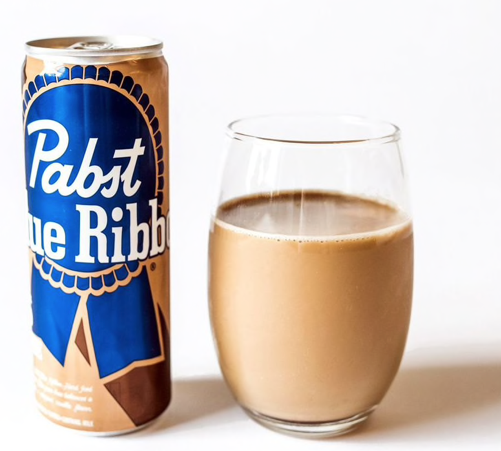
A few years ago, a flagging cereal category released limited edition nostalgic packaging in the hope of inspiring Gen X and younger Boomers into revisiting their favorite childhood flavors. The problem with this is that it’s a short-lived fantasy. Say Fruity Pebbles was your thing back in the day. You see it packaged the way you remember it and it sparks good memories of Big Wheels and The Flintstones. You might even buy it. But these types of purchases are one-offs as most of us don’t have the constitution to eat sugary cereal the way we used to. Predictably, nothing could save the cereal category from its inevitable decline. However, Pabst Blue Ribbon has found an ingenious workaround. Their newest offering -– a Hard Coffee – is said to taste exactly like YooHoo Chocolate Milk. By tapping into a taste instead of just a graphic approach, PBR may well have found the perfect way to be nostalgic for childhood without abandoning reality completely.

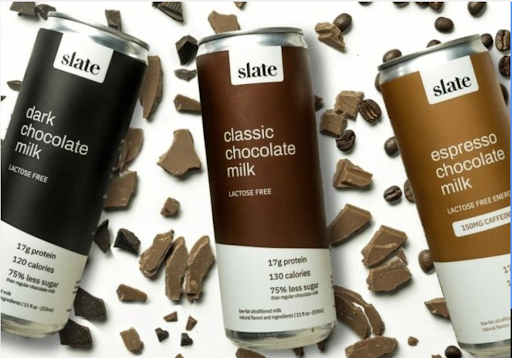
Other brands are using flavor as a way to bring consumers into the fold by leveraging holistic wellness in an unusual way.  With flavors like Classic Chocolate and Dark Chocolate Milk, Slate beverages with a low sugar and high protein claim will certainly bring back happy memories and cue happier times thus keeping your mind AND body healthy. Cue the serotonins!

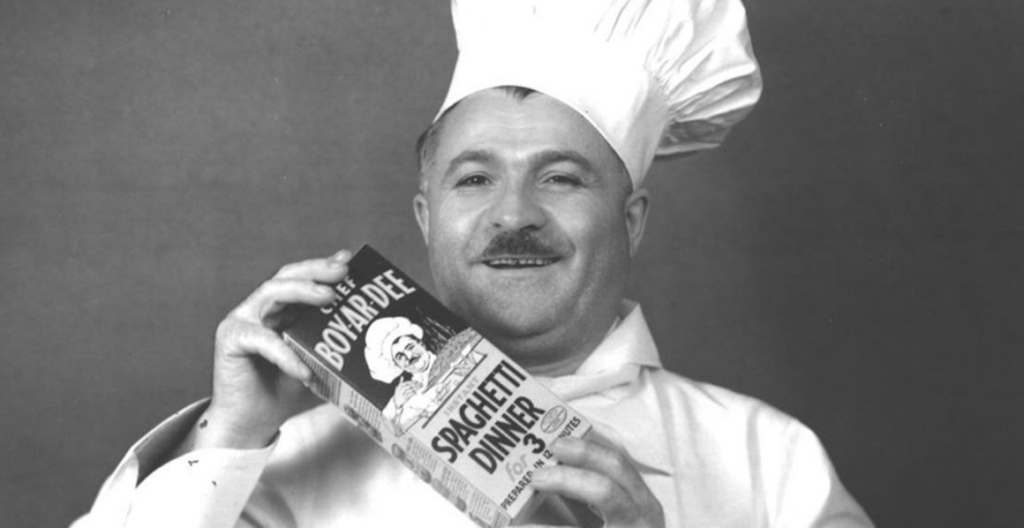
Finally, let’s not forget the heritage brands that are having another minute in the spotlight. As we face challenges buying fresh food during this time of social distancing, tried and true shelf stable brands are thriving as consumers rediscover their favorites from childhood – foods like Hamburger Helper and Chef Boyardee.  Time will tell whether this is a permanent change in consumer behaviors but, Jon Nudi, head of General Mills, North American would like to think so.

 “Right now, we have people trying the products they haven’t had for a while, and we hope they’re surprised and find that they’re delicious and that we have them come back,” he is quoted as saying in the New York Times back in early April.*

Regardless, brands that focus on creating stronger emotional bonds between consumers and their products, especially in childhood and early adulthood, will find that those bonds are strong and lasting. As we weather our current circumstances, when the future is uncertain, we can all take some comfort in reminiscing in the way things used to be – because sometimes looking back is the best way to move forward. 

Sources: https://www.nytimes.com/

How Businesses Can Be a #ForceforGood

This May 5th, organizations around the world are coming together for #GivingTuesdayNow, a new global day that celebrates generosity and unity in response to COVID-19. As a Pledge 1% member, Smith Design has committed to leveraging our assets to have an impact, and now– more than ever– we are rallying our teams and partners to give back.

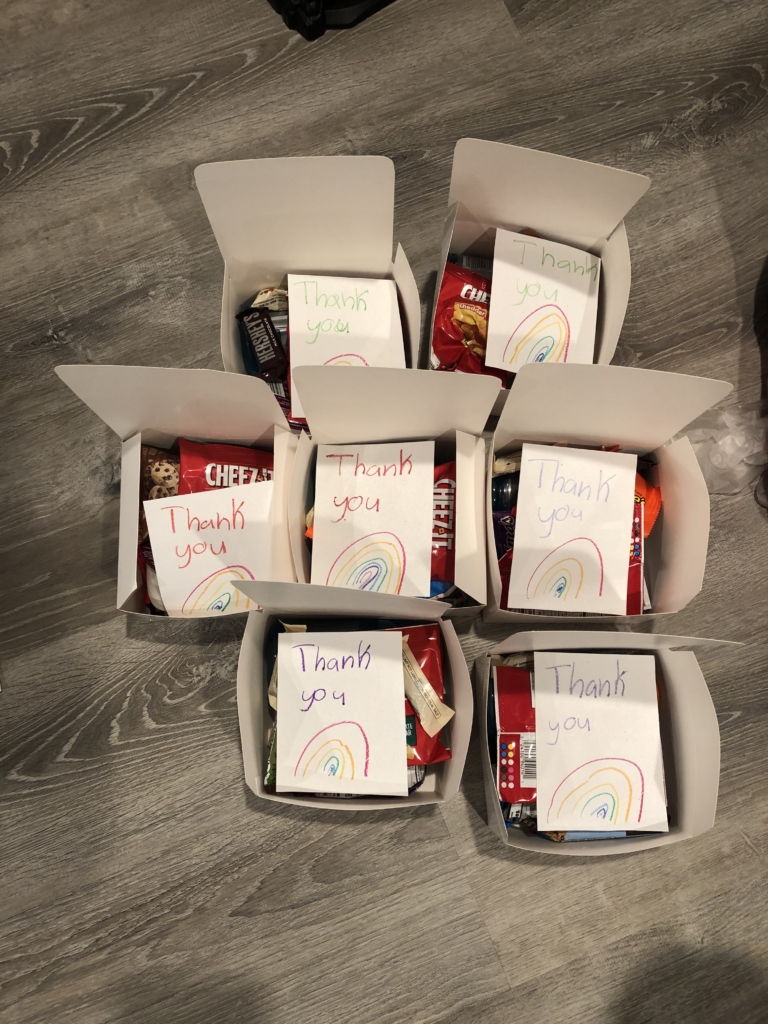
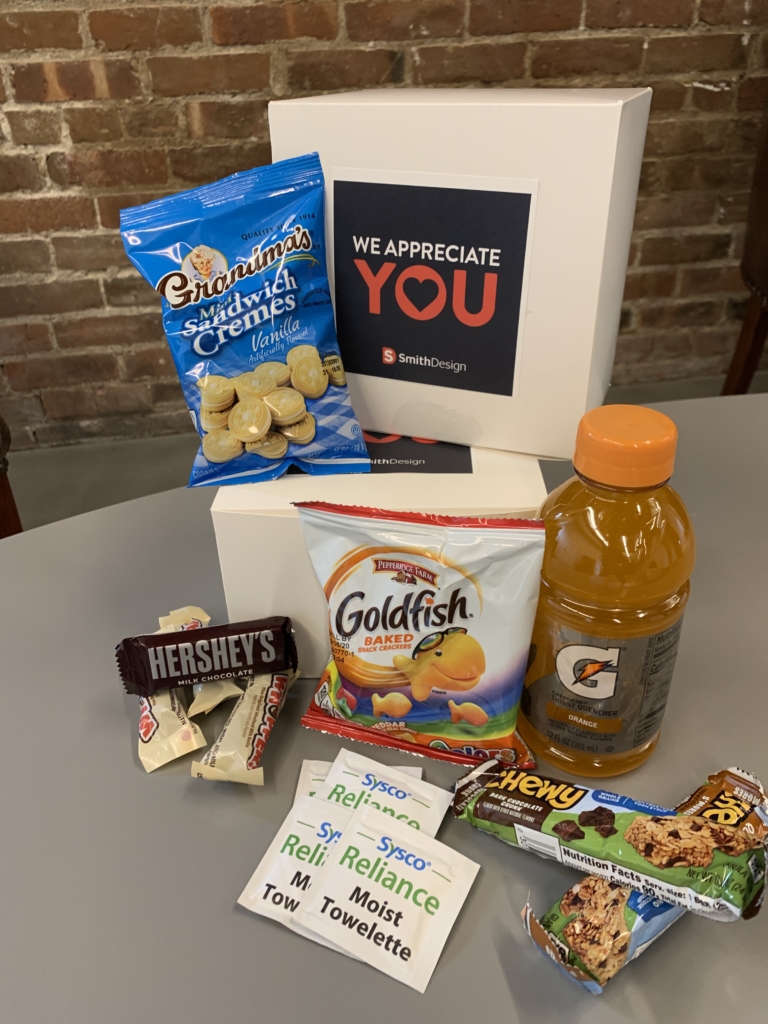
As a way to give back to our frontline heroes, Smith Design participated in FLAG, Front Line Appreciation Group. The group was started by 2 women in New Jersey and has grown nationwide. Their mission is to ensure that frontline workers are fed and cared for. Our team joined their cause by filling out Flag Fuel Boxes. These Fuel Boxes provide food and words of encouragement for the frontline and essential workers who are helping all of us during this time.

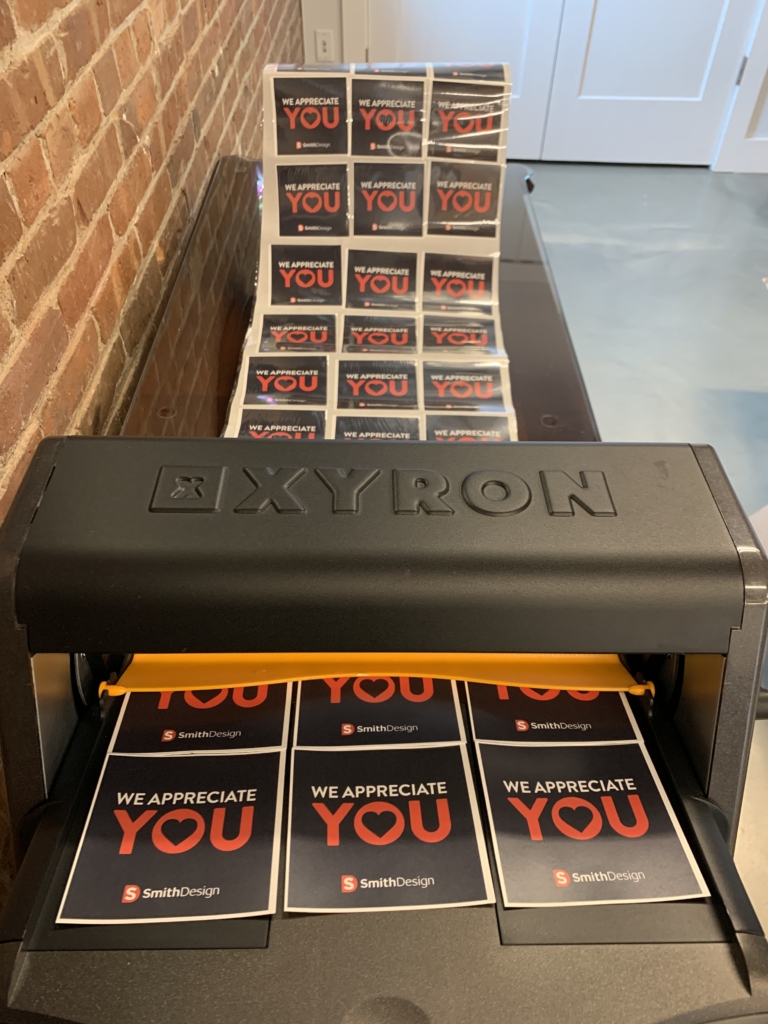
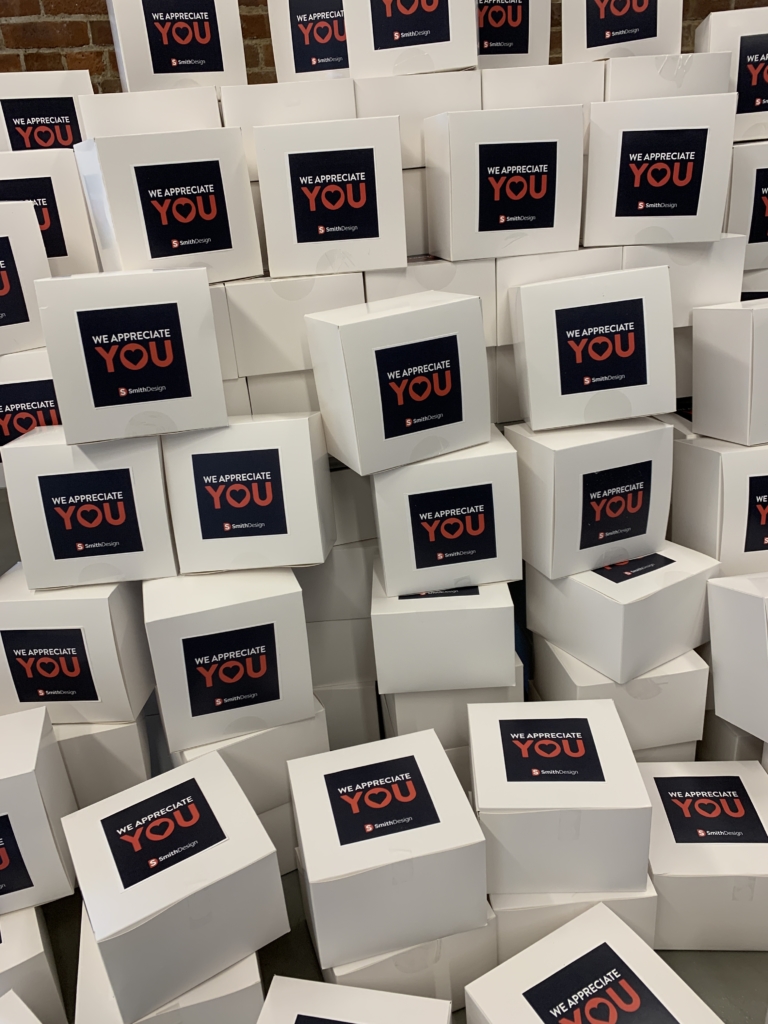
Supplies for the boxes were purchased and donated by Smith Design. 7 employees and their families packed the care packages and wrote personal notes for the heroes. We designed a sticker to emphasize our appreciation. Together, we completed 172 boxes! 

We can’t thank our frontline workers enough for all that they are doing. 

This pandemic is affecting every person on Earth. Only together will we heal and recover. We encourage you to join us and other members of the business community in giving whatever you can to help. Together, we are a force for good.

To learn more about Pledge 1% or to access their tools and resources for companies to navigate this pandemic visit www.pledge1percent.org.covid19.

Charitable Packaging Shows Brands’ Softer Side

It’s always nice to see brands support great causes, and packaging is a creative way to emphasize the importance of giving back.

Charitable packaging supports important causes by raising awareness. This packaging can also be a call-to-action, inspiring others to support the cause as well. Charitable packaging is often a smaller part of a brand’s overall partnership with a cause. Consumers have come to expect brands to make a conscious effort to give back to the community. Showing their charitable side through these partnerships help brands connect with their consumers on a human level. 

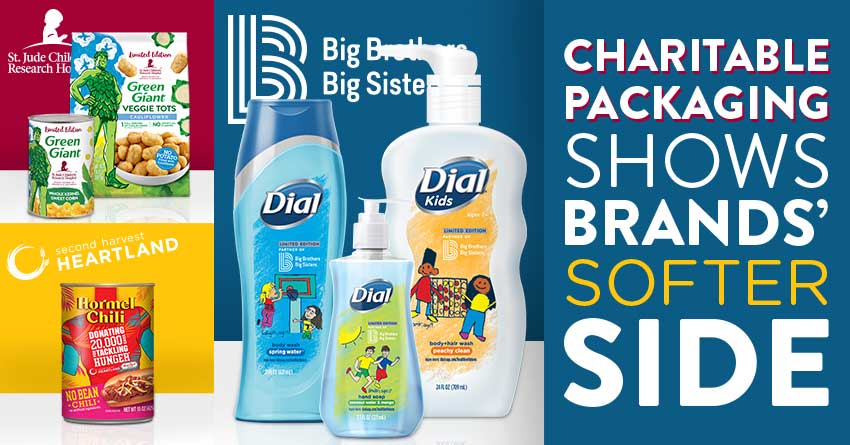
Dial® partnered with Big Brothers Big Sisters through the Healthier Futures™ program. Healthier Futures™ promotes healthy hygiene habits. To show their support, Dial® featured artwork on their packaging that incorporates drawings by the children who participate in Big Brothers Big Sisters. The packaging captures the spirit of Big Brothers Big Sisters so delightfully with scenes that represent the mission of the organization and raises awareness of their initiatives to support children and their communities. 

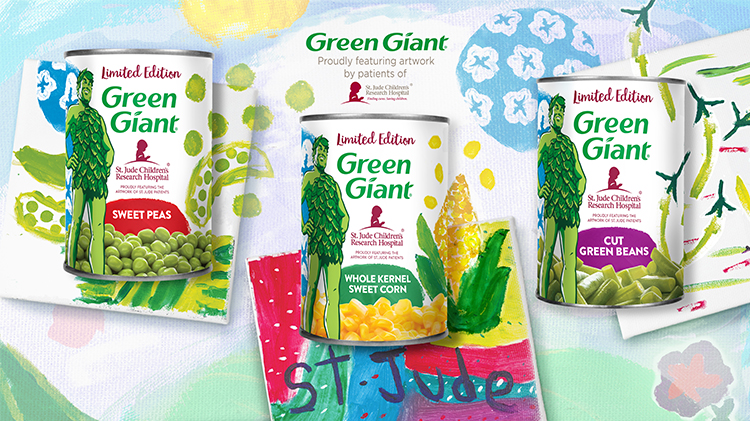
Patients of St. Jude Children’s Research Hospital showcased their artwork on Green Giant’s limited edition packaging. The cans featured illustrations of vegetables; sweetcorn growing tall, dancing green beans and sunny blue skies are all featured prominently in the colorful labels. The cans are one of the ways Green Giant shows their support of St Jude. The brand also donates money towards St. Jude’s amazing research, and encourages their employees to support the cause as well. In 2018, B&G Foods donated $350,000 on behalf of the Green Giant brand. 

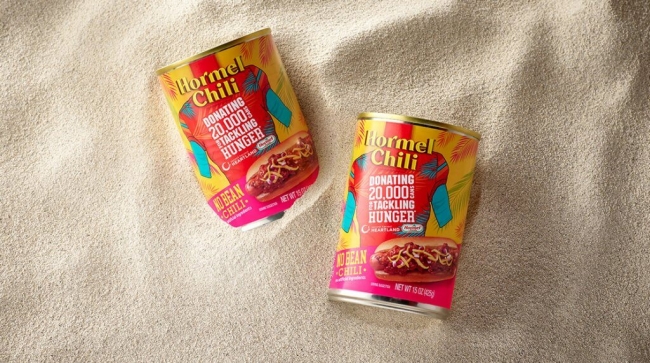
Hormel Foods raised awareness of childhood hunger with their limited edition Chili can designs. The limited-edition label represents the first time the brand has shifted away from its conventional yellow, orange, and red color scheme on its Hormel®Chili No Bean variety in more than 80 years. The cans represent the brand’s partnership with professional football player Adam Thielen for a campaign called “Thursdays with Thielen”. For every yard Thielen gained during a game, Hormel Foods donated Hormel Chili to Second Harvest Heartland in the Twin Cities. Hormel Foods was able to donate 20,000 cans, which provided about 15,000 meals. 

Now more than ever, consumers need to see that the brands they support are kind, caring, and human. The brands featured above are going beyond a charitable donation by making a powerful statement on their actual packaging – a proud and bold declaration of support to their causes.

They/them in branding: How gender neutrality has impacted the world of packaging

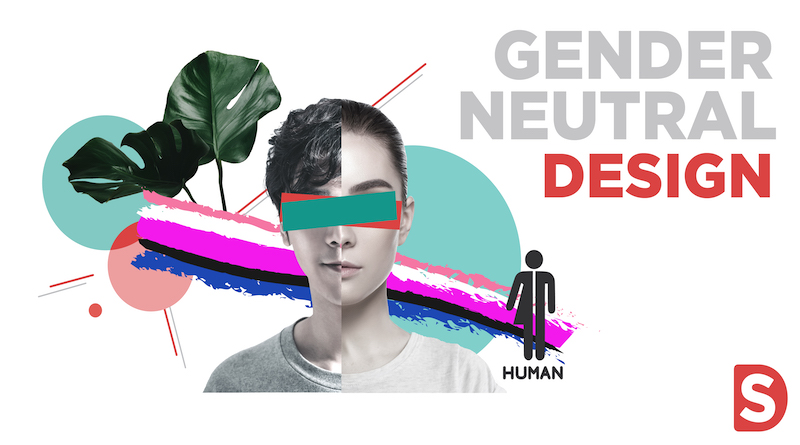
For those new to the conversation, gender neutrality is the concept that social institutions should not distinguish roles according to a person’s sex or gender. In recent years, parents with young children are focusing on personal identity, offering children plenty of choices and encouraging traits that make a good human – not just man or woman. 

The CPG industry has been slow to follow suit. Darby Saxbe, Ph.D., associate professor of psychology at USC, has found “there is an unspoken taboo that prevents marketing traditionally “girl” toys to boys.

“We want girls to play with a chemistry set but we don’t want boys to play with dolls or tea sets. But in fact, learning how to care for others, taking turns, and interacting socially might be really important values for building a better society,” Saxbe says*.

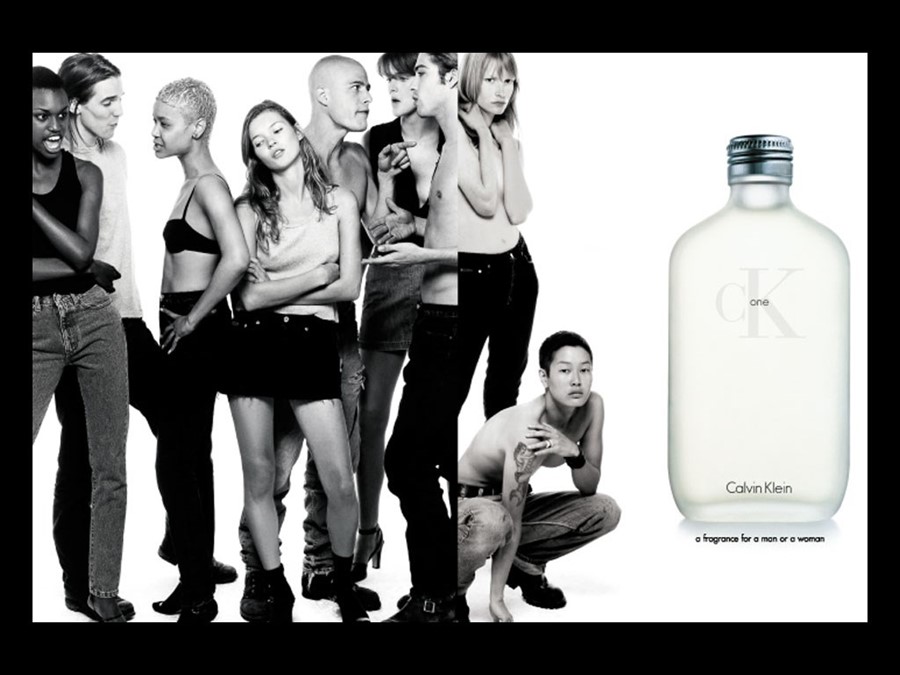
Some brands, however, are starting to challenge whether gender even has a place in design. Just like the ahead-of-its-time Calvin Klein One fragrance of the 80’s – why can’t brands be for a boy AND a girl? A recent Mintel study implies that brands might do better to focus on the need they are fulfilling rather than the gender they are targeting. Basic human needs, after all, are usually not gender specific. 

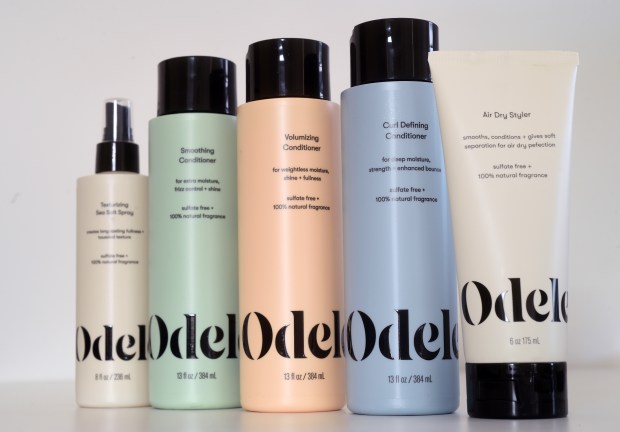
Odele bath products appeal to both our need for simplicity and gender neutrality. The women-owned business states on their website “we decided to throw this whole his/hers/theirs nonsense out the bathroom window and start Odele.” They go on to say “Our 100% natural fragrance is ungendered, and our products are developed based on needs by hair type; not by gender, age, or any other measure”. We say Brava!

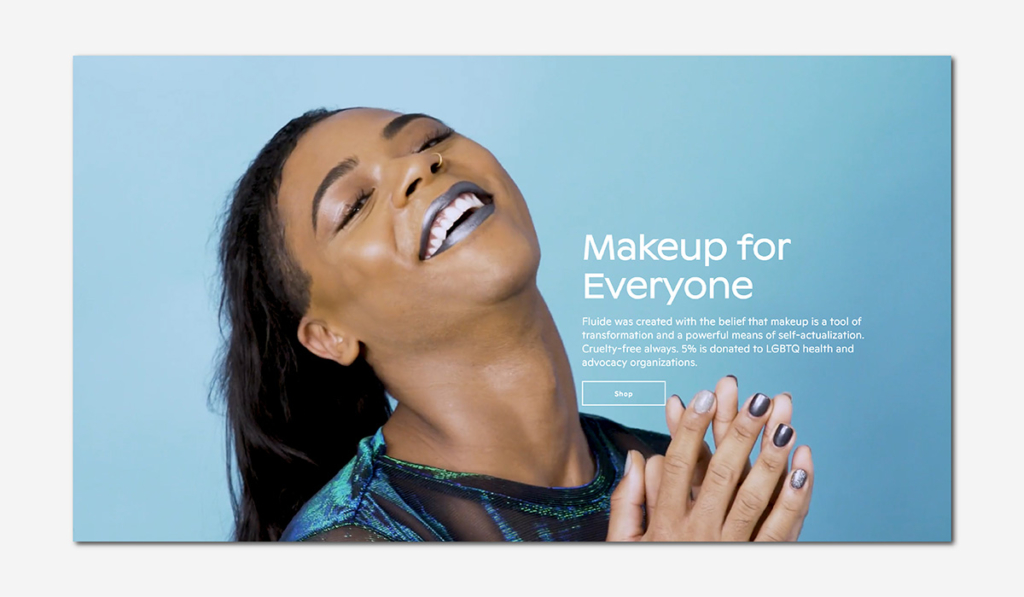
Another brand throwing out traditional rules is the aptly named Fluide. The make-up brand was established to cater to a growing number of people who do not identify with a gender or as they put it “…gender expansive identities.” Fluide’s partnerships with LGBTQI health & advocacy groups show that they are prepared to live by their line “We are they. We are them. We are you.”

How can designers support this evolution and serve as actors of change? By acknowledging their gender biases and stereotypes, prioritizing the needs of the target consumers as people, looking beyond the history of gendered graphics  – but most of all, by being aware of the gender neutral movement and understanding how to respectfully address the needs of an evolving population.

*Sources
https://www.parents.com/parenting/should-you-raise-a-gender-neutral-baby/