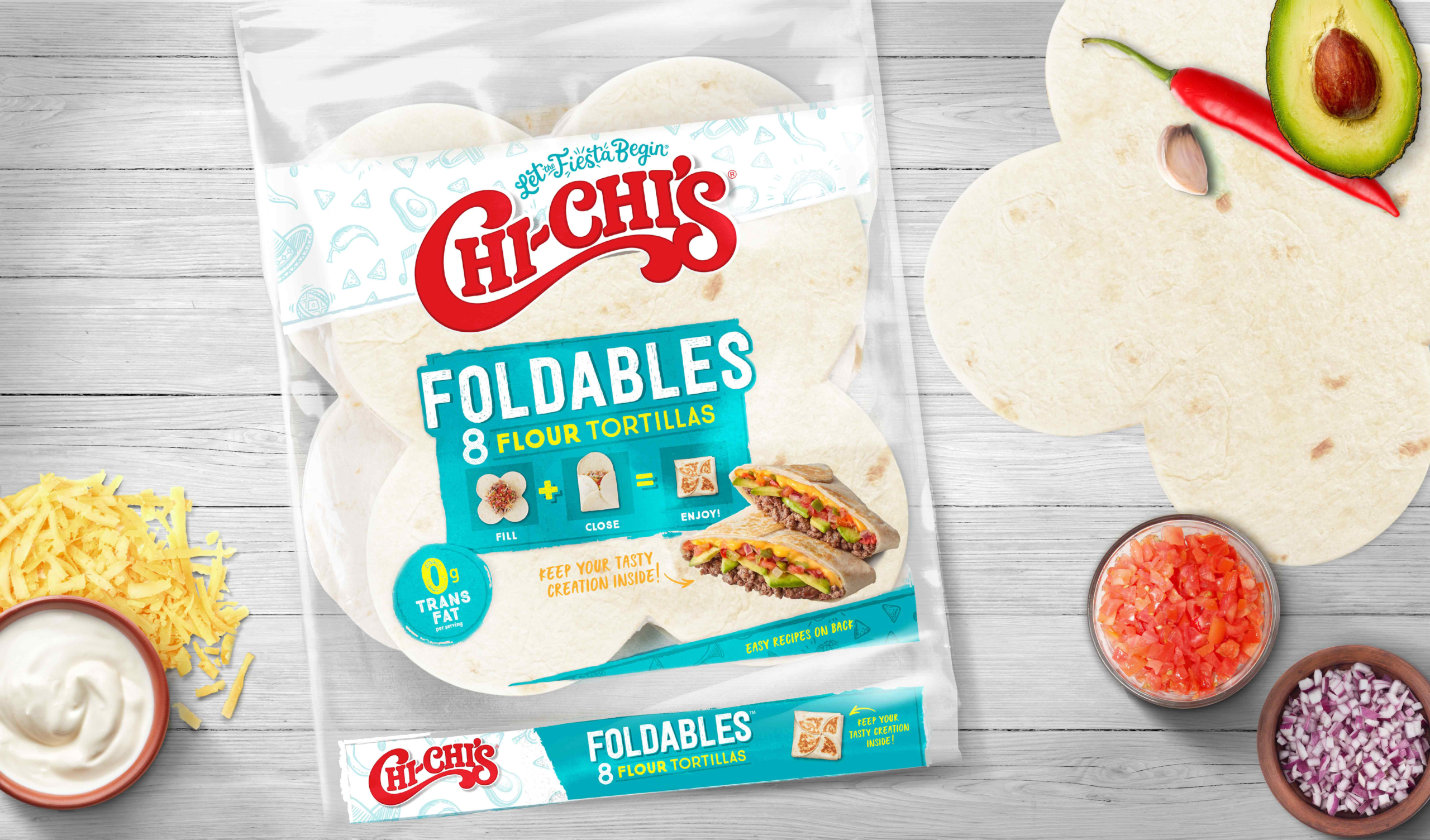
Chi-Chi’s Foldables

Lorem ipsum dolor sit amet, consectetur adipiscing elit. Morbi eget malesuada dui, in fringilla nisl. Morbi viverra lacus sed turpis pharetra elementum. Cras in elit a mi elementum vulputate. Pellentesque porta tortor ultricies est maximus, vel dictum augue pulvinar. Cras consectetur ipsum lacinia, mollis arcu in, mattis sem. Curabitur interdum enim et velit efficitur luctus. Sed ut tortor eget diam suscipit tempus. Morbi blandit, neque sit amet elementum vestibulum, nibh sapien convallis mi, consequat blandit mi ligula vel dolor. Sed ornare commodo libero, luctus iaculis leo vehicula vel. Etiam sem lorem, commodo at lectus at, interdum laoreet sapien. Nullam nisl erat, dictum commodo dapibus ac, gravida eu felis. Ut eget erat lorem. Aenean sit amet massa metus. Donec tempus tempus lacus, a sodales nibh varius at. Donec id nibh rhoncus, feugiat diam a, maximus urna.

Nam blandit ullamcorper faucibus. Curabitur sed eleifend dolor, eget convallis risus. Proin turpis ligula, lacinia ut elit ut, egestas commodo elit. Nulla sed orci ante. Nam vestibulum non sem at porttitor. Donec eleifend ac purus vel sollicitudin. Quisque nec enim elementum, imperdiet ex ut, malesuada nulla. Fusce elementum sem eget turpis hendrerit maximus. Nam leo odio, tincidunt vitae quam ac, pulvinar tincidunt tellus. Class aptent taciti sociosqu ad litora torquent per conubia nostra, per inceptos himenaeos. Suspendisse pellentesque congue tempor. Sed quam tortor, ultricies ornare dui non, tempus iaculis elit. Phasellus eleifend aliquet facilisis. In id justo et ante posuere eleifend. Quisque pretium felis ut eros lobortis, eget bibendum massa luctus.

COVID Resources

Helping those impacted by COVID-19

SUPPORT Organizations and charities that are working to help people and communities affected by COVID-19 


DONATE donate money, blood, food: Support hospitals with money to purchase N95 masks, blood donations, or meals for the medical staff.

#EN95

Help our COVID-19 frontline get the protection they need

SHARE the visual/ hashtag to get the word out. Copy and Paste the following message (or create your own personal message) that informs everyone of the shortages and how it affects us all.

Its Not ENough Until They Have Enough.  “We all took an oath to help others, but we are also a population at risk. I implore you to help the healthcare community, now is the time to use your voice to stand up for us. I plead you to help us help you. “ – Emergency Medicine Doctor.   Visit https://tinyurl.com/en95masks to learn about the ways you can help #EN95 #COVID19


CONTACT Congressional representative & companies that make PPE. Sign the petition to help hospitals get PPE 


SET UP a local drop off center: Set up locations within your communities that encourages neighbors and local companies to donate unopened boxes of N95 masks. Pick up the donations and drop them off with local hospitals.


DONATE donate money, blood, food: Support hospitals with money to purchase N95 masks, blood donations, or meals for the medical staff.

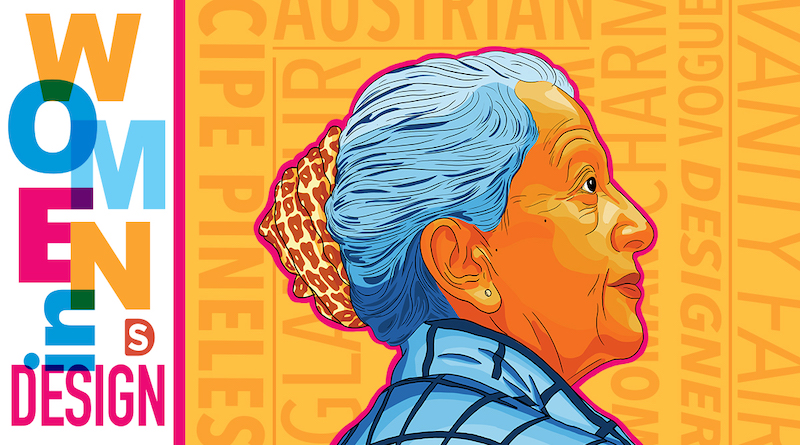
Women in Design – Cipe Pineles

In this blog series, we shine a light on women trailblazers in the design industry – women who have earned a Wikipedia page (or are likely to very soon). You might not know them by name, but definitely by their work and influence on the design world as a whole.

For March, we’re highlighting the impact and accomplishments of editorial designer, Cipe Pineles. 

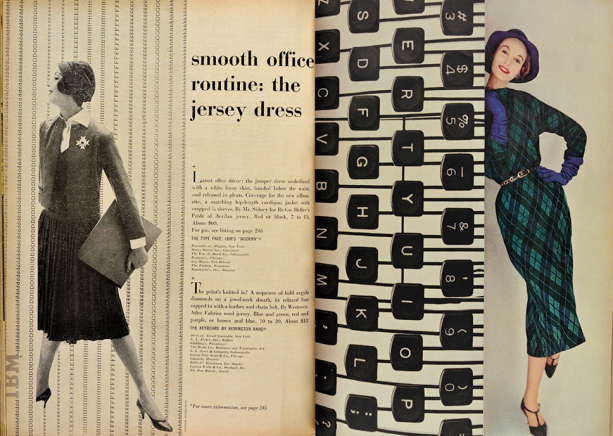
Cipe Pineles was ahead of her time. Originally from Austria, Cipe immigrated to the United States when she was 13 years old. Her accomplishments during her 60-year career include being the first female art director of Vogue, Glamour, Vanity Fair, and House & Garden. Her work, both evocative and groundbreaking, brought fine art into mainstream media and to the population at large. 
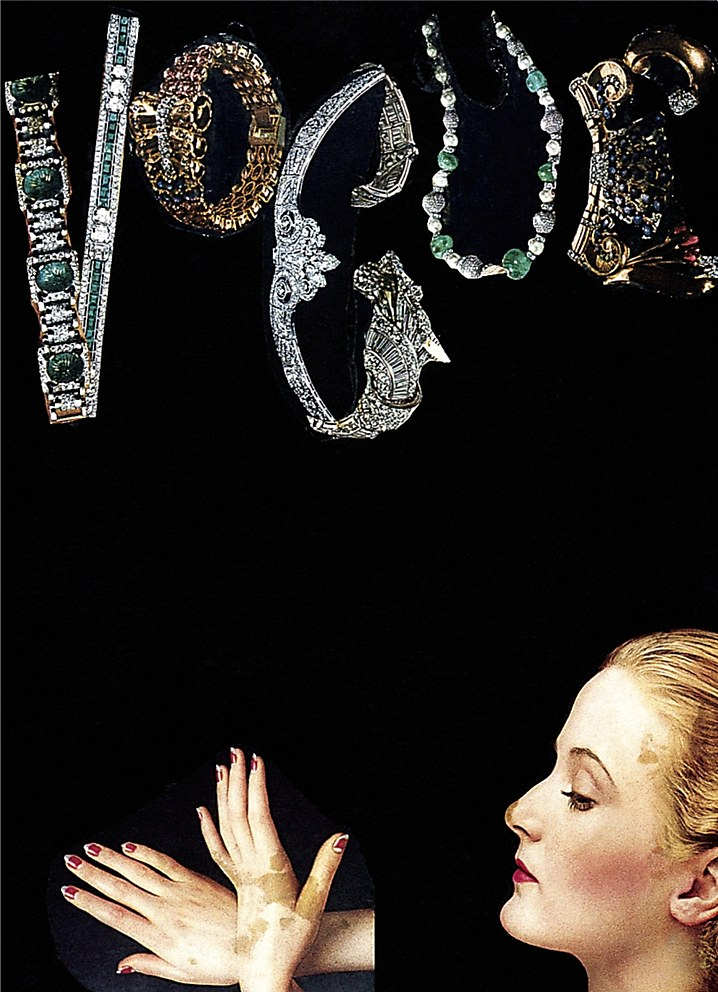
Recognized by Clarisse Couder, Condé Nast’s wife, as an exceptional talent, Cipe was given creative freedom to develop her own distinct style. Her love of contemporary art and artists (she commissioned both Andy Warhol and Ben Shahn to illustrate articles) blended the line between art and design in a way that had never been done before.

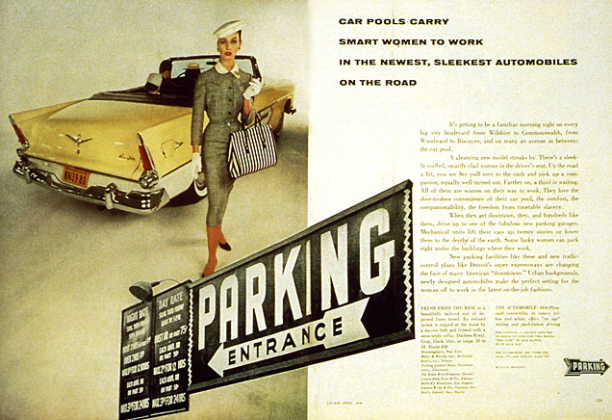
“Her use of the page is both brilliant and brave,” admires Jane Sayer, Director of Visual Strategy at Smith Design. “She combines images, white space, and typographic balance to achieve layouts that are witty, charming, and dynamic. Her spreads tell a visual narrative independent but complimentary to the verbal narrative.”
.
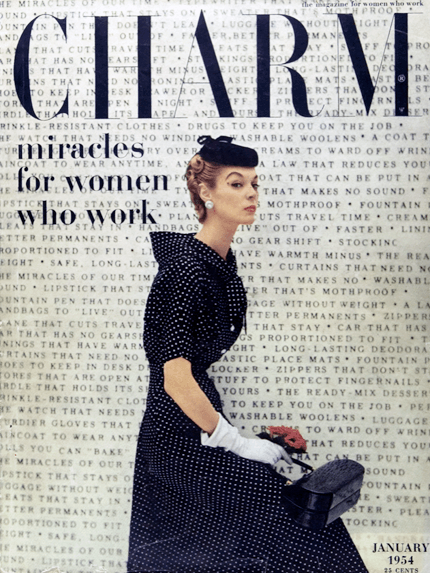
Pineles was obviously very proud of her accomplishments and especially of Charm magazine, calling it the first feminist magazine. She went on to became the first woman inducted into the Art Directors Club of New York in 1943 and received several awards, many of which she was the first female to receive. Pineles led a long and successful career that has permanently impacted editorial design and her legacy of work is as fresh and inspiring today as ever.

https://en.wikipedia.org/wiki/Cipe_Pineles
https://www.commarts.com/features/pioneer-cipe-pineles
https://creativepro.com/the-illustrious-illustrative-world-of-cipe-pineles/

Is it the Pumpkin Spice… or Nostalgia?

Autumn brings a beautiful change in leaves, cooler temps — and most importantly, to a few million of us, pumpkin spice everything.

Annual sales of “pumpkin-flavored” products rose over 15% in 2018, setting an all-time high for the previous five years, according to Nielsen*. America’s love affair with pumpkin spice has truly reached new heights, being featured in products like sausage, candles, toothpaste, fish bait, hand sanitizer, and pet shampoo. Some of these products may seem bizarre, but the brands producing them have successfully garnered our attention and tapped into a larger theme: nostalgia and its impact on consumer behavior.

Starbucks’ PSL, aka Pumpkin Spice Latte, has become synonymous with the start of fall. Every year shortly after Labor Day, the PSL arrives, and fans of the coffeehouse chain flock to grab their first of the season, often capturing the moment on Instagram. This year Dunkin’ launched their fall line of coffee drinks almost a week earlier, so I made a quick trip with my coworker to the coffee giant for my first taste of autumn. There is truly nothing like walking down the street in a cozy sweater, with leaves crunching under my shoes and a hot drink in hand.

Nostalgia relates to our positive past experiences, evoking a sense of hope and excitement for the coming months. Maybe you had a pumpkin or apple picking tradition with your family, or its the flurry of holidays approaching. At this time of year, the possibilities feel endless.

Professor of sociology Kathryn Lively told Huffpost*, “we’re conditioned from a very early age that the autumn comes with all these exciting things,” like going back to school, getting new clothes and supplies, and seeing friends. Additionally, we see autumn as comforting; we pull out our boots and scarves and get cozy while swapping out salads for soups, Lively said.

Numerous studies over the past decade have shown us that feelings of nostalgia lead to people spending more. In a fast-paced world and ever-changing economy, consumers are comforted by feelings, tastes and other senses that evoke fond memories. Brands that appeal to consumers’ emotions can create powerful relationships with their consumers and generate loyalty.

Brand marketers can tap into this through a variety of activations, like bringing back (even if temporarily) retired but beloved flavors, reintroducing an older logo, leveraging the founder’s story in your communications, or introducing a limited edition product with a vintage touch. As long as you stay true to your brand, leveraging the nostalgia trend can be an effective way to connect with consumers and drive growth.

– Pareesha Narang, Social Media & Communications Manager

*Sources: https://www.nielsen.com/us/en/insights/article/2018/pumpkin-spice-sales-growth-makes-a-hot-return-in-late-august/
https://www.huffpost.com/entry/scientific-reason-we-love-fall_n_57f41713e4b04c71d6f0979f?ncid=engmodushpmg00000004

Importance of Understanding Your Consumer

When working with a new client, one of the first questions we routinely ask is, “Who is your target consumer?” We work with small and large companies that have varying degrees of consumer understanding. Some brand owners have great consumer insights while others either honestly don’t know who to target or will say they are targeting as many people as possible who would buy the product. 

For those clients who have yet to define their target, we explain the importance of identifying the ideal consumer for their brand and how it is central to their entire brand strategy. 

Consider some of the top brands today. What do they all have in common? Whether it is Nike, Apple, Chanel, or Dollar Shave Club, they each target different types of consumers and have a deep understanding of their target consumers’ needs, wants and pain points.   

For example, Dollar Shave Club is a witty, approachable, and playful brand that pokes fun at the relatable issues consumers face when buying razors. Prior to Dollar Shave Club, most consumers seemed content with the existing razor brand offerings, but the brand uncovered some insights that led to their breakthrough growth. 

They realized consumers struggled with things like the security packaging that you need to take to the cashier to release from bondage, or the dreaded clamshell packaging that feels nearly impossible to open, or the overly-testosterone-charged branding, or quite simply the high prices for a need consumers consider to be quite basic. Dollar Shave Club identified and tapped into a set of consumers that were simply looking to buy good quality, low-cost, no-fuss razors and not take themselves too seriously. 

Dollar Shave Club built a tribe of people that share the same mindset, sense of humor, need for comfort and a love for the brand. We will dive into the importance of building your tribe in a future blog post but, for the moment, just know that building a tribe of consumers who share the same values, passions, and loyalty to your brand and are willing to share and tell others about it can help expand your brand’s reach and foster lasting loyalty. This is the beauty of smart consumer targeting.

So, how do you define the target consumer for your brand?

  1. Research the category you compete in
    • What types of consumers currently shop your category?
    • What are the needs, wants, and pain points that your brand could solve for?
    • Is there a void in consumers’ lives that your brand can fill?
  2. Create a consumer profile
    • Focus in on those consumers who would be most likely to buy your product and identify their key demographic characteristics, psychographics and behaviors.
    • See below for a chart to help you segment the key facts you’ll want to gather.
    • Try to get as much information as you can on how your consumer thinks, how they live and what is important to them.
    • Lastly, try to uncover insights into their shopping and product usage behaviors. Where do they buy? How often do they buy? How do they use the product? During what occasions?
  3. Analyze your consumer profile
    • Assess all of the data points you have collected and identify any common characteristics your consumers share.
    • Zero in on those specific insights that will help you unlock a growth opportunity.
  4. Research/Testing
    • There are several ways to validate your assessment including one-on-one interviews, focus groups, online surveys, secondary market research, and more.
    • Adjust your consumer profile based on your research findings.

Once you have completed your consumer profile you can build your entire brand around meeting the needs of your target. Be vigilant of consumer response and be prepared to make changes as needed to optimize your plan. As long as you stay focused on delivering on your consumers’ expectations, your business should succeed. 

Supporting students & their families: 40 Acts of Kindness

July & August were busy months for Smith Design’s team, but our commitment to 40 Acts stayed top of mind. We teamed up with local and national organizations that support those in need, as well as hosted a local student for a mentorship. Read on to learn about the missions of these incredible organizations:

We were honored to be able to support the Nevada Blind Children’s Foundation this summer. In a state lacking a school for the blind, the organization provides essential building blocks including extracurricular activities and transitional skills to children who are visually impaired. We were thrilled to support them by creating a new logo for their brand.


We believe gently used items should get another life, especially when they can benefit someone else. The Smith Design team pulled together household items like sofas, heaters, and blankets to be donated to Habitat for Humanity’s ReStore, which sells building materials, appliances, new and gently-used items and more to the public at a fraction of the retail price. 


The Newark Academy remains close to the team’s heart. Jenna Smith, our president, is an alum of the school and has continued to find ways over the years to support the students in their education. We hosted a student, Ariel, for her senior project, in which she was mentored by Jenna and garnered experience in different aspects of the business for two weeks.


Getting ready for back to school is stressful enough — we wanted to help make it a little less stressful in our community by providing kids served by Bergen CASA with pouches filled with school supplies. Bergen CASA is a non-profit organization of professionals and trained volunteers that are appointed to advocate for children removed from their homes due to abuse and/or neglect. 

We are thankful for these organizations and the opportunity to contribute to their great work!

Importance of Brand Planning

When you think of successful entrepreneurs or brand teams what are the first things that come to mind for how they became successful? At first glance, you might attribute their success to things like smart, confident leadership, a great product, competitive drive, or a great marketing campaign. However, the unsung hero, the backbone of their success is often their brand planning. Planning is not sexy, it’s not the part that people talk about and share, but it universally serves as the guide they follow to achieve success.

Planning is not a one-size-fits-all process, some may have more elaborate plans than others, but regardless of the size of your business, you still need a plan that lays out even a basic roadmap for how you will achieve your goals.

Why is brand planning important?

A brand plan aligns everyone in your organization behind the same vision, strategies, tactics, and costs needed to make your brand or business venture a success. In this cluttered world of overwhelming options, writing a brand plan will help you and your team stay focused, guide the way you allocate your limited resources, and consistently express your brand offering to your target consumers.

What should your brand plan include?

  1. Business Analysis & Issues – specify how your brand or business is currently positioned in the marketplace. Who are your current and/or potential customers? What are their needs and wants?  Who are your key competitors and how are they performing? What are your current strengths and weaknesses? What potential opportunities and threats exist that could impact your brand. 
  2. Objectives – your plan should spell out what it is you want the brand to achieve.  Your objectives can be defined both in terms of long and short term goals, for current or future customers and/or specific business outcomes like sales, market share, brand awareness, brand image, customer loyalty or more. 
  3. Strategies – here you will lay out how you plan to achieve your goals, what channels and tools you will use and how you will focus your resources.  Depending on your product or category, key decisions to align on could include which product you will prioritize, how will it be designed or positioned, how will it be sold and priced, and how will you engage your target.
  4. Tactics – stemming from your strategies, tactics are the specific tasks you and/or your team will execute to work towards your goal. What will your team work on, what are the resources available and what is the budget and timeline you will allocate to each task.

You may only write your brand plan once a year but as a business leader you should always be in planning mode, that is to say, you should always monitor your brand’s performance, identify key learnings and areas of improvement.   As you learn more about your customers and your key competitors, you can adapt your plan to help you stay on track and keep working towards achieving your goals.  

– Emma Medina, Director of Brand Strategy at Smith Design

Are emojis a modern symbolic reflection of society?

From early cave drawings to hieroglyphics to printing presses to today’s digital technology, symbols and pictures have always been central to how humans communicate, express their feelings, and deal with a constantly changing world.

According to a paper co-authored by MIT linguist Shigeru Miyagawa, human language is considered to be over 100,000 years old, with the first cataloged cave art estimated to be approximately 40,000 years old. It is believed that cave art was not just for decorative purposes but was symbolic of their experiences, concepts, and/or emotions. Miyagawa went on to say, “art is not just something that is marginal to our culture, but central to the formation of our cognitive abilities.”

The cave art later evolved to pictographs, a form of writing with pictorial drawings used by ancient civilizations around the world. Through time we saw complex logographic languages emerge in ancient Egyptian, Mayan and Chinese cultures who believed their languages were inspired by the Gods. Yet, the stories told were of the emotions and lifestyles of their people. The Chinese are among the few that have maintained their written language of symbols throughout their entire history.

Fast forward to today where emojis have become ubiquitous, not only in social media but in news coverage, business documents and even making it to Dictionary.com. In fact, “There’s a sophisticated linguistic system around how people are using emojis, and this is something that we take very seriously as people who study language,” says Lexicographer Jane Solomon, who sits on the Unicode Consortium subcommittee that reviews proposals for new emoji.

Above: Evolution of the emoji set 2014—2019. Images: Apple (2014—2018), Emojipedia (2019). Emojipedia composite.

Which brings me to the latest news: earlier this year, Unicode Consortium announced the release of emoji 12.0 with 59 distinct new emojis; 230 in total when gender and skin tone options are included. Aside from some of the typical fun emojis, like the long-awaited yawning face emoji, you’ll see a truly symbolic statement represented across the growth of emojis. The most notable theme is inclusivity, a theme that has become a growing global concern. 

We started to see some ethnic/racial diversity representation in emojis a few years ago but now some of the new emojis include ones that represent disabled users, ranging from people in wheelchairs to those that represent prosthetic limbs, hearing aids, guide dogs, and more. The emojis with humans will feature a range of skin tone choices for the user to choose from along with gender options. 

As a pictorial language and as an art form, the new emojis reflect the shift towards an ethos of acceptance, diversity, and inclusion in our society today. One can see the door-opening applications for these emojis where they can help users join the conversation and feel represented.

The new emojis will be available on Apple and Android devices in the coming weeks. If you want to check out the full range, check out the full list of Unicode 12.0 emojis

– Emma Medina, Director of Brand Strategy at Smith Design

Sources:  https://blog.emojipedia.org/230-new-emojis-in-final-list-for-2019/
https://news.mit.edu/2018/humans-speak-through-cave-art-0221
https://time.com/5186512/emoji-dictionary/

The Importance of Branding

In the U.S., thousands of eager entrepreneurs start new businesses every year. According to the 2019 United States Small Business Report, there are currently over 30.7 million small businesses in the U.S. but only 50% of small businesses will survive 5 years or more.

Entrepreneurs start out full of hope with a ton of passion for their new business venture or product idea. Quickly they become engrossed in running their business and feel the pressure to generate revenue. Many will place most of their focus on product development and rush through their operational plans in a race to get to market. In this rush and excitement of getting to market, they often skip the crucial step of developing a brand strategy. They fail to see the importance of branding as the foundation of long term success. Many don’t even understand what branding really is or the difference it makes. 

So first, let’s talk basics. What is a brand?
To put it simply, branding is everything! A brand is not just a logo… it’s the complete expression of your company or product in consumers’ minds. It is everything people perceive of your product, from the functional (what your product does for me) to the emotional (how your brand makes me feel). 

It’s the entirety of fundamental truths about your brand, including your brand identity, architecture, personality, voice and messaging. It tells people what you stand for, what you believe in, what you offer, what makes you different and why people should consider you.

Why is it important?
Effective branding can help you stand out from the competition, recruit and motivate employees and, most importantly, attract your ideal consumers. Let’s have a closer look at how strategic branding can position you for long term growth.

  1. Builds brand equity & generates value
    Professional branding helps build trust with your customers and consumers. It delivers a perception of quality by communicating your business as a well established, professional, and trustworthy company. A well-designed brand can mean the difference between a sale and a rejection of your brand.
  2. Generates brand awareness
    Strong brand design creates a visual hierarchy that helps tell your brand story, it creates a consistent language, and ensures that your brand is memorable in consumers’ minds, all which helps to increase brand awareness.
  3. Drives sales 
    A high quality, distinct and consistent brand experience will help persuade consumers to buy your brand and helps drive loyalty.
  4. Differentiates your brand from competition
    Branding helps differentiate your business from the competition and appropriately position your brand in consumers’ minds.
  5. Saves you money and time long-term 
    Often brands will go to market with subpar branding and/or packaging only to find that retailers and/or consumers have a higher standard, forcing them to redesign the product. This is costly not only in the branding work but in the possible damage to your brand reputation. We recommend you start with a strong branding foundation; it will save you time and money in the long run and will help you make a great first impression with retailers and consumers.

In the current and increasingly competitive business landscape, branding is not a luxury, it’s a must. Branding is the key to making a memorable impression, establishing an emotional connection with your consumers, and building loyalty.  

Once you have established your strategy and defined your branding, it is important to consistently keep it at the forefront of consideration as your brand grows and especially as consumer wants and needs change.  Branding is an ongoing process. To ensure long term growth, brands need to commit to staying relevant over time by staying ahead of consumer needs, adapting to changes in the market, and redefining how your brand markets itself while staying true to your core brand essence and what your brand stands for.  

– Emma Medina, Director of Brand Strategy at Smith Design

Sources:  https://smallbiztrends.com/2019/03/startup-statistics-small-business.html, https://cdn.advocacy.sba.gov/wp-content/uploads/2019/04/23142719/2019-Small-Business-Profiles-US.pdf

Simplify Your [Business] Week

The first week of August is officially Simplify Your Life Week, and it couldn’t have come at a better time. (Raise your hand if just being on the internet lately is overwhelming to you.)

On a more serious note, consumers are feeling overwhelmed by the constant connectivity the information age ushered in, which has driven a megatrend towards simplicity. Following the advice of influencers like Marie Kondo, consumers are now actively decluttering their lives and finding value in “less is more”.

The simplicity trend is making its way to the business world, too. In the age of big data, constant product innovation, and omni-channel marketing, today’s marketer is feeling overworked, overstretched and unclear in the purpose and impact of their efforts. With the change in seasons coming and brand planning season upon us, here’s how you can apply decluttering principles to your business:

Step 1: Take inventory. 
Categorize everything you do by brand marketing vs. performance marketing activities and then by sub-categories like content, social media, advertising, public relations vs. SEO/SEM, promotions, and merchandising. Do they ladder up to your overall strategy and brand goals? How?

Step 2: Prioritize.
Focus on your top priorities and identify the things you do really well that connect with your consumers. Make a commitment to not overextend your self or your brand. Don’t pursue things just because the competition is doing them or there’s a flashy new tool/app. Essentially, eliminate distractions, stay laser-focused and ignore the shiny new objects. (It can be hard, we know!)

Step 3: Cut the fat.
Once you’ve identified your top priorities, analyze your results and identify what’s working and what has potential for growth. Time to clean up and cut anything that’s not working.

Step 4: Clarify KPIs.
Now that you’ve optimized your marketing plan, it’s time to make sure you have clear strategies in place for your top priority projects moving forward.  Identify 2-3 KPIs that are most important to measure and track against your goals, and develop an action plan that will focus on driving those results.  

Step 5: Execute your simplified plan!
Finalize, socialize, and put your new plan into action! Then, set a time frame to revisit, measure, and optimize.

Follow these tips and remember to let simplicity be your guide.

– Pareesha Narang

Small Businesses: Make Packaging A Priority

Since we opened our doors in 1979, packaging has been at the core of Smith Design. The consumer experience with a brand’s product often begins with the packaging itself, and we understand how critical that first impression is. 

In the coming months, we’ll be launching The Budd: a new offering for small businesses that are looking to get started on their branding. We want to empower emerging brands to prioritize their visuals because we believe it is vital to the success of their products. Here’s what you can accomplish when making branding a priority while building your business:

Make the decision easy
In a vast ocean of products, consumers are prone to choice fatigue — so it’s in a brand’s best interest to help them make the decision as easy as possible. How consumers receive your product at first glance matters. Aesthetics are important; the packaging should be attractive, eye-catching, and pleasing to the eye. It should speak to your target audience!

Be recognizable
Maintaining a consistent look & feel across your product portfolio is important to building your brand’s identity. The ultimate branding win for a CPG brand is to be recognized by its branding, but from a more rudimentary standpoint, being able to distinguish your products from each other while still maintaining a common thread is key to having consumers recognize and remember your product.

Tell them what problem you’re solving for them
The packaging is also where you tell the consumer the most important attributes of the product. What problem are you solving for the consumer? What want or need are you fulfilling for the consumer? This should be clearly communicated on the packaging — use the primary real estate for priority communicators. 

Look for more information on The Budd in the coming weeks…

– Pareesha Narang

GEN Z POV: A Socially Conscious Generation

As a Gen Z’er, I’m part of the first truly digital native generation. Let’s talk about what that means:

We grew up googling for information any time we needed answers to our questions. When something big happened in the world, it would go viral on social media, and conversation surrounding it would explode. We’ve grown up watching large corporations/brands, banks, government and other institutions embroiled in corruption scandals, so we’ve all developed a healthy skepticism and critical eye. We can see through inauthenticity.

Thanks to our nearly unlimited access to information, my generation has developed a passion for many causes and has high expectations of the brands we choose to shop. We’re seeing and experiencing the effects of climate change, and we’re watching as laborers around the world are mistreated. This has led us to be more discriminating about the brands we shop and to demand better practices from them. 

Our experiences have led us to genuinely wanting to make the world a better place. The majority of my generation considers themselves to be socially conscious (source), and that means that we want to see brands that are transparent, authentic, and ethical, do good, and have sustainable practices that don’t hurt the planet.

I’m going to address two things that are very important to me and my peers: sustainability and ethical practices.

SUSTAINABILITY

The wellbeing of the environment has been on a steady decline for decades, and my generation is painfully aware of the impact of climate change. We appreciate brands taking action towards reducing their ecological footprint; for example, Starbucks recently switched to providing paper straws over plastic ones at select locations, and Nike has begun to manufacture their clothing with zero water and waste. 

Some brands proactively make brand decisions with the environment in mind. One is Zao, an organic makeup brand that uses environmentally-friendly bamboo for their product containers which can be refilled once the consumers have finished the product. Companies like Zao are setting a positive example for the industry and making a difference, and I believe that by supporting them, consumers (like me!) are, too.

ETHICAL BUSINESS PRACTICES

Unfortunately, the mistreatment of workers in the fashion and beauty industries has been rampant for decades, only coming to light more recently thanks to the rapid spread of information on social media. Gen Z’ers like me make an effort to seek out brands that compensate their workers fairly and treat their employees with dignity. 

Patagonia is one major brand that has been in the spotlight for maintaining high ethical standards for its business practices, providing excellent healthcare and paid paternity/maternity leave as well as prioritizing safe working conditions. There are also countless small brands that are committed to ethical practices, and supporting such businesses is a priority to my generation as well.

Thanks to the power of social media, our generation has been a vital part of a movement for more conscious consumerism. At the click of a button, we can find out all there is to know about a brand, and we’re reading with a critical eye. We believe in the power of our choices and voting with our dollars. So, brands, if you’re looking for our attention, please be sure you stand for something.

-Alyssa Herrington

Smith Design turns up the heat on 40 Acts of Kindness

The Smith Design team was fueled by the summer sun and committed to seven acts of kindness during the month of June. When families leave town for vacation during the summer months, it can mean fewer volunteers and less support for local organizations — so we were especially happy to be of service.

Throughout the month at the Smith Design office, we held three clothing drives in which we requested specific types of clothing based on the needs of local charities. We were happy to be able to donate children’s clothing and women’s casual clothing to Oasis (in Paterson, NJ), professional women’s clothing to Dress for Success, and men’s clothing to the Purple Heart Foundation.


Last summer, the American Red Cross announced the #MissingType initiative to encourage donors to give blood. Over the last couple of years, the number of blood donors has significantly fallen, so a few members of the Smith Design team were inspired to donate. Others that were unable to donate helped shuttle them to and from the location to ensure their safety!


The Memory Project is a non-profit that partners with artists (teachers and students alike) to help cultivate kindness by creating portraits for children around the world who have faced substantial challenges, such as violence, war, extreme poverty, neglect, and loss of parents. The work this organization is doing is powerful — our team member and her son were honored to be a part of it.


Home is truly where the heart is, and we’re thankful to call Morristown, NJ our (office) home! Six members of our team volunteered at the Community Soup Kitchen and Outreach Center, located at a church just a mile down the road, helping to serve nutritious meals to anyone seeking nourishment.


For our last act of June, we were happy to donate some treats to The Arc, the largest national community-based organization advocating for and serving people with intellectual and developmental disabilities and their families. We dropped off boxes of Hershey’s Chocolate Snack Mixes to the chapter in Morris Plains, NJ for program participants to enjoy during their break time.

Game on & on

Nielsen recently confirmed what the millennial generation already lives and breathes: gaming is for life. Starting with Nintendo, the gaming industry evolved alongside millennials as they grew up, remaining a staple in daily life with increasingly innovative devices and games.

To brands seeking to strengthen their targeting: don’t sleep on millennial gamers. These life-long gamers offer a unique opportunity for brands in convenience food, beverage, electronics, furniture, and more. There are many ways to market to and connect with them, be it through product innovation, cross merchandising, content creation, social and video game platform ads, video game product integration, and more.

*Source: Nielsen 2019 Millennials on Millennials: Gaming Media Consumption Report.

The gaming trend is growing with Millennials. Millennial are set to be the first generation of lifelong gamers.

GEN Z POV: The Next Generation of Consumers

In a time when you can search for anything you desire in the blink of an eye, consumer trends can change just as fast. What makes us scroll through and pick one brand over another? How do we decide? 

Consumerism will soon be dominated by the up-and-coming Generation Z. With a generation even more tech-savvy than millennials, who have spent much of their lives behind a screen, it’s hard to predict what will attract Gen Z to buy certain products. As a Gen Z’er myself, I decided to dig deep to find out what attracted my attention more than anything else. 

The answer I found: authenticity. Personal connections. That’s what it boiled down to. When brands were genuine, I was more willing to listen to what they had to say. 

There is definitely a movement today to be more raw and vulnerable in every industry. In a world where we have grown up with flashy advertisements and attention-grabbing slogans, truth and vulnerability is what makes us look twice at a brand.

One brand that caught my attention recently was Calvin Klein’s “I Speak My Truth” campaign, which featured young celebrities revealing their intimate thoughts / feelings. The campaign went viral and brought a lot of attention to Calvin Klein. When I saw the campaign for the first time, I was taken aback by how raw and truthful each celebrity was. Although I had known Calvin Klein as a brand before, this campaign got me to think of the brand in a new light. Knowing that Calvin Klein was a brand that supported this vulnerability, I became more likely to give their brand the benefit of the doubt in the future. 

Another great example of how much authenticity appeals to the young audience: Lilly Singh, a YouTuber-turned-mainstream celebrity. Also known by her YouTube alias iiSuperwomanii, she gained fans by the millions by posting videos that were relatable and funny. Unafraid to speak out about her problems, Lilly talked about her struggle with depression and how she overcame that and used YouTube as a platform to find her happiness. The vulnerability Lilly showed attracted millions of young people around the world. What drew me to her was how she managed to be herself in her videos and how real she was with her audience. 

Perhaps the most viral example of how authenticity can impact people was Dove’s “You’re more beautiful than you think” campaign. In the video, a forensics artist was asked to sketch a drawing of a woman based on her own description of her face, and then asked to sketch another drawing of the same woman based on another person’s description of her face. The result was that the features on the drawings described by other people were lighter and happier. The campaign went viral, just like Calvin Klein’s. The reason for this success? People were touched by how much that video spoke to them. Since then, Dove’s advertising campaigns have focused on natural beauty and real stories from real women. 

So, what does it boil down to for the consumer? They want brands to communicate with them in a way that is authentic, dialed-in, and shows respect for all people.  That’s what Gen Z will usher in. 

-Ariel Hsieh

Back to our roots on Father’s Day

Being part of a family-owned business means Father’s Day is about more than just our own families; it’s about the team’s roots, too.

James Smith, co-founder of Smith Design, started the business with his wife, Laraine, in 1979 after being let go from his previous position as an art director and studio manager. Starting a new business can feel daunting but, as the adage goes, failure is the foundation upon which success is built. James took his passion, experience, and skills to build the agency from the ground up, focusing on getting as many clients as possible and producing quality work, delivered on time and on budget.

Since its founding, the company ethic has stood for creativity and a scrupulous eye for detail that ensures breakthrough ideas and flawless execution. James is the proud father of Jenna, who carries on the tradition today in her role as the current president and CEO of Smith Design.

“Today the Smith brand is over 40 years old thanks to some great clients and outstanding employees, but most of all to the current leaders, Jenna and Glenn (CCO). They continue the consistent quality of work and uphold the tradition of trust from our clients that Laraine and I established decades ago, and today, keep the brand fresh, current and futuristic.”

For anyone looking to start their own small business, he says: “Be true to yourself. Don’t stop learning. Don’t let the passion die.”

When asked if there was anything he’d do differently, knowing what he knows now, he responded, “Nothing… except invest in Apple.”

The Smith Design team thanks James for his continued guidance, contributions, and energy and wishes him a very happy Father’s Day!

Crossing The Halfway Mark: 40 Acts Of Kindness

We’ve officially crossed the halfway point in our commitment to 40 Acts of Kindness and have more energy than ever to keep the good deeds rolling! 

Celebrating 40 years has never felt better. With a desire to pay it forward and make a positive impact in our community, thus far Smith Design has donated items and volunteered at food pantries and animal shelters, mentored students in package design,  planted and cleaned up in local parks, created signs for our disabled community, delivered personal care products to those in need, and more. 

Volunteering and supporting these causes has made the team more aware of the needs of the community and has motivated us to find even more ways to help.  Here are the causes the Smith Design team supported in May:


At the heart of the National Association of Letter Carriers is community service. We were excited to support their Stamp Out Hunger® Food Drive, designed to support food banks in the spring, which is when they tend to run out of donations received during the winter holiday season. We collected food for the drive and donated to the cause.


Hearts of Gold, an organization based in New York, works to create positive, sustainable changes in the lives of homeless mothers and their children. In May, Laraine Smith attended a fashion show fundraiser in the city to support this incredible cause and made a monetary donation on behalf of the Smith Design team.


You may be familiar with Alex’s Lemonade Stand Foundation, a non-profit focused on raising money for pediatric cancer.  Smith Design hosted a Kick-It event on Bring Your Kids To Work Day, where kids (and adults, too!) played a game of kick ball and expressed themselves creatively. Employees made donations, and Smith Design matched each one for the cause.

The Plant-Based Movements Influence on IDDBA

This year’s IDDBA conference showcased a variety of plant-based products that meet the increasing demand from consumers. While I don’t eat a wholly plant-based diet, over the past year I’ve incorporated more and more options into my diet. After reviewing this year’s exhibitor list, I looked forward to sampling the wide variety of these products. I tasted my way around the showroom floor. While it was a hard decision to make, my three favorite plant-based products are:

Indulgent Snacking: Have a sweet tooth craving? Check out Tribe’s sweet hummus. With flavors such as Dark Chocolate, Sea Salt Carmel and Cake Batter, this innovative line has options sure to satisfy all of your cravings. The Peanut Butter is not only delicious; it is allergen free, giving those with nut allergies the opportunity to indulge as well!

Gut Health: Keep your gut healthy with Lifeway’s new line of vegan-friendly probiotic beverages. The beverages are all made with organic ingredients and are free from dairy, gluten, and soy. Flavors include Coconut Vanilla, Mixed Berry, Tropical Fruit, and Plain.

Alternative Proteins in the Deli Case: As a born and raised Jersey Girl, I’m a big fan of sub sandwiches. Good & Green’s new line of deli slices is a great option for those looking for a plant-based alternative to deli meat. Their deli slices have the look and texture of real meat and are easy to digest. Four great options are available: Veggie Prosciutto, Veggie Carpaccio, Veggie Lupini Beans, and Spicy Veggie.


40 Acts of Kindness Initiative Stays Strong in April

With the halfway point of the year coming up fast, Smith Design remained committed to its 40 Acts of Kindness initiative, working with several outstanding organizations to give back to our community.

With #trashtag exploding on all social media platforms, Smith Design wanted to do our part helping out an environmental cause, and saw two great opportunities on opposite sides of the country. Right in our own backyard, Miles Hoffman, Melissa Sadowski and Gene Freyer participated in the annual Morristown Cleanup movement, spending a Saturday picking up trash around town and restoring the landscape’s natural beauty. Meanwhile, in Pacific Grove California, James and Laraine Smith spent 2 days collecting garbage in Perkins Park. Both efforts are proof that even the smallest gesture can have an impact on our environment and communities.


James and Laraine stayed busy in April, donating more than just their time to some very worthy causes. They visited Goodwill Central Coast and The Yellow Brick Road , where they dropped off a number of essential items such as clothing, pillows and shoes.


Typically, toy drives are held towards the end of the year to coincide with the holiday season- but who wants to wait that long? The Smith Design team collected a large donation of new toys and delivered them to Children’s Aid & Family Services in Paramus, who provide a number of services such as facilitating adoptions, providing foster care, and so much more. We were so happy to help bring some joy into the lives of these children, and we wish this wonderful organization all the best in their future endeavors.  


North Jersey Friendship House, located in Hackensack New Jersey, was established to improve the lives of people with disabilities, equipping them with the knowledge and experience to have successful careers. One of the successful programs they run centers around professional culinary training, and they were as thrilled to receive Smith Design’s donation of baking supplies as we were to give them!

BIC Flex Razors

Challenged by traditional and subscription-based competition…
BIC needed to upgrade the Men’s Premium shaver packaging range to stand out at shelf with a distinct and ownable look while maintaining shoppability.

BEFORE
We set out to change consumer perception of the brand to represent both value and quality (in research, BIC was most often associated with value).

AFTER

The look we created is premium and modern, a family look with distinct segment differentiation.

“The graphic changes designed and implemented by the Smith team are the most well-received changes the sales team have ever presented”

Senior Brand Manager, BIC

40 ACTS OF KINDNESS ROLLS ON IN MARCH

Smith Design moved closer to our goal of completing 40 Acts of Kindness to celebrate our 40 years in business, as we partnered with several exceptional organizations to help those in need.  

On March 21st, we welcomed design students from Kean University to our studio to learn real life applications of the skills they were learning in Professor Alejandro Medina’s class. Smith Design founder James Smith led the group through a presentation detailing basic principles of package design, branding, some of our projects and more. We look forward to seeing the students’ contributions to the world of design in the years to come!


One of the benefits to working with so many successful CPG companies is receiving product samples for photo shoots or design projects, which we can stockpile to donate. On March 29th that’s exactly what we did, partnering with Morristown Neighborhood House to deliver personal care products to those in need. The Neighborhood House distributed the products to members of their community to further their mission of helping them overcome economic challenges.


The Interfaith Food Pantry is a close-knit community in Morris Plains dedicated to improving the health and well being of Morris County residents in need. We were happy to contribute by bringing several pounds of food to be donated to families in the area, and we gained a new level of respect for all of the great work IFP does year–round!


Members of the military (and their families) sacrifice so much to protect the lives and interests of everyone in the US. While we can never truly express all of the gratitude we feel, when we saw an opportunity to try, we were happy to take it. Through Operation Stars & Stripes, we filled hundreds of plastic eggs filled with necessary personal care products, such as lip balm, as well as chocolate treats and other goodies to troops overseas and abroad to lift their spirits this spring as part of Operation Egg-stravaganza.


Finally, students and teachers from the Morris County School of Technology stopped by to present their class projects to the design team at Smith Design for professional feedback and critique. They were also treated to a tour of our design studio and saw some real life examples of how our designs transformed some of the brands they already knew and loved. We were very impressed with the work they had done, and we sincerely enjoyed meeting the designers of tomorrow! 

A First Timer’s View of the Natural Products Expo

Coming from an over-20-year career in the alcoholic beverage industry, I never had opportunity or cause to attend Natural Products Expo West. In my current role as Director of Brand Strategy at Smith Design, I have been diving deep into the natural products category and learning about the various trade shows that service the industry – but nothing could have prepared me for the magnitude of this show!

Natural Products Expo West is the world’s largest natural, organic and healthy products trade show, with this year’s event drawing almost 90,000 attendees from 136 different countries. The show, which is hosted by New Hope Network, was held at the Anaheim Convention Center and ran from March 5-9, 2019. This was their 39th annual show, and it included more than 3,600 exhibiting companies; as a testament of the show’s annual growth, 600 of them were first-time exhibitors.

If you think back to 1981 when the Natural Products Expo first launched, natural and organic products were only available in small-scale specialty shops that sold items like wheat germ, tofu and incense. Fast-forward to today: consumer health awareness and changes in lifestyle created the demand that helped balloon the US Natural and Organic Products industry into an over $207 billion industry (according to the New Hope Network’s Nutrition Business Journal). There is no disputing that natural and organics products have taken the fast-moving consumer goods (FMCG) industry by storm. A few years ago I don’t think any of us would have imagined eating cauliflower pizza crust from Green Giant®, or a dairy free yogurt, yet now these innovations are starting to feel almost mainstay.  

The breadth, depth and speed of innovation in this category can feel daunting but here are a few of the top trends that stood out for their understanding of consumer needs, innovative approach and potential for long term sustainable growth.


Plant-Based Products Rule

From plant based foods, beverages, supplements and skin care, plant based alternatives were everywhere. Brands such as Phyter™ Plant Based Food Bar, Plant Fusion™ Meal Replacements, and Worthington™ Plant Powered Meat Alternatives have been among those leading the charge, bringing a variety of products to meet eager consumers’ demands and tastes.


Alternative Diets

With the growth of allergies, food sensitivities, diabetes and other health conditions, the demand for products free of certain allergens or ingredients has skyrocketed and companies have certainly heard the call. There was a full array of products to meet virtually every specialty need, with many labels boasting certifications of Gluten Free, Nut Free, Dairy Free, Allergen Free, Sugar Free, Carb Free, Fat Free, and more.   

Products like Malk™ Organics and Planet Oat™ Milk stood out for their taste and product offerings free from dairy, gluten, soy, lactose, artificial flavors, artificial colors and artificial preservatives.  


Responsible Sourcing, Sustainability & Plastic Free

The war on plastic was very evident at the show, with several new products like PathWater™ offering alternatives to plastic bottles and promoting reusable packaging.

Brands like Truly Grass Fed™ promoted the fact that their cows are 95% grass fed, roam free, are antibiotic free and are pioneering an Animal Welfare Approved certification, with the most rigorous standards for animal welfare and environmental sustainability in the world.


Digestive Health, Pre and Pro-Biotic

The days of only managing your digestive health with a capsule are fading fast. Brands debuted gut-healthy foods, designed to be as digestible as they are delicious. Brands like The Cultured Snacking Co.’s™ Probiotic Snack Bars, which were made with yogurt and almonds, and sweetened with maple, offer gut health in a convenient, on-the-go bar. I loved Bakery On Main’s™ Organic Oats & Happiness which offered Oats and Ancient Grains with Probiotic Cultures in a convenient cup, and it’s an excellent source of fiber (6 grams per serving) and whole grains (50 grams per serving).


CBD & Hemp

The growing popularity of  CBD and Hemp was on full display with all types of products found in booths across the convention center. While this is a relatively new industry, the future looks promising as a wide range of hemp and hemp-derived CBD products were on display. Balanced Health Botanicals offered different oils and capsules, while Hemp Production Services’ product line included powders and hempseed.  Some of the more interesting concepts were hemp granola and hemp protein powder provided by Hemp Yeah!, truly pushing consumers’ perception of hemp products further than ever before. 


Healthy Convenience

Looking for a convenient snack that won’t wreck your diet? You’re not alone – and brands have listened. Blue Moose™ is a now offering the first and only organic hummus snack pack, with no preservatives or added flavors. While other on-the-go hummus offers pretzels or chips for dipping, Blue Moose™ keeps it healthy by including organic carrot sticks. Another product line that caught my eye was Grain Trust’s™ frozen rice, which came in a convenient microwaveable pouch and was perfectly portioned. 


Health & Beauty, Personal Care Products

While the majority of products featured at Expo West fell into the Food and Beverages category, I learned about and sampled some very impressive personal care products as well. Mrs. Meyer’s Clean Day™ line of hand sanitizers are phosphate and paraben-free, with a lovely scent. Mason Natural offered natural, tasty gummies to help support healthy skin, hair and nails, and Biotene H-24’s™ shampoo & conditioner touted the benefit of having thicker, fuller hair by utilizing all-natural ingredients. Boost Oxygen™ was one of the more intriguing product lines, with a variety of oxygen canisters meant to improve health and wellness, receive a boost to combat stress and anxiety, and allow for quicker recovery from workouts.   

Smith Design’s 40 Acts of Kindness: February 2019

Smith Design’s 40 Acts of Kindness picked up steam in February, supporting Night to Shine, Market Street Mission, Ramapo-Bergen Animal Refuge, and Pinups for Pitbulls.

The Tim Tebow Foundation first launched Night to Shine in 2015 as a way to give an unforgettable prom night experience to people with special needs, taking place across 26 states and 3 countries.  Just 4 short years later, on February 8th2019, the event was held simultaneously in all 50 states and 22 different countries around the world!

Smith Design was a sponsor of the event in Haskell, New Jersey, also providing signs for non-verbal guests and those with reading disabilities. Our own Emma Medina was on hand in for the festivities, and she snapped some great pictures of the honored guests dancing the night away!


Peanut butter and jelly. Macaroni and cheese. Pinups and pitbulls? We may not be there yet, but we’re getting closer!  Pinups for Pitbulls was founded in 2005 as a model’s way to try and change the perception around a friendly breed that had gotten a bad rap over the years.

Lexi Savino volunteered to help run the Mosh for Pits fundraiser for the organization on February 23rdon Staten Island, ultimately helping to raise nearly $1000 for this important cause.


For dogs looking for their ‘furever’ homes, sometimes even the smallest gestures make a HUGE difference. Emma collected and donated towels, blankets and – perhaps most importantly – new toys to the four-legged guests at Ramapo-Bergen Animal Refuge, an organization that provides animals with medical services and helps them secure good adoptive homes.


Finally, Smith Design partnered with our Morristown neighbors at Market Street Mission to help the poor in Morris County.  The team delivered coats, gloves and hats, helping to bring warmth to those in need. We consider it a special privilege to be able to help people in our own backyard, and we wish Market Street Mission continued success in their future endeavors providing a variety of different services to members of our community.

Celebrating International Women’s Day


pictured: Jenna Smith

For over 100 years, International Women’s Day has been celebrated as an opportunity to celebrate the achievements of women and promote the idea of a gender-balanced world. As a certified Women’s Owned Business, Smith Design is delighted to celebrate this significant day and recognize the progress that has been made so far, as well as identify the work that still lies ahead.

A balanced world is a better world, as Smith Design CEO Jenna Smith knows well. When asked to mention a woman who has inspired her, Jenna didn’t have to look far. Jenna grew up watching her mother Laraine, co-founder of Smith Design, working alongside her father in building the business and navigating the intricacies of account management and business development. In fact, Jenna still counts on Laraine as a key player in the agency’s business development strategy.

Forty years ago, when Laraine and James founded Smith Design, agencies were clearly a man’s world and, while tremendous progress has been made, the gender balance still tilts towards men in most agencies today. You won’t see that disparity at Smith Design – the team Jenna has assembled is 50% women, and that is more than just a happy coincidence. The split in demographics is significant, but even more important is the purpose behind the equal playing field.

“As women, we must approach equality not as a fight to be won, but as a new strategic direction,” Jenna noted. “We must talk about reflecting women’s priorities in order to give us the platform to excel to our fullest potential while remaining every bit a woman. Myself and other women in roles of leadership must demonstrate that the cultural reset, the shift in beliefs and expectations is about women having every opportunity to bring their best game to the match every day.”

Jenna’s passion for creating design solutions for a wide range of clients and brand challenges has been a big factor in the success of Smith Design. Thanks to her leadership abilities and branding expertise, Jenna has been selected as one of New Jersey’s Best Marketing and Communications Professionals Under 40 and was recognized as one of NJ BIZ Best Women in Business.

International Women’s Day is a great reminder to pause and reflect on the importance of building a gender-balanced workplace, and all of the benefits that philosophy brings. We encourage everyone to visit www.internationalwomensday.com to learn more about how you can get involved and do your part to #balanceforbetter.

pictured: Jenna Smith and Laraine Blauvelt (centered) with Smith Design team

The “Heart” of Giving

Cupid still strikes for retailers and brands, even with fewer people celebrating Valentine’s Day. Dramatic changes in spending and the emergence of an ‘anti-Valentine’s Day’ sentiment have motivated retailers to find innovative ways to keep Valentine’s Day meaningful and relevant. While there are fewer adults celebrating the holiday, those that are celebrating are spending more money than ever before. Brands are thriving by rolling out strategies that appeal to everyone, regardless of whether they love or hate February 14th. Check out our guide for a crash course on what to expect this year – and what to watch for in the years ahead!
Source: NRF®, NRF’s Annual 2019 Valentine’s Day Spending Survey, conducted by Prosper Insights & Analytics: https://nrf.com/valentines-day-data-center

Smith Design Officially Kicks Off 40 Acts of Kindness Initiative

It’s been a busy few weeks for the team at Smith Design- and not just during business hours! Our 40 Acts of Kindness initiative (celebrating Smith Design’s 40 years in business with 40 volunteer efforts) got off to a great start, coordinating with local and global organizations to pay it forward and make a positive impact in our community.

You can find Gretchen Roughgarden every week at the Wayne Animal Shelter, providing exercise, socialization and -most importantly- affection to dogs waiting to find their forever homes. She recognized the opportunity while in the process of adopting her own fur baby (Dorothy) from an animal shelter last year, and the rest is history!


On a freezing January morning, the last thing you might think about is spending time outdoors- but for children in the heart of New York City, spending quality time outside in nature can be a breath of fresh air! And since 1877, the Fresh Air Fund has worked tirelessly to ensure summers for children in low-income neighborhoods are spent in the great outdoors- learning, laughing, and celebrating summer!

Smith Design was happy to help, with both a monetary donation and by delivering 125 blankets to The Fresh Air Fund in January, specially made for campers spending a night under the stars. We salute the organization’s ongoing efforts to give every child a summer they’ll never forget!


The Souper Bowl of Caring is an organization that works to mobilize those looking to fight hunger and poverty in their own communities each year around the time of the Super Bowl. The organization was originally founded by a youth group in 1990 and has since grown all over the world, collecting more than $130 million donated back into their own communities.

The Smith Design team collected and donated more than 250 cans of soup through Souper Bowl of Caring, who then distributed them to food banks right here in New Jersey.

1/40 The Fresh Air Fund

We share Thoreau’s love of nature and the lived experience which is why we’re kicking off our year of giving with a generous donation to the Fresh Air Fund, including weatherproof blankets – a little something to help our youth create great escapes outside of their urban communities.


Since founded in 1877, the Fresh Air Fund has helped almost 2 million New York City children from low-income communities experience summer adventures through visits with host families and overnight summer camps. The not-for-profit agency also provides year-round leadership and educational programs.

The Beauty Revolution

the beauty
revolution

discover the major cultural shifts that are
impacting, and changing, the beauty category

at the touch of a button

There was a time when cultural trends were easy to define. Information took time to reach an audience and a lot fell away before it reached mass consumption. Today, there is so much content that can be communicated and spread in less time than it takes to say “gone viral,” it can be hard to keep up.
Miguel Gambino, New York City’s chief technology officer said it best:

“The phrase ‘the only thing that’s constant is change’ needs to be adjusted to ‘the only thing constant is the increasing pace of change.”


Historically brands formed deep connections with people and could rise to icon status. Brands had meaning which in turn gave them tremendous equity and value. Today, with the speed of technology, changing demographics and desires, this landscape is much harder to navigate.

Culture is overwhelming & disposable. The abundance of choice has rendered us paralyzed and that choice and availability has led to poor quality products and a loss of meaning in our possessions. Where once choice was desired, now it’s simplicity.

Culture is divided. Technology has created digital bubbles that affect what is marketed to us. The cultural landscape is fragmented and It is imperative that brands are proactive in taking a personalized approach versus mass marketing.

Culture is always shifting. There is a power shift that is happening in culture all the time. From the #metoo movement that challenges long-held patriarchal norms to a power shift between brands and their consumers. According to Emily Weiss, founder of Glossier:

”Women are in the driver’s seat. They are
in charge of their routines, and they can find all the information they need from their friends or from other women in the world and online.”

Within this new cultural landscape, a fundamental change is occurring. The once steady plates of the beauty industry, Luxury & Identity, that promised exclusivity and magic in a bottle, are being challenged by a culture that is committed to redefining both.


codes of luxury redefined

The desire for luxury goods has always been fundamentally tied to identity
and a perception of wealth & success. But according to RTG Consulting:
“about 62% of Generation D (as in digital, those under the age of 20)
no longer equate success with financial wealth.”

“I found that a lot of the old ideas of what luxury meant were just breaking
down and didn’t mean anything to the next generation. I don’t think luxury has to be exclusive. Because sometimes ‘exclusive’ just means excluding.”
Stuart Vevers,
creative director, Coach


With a new generation that places value on authenticity and inclusivity, can an elitist ideology thrive in a Gen Y driven culture where aspirations for identity go beyond perfection. With the very underpinnings of Luxury in question, one might ask what will take its place?

Brands such as Makeup Forever have made inclusivity a part of their mission with a line of 75 shades of foundation.
This and other similar innovations has paved the way for other brands and industries – from Band Aids to Ballet Shoes – to target a long-overlooked minority consumer. Meanwhile, Lancôme publicly apologized to Isabella Rossellini for firing her 20 years ago, and re-hired her, putting them back on the radar for consumers looking to engage with a brand with a moral compass.

Meanwhile the Luxury category has slowly been opening its ornately decorative doors to a mass market. Driven by a need to adapt to changes in consumer needs and intuiting that the power in the ‘Badge Factor’ was eroding, the codes of luxury changed. The result has been an identity crisis of sorts whereby the elitism of Luxury, co-opted by mass brands, has weakened.

This democratization of design has led to a situation that we, as brand and packaging experts, are seeing predominately in beauty; packaging that isn’t working as hard as it could. A sea of sameness meets us at shelf, with logo acting as the biggest differentiator. This challenges brand equity and falls pray to category dynamics, not cultural realities.


responding to change

As the industry transforms we are seeing new approaches applied across a broad range of categories that are impacting the way brands are innovating and marketing their products. Here are 6 ways brands can stand out in a sea of same.

be experiential – If you can think it, you can experience it! UX in all its forms has become an essential part of any marketing budget and due to the dynamic nature of the medium, is constantly evolving.

be edible – You are what you eat. Cap Beauty in the NYC’s West Village has a Grocery section, selling everything from coconut butter and matcha sticks, to supplement powders and vitamins. Bobbi Brown’s new book “Beauty from the Inside Out” challenges the myth that an expensive skin cream is the answer for good looking skin.

“It’s honestly about a healthy lifestyle. All the creams on the market, nothing is going to give you healthy looking skin. So it’s got to be … what you put in your body.”
Bobbi Brown

be non-conformist – While the trend is to swim against the tide, don’t be tempted to head to the local tattoo parlor. As personalities such as James Charles are challenging our beauty norms, there are more and more products on the market that encourage out-of-the-box experimentation.

be sustainable – From single use shaving cream that dissolves with water in your palm to refillable make-up packages from Kjaer Weis and sugar cane derived skincare, brands are innovating and thinking beyond the recycling bin to ways that sustainability can be a part of a whole brand philosophy. And beyond sustainability, support for ethical practices are on the rise, most recently from Unilever who have announced support for a global ban on animal-tested cosmetics.

be experimental – Over the years, beauty has become very serious, but we can see that some brands are setting the stage for that to change. We think it’s time to loosen things up and have a little fun. Panda bear face masks anyone?

be consumer led – Glossier has made a business out of being responsive to their consumers’ needs by having them play an active role in product innovations.

Rethink and Redefine

Change is good. Let these shifts in thinking be your guide as you navigate the tides of change…

think authenticity over artificiality
The emerging generation has grown up in a digital age, knowing that nothing can be taken at face value.
This desire for authenticity extends to a desire to be true to who you are.

think creativity over fantasy
Beauty has been selling fantasy for decades, but today reality sells and connects with a consumer who values creativity and individualism over pretense.

think access over elitism
The impact of badge brands has faded now that luxury has become mass. Brands must find a new way to stand out and attract attention beyond being status symbols.
think freedom over status Millennials and Gen Z see experience and freedom as a symbol of luxury, not possessions. As a result, BMW considers Uber their competition, not Mercedes.

think legacy over heritage
Relying on heritage-only communication is less important today than incorporating values and behavior that leave a lasting legacy. A big part of this shift is recognizing that sustainability is a must, not a nice-to-have.

thanks!

jane@smithdesign220.wpengine.com:8888/smith

Creating a Sense of Community with the Pledge 1% Program

As designers, we are tasked with creating and improving a brand’s identity and defining the unique position it has in the world. Our craft gives us a unique lens into culture and community and it fuels our passion and commitment to have a positive impact on the world we live in.

Community service and charitable giving are integral to the cultural backbone at Smith Design. Committed to giving back, President and CEO, Jenna Smith, has been diligent in her continued efforts to instill charity and social responsibility into the culture of Smith Design. “The leadership team decided to join Pledge 1% because we felt the initiative was a great opportunity to further encourage our employees to give back,” said Smith. “We’ve been committed to giving back for quite some time and Pledge 1% provided us with a platform to let our employees support various charities of their choosing and make a difference in people’s lives.”

Smith Design’s team holds firm belief in the importance of education and that everybody, despite differing abilities, should have the opportunity to reach their full potential. Smith continually donates her personal time to job-shadowing and internship programs for young women at local New Jersey Universities. Smith utilizes her and her staff’s knowledge, experience, and resources to provide guidance to young woman as they enter college and prepare for new careers. Upon learning The Nevada Blind Children Foundation (committed to scholastic and vocational education for the blind and visually impaired) was in need of graphic design services, Smith set to work and tasked her team with an important mission- the foundation’s 2018 After School Program Booklet.

The After School Program Booklet is an important material to the Nevada Blind Children’s Foundation as it outlines their large variety of programs offered throughout the year. We are proud to have partnered with the Nevada Blind Children’s Foundation to develop their 2018 After School Program Booklet.

The Foundation’s mission is to provide children “the essential building blocks including extended educational curriculum, extracurricular activities, social opportunities, and transitional skills to children who are visually impaired.” Their Programs are designed to: (1) Increase graduation rates and post-secondary education enrollment and/or vocation. (2) Increase employment rates for blind adults. (3) Increase quality of life for blind or visually impaired children with significant intellectual and/or physical disabilities that prohibit them from graduation and/or vocation.

“Working on Pledge 1% projects like these are nice for a change because you know that even in seemingly the smallest way possible, you are a helping hand in making a difference for someone else. That’s what’s so rewarding.”- Lexi Savino, Designer

“Through our active participation in philanthropic initiatives, our employees feel good about themselves and are proud to be part of something bigger than themselves. Whether we commit resources as individuals or as a team, we are creating a strong sense of community at Smith Design.” said Smith “We believe it is our responsibility to enrich the lives of others and to make the world a better place, in small and large ways.”

3 Key Takeaways: The New Jersey Food & Beverage Summit

This week I attended the New Jersey Food & Beverage Summit at the Palace in Somerset Park. The event featured exhibits, panel discussions and speakers focused on the Garden State’s food industry.


3 Key Takeaways:

If you don’t have a brand with a purpose you aren’t going to win. Chris Skiers VP Private Label and Own brands, Wakefern Food Corp shared his views on the importance of connecting with Consumers. Brands with an audience perform the best on shelf. Create your brand story and take your consumers on a journey that shares your “why”.


Get ready for the gut health revolution. Keynote speaker Ralph Jerome VP of Innovation for Mars sees a big opportunity in the food industry with the growing importance of health and wellness. The evidence is showing there is a link between autoimmune diseases and our body’s microbiomes. If we are not feeding our microbiomes correctly this is where issues such as leaky gut and irritable bowel syndrome are developing. Affordable microbiome directed foods are the future platform for health and well-being.


Trends are like flowers, pretty with a short life cycle. Bob Baron VP at Sensory Spectrum advised everyone to pay attention to the soil or to what is nourishing the trend. Today’s consumers are concerned with safety and transparency when it comes to the foods they eat and provide for their families. These concerns are driving the organic, clean and natural trends we are seeing today.


Gen Z

by the
numbers

by Jane Sayer | download white paper
32%
of the population
will be Gen Z by 2019

5
number of screens used concurrently
50.4%
of Americans born after 2007 are minorities
60%
want the work they do to impact the world while…
76%
hope they can turn their hobbies into full-time jobs

*than Millenials
7.6
average amount of hours spent
socializing with friends and family
33%
watch lessons online
Source: The Independent, Brookings, Mashable, Entrepreneur, Forbes, Inc.

their brands

I am a parent of two Gen Zs. My youngest, at age 2, delighted in the virtual joy of watching videos of a little Play-Doh egg being pried open to reveal a secret surprise whereas my son regularly regales me with his knowledge of scientific facts courtesy of YouTube “not school.” They both love to shop at Goodwill, and Netflix is their preferred streaming brand.
Researching this paper confirmed what I already knew. These kids are resourceful, thrifty, socially responsible and innovative. And they are decidedly different from their Millennial predecessors.

“Compared to any generation that has come before, (Gen Z) are less trusting of brands. They have the strongest bullshit filter because they’ve grown up in an era where information was available at all times.”
– Emerson Spartz, CEO of the d igital media company Dose

However some Brands are winning with the Gen Z’s. YouTube, Netflix, Google Chrome, Oreo, GoPro, Doritos, Nike, – all of these brands continue to resonate with Z. But why?
One way brands appeal to Gen Z is through interaction. They cleverly invite teenagers to help create their brand story. Through social media, video and blog content, they encourage participation and appeal to the innovative Z’s that want to be involved as partners, not just as consumers.

“… the biggest difference is millennials join brands. They’re brand evangelists and wear with pride on their sleeves…. Teens and the younger millennials are more like curators… they use brands to build their own brand.”
– Therese Caruso, managing director of Zeno Group

Another way Gen Zers pick brands is by how closely they reflect their own values and goals. Is the brand inclusive of all genders, and abilities; are they environmentally responsible? Gen Z believe their brands should behave in ways that they themselves hold dear. In this way perhaps this generation is most likely to hold brands up to human standards, seeing them less as corporations and more as living, breathing entities with a set of rules, behaviors and personalities like their own.

“Authenticity and transparency are two ideals that they value highly”
– Emerson Spartz, CEO of the digital media company Dose


millennials & gen z: key differences

born 1981-1996

 self-centered
entitled
idealist
creative
dependent

born1997-

self-aware
persistent
realist
innovative
self-reliant


One thing we can be certain of in culture is the swinging of the pendulum and Gen Z have swung away from their older counterparts in a few important ways.

Gen Z are bad sharers & prefer Whisper, Snapchat and Music.ly to Facebook and Instagram.

Millennials love to text but Gen Z prefer photos, videos, emojis – images essentially– that get the message across faster.

The post – 9/11, financially frugal 2000’s left their mark on the Z’s. Millennials optimistic outlook and aspirational brands (Abercrombie & Fitch), have been replaced with mission brands like Toms or thrift store bargains.

Some brands have already made shifts in the right direction to counter changes in attitude while others are slower on the uptake. To that end, let’s take a closer look specifically at fashion brands Millennials loved that have been sidelined by Gen Z.

Puma was a top 5 teen choice for footwear in the late 2000s. But, even though Gen Zs love sneakers and streetwear brands, Puma has lost out in 2018 to brands like Vans and Nike.

Gen Z multitask even better than their predecessors with 5 screens versus 3

Abercrombie hit the ground running in the 90’s and 00’s as a teen favorite is now struggling. This is probably due to several factors, the most important being Z’s preference for street over preppy and Abercrombie’s corporate leadership that has failed to prove itself as socially responsible.

Steven Madden has been the go-to for girls and women looking for fashion-forward shoes and was the preferred brand among upper-income teens in 2007. Now Gen Z females are tossing their heels for comfortable sneakers from Nike and adidas. Maybe with the growing awareness of gender fluidity and the androgynous trends of recent years, teens today may be at the forefront of redefining gender roles in society.


shifting sands

Convenience has been a hot topic for a few years now, with time-starved, busy, multi-tasking parents looking for ways to shave minutes off their day. However, Gen Z
consume more convenience items than any other generation, viewing them as necessities rather than luxuries. Convenience is the driver, technology is the vehicle.

The Digital generation has never known a world without devices and are more comfortable with screens than they are with face to face interactions. McDonalds, for example, has had so much success with it’s digital ordering screens that they are expanding the program and adding more screens to restaurants worldwide.

“They’ve grown up with constant streams of data and instant access to information. Instant gratification is their modus operandi.”
– (source) Entrepreneur

Kashi is bucking trends and staying relevant in a fiercely competitive arena with some serious strategy shifts. Its new look, which debuted a few years ago did not toe the line and certainly turned a few heads. Skip to 2018 and its new product line for kids was developed by a team of Gen Z teenagers who helped develop overall concept, flavor combinations and naming conventions.

Axe’s “is it OK for Guys?” campaign aims to tap into some long-held tropes about what it means to be male. The brand has pivoted from a somewhat archaic metaphor (a literal tool for picking up women) to something much more likely to appeal to today’s teenager who is self-aware, tuned in to differences and striving to be an individual.

Pentagram was asked to redesign the Van Leeuwin brand packaging by making it “more Instagrammable.” The result is a package that is really just color and shape. The large logo on a plain background looks good on shelf and online. Consumers reportedly have shown support for the redesign by excitedly sharing the packaging on Instagram with comments indicating they were motivated to buy the brand because of the new packaging. With social media increasingly influencing consumer decisions, shareable packaging appears poised to become a growing packaging trend.

Similarly the Me Undies brand changes their packaging every 2 months to generate interest and provide “shareable” content.

in conclusion

Here are 3 ways that we, as marketers, designers and strategists can engage
with Gen Z.

Take a leaf out of Kashi’s book & involve them. If they are actively involved in the creation of a product or a message, they will sit up and take notice.

Be real. It’s nothing new for teenagers to look for authenticity but today’s teens have been challenged to separate truth from fiction unlike any generation before them. If we turn a mirror on them and reflect their reality, they will respond positively.

We know it’s important to this generation to be socially responsible, but what exactly does that mean for Gen Z? Basically anything that speaks to a greater (societal) good. Providing quality goods at a reasonable price is considered socially responsible to Gen Z. Studies have shown that they want to know their brands are involved in creating equal opportunities regarding race and gender as well as environmental issues.

With all the talk about Millennials and their spending power, we can’t afford to ignore Gen Z. This may mean a small shift for some brands and a major pivot for others – but ignore them at your peril.

thanks!

jane@smithdesign220.wpengine.com:8888/smith

World Dog Expo 2018

Dog parents, like myself, are provided with the opportunity to participate together in sports, education, and training. My pack, Vinny the mini poodle and Dorothy the mini pinscher, joined me at the expo. We spent the day exploring the trade show, watching the dog sports and sampling a variety of treats.

Expo Ready!

Our Discoveries from the Show:

Wish your faithful companion could live forever? They can, sort of….

For the busy Dog Parent – Ready to eat meals delivered right to your doorstep

Treats that will make your dog “Lick you Silly”

LED –Light up dog leashes and collars that keep you and your dog safe during a nighttime walk

And my personal favorite Doggy Bow Ties for the fashion-forward Dog in your life.

Dock Diving Competition

Photo Source: Suzies Zoo

Photo Source: Tischman Pets

Photo Source: Tischman Pet 


Sarah Carson and The Super Collies: 

Photo Source: WorldDogExpo

Photo Source: WorldDogExpo

Photo Source: WorldDogExpo


Smith Design Donated Services to Create Limited Edition Cans for St. Jude. Children’s Research Hospital

Smith Design was thrilled to collaborate with Green Giant to design three Limited Edition cans featuring the artwork of St. Jude Children’s Research Hospital patients. When the opportunity to partner with Green Giant and St. Jude presented itself, our President/CEO Jenna Smith felt Smith Design’s involvement in the project was right in line with our company mission to give back to our communities. The team developed visual references for the patients of St. Jude to follow at an “art party” held at St. Jude’s in Memphis Tennessee. Smith Design donated design, production and project management services to develop the colorful limited edition cans of sweet peas, whole kernel sweet corn and cut green beans.  To learn more about this special project click the links below.

The Patients Behind The Art

St. Jude Children’s Art Work 

Green Giant Supports St. Jude Children’s Hospital

Green Giant Limited Edition Launch

Asian Trend Round Up

1: Get in line Apple X – face recognition is like SO last year.

2: See something, say something.

3: Do I look virtually fat in these virtual pants?

4: The End of App.

5: I don’t know about moving mountains, but a 7/11 might be doable.

6: Data Data Everywhere…

7: CHA CHING! Its Singles Day!

8: Livestreaming millionaires

9: Just like The Shopping Channel, but on crack

10: The perfect gift for your still-living-with-his-mother cousin