As summer arrives, we’re all feeling a little more patriotic. America’s 250th celebration is a full-scale cultural moment, and everyone from fashion designers and retail stores to consumer product goods companies are asking the same question: how do we show up for this?
Fashion & Apparel
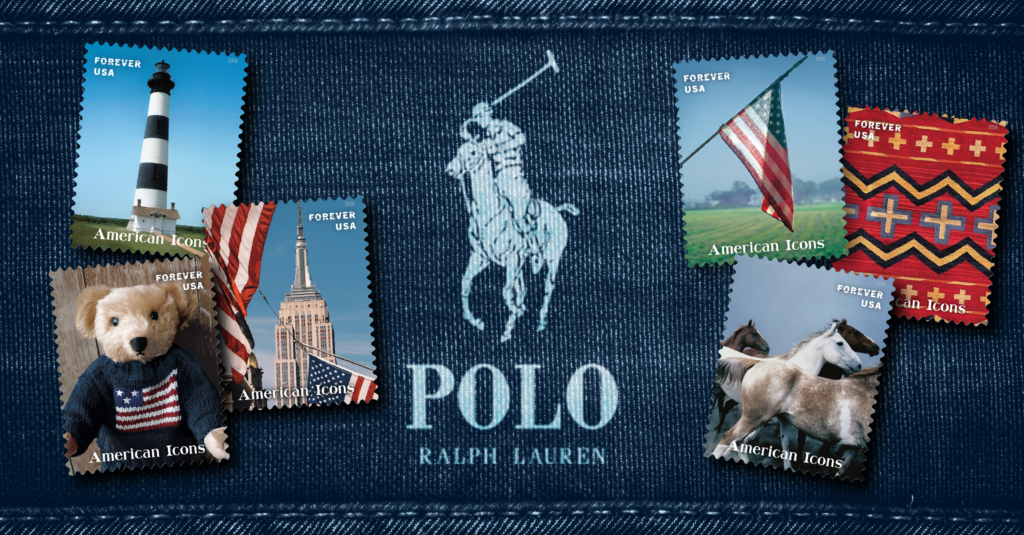
Ralph Lauren, a brand that has built its identity around a certain vision of American style, is here for it. The U.S. Postal Service tapped the label to design a set of commemorative stamps featuring 13 iconic “American” designs that are out now. Clothing brands across the spectrum, from lifestyle labels to military-inspired Grunt Style, are dropping America250 collections spanning tees, hats, and swim gear. Patriotic dressing has never had more options.
Collectibles & Currency
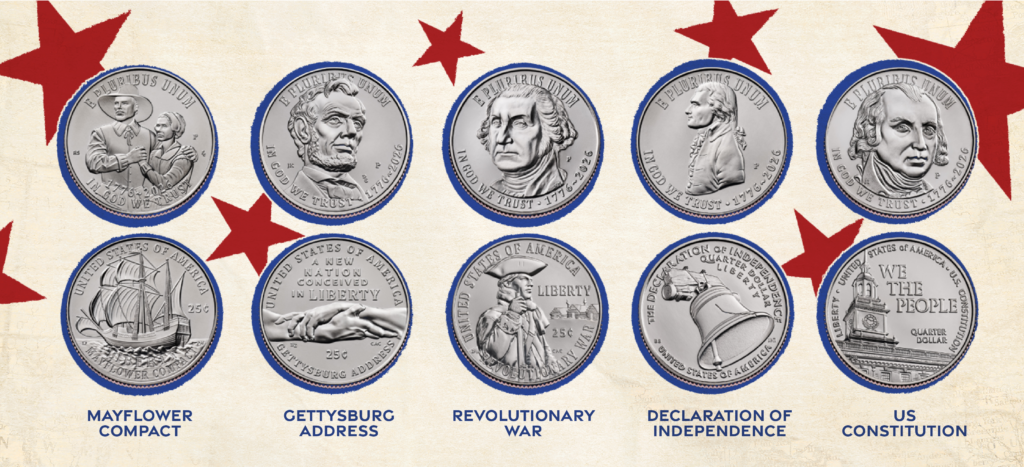
The U.S. Mint redesigned the dime, quarter, and nickel for 2026, each carrying special imagery and the dual dates “1776 ∽ 2026.” Five different quarter designs roll out throughout the year, a slow drip of celebration that keeps the anniversary top of mind well past July 4th. Making literal money a collectible.
Home, Gifts & Novelties
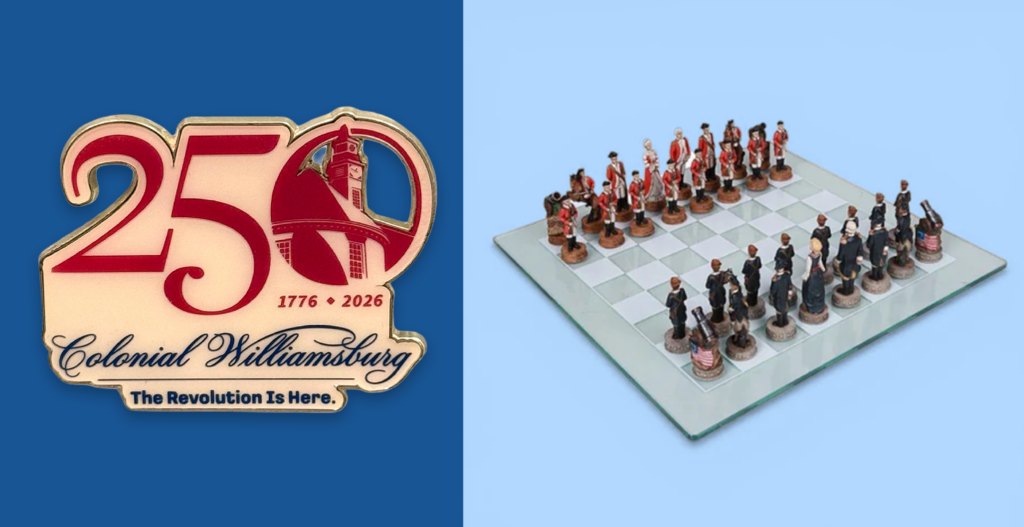
This category is leaning hard into craft and heritage. Colonial Williamsburg launched an exclusive collectibles line marking both the national anniversary and their own centennial year. Mount Vernon is selling a George Washington vs. the Redcoats chess set. Handmade figurines, embroidered clothing, and illustrated books reimagining American fables are also available.
Food & Grocery Got the Memo
Packaging is the only marketing channel that travels home with the consumer, sits on the counter, ends up in recycling bins – and still makes it on someone’s TikTok or Instagram post.
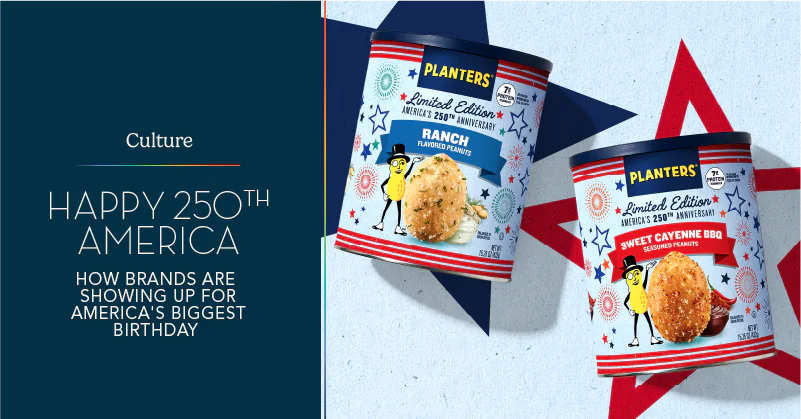
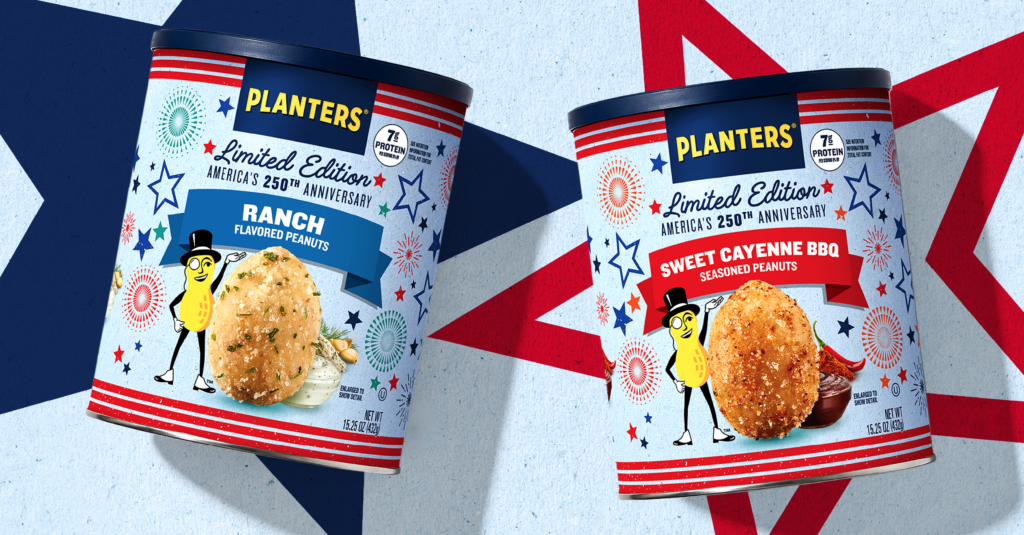
We may be a little biased (Smith Design had the pleasure of designing them), but the Planters limited-edition America’s 250th Anniversary tins nailed it. Mr. Peanut is front and center, showcasing a heroic peanut. The red, white, and blue palette and imagery feel celebratory, a little whimsical, without going generic. Stars, fireworks, and the “Limited Edition” badge do the heavy lifting on occasion, while the can’s iconic format keeps its brand equity intact.
From pocket change to postage stamps to Limited-Edition packages, America250 is showing up across every category and price point. The brands doing it best share one thing: a clear point of view, expressed through the lens of the occasion, not buried under it.
Can’t wait to see how this celebration inspires future LTOs, collaborations, and executions to come. 🇺🇸
Orlando’s Orange County Convention Center hosted more than 10,000 industry professionals and 1,000-plus exhibitors at IDDBA 2026 this June, and if there was a single through-line across the dairy, deli, and bakery floor, it was this: protein, permissibility, and packaging that does more than hold food. The annual “From Brie to Brioche” trends presentation from 210 Analytics set the table: sustained inflation reshaping (not killing) perimeter sales, a demographic shift toward Gen Z and millennials, and a redefinition of health that now stretches from functional benefits all the way to unapologetic indulgence.
Here’s what caught our attention, from the ingredient innovations driving new formulations to the products on shelves and the packaging designs that bring it all together.
Meal Solutions and the “Mental Load of the Menu”
One of the most resonant ideas from the show came from a shopper quoted in the trends session describing the daily grind of feeding a family: “the mental load of the menu.” That phrase essentially became the strategic brief for the prepared-foods category, and several exhibitors answered it directly.
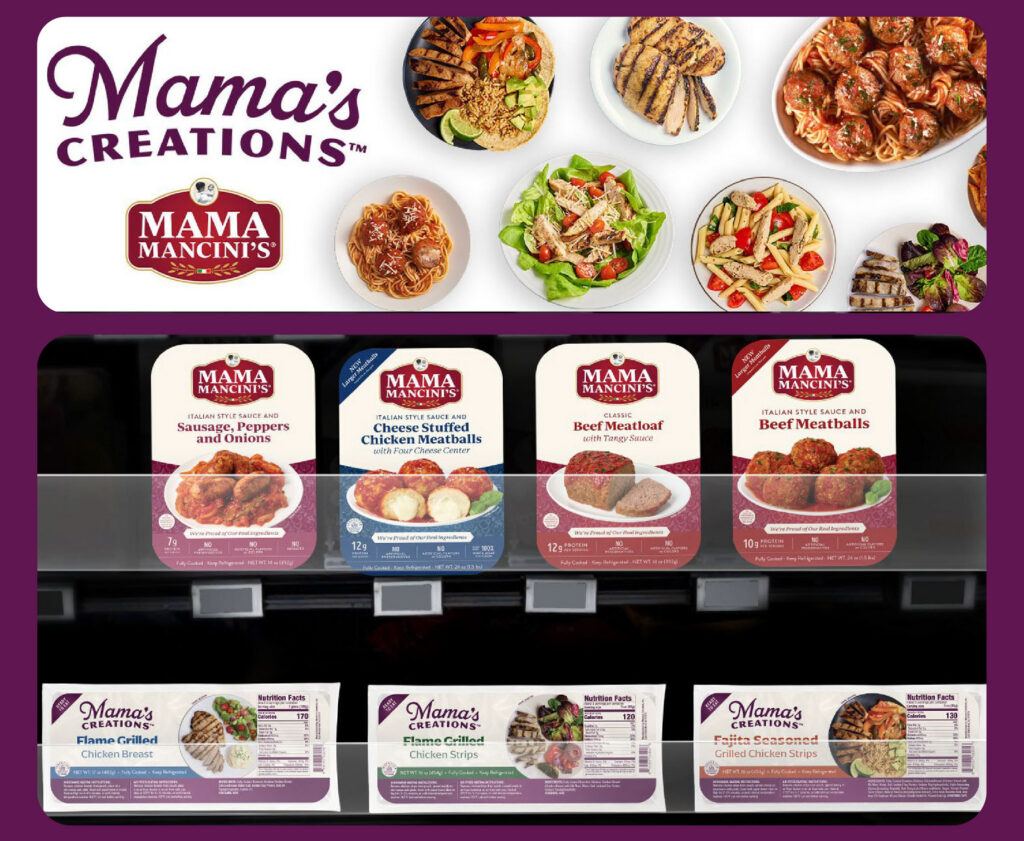
Mama’s Creations leaned hard into flexibility, showcasing new protein formats and globally inspired menu solutions built to support execution across multiple prepared-foods occasions, including hot bar, grab-and-go, and center-of-plate. Boosted by its recent Crown 1 acquisition, the lineup featured an upgraded “No Antibiotics Ever” chicken program (grilled, pulled, and breaded) alongside globally influenced items such as Korean BBQ-style meals and Mediterranean recipes. As CMO Lauren Sella put it, the innovations are “about expanding what our partners can execute, not just what they can carry.” Their pitch of “more variety with less complexity,” including serving-for-one formats alongside family-scale solutions, captured exactly where the deli-prepared category is heading as it cements itself as a genuine restaurant alternative. Deli-prepared has pushed past $31 billion, and the momentum skews young: a third of Gen Z shoppers are buying it more often than a year ago.
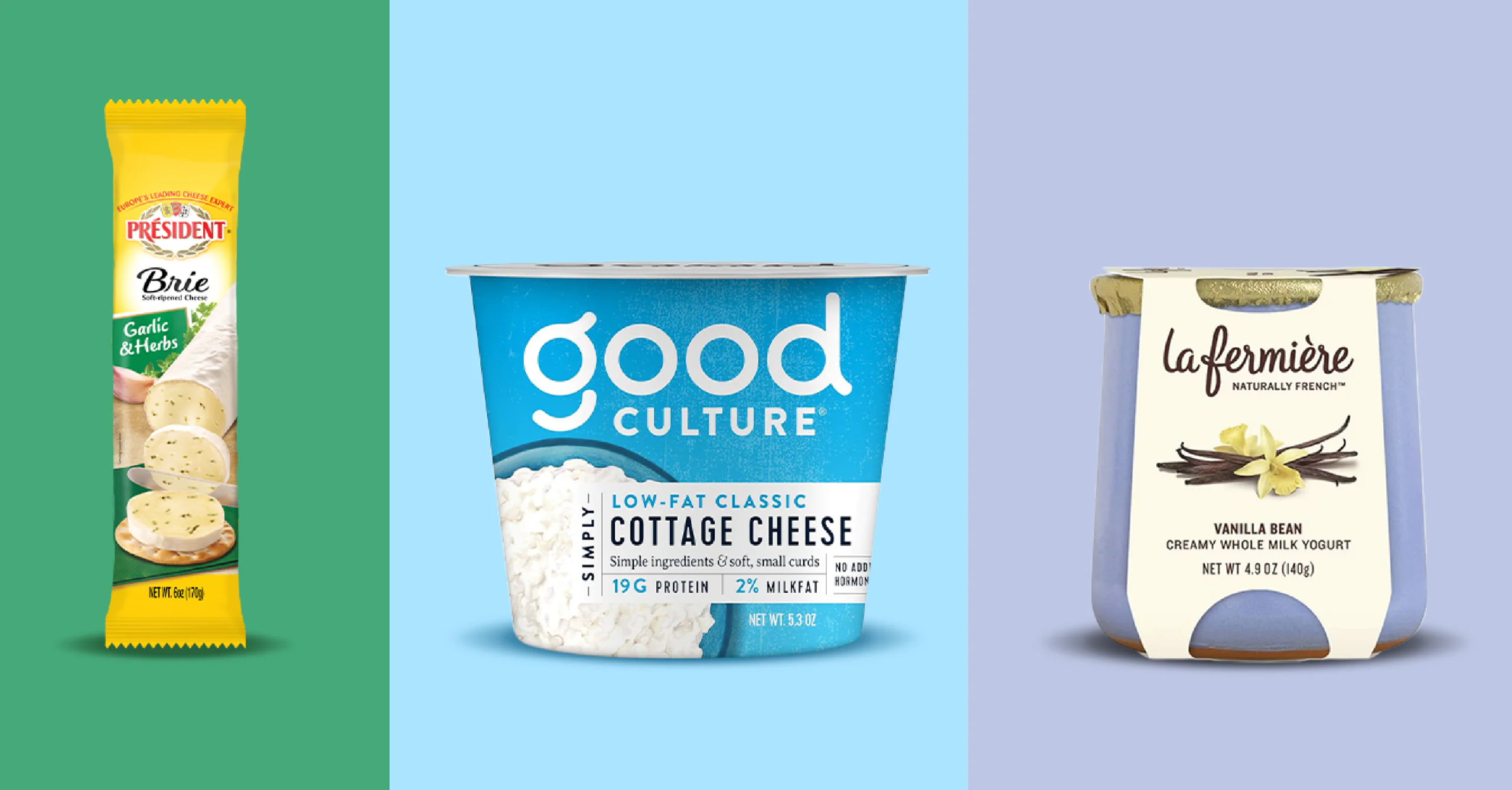
Reser’s leaned into the popularity of “cottage cheese” with its new High Protein Salads made with cottage cheese, translating a social-media-driven idea into a refrigerated perimeter solution. As shoppers look for familiar, protein-dense ingredients that feel both wholesome and versatile, cottage cheese is moving from retro diet food to a modern protein base, and brands are beginning to build full meal solutions around it.
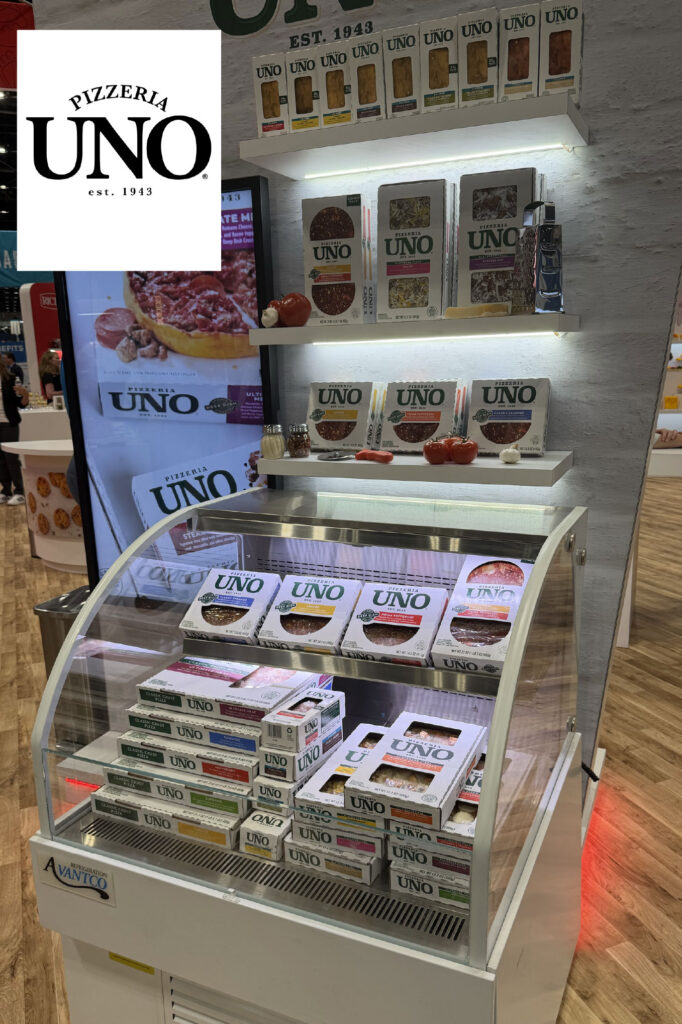
Rich Products built one of the more memorable booth experiences of the show, with continuous live demonstrations and sampling across seven stations. The substantive news, though, was reformulation: new Bettercreme and Buttrcreme icings containing no colors from artificial sources. A meaningful move given that roughly 30% of shoppers now say removing artificial colors is extremely important to them. Rich’s also debuted its newly acquired Pizzeria Uno brand at the show for the first time.
Rise Baking Company rounded out the in-store bakery story, spotlighting clean-label innovations, labor-saving solutions, and trend-forward decorating designed to drive impulse purchases while simplifying execution for understaffed bakery departments. The labor-saving angle is increasingly the quiet differentiator; retailers want indulgence that doesn’t require a full scratch-bakery team to deliver.
The Egg Takes Over: From Wraps to Pasta to Bread
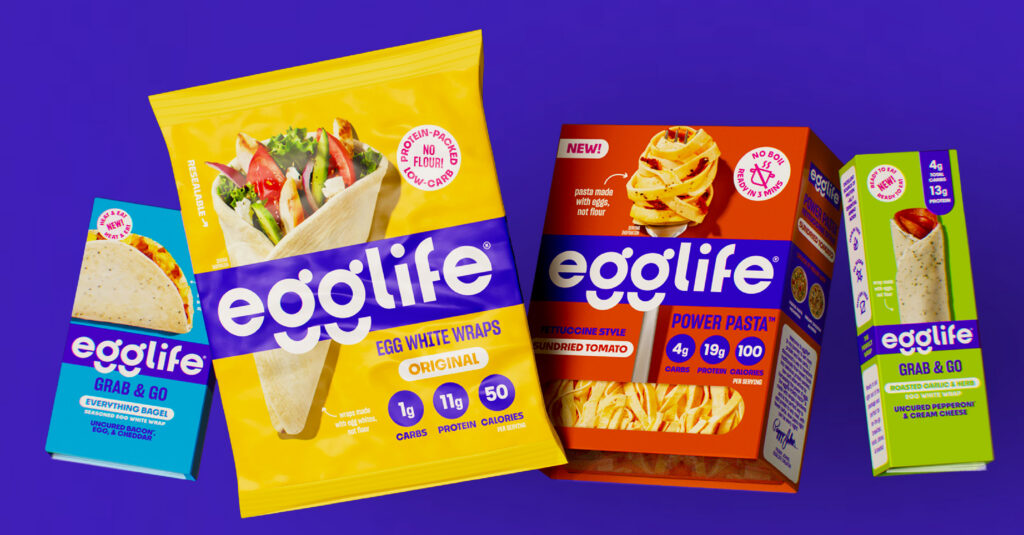
Egglife made the strongest case for where the category is headed. After building a loyal base on its flour-free egg white wraps, the brand has expanded into two new territories: Power Pasta, a first-of-its-kind refrigerated fresh pasta made with eggs instead of flour, and Grab & Go single-serve snacks built from its signature wraps and filled with premium meats and cheeses, delivering 13–16g of protein per pack. The move from a single hero SKU into pasta and convenient snacking is a textbook example of an egg-first brand stretching across the store.
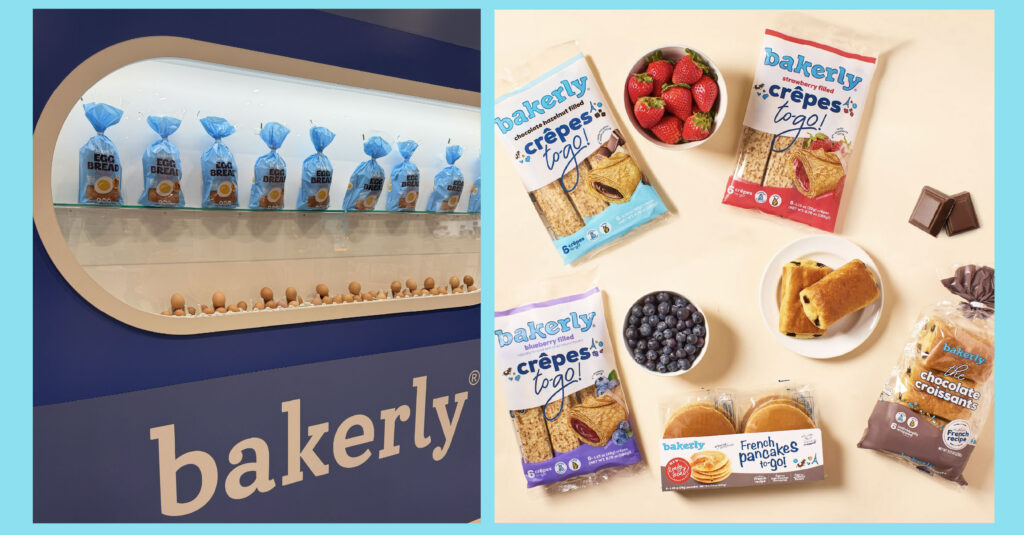
Bakerly brought eggs into the bread and breakfast aisle, with egg-forward breads and pastries that fold high-quality eggs into the formulation for both richness and protein, a reminder that “egg-based everything” now spans breads, pastas, and beyond.
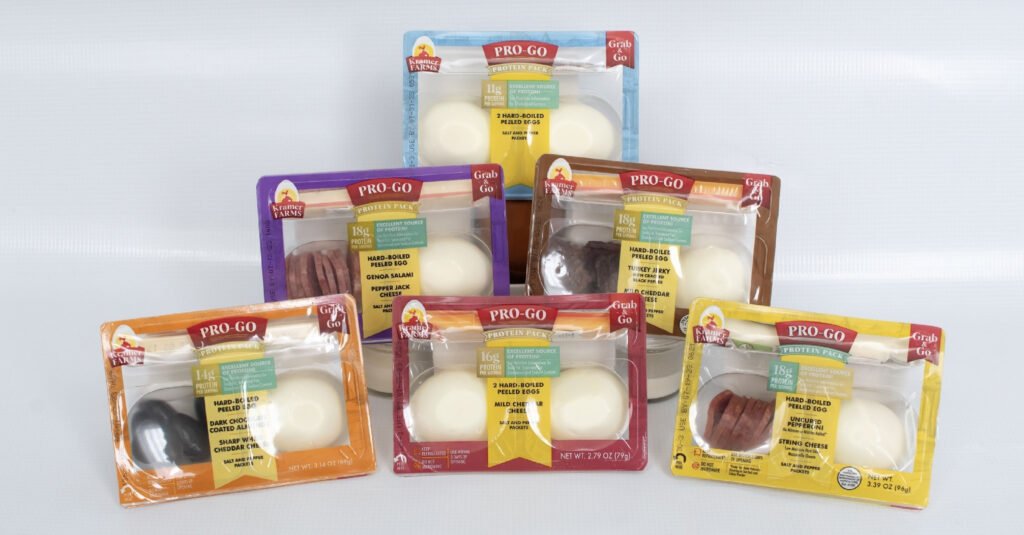
And eggs showed up as a protein booster inside other formats too. Kramer Farms Pro Go Protein Packs added an egg to the familiar meat-and-cheese snack tray, pushing the protein count higher than the meat and cheese could deliver alone, a small but telling sign that the egg has become the go-to lever when a brand wants to put a bigger protein number on the front of pack.
Quail Eggs Elevating Any Dish
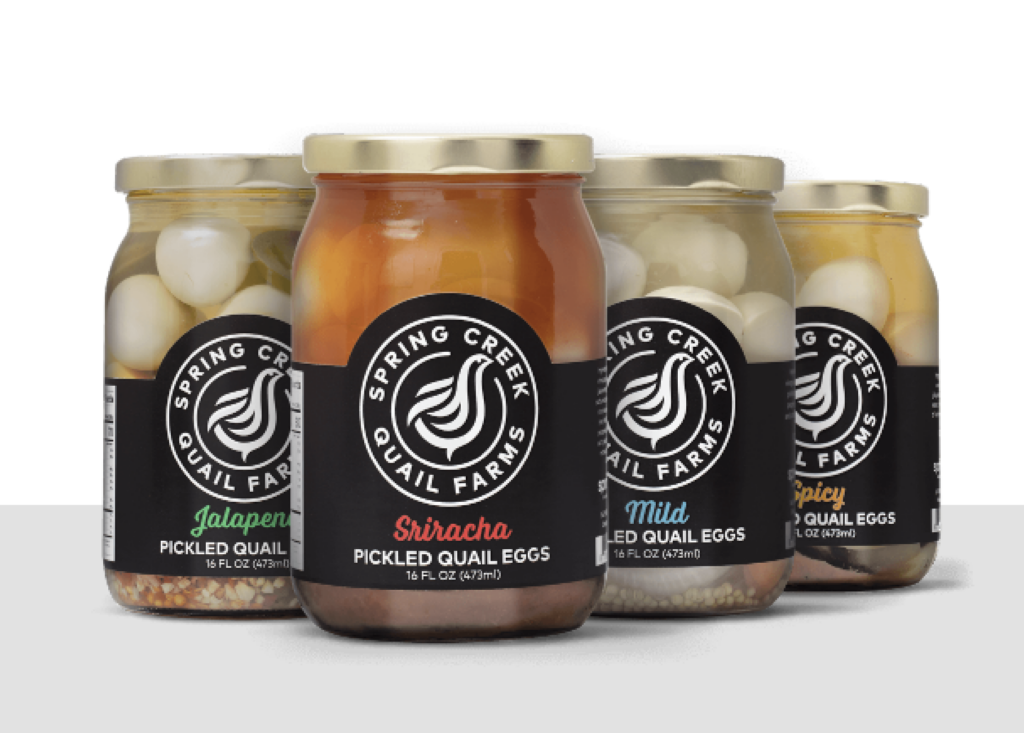
Perhaps the most interesting egg story was the smallest one. Quail eggs appeared in both raw and pickled forms, with brands like Spring Creek and Manchester Farms bringing the once-specialty item into broader distribution. As an added-protein novelty with built-in visual appeal, quail eggs hit several trends at once, protein density, snackable format, and the kind of discovery-driven “try something new” energy that younger shoppers reward.
Seafood Moves into the Refrigerated Convenience Set
A genuinely new shelf story this year: ready-to-eat seafood crossing over into refrigerated convenience. Historically anchored in the frozen and full-service counter, fish is increasingly showing up in grab-and-go formats aimed at the same shopper buying a protein snack or a prepared sandwich.
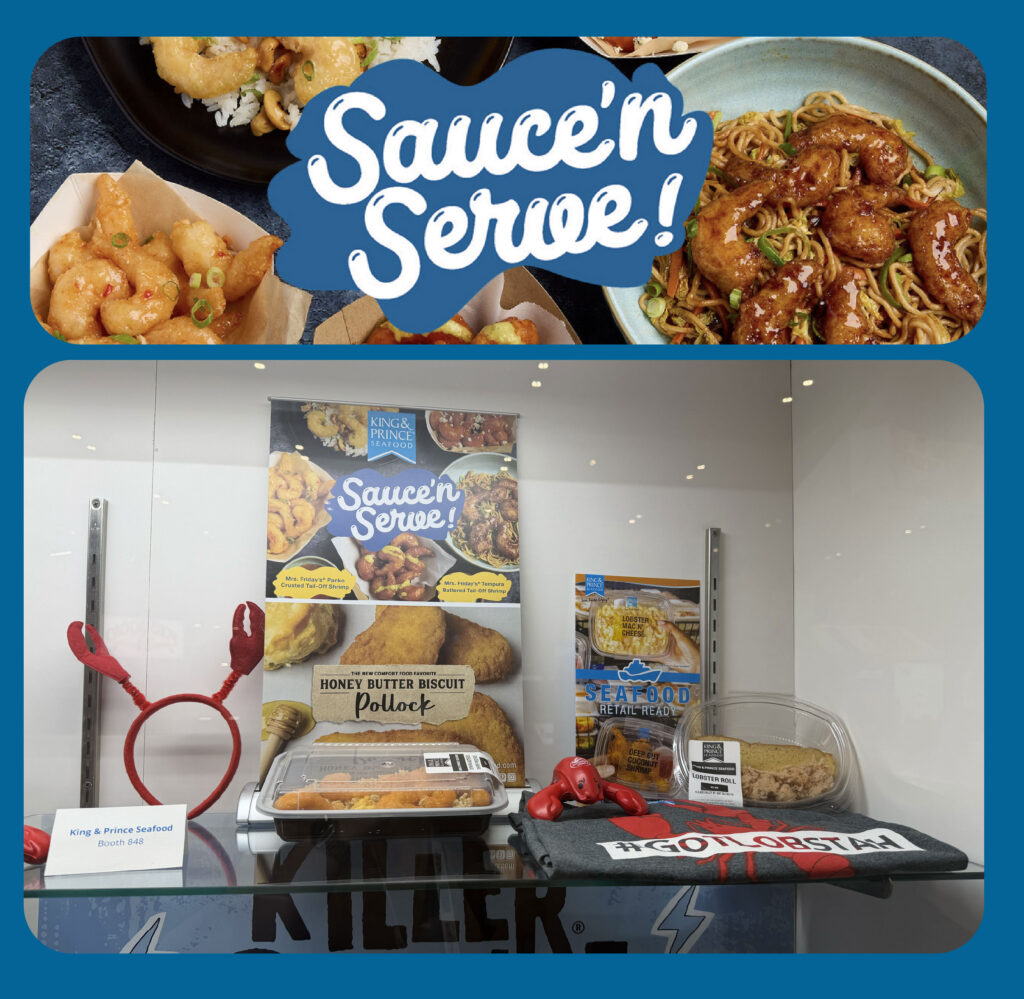
King & Prince Seafood showcased its Sauce ‘n Serve line, pairing seafood with finishing sauces in a format built for speed and minimal prep, bringing restaurant-style seafood into a far more convenient occasion.
Raw Seafoods turned heads with its Grilled Seafood Cups, a single-serve, ready-to-eat format that does for seafood what cup-based snacking has done for everything from overnight oats to protein bowls. It’s seafood reimagined for the refrigerated convenience case, portioned, portable, and approachable for shoppers who’d never think to buy raw fish for a weeknight.
Together these launches signal a meaningful expansion of where seafood lives in the store, and a bet that the protein and convenience tailwinds powering deli-prepared can lift fish too.
Globally Inspired Flavor Goes Mainstream
If protein was the loudest signal, authentic global flavor was the fastest growing one, and it showed up across nearly every category. The trends data backs it up: deli cheese’s best cross-merchandising partners now include naan and specialty pasta, and younger shoppers are driving demand for flavor exploration and multicultural meal inspiration.
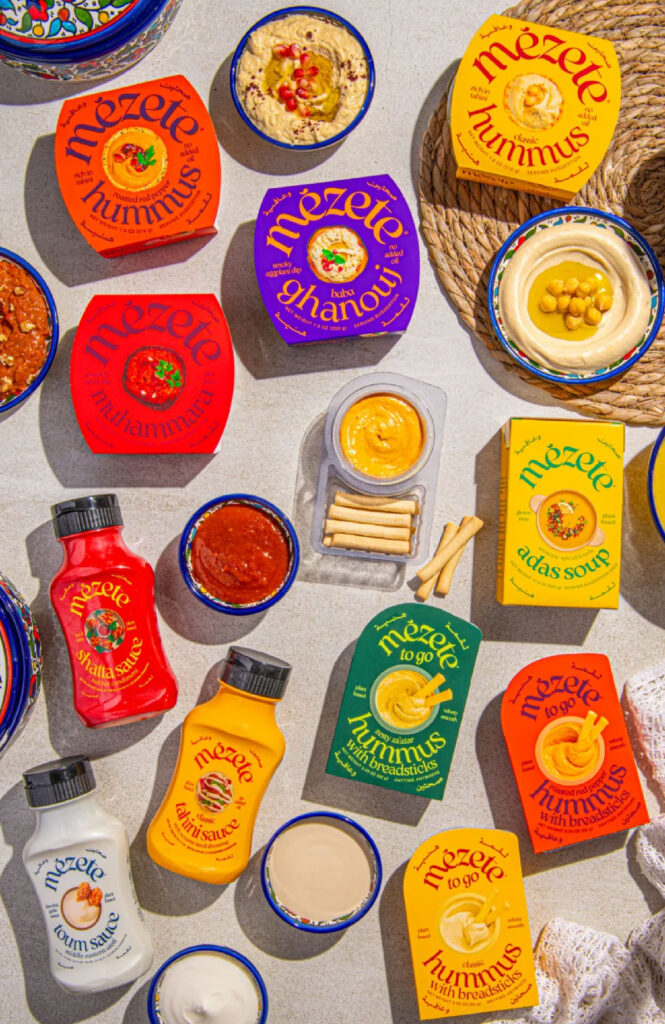
Mezete, the Jordan-based brand making its U.S. push, was a standout, bringing authentic Middle Eastern dips, sauces, soups, and stews, Classic Hummus made with higher tahini levels, Baba Ghanouj, Muhammara, Toum garlic sauce, Shatta chili sauce, and heat-and-eat soups like Adas and a Shakshouka base. The whole lineup is non-GMO Project Verified, vegan, halal, and free of preservatives and added oils, a clean-label, plant-based, and globally authentic package all at once, and a recent Vegan Besties Award winner to boot.
The global thread ran through the meal-solutions players too, Mama’s Creations’ Korean BBQ and Mediterranean recipes, and even into bakery, where bold, globally inspired heat became a recurring note (see St Pierre’s spicy brioche, below). Multicultural flavor is no longer a standalone aisle; it’s a layer being added across the perimeter.
Brioche, Heat, and the Limited-Edition Play
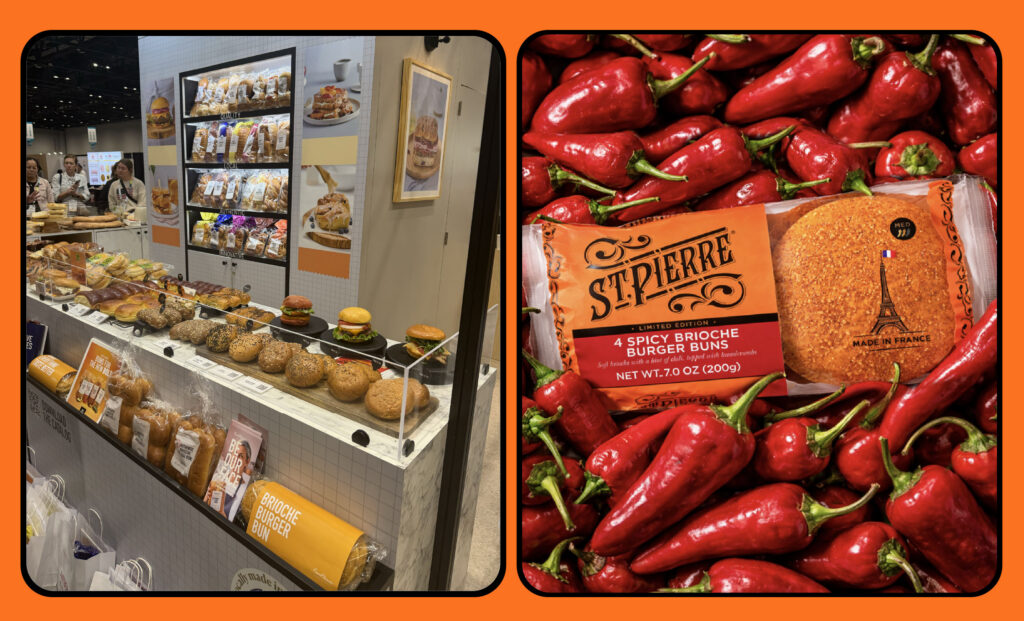
Bakery’s most strategically interesting moment came from St Pierre, the Bimbo Bakeries USA brand that holds roughly 76% share of branded brioche in the U.S. From its “corner of Paris” stand, St Pierre sampled its Spicy Brioche Burger Buns, the brand’s first-ever limited-edition product,blending its signature golden brioche with a gently spiced chili flavor and tapping directly into the bold-global-flavor current. The seasonal 4-pack runs through the end of August, designed to drive incremental summer sales.
Sweet, Savory, and the Power of a Familiar Brand
King’s Hawaiian introduced both sweet and savory bite-sized forms, extending the brand’s signature pillowy profile into snackable, shareable formats that fit entertaining and grazing occasions, squarely in line with the charcuterie and at-home-entertaining trend that continues to grow.
On the bakery side, the show leaned into playfulness and a younger sensibility:
Corso’s Cookies played squarely in the celebration-bakery space, riding the same donut-cake and unboxing-ready momentum driving small bakery categories with gift-able, occasion-driven cookie presentations.
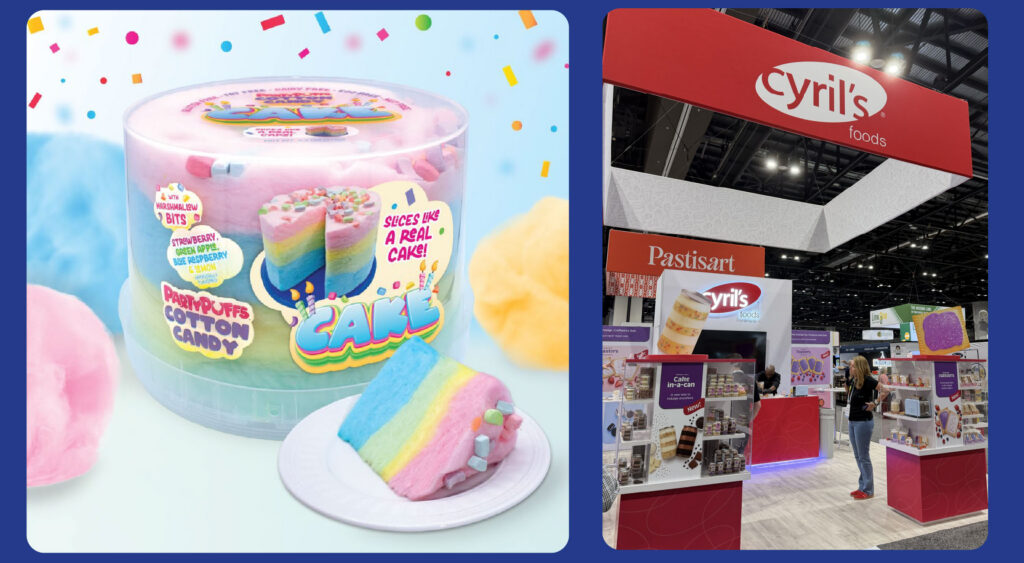
Party Puffs, a separate vendor, stood out for taking the celebration cue in a different direction, a poppable, bite-sized treat format built for shareability and festive merchandising. Where a cookie is a single indulgence, Party Puffs leans into the grazing and party-snacking occasion, offering a colorful, fun-forward profile that merchandises as much as confection as bakery. It’s a good example of how “celebration” at IDDBA 2026 spanned multiple formats rather than a single product type.
Cyril’s brought a youthful, almost toy-like sensibility to food, tapping into the experiential, social-media-friendly energy that increasingly drives discovery among Gen Z shoppers, 55% of whom draw food inspiration from social media.
The Cheese Case Gets Bold: Spice, Spectacle, and the Limited-Edition Drop
If one corner of the show captured the “celebrate taste” mandate most vividly, it was the specialty cheese case, the store’s best cross-merchandising category and one of its strongest performers, with deli cheese dollars up 4%. The innovation here clustered around three ideas: heat, visual spectacle, and the limited-edition launches.
Spice was everywhere. The clearest signal was hot-sauce- and chili-infused cheese moving from novelty to genuine category driver:
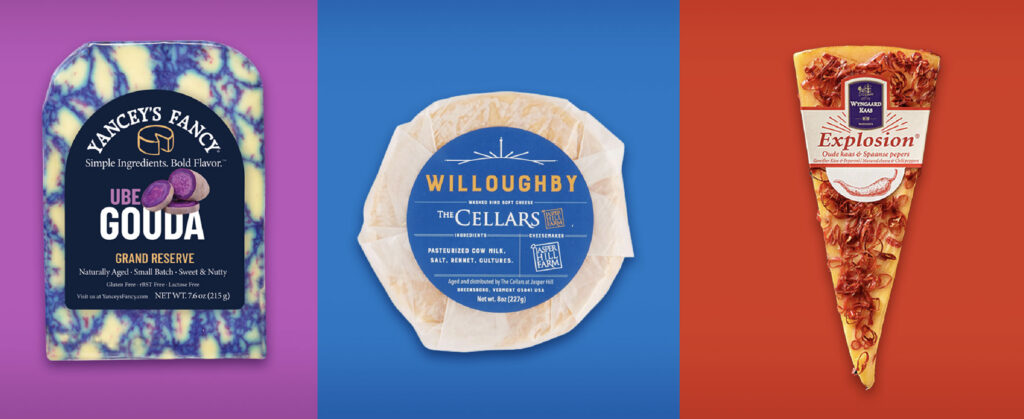
Jasper Hill Farm’s “Fire on the Mountain” Willoughby, a special-edition take on the Vermont creamery’s beloved washed-rind Willoughby, tinted with annatto and hand-washed at the end of cave-aging with Secret Aardvark’s Smoked Reaper hot sauce. The buttery paste mellows the Carolina Reaper burn into what Jasper Hill calls a “middle-of-the-road” lingering heat, a sophisticated way to ride the hot-honey/spicy-everything wave without alienating mainstream palates.
Wyngaard “Explosion” brought the trend in from the Netherlands, a Dutch gouda shot through with chili and pepper flakes for an upfront, fiery kick. Imported spicy gouda is a smart bet on the same bold-global-flavor current running through the rest of the floor.
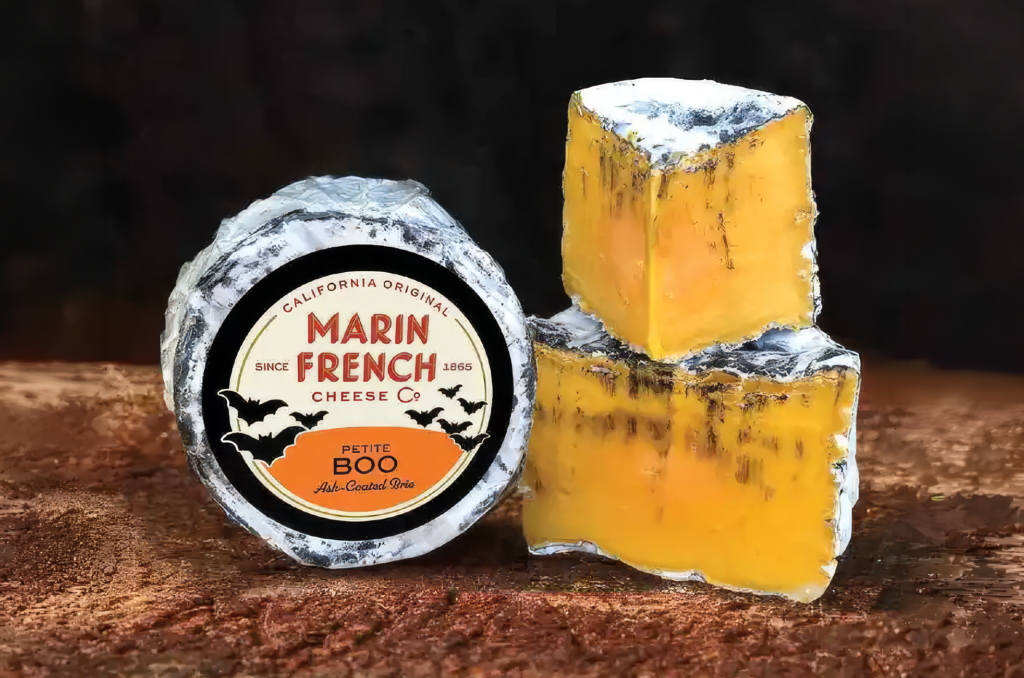
The holiday/seasonal LTO became a merchandising engine.Marin French Cheese Co.’s “Petite Boo” reimagined its rich, earthy Petite Ash as a Halloween “holiday exclusive,”. It’s a clean illustration of how even heritage soft-ripened cheeses are now being dressed for specific calendar moments to drive incremental, time-limited sales.
Charcuterie and Deli Meat: Convenience, Premiumization, and the Entertaining Boom
The charcuterie trend that many assumed had peaked continues to be huge, fueled by protein and at-home entertaining, and the deli-meat majors leaned all the way in.
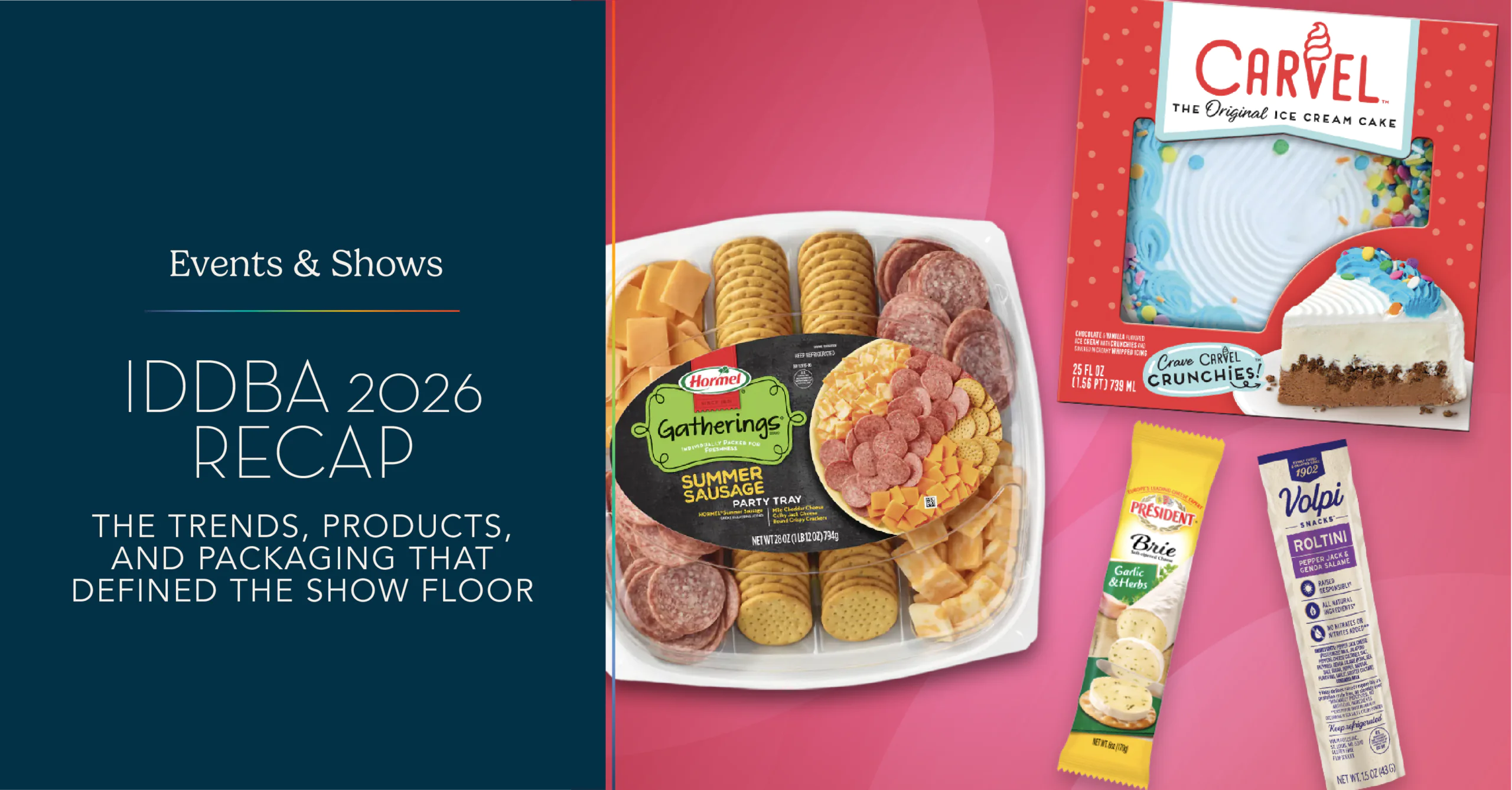
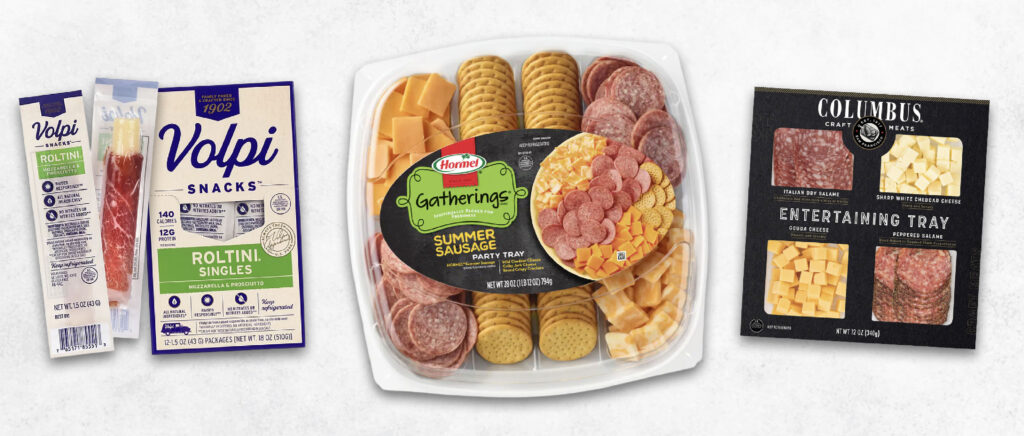
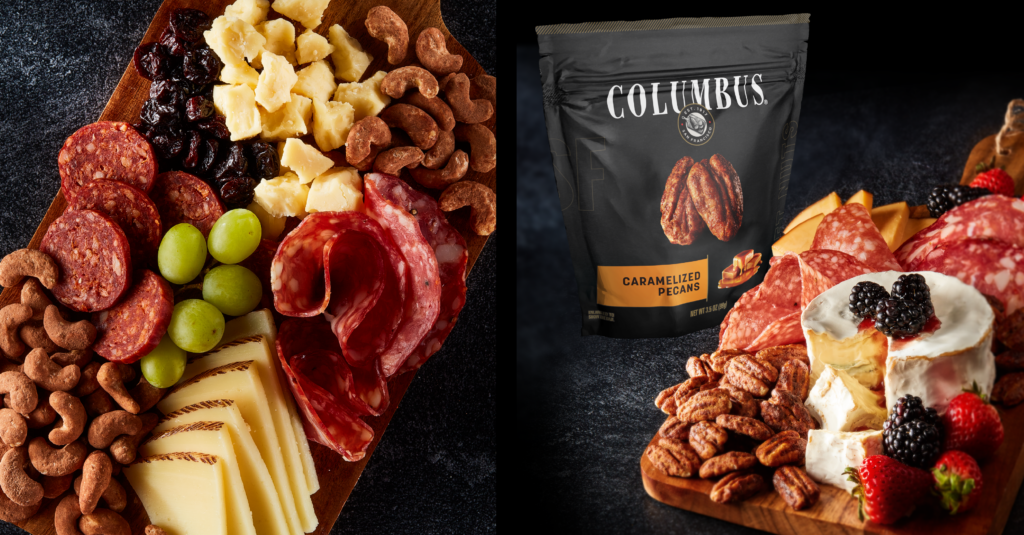
Hormel’s entertaining portfolio was front and center. The Columbus Craft Meats brand rolled out its new Columbus Entertaining Tray, a ready-to-serve charcuterie-and-cheese board pairing its top-selling Italian Dry Salame and Peppered Salame with white cheddar and gouda. Columbus cited that 61% of Gen Z and millennials now use “micro-moments” to gather more frequently, with 86% saying convenience is extremely important, so a zero-prep, no-mess, gluten-free board that wins on convenience and flavor is precisely the answer. The Hormel Gatherings brand continued its run as a snacking-and-entertaining powerhouse, with party and snack trays spanning its Bold and Spicy tray, jalapeño pepperoni and chorizo-style spicy salami balanced with pepper jack and cheddar, built for the rising spice trend, and its new addition Summer Sausage.
Volpi Foods brought the premiumization-meets-convenience story, with a fourth-generation salumeria pushing its craft charcuterie into formats and channels well beyond the deli case. Its Roltini singles (hand-cured meats wrapped around cheese, like Mozzarella & Prosciutto and Pepper Jack & Genoa Salami) and on-the-go Snack Cups and Snack Trays target protein-hungry, convenience-seeking shoppers. Two recent moves underscore the momentum: a nationwide QuikTrip rollout bringing artisanal Roltini to gas-station shelves, and a limited-time “Italian Escape” menu with Blaze Pizza, putting Volpi’s Raised Responsibly prosciutto on the menu at all 250+ locations through late June. Heritage charcuterie brand stretching into both grab-and-go convenience and foodservice without diluting its premium, nitrate-free, humanely-raised positioning.
Several other meat brands brought noteworthy innovation:
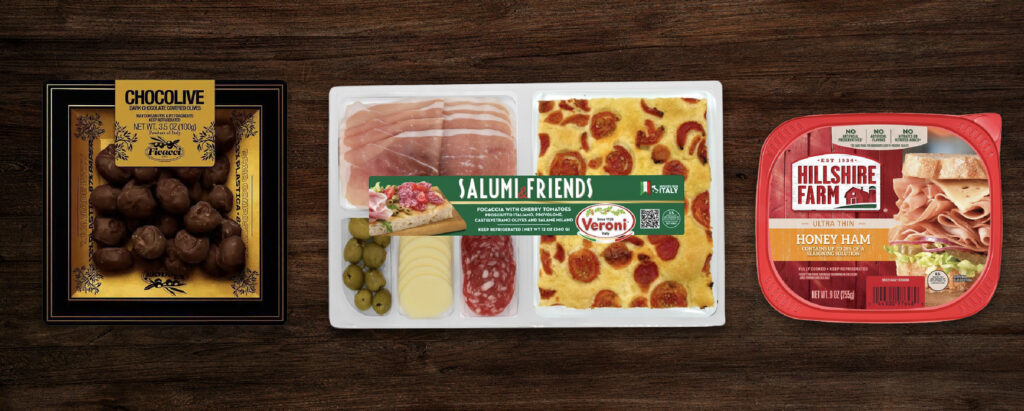
Veroni, the leading imported Italian charcuterie brand in the U.S., debuted Salumi&Friends, billed as the “Ultimate Gourmet Italian Aperitivo Experience,” pairing traditional salumi like Salame Milano and Prosciutto with artisanal Italian focaccia (cherry tomatoes, Castelvetrano olives, provolone), in both 12-oz and 6-oz sizes. It also restyled its Antipasto Italiano platters into a more compact, merchandising-friendly 7-oz format, and brought a food stylist to the booth to build fresh charcuterie and aperitivo presentations, a clear read on the at-home-entertaining and “elevated convenience” trend.
Brooklyn Cured focused on chef-driven salami and sausage, with a major push behind a new bulk beef charcuterie line built specifically for deli counters.
Hillshire Farm (Tyson) brought flavor-forward energy to the everyday lunch-meat aisle with Sandwich Style Lunch Meats in bold new flavors, including Hot Honey Ham (sweet honey plus a chili kick) and Jalapeño Ranch Turkey Breast, a reminder that the hot-honey and bold-flavor currents reshaping specialty charcuterie are now flowing into mainstream sliced deli meat too.
Ficacci Italian olive specialist, reinforced the show’s sustainability-and-structure theme with an expanded lineup of recyclable paper-based trays and platters, including larger multi-compartment formats designed for club and entertaining occasions. As Export Manager David Dottoroni explained in an interview with Deli Market News, the company paired its evolving paperboard packaging with bold new products like CHOCOLIVE (dark chocolate–covered olives) and garlipeño marinated olives, blending gourmet flavor exploration with more sustainable, retail-ready presentation formats built for discovery and entertaining.
Across all of these, the throughline is the same one powering deli prepared: shoppers want restaurant-and-entertaining-quality experiences with grocery-aisle convenience, and the meat-and-cheese players are racing to package exactly that.
The Licensing Craze: Flavors and IP Everywhere
Licensed flavors and branded collaborations were impossible to miss, as established flavor brands extended into adjacent categories and entertainment IP made its way onto packaging.
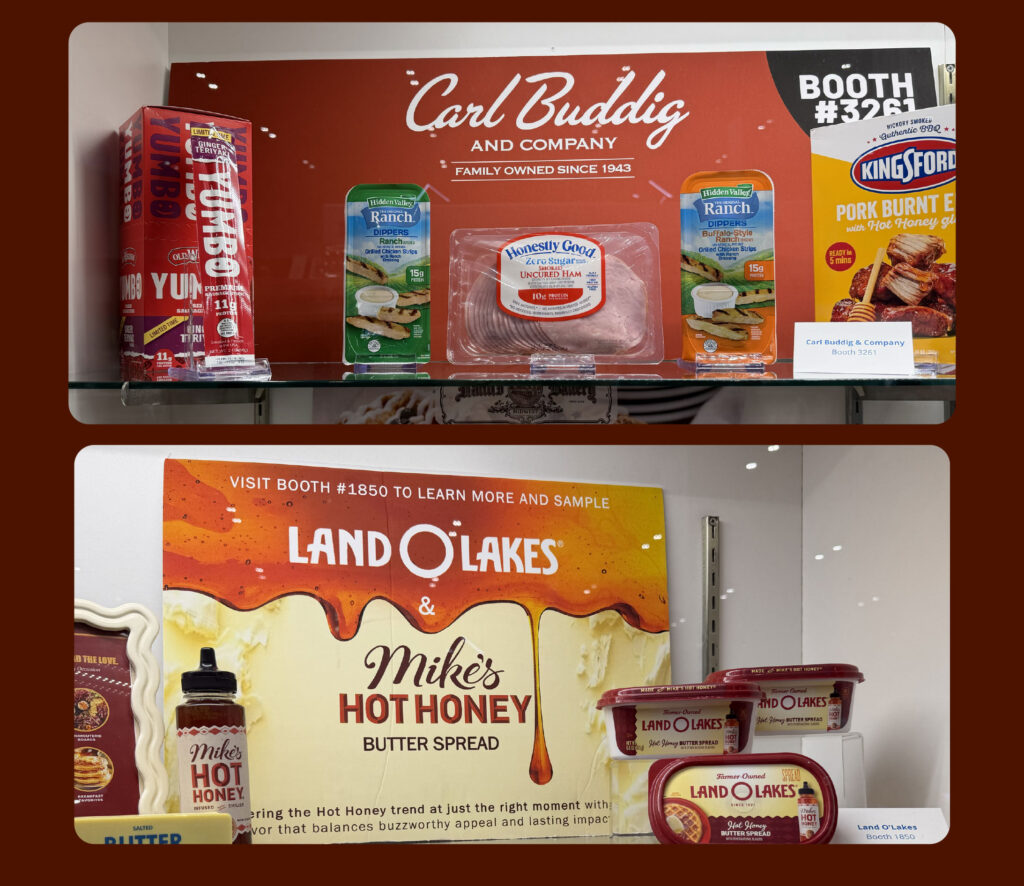
Hidden Valley Ranch officially entered the protein-snack category through a licensing deal with Buddig, which launched the Hidden Valley Ranch-branded chicken dippers, pairing seasoned chicken with the brand’s signature ranch flavor and giving a beloved condiment name a foothold in center-of-plate convenience. Mike’s Hot Honeycontinued its remarkable run as a flavor that gets added to everything, with Land O’Lakes specifically carrying the Mike’s Hot Honey brand into its flavored butter spreads, a clean illustration of how a single breakout flavor brand can now license its way across the perimeter and onto an established dairy staple.
On the entertainment side, Dere Street capitalized on the enduring popularity of Ted Lasso with a biscuit’s product in a “Biscuits with the Boss”-branded box, a nod to one of the show’s running themes: nostalgia, fandom, and pop-culture tie-ins as a way to earn a second look on a crowded shelf.
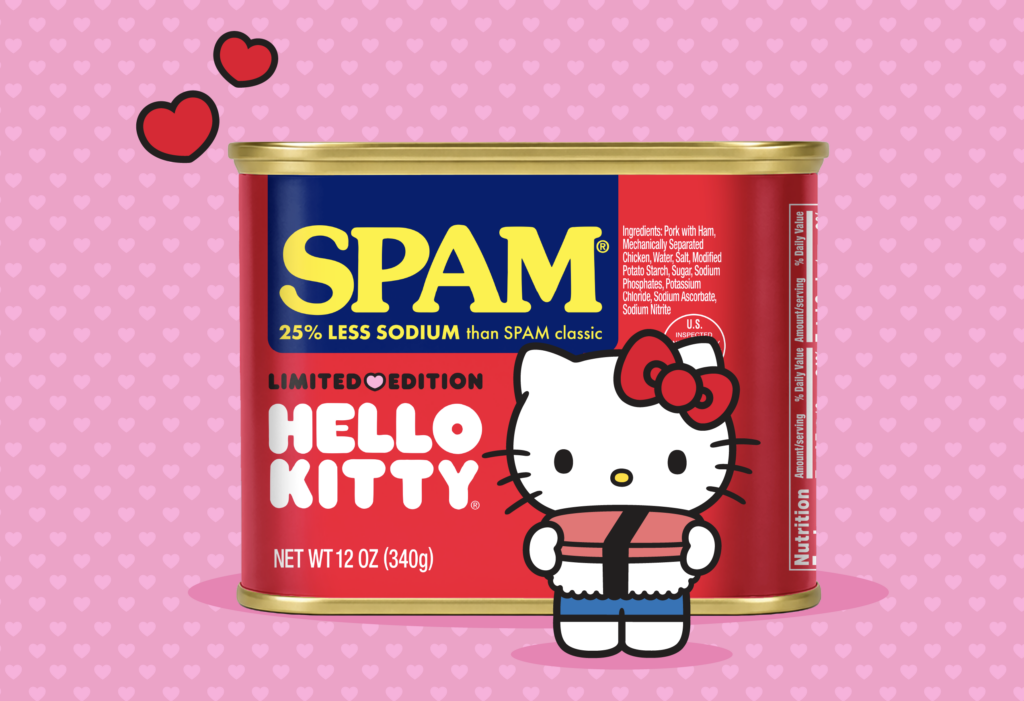
The biggest collectible play, though, came from SPAM. the Hormel brand teamed with Sanrio to launch a limited-edition SPAM x Hello Kitty collectible can, a 25%-less-sodium SPAM can wrapped in a label featuring Hello Kitty holding a SPAM musubi, it anchors a broader “Tour de Sizzle” campaign celebrating global SPAM dishes (Hawaiian musubi, Korean bibimbap, Japanese ramen, Canadian poutine) through an interactive microsite and sweepstakes. The pairing of two multigenerational fan-favorite brands generated immediate social buzz, and it captures three of the show’s biggest currents at once: collectible fandom, globally inspired flavor, and a scarcity-driven limited-edition drop.
Pickled Everything Keeps Growing
The pickle category showed no signs of slowing, and the innovation came through unexpected collaborations and flavor extensions:
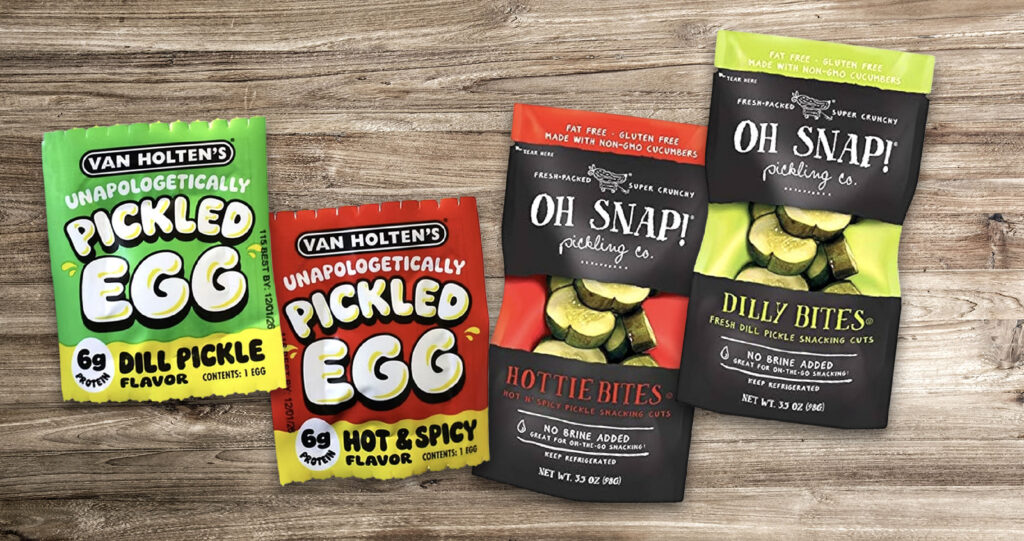
Van Holten’s expanded beyond its iconic Pickle-In-A-Pouch with both a Warheads co-brand, fusing sour-candy fandom with the pickle craze, and a new Dill Pickle–flavored Pickled Egg pouch delivering 6g of protein in a single-serve, shelf-stable format. The move extends the brand from novelty pickle snack into portable protein, reinforcing how the pickled trend is colliding with the high-protein, grab-and-go set.
OH SNAP! continued to expand its portfolio of grab-and-go pickle snacks into new varieties such as Chili Lime, layering on-trend global heat onto a shelf-stable, single-serve format.
Pickled items, including the broader pickled quail egg trend noted above, continue to benefit from the snackable protein and bold-flavor currents running through the whole show.
“No Seed Oils” Becomes a Front-of-Pack Claim
One of the fastest-rising messaging trends at IDDBA 2026 was the “made with avocado oil” / “no seed oils” callout, migrating from a niche wellness talking point to a prominent front-of-pack claim across categories.
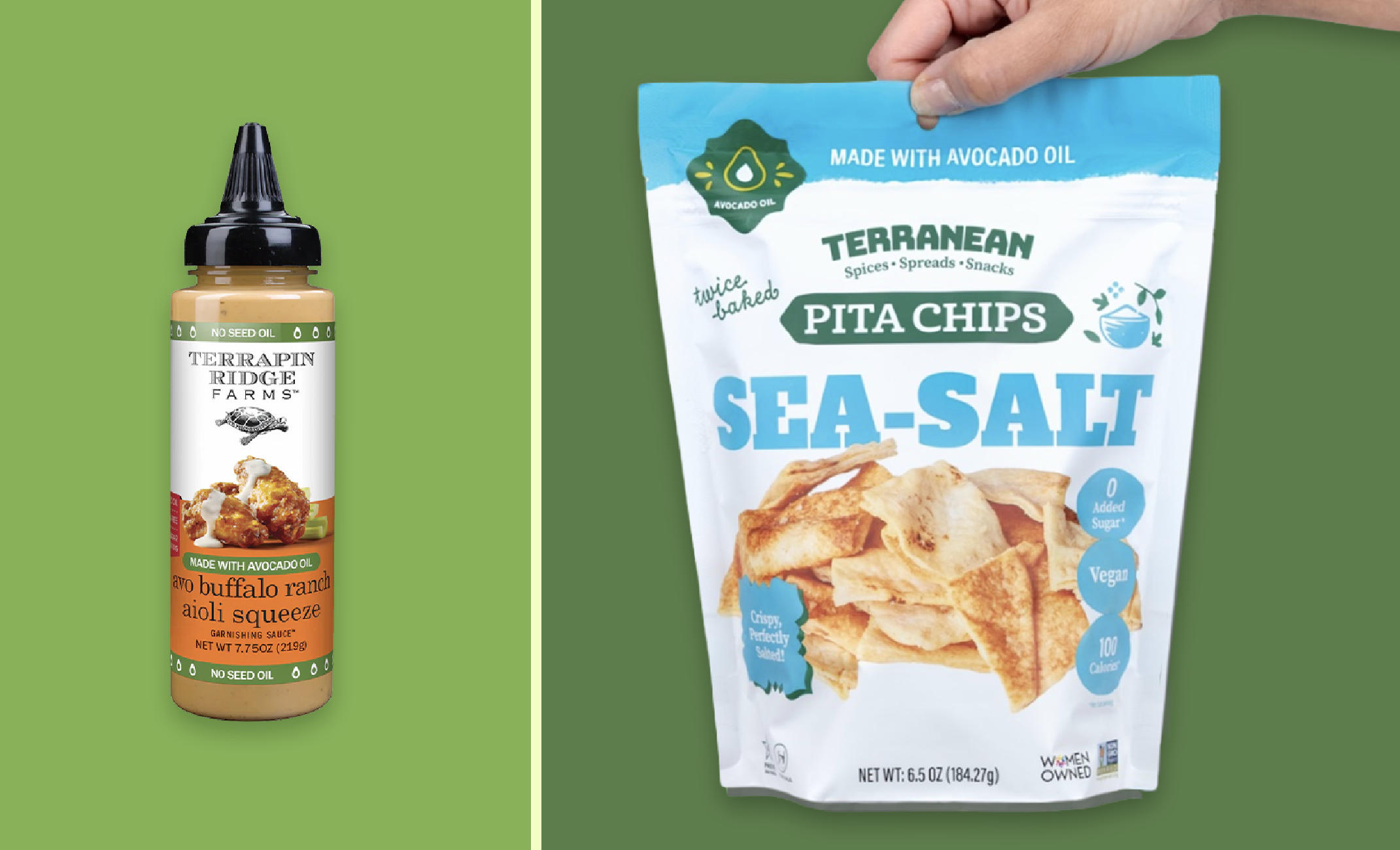
Terrapin Ridge Farms captured it directly with its new No Seed Oil Avo Aioli Squeezes, reformulated with avocado oil in place of seed oils across flavors like Avo Buffalo Ranch and Zingy Garlic, leaning into one of the biggest ingredient conversations in food right now. The trend extends well beyond condiments: snack brands like Terranean The woman-owned food brand announced the debut of its Avocado Oil Pita Chips. Made with authentic pita bread, the double-layered snacks are twice baked and feature Levantine-inspired flavors such as za’atar, sea salt, and cinnamon with date sugar and are completely seed-oil free.
Packaging Innovation: Substrate, Structure, and Provable Sustainability
Packaging earned real billing at IDDBA 2026; the New Product Showcase explicitly spotlighted packaging alongside products and flavors. Two themes dominated the floor: traceable, certified recycled content as the answer to greenwashing scrutiny, and structure as a merchandising lever, not just containment.
Sabert (Booth 2000): The Multi-Substrate Thesis
Sabert’s whole story this year was built around how operators actually buy now, running mixed-substrate programs, with PCR plastic for one SKU, paper for another, and molded fiber pulp where compostability is prioritized. The portfolio on display spanned plastic, molded fiber, and paper, with options covering post-consumer recycled content, compostability, and high-performance formats. Highlights included:
Closed-loop recycled resin via Nuvida, Sabert’s recycling operation and one of the world’s largest processors of food-grade recycled plastic resin, providing traceable supply for recycled-content claims as operators face growing scrutiny on sustainability marketing. This anti-greenwashing, “provably recycled” angle was the standout substrate story.
The r-PRO PCR line (a proprietary polypropylene blend with 25% PCR meeting APR recyclability guidelines).
Certified molded fiber pulp (Pulp Ultra and Pulp Plus, carrying GreenScreen, BPI compostability, and recyclability certifications).
New grab-and-go formats, hinged PET bowls and tubs across PET, paper, and molded fiber, explicitly tied to smaller portions, protein-forward menus, and gut-health items.
Custom-print paper positioned as a branded touchpoint for seasonal LTOs and signature lines.
Lacerta Group (Booth 5050): Structure as Shelf Appeal
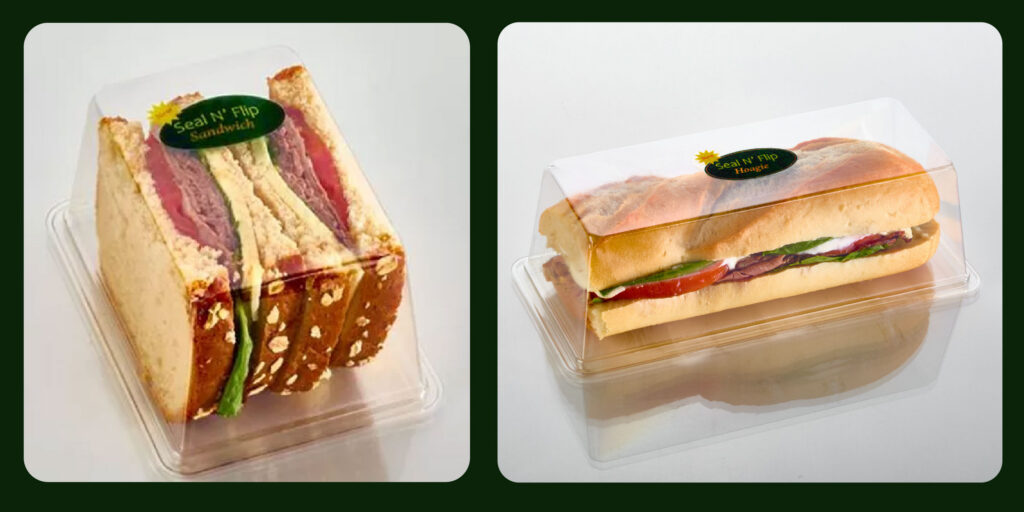
Lacerta’s Seal ‘N Flip was one of the more genuinely novel structural ideas on the floor. It reimagines traditional film lidding by placing it on the bottom, creating a product-forward, vertical display that elevates shelf appeal. The sustainability math is the hook: the design is estimated to reduce packaging costs by up to 25% and cut plastic use by up to 50%, while still delivering tamper-resistance and leak protection. Now in full production after debuting last year, it’s a reminder that packaging structure, not just material, can be a sales driver. Lacerta’s ReCERTA PCR line also recently earned ISO 14021 certification validating its recycled content.
ProAmpac: Fiber-Based Food-to-Go
ProAmpac returned with its fiber-based food-to-go platform, sandwich packs, trays, wraps, and soft packs positioned as a more sustainable alternative to rigid plastic, with flat-packed, automation-ready formats and improved barrier and moisture control to extend shelf life. Following its interpack 2026 emphasis on advanced film-and-fiber technologies and regulatory readiness, expect that compliance-forward framing to keep shaping its retail solutions.
Bizerba (Booth 5418): The Execution Layer
On the labeling and in-store execution side, Bizerba showcased label solutions for branding and compliance, a CSV bread slicer for consistent bakery output, and GLP light systems for efficient weighing and labeling in deli and fresh departments, the often-overlooked operational layer that makes all the new packaging and prepared-foods formats actually work at store level.
The Bigger Picture
A few connective threads tie IDDBA 2026 together. Protein remains the loudest signal;protein-claim units are up 27.5% in deli and a remarkable 80.4% in bakery, with Fiber quickly gaining as much popularity given the rise in GLP-1 users. Eggs (including quail) emerged as the most versatile vehicle for delivering it additional health benefits in breads, convenient grab and go, pickled, and even pastas/handhelds. Convenience keeps expanding into new categories, most notably seafood crossing into the refrigerated grab-and-go set. Entertaining and charcuterie kept climbing, with the deli-meat majors racing to deliver zero-prep, restaurant-quality boards and trays. Global flavor and bold heat became a layer added everywhere, from Mezete’s Middle Eastern dips to Korean BBQ prepared meals to spicy brioche to reaper-washed and chili-studded cheeses. The limited-edition “drop” went mainstream, with St Pierre’s spicy brioche, seasonal cheese LTOs (Marin French’s Petite Boo, Jasper Hill’s collaborations), and the collectible SPAM x Hello Kitty can all borrowing scarcity tactics from fashion and beverage. Indulgence and permissibility coexist with health, with licensed flavors, pop-culture tie-ins, and playful, visually striking formats earning attention while clean-label reformulations (natural colors, no seed oils) quietly reset the baseline. And packaging has become a strategic conversation, with provable recycled content and merchandising-driven structure leading the way.
Walking the show floor with intent matters more than ever. The perimeter is no longer a supporting cast to center-store CPG; it is where most of the category innovation, premiumization, and brand storytelling is happening. Retail prepared foods now replace restaurant occasions for 28% of shoppers, more than double the rate of 2017, and U.S. grocery foodservice has crossed $52 billion in annual sales. So, before we get to Orlando (June 7–9), here is how we’re framing what we expect to see, and what brands in these categories should be doing about it right now.
Three Forces Are Reshaping All Three Categories:
“Value” no longer means cheap. It means earned. Consumers have spent two-plus years tightening grocery budgets, yet they continue to trade-up into premium dairy, prepared deli, and artisanal bakery. The reconciliation is simple: shoppers are spending more intentionally, not less. They want products that deliver functional benefits, sensory rewards, and a story that aligns with their values. The implication for branding is clear: generic premium cues no longer earn the trade-up; specificity does.
Protein is the floor. Fiber is the ceiling. McKinsey reports that 70% of U.S. consumers plan to increase their protein intake in 2026, and dairy is the most preferred source. But the next wave is already cresting: fiber, gut health, and GLP-1-friendly nutrient density. Cottage cheese has grown at a 6.2% CAGR over the last five years. Sourdough product launches are up 31% globally, with another 33% growth forecast for 2026. The on-pack hierarchy is being rewritten, with protein grams, fiber grams, and ingredient transparency increasingly becoming the first things eyes find on the front panel.
Indulgence has been redefined as permission. The cultural rebellion against austerity is real. Consumers want comfort, ritual, and a little luxury, but they want it justified. Mini formats, “everyday charcuterie,” portion-controlled mochi, single-serve specialty cheese, and one-bite cakes. The winning brands are not asking shoppers to choose between health and happiness; they are giving them both, in a smaller, smarter package.
What We’re Watching
In the deli case:
Clean-label proteins move up-market. Shoppers no longer accept “deli meat” as automatically processed. Short ingredient panels, no fillers, and transparent sourcing are commanding premium pricing but only when the packaging signals that promise instantly.
“Everyday charcuterie” graduates from trend to staple. Pre-built boards, snacking kits, and grab-and-go entertaining are pulling occasions out of restaurants and into living rooms. The brand opportunity: packaging that performs both as a grocery shelf unit and a tabletop centerpiece.
Bold flavors, value pricing. Limited-time flavor drops, global-but-approachable profiles (Mediterranean, Korean, smoky-zesty mashups), and a permissive attitude toward novelty, without restaurant-level price tags.
In the dairy aisle:
GLP-1-friendly positioning, done quietly. Smart brands are not calling it out on-pack. They are reformulating for higher protein, lower sugar, and added fiber, and letting the nutritional panel do the talking. Heavy-handed “Ozempic-friendly” claims should be skipped in favor of positive food claims.
Affordable luxury cues in the dairy case. Gold accents, glass and glass-look containers, restrained typography, matte finishes, tactile sleeves. The yogurt set is starting to read like the beauty aisle.
Functional and regenerative as overlapping plays. Probiotic kefirs, A2 milk, grass-fed butter, regenerative-ag stories. Certifications and provenance are increasingly front-of-pack equity.
In the bakery:
The moody palette shift. After years of pastels, the bakery is moving toward charcoal, deep purples, espresso browns, and burnt orange: colors that signal depth of flavor and grown-up indulgence.
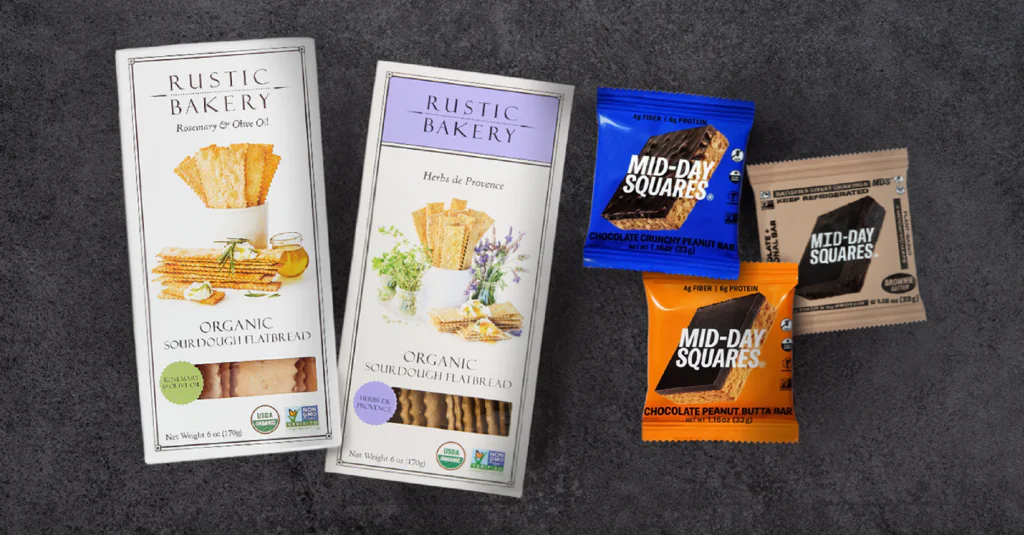
Paper is king. Sustainable bakery packaging is consolidating around FSC-certified kraft, glassine windows, water-based barrier coatings, and minimalist single-color printing. The “less ink, more story” school of design is winning the shelf.
What We’ll Be Looking for in Orlando
Structural innovation in single-serve and snacking formats particularly in dairy and prepared deli. Who is solving for portability without sacrificing premium feel?
Cross-category convergence. Sourdough crackers in deli charcuterie programs. Cottage cheese in bakery. High-protein desserts. The lines between the three categories are blurring fast.
Sustainability stories that show their work. We’re watching for brands that quantify, certify, and visualize their commitments on-pack.
We will be back after the show with a debrief on what surprised us, who broke through, and the trends worth bringing back to the studio. Until then, if you want a sounding board on how trends translate to your brand’s strategy and packaging, our team would love to connect with you.
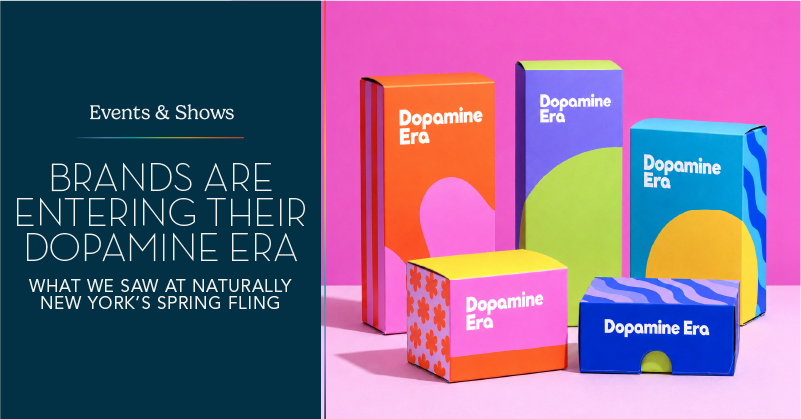
There’s a certain energy that happens when emerging CPG founders, marketers, creatives, and operators all gather in the same room. At the Naturally New York Spring Fling, that energy felt especially clear: the better-for-you space is growing up, and its branding is getting bolder.
The event itself was refreshingly informal. A bright, upbeat room full of founders sharing products, stories, and ideas. And while every brand had a different point of view, one visual trend kept popping up: Dopamine Packaging.
This mood-first branding is bringing joy to shelves (and directly to consumers). “Dopamine Packaging” seems to be one of the defining visual languages of emerging food and beverage brands.
Bright colors. Optimistic typography. High-energy palettes. Packaging designed not just to inform, but to spark emotion instantly. In a crowded category where consumers make split-second decisions, these brands understand something important: people don’t just buy products anymore. They buy brands that they connect with.
In the better-for-you space specifically, we’re seeing a move away from the sterile, overly clinical wellness aesthetic to brands embracing indulgence, personality, humor, nostalgia, and visual stimulation. A few brands that were showcased really embodied that shift.
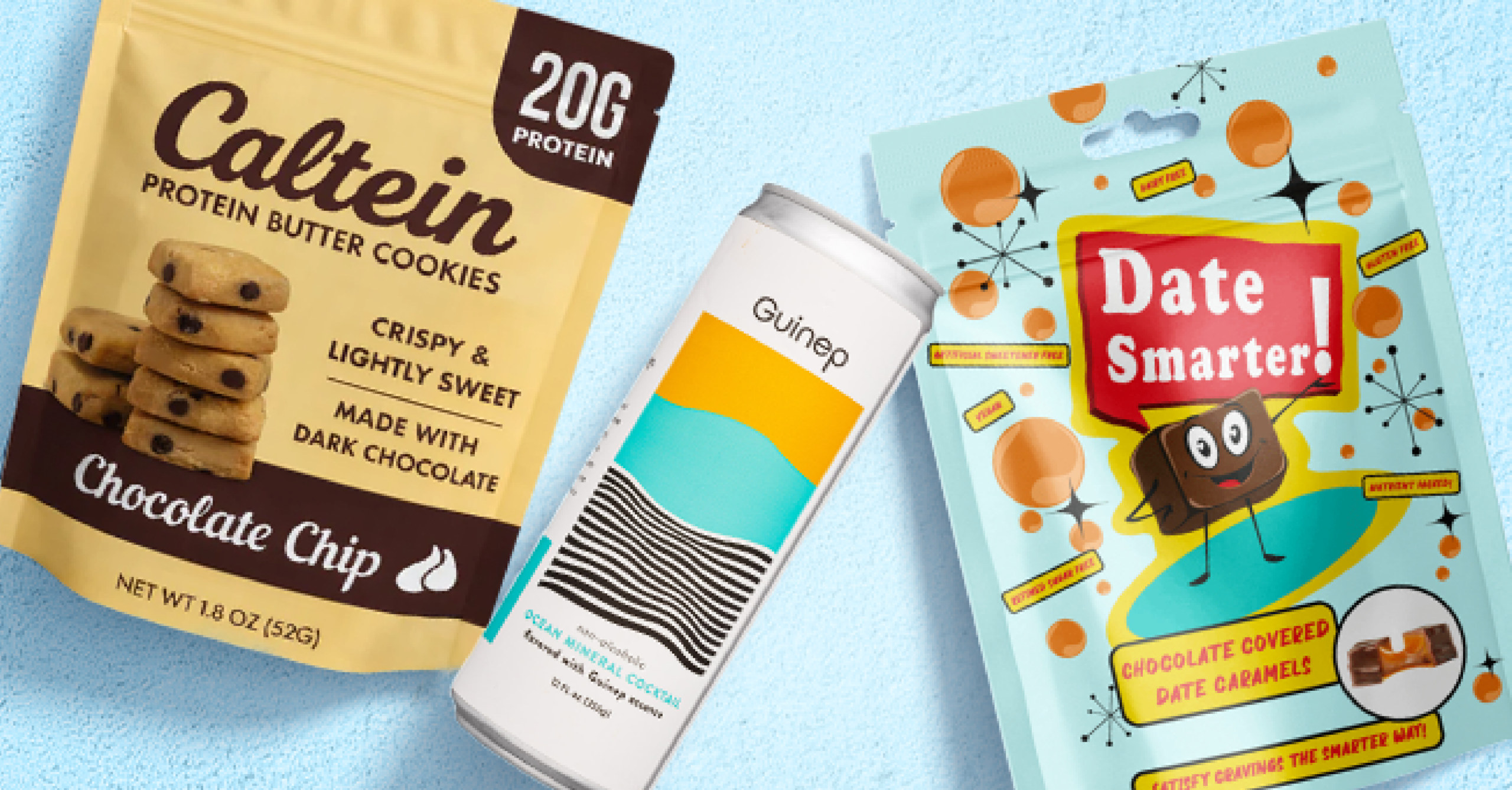
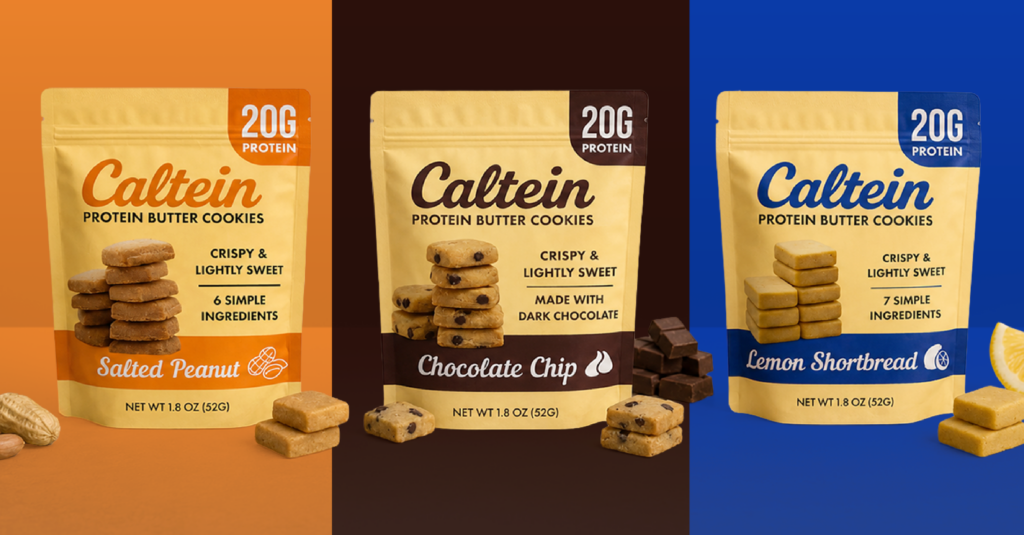
The protein category has historically leaned heavily into performance-first branding: dark colors, aggressive typography, hyper-masculine visual systems. CALTEIN flips that entirely.
Their butter cookie pouches feel nostalgic, playful, and genuinely appetizing, while still communicating functional benefits like high protein and simple ingredients. The warm color palette and retro-inspired typography create a softer, more emotionally driven entry point into the category. This aligns with a broader shift we’re seeing across wellness brands: consumers increasingly want products that feel joyful, not restrictive.
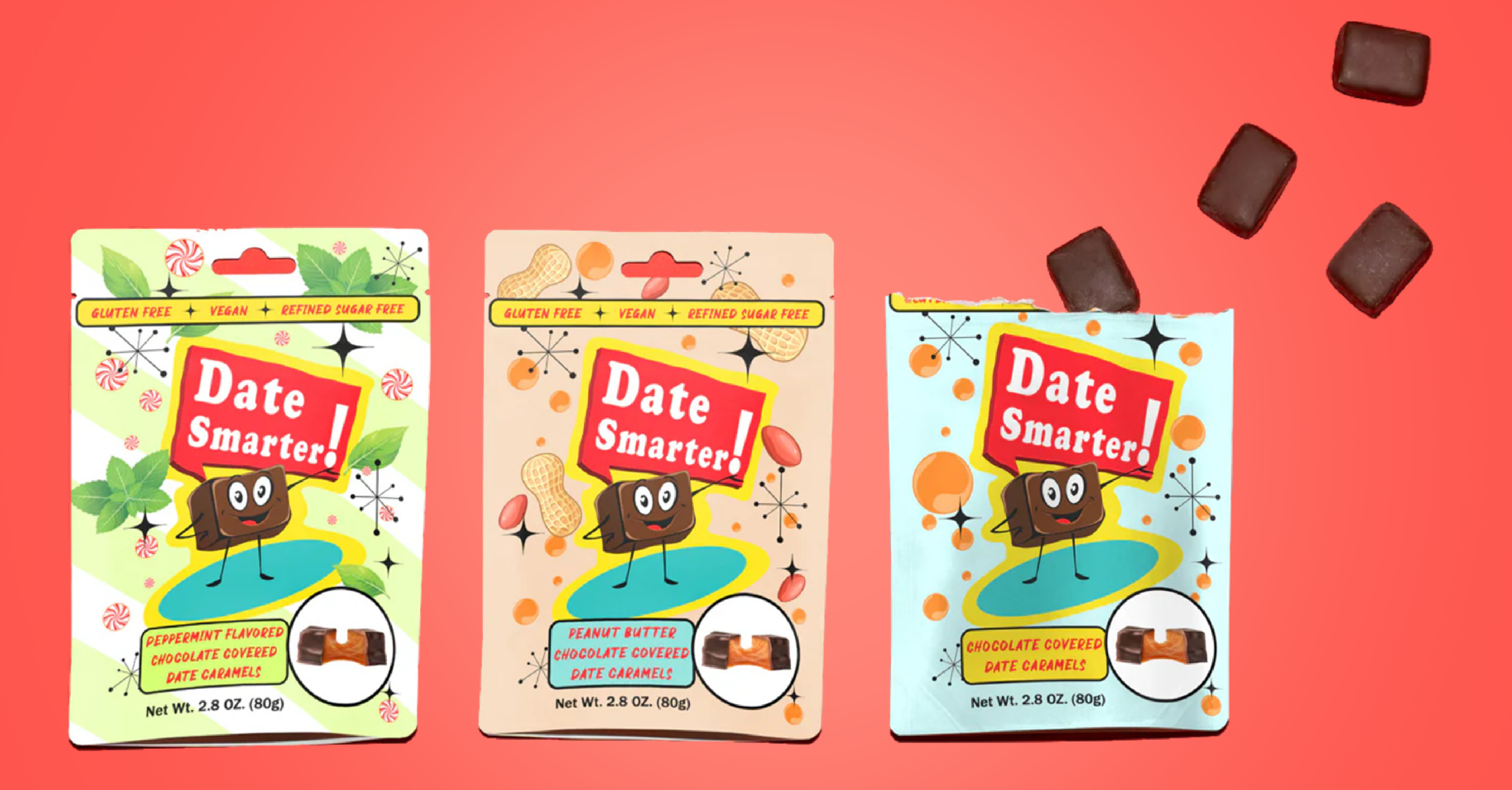
Date Smarter’s packaging leans into vibrant color, kinda-retro inspired illustration, playful callouts, and personality-driven messaging, all while introducing consumers to a healthier snack built around dates. Packaging like this instantly reframes the experience as fun, craveable, and accessible.
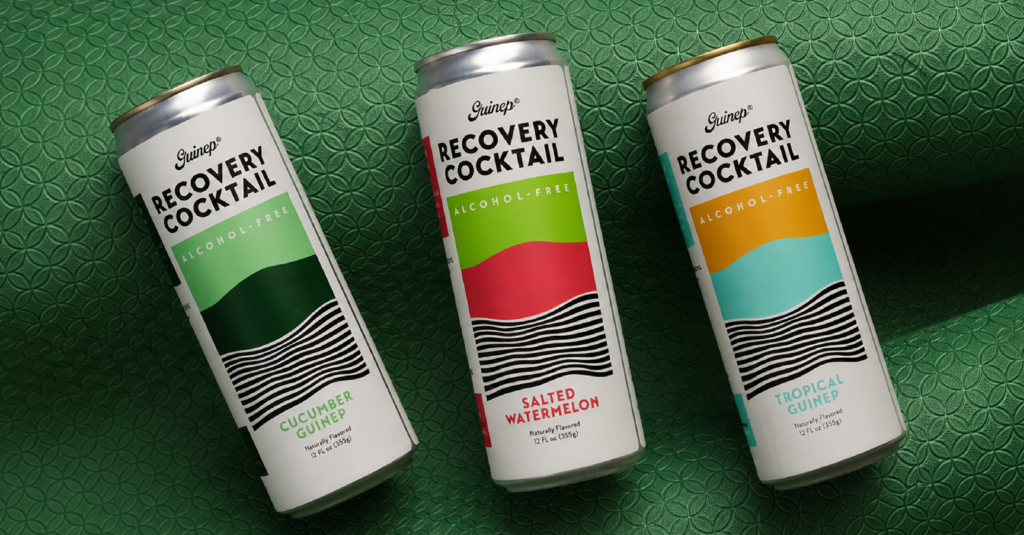
GUINEP took a slightly different approach but still tapped into the same emotional territory through color blocking and bold visual contrast. Their cans feel modern, energetic, and culturally expressive without becoming visually overwhelming.
The best emerging brands today understand that packaging no longer lives only in-store, it lives in TikToks, Instagram Stories, unboxings, and founder content.
All these emerging brands recognize that branding is the product experience.
Packaging has become: a growth tool, a trial driver, a social asset, a positioning strategy, and a way to communicate emotion instantly. And especially in the better-for-you space, brands are finally realizing that wellness doesn’t have to look clinical to feel credible.
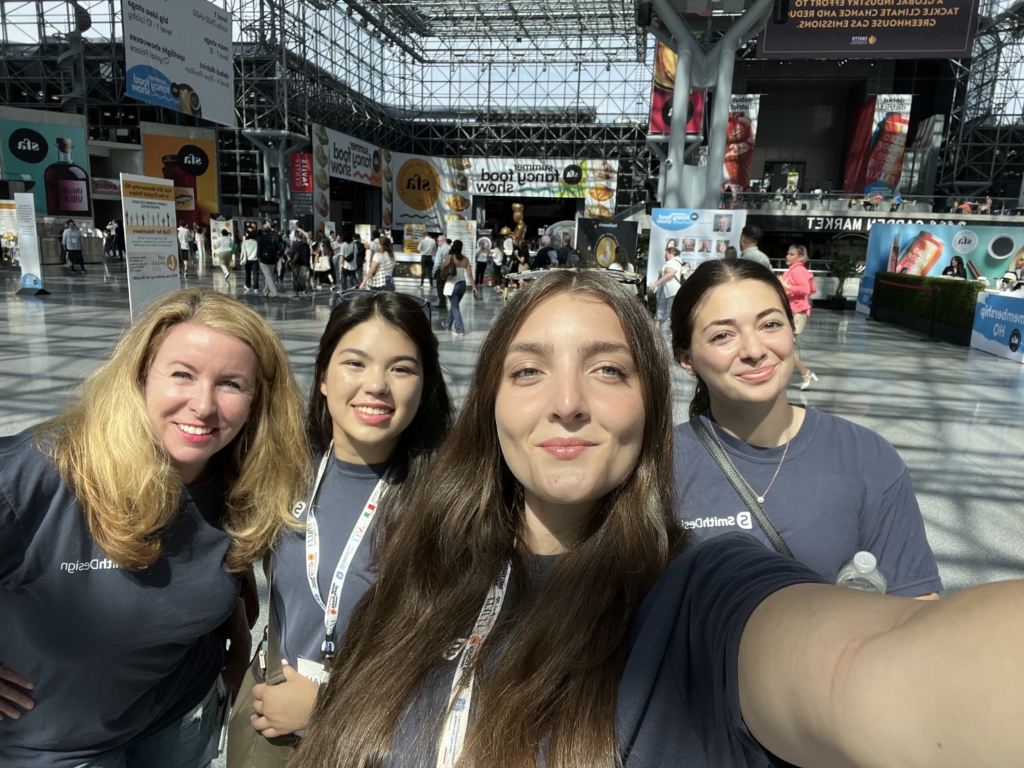
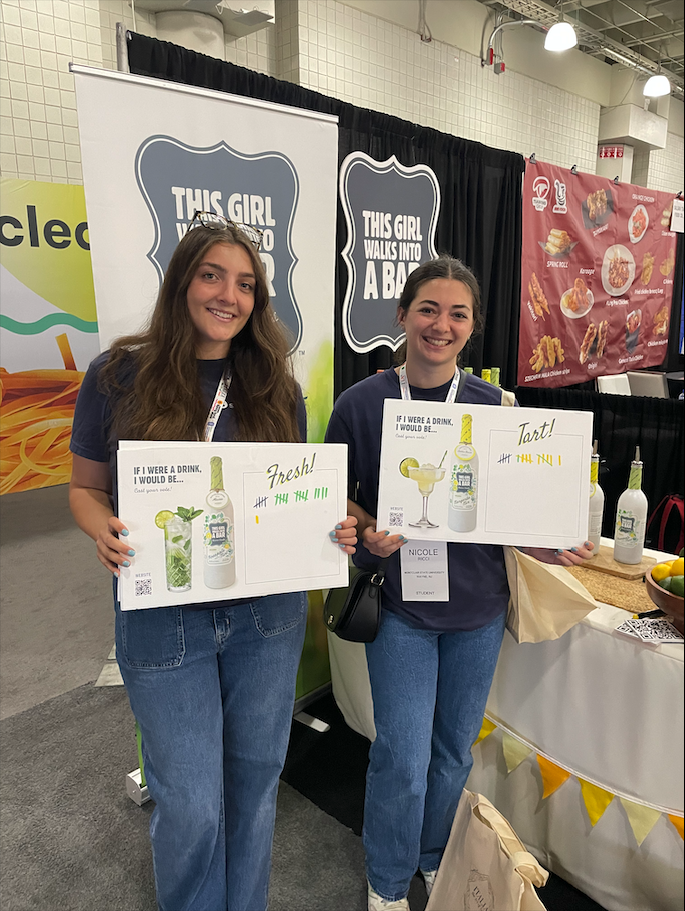
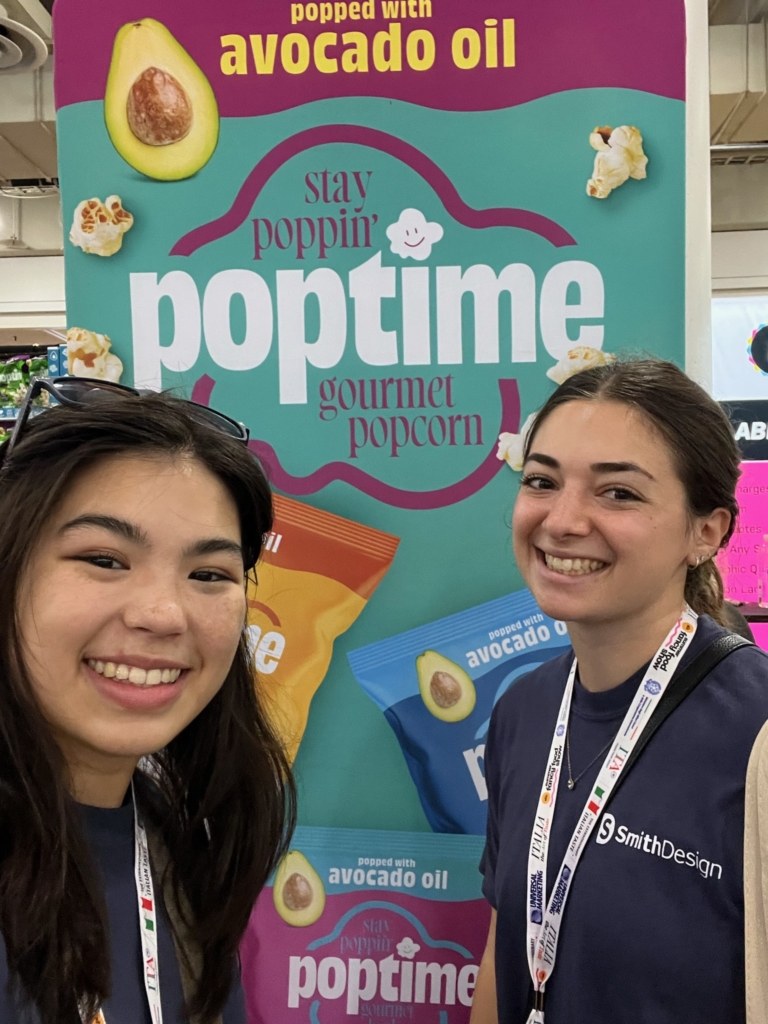
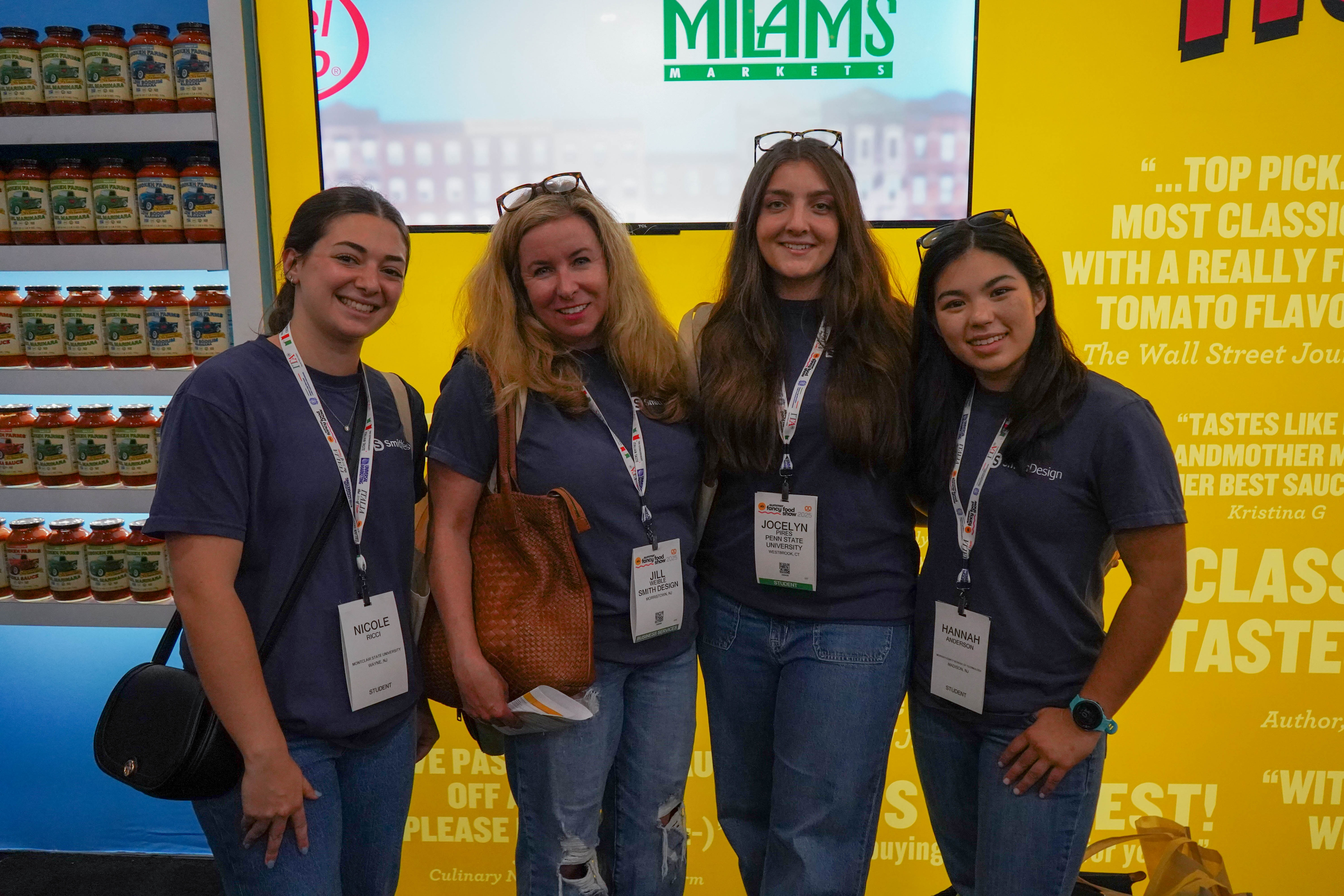
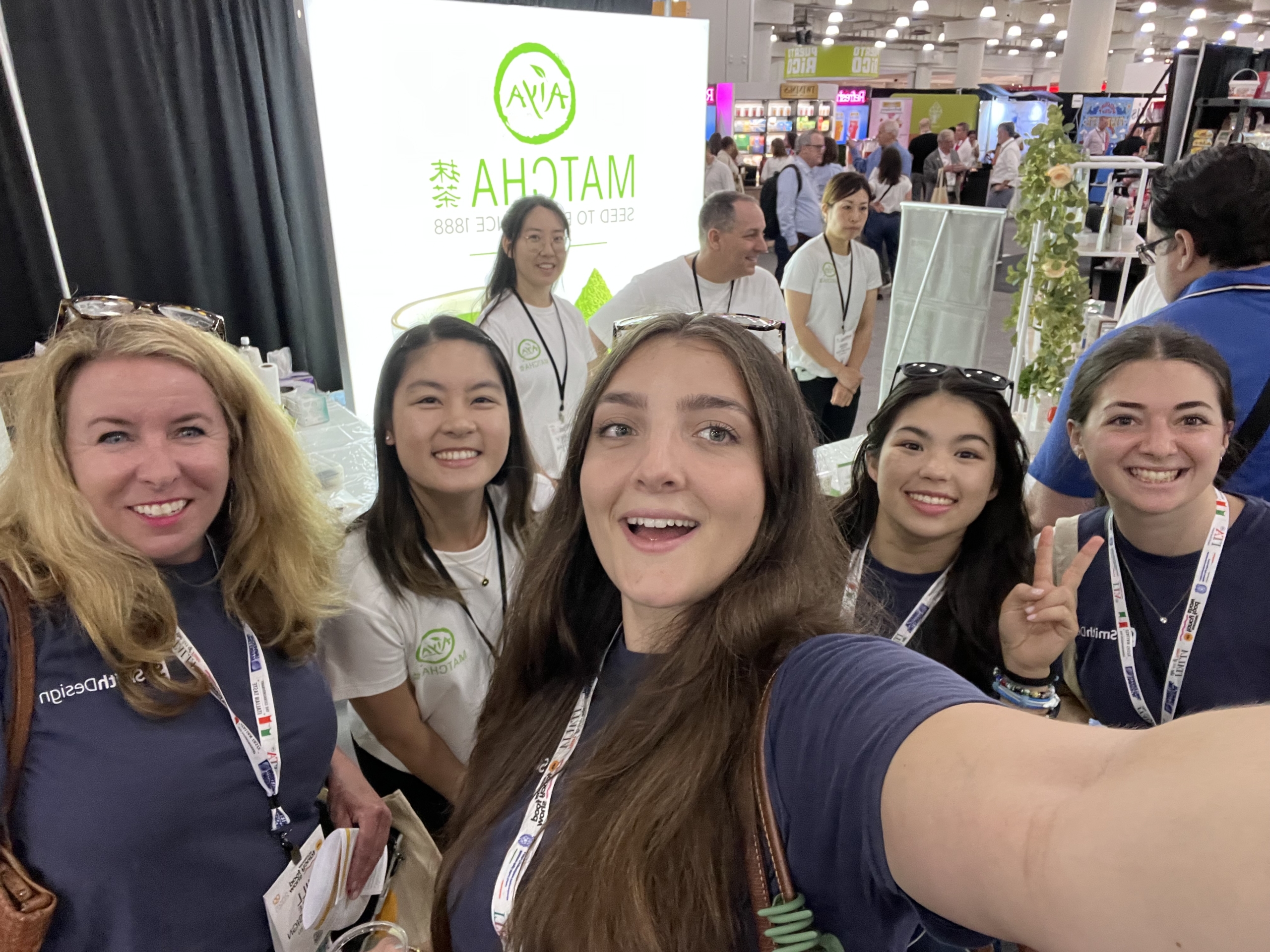
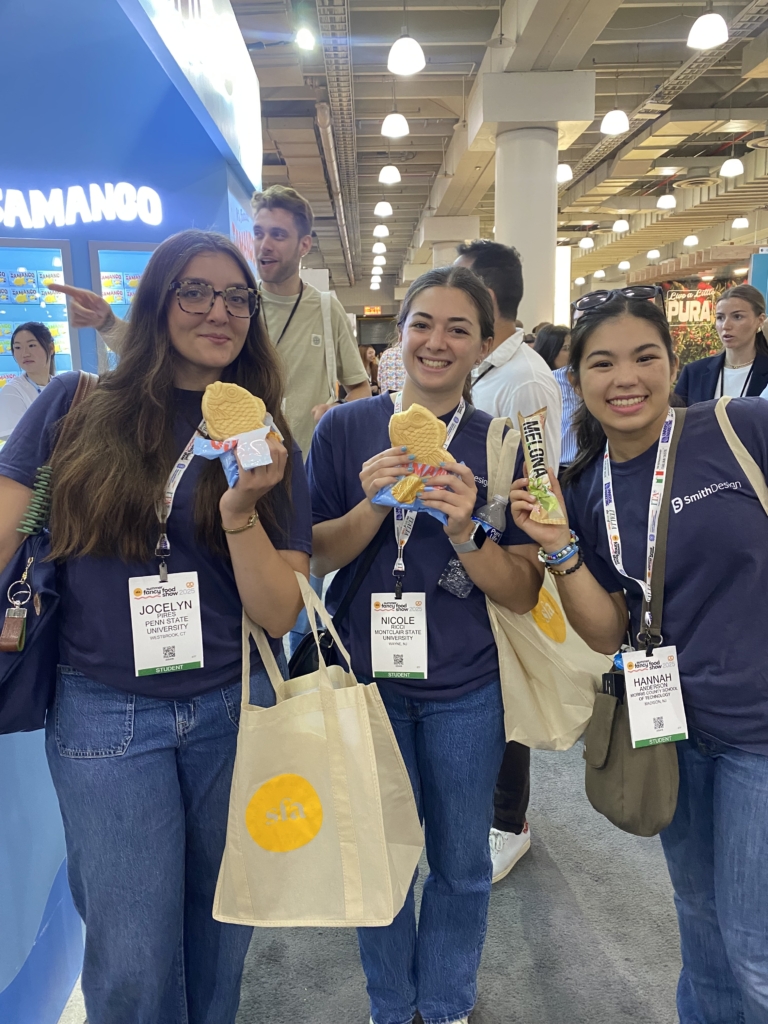
This year’s SFA Summer Fancy Food Show was stocked with delicious treats, hot new products, and over 2,500 innovative, beautifully designed, eye-catching booths. Four of Smith Design’s own were able to attend: Senior Client & Business Growth Development Manager, Jill Weible, and our three summer interns, Hannah, Jocelyn, and Nicole.
THE ADVENTURE BEGINS
We started the day by meeting up at the front of the Javits Center! Jill briefed us on our game plan and, after picking up our own special name badges, we headed to the first floor ready to stuff our tote bags full of samples to bring back to the office! With over five thousand booths to go visit, we made sure to bring our best walking shoes and prepared to fill our brains (and bellies) with a whole lot of food knowledge.
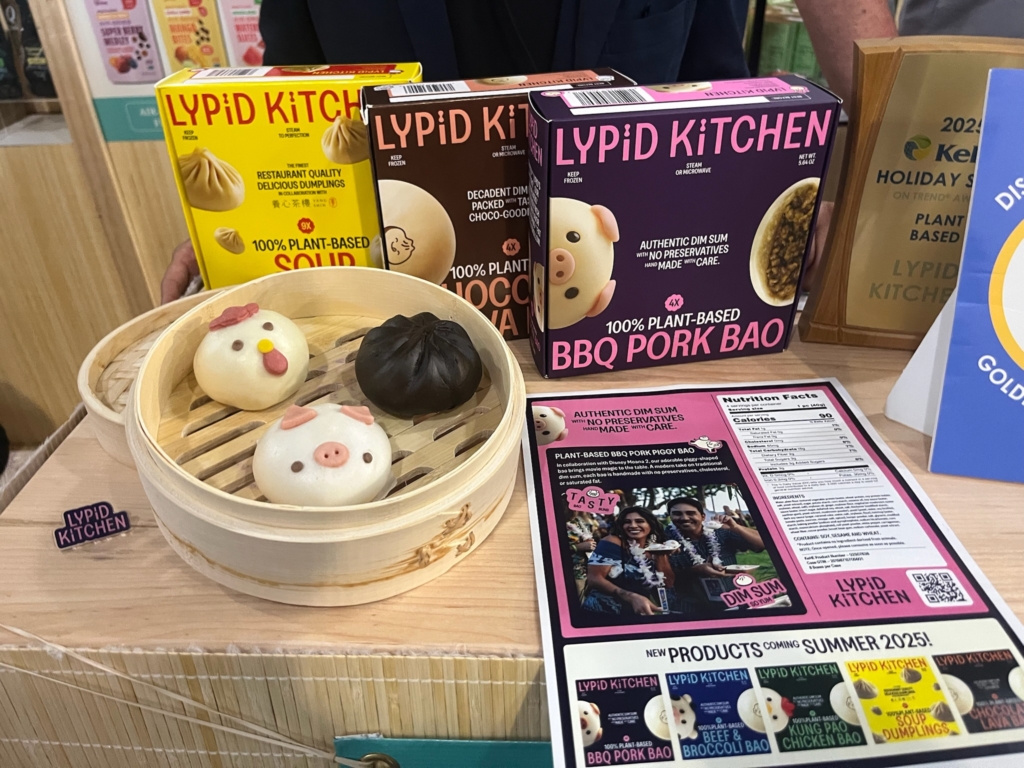
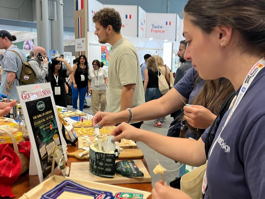
Booth by booth, we were able to see so many different foods, snacks, drinks, and desserts! Some have been around for decades, centuries even; others were brand new, fresh takes on treats we had never seen before! By talking with the diverse group of exhibitors, we were able to learn about new technologies, flavor combinations, business collaborations, and find out what is, or will be, trending now!
A SPICY KICK
There was no shortage of heat at SFA’s Summer Fancy Food Show, and we’re not just referring to the weather. Spice was one of the most popular trends among this year’s exhibitors. After prior Fancy Food Shows helped launch Mike’s Hot Honey into the stratosphere, hot honey was an incredibly popular ingredient in various products, especially marinara sauce.
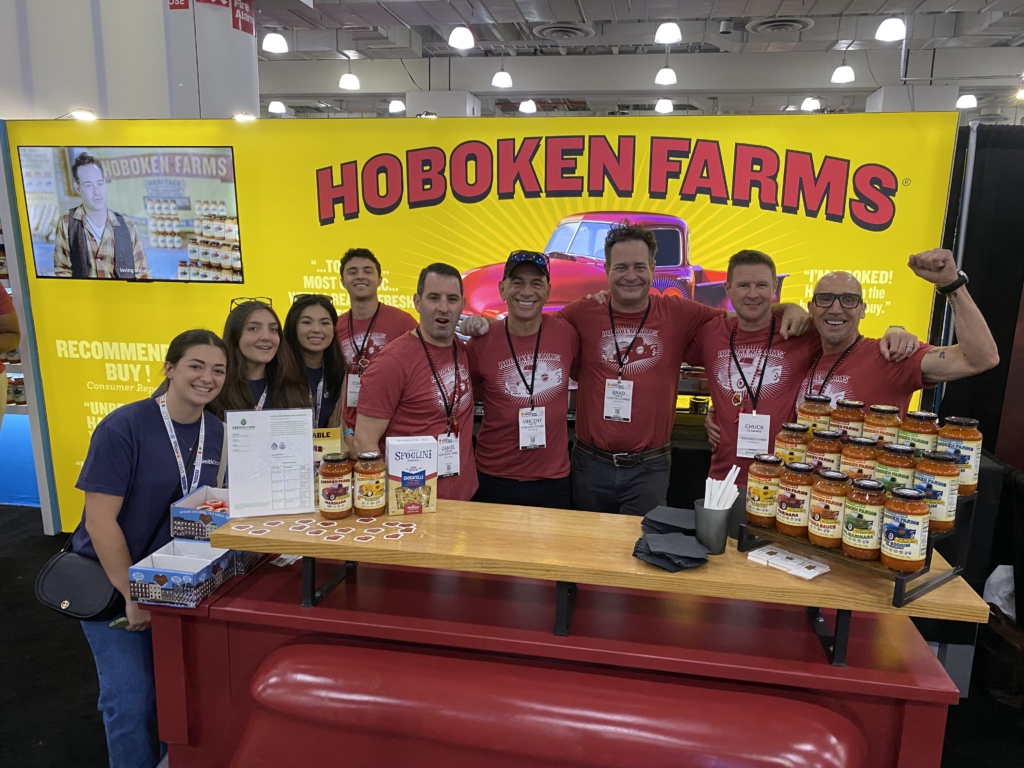
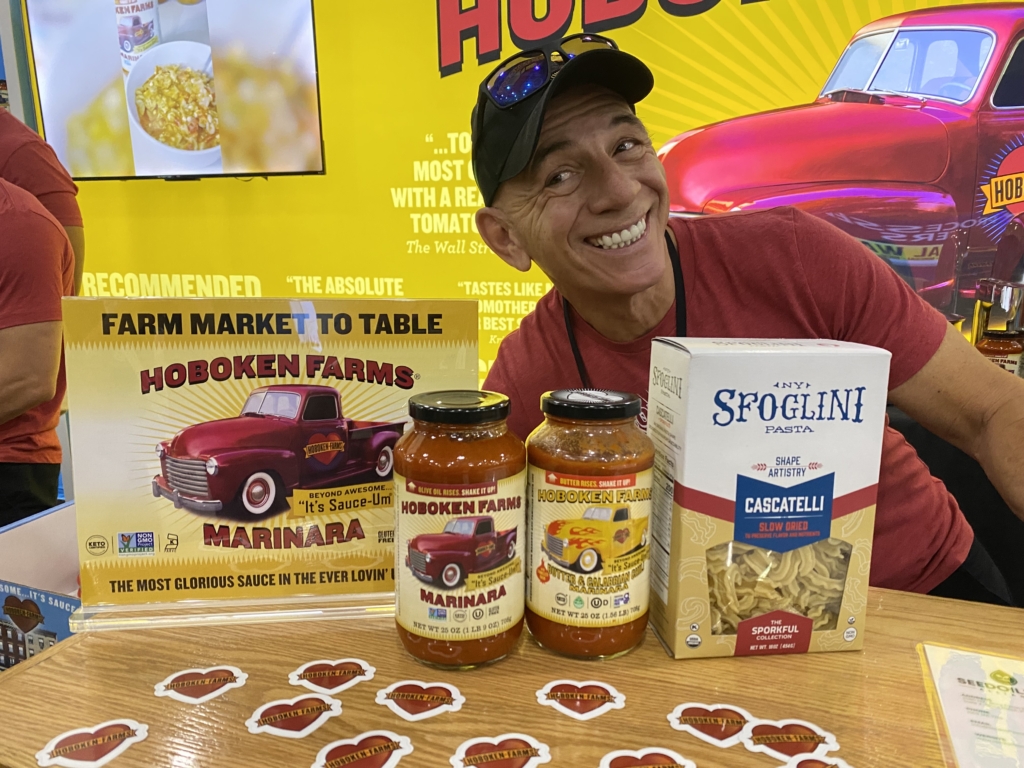
Speaking of Spice, our friends at Hoboken Farms launched a spicy, new sauce flavor – Butter & Calabrian Chili Marinara. We spent some time at their truck-themed booth watching their Yo-Yo master perform and sampling the new sauce cooked up by Brad.
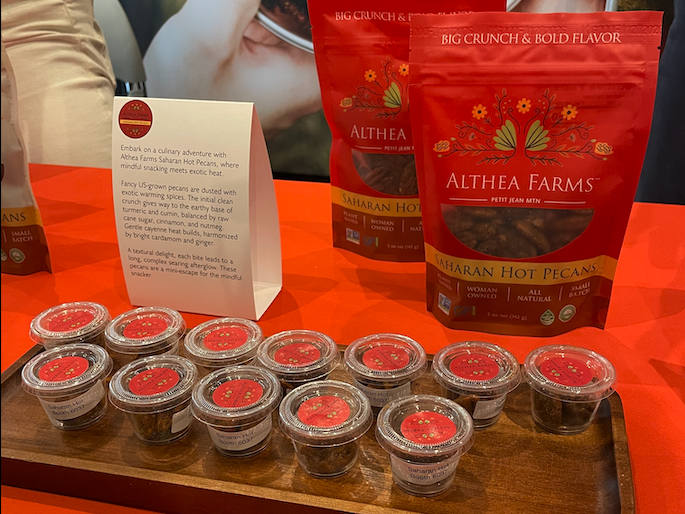
Our taste buds were on fire all day after trying everything from Saharan Hot Pecans at Althea Farms, Rondele Mango Habanero Cheese at Lactalis, the adorably designed Noodletown Sesame Noodles with Chili Crisp at Acecook, and Maazah’s fresh Cilantro Chutney sauce.
ALTERNATIVES FOR EVERYONE
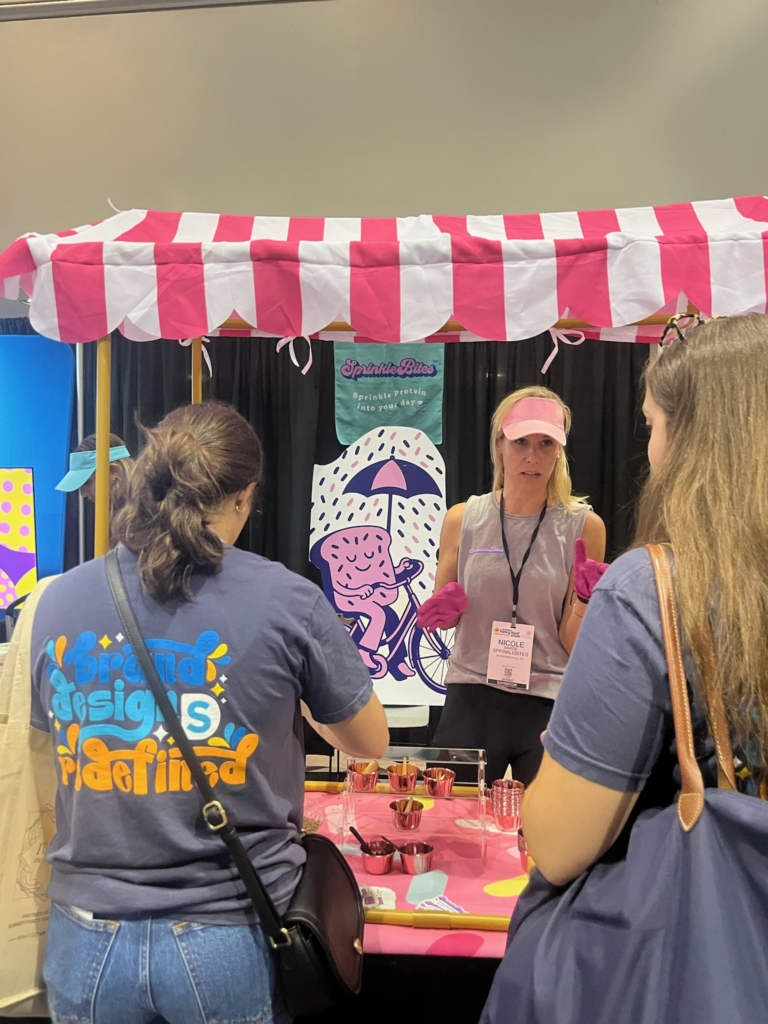
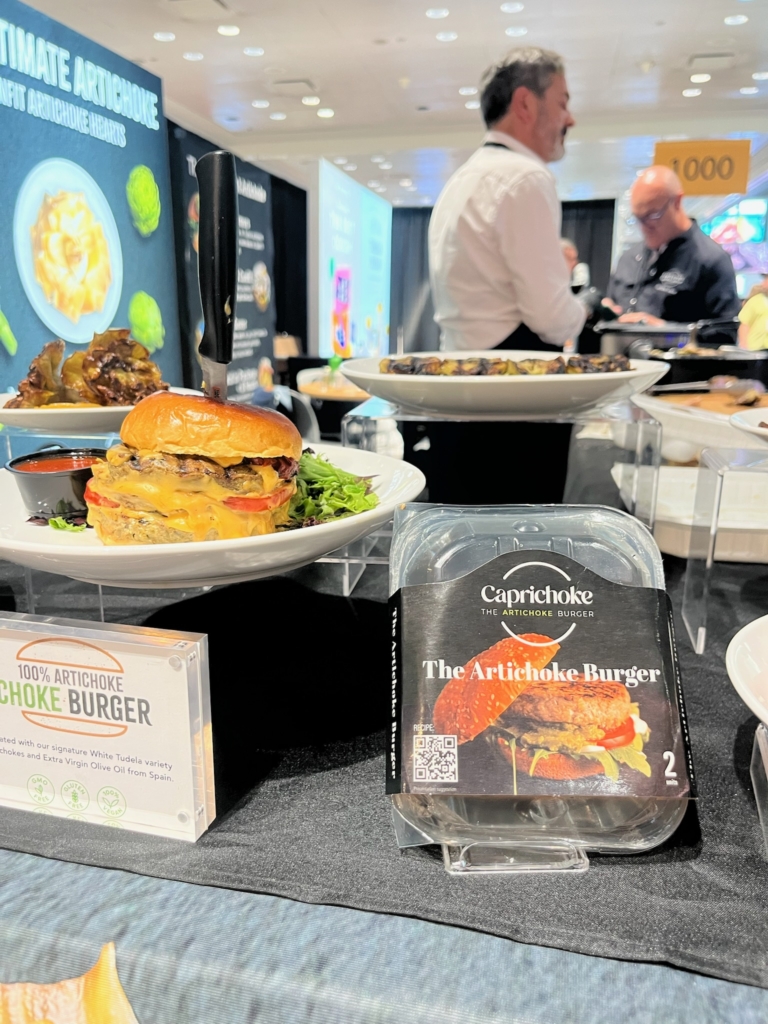
If one thing was clear at this year’s show, it’s that the food industry is in the midst of an accommodating age. We tried a huge variety of alternative products, some highlights being The Ultimate Artichoke’s artichoke burgers, Natural Heaven’s heart of palm pasta, Prime Shrimp’s shrimp burger, and Bezi Labeneh’s tangy cream cheese alternative. We even sampled protein sprinkles at Sprinkle Bites, which was one of the most innovative products we tried at the show.
In addition to offering different ingredients and regionally-inspired flavors, many of the alternative products were also created to accommodate health and dietary preferences. These packages were sprinkled with claims of being high in protein and fiber and low in fats, sugar, and carbs.
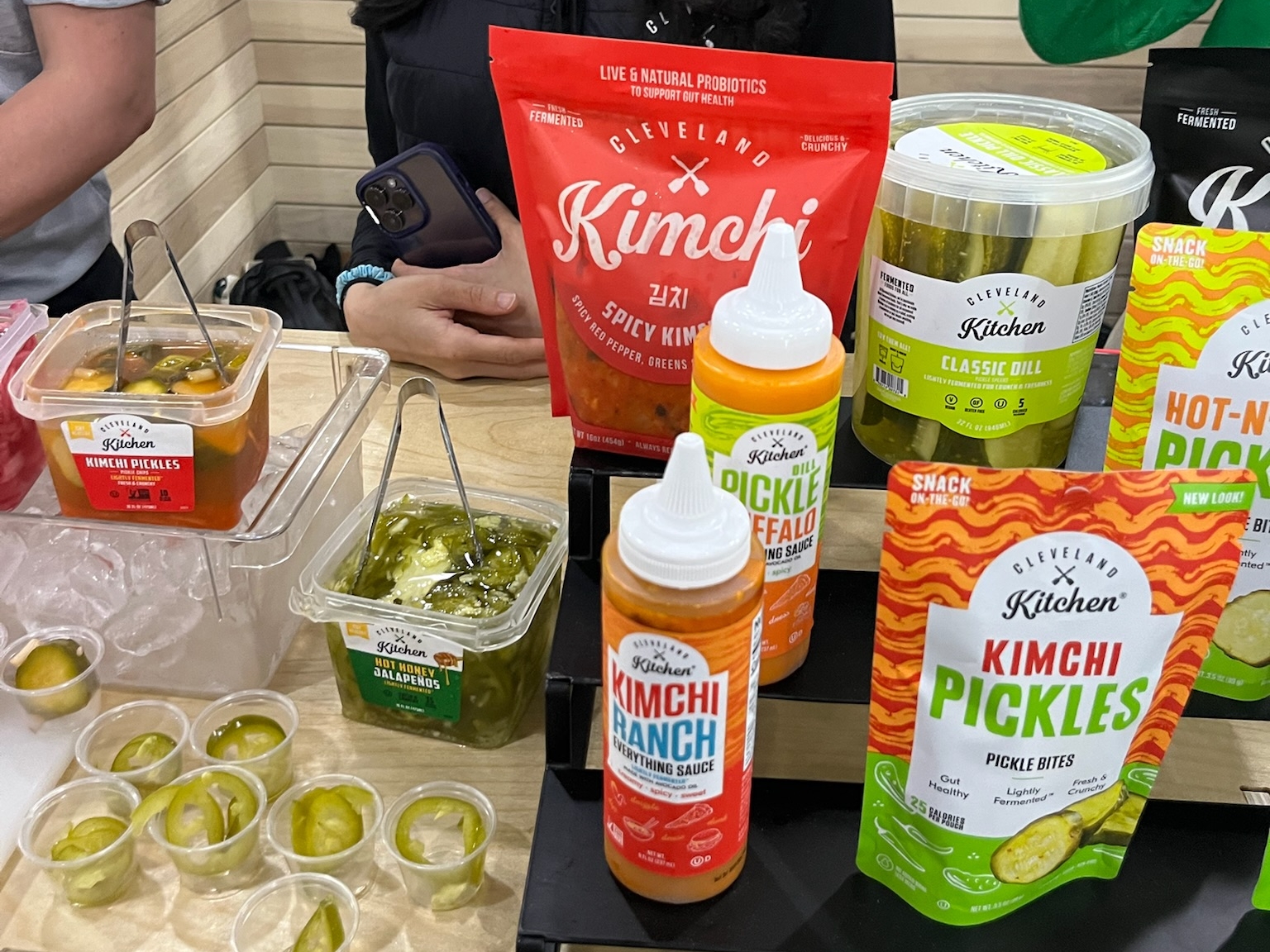
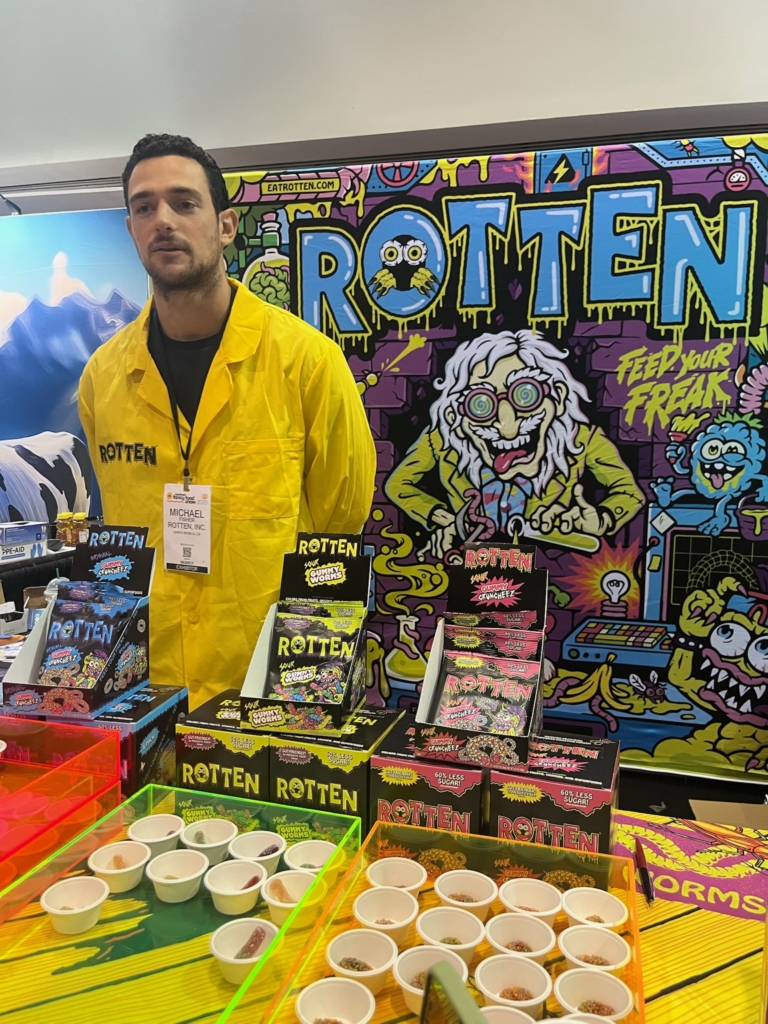
Continuing on with the health theme, another major trend we noticed at Fancy Food was the abundance of products highlighting the inclusion of prebiotics. Visiting “Rotten Candy”, a new brand that ironically produces healthier alternatives to classic gummy candies, felt like stepping into a mad scientist’s laboratory with their neon, nostalgic illustrations. We sampled their unbelievable gummy candies that also happened to be packed with prebiotics and offer 60% less sugar than leading gummy brands.
EASE & CONVENIENCE
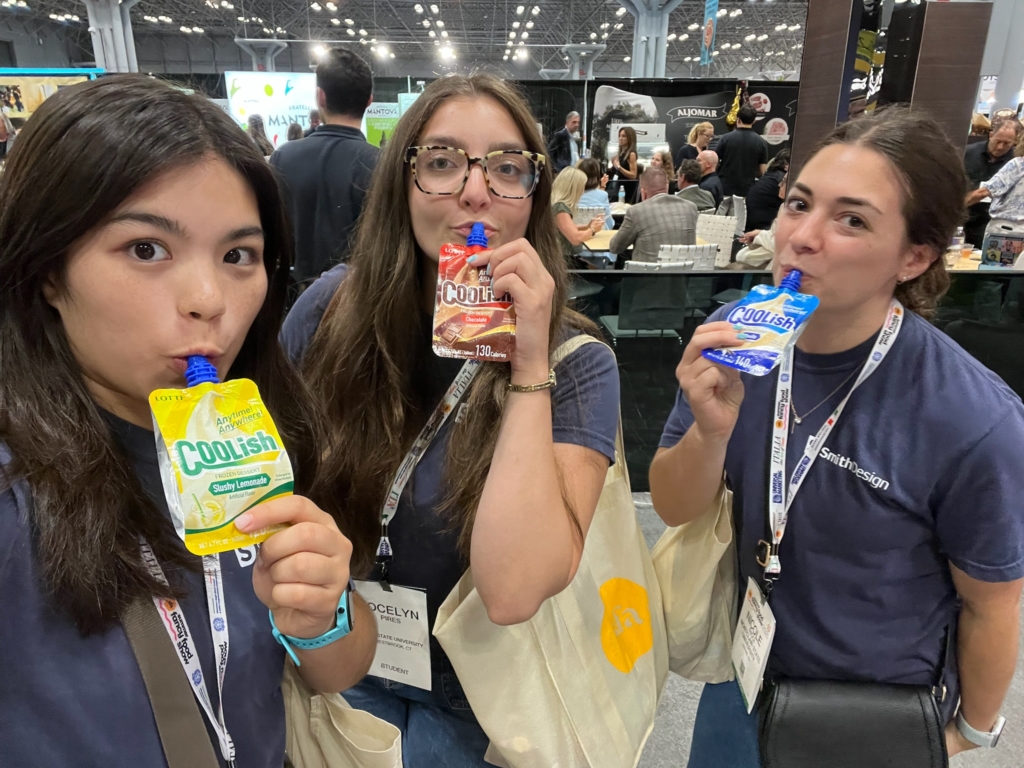
One of our favorite micro-trends we observed was convenient, on-the-go packaging. We also saw lots of individually packaged snacks with portioned servings. Lotte’s Coolish Frozen Desserts came in squeezable pouches, bringing all the fun of ice cream, without the drippy mess.
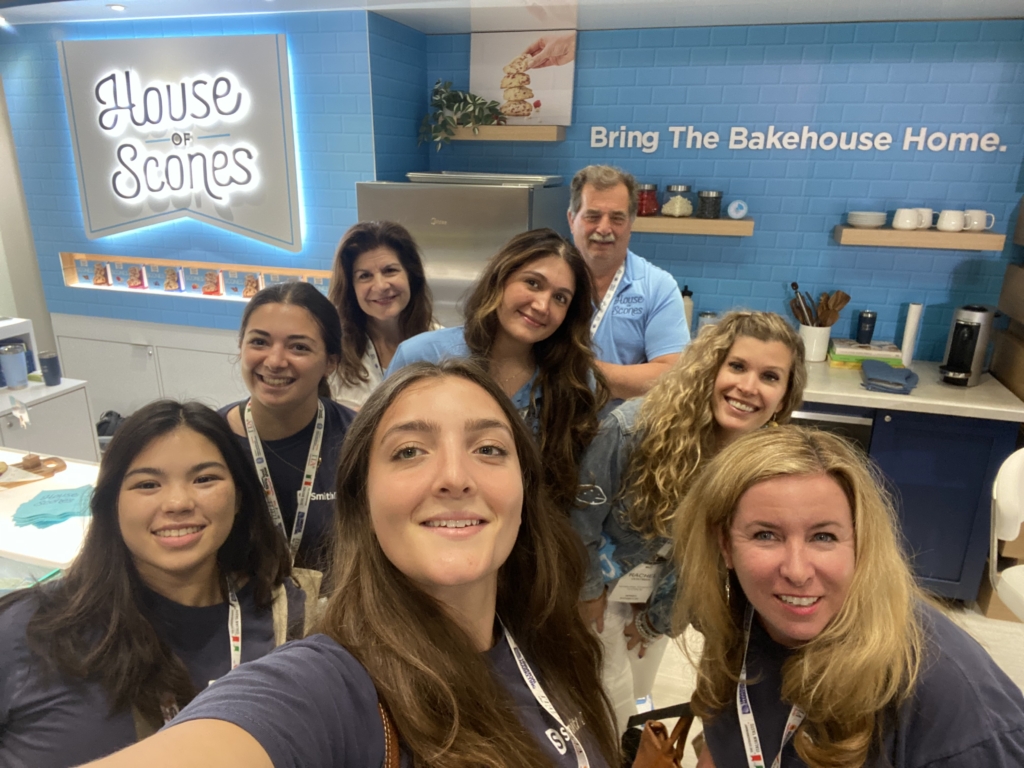
Many brands introduced new products offering a gourmet flavor experience at home. King Arthur Baking Company was serving fresh, hot biscuits straight from the oven with strawberry rhubarb jam and melted butter using their Buttermilk Biscuit Flour Blend. We also enjoyed visiting House of Scones, sampling their delicious scones and seeing Smith Design’s polished branding and package designs on display. These brands and their standout products offered a thoughtful cooking and eating experience, in addition to their delicious taste.
RAINBOW OR REFINED?
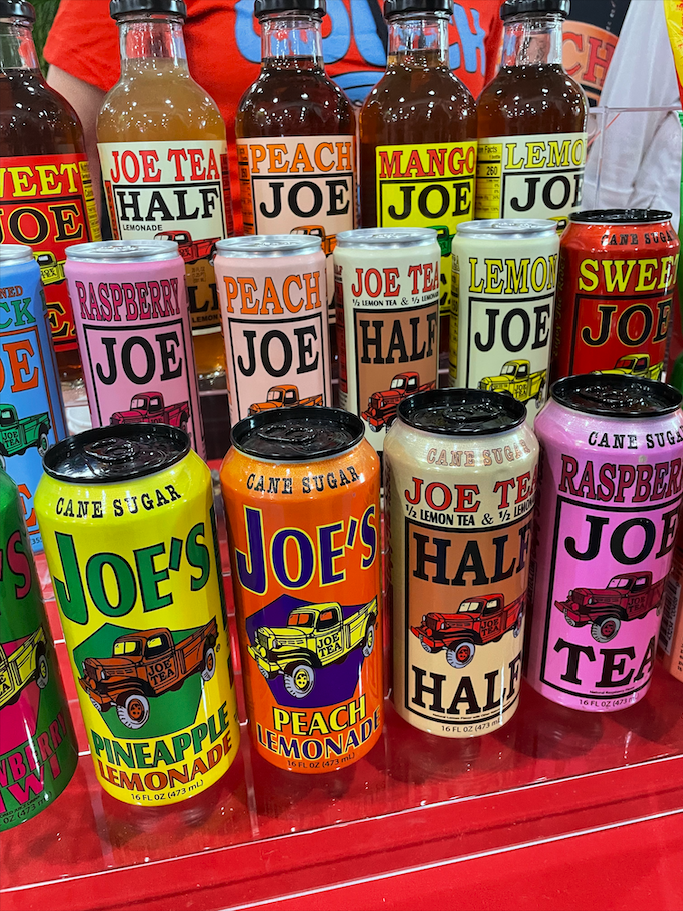
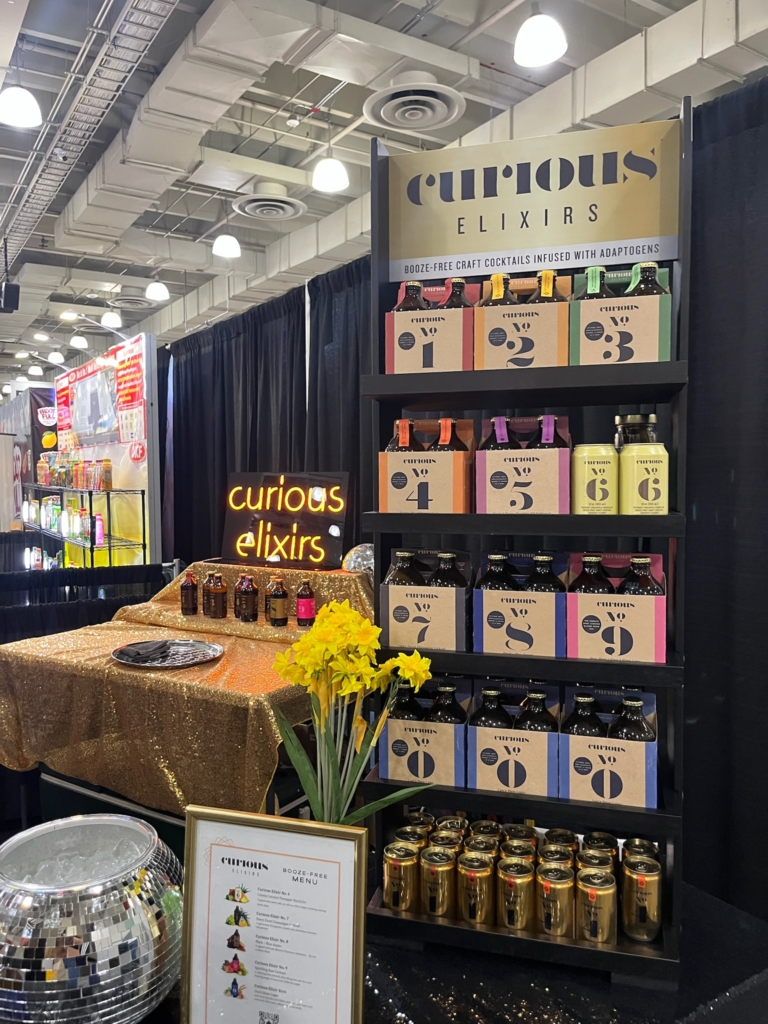
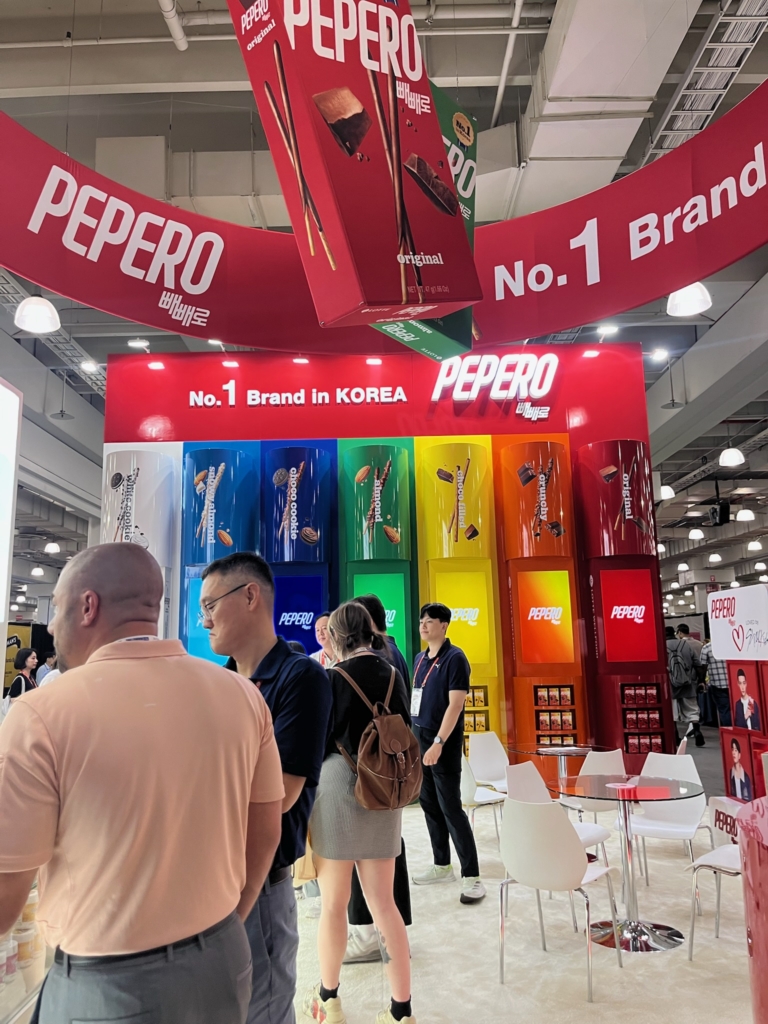
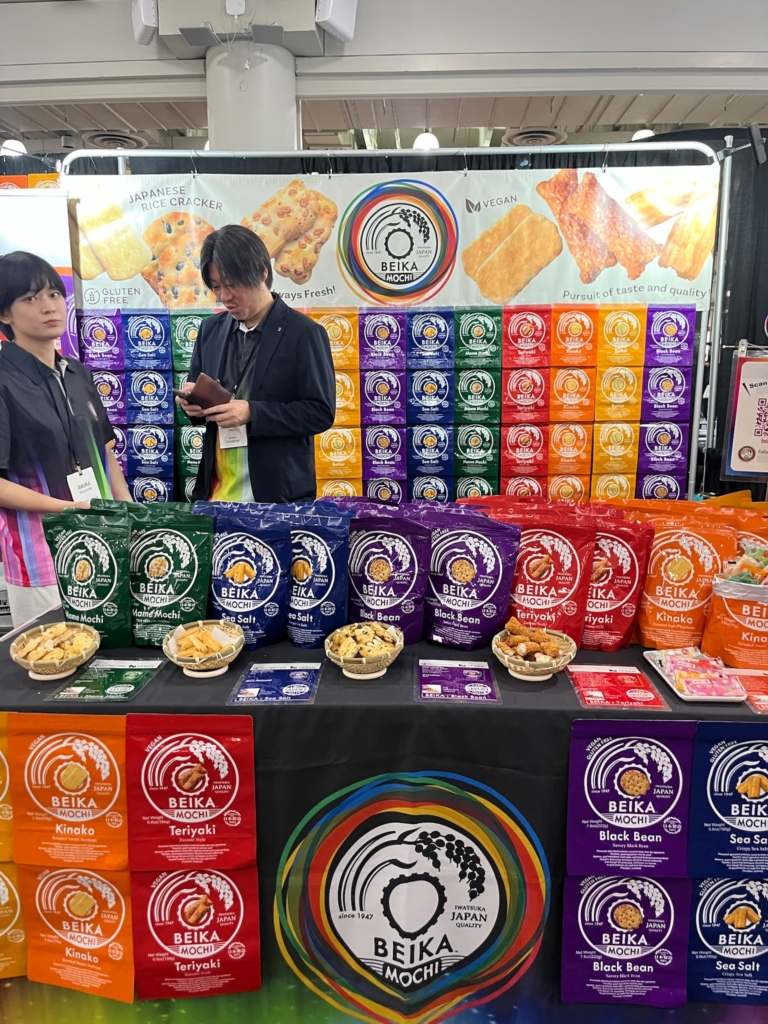
Rather than sticking to a particular brand color, many brands have been leaning into the rainbow aesthetic. These brands remain anchored by their wordmarks and logos, with different rainbow shades for every flavor. Curious Elixirs, Joe Tea and Pepero were standout booths because of their punchy, multi-colored packaging.
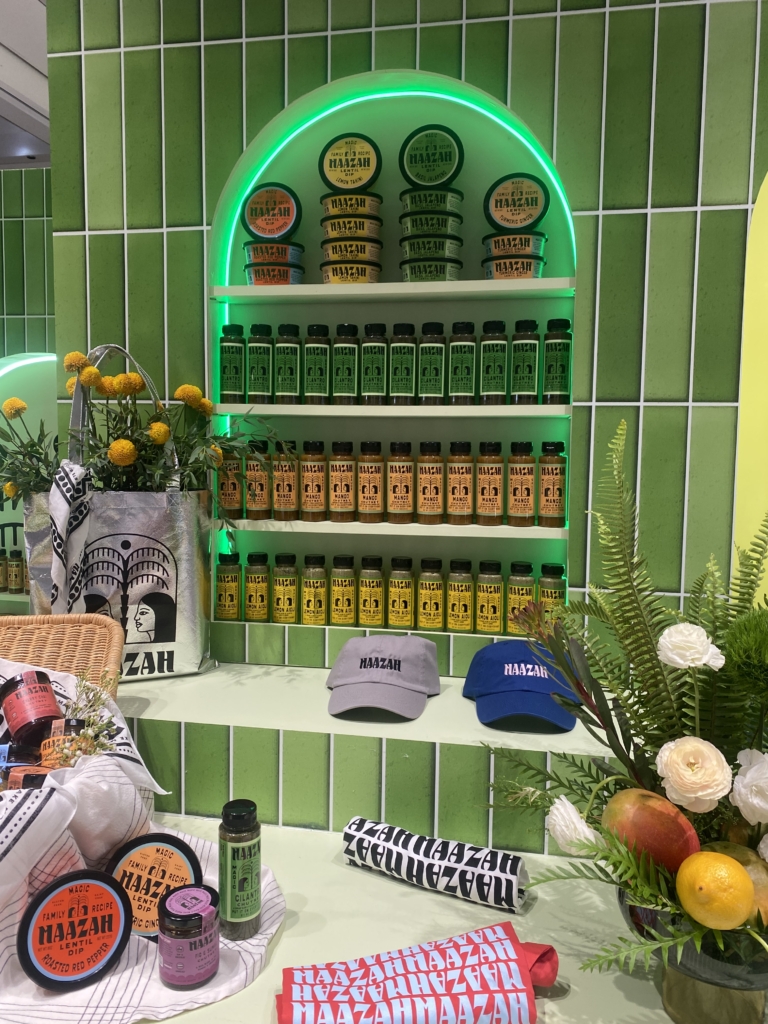
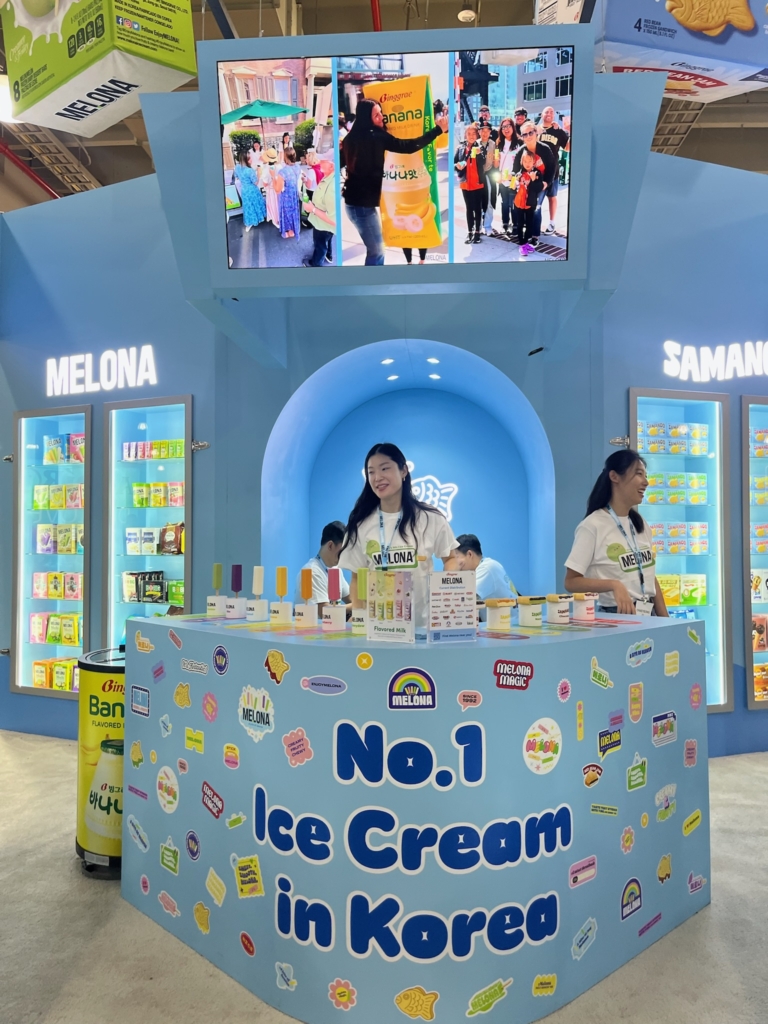
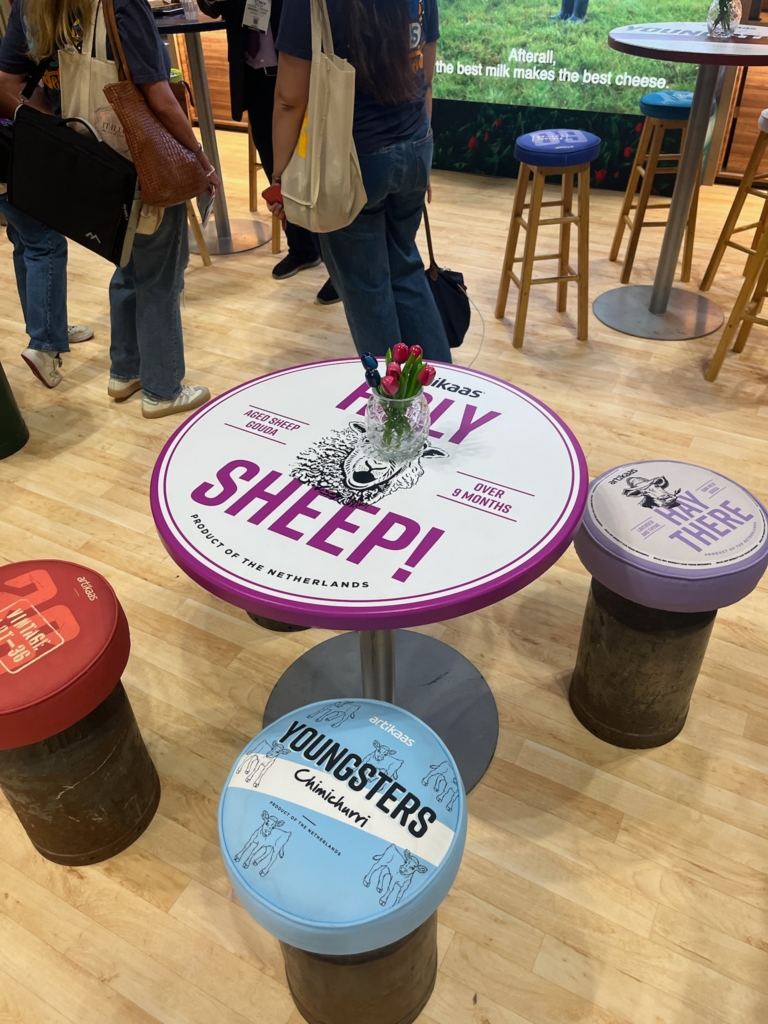
Monochromatic color schemes could be equally effective for some brands. We loved Melona’s icy blue booth, tricked out with neon signs and colorful stickers, which perfectly complemented their Taiyaki Ice Cream sandwiches. Artikaas leaned into the “cheesy” theme, their tables and barstool cushions adorned with their clever cheese wheel designs. Maazah’s soothing, green-tiled booth felt like an oasis in the chaos of the Javits Center. Their chutneys and lentil dips were tasty paired with a full charcuterie spread.
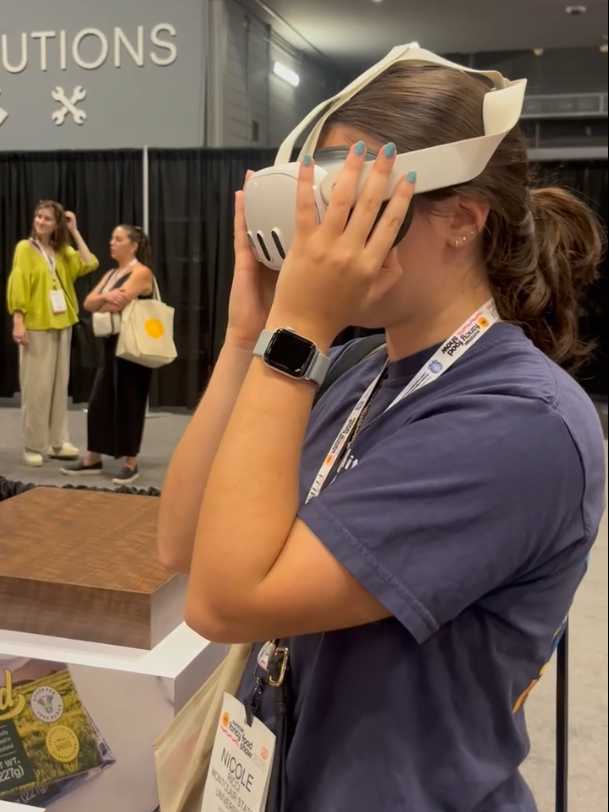
Highlights: – Visiting our clients and seeing their fabulous booths and new product innovations – Learning the stories behind products – Josephine’s Cookies, history of Twinings – Westgold VR headset – we could almost taste the grass! – Ornate tinned fish – Sprawling charcuterie spreads – Easting samples 😉
There was so much to see and do at the show. We learned so much and will cherish this experience forever. We were able to see how much work goes in behind the scenes to get the products we use and eat every day to the shelves and left the center inspired and ready to apply our newfound knowledge in our work.
After a long day at Fancy Food, we made our way back to New Jersey with overflowing totes, satisfied appetites, packed camera rolls, and even a brand-new pizza board. Here’s to another great year at SFA’s Summer Fancy Food Show!
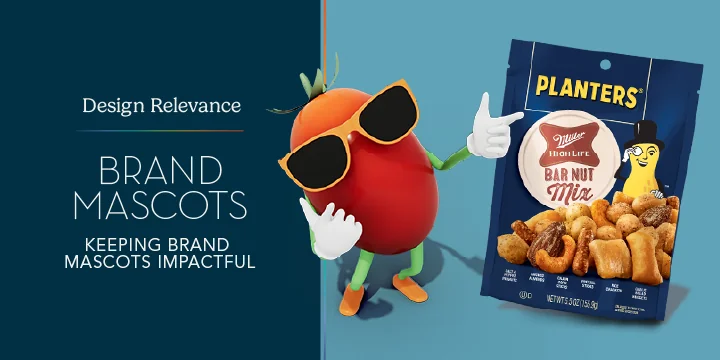
In an era of fragmented attention and fast-moving trends, brand mascots can no longer rely on nostalgia alone but must be actively designed for relevance. Driven by shifts in consumer behavior, digital marketing strategies, and the rise of parasocial relationships in online culture, they have evolved dramatically from static product icons to dynamic social media personalities.
As influencer culture grew in popularity, marketers recognized the value of authentic content and forming emotional connections with their audience. A mascot helps a brand cut through the noise, standing out using humor, sarcasm, or irreverence while still being “on brand.” Even better, because they’re not real people, mascots are flexible digital assets that can respond to trends quickly and don’t need costly influencer contracts. They become nimble, multi-platform brand representatives capable of driving engagement, merchandising, and emotional connection.
Mr. Peanut and The Jolly Green Giant
Smith Design worked with some long-standing mascots, notably Mr. Peanut and the Jolly Green Giant, helping to evolve their presence on packaging and social media.
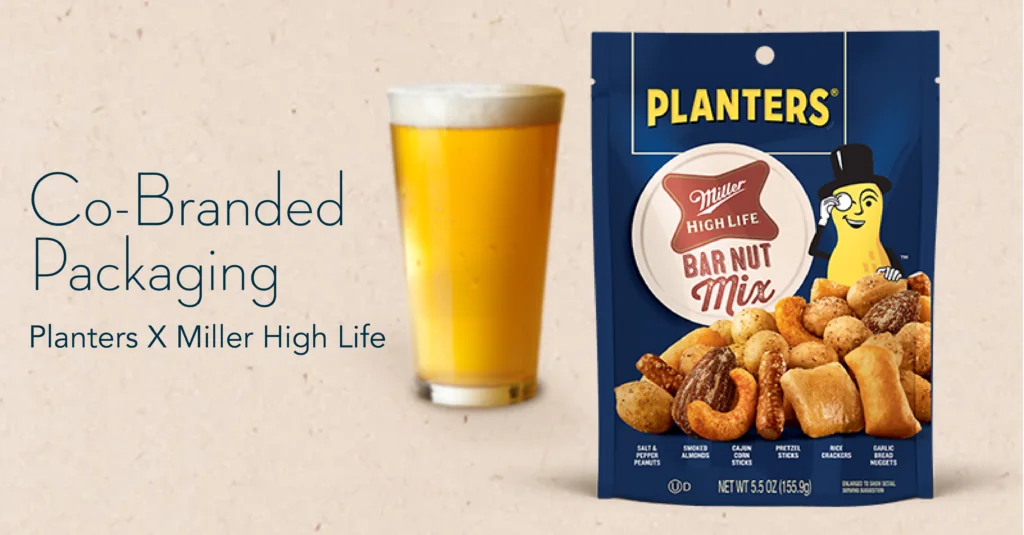
We created the cobranded visual identity and shot the food photography for the Mr. Peanut × Miller High Life Bar Nut Mix, a campy and clever collaboration between two century-old brands that appealed to Millennials and Gen Xers who appreciate retro-kitsch, especially regarding their favorite snacks.
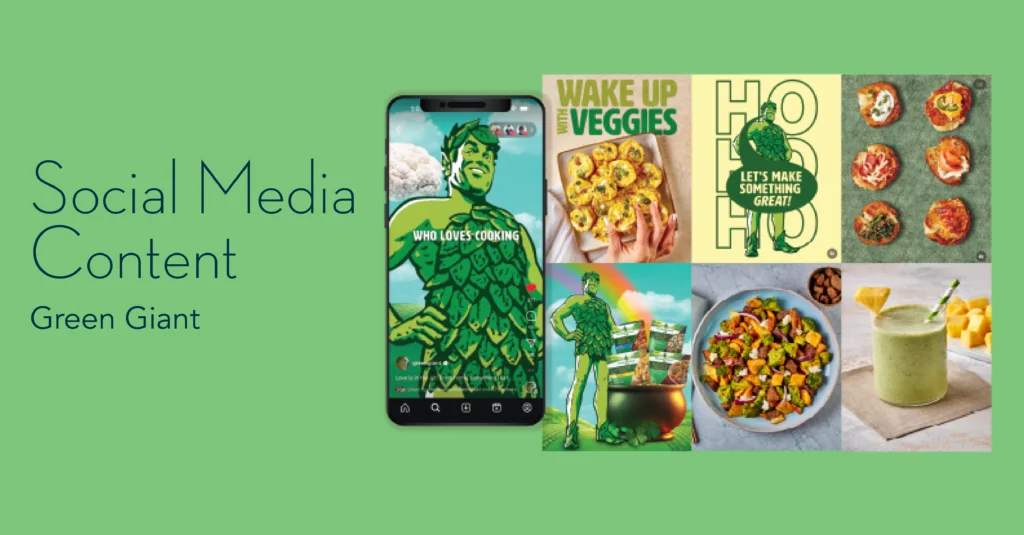
In creating content for Green Giant’s social media, Smith Design focused on posts that allow the Giant to participate in social media trends while retaining his strong, silent persona. One trending post jumped on the “looking for a man” trend and proved one of the brand’s most popular posts. Audiences recognized the trend and appreciated the nod to pop culture.
A Tomato is Born: Designing a Character That Works
Today’s mascots have human-like quirks, backstories, and even relatable drama. Think Duo, Duolingo’s sassy owl, known for chaotic shenanigans like sending threatening reminders to keep up with learning streaks, flirting with celebrities, dancing in public, and office antics.
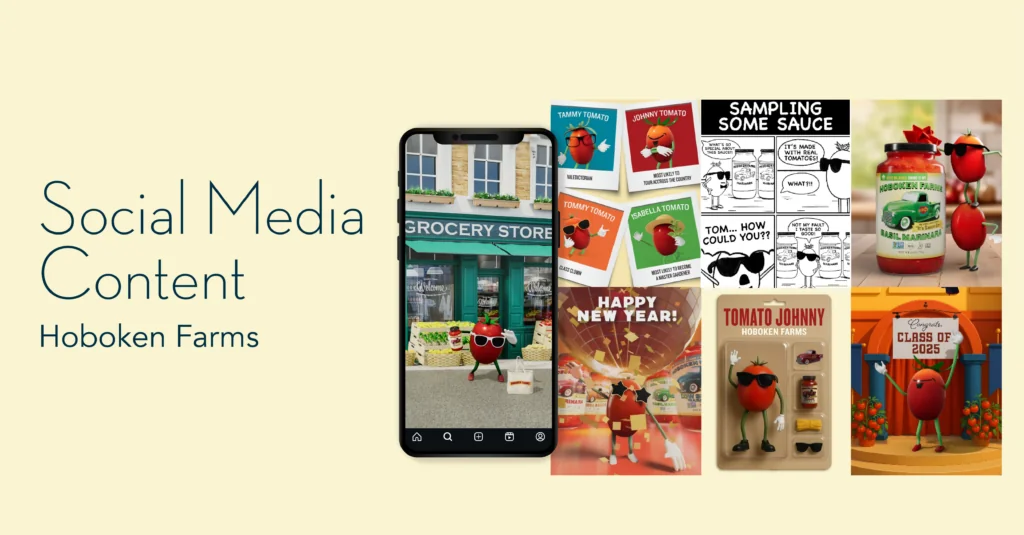
Smith Design embraced the opportunity to create character-focused, relatable, organic social media content for sauce company Hoboken Farms. The brand had no pre-existing mascot in this case, but Smith made a band of unofficial mascots to breathe fresh air into their social media content.
Consequently, a quartet of anthropomorphized Roma tomatoes have become “regulars” on the brand’s social media feed. They’ve gone dancing for New Year’s Eve, announced grocery store partnerships, and even graduated college. As 3D animated representatives, they’re easygoing and adaptable to the task.
And when Smith creatively pivoted them to participate in the popular AI “action figure” trend, they spawned personalities of their own, complete with signature accessories representing each of Hoboken Farms’ four varieties of sauce. Tammy, Tommy, Johnny, and Isabella Tomato are now a part of the sauce’um Hoboken Farms gang, and we’re excited to see what they do next!
If you’re looking to give your brand a representative, an enhanced voice, or even a little extra charisma, let’s chat. At Smith Design, we have vast experience in working with heritage brand mascots as well as inventing fresh, new characters that truly stand out. Whether you’re envisioning a cheeky character, a clever sidekick, or a mascot with undeniable swagger, we’re here to help your brand make a lasting impression. Let’s create something that gets noticed and keeps people talking.
Record Growth of the U.S. Hispanic Population will transform both CPG Brand Offerings and Marketing Strategy
According to the U.S. Census Bureau data, the Hispanic population, which is expanding at a faster rate than non-Latino population in the U.S., is expected to grow to 26.9% by 2060. Hispanics’ flavorful and multicultural cuisine preferences continue to have more influence on the American food landscape. The exposure to more Hispanic cuisine in the U.S. opens exciting avenues for CPG brands to showcase authentic cuisine and flavors while reaching a broad consumer base. Let’s explore how brands can leverage culinary heritage and innovation to resonate with Hispanic audiences and beyond.
Food Traditions Create Meaningful Connections
Many brands are leaning into authenticity to build stronger relationships with Hispanic consumers. Food often plays a central role in family traditions, cultural celebrations, and everyday moments of comfort. These experiences help create lasting emotional connections, making certain flavors and brands feel deeply familiar and meaningful across generations. This is where culturally rooted branding becomes especially powerful by honoring heritage while resonating with modern consumers.
The Holanda Case Study: Cultural Authenticity with Broad Appeal
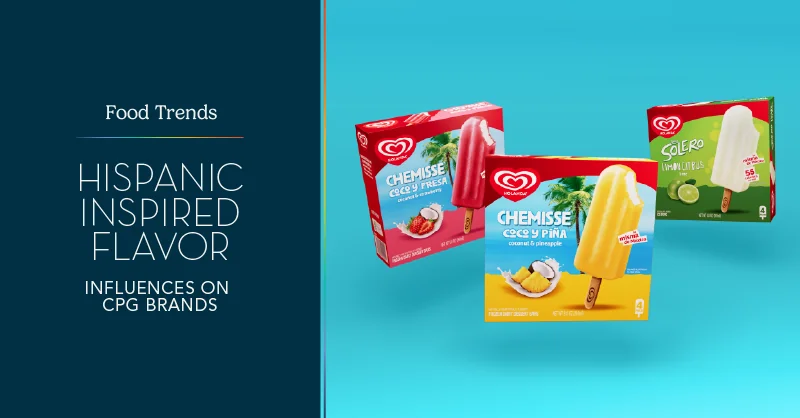
One standout example of culturally rooted branding is Holanda, a beloved Mexican ice cream and novelty brand that recently partnered with Walmart for an exclusive U.S. launch aimed at appealing to a broad Hispanic consumer base. Holanda relied solely on packaging, without advertising support, to capture attention in Walmart’s freezer aisle.
Holanda teamed up with Smith Design to create the packaging. Familiar brand elements were thoughtfully adapted for the U.S. market. Smith Design enhanced the Holanda logo with brighter colors and a distinctive outer shape to maximize shelf impact. Spanish was used as the primary language on the packaging, with English in a secondary role, reinforcing the brand’s cultural authenticity and honoring its Mexican heritage.
This approach helped Holanda form a meaningful connection with Hispanic shoppers, including those who may not have grown up with the brand but recognize and value its roots in Mexico. At the same time, the packaging intrigued non-Hispanic consumers looking to explore authentic international flavors.
Holanda’s packaging strategy demonstrates how effective design can convey tradition and cultural relevance while remaining accessible. By emphasizing its origins and maintaining core brand elements, Holanda celebrates cultural pride and authenticity while resonating with a diverse U.S. audience. The brand’s success underscores the power of intentional design and heritage-driven storytelling. Find out where to get Holanda Novelties, click here!
Celebrating Hispanic Flavors in Different Channels
Adding flavors and spices can enhance foods and attract consumers who love more vibrant and tangier Hispanic-influenced flavors.
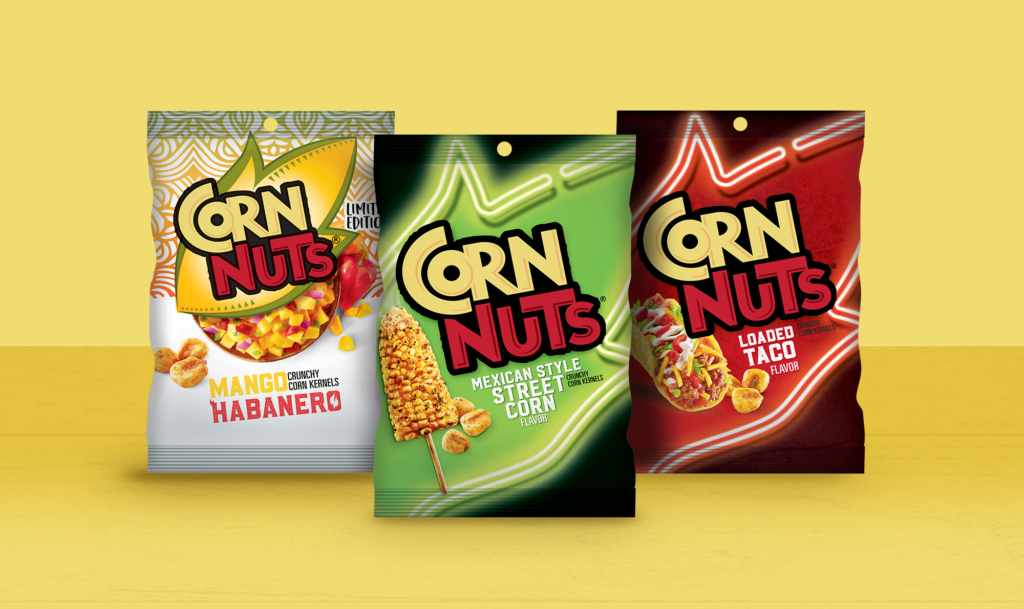
In the snacking channel, Hormel Foods has recently launched two new Mexican-inspired additions to its CORN NUTS® brand: Mexican-Style Street Corn and Loaded Taco. Packed with crunchy goodness and popping with flavor, these snacks appeal to consumers seeking bold, crave-able tastes. Smith Design created vibrant packaging that not only catches the eye but amplifies the excitement behind the products. Read more about these products, check out Innovation at its Crunchiest featuring CORN NUTS®.
The beloved Tajin® Brand seasoning has truly taken off as a flavor enhancer and is now trending as a margarita rimmer. Tajin® has also collaborated with several brands, including condiments like Hellmann’s Chili Lime Mayonnaise Dressing and breakfast items such as Pop-Tarts with Tajin seasoning and fruity Chamoy sauce. There seem to be no limits to which channels can offer more spice and Hispanic-influenced flavor!
A Flavorful Future for CPG Brands
The integration of Hispanic cuisine and flavors in the U.S. reflects a cultural journey that will continue to enrich America’s culinary landscape. With products that honor heritage, offer authentic flavors, and appeal to diverse tastes, brands have an exciting opportunity to resonate with a growing Hispanic population and a broader market. For CPG companies, the path forward is clear: embrace the diversity within Hispanic cuisine, create products that celebrate tradition, and invite all consumers to experience the depth of Hispanic flavors. By aligning with consumer interests and honoring cultural significance, brands can build lasting connections and unlock a world of flavor possibilities across a wide variety of channels.
Whether you’re a designer or a brand marketer, this blog offers insights that can help you harness the power of Visual Generative AI. Maximize agility with faster turnaround times and cost efficiency with “GenAI”.
AI has rapidly evolved from a niche area in computer science into a transformative force across various industries, particularly graphic design. Visual GenAI enables machines to perceive, interpret, and act on visual data similarly to how humans do, but the implications of this technology extend far beyond mere image recognition.
GenAI – New Developments
The recent conversations surrounding GenAI focus on developments in AI image synthesis such as Firefly, Runway, DALL-E, Midjourney, and Flux, which have accelerated automated creativity.
The integration of GenAI in graphic design has evolved from basic automation tools to sophisticated generative systems, significantly impacting the creative process by streamlining repetitive tasks, generating design ideas, and enhancing image manipulation, allowing designers to focus more on conceptualization and high-level decision-making.
The future of AI in graphic design likely includes even more advanced customization, personalized design experiences, and the ability to seamlessly integrate diverse data sources into visual outputs, further blurring the lines between design and data analysis.
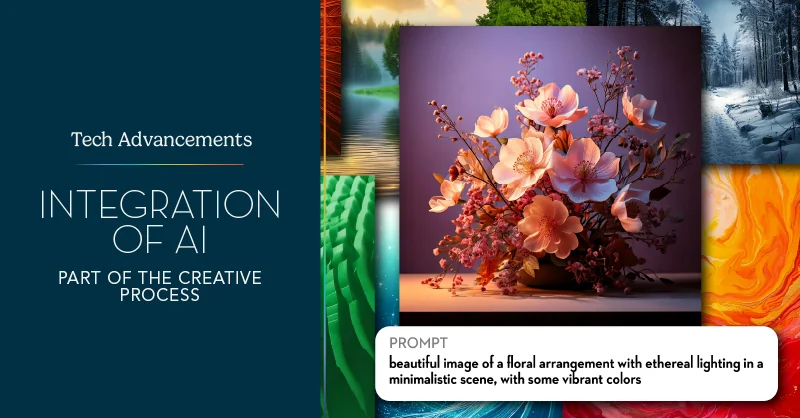
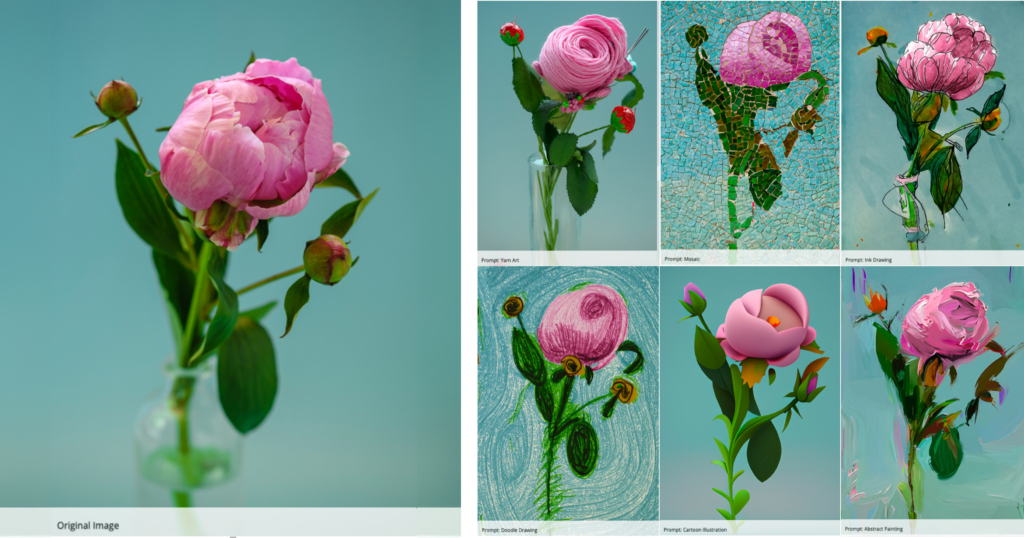
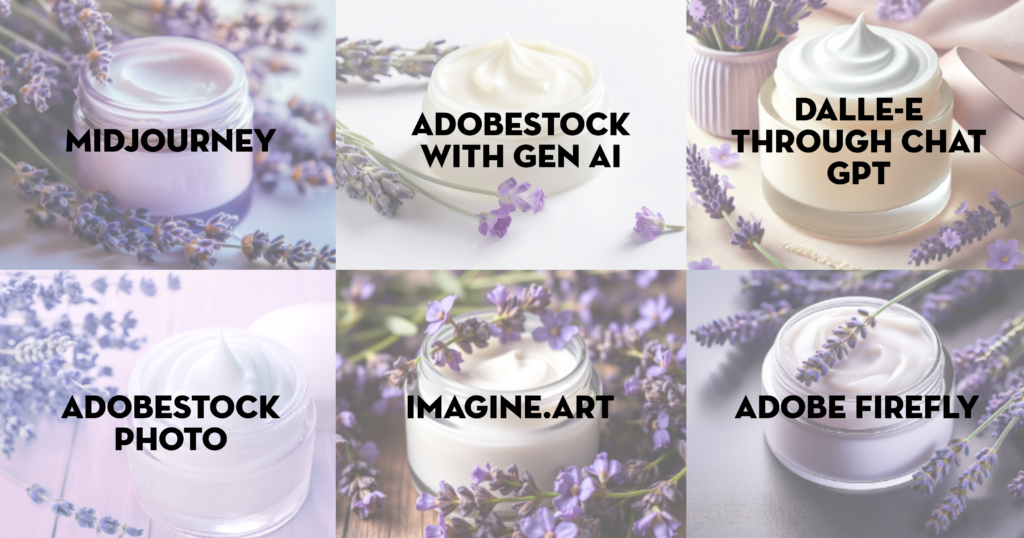
Guess Which Images Are Made With AI?
Stay tuned for the answer revealed further down in the blog…
GenAI – Governance
In mid-October Smith Design sent three representatives to the Adobe MAX 2024 conference in Miami Florida. They returned with a wealth of new knowledge, including how Adobe is paving the way for GenAI governance by implementing content credentials and using only permitted content. Adobe takes responsible innovation in the age of GenAI very seriously. Their leadership positioning and commitment to thoughtful AI innovation is an example for other GenAI development models. A diverse Adobe AI Ethics Review Board oversees training, testing, and the review process to ensure accountability, responsibility, and transparency. Click here to learn more about our learnings from the Adobe Max conference: https://smithdesign.com/blog/adobe-max-2024-recap/
With an everchanging landscape, the GenAI risk and governance stakeholders in different organizations will need to diligently oversee the responsible use of GenAI by mitigating potential biases, security threats, and ensuring safety and ethical practices.
Drive Efficiency and Enhance the Creative Process Using AI as a Tool
As we are weeks away from entering the last year of Q1 in the 21st Century, several key trends converge to reshape the industry. Advancements in machine learning, natural language processing, and computer vision are driving these trends, making AI more accessible and powerful than ever before. Designers who embrace these technologies will equip themselves to meet the demands of an increasingly digital and personalized world in the 21st century Q2 and beyond.
Think of the process of using AI as spit balling ideas, image swipe sessions, or post-it sketch storms with your team, during the beginning phase of design. How might you use AI to generate ideas, or use it in your workflow?
You can use AI to:
Enhanced Creative & Visual Briefs: Generate unique design concepts that designers may not have considered. AI can assist designers in providing fresh perspectives to spark creativity.
Efficiency and Speed: Quickly generate designs or concepts, significantly reducing turnaround times. This speed can be crucial in meeting tight deadlines.
Customization: Tailor designs based on specific prompts, enabling a high degree of personalization.
Cost-Effectiveness: Streamline the design process, especially for preliminary concepts and prototypes, making it more affordable than traditional research methods.
Exploration of Styles: Mimic various artistic styles and genres, allowing designers to experiment with different looks and feel without needing to master each style individually. AI programs enhance efficiency and creativity by quickly generating ideas and automating repetitive tasks. It can also help with style references, material reference, consumer types, objects, materials, conveying idea/context, design language, packaging types, photography language, etc.
Consistency: Maintain design consistency across various projects by adhering to predefined style guidelines and parameters.
Accessibility: For those without advanced design skills, or the ability to verbally communicate their vision, AI tools can provide a way to create professional-looking designs with minimal expertise.
Data-Driven Insights: Analyze trends and patterns to inform design decisions.
Experimentation: Assist in testing and iterating on multiple design concepts quickly, helping designers find the best solution without extensive manual effort.
Support for Collaboration: Facilitate collaborations by providing a shared platform where team members can generate and refine design ideas together.
And now for the answers!
Conclusion
As AI continues to advance, its impact on graphic design and marketing will only grow. By integrating these technologies into their workflows, designers can unlock new levels of creativity and efficiency. The future is bright for those willing to embrace the possibilities that AI brings to the table.
Want to learn more about how to successfully navigate using AI as a tool for inspiration and efficiency? Fill out the form below to be one of the first to receive our more extensive white paper that is in development. Please add that you are interested in the GenAI white paper.
Smith Design also offers Educational Seminars where we host webinars and live or streamed events on trending topics. Please fill out the form to connect and to learn more.
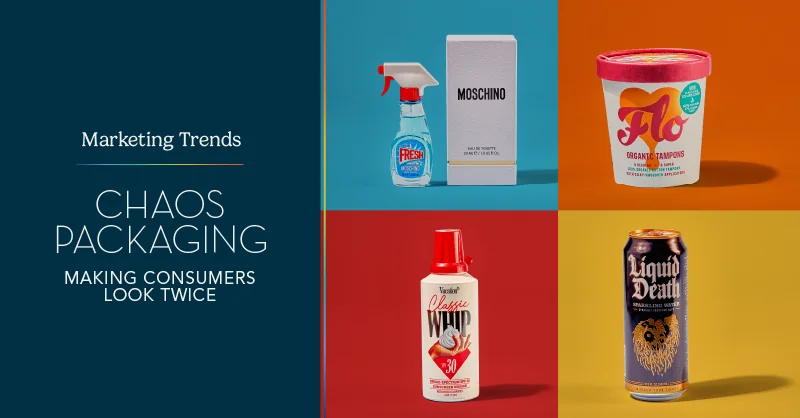
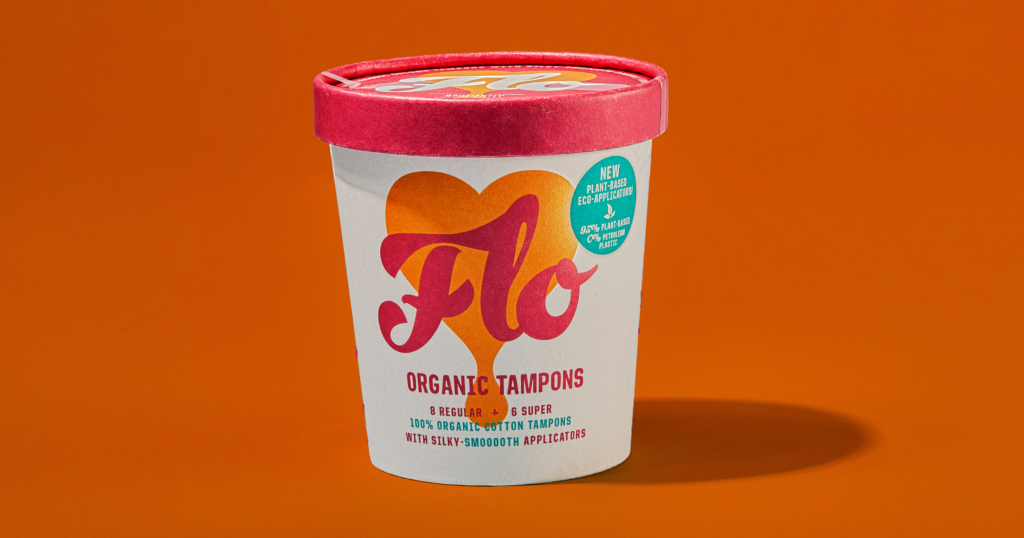
In today’s world of retail, consumers crave uniqueness, surprise, and a touch of rebellion – and the latest packaging trend, aptly called “chaos packaging,” brings all these elements to the forefront. Chaos packaging, a phenomenon that continues to gain traction on TikTok and recently spotlighted by The Wall Street Journal, embraces an unorthodox approach by selling products in containers that are unconventional to their category. Think tampons packaged in what looks like ice cream containers or water in tallboy cans traditionally used for beer. This outlandish packaging taps into our curiosity and challenges the norms of what packaging “should” be, prompting many to wonder: How far will this trend go, and what could be next?
Small Startups Disrupt the Shelves
The chaos packaging trend began with small startup brands that, due to limited budgets, needed to stand out against larger competitors. Without funds for extensive advertising, these companies had one primary promotional tool – their packaging. Rather than using conventional packaging that might get lost on shelf, they adopted surprising, playful forms, and in many cases, they used stock packaging to keep costs down. By placing their products in non-standard containers, these brands caught the eye of consumers in a shockingly fresh and economical way.
Influencers Fuel the Chaos Packaging Craze
Social media influencers continue to play a significant role in amplifying chaos packaging. This past summer, the Vacation brand sunscreen went viral. This sunscreen packaged in a whipped cream container really whipped up a frenzy of social posts!
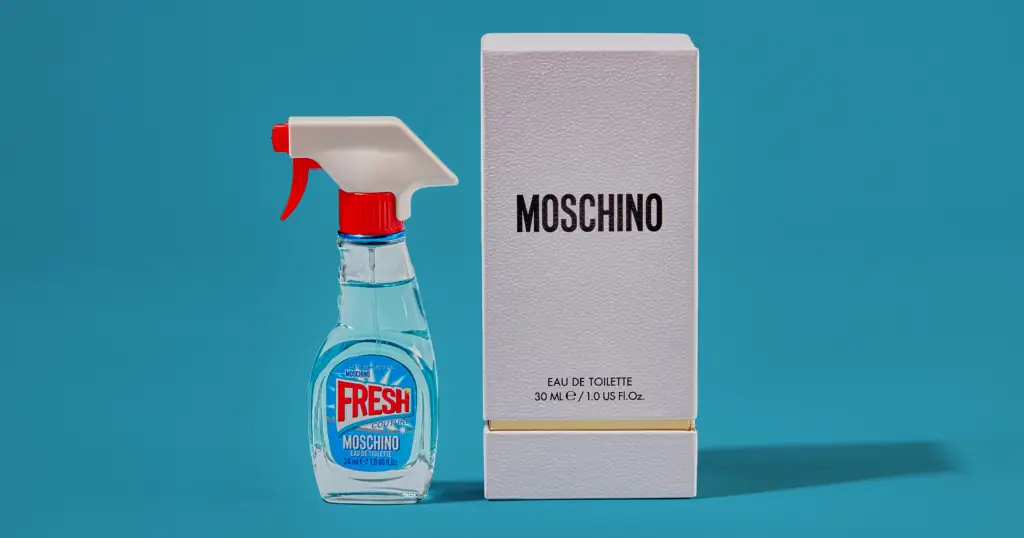
Another standout example comes from Moschino, a perfume brand beloved by influencers. The perfume’s outer box appears plain, but inside, the bottle resembles a surface cleaner’s trigger spray bottle – an unexpected twist that shocks and delights.
A Mini Bit of Nostalgia
The Moschino perfume’s packaging may remind Gen Z and Gen Alpha of the “mini-brand” and “unpacking” trends that flooded YouTube in the past decade. Videos of unboxing surprise toys, mystery eggs, and miniatures sparked fascination and surprise, a sentiment chaos packaging now revives. In a news segment about chaos packaging that recently aired on a Philadelphia station, one of the news anchors stated that the Moschino brand is like the answer to Gen Z growing up. Brands actually become mini-brands!
What’s Next for Packaging Trends?
With chaos packaging capturing attention, the natural question is: What’s next? The idea of a “surprise element” in packaging has deep roots in consumer culture, from cereal box toys to Happy Meal surprises. As brands look for the next big thing, candy and personal care sectors may continue to experiment with innovative shapes and formats, perhaps pushing the boundaries further than ever.
Consider the rising trend of using tackle boxes for candy storage or the popularity of unusual shapes and vessels in beauty stores like Sephora and Ulta. As a medium, packaging is transforming into an experience itself, inviting consumers to interact, play, and share their finds with friends and followers.
Sustainability Meets Chaos: A New Frontier
As brands push the envelope with chaos packaging, sustainability remains a crucial priority for all packaged goods. Both CPG companies and packaging manufacturers are researching and innovating with eco-friendly packaging options.
An example of sustainable packaging innovation is the in-mold labeling (IML) technology for plastic containers. With the IML manufacturing process, the labels are fused to the containers, allowing for easier recyclability because the packaging is a single material. Yogurt cups, primarily made with IML packaging, could inspire chaos packaging in unexpected categories. Imagine beauty products such as face masks or an exfoliator sold in yogurt containers! IML yogurt cups can also be used as packaging for foods in the snacking category, from dried fruits and nuts to chips and dips.
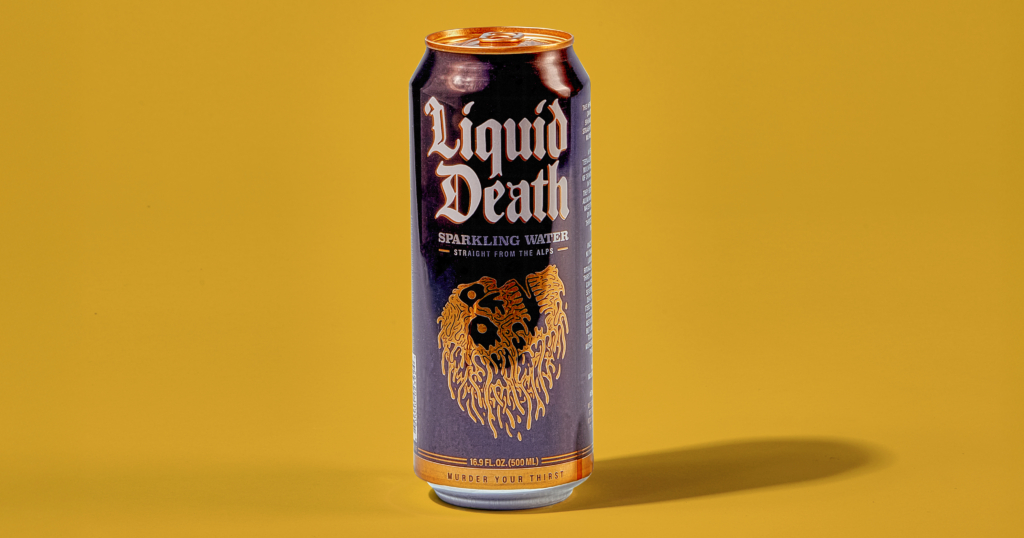
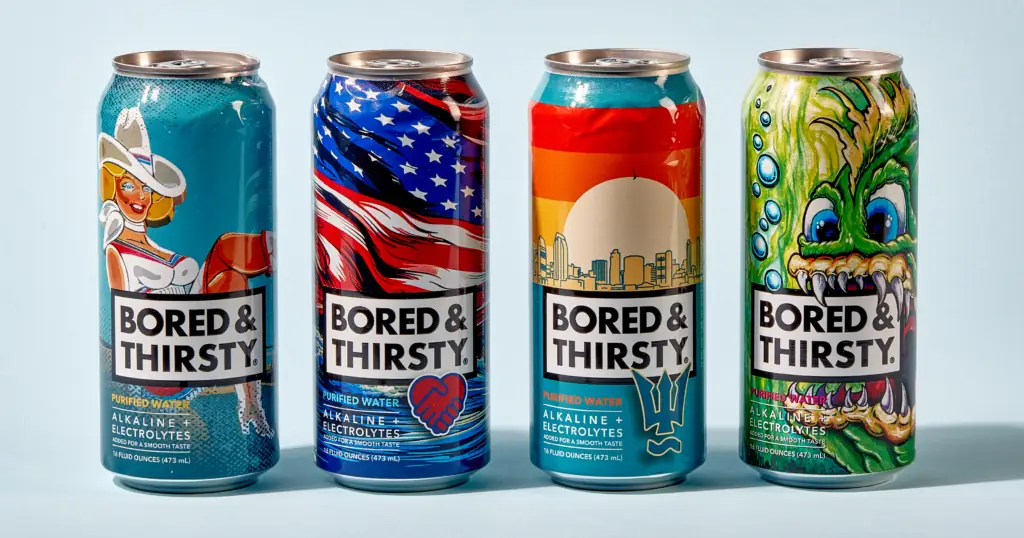
Aluminum is perhaps the most sustainable material on earth as it is highly recyclable. A current trend we observed is water being packaged in aluminum cans. As previously mentioned, Liquid Death water is pretty disruptive as it looks like beer in an aluminum tall boy can. Another fun example of water being packaged in cans is Bored & Thirsty water which has a plethora of wild designs with one consistent simple and clean logo. These designs allow the consumer to make a statement as they enjoy their water!
The future and evolution of packaging, if not chaotic, then certainly fun and sustainable
The chaos packaging trend signals a shift in consumer expectations, with brands redefining traditional forms. As brands innovate, there’s no telling how far they’ll take this trend and how packaging will evolve. Consumer packaging will continue to be a canvas for creativity, tapping into consumers’ love for surprise, fun, and perhaps even a bit of nostalgia – all while adapting to a more sustainable world.
Looking for ideas for your brand’s packaging?
You have come to the right place for inspiration, creativity, and brand strategy!
At Smith Design, we continue to research and immerse ourselves in trends and solutions across different categories. We’d love to hear from you!
Please fill out the form below with your contact information, and we will schedule a consultation.
Designing meaningful products and experiences for kids carries unique challenges, and this has never been more true than for “Generation C”, the millions whose early formative years have been defined by living through the pandemic.
Despite the hardships of the last year, Gen C have proven themselves to be remarkably resilient. Whether it’s getting back up after a skinned knee, learning to read facial expressions under a mask, or even making friends over Zoom, there is no doubt that this cohort will continue to adapt and thrive in the post-pandemic world.
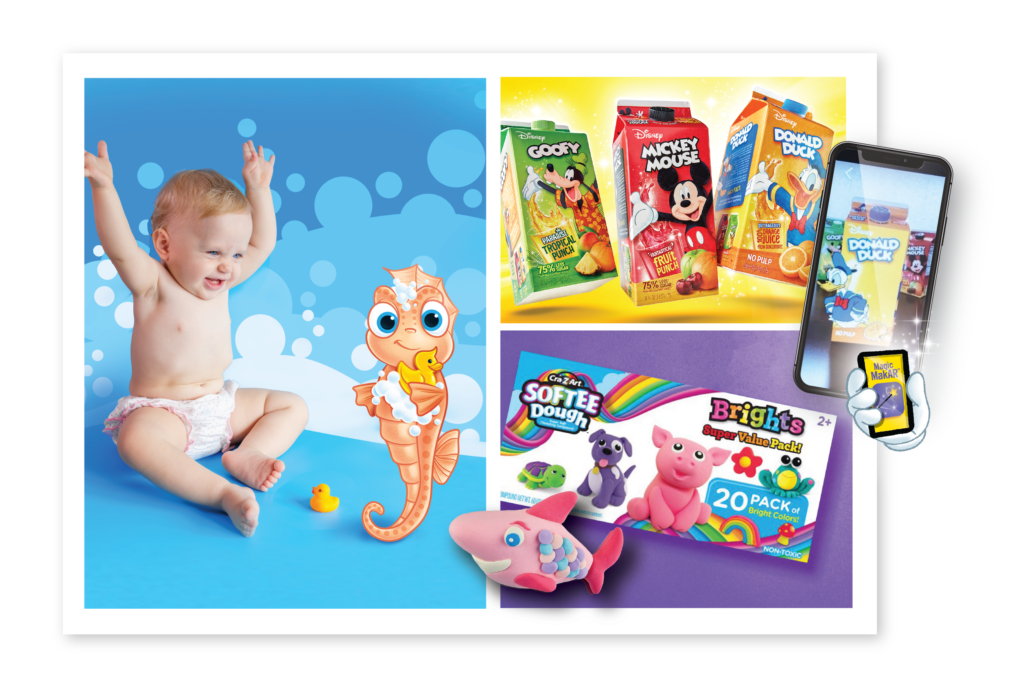
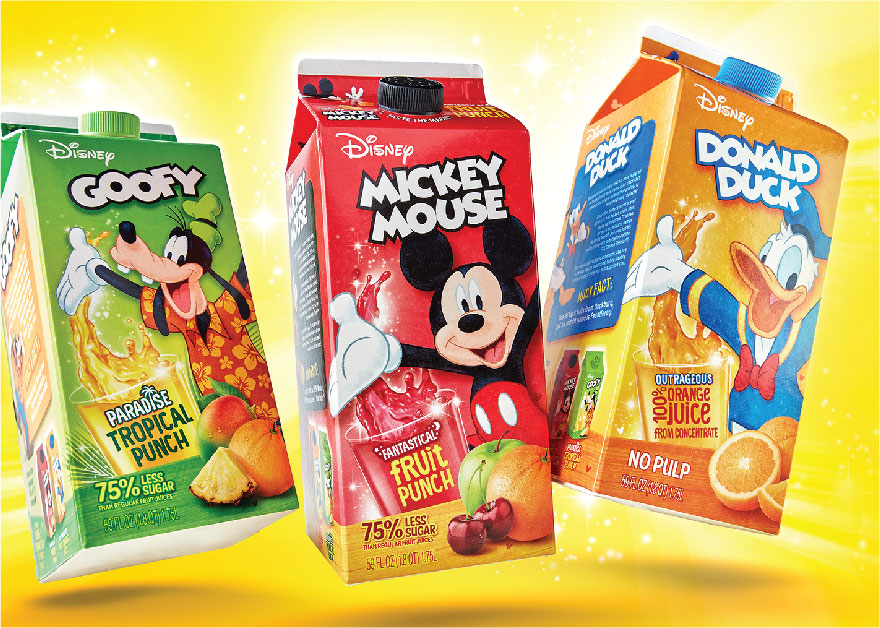
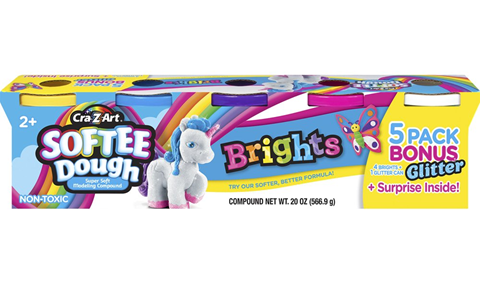
Throughout the past year and beyond, we’ve partnered with brands to find new ways to create engaging and memorable brand experiences, from custom characters for Dial that make washing up more fun, to an AR experience with Florida’s Naturals that livens up the breakfast table, to a brand world for Softee Dough that encourages endless, device-free imagination.
As Gen C prepares to re-enter the “normal” world they will do so with a perspective unlike any generation that’s come before them. In this new landscape, brands will have the opportunity to rethink ways to make meaningful connections, whether through online experiences that cater to Gen C’s digital fluency, innovative products that inspire play and creativity, or something new entirely.
Back-to-school shopping is one of the biggest retail holidays of the year. In 2019, consumers spent more than $26 billion in their shopping to stock up for the school year. Like so many traditions impacted in 2020, the usual back-to-school scramble felt different this year. Supply lists shifted to include Chromebooks, teaching easels, and kid-sized desks, as parents are doing their best to make their home an efficient learning space.
Technology needs of the online classroom drove sales up, for an estimated total of $33.9 billion. Online retail sales are seeing an unsurprising increase across all industries, and school supplies have been no exception. 70% of parents and students have shifted to buying supplies online due to COVID-19.
Retail brands that typically see a surge in demand during the back-to-school season had to pivot their tried-and-true strategies to meet the suddenly changing needs of their consumers. These brands now have to support their consumers in a different way. Going forward, they have to determine and communicate how their products can fit into our new virtual, homebound routines.
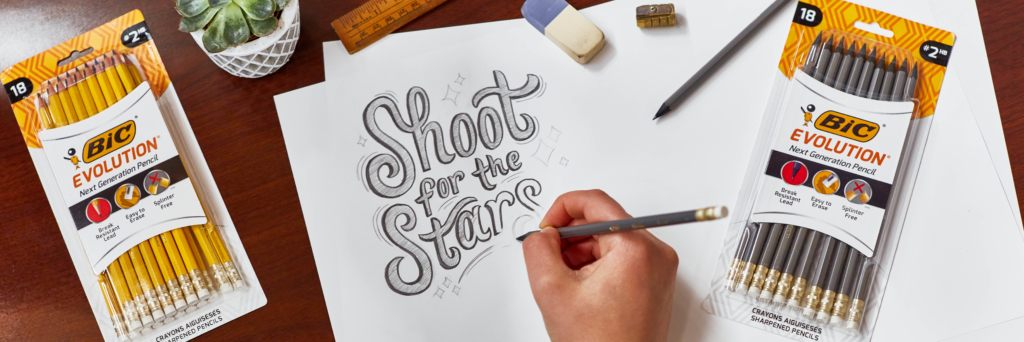
Positioned as “communication essentials”, Bic is a brand that has become fundamental to back-to-school supplies. In a time of changing communication structures, they have an opportunity to build trust in their consumer base by striving to remain the go-to supplies for learning, despite the shift to virtual classrooms. For example, their Evolution® pencils are sturdy and long-lasting, and could be positioned to parents as perfect for stocking up shelves with supplies that won’t need constant replacing.
Tasked with finding hands-on activities that encourage creativity and provide a break from the screen, parents are purchasing supplies like Softee Dough. Softee Dough recently launched a new look for their modelling clay kits. The new design stands out both on shelf and digitally, a necessity in this era of increased online shopping.
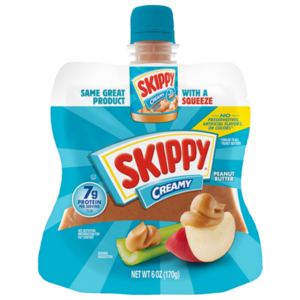
In addition to school supplies, parents have been looking for quick and easy snack options for their kids at home. Snacks that kids can access independently during their virtual lessons are in high demand. Skippy’s mess-free peanut butter in their new squeeze pouch is convenient for snacking between online assignments.
This back to school season brought attention to the need for nimble and flexible brand strategies. With the holiday season quickly approaching, brands will need to apply learnings from this fall to their holiday retail strategies.
For help navigating the ever-changing world of consumer trends, subscribe to our newsletter or reach out to our team below.
In 2018, growth of the plant-based market had reached $4.6 billion. It is predicted to grow to $85 billion over the next 10 years. This rise can be attributed to growing concerns for health, sustainability, and animal welfare, especially among Gen-Z and Millennial consumers.
The increase in popularity is also due to improvements of the products themselves. With developments in technology and manufacturing, plant-based meat alternatives are getting better and better at mimicking the texture and taste of real meat, becoming more appealing to general consumers, not just health-conscious shoppers.
With these meat-free options becoming mainstream, many large brands have developed their own plant-based innovations. Burger King embraced the trend with their Impossible Whopper. This new take on the classic Whopper was one of their most successful product launches, attributing to one of their best quarters in recent years.
SKIPPY®, Farm Rich, and Green Giant also expanded into the plant protein space, partnering with Smith Design to develop effective brand identities and packaging designs.
Green Giant’s Harvest Protein Bowls are frozen meals that pack 12g-14g of plant-based protein punch. The packaging communicates the plant-based point of difference, appealing to the growing number of consumers interested in easy incorporation of natural, healthy foods into their diets.
One of SKIPPY®’s newest products features their well-loved peanut butter with the added benefit of plant protein, in a unique, squat jar that helps consumers avoid “peanut butter knuckles”. We ensured that the label demonstrates a visual connection to iconic SKIPPY® equities, while clearly communicating the enhanced protein offering. The innovation is already generating buzz in the category.
When Farm Rich extended their wholesome portfolio with a line of plant-based snacks and appetizers, we were careful to develop a brand identity that differentiates these from the core line of products while staying true to established equities. The details in the handwritten font subtly emphasize the plant-based offering and work with the whitewashed wood background to indicate naturalness. We targeted health-conscious consumers through the photography, pairing healthy sides with the meat-free products.
The demand for plant-based protein sources has already had a powerful impact on product innovation, and its growth won’t be slowing down anytime soon.
For help navigating the ever-changing world of consumer trends, subscribe to our newsletter or reach out to our team below.
In this blog series, we shine a light on women trailblazers in the design industry – women who have earned a Wikipedia page (or are likely to very soon). You might not know them by name, but definitely by their work and influence on the design world as a whole.
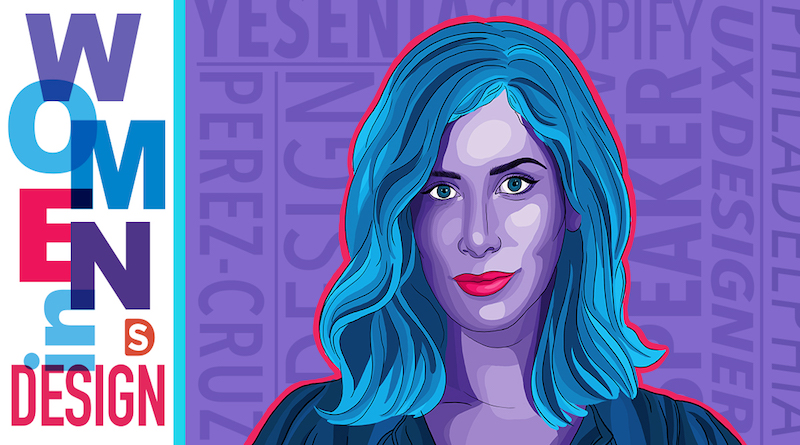
This month, we’re highlighting Yesenia Perez-Cruz, an accomplished designer, speaker, and author. Yesenia Perez-Cruz is a great role model for women and people of color who are interested in design and technology. Her drive towards innovation and passion for inclusivity make her a strong leader in this traditionally male, white industry.
Initially Perez-Cruz, who came to the US when she was 5 years old, thought she would grow up to be a writer. Her time was spent at this early age reading books as a way to teach herself English. Reading and writing became the foundation for her creative curiosity and that self-motivated drive can be attributed to her success today. A graphic design course in her senior year of high school changed all that and led to her acceptance to the design program at Drexel University.
It was here that Perez-Cruz first became interested in web and user interface design and, eventually, more specifically, UX design.
UX design, simply put, “refers to any interaction a user has with a product or service”. Her work in UX puts her on the forefront of innovations which consumers experience first-hand and in real time. Her inclusive mindset ensures that technology is designed responsibly with all humans in mind, creating a seamless, positive interaction for all end users.
In her current role as Senior UX Manager at Shopify, she’s noted that her love of writing now plays a bigger role in her career than she expected with UX design presenting an opportunity to tell an interactive story. Her work, visually stunning as well as highly functional, has earned her street-cred awards like Rad Girl’s 2015 Designer of the Year and a Webby.
Winner of the 2012 Webby in “Celebrity/Fan” category
She is especially passionate about the relationship between technology and design, providing audiences with applicable inspiration for their own work. In her book, “Expressive Design Systems” she explores the ways in which design systems can elevate design and innovation, and how to avoid becoming stifled by processes.
Perez-Cruz, a self described introvert, travels the world as a speaker at conferences and events, sharing her expertise and passion but also as a way to advocate for inclusivity and for women of color in the highly competitive design/tech world.
In an interview with The Great Discontent, she explained “When I was going to conferences for the first time, I never saw people on stage who looked like me—there weren’t a lot of women or Latinas. I realized that if I wanted to see more Latinas on stage, I’d have to push myself to get up there. I hope that others will be inspired by that.”
Yesenia Perez-Cruz’s viewpoint is one we should all pay attention to. Through her own self advocacy and inclusive approach, she hopes to encourage others to pursue a similar path.
In this blog series, we shine a light on women trailblazers in the design industry – women who have earned a Wikipedia page (or are likely to very soon). You might not know them by name, but definitely by their work and influence on the design world as a whole.
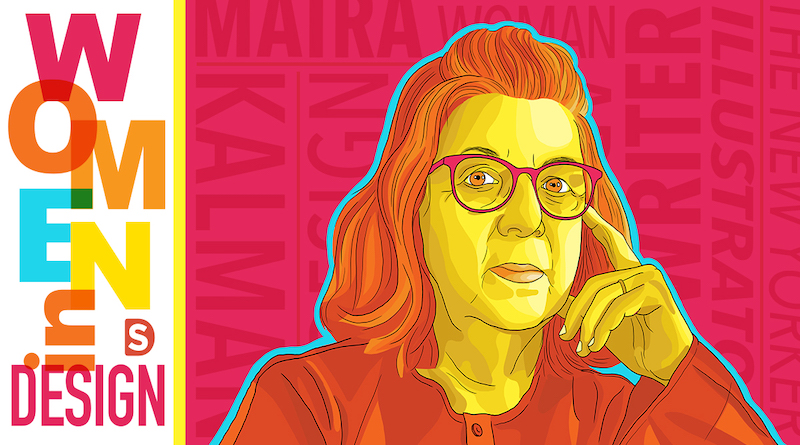
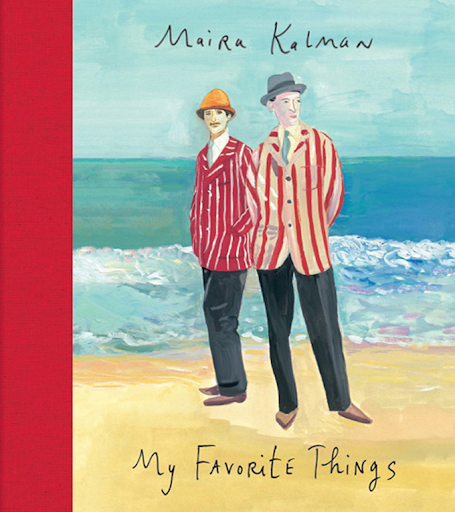
Maira Kalman is a renowned artist and writer. She was born in Tel Aviv, Israel and moved to NYC when she was a young girl, where she continues to reside. She was married to the famed graphic artist Tibor Kalman for 18 years until his death in 1999. They founded the agency M & Co together and were highly successful, blending illustration, typography and imagery to create iconic art for prestigious institutions, including the National Audubon Society and MOMA, and covers for the acclaimed Interview magazine.
After the birth of their children, Maira took a new, independent path that led her to become a design legend in her own right.
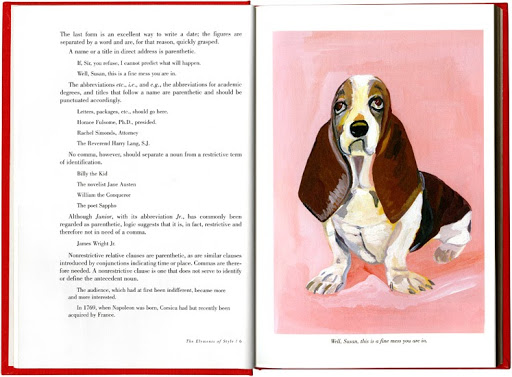
Over the course of her career, she has written and illustrated books for both children and adults that feature her playful take on the world. Her style perfectly captures the whimsical and wise, combining a naive style with a sage’s vision. As a storyteller, which is how she refers to herself, her careful use of language and image work together to capture the eccentric, intelligent way Kalman herself views the world and her appreciation for society, history, and the humorous aspect of life.
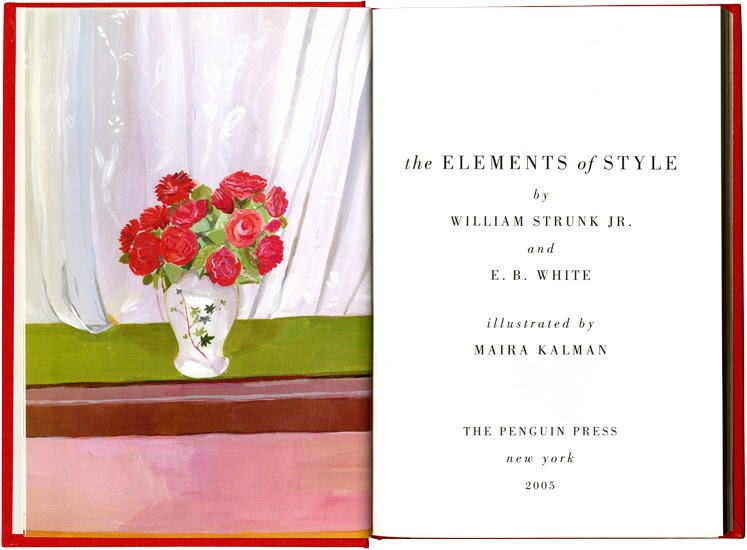
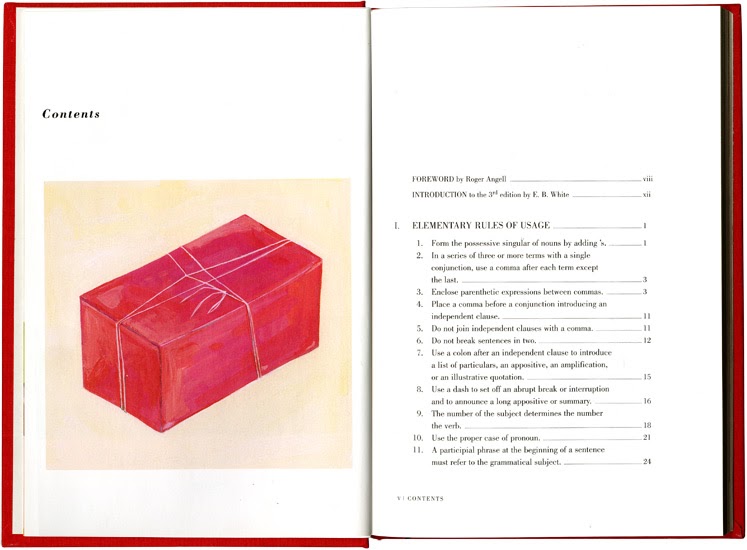
She was commissioned to illustrate the iconic design bible “The Elements of Style” in 2005, which promoted this quote from the New York Times – “While The Elements of Style has never lacked fans or dutiful adherents, appreciation for this slim volume has taken a turn toward the whimsical and even surreal.”
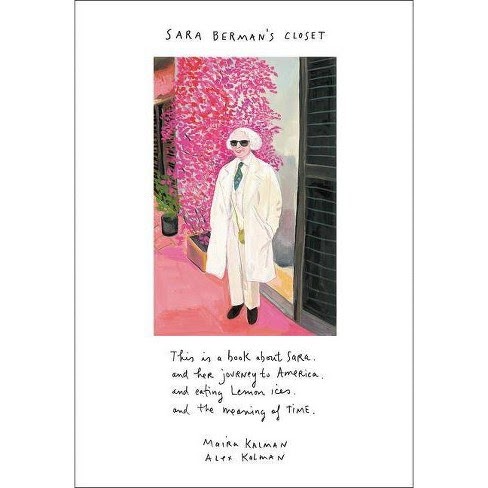
Her work is almost always uniquely personal, capturing her point of view on anything from politics to family. Working with her son Alexander, Maira created an exhibition dedicated to the memory of her mother Sara Berman, an early inspiration, which later became a book titled ‘Sara Berman’s Closet’. She has also collaborated on a short firm with her son called “The Most Wonderful Day” which can be seen here on YouTube.
Her wit, charm and intelligence come through most famously in the The New Yorker magazine cover published in December 2001. She collaborated with her partner Rick Meyerowitz, redrawing the New York City map post 9/11 and renaming it ‘New Yorkistan’. The response to the cover was overwhelming, the magazine disappearing from newsstands in two days and becoming the best selling issue in the magazine’s history.
Maira Kalman’s impactful work is a reminder to notice and appreciate life. She inspires audiences to look closer at seemingly common things, to see the importance of the ordinary. She elevates politics and philosophy to higher levels of thought, commanding worthy attention. To learn more about Maira Kalman, visit her website, Instagram, or watch her Ted Talk.
“Gen-Z”. The generation under the scrutiny of marketers who want to understand their shopping preferences, their consumer habits, and TikTok. Generally speaking, this generation is an ethnically diverse, socially-conscious group of digital natives who are growing up with unprecedented access to technology. As this group of people (born between 1995-2015) gets older, their impact on all industries, including the food and restaurant industry, is becoming increasingly evident.
This generation is practical and realistic. They crave authenticity, which causes them to opt away from artificial ingredients and preservatives if they can help it. Ethical and sustainable sourcing is also important to them, as they are careful about the impact their actions have on the greater good. Studies show that Gen-Z is more eager than previous generations to go meatless, 79% of the generation wanting to at least reduce their overall meat intake in an effort to be more sustainable. As major influencers of the rise in popularity of veganism, they will find it odd if a brand or restaurant does not offer vegan and/or vegetarian options. In addition to wanting to see food brands be inclusive with their dining options, they especially appreciate brands that engage with relevant trends, and in some cases, politics.
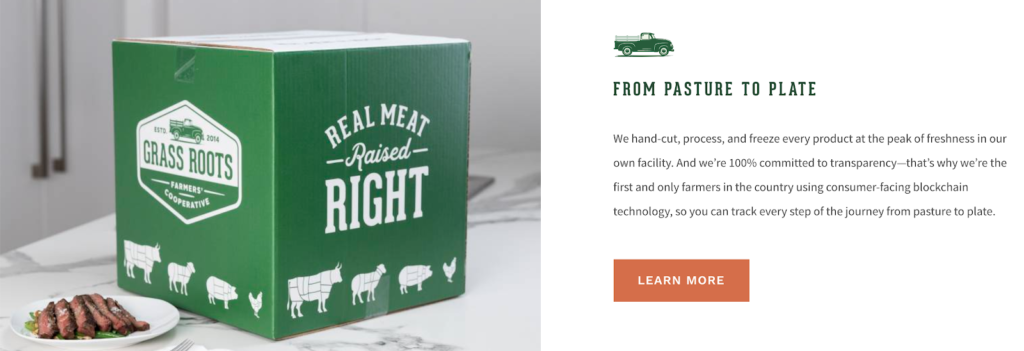
As Melissa Abbott explained in Food Business News, Gen-Z is all about transparency. “Gen Z is the first generation to completely grow up in the digital age, so to them there is no question that can be unanswered. This is really affecting the food that they eat because they want to know where it’s from, how’s it grown, who made it.” Perceptions of shadiness won’t be tolerated by these consumers. A good example of transparency that would resonate with Gen-Z is Grass Roots’ pasture-raised meat. They explain the mission and pasture-raised farm methods behind their products, and even emphasize transparency in their shipping process. Their digital presence is engaging and their message is clear.
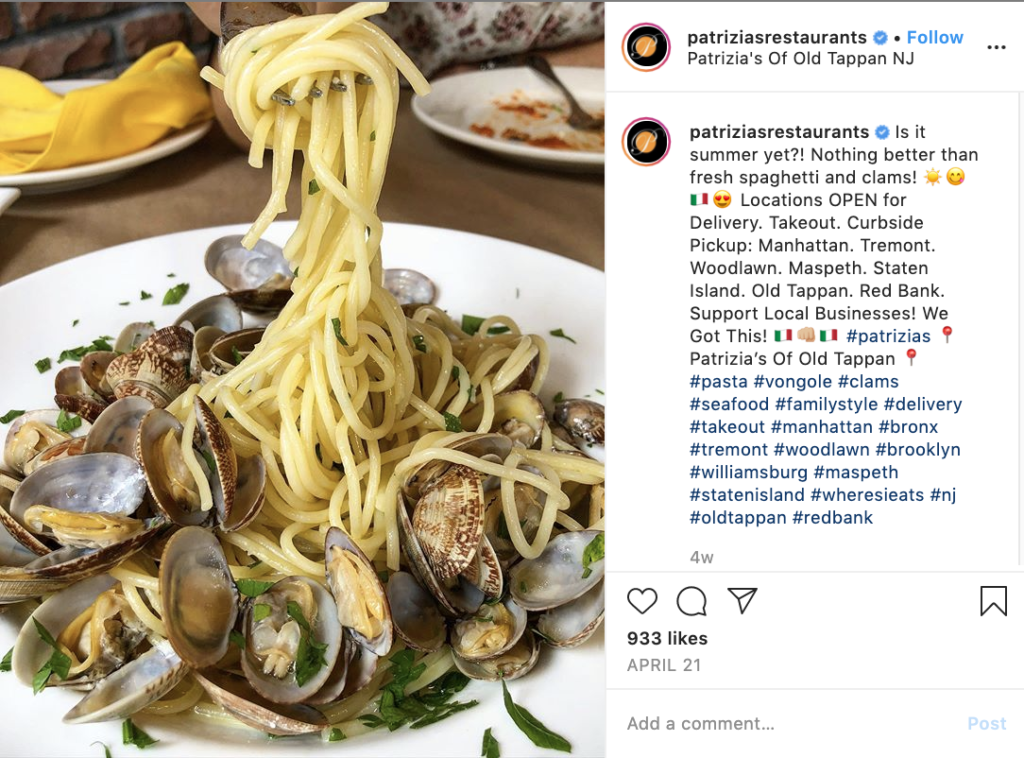
At the center of many stereotypical jokes about this younger crowd is the trend of photographing and posting meals on social media. This habit doesn’t come as a surprise, as this generation accounts for about 75% of Instagram users. In reality, the act of pausing for a moment to appreciate the meal and share it with others actually makes the meal more satisfying. A study from the Journal of Consumer Marketing found that the attention to detail and delay in gratification has a positive effect on the senses.
Brands and restaurants can benefit from creating a digital relationship with their consumers through social media. It only makes sense to engage with consumers where they spend time – and in many cases for food, that is Instagram. An Instagrammable dish seen on social media is a call to action for these adventurous eaters.
In addition to Instagram, TikTok is also having a strong impact on this generation’s food trends and habits. Lots of food trends have gone viral on TikTok, especially with the help of the platform’s many food influencers. From cute cereal made out of tiny pancakes to recipes for full meals, TikTok’s bite-sized videos are perfect for sharing food content with Gen-Z.
Growing up with social media, Gen-Z’s digital attention moves at a fast pace. The short recipe videos through TikTok are this generation’s ideal way of learning to cook – convenient, clear, and fun. Brands can leverage this type of content to showcase how to cook with or use their products.
While Gen-Z eaters are adventurous and like a photogenic experience when it comes to food, they also appreciate convenience. Even before COVID-19, take out and drive through meals were increasing in popularity as younger people chose to take their food home and dine on their own terms. Often, this includes streaming something on the TV while eating. In this situation, the combination of convenient food and entertainment of their choice creates a tailored dining experience in the comfort of their home. Retail brands will benefit from this trend as well, as more and more grocery stores offer delivery or pickup options.
It is key for brands to understand how Gen-Z’s conscious consumerism and digital habits affect their preferences in food and dining, and how those preferences will affect those industries as a whole. To learn more about generation z’s consumer habits, visit our POV analysis here.