Conversations around sustainability, environmental impact, and eco-friendliness have become more central to brands and their products. Not only is it ethical for companies to consider their environmental impact, but it is also necessary in order to be trusted by their consumers.
We partner with brands to execute their sustainable efforts on and off pack, from presenting eco-friendly design solutions to communicating efforts through various media.
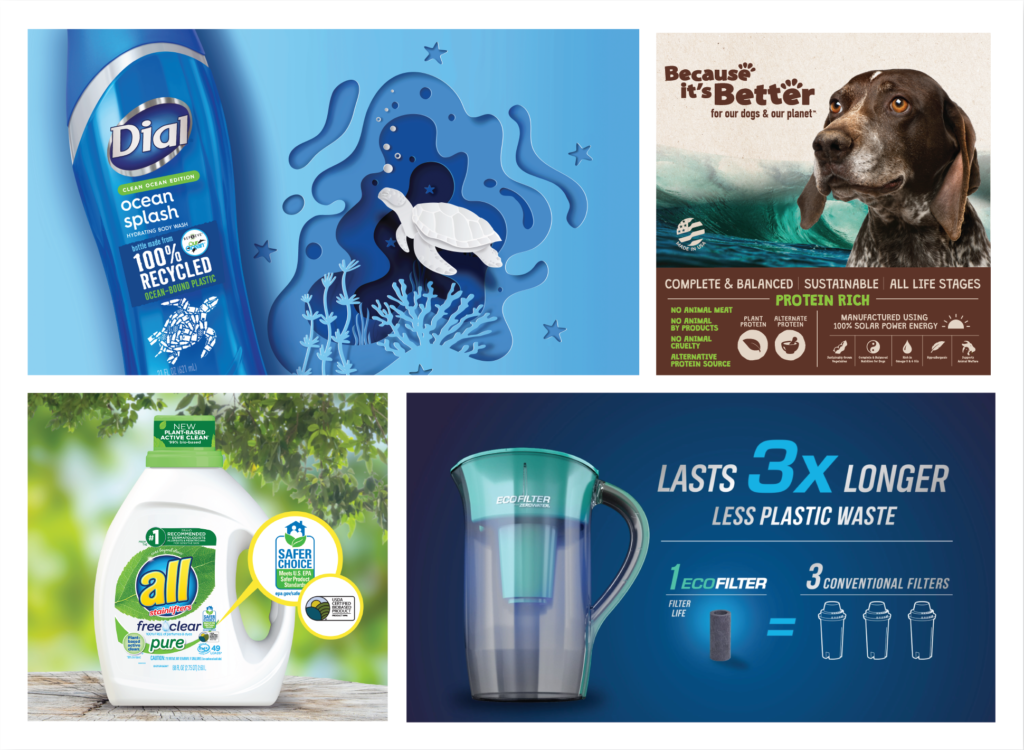
Through our client partnerships, we’ve seen the tactical ways brands bring their sustainability efforts to life through their products and packaging. Because it’s Better aims to provide a healthier, more sustainable protein alternative for dog food through their innovative plant-based products. All Free and Clear pure provides a powerful clean through a 99% bio-based detergent, which is gentle on skin and better for the environment. ZeroWater’s EcoFilter helps consumers use fewer plastic bottles by providing unmatched filtration technology straight from the tap. Plus, unlike competitors, its long-lasting filter utilizes no plastic filter shells, also cutting down on waste.
Education is also a central component in sustainability. We’re partnered with clients to create concise and intelligible communications both on and off pack (via QR codes and digital content) that guide consumers on how to properly recycle packaging.
With increased environmental focus and research bringing more solutions to the forefront of design, we’re excited to continue to help brands innovate for a healthier future. Recyclable packaging, waste-reducing solutions, safer chemicals in cleaning products – every step towards sustainability is progress.
Interested in learning more about our experience working with brands on their sustainable packaging solutions? Contact us below and click here to read about our membership in the Sustainable Packaging Coalition.
Designing meaningful products and experiences for kids carries unique challenges, and this has never been more true than for “Generation C”, the millions whose early formative years have been defined by living through the pandemic.
Despite the hardships of the last year, Gen C have proven themselves to be remarkably resilient. Whether it’s getting back up after a skinned knee, learning to read facial expressions under a mask, or even making friends over Zoom, there is no doubt that this cohort will continue to adapt and thrive in the post-pandemic world.
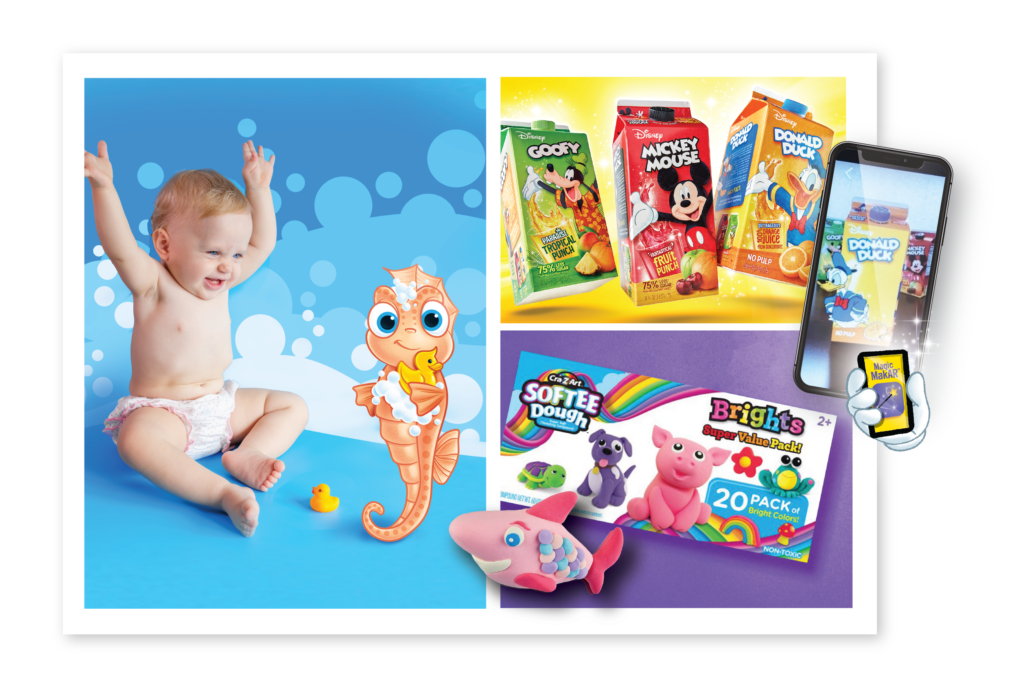
Throughout the past year and beyond, we’ve partnered with brands to find new ways to create engaging and memorable brand experiences, from custom characters for Dial that make washing up more fun, to an AR experience with Florida’s Naturals that livens up the breakfast table, to a brand world for Softee Dough that encourages endless, device-free imagination.
As Gen C prepares to re-enter the “normal” world they will do so with a perspective unlike any generation that’s come before them. In this new landscape, brands will have the opportunity to rethink ways to make meaningful connections, whether through online experiences that cater to Gen C’s digital fluency, innovative products that inspire play and creativity, or something new entirely.
It probably goes without saying, but Smith Design is full of creatives. In our new Smith Spotlight blog series, we’re highlighting the talents of our team and their endeavors outside of our studio. Follow along to get to know the people who make Smith Design awesome.
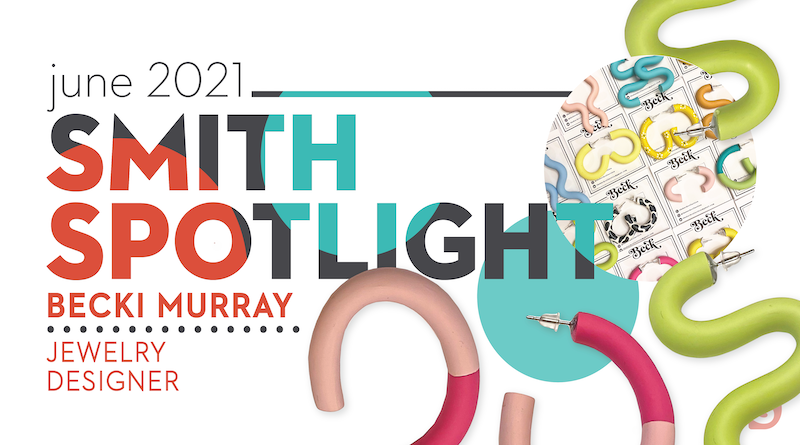
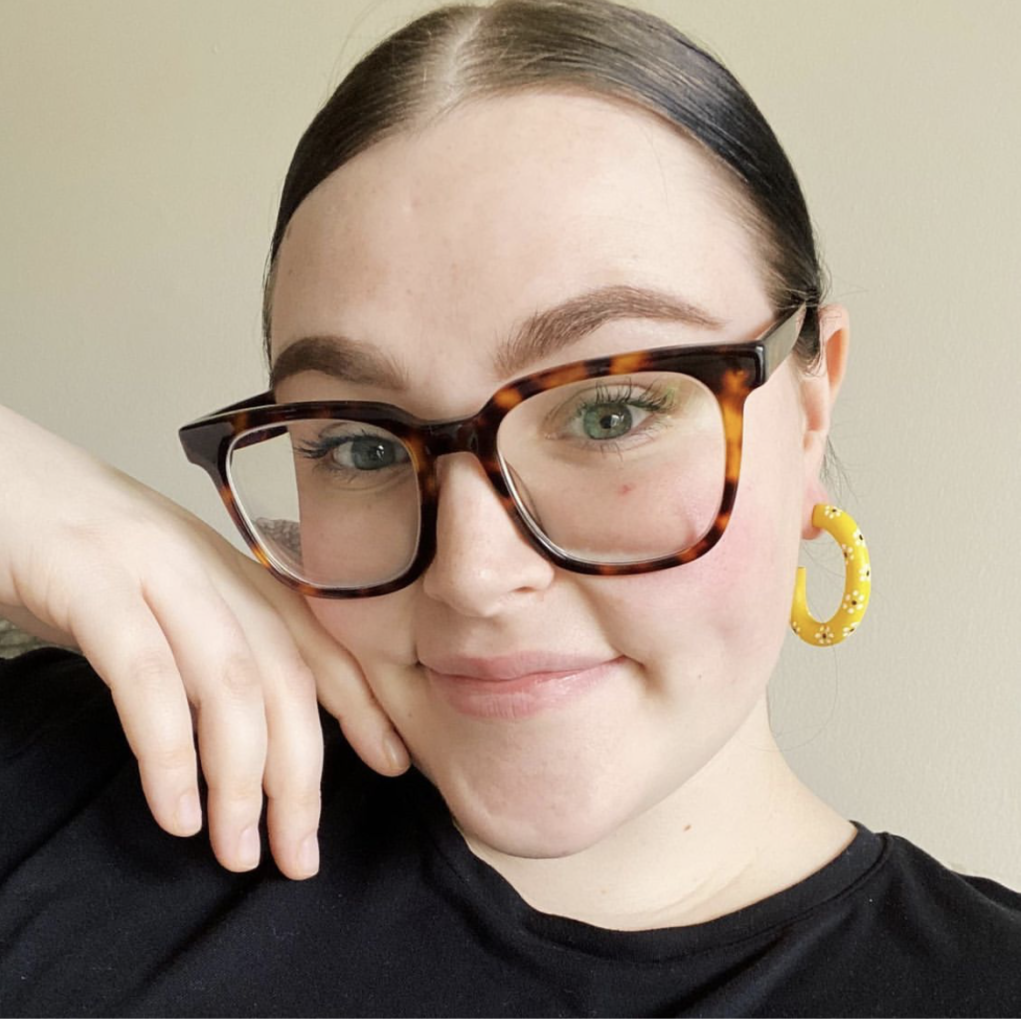
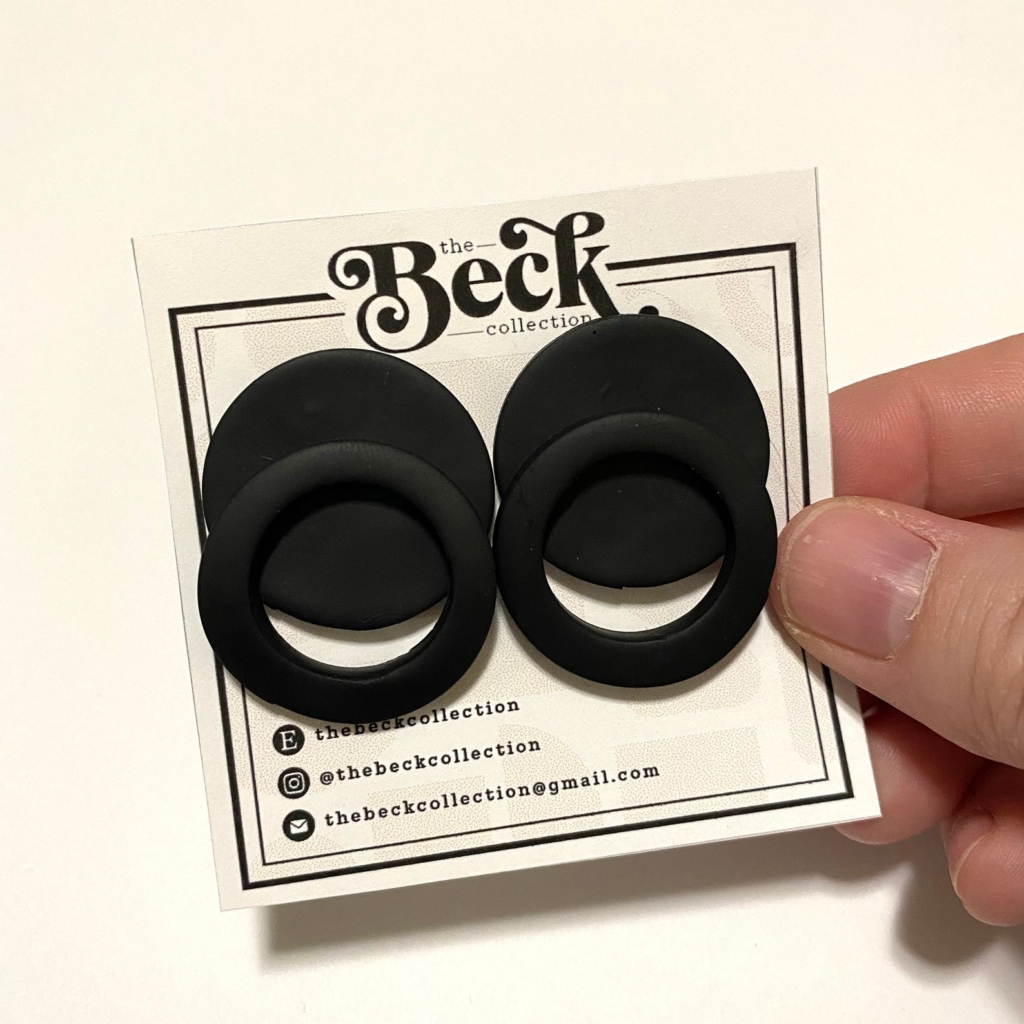
Our second Smith Spotlight features our fabulous jewelry designer, Becki Murray!
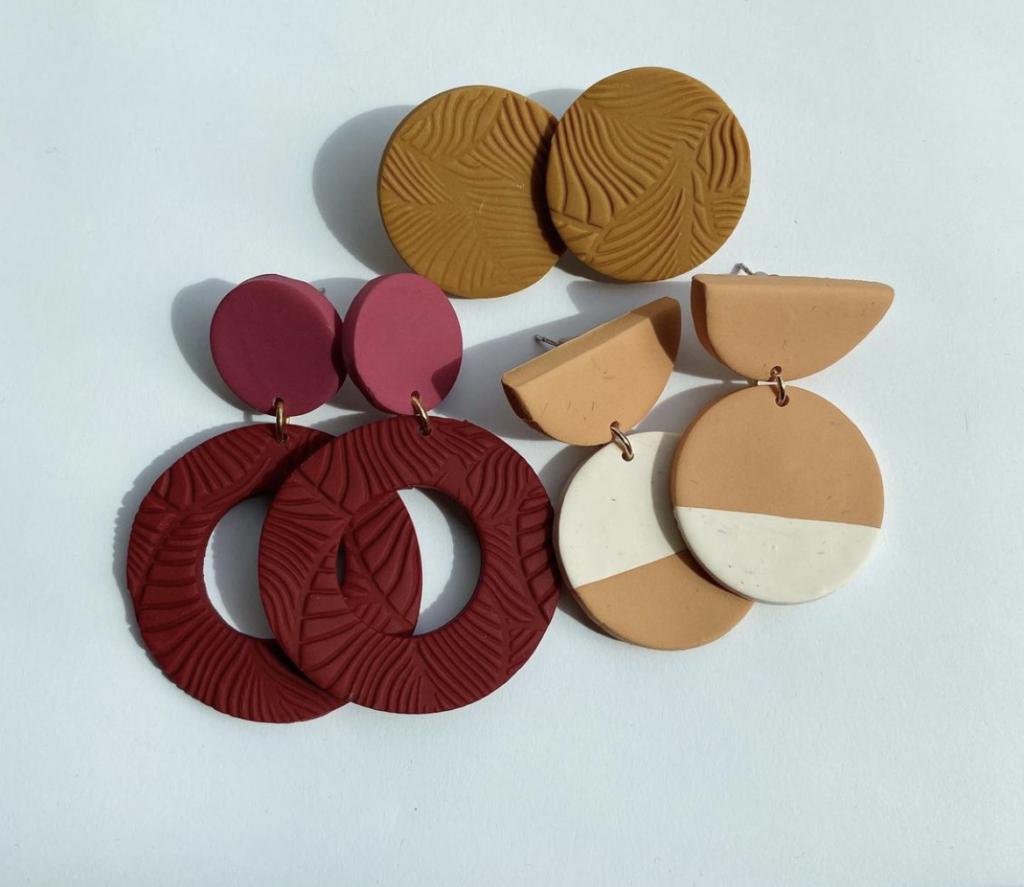
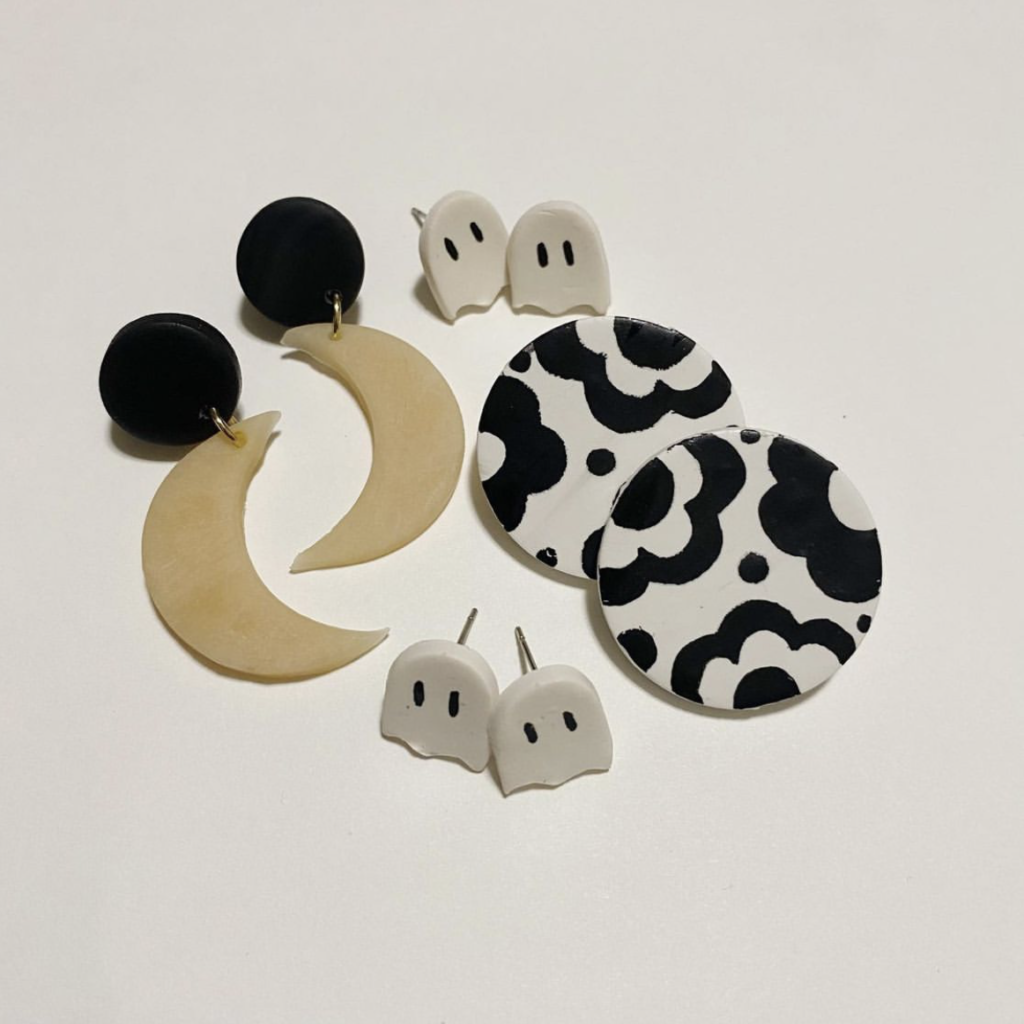
Like many of us, Becki had the chance to explore new hobbies during the quarantine of 2020. She began seeing colorful statement jewelry online that she loved, but she felt she could hand make similar pieces of the same quality, for a lower price. She started making a few pieces for herself, and after receiving compliments from her friends and family, she decided to start creating pieces to sell.
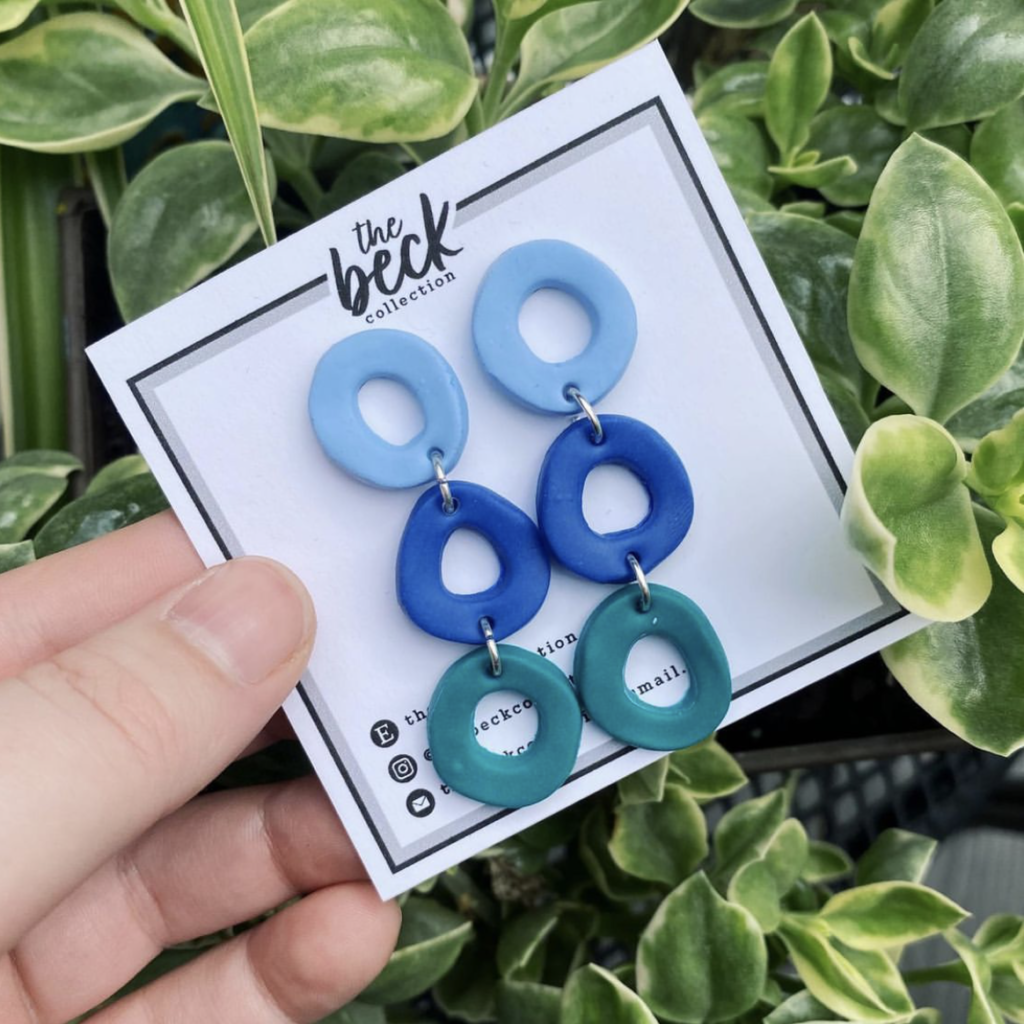
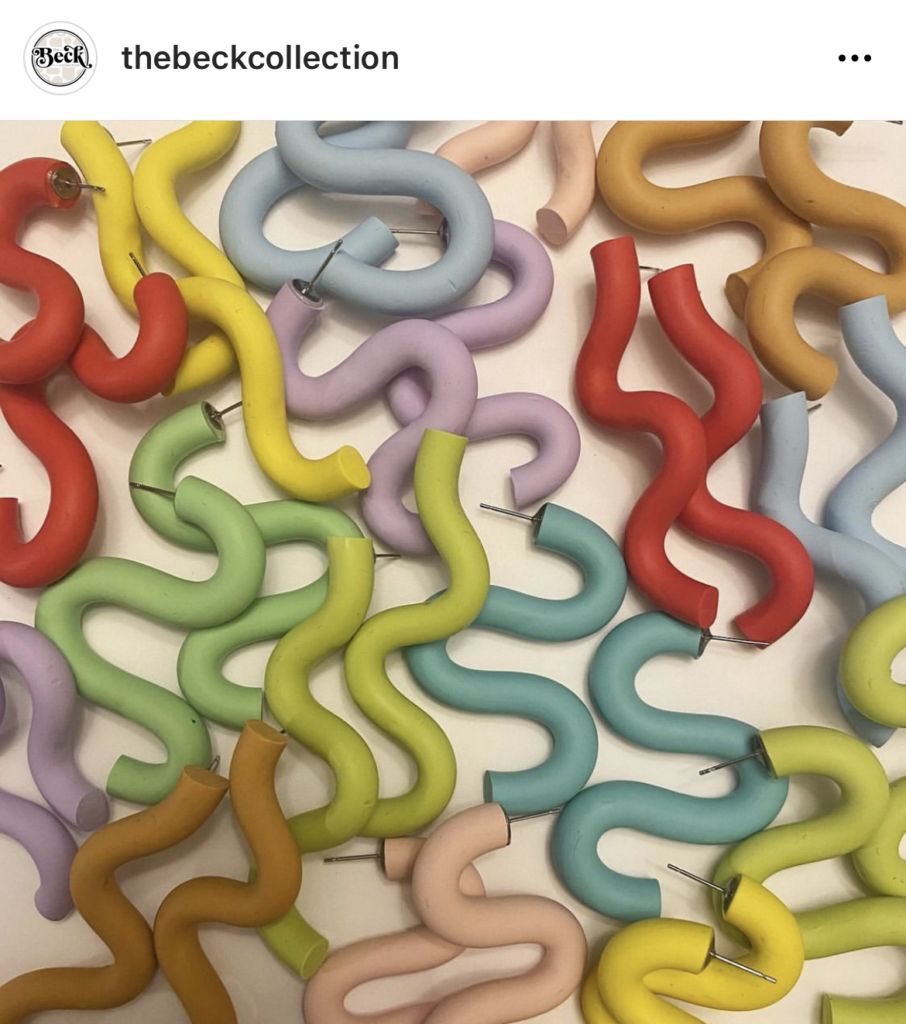
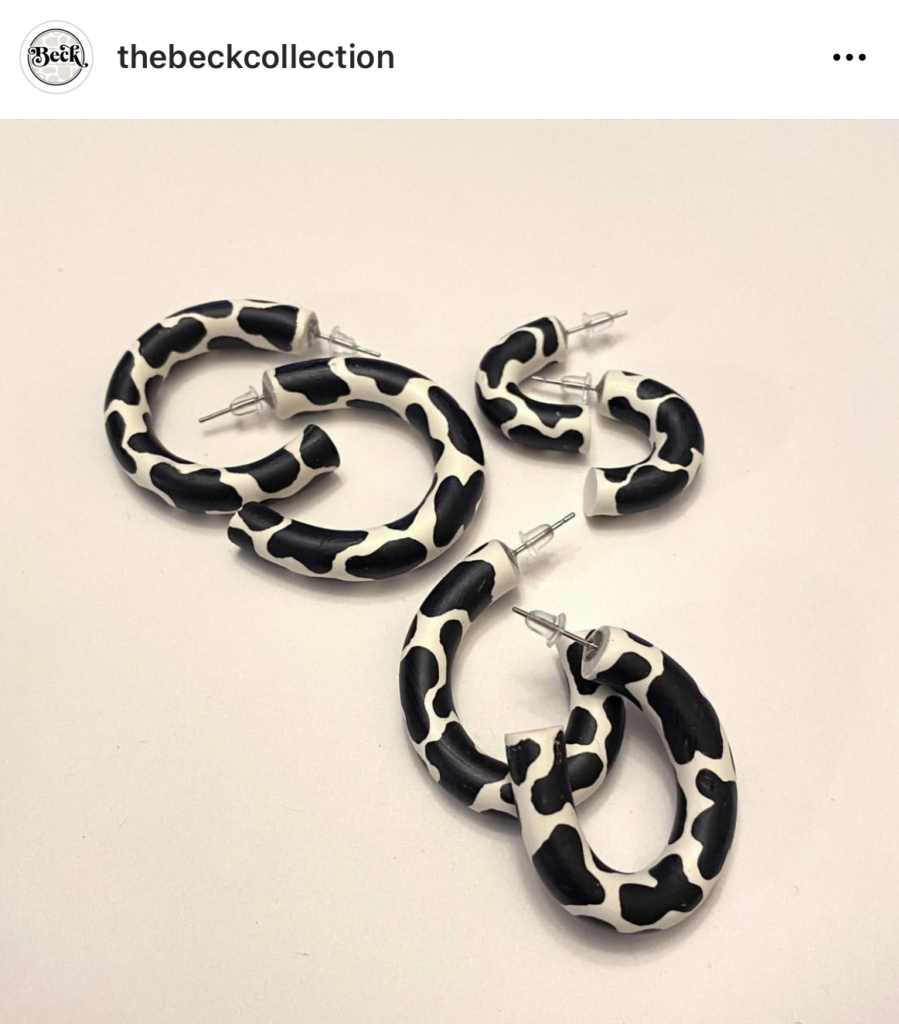
Her jewelry shop is run through Etsy @thebeckcollection. She advertises her designs through social media and word-of-mouth. The collections feature fun colors, unique shapes and forms, trendy patterns, and seasonal themes.
Through running a small business, she has learned to embrace the journey of learning new skills. She aims to continuously improve her processes for the best results, learning new tips and tricks along the way. From planning new ideas to executing the designs to packaging & handling shipping, she has learned the ins and outs of a small business, beyond the creative aspect.
Her favorite part of running this business is seeing people wearing her designs. She also enjoys advertising on social media. She likes to create fun promotional campaigns to drive business to her shop.
Her advice to other creatives starting their own small business would be to do plenty of research. When she first started out, she ordered a bulk shipment of boxes for her jewelry, only for the boxes to be too small with no option for return. She also recommends embracing social media as a powerful tool for marketing your brand and products.
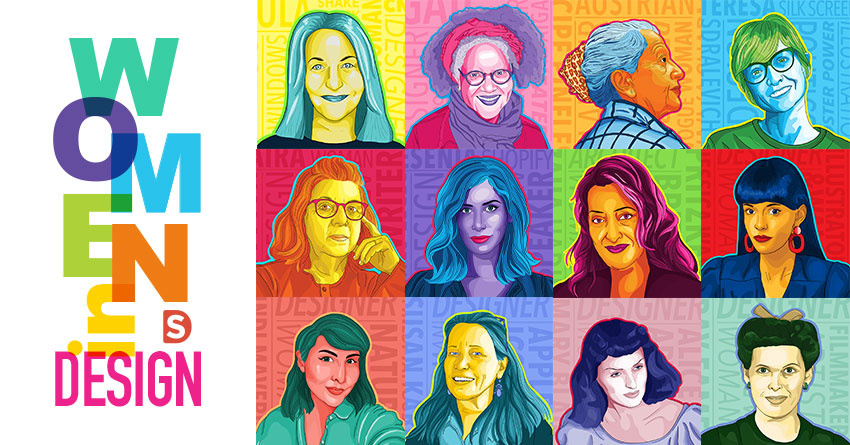
Becki has been with Smith Design as a Designer for over 2 years. If you followed our Women in Design series, you’ve seen her colorful portraiture work.
You can often spot people sporting thebeckcollection earrings around our studio, and many of us have a print of the above Women in Design poster at our desks. We can’t wait to see what she creates next!
Even as we welcome our clients and collaborators back into the studio, we’re excited to continue to offer the flexibility of remote photoshoots! Over the past year, we’ve honed our process to offer an engaging and attentive experience with our in-house photo team and studio, all without the time or expense of traveling to the set. Check out the below or get in touch to learn more about how we’re bringing the set to you!
The post-covid retail landscape will become increasingly integrated, with brands leveraging both the widespread adoption of online shopping as well as a renewed interest in experiential brick & mortar offerings. With more consumers resuming a hybrid online and in-store shopping model, consistency is essential, as is understanding the nuances unique to each platform.
Design is a key tool in bridging the digital, in-store and at-home experiences that are crucial to brand experience. When approaching creative development, we look to create a universal, extractable elements that can function across platforms to create an engaging brand world.
Build Trust by Bringing Products to Life
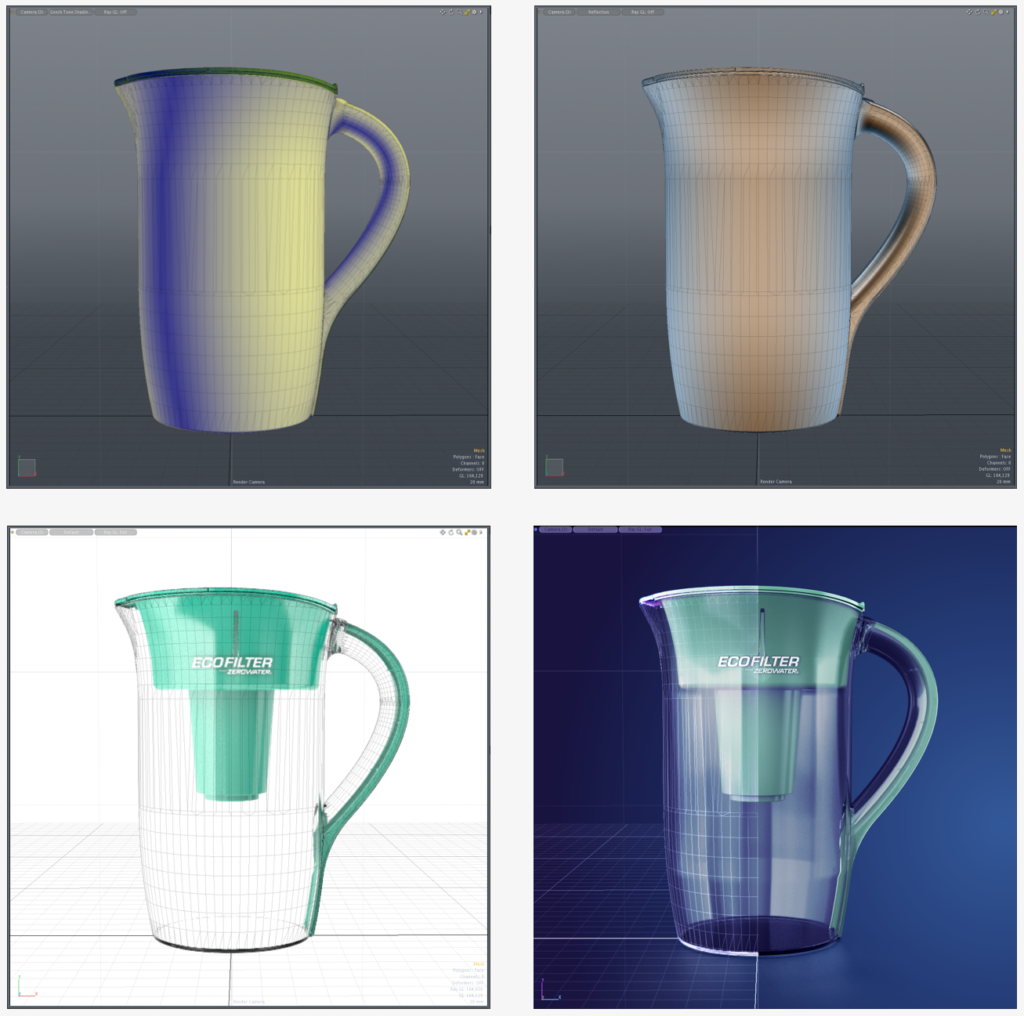
We’ve all been duped by products showing up differently than advertised. Keeping digital assets in line with the reality of the physical products builds brand trust and gives consumers confidence in purchasing new brands and products online. Luckily, innovations in digital media, such as 3D wireframing, can create a bridge between the physical reality of a product and its digital translation to e-commerce.
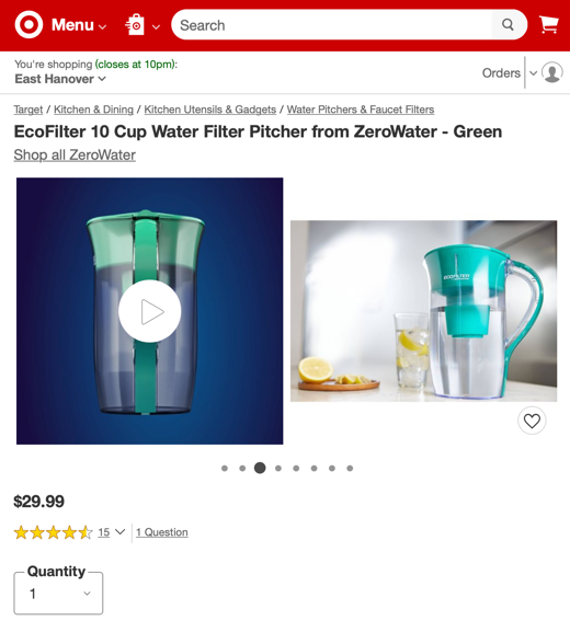
When ZeroWater developed the innovative EcoFilter, they had the opportunity to launch the new product exclusively online before expanding their presence in-store. A combination of photography, video and 3D renderings provided the assets needed for a successful virtual launch. Quality wireframing enabled consumers to get a wholistic, accurate view of the product, helping to build trust and drive purchase intent. Technical videos featuring live product demonstrations ensured a seamless customer journey from discovery to purchase. By unifying the online and in-hand product experience, shoppers were given the tools and the confidence to engage with the brand every step of the way.
Prioritize Packaging
Packaging is an anchor for a brand’s story. It is the consumer touchpoint with the highest physical interaction, living on in people’s homes far beyond any marketing campaign. We’ve mentioned the necessity of having compelling digital content, but it’s also essential that the packing experience be just as delightful and, most importantly, consistent to the look and feel of other touch points. A sleek and on-trend digital presence coupled with outdated packaging creates dissonance and can take consumers out of the brand experience. Packaging also serves as a billboard for the brand at shelf and at home; distinctive packaging, especially when disruptive to the category, is a key driver of overall brand recognition and awareness. In addition to primary packaging, shippers and even SIOC (ship in its own container) provide additional opportunities to bridge the gap and create tangible, memorable experiences.
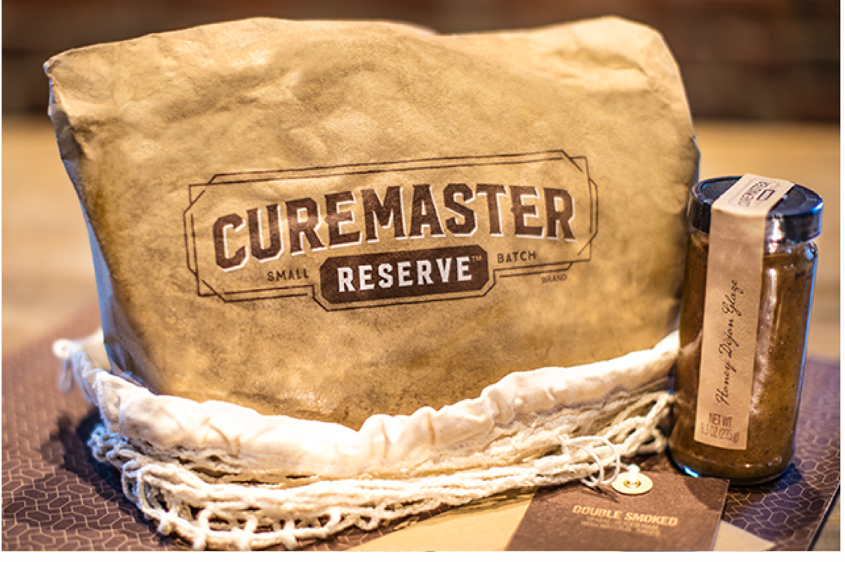
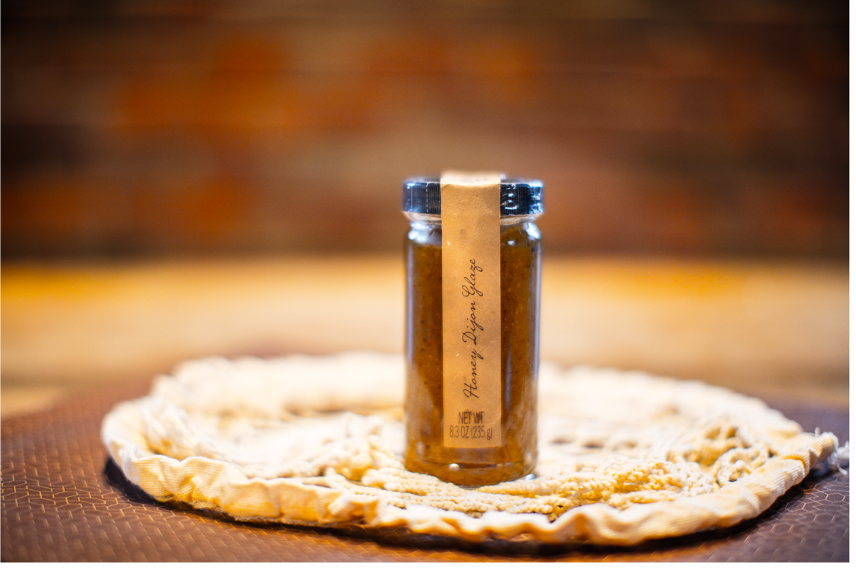
Curemaster Reserve was looking to introduce a new, artisanal ham with elevated flavor varieties to the e-commerce space. As this was to be the first Hormel brand to launch exclusively via e-commerce, Smith was asked to create a unique, super-premium packaging and unboxing experience. The unveiling included a custom designed shipping box and inner package. The recipient envelope with grommet fasten detail housed recipes, cooking information and a personalized letter from The Curemaster.
Within the box, details like the hangtag, a reusable net bag and a custom printed paper wrap added to the overall authenticity of the product while reinforcing the Artisan Mastery positioning.
Expanding Brand Experience to the Retail Environment
More people than ever before embraced online shopping during the pandemic, and many will continue to enjoy the added convenience and expanded product selection it affords. That said, consumers will also be looking for enticing brick and mortar experiences that can engage and entertain in ways that digital offerings can’t. Retail activations are one way that brands can capture attention and continue the dialog “IRL”. We’ve partnered with brands including Reese’s and Green Giant to create eye-catching in-store brand activations to compliment digital initiatives and reach new demographics.
Looking Ahead
The changes of the last year will have lasting impacts on consumer habits. Expectations for online, in-store and at-home experiences are higher than ever, and brands should be prepared to meet them. Those who embrace and leverage the omnichannel experience will emerge as leaders in the post-pandemic market.
Check out the video below for more on our omnichannel capabilities. Interested in learning more about how to prepare your brand for the Omnichannel Experience? Let’s talk!
In 2018, growth of the plant-based market had reached $4.6 billion. It is predicted to grow to $85 billion over the next 10 years. This rise can be attributed to growing concerns for health, sustainability, and animal welfare, especially among Gen-Z and Millennial consumers.
The increase in popularity is also due to improvements of the products themselves. With developments in technology and manufacturing, plant-based meat alternatives are getting better and better at mimicking the texture and taste of real meat, becoming more appealing to general consumers, not just health-conscious shoppers.
With these meat-free options becoming mainstream, many large brands have developed their own plant-based innovations. Burger King embraced the trend with their Impossible Whopper. This new take on the classic Whopper was one of their most successful product launches, attributing to one of their best quarters in recent years.
SKIPPY®, Farm Rich, and Green Giant also expanded into the plant protein space, partnering with Smith Design to develop effective brand identities and packaging designs.
Green Giant’s Harvest Protein Bowls are frozen meals that pack 12g-14g of plant-based protein punch. The packaging communicates the plant-based point of difference, appealing to the growing number of consumers interested in easy incorporation of natural, healthy foods into their diets.
One of SKIPPY®’s newest products features their well-loved peanut butter with the added benefit of plant protein, in a unique, squat jar that helps consumers avoid “peanut butter knuckles”. We ensured that the label demonstrates a visual connection to iconic SKIPPY® equities, while clearly communicating the enhanced protein offering. The innovation is already generating buzz in the category.
When Farm Rich extended their wholesome portfolio with a line of plant-based snacks and appetizers, we were careful to develop a brand identity that differentiates these from the core line of products while staying true to established equities. The details in the handwritten font subtly emphasize the plant-based offering and work with the whitewashed wood background to indicate naturalness. We targeted health-conscious consumers through the photography, pairing healthy sides with the meat-free products.
The demand for plant-based protein sources has already had a powerful impact on product innovation, and its growth won’t be slowing down anytime soon.
For help navigating the ever-changing world of consumer trends, subscribe to our newsletter or reach out to our team below.
COVID-19 will undoubtedly leave an unprecedented impact on the world. All industries and business markets will be affected, even the digital landscape.
However, budget cuts are impacting digital campaigns and partnerships. In order for companies to weather the current situation, many budgets have been reduced and reworked. Marketing budgets have come under more detailed scrutiny than ever, so paying for sponsored content partnerships tends to get deprioritized. Influencers have been reducing their rates to try and continue partnerships with brands, but unfortunately, many campaigns have been paused or cancelled, despite the positive metrics.
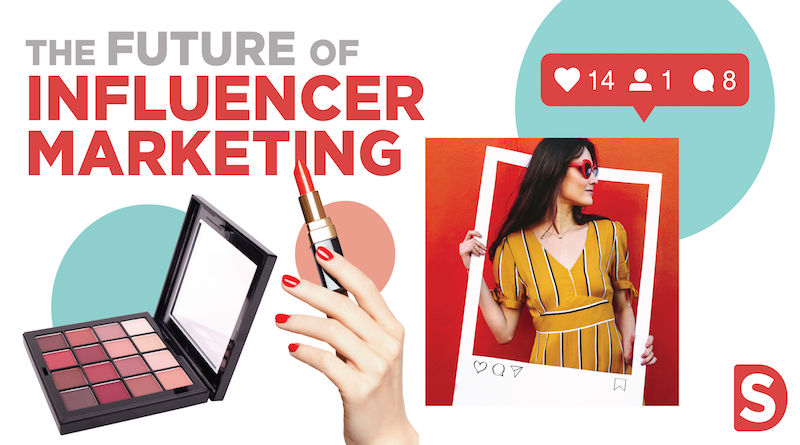
With the increase in social media usage and the quickly accelerating growth of e-commerce, brands across all categories shouldn’t dismiss sponsored content as a valuable marketing strategy in a post-COVID-19 world. There is now an opportunity for brands and influencers to create a more authentic connection with each other and with their audiences. Sponsored partnerships are being approached openly and honestly, parameters being laid out with an understanding of the difficulties COVID-19 has caused. As Later points out, influencers are able to approach brands with reduced pricing for sponsored campaigns and content, creating partnerships that may not have happened before. If your brand is considering starting or refreshing an influencer marketing campaign, now might be the perfect time to solidify plans.
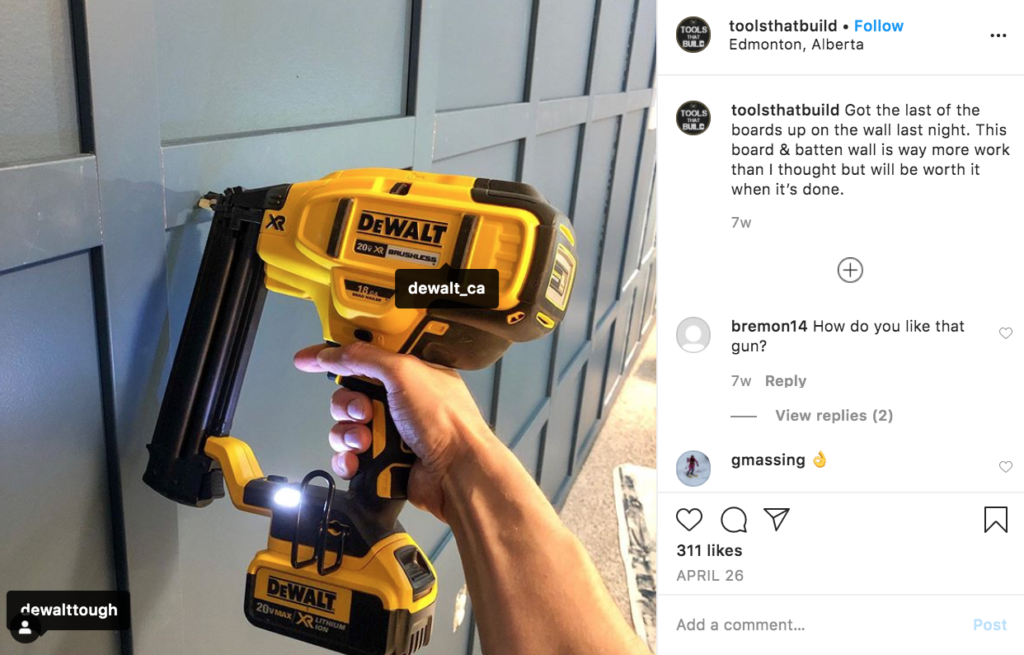
Great examples of brands successfully utilizing social media channels and influencer partnerships, even during this time of new challenges, are found in the tool industry. Many brands of tools partner with influencers on social media, who use and review their products in their professions. Their opinion is reliable because these influencers actually use these products on jobsites. They naturally relate to the brands’ target audience, building community and trust, while encouraging others in their field to try the products they recommend. This digitally connected network of influencers and audiences will continue to drive positive results for the partnered brands, especially with the ongoing rise of e-commerce.
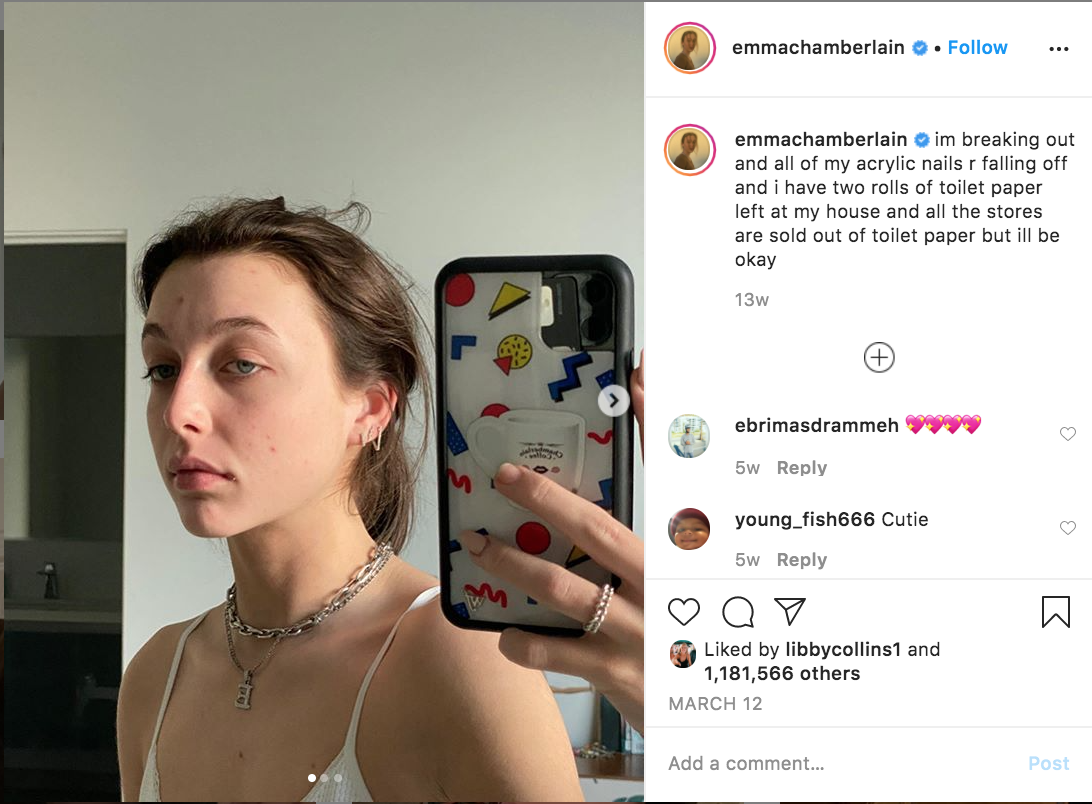
In addition to reevaluating existing partnerships and developing new ones, there is an opportunity to reframe content to be more effective in the changing world. Recently, sponsored content through a filtered lens has been losing its charm on audiences. In an analysis of the fashion magazine industry, The Times asked “In a world where toilet paper is hard to come by, is there a place…for magazines selling dreams of luxury?” This question applies to influencers and their content as well. Influencers will be more successful with their sponsored content if their voice is honest and reliable. Consumers crave authenticity. Audiences, especially from Generation Z (who make up the majority of Instagram users), will respond well to content that does not feel disconnected from reality.
The perspective of influencer marketing has to change from “don’t you want to be like me?” to “I am just like you”. Now more than ever, people want to feel comforted by honesty, authenticity, and familiarity. Campaigns that achieve this will connect with their target audiences and earn brand loyalty.
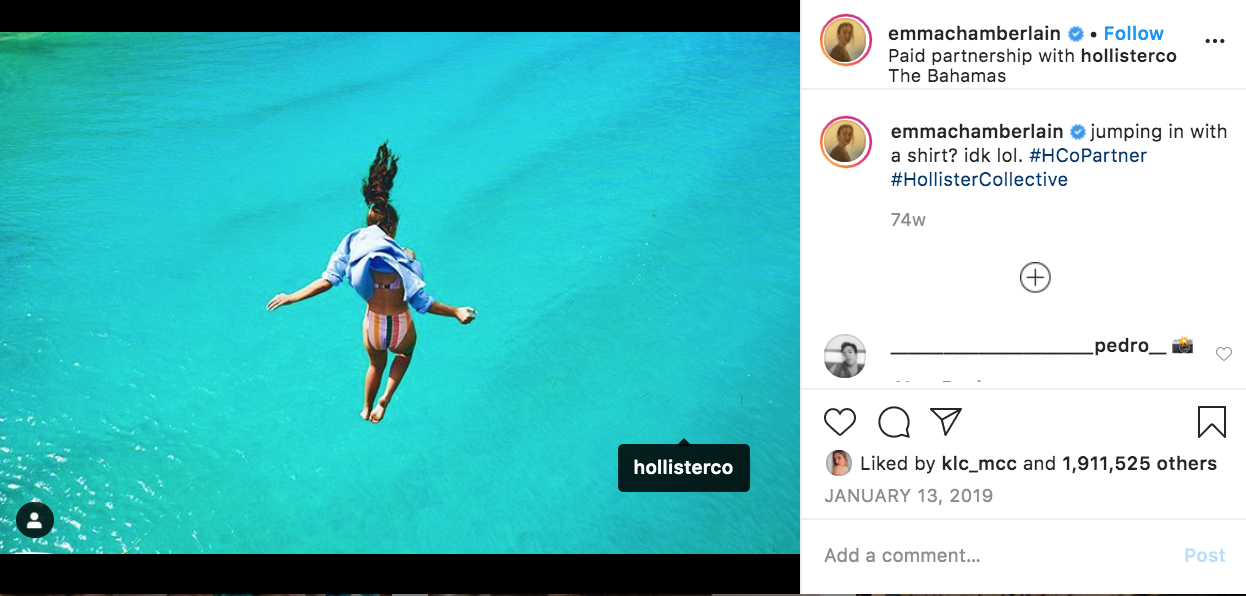
Emma Chamberlain, a YouTuber and influencer who is especially popular with Gen Z, has built her entire personal brand around authenticity, often taking it to the extreme with her content. Her content is so real and relatable that it makes her followers feel like they are on the inside of a private joke with her.
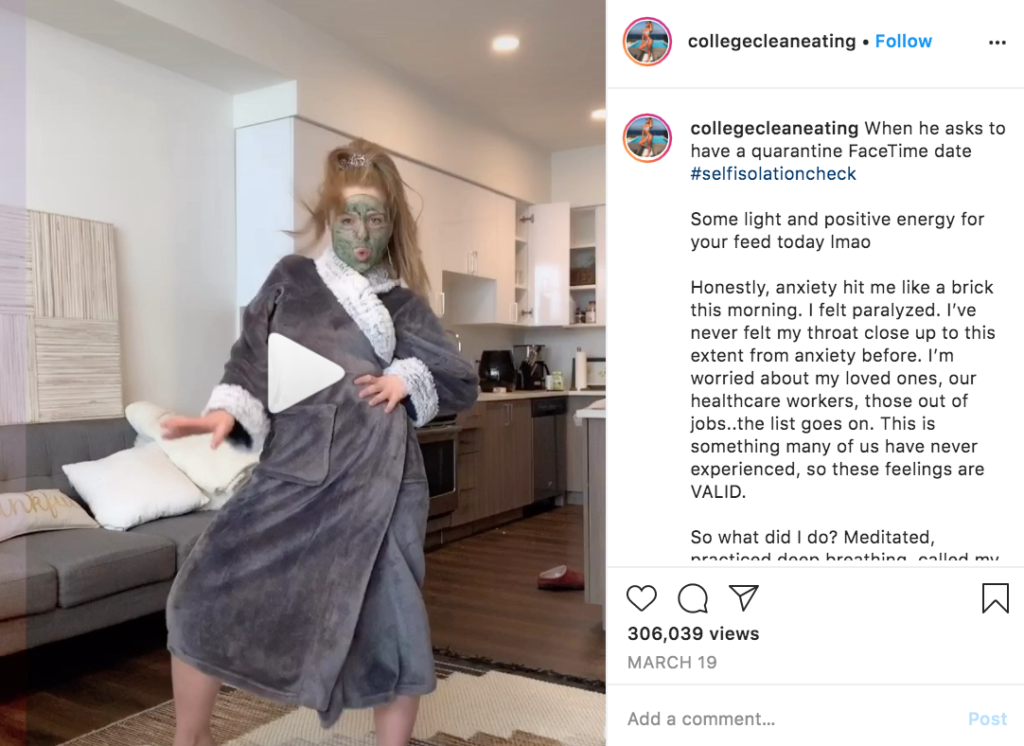
Another example of successful authenticity is fitness influencer Katrina @collegecleaneating. She posts engaging content, opening up about relationships, mental health, and body positivity struggles she’s experienced on her fitness journey. Her approachable, empathetic digital presence has earned her about 650,000 followers on Instagram and differentiates her profile from other fitness accounts that rely heavily on perfection. When she shares sponsored content, her followers are ready to engage and inherently trust her opinion.
As the world moves forward and marketing teams are faced with many decisions, influencer marketing shouldn’t be overlooked. With the right content, partnerships, and strategy, influencer marketing is a powerful tool that B2C brands can use to leverage the rising popularity of e-commerce, build brand loyalty, drive traffic to websites, and ultimately increase digital sales. Questions about developing effective brand and digital marketing strategies? Contact us below.