Summer Fancy Food Show 2025

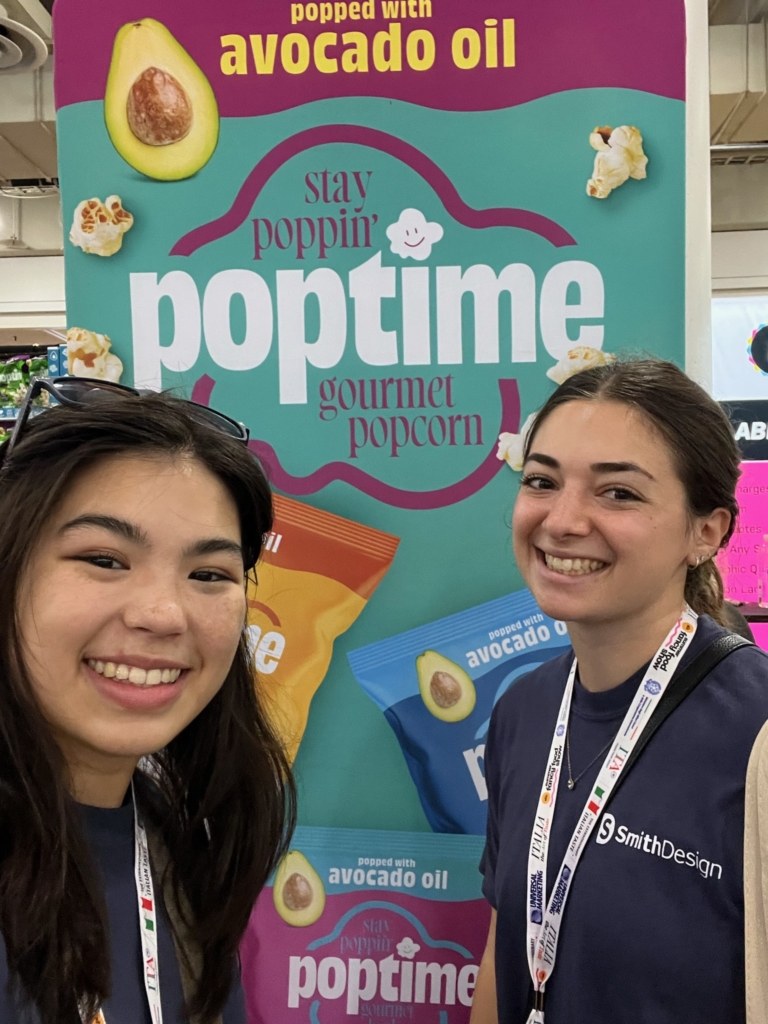
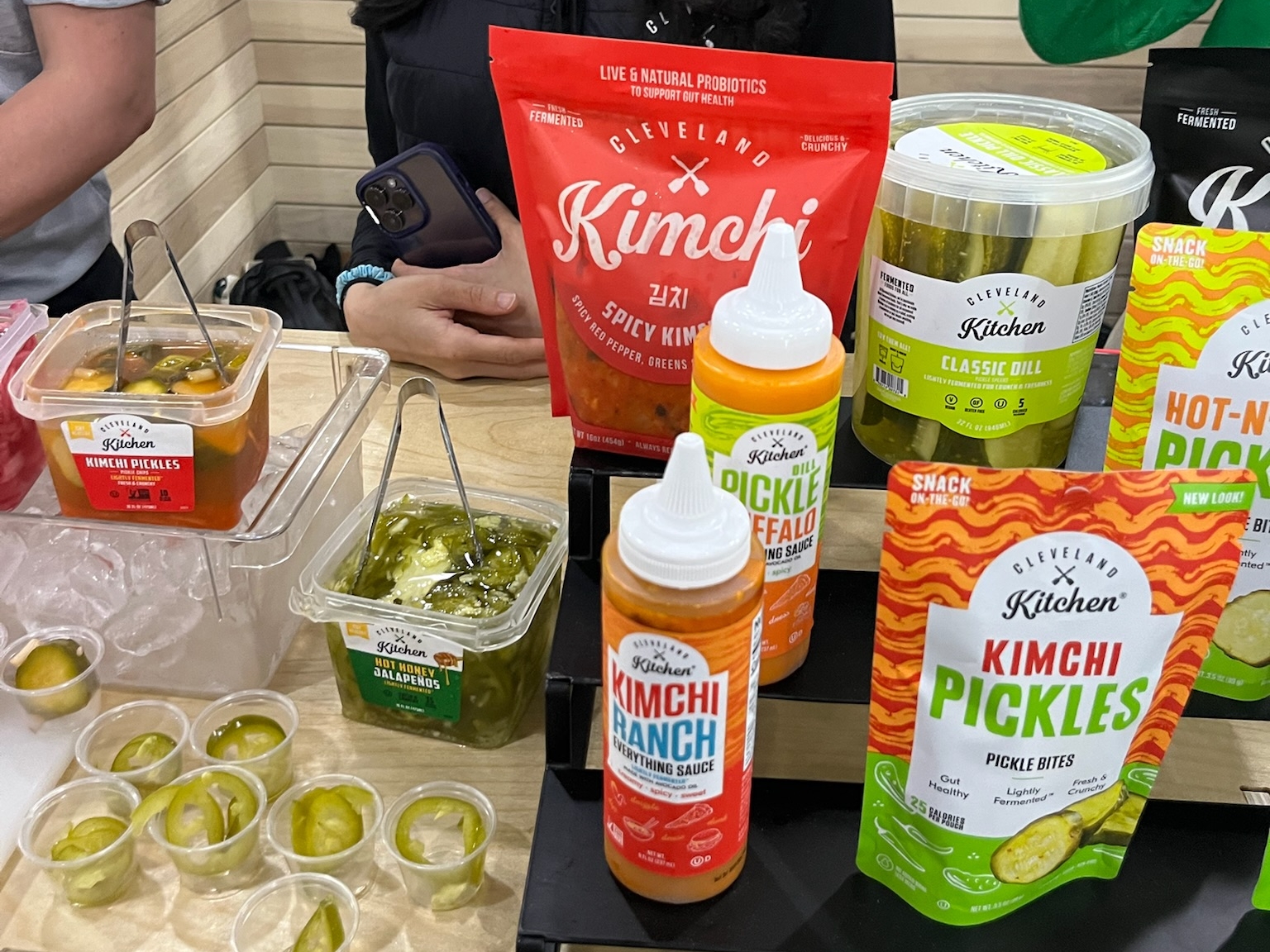
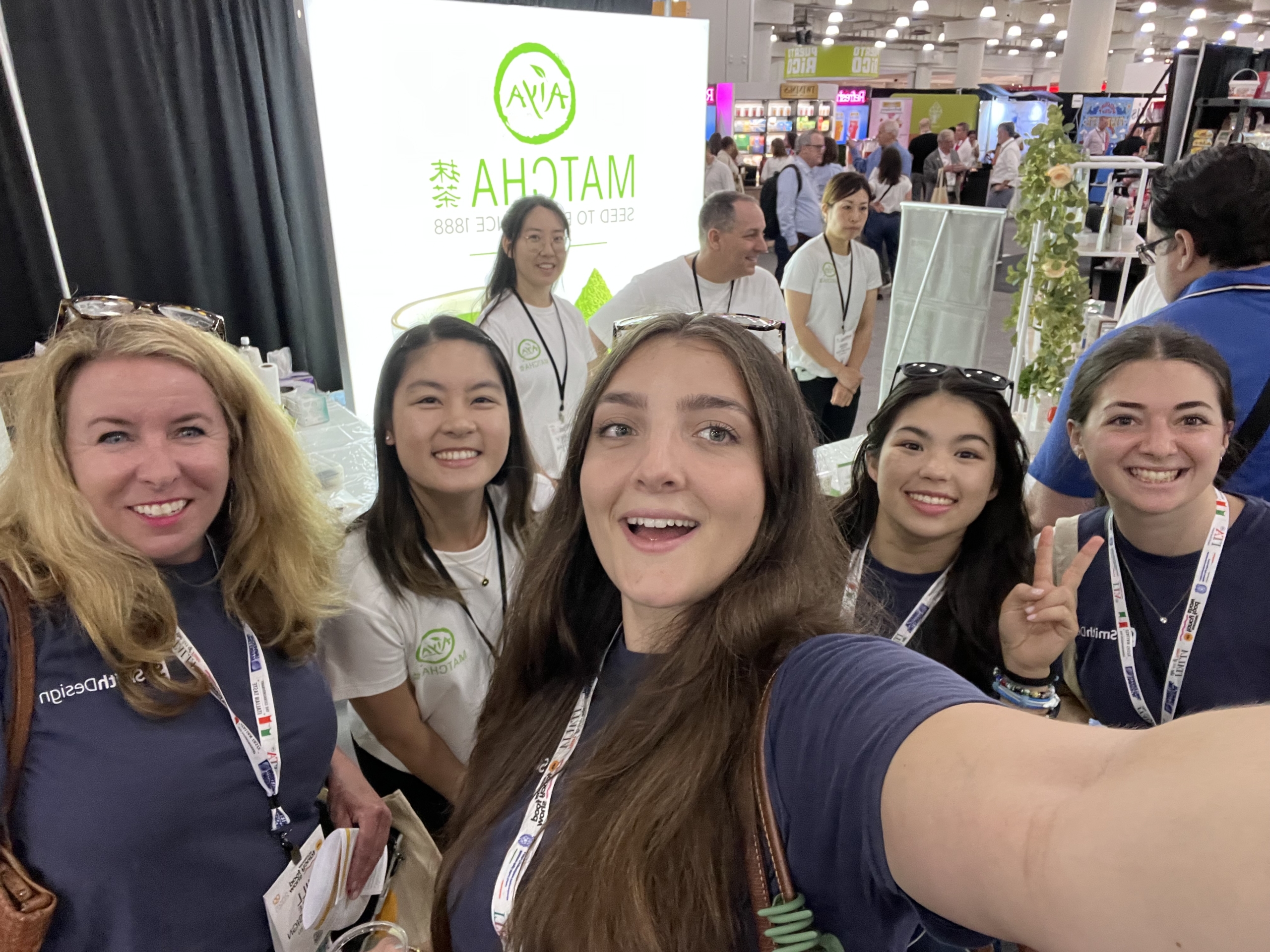
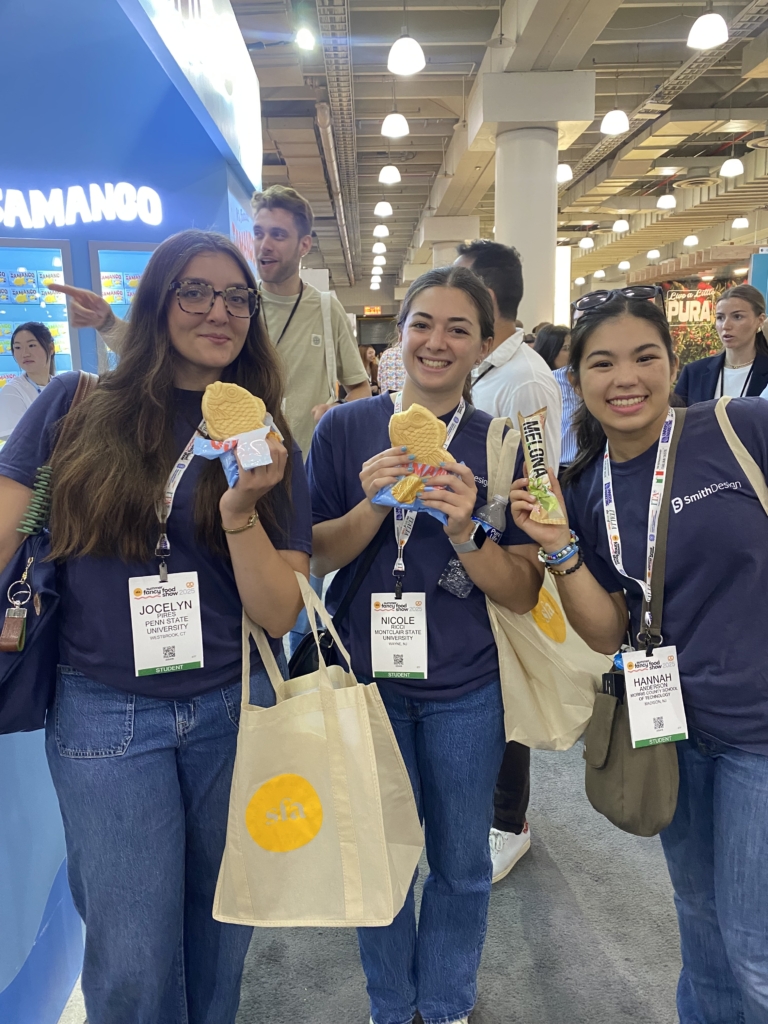
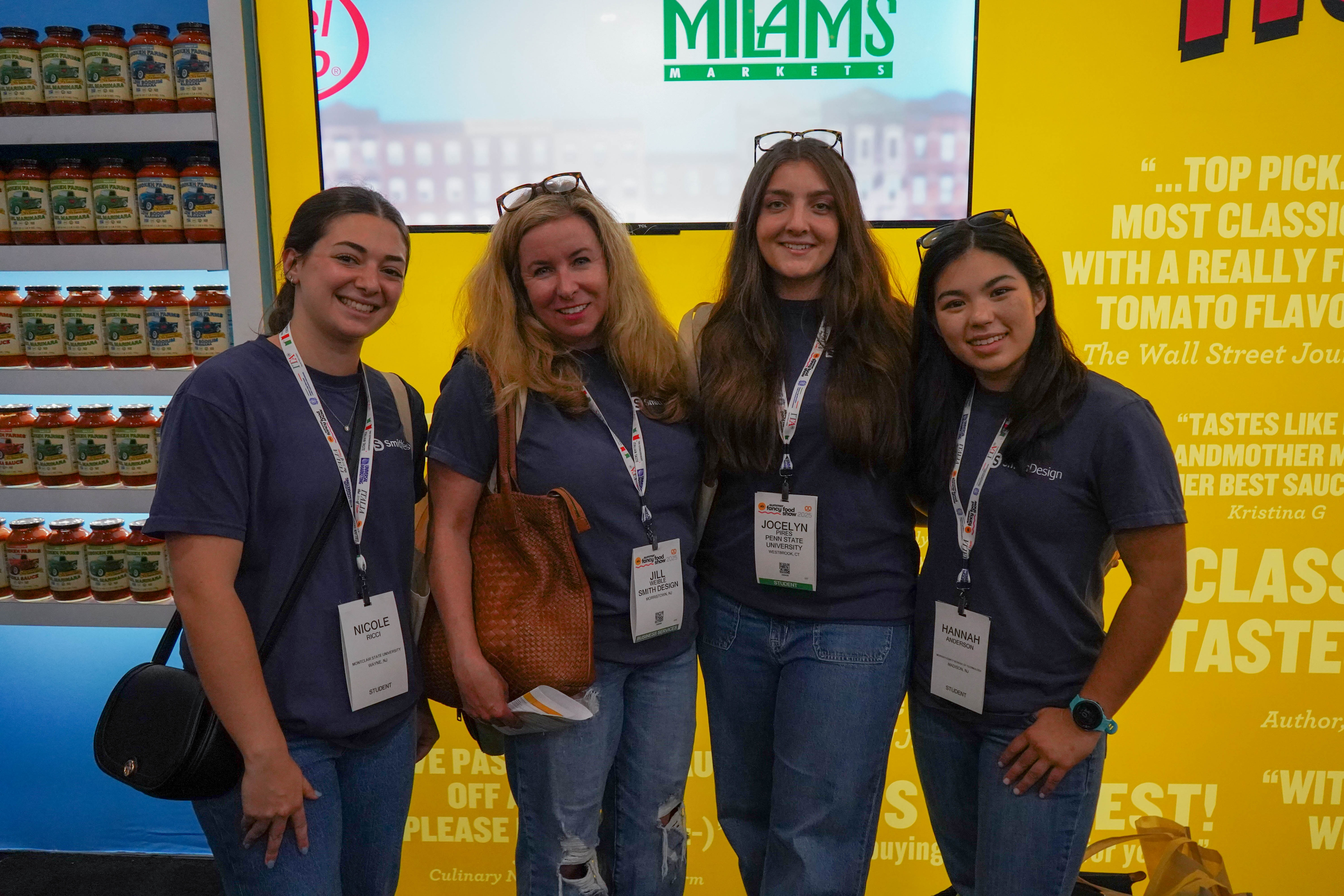
This year’s SFA Summer Fancy Food Show was stocked with delicious treats, hot new products, and over 2,500 innovative, beautifully designed, eye-catching booths. Four of Smith Design’s own were able to attend: Senior Client & Business Growth Development Manager, Jill Weible, and our three summer interns, Hannah, Jocelyn, and Nicole.  

THE ADVENTURE BEGINS  

We started the day by meeting up at the front of the Javits Center! Jill briefed us on our game plan and, after picking up our own special name badges, we headed to the first floor ready to stuff our tote bags full of samples to bring back to the office! With over five thousand booths to go visit, we made sure to bring our best walking shoes and prepared to fill our brains (and bellies) with a whole lot of food knowledge.  
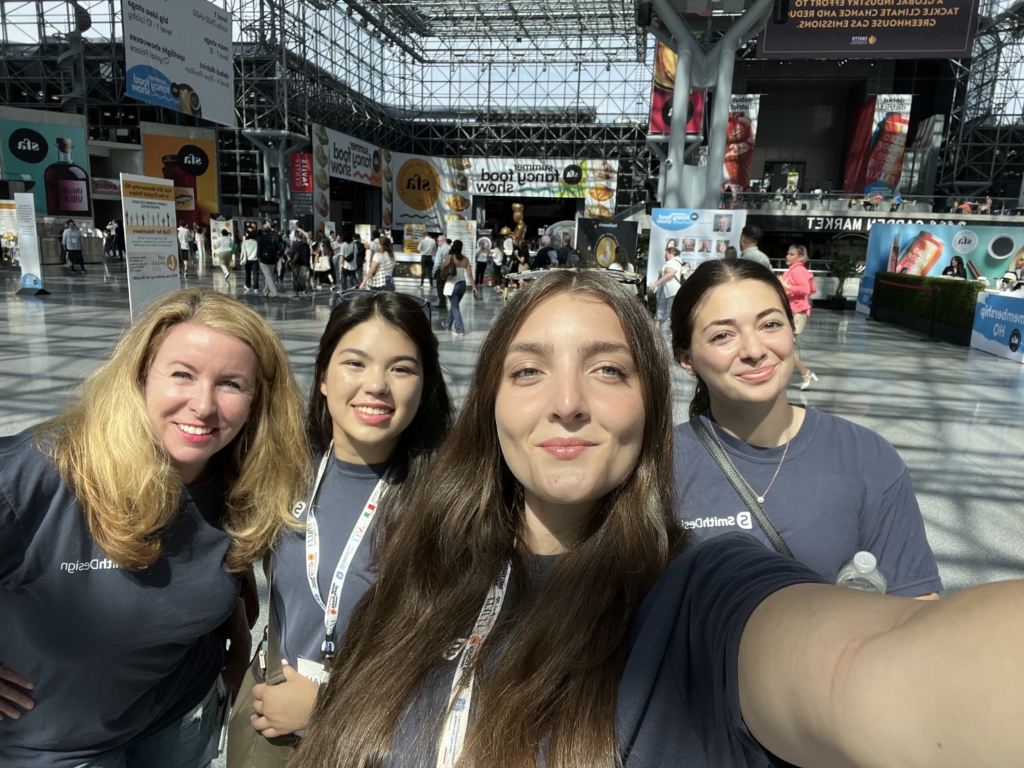
Booth by booth, we were able to see so many different foods, snacks, drinks, and desserts! Some have been around for decades, centuries even; others were brand new, fresh takes on treats we had never seen before! By talking with the diverse group of exhibitors, we were able to learn about new technologies, flavor combinations, business collaborations, and find out what is, or will be, trending now! 
A SPICY KICK 

There was no shortage of heat at SFA’s Summer Fancy Food Show, and we’re not just referring to the weather. Spice was one of the most popular trends among this year’s exhibitors. After prior Fancy Food Shows helped launch Mike’s Hot Honey into the stratosphere, hot honey was an incredibly popular ingredient in various products, especially marinara sauce.  

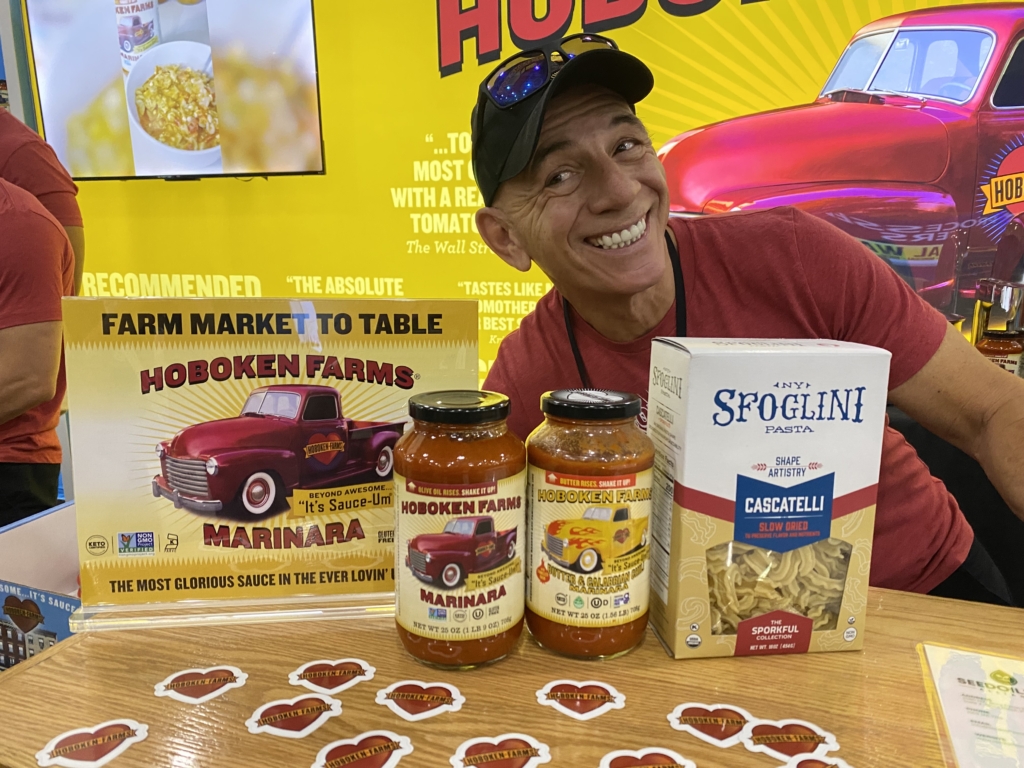
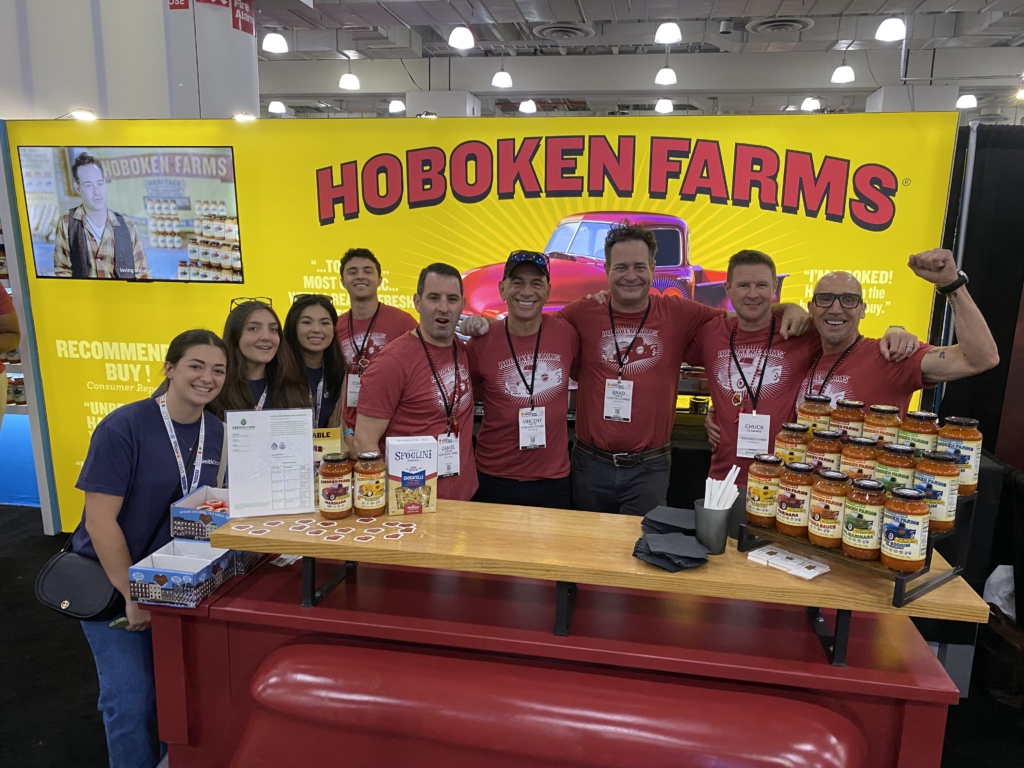
Speaking of Spice, our friends at Hoboken Farms launched a spicy, new sauce flavor – Butter & Calabrian Chili Marinara. We spent some time at their truck-themed booth watching their Yo-Yo master perform and sampling the new sauce cooked up by Brad.  

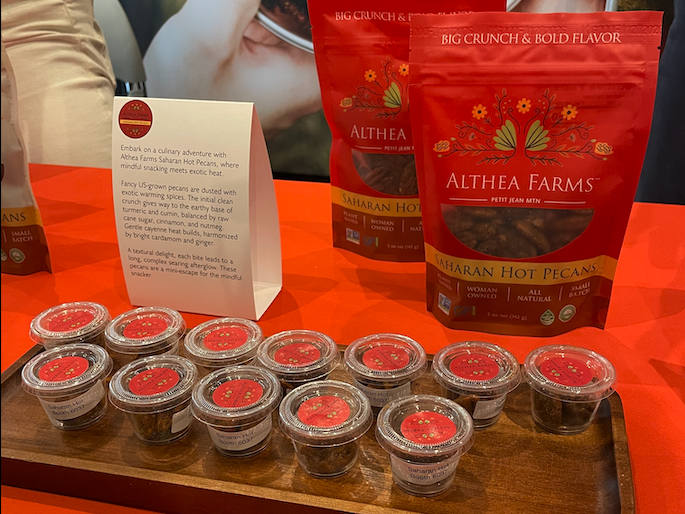
Our taste buds were on fire all day after trying everything from Saharan Hot Pecans at Althea Farms, Rondele Mango Habanero Cheese at Lactalis, the adorably designed Noodletown Sesame Noodles with Chili Crisp at Acecook, and Maazah’s fresh Cilantro Chutney sauce.  
ALTERNATIVES FOR EVERYONE 

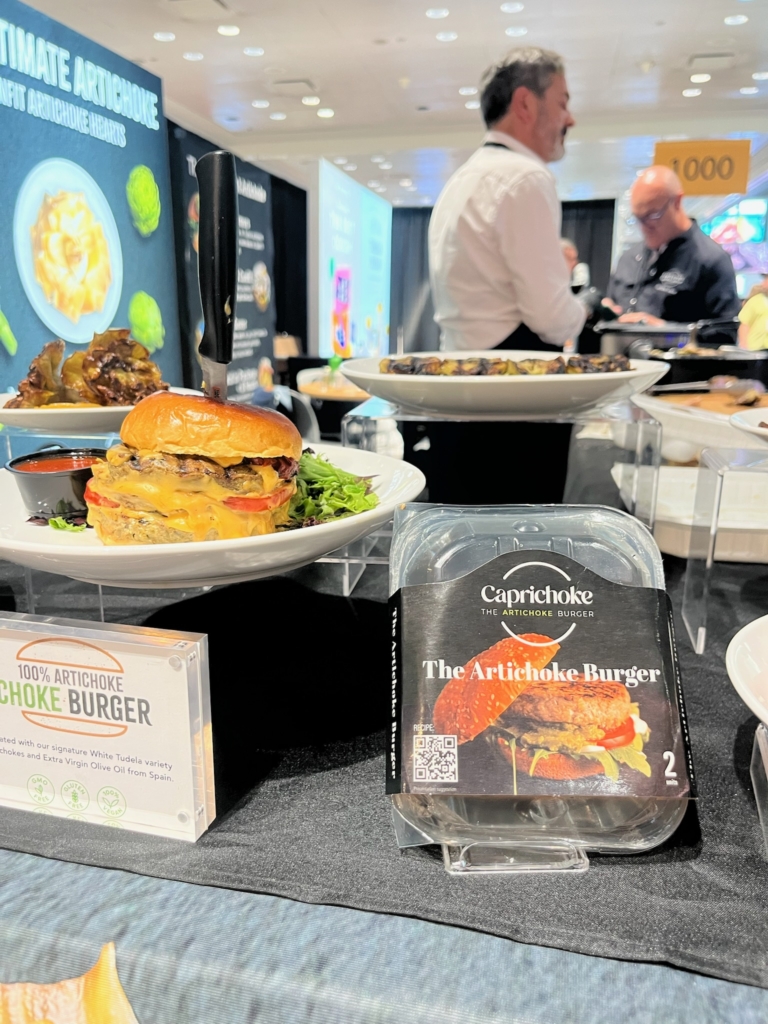
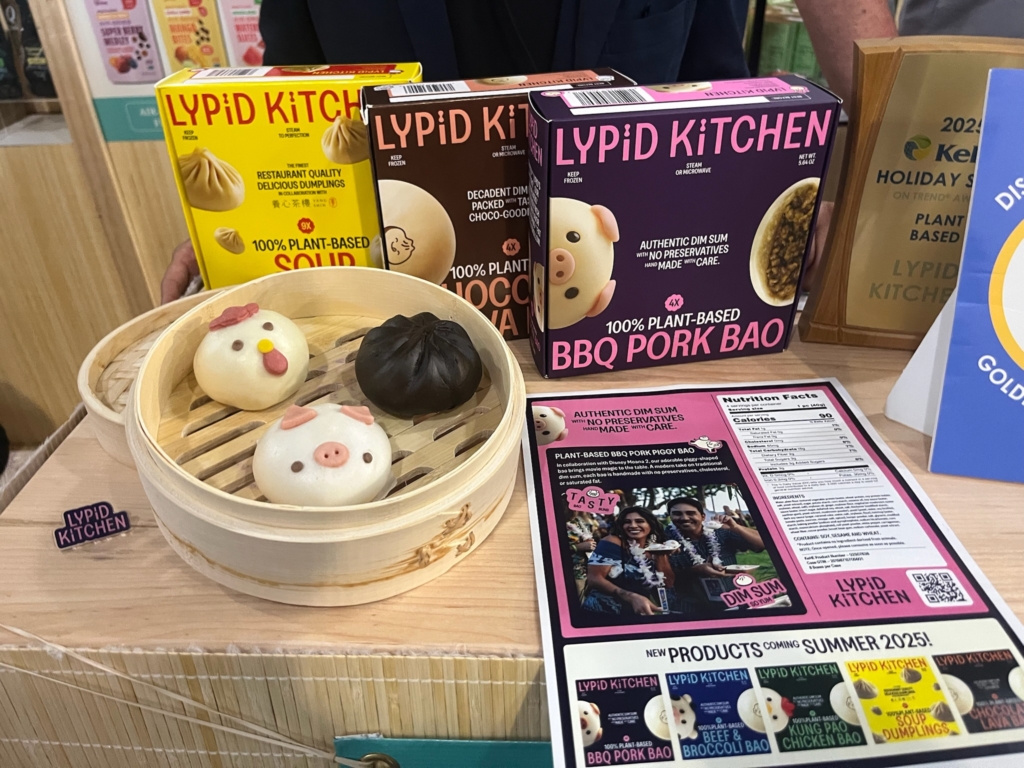
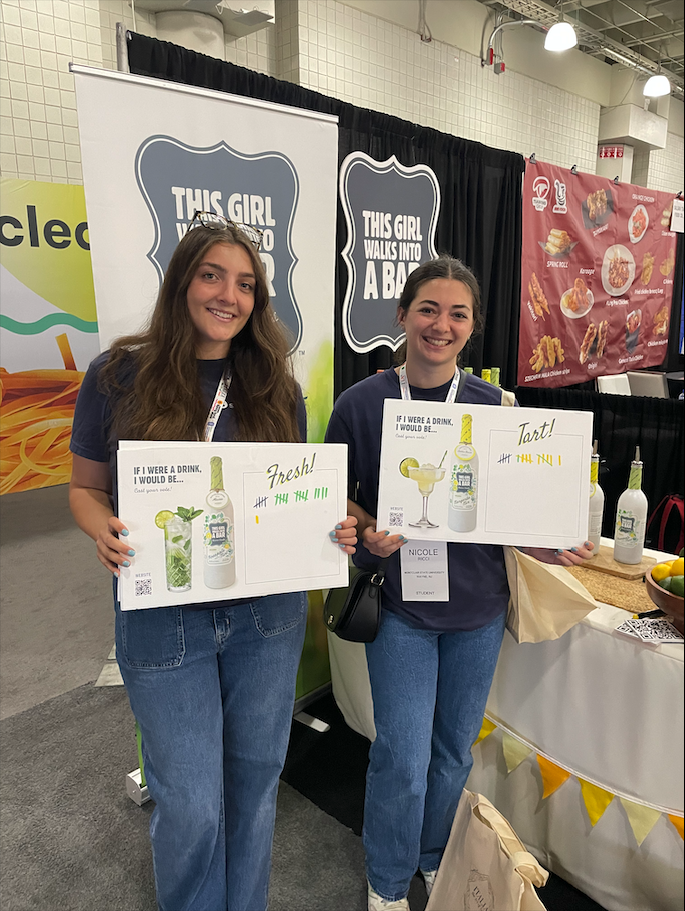
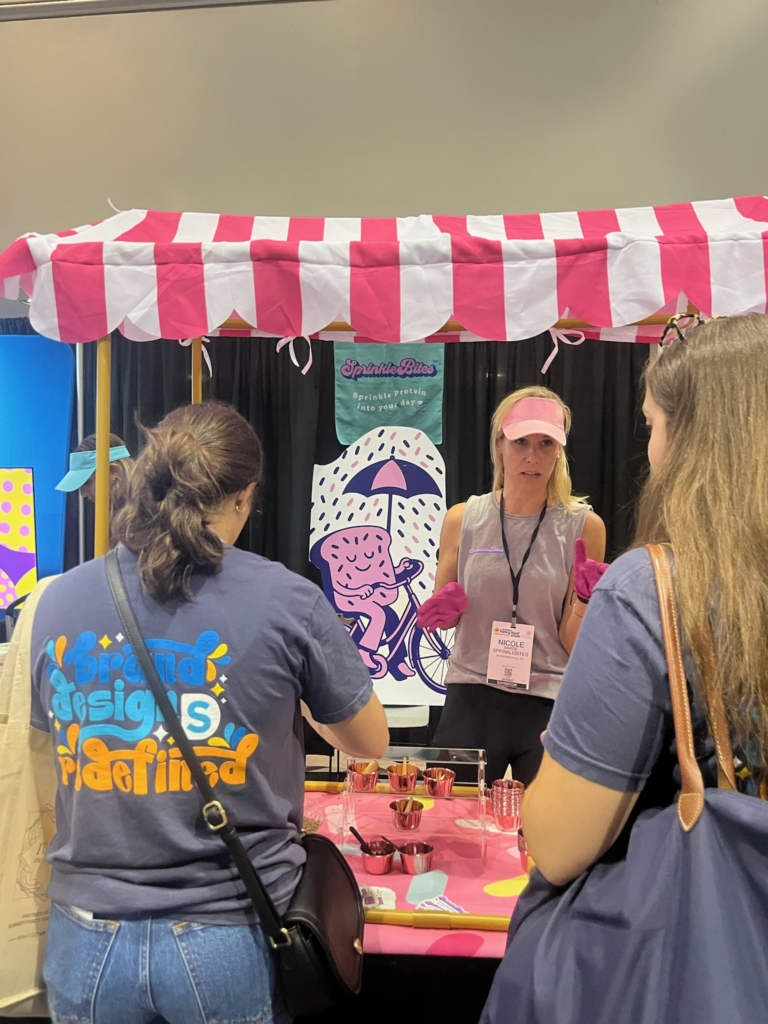
If one thing was clear at this year’s show, it’s that the food industry is in the midst of an accommodating age. We tried a huge variety of alternative products, some highlights being The Ultimate Artichoke’s artichoke burgers, Natural Heaven’s heart of palm pasta, Prime Shrimp’s shrimp burger, and Bezi Labeneh’s tangy cream cheese alternative. We even sampled protein sprinkles at Sprinkle Bites, which was one of the most innovative products we tried at the show.   

In addition to offering different ingredients and regionally-inspired flavors, many of the alternative products were also created to accommodate health and dietary preferences. These packages were sprinkled with claims of being high in protein and fiber and low in fats, sugar, and carbs.  

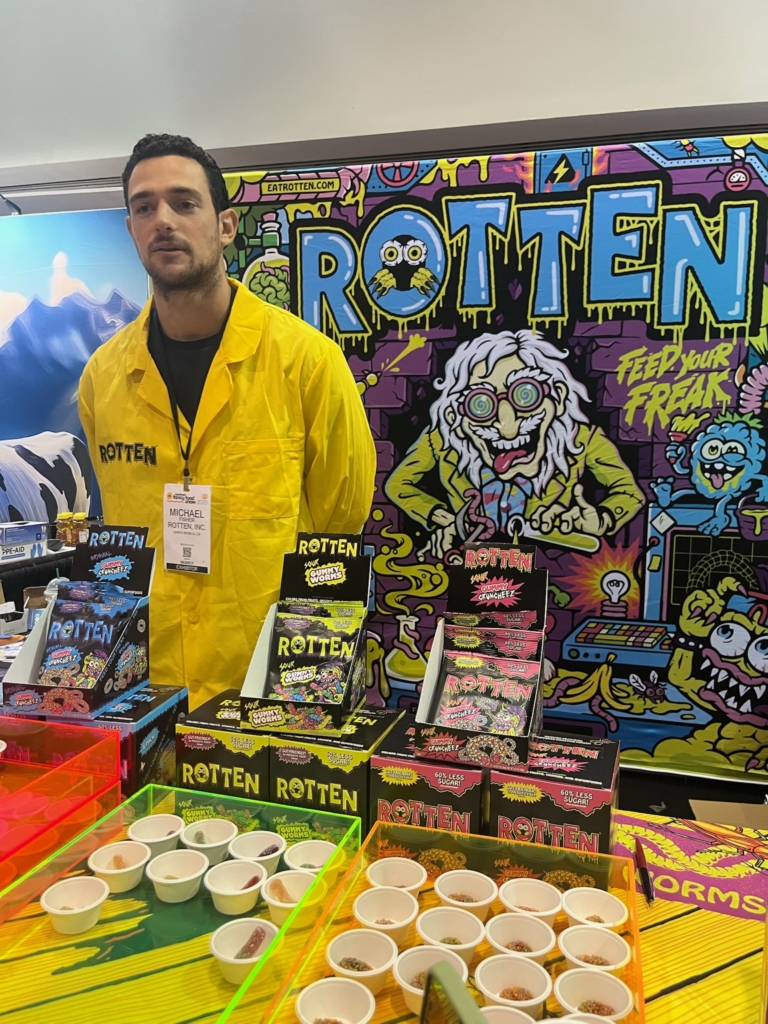
Continuing on with the health theme, another major trend we noticed at Fancy Food was the abundance of products highlighting the inclusion of prebiotics. Visiting “Rotten Candy”, a new brand that ironically produces healthier alternatives to classic gummy candies, felt like stepping into a mad scientist’s laboratory with their neon, nostalgic illustrations. We sampled their unbelievable gummy candies that also happened to be packed with prebiotics and offer 60% less sugar than leading gummy brands.  
EASE & CONVENIENCE 

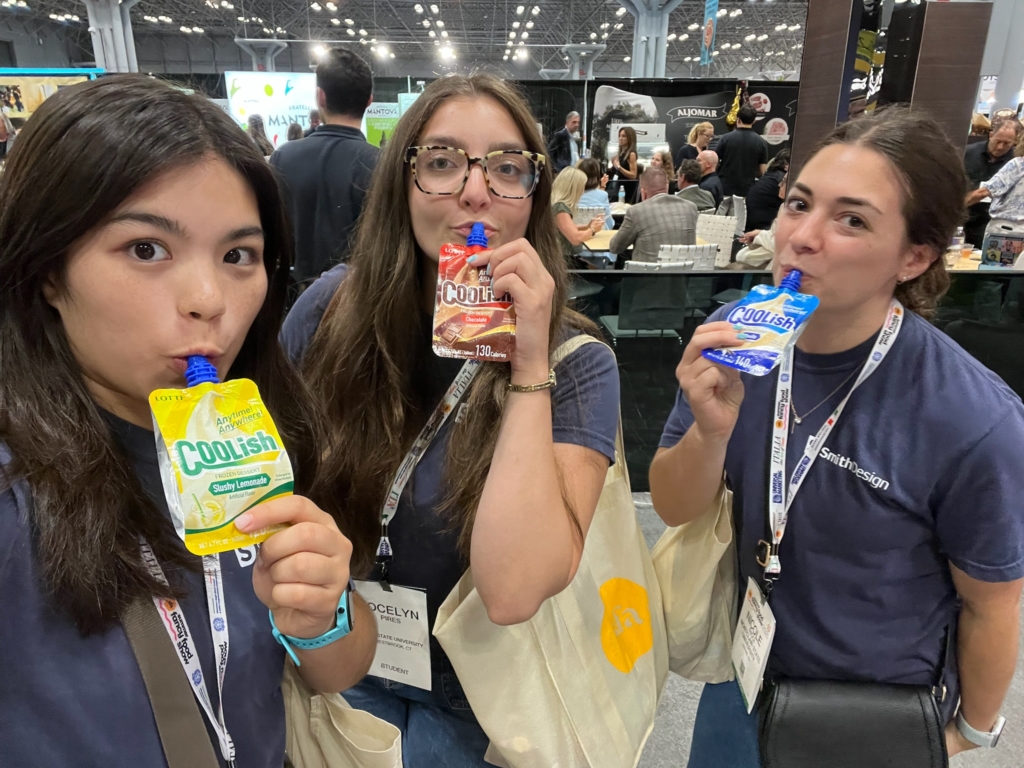
One of our favorite micro-trends we observed was convenient, on-the-go packaging. We also saw lots of individually packaged snacks with portioned servings. Lotte’s Coolish Frozen Desserts came in squeezable pouches, bringing all the fun of ice cream, without the drippy mess.   

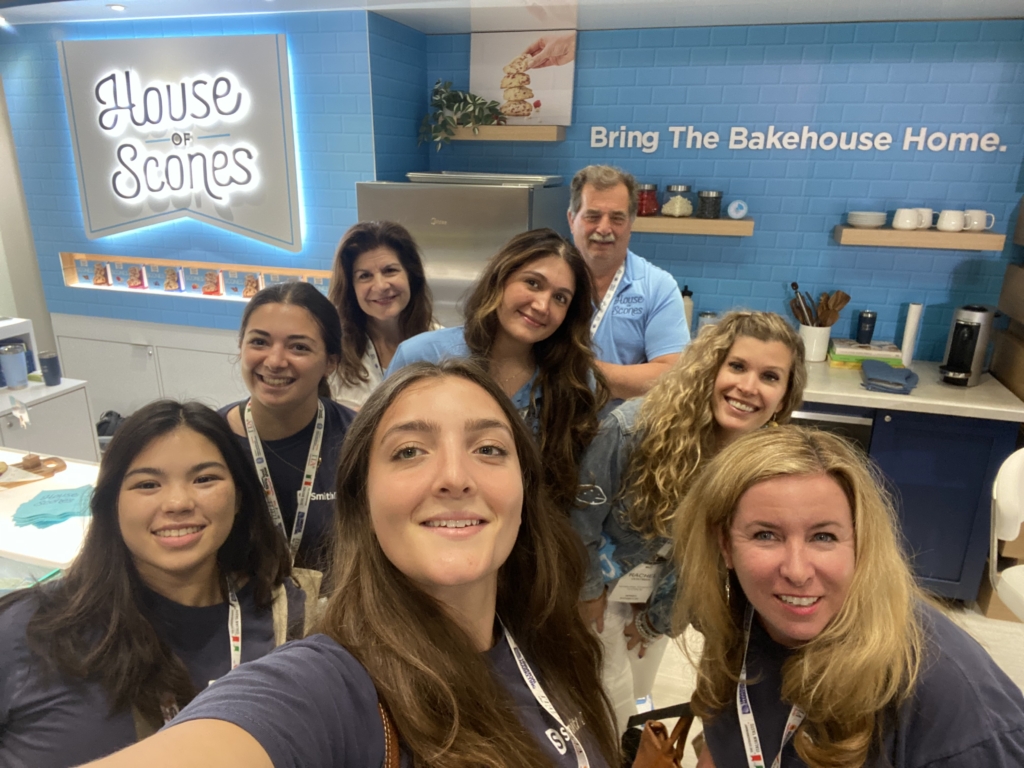
Many brands introduced new products offering a gourmet flavor experience at home. King Arthur Baking Company was serving fresh, hot biscuits straight from the oven with strawberry rhubarb jam and melted butter using their Buttermilk Biscuit Flour Blend. We also enjoyed visiting House of Scones, sampling their delicious scones and seeing Smith Design’s polished branding and package designs on display. These brands and their standout products offered a thoughtful cooking and eating experience, in addition to their delicious taste. 
RAINBOW OR REFINED? 

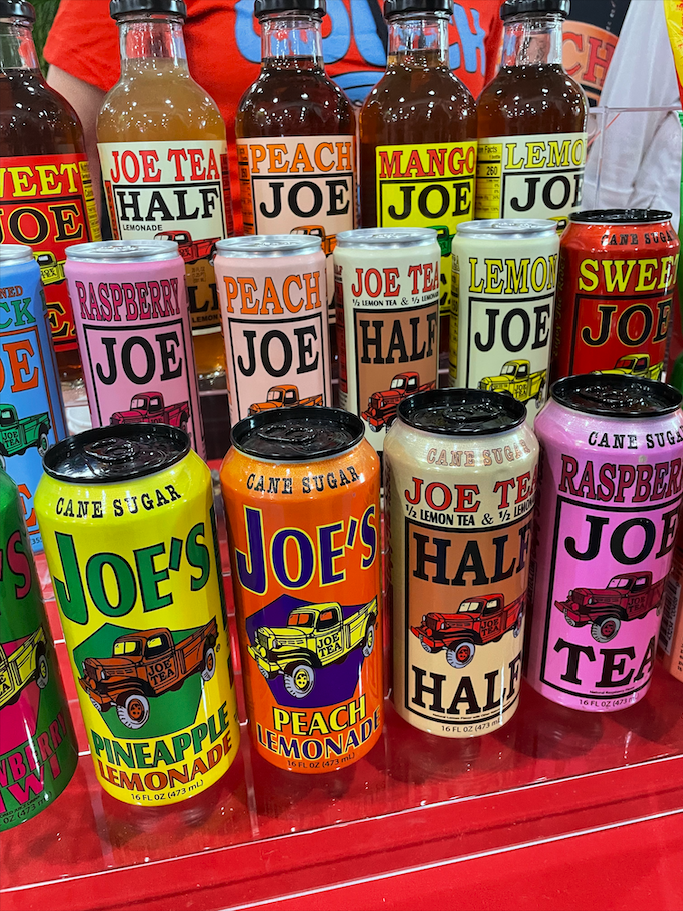
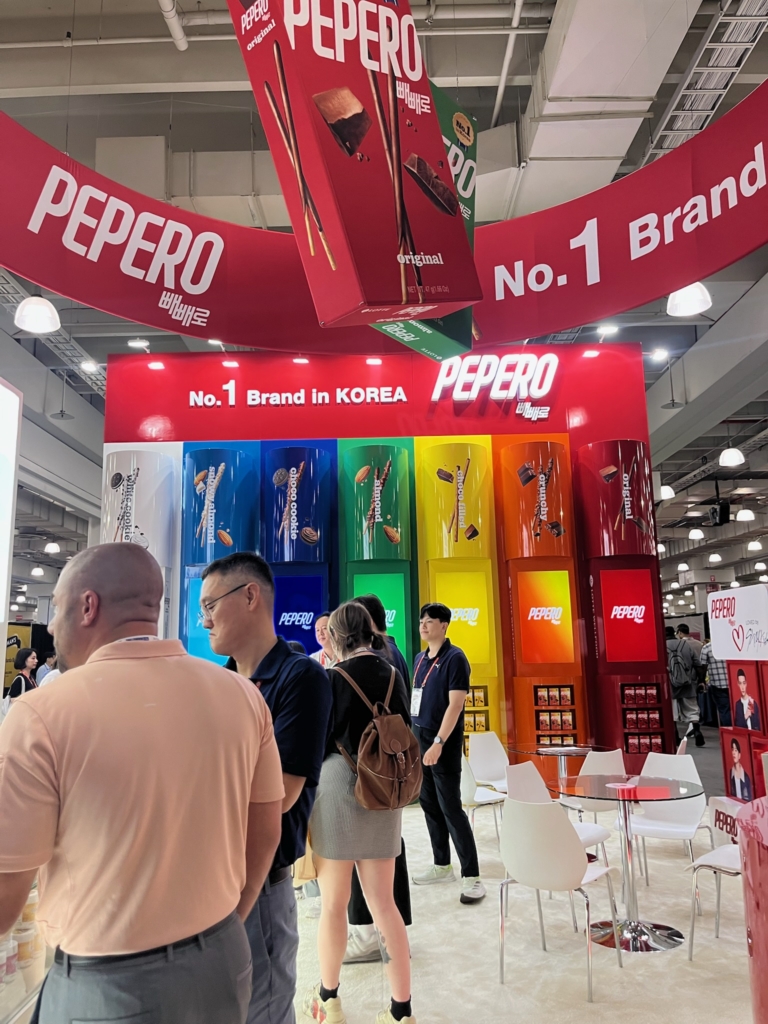
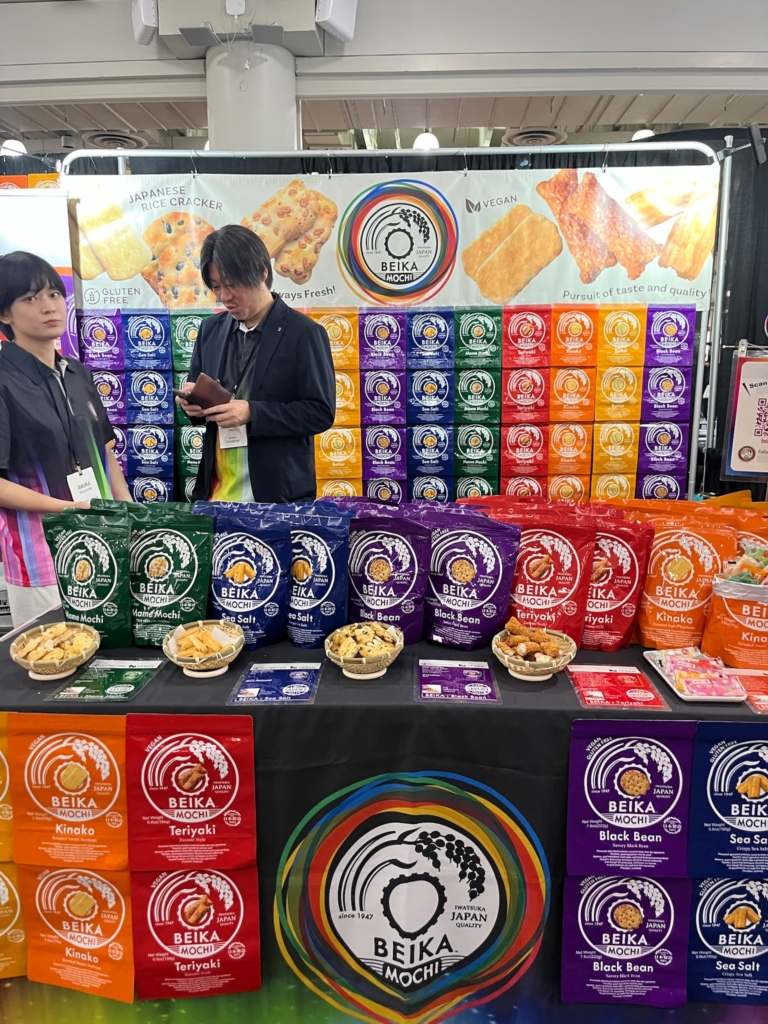
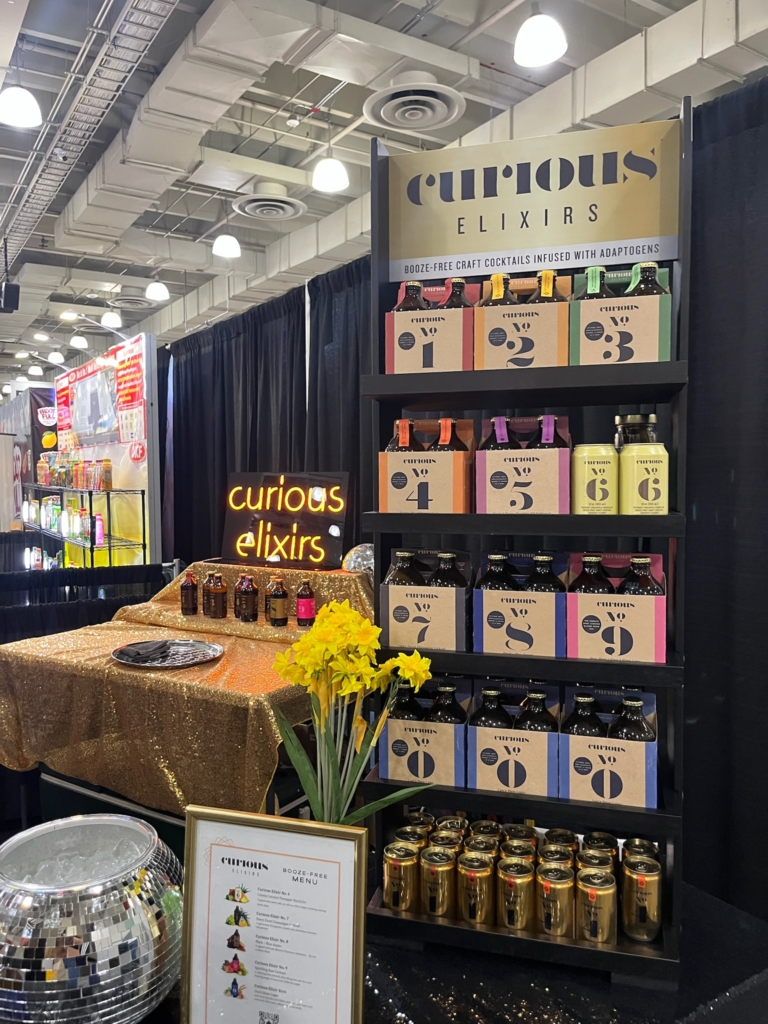
Rather than sticking to a particular brand color, many brands have been leaning into the rainbow aesthetic. These brands remain anchored by their wordmarks and logos, with different rainbow shades for every flavor. Curious Elixirs, Joe Tea and Pepero were standout booths because of their punchy, multi-colored packaging. 
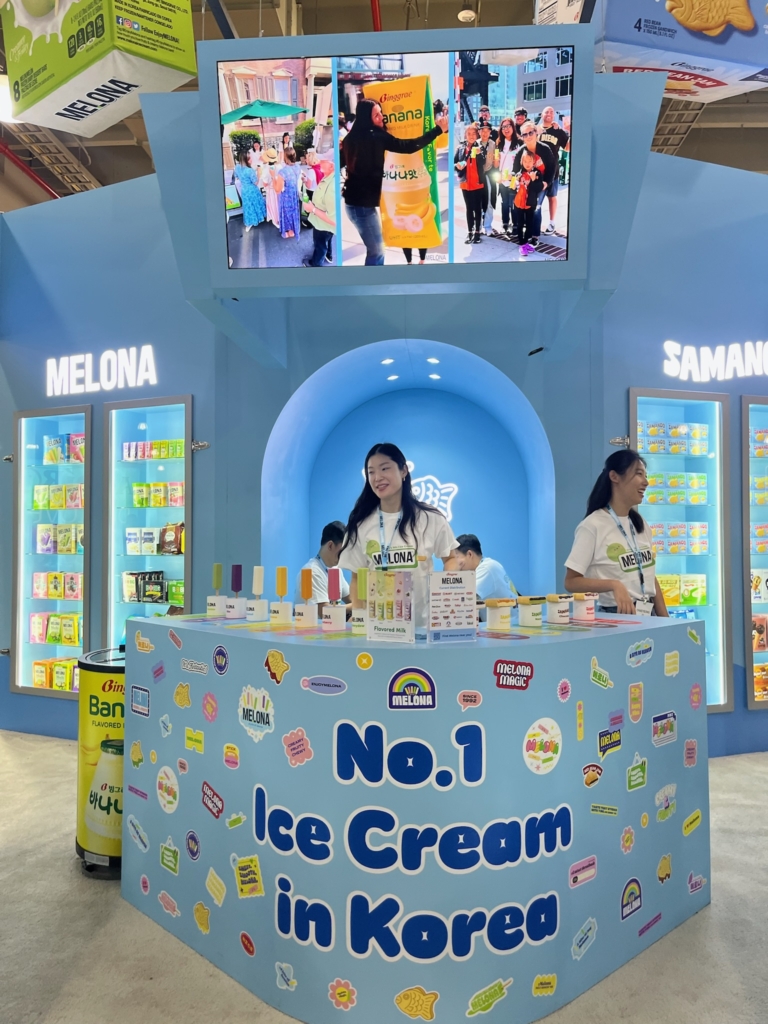
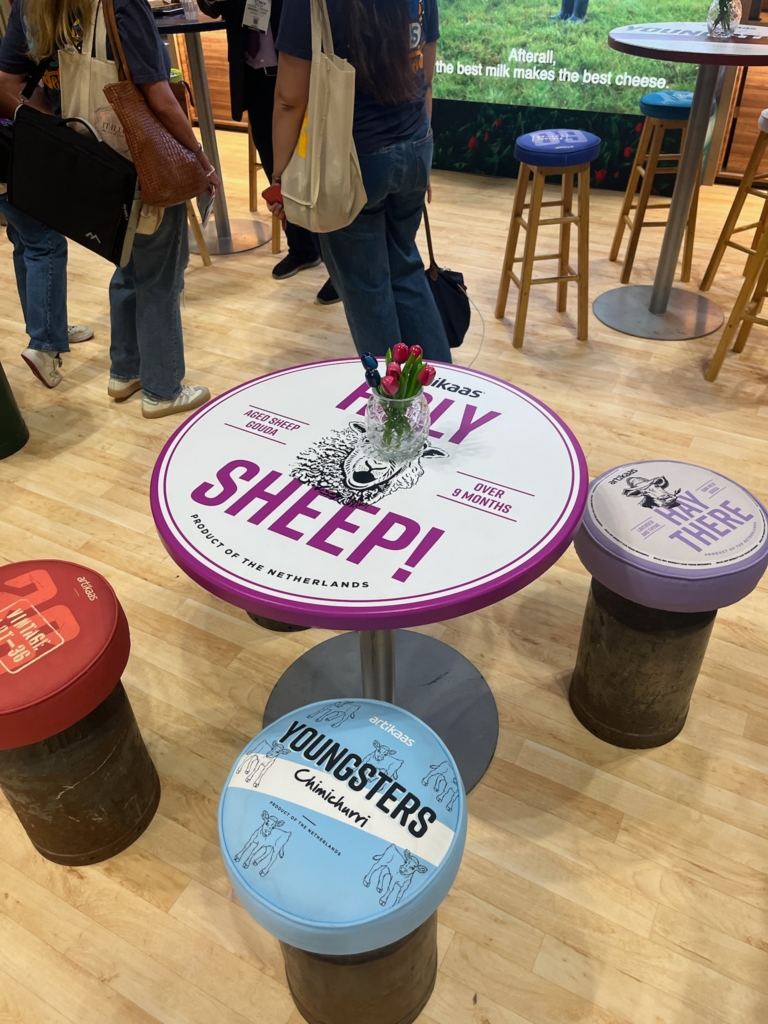
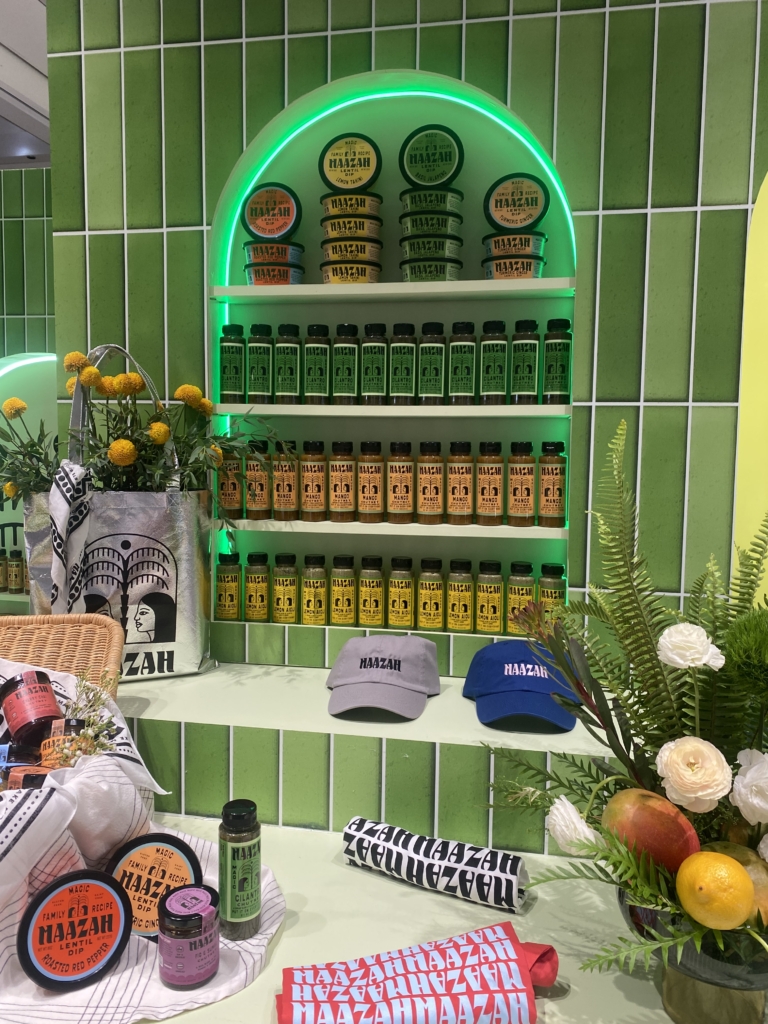
Monochromatic color schemes could be equally effective for some brands. We loved Melona’s icy blue booth, tricked out with neon signs and colorful stickers, which perfectly complemented their Taiyaki Ice Cream sandwiches. Artikaas leaned into the “cheesy” theme, their tables and barstool cushions adorned with their clever cheese wheel designs. Maazah’s soothing, green-tiled booth felt like an oasis in the chaos of the Javits Center. Their chutneys and lentil dips were tasty paired with a full charcuterie spread. 
Highlights:
– Visiting our clients and seeing their fabulous booths and new product innovations
– Learning the stories behind products – Josephine’s Cookies, history of Twinings
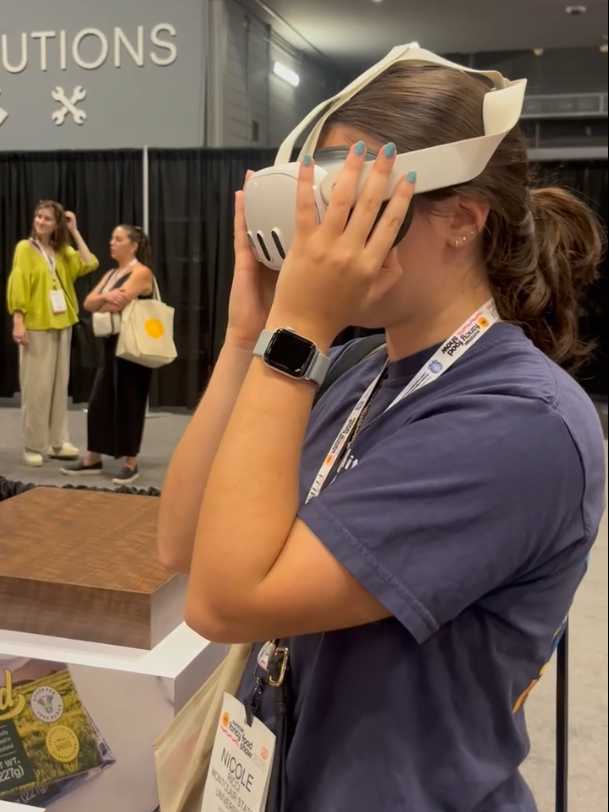
– Westgold VR headset – we could almost taste the grass!
– Ornate tinned fish
– Sprawling charcuterie spreads
– Easting samples 😉

There was so much to see and do at the show. We learned so much and will cherish this experience forever. We were able to see how much work goes in behind the scenes to get the products we use and eat every day to the shelves and left the center inspired and ready to apply our newfound knowledge in our work.  

After a long day at Fancy Food, we made our way back to New Jersey with overflowing totes, satisfied appetites, packed camera rolls, and even a brand-new pizza board. Here’s to another great year at SFA’s Summer Fancy Food Show! 
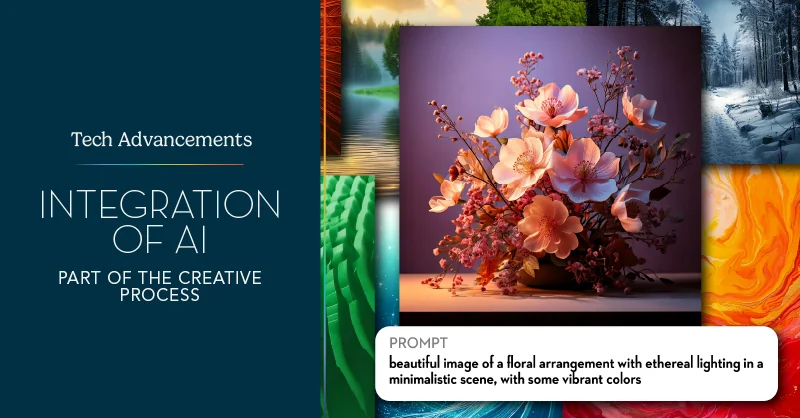
Integration of AI as Part of the Creative Process

Whether you’re a designer or a brand marketer, this blog offers insights that can help you harness the power of Visual Generative AI. Maximize agility with faster turnaround times and cost efficiency with “GenAI”.

AI has rapidly evolved from a niche area in computer science into a transformative force across various industries, particularly graphic design. Visual GenAI enables machines to perceive, interpret, and act on visual data similarly to how humans do, but the implications of this technology extend far beyond mere image recognition.

GenAI – New Developments

The recent conversations surrounding GenAI focus on developments in AI image synthesis such as Firefly, Runway, DALL-E, Midjourney, and Flux, which have accelerated automated creativity. 

The integration of GenAI in graphic design has evolved from basic automation tools to sophisticated generative systems, significantly impacting the creative process by streamlining repetitive tasks, generating design ideas, and enhancing image manipulation, allowing designers to focus more on conceptualization and high-level decision-making. 

The future of AI in graphic design likely includes even more advanced customization, personalized design experiences, and the ability to seamlessly integrate diverse data sources into visual outputs, further blurring the lines between design and data analysis.

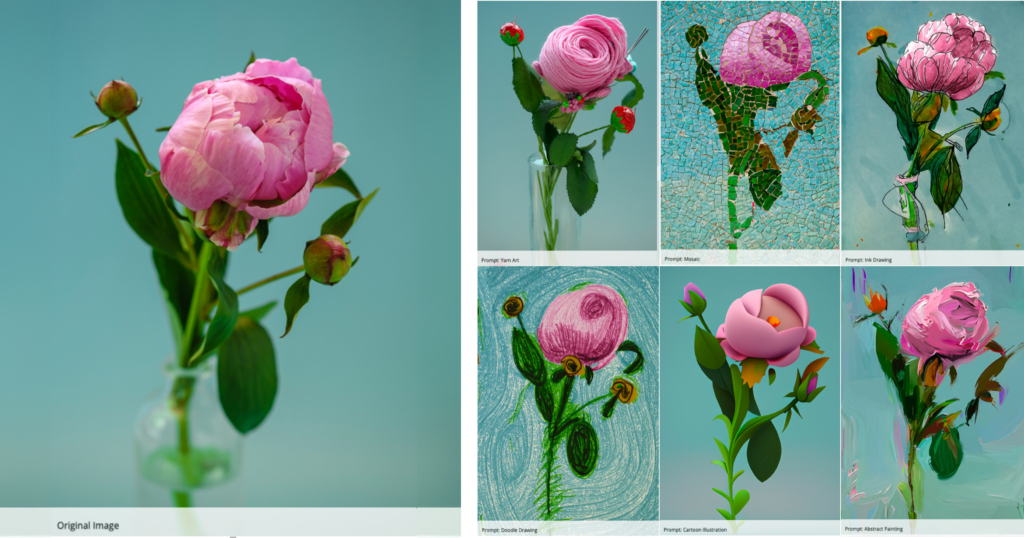
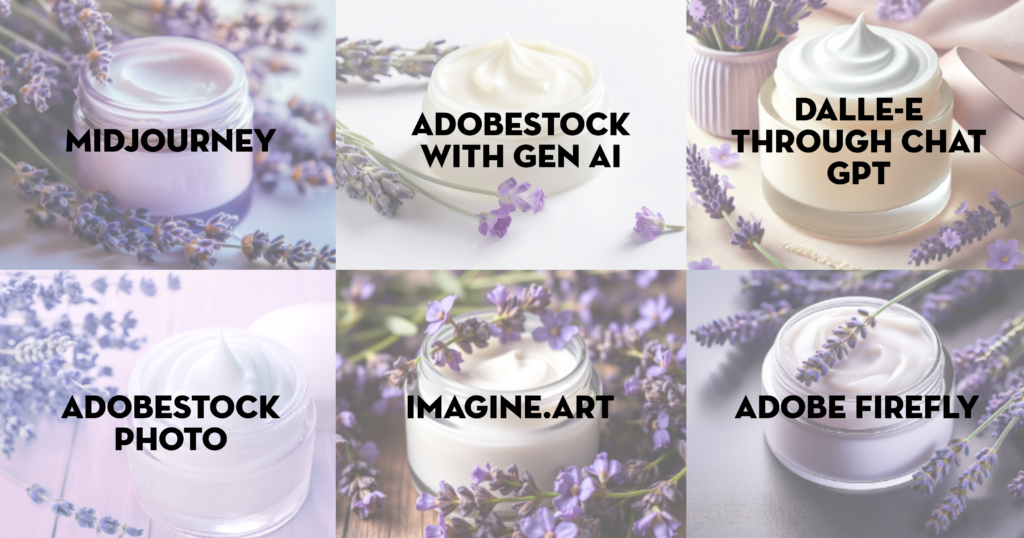
Guess Which Images Are Made With AI?

Stay tuned for the answer revealed further down in the blog…

GenAI – Governance

In mid-October Smith Design sent three representatives to the Adobe MAX 2024 conference in Miami Florida. They returned with a wealth of new knowledge, including how Adobe is paving the way for GenAI governance by implementing content credentials and using only permitted content. Adobe takes responsible innovation in the age of GenAI very seriously. Their leadership positioning and commitment to thoughtful AI innovation is an example for other GenAI development models. A diverse Adobe AI Ethics Review Board oversees training, testing, and the review process to ensure accountability, responsibility, and transparency. Click here to learn more about our learnings from the Adobe Max conference: https://smithdesign.com/blog/adobe-max-2024-recap/

With an everchanging landscape, the GenAI risk and governance stakeholders in different organizations will need to diligently oversee the responsible use of GenAI by mitigating potential biases, security threats, and ensuring safety and ethical practices.  

Drive Efficiency and Enhance the Creative Process Using AI as a Tool

As we are weeks away from entering the last year of Q1 in the 21st Century, several key trends converge to reshape the industry. Advancements in machine learning, natural language processing, and computer vision are driving these trends, making AI more accessible and powerful than ever before. Designers who embrace these technologies will equip themselves to meet the demands of an increasingly digital and personalized world in the 21st century Q2 and beyond.

Think of the process of using AI as spit balling ideas, image swipe sessions, or post-it sketch storms with your team, during the beginning phase of design. How might you use AI to generate ideas, or use it in your workflow? 

You can use AI to:

  1. Enhanced Creative & Visual Briefs: Generate unique design concepts that designers may not have considered. AI can assist designers in providing fresh perspectives to spark creativity.
  2. Efficiency and Speed: Quickly generate designs or concepts, significantly reducing turnaround times. This speed can be crucial in meeting tight deadlines.
  3. Customization: Tailor designs based on specific prompts, enabling a high degree of personalization.
  4. Cost-Effectiveness: Streamline the design process, especially for preliminary concepts and prototypes, making it more affordable than traditional research methods.
  5. Exploration of Styles: Mimic various artistic styles and genres, allowing designers to experiment with different looks and feel without needing to master each style individually. AI programs enhance efficiency and creativity by quickly generating ideas and automating repetitive tasks. It can also help with style references, material reference, consumer types, objects, materials, conveying idea/context, design language,  packaging types, photography language, etc.
  6. Consistency: Maintain design consistency across various projects by adhering to predefined style guidelines and parameters.
  7. Accessibility: For those without advanced design skills, or the ability to verbally communicate their vision, AI tools can provide a way to create professional-looking designs with minimal expertise.
  8. Data-Driven Insights: Analyze trends and patterns to inform design decisions.
  9. Experimentation: Assist in testing and iterating on multiple design concepts quickly, helping designers find the best solution without extensive manual effort.
  10. Support for Collaboration: Facilitate collaborations by providing a shared platform where team members can generate and refine design ideas together.

And now for the answers!

Conclusion

As AI continues to advance, its impact on graphic design and marketing will only grow. By integrating these technologies into their workflows, designers can unlock new levels of creativity and efficiency. The future is bright for those willing to embrace the possibilities that AI brings to the table.

Want to learn more about how to successfully navigate using AI as a tool for inspiration and efficiency? Fill out the form below to be one of the first to receive our more extensive white paper that is in development. Please add that you are interested in the GenAI white paper.

Smith Design also offers Educational Seminars where we host webinars and live or streamed events on trending topics. Please fill out the form to connect and to learn more. 

Bold Chaos Packaging Trend Is Turning Heads

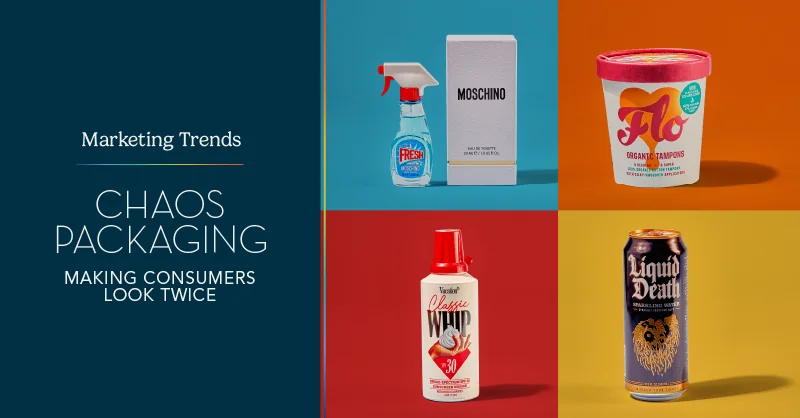
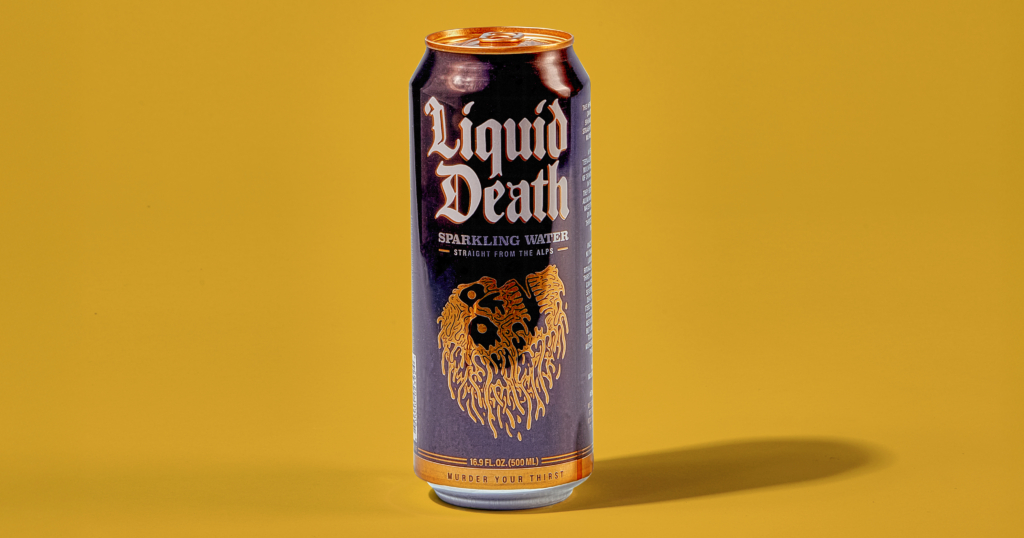
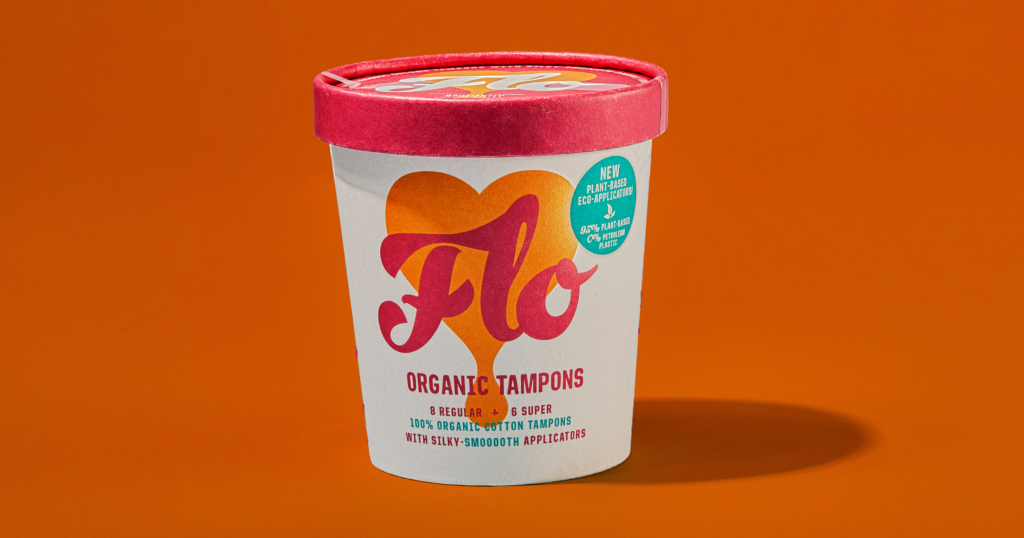
In today’s world of retail, consumers crave uniqueness, surprise, and a touch of rebellion – and the latest packaging trend, aptly called “chaos packaging,” brings all these elements to the forefront. Chaos packaging, a phenomenon that continues to gain traction on TikTok and recently spotlighted by The Wall Street Journal, embraces an unorthodox approach by selling products in containers that are unconventional to their category. Think tampons packaged in what looks like ice cream containers or water in tallboy cans traditionally used for beer. This outlandish packaging taps into our curiosity and challenges the norms of what packaging “should” be, prompting many to wonder: How far will this trend go, and what could be next?

Small Startups Disrupt the Shelves

The chaos packaging trend began with small startup brands that, due to limited budgets, needed to stand out against larger competitors. Without funds for extensive advertising, these companies had one primary promotional tool – their packaging. Rather than using conventional packaging that might get lost on shelf, they adopted surprising, playful forms, and in many cases, they used stock packaging to keep costs down. By placing their products in non-standard containers, these brands caught the eye of consumers in a shockingly fresh and economical way.

Influencers Fuel the Chaos Packaging Craze

Social media influencers continue to play a significant role in amplifying chaos packaging. This past summer, the Vacation brand sunscreen went viral. This sunscreen packaged in a whipped cream container really whipped up a frenzy of social posts!
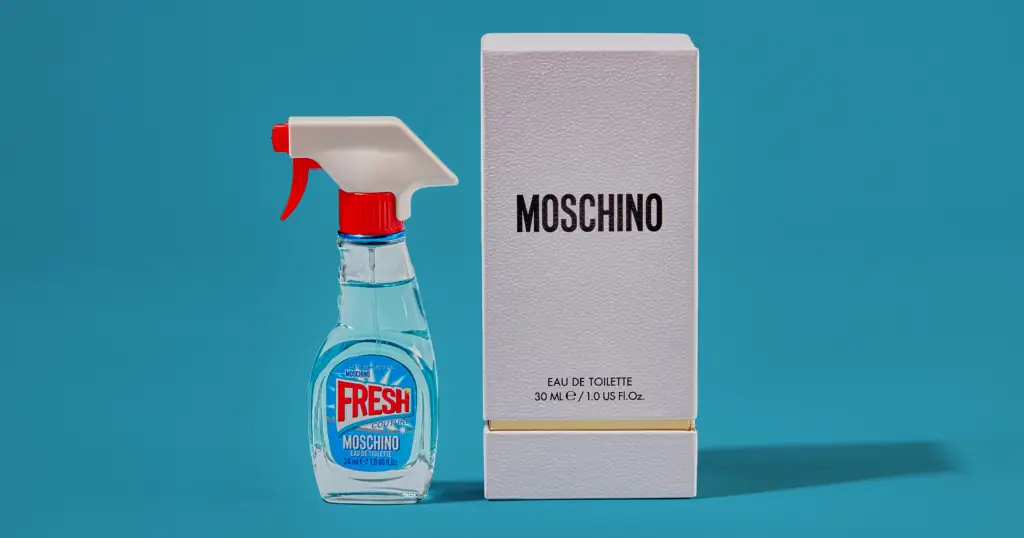
Another standout example comes from Moschino, a perfume brand beloved by influencers. The perfume’s outer box appears plain, but inside, the bottle resembles a surface cleaner’s trigger spray bottle – an unexpected twist that shocks and delights.

A Mini Bit of Nostalgia

The Moschino perfume’s packaging may remind Gen Z and Gen Alpha of the “mini-brand” and “unpacking” trends that flooded YouTube in the past decade. Videos of unboxing surprise toys, mystery eggs, and miniatures sparked fascination and surprise, a sentiment chaos packaging now revives. In a news segment about chaos packaging that recently aired on a Philadelphia station, one of the news anchors stated that the Moschino brand is like the answer to Gen Z growing up. Brands actually become mini-brands!

What’s Next for Packaging Trends?

With chaos packaging capturing attention, the natural question is: What’s next? The idea of a “surprise element” in packaging has deep roots in consumer culture, from cereal box toys to Happy Meal surprises. As brands look for the next big thing, candy and personal care sectors may continue to experiment with innovative shapes and formats, perhaps pushing the boundaries further than ever.

Consider the rising trend of using tackle boxes for candy storage or the popularity of unusual shapes and vessels in beauty stores like Sephora and Ulta. As a medium, packaging is transforming into an experience itself, inviting consumers to interact, play, and share their finds with friends and followers.

Sustainability Meets Chaos: A New Frontier

As brands push the envelope with chaos packaging, sustainability remains a crucial priority for all packaged goods. Both CPG companies and packaging manufacturers are researching and innovating with eco-friendly packaging options. 

An example of sustainable packaging innovation is the in-mold labeling (IML) technology for plastic containers. With the IML manufacturing process, the labels are fused to the containers, allowing for easier recyclability because the packaging is a single material. Yogurt cups, primarily made with IML packaging, could inspire chaos packaging in unexpected categories. Imagine beauty products such as face masks or an exfoliator sold in yogurt containers! IML yogurt cups can also be used as packaging for foods in the snacking category, from dried fruits and nuts to chips and dips.

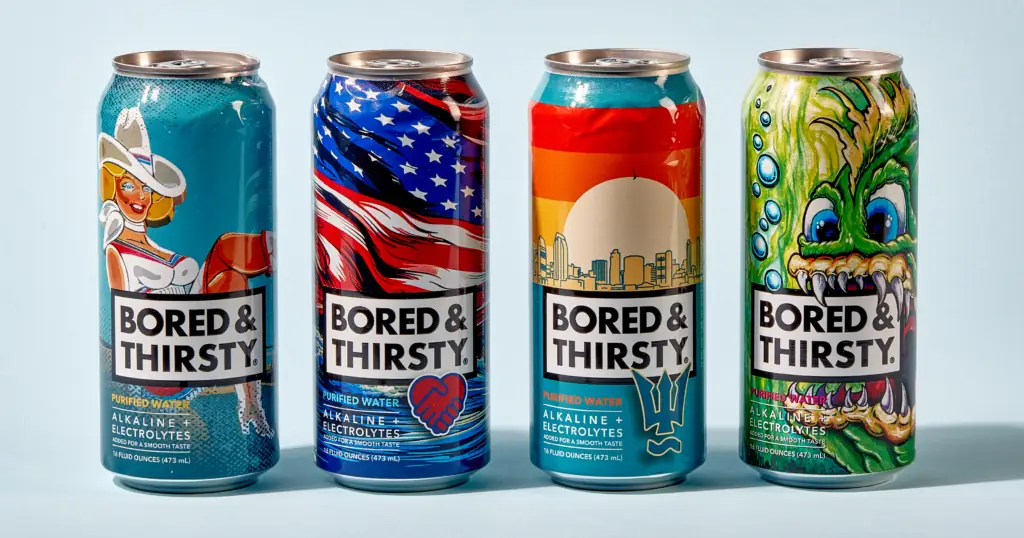
Aluminum is perhaps the most sustainable material on earth as it is highly recyclable. A current trend we observed is water being packaged in aluminum cans. As previously mentioned, Liquid Death water is pretty disruptive as it looks like beer in an aluminum tall boy can. Another fun example of water being packaged in cans is Bored & Thirsty water which has a plethora of wild designs with one consistent simple and clean logo. These designs allow the consumer to make a statement as they enjoy their water!

The future and evolution of packaging, if not chaotic, then certainly fun and sustainable

The chaos packaging trend signals a shift in consumer expectations, with brands redefining traditional forms. As brands innovate, there’s no telling how far they’ll take this trend and how packaging will evolve. Consumer packaging will continue to be a canvas for creativity, tapping into consumers’ love for surprise, fun, and perhaps even a bit of nostalgia – all while adapting to a more sustainable world.

Looking for ideas for your brand’s packaging?

You have come to the right place for inspiration, creativity, and brand strategy!

At Smith Design, we continue to research and immerse ourselves in trends and solutions across different categories. We’d love to hear from you!

Please fill out the form below with your contact information, and we will schedule a consultation.

Women in Design: Sylvia Harris

It’s Women’s History Month and to honor women’s contributions to American history, we are excited to bring back our Women in Design series! Each week we will shine a light on women trailblazers in the design industry. You might not know them all by name, but definitely by their work and influence on the design world as a whole.

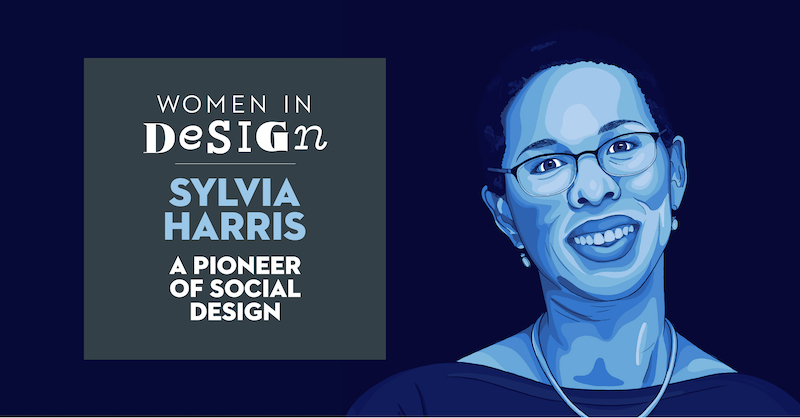
Virginia native Sylvia Harris was a strategist, educator, and graphic designer. Harris attended Virginia Commonwealth University, where she graduated with a BFA in Communication Art and Design and an undergraduate focus in film and photography. After college, Sylvia moved to Boston where she discovered graphic design as a career path. She felt that there was still more for her to learn about the art world and design and decided to attend Yale School of Art where she graduated with an MFA.

Harris’ experience as a Black woman during the desegregation in the 1960s instilled in her a strong belief in social justice and a calling to help others that were disenfranchised by social systems.

Harris established Sylvia Harris LLC, a design and strategy company with a focus with on using design to solve problems for civic agencies, universities, and hospitals.

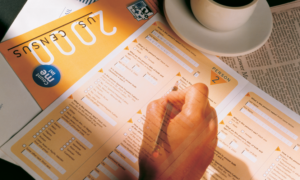
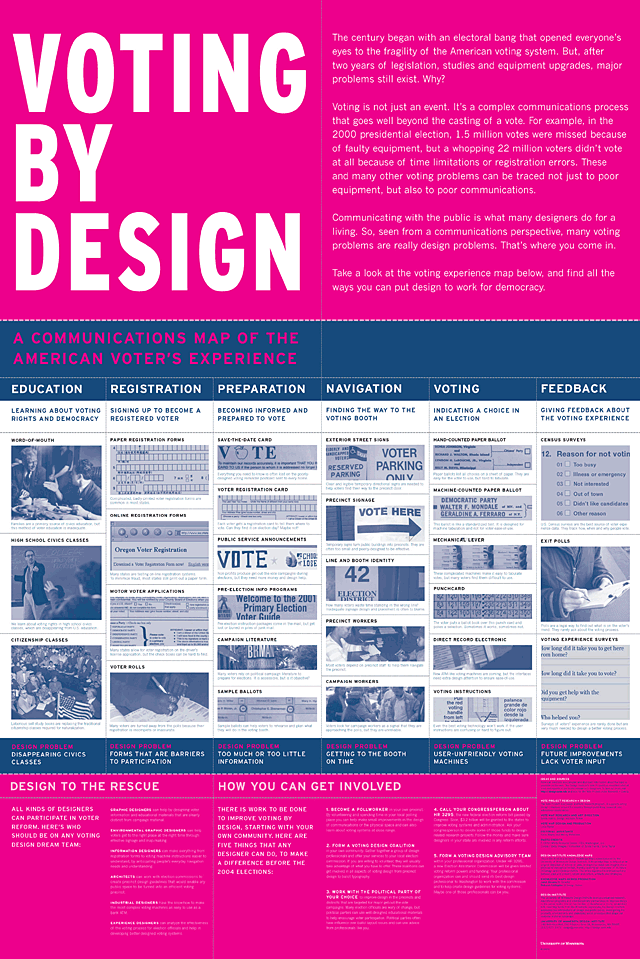
Notably, Harris was the creative director behind the design of the 2000 Census for the United States Census Bureau. With the goal to increase participation, especially among under-represented populations, she had the opportunity to study how and what design could do to get more citizens engaged.

Source: https://segd.org/2021-segd-fellow-sylvia-harris
Source: https://osarcia011.wixsite.com/pioneerwomen/sylvia-harris

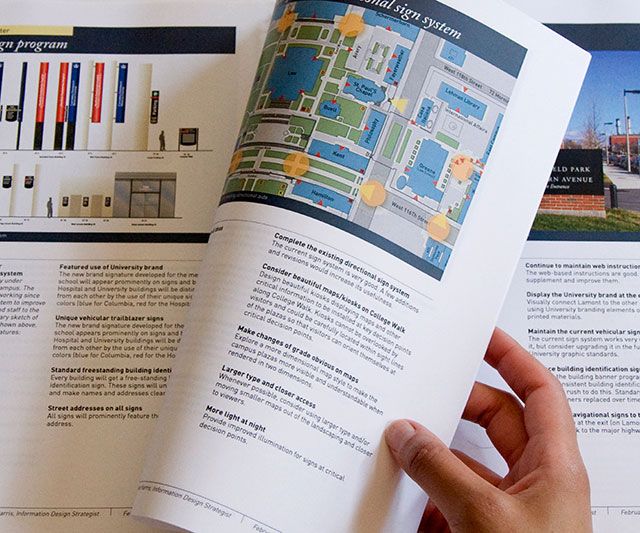
Among her may accomplishments, Harris worked with New-York Presbyterian and the Columbia Medical Center as an independent project leader creating information master plans for the hospital designed to improve communication with patients.

Source: https://www.aiga.org/

In April of 2014, Harris was awarded AIGA’s highest honor and most distinguished award, the AIGA Medal. Sylvia Harris will always be remembered as a pioneer of vital inspiration to the field of social design. After her untimely death, the AIGA (American Institute of Graphic Arts) established the Sylvia Harris Citizen Design Award to honor her dedication to the field of social impact design.

Black Owned Businesses

It’s probably no surprise that one of our favorite pastimes here at Smith is discovering new brands and sharing the products, design, and people who inspire us. In honor of Black History Month, we’re sharing a handful of our favorite Black Owned brands and businesses. If somehow you make it to the end of the list without scooping up what these brands have to offer, we’ve also rounded up some resources on other ways you can support Black businesses in your community and beyond. Happy browsing!  

Uncle Bobbie’s Coffee & Books

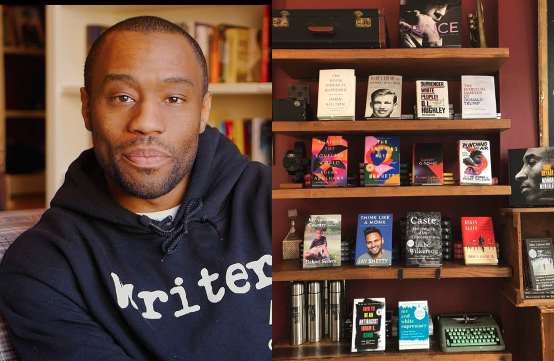
“Uncle Bobbie’s Coffee & Books is a Coffee Shop and Bookstore located in the heart of the Germantown section of Philadelphia. Founded by Marc Lamont Hill in 2017, Uncle Bobbie’s was created to provide underserved communities with access to books and a space where everyone feels valued. In addition to their specially curated book selection, they also serve high quality coffee, food products and other items like apparel and children’s games. They are also a community space, that holds free author talks, and dozens of other events including weekly story time for kids and back to school drives.”

GOODEE

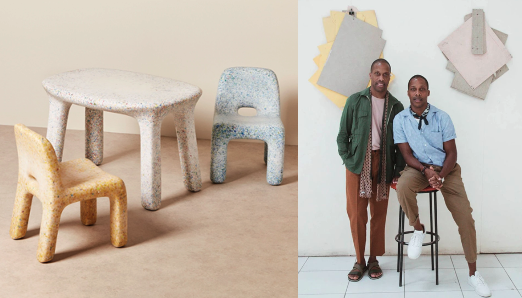
Founded by designers and entrepreneurs Bryon and Dexter Peart, GOODEE “leads the way in curating a marketplace that brings together the values of good design, good people, and good purpose. Offering essential homewares and lifestyle products for better living. GOODEE believes conscious commerce has the power to transform the world and seek to empower both creators and consumers to create change by championing community, transparency, and sustainability.”

Miles and Milan

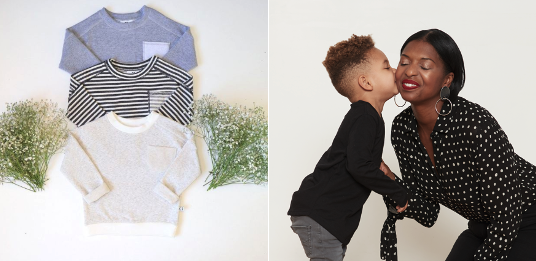
Shennel Fuller, Founder and CEO of unisex kid’s brand Miles and Milan, developed a brand that provides key basics and fashion items that are playful, effortless, and current. A perfect in-between that supports Fuller’s minimalistic yet fashion thoughtful aesthetic, she wanted to create a brand that grows with your child.

Bevel

Tristan Walker, founder and CEO of Walker and Company’s mission is to make health and beauty simple for people of color. He launched Bevel, the first and only head to toe grooming brand crafter for Black men, customized with ingredients for customers skin and textured hair. Bevel also donates a portion of their sales to Walmart to support Anti-Recidivism legislation, continuing education, and job training for returning citizens.

PARTAKE Foods

Denise Woodard, Founder and CEO of Partake created the company when her daughter was diagnosed with multiple food allergies. Partake offers a selection of delicious allergy friendly foods that those with and without food restriction can enjoy and share with confidence. She shines awareness on food allergies and their effects on 1 in every 13 children across the country. Black children especially are at significantly higher risk of developing these allergies. Partake also partners with organizations like No Kid Hungry to provide access to the food, education and advocacy these families deserve.

As a Black & Asian American woman, Denise is passionate about raising awareness of Black and female entrepreneurship and increasing opportunities for underrepresented people seeking careers in the food and beverage industry. In 2020, Denise founded Black Futures in Food & Beverage, an annual fellowship program that mentors HBCU students and helps them secure internships and jobs at the program’s end.

Hue Noir

Using color, science and technology Hue Noir develops innovative, everyday makeup solutions ideal for customers with nuanced skin tones ranging from fair to deep. Hue Noir strives to give women more choices and better options for achieving their desired look. For instance, their True Hues Flawless Finish Foundation product is available in 25 true-to-skin-color shades.

Jam + Rico

Owner of Jam + Rico, Lisette Scott created the company to dive deeper into her love of design and the Caribbean. Both of her grandparents were immigrants from islands of Jamaica and Puerto Rico and she has always been curious about their upbringing and traditions. Once she got older she was able to travel to both of her grandparents home islands where she found her love of her heritage grow even stronger. She designs to bring herself closer to the cultural connection of her ancestors. Looking at the bright and beautiful design of her products, you can get an idea of where her inspiration comes from.

Coco and Breezy

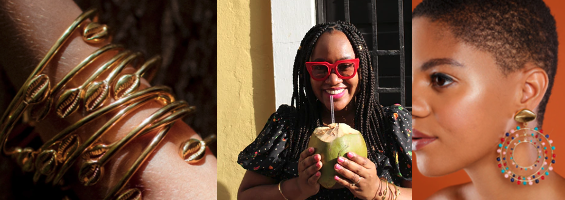
Coco and Breezy is a designer optical glasses and sunglasses brand that was founded by twin designers Corianna and Brianna Dotson. Growing up in Minnesota, the sisters were bullied for their color. Through this hardship, they found their love and passion for sunglasses by how they felt when they put on their glasses, they became their alter egos. Today, their designs are renowned for their style and have been featured in major publications like Vogue and Harper’s Bazaar. – MSNBC

Unsun Cosmetics

Unsun Cosmetics was founded by Katonya Breaux after she was frustrated by the lack of options within the world of clean sunscreen products for women of color. The brand was created to provide clean, no-residue options that were kind to the person using it as well as the environment its being used in.

A Dozen Cousins

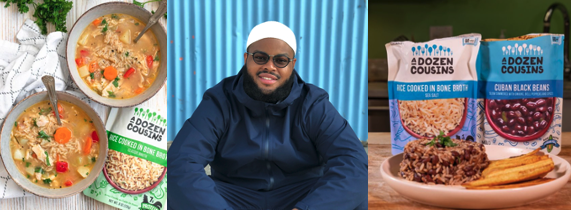
Growing up Ibraheem Basir’s kitchen was full of Creole, Caribbean, and Latin American cooking. As he got older, he saw the importance of eating naturally but hated how hard it was to find convenient foods that were both healthy and authentic. He started A Dozen Cousins so that it would be easier to enjoy authentic cultural recipes made with wholesome ingredients. All of A Dozen Cousins recipes are inspired by traditional Black and Latino recipes. They also have a give back initiative of providing an annual grant and volunteer support to non-profit organizations that are working to eliminate socio-economic health disparities in the US.

Salone Monet

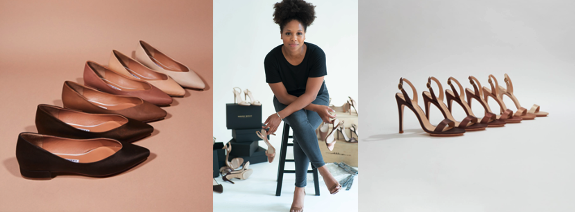
Salone Monet launched her brand of color-inclusive nude shoes when she realized a need for color equity in the footwear space. The line has been worn by Beyonce Knowles, Gabrielle Union, Keke Palmer and many others.

Unwrp

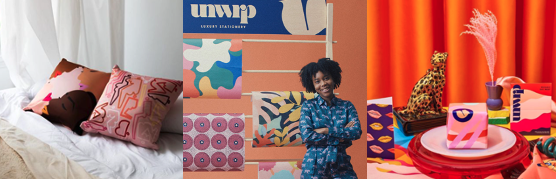
Founded by designer Ashley L. Fouyolle, Unwrp is one of “the most popular, Instagram-worthy, luxury gift wrapping companies”. A one-stop-shop for all your gifting needs, Unwrp offers products including wrapping paper, fabric wraps, greeting cards and home goods designed by talented artists around the world. Unwrp’s mission is to “create quality gifting goods that are produced with ethical and environment values.”

BLK & BOLD

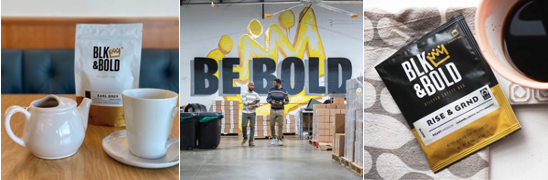
Pernell and Rod, founders of BLK & BOLD created the brand with the idea that they could make a change. Their idea of giving young people the tools to “live their best lives and overcome familiar unfortunate circumstances by turning a daily ritual, enjoying a cup of coffee & tea, into a means of giving back.” The company pledges 5% of its profits to initiatives aligned with sustaining youth programming, enhancing workforce development, and eradicating youth homelessness.

BLK MKT Vintage

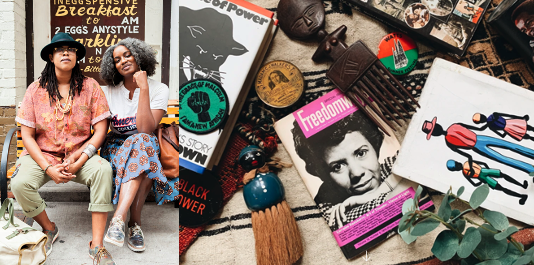
“MLK MKT Vintage is a Brooklyn, NY-based antique/vintage concept shop, specializing in collectibles, cast-offs and curiosities”. Founders Jannah Handy and Kiyanna Stewart founded the brand with over fifteen years of combined collecting and picking experience. Their collection includes vintage literature, vinyl records, clothing, art, houseware/décor, furniture and many other goods. “By centering Black cultural artifacts via thoughtful curation and varying modes of accessibility, we’re communicating very explicitly to Black folks that ‘not only do we see you, but we love you as well. You’re worthy. What you’ve created is worthy. You are important here.”  

There are so many ways to support Black owned businesses including the ones listed here: reshare their products on social platforms, purchase something for yourself, a family member or friend, write a review, seek out Black owned businesses near you to support and tell your friends about, and so much more.

For additional information on how to find and support Black owned businesses near you, check out the resources below:

https://www.supportblackowned.com/ – Easily find Black Owned Business in your area!

Brush up on your Black history and engage in important topics past and present with this round up of podcasts:

https://www.thehandbook.com/10-podcasts-to-educate-yourself-with-this-black-history-month/

Smith Spotlight #3

It probably goes without saying, but Smith Design is full of creatives. In our new Smith Spotlight blog series, we’re highlighting the talents of our team and their endeavors outside of our studio. Follow along to get to know the people who make Smith Design awesome. 

We’re excited to highlight the incredible art of Brian Greenhalgh in our third Spotlight!  

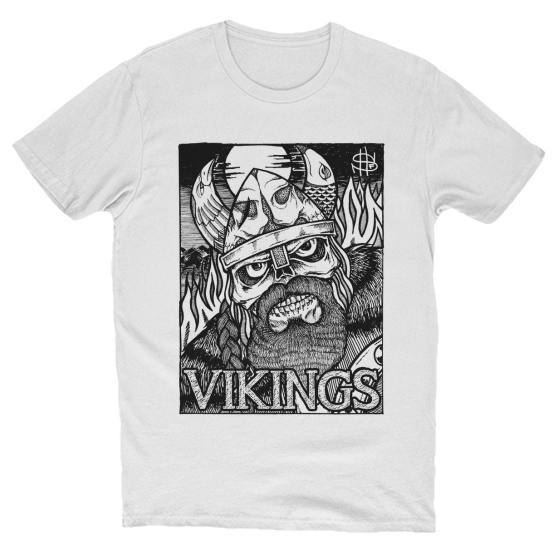
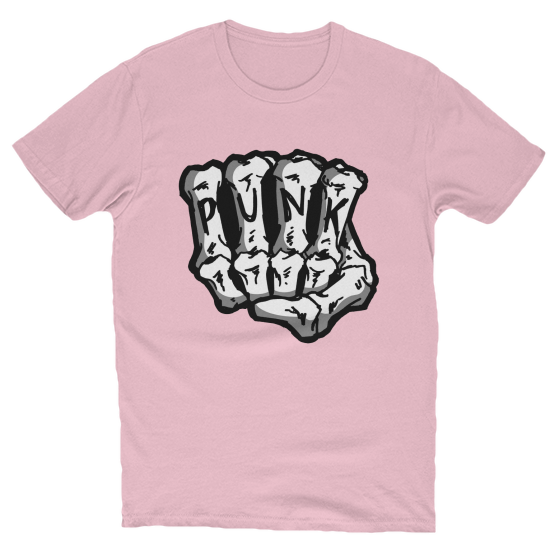
Brian sells unique apparel and stickers through his online store, ScaryFunny. As the brand name suggests, his art style combines a dark, punk style with a light-hearted sense of humor. Inspired by graffiti artists and Keith Haring, he creates eye-catching pieces that contain hidden meanings and clever twists. His collections include music-related pieces, towns he’s connected to, and other themes of cultural or personal relevance. 

When he gets an idea for a new illustration, he has to get it on paper and into existence. This drive has led to him having a diverse array of artwork to feature on apparel and stickers.  

Turning his passion for art into an actual store is something he’s always had on his mind, but he committed to opening his store in December of 2020. He enjoys getting the chance to engage with his customers. He tries to respond to every message and post he sees on social media, and especially loves to see customers post pictures in their gear.  

He mainly markets his brand and products through social media, but also shares stickers of his art with local businesses. Now that we’re able to be out and about in the world, he plans to kick up his marketing efforts by giving out stickers and fliers. 

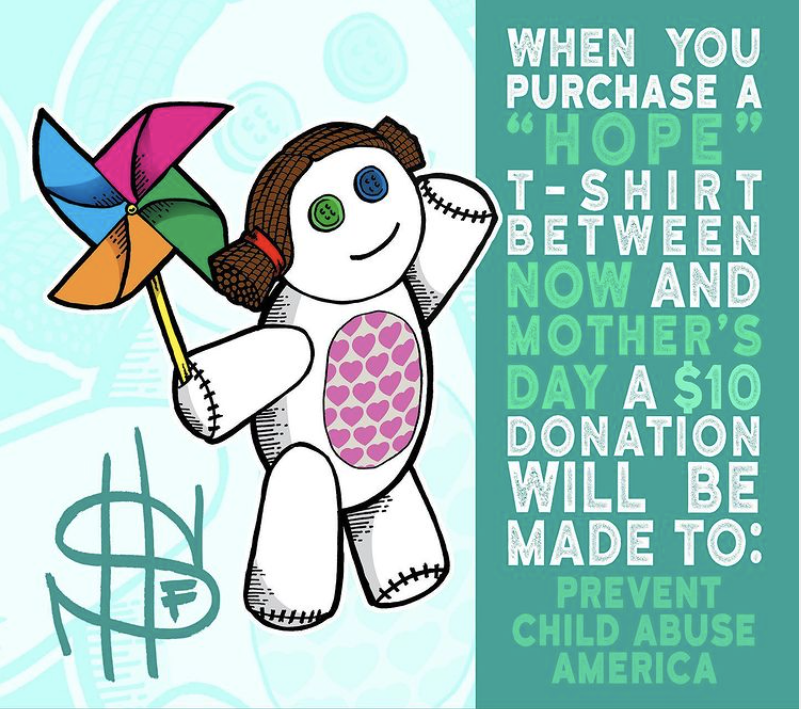
The store has also given him the opportunity to raise money for charity, including creating a special piece to support Prevent Child Abuse America.  

The advice he’d give to artists pursuing a similar path is to just keep going. He explains that it’s easy to get discouraged, so don’t pressure yourself for perfection.  

“Just make something fun, and enjoy yourself.” 

To check out Brian’s merch, visit his online store here! scaryfunny 

Instagram: https://www.instagram.com/deepthghts/  

LinkedIn: https://www.linkedin.com/in/briangreenhalgh/ 

Smith Spotlight #2

It probably goes without saying, but Smith Design is full of creatives. In our new Smith Spotlight blog series, we’re highlighting the talents of our team and their endeavors outside of our studio. Follow along to get to know the people who make Smith Design awesome.  

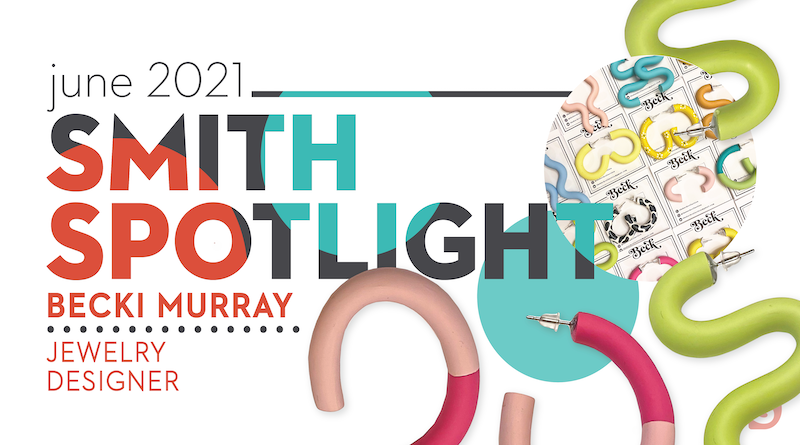
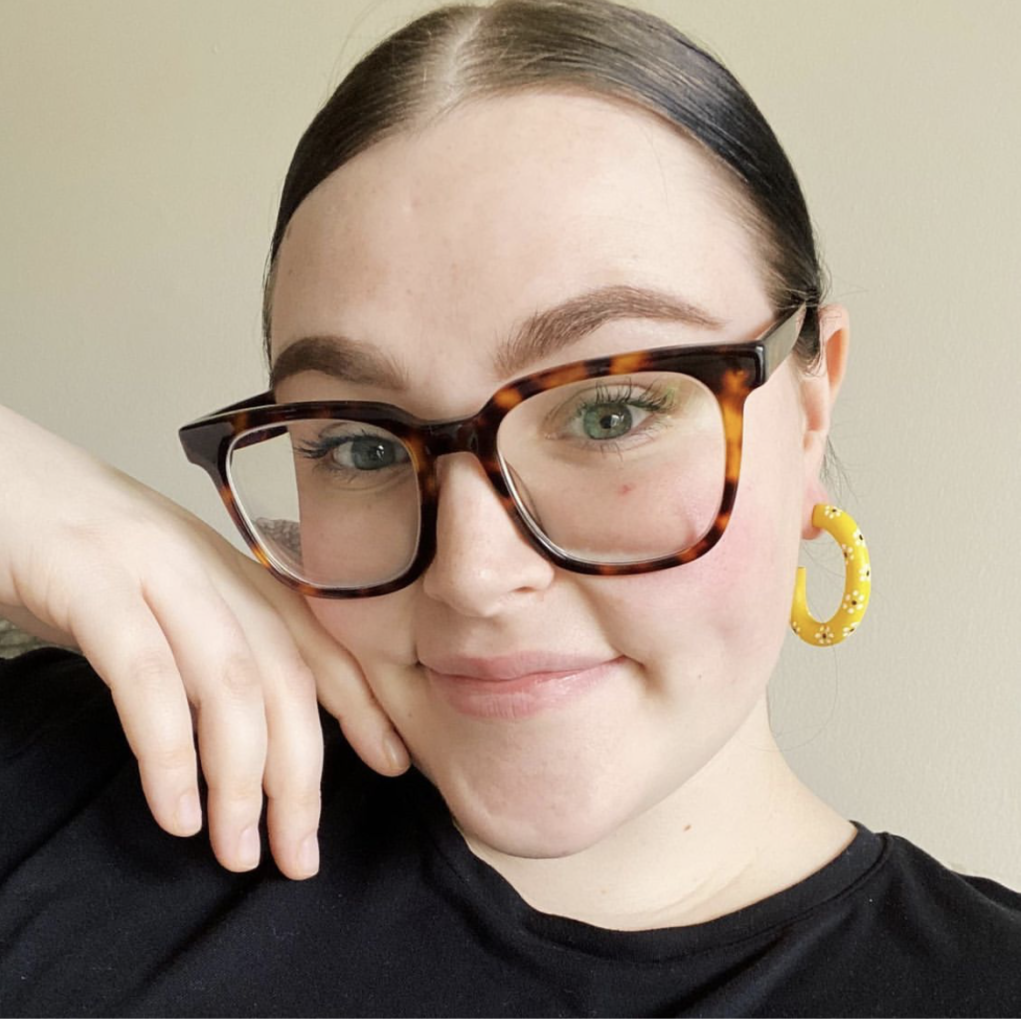
Our second Smith Spotlight features our fabulous jewelry designer, Becki Murray!  

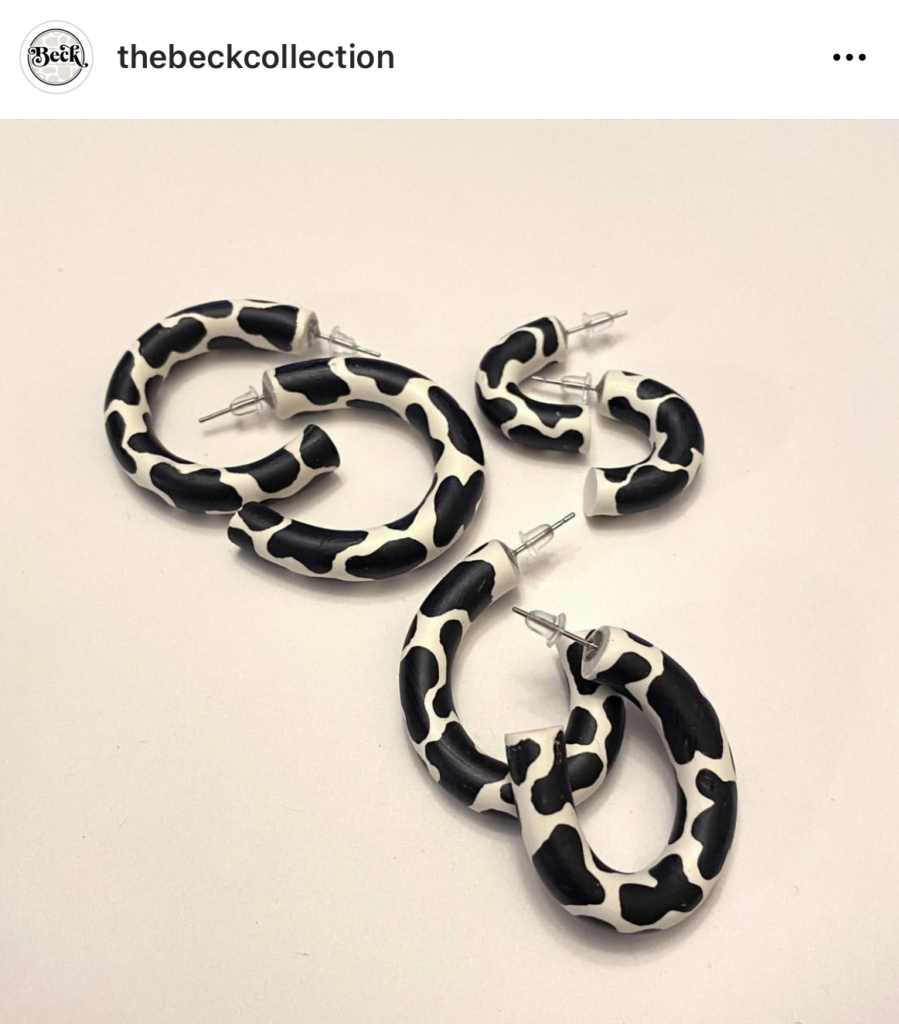
Like many of us, Becki had the chance to explore new hobbies during the quarantine of 2020. She began seeing colorful statement jewelry online that she loved, but she felt she could hand make similar pieces of the same quality, for a lower price. She started making a few pieces for herself, and after receiving compliments from her friends and family, she decided to start creating pieces to sell.  

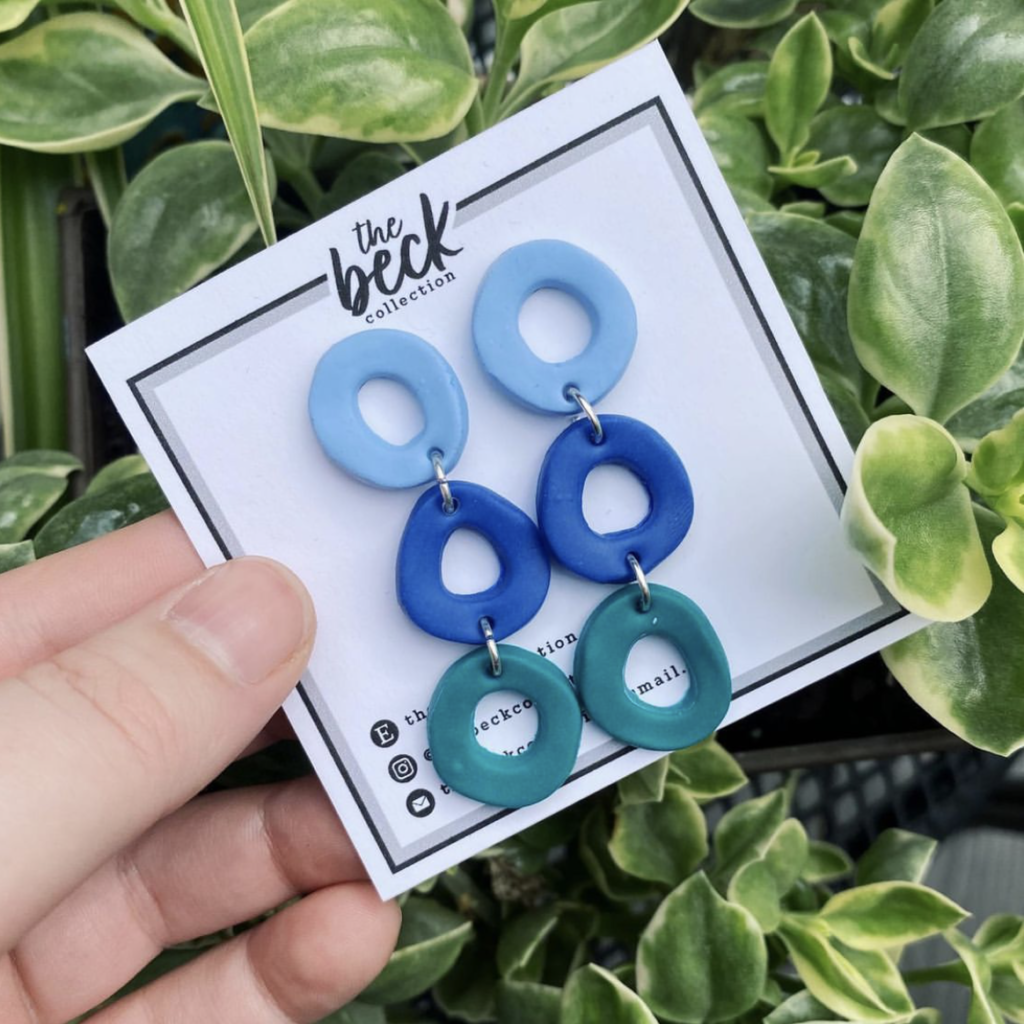
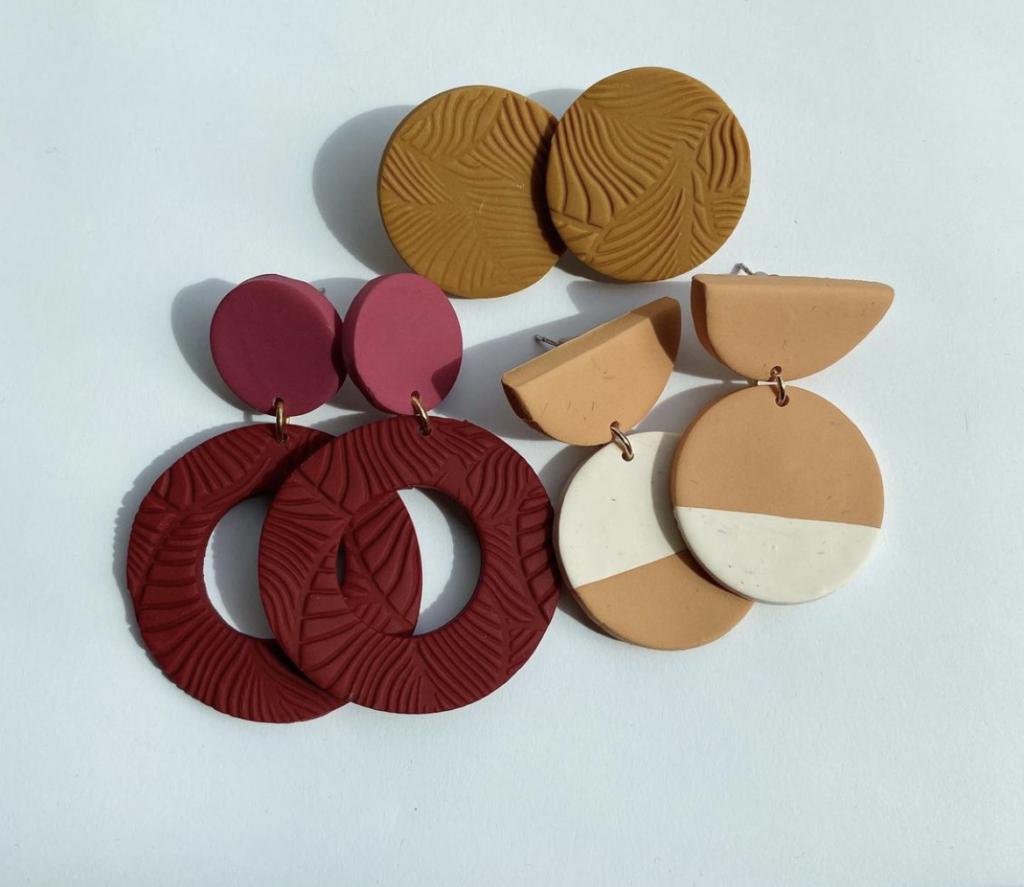
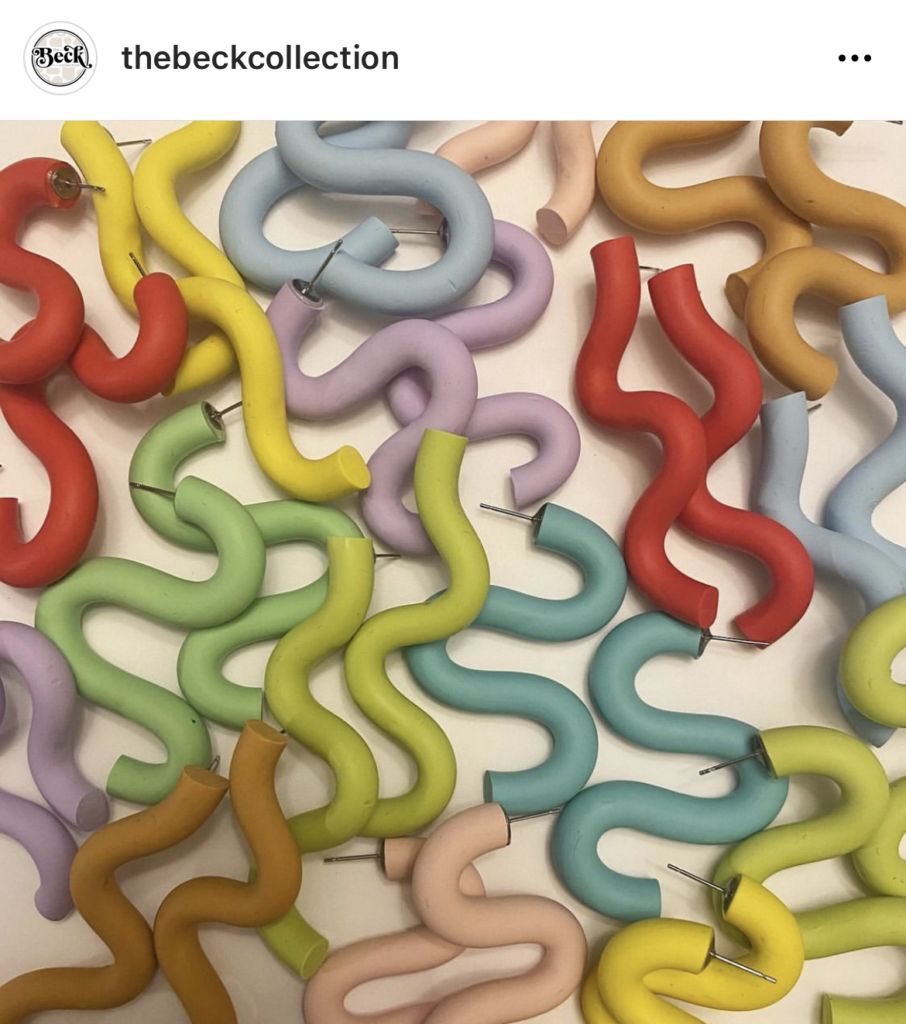
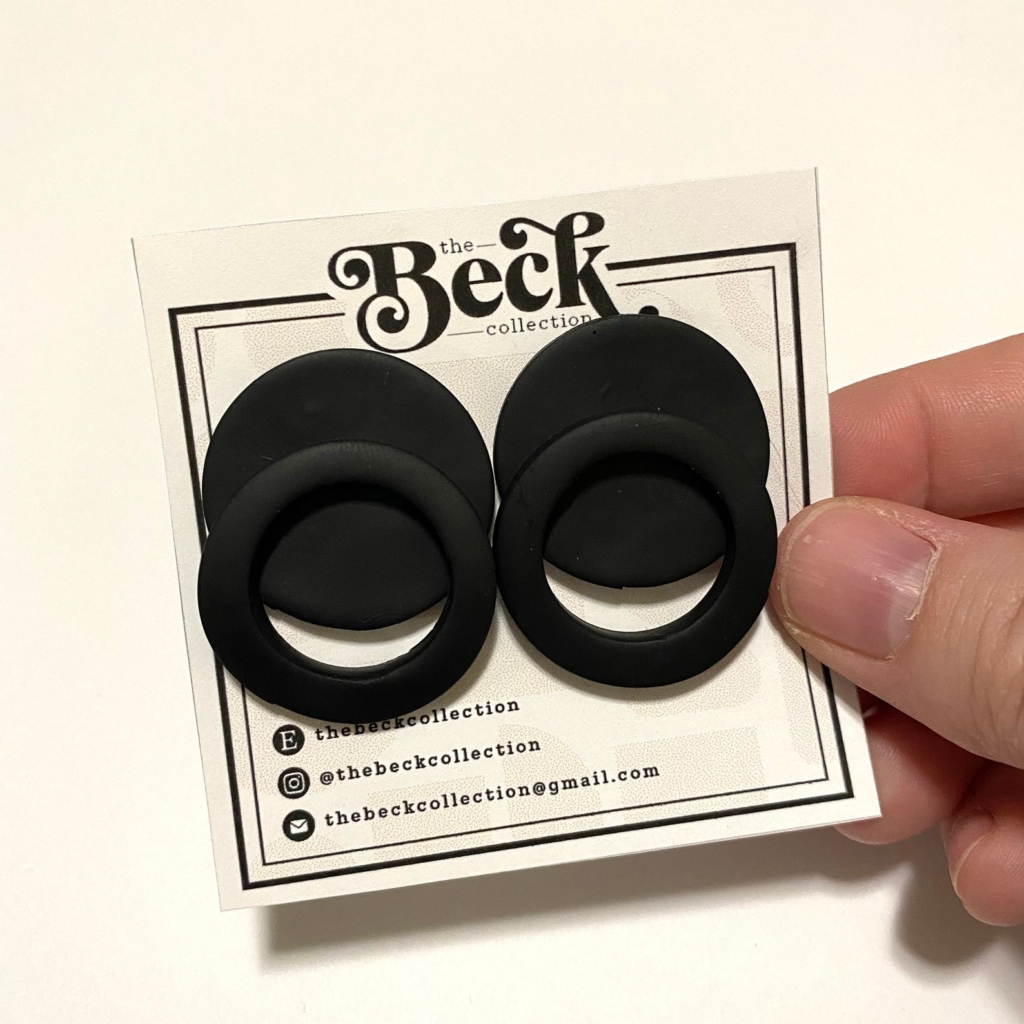
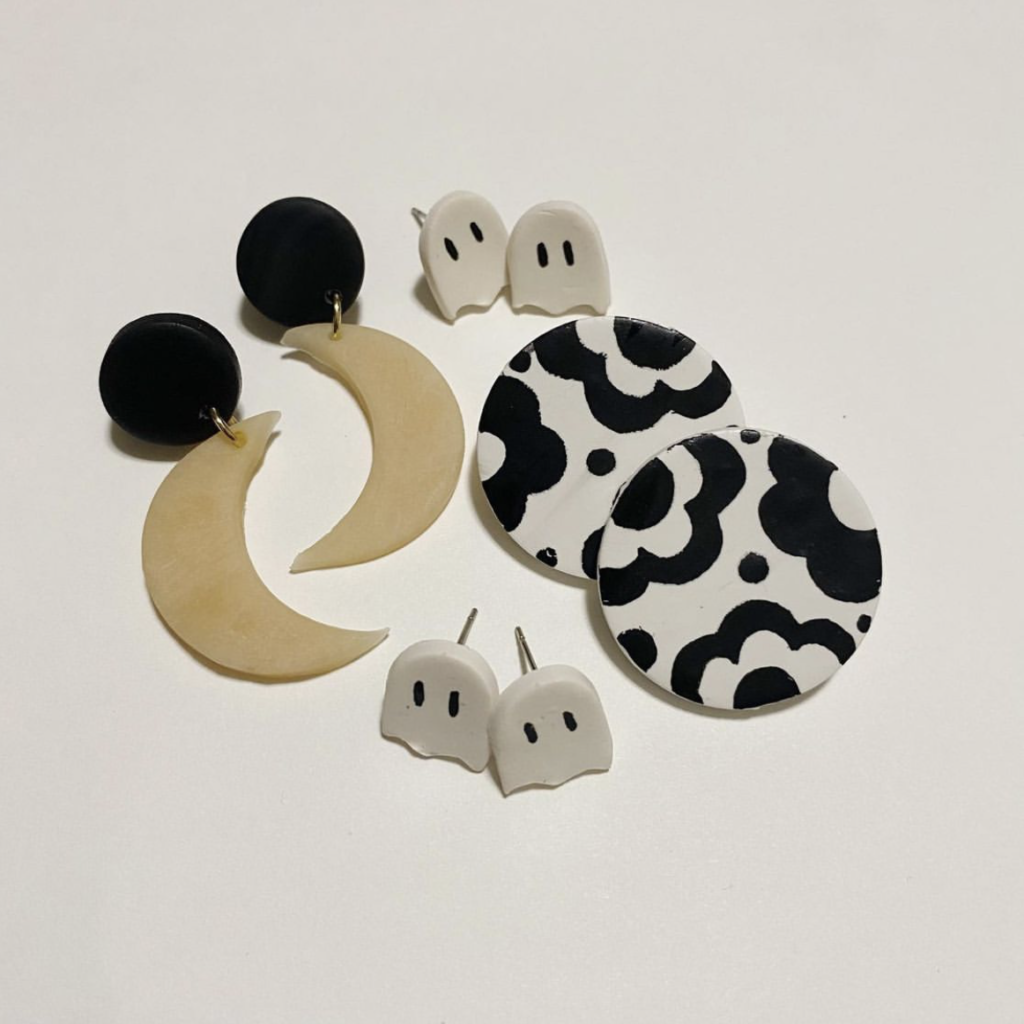
Her jewelry shop is run through Etsy @thebeckcollection. She advertises her designs through social media and word-of-mouth. The collections feature fun colors, unique shapes and forms, trendy patterns, and seasonal themes.  

Through running a small business, she has learned to embrace the journey of learning new skills. She aims to continuously improve her processes for the best results, learning new tips and tricks along the way. From planning new ideas to executing the designs to packaging & handling shipping, she has learned the ins and outs of a small business, beyond the creative aspect.  

Her favorite part of running this business is seeing people wearing her designs. She also enjoys advertising on social media. She likes to create fun promotional campaigns to drive business to her shop.

Her advice to other creatives starting their own small business would be to do plenty of research. When she first started out, she ordered a bulk shipment of boxes for her jewelry, only for the boxes to be too small with no option for return. She also recommends embracing social media as a powerful tool for marketing your brand and products.  

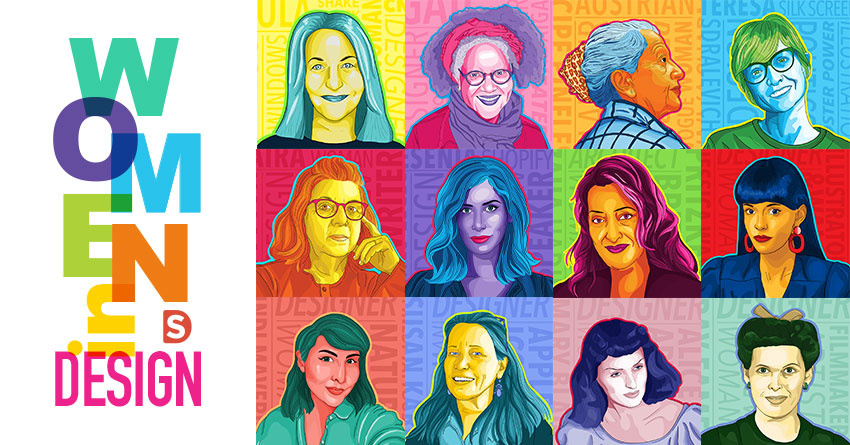
Becki has been with Smith Design as a Designer for over 2 years. If you followed our Women in Design series, you’ve seen her colorful portraiture work.  

You can often spot people sporting thebeckcollection earrings around our studio, and many of us have a print of the above Women in Design poster at our desks. We can’t wait to see what she creates next!  

Stay tuned for our next Smith Spotlight.  


thebeckcollection Etsy: etsy.com/shop/thebeckcollection 

thebeckcollection Instagram: https://www.instagram.com/thebeckcollection/  

GDUSA AWARDS 2021

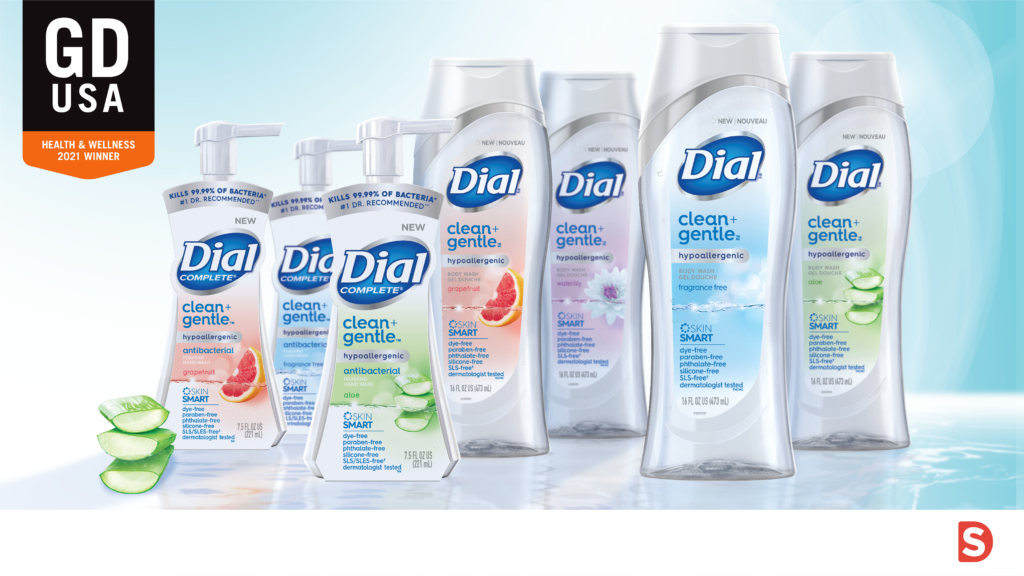
The results are in! We’re proud to announce that Smith Design has been awarded 8 GDUSA Awards, including 4 recent wins in the Health & Wellness category and 4 for American Package Design. We’re fortunate to work in partnership with our clients at Skippy, All, Snuggle, Robitussin, Dial and FulFil Nutrition to bring compelling design to life across products doing good for people and planet. Take a look at some of winning designs below. 

Smith Spotlight #1

It probably goes without saying, but Smith Design is full of creatives. In our new Smith Spotlight blog series, we’re highlighting the talents of our team and their endeavors outside of our studio. Follow along to get to know the people who make Smith Design awesome.  

Our first Smith Spotlight goes to our LEGO Master, Mike Doyle! 

Mike’s journey to LEGO master began with a family trip to LEGOland. After exploring the park, he began to wonder about the artistic possibilities of LEGO. A quick search online showed him there are many LEGO artists building amazing pieces of art with LEGO, and he became inspired to create artful pieces himself.  

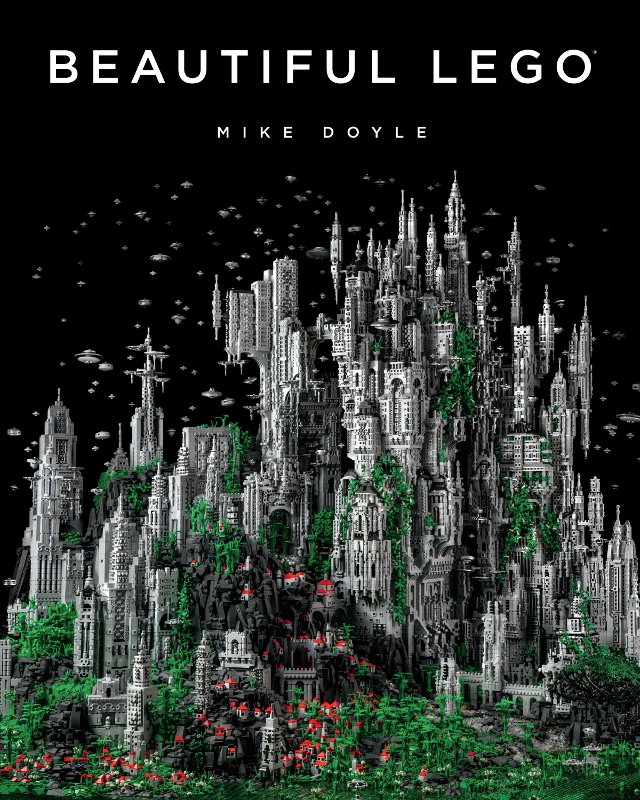
Through his builds, Mike wanted to elevate LEGO to fine art. Many of his pieces combine grayscale bricks, a stunning contrast to the typical primary colors people tend to associate with LEGO. Inspiration for his builds came from real life structures and settings, and often reflect social & cultural events. 

What makes his builds unique is their organic nature. Despite the angular mechanics of the bricks, his builds flow with life, even simulating houses falling apart or the flames of an explosion (with no glue involved). The more pieces he built, the larger the pieces became, some getting to be 6 feet high. He has sold prints of his builds all over the world.  

What Mike Doyle creates with LEGO has the power, mystery, pain, and intrigue that so many try to capture with more accessible forms of media. He creates deep worlds using something so innocent and unassuming that the medium in itself creates a fascinating juxtaposition: innocence with destruction, old and new, imagination versus reality.

Brooke Shaden, Artist

His work with LEGO gave him the opportunity to give back to his community. He hosted children’s programs where he led workshops on creating detailed houses with LEGO. At the end of the workshop, the kids put their houses together to create one large neighborhood of unique homes. He also enjoyed speaking about the art at museums and libraries throughout the country. His art has been showcased at museums such as the Morris Museum in New Jersey and the Cincinnati Art Museum.  

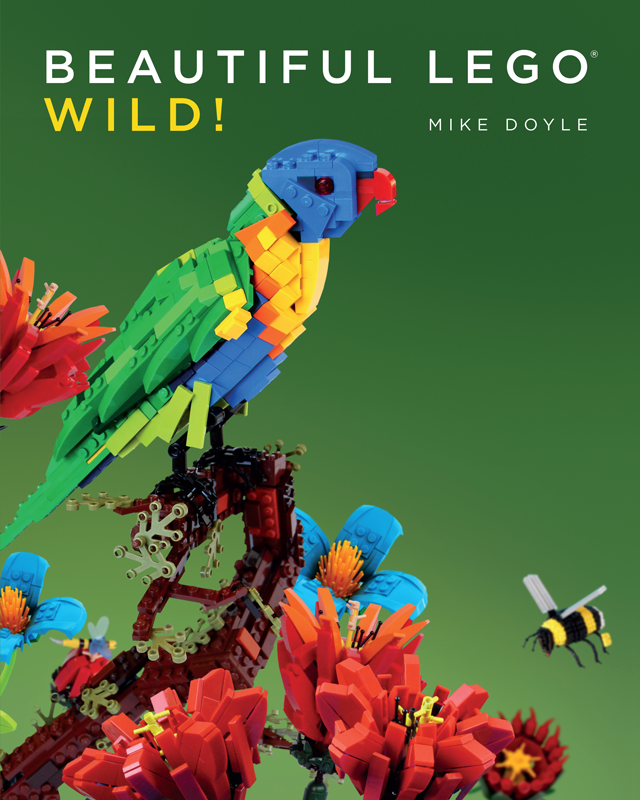
Mike has published 3 LEGO books that feature both his work and work by other artists – Beautiful LEGO, Beautiful LEGO 2 Dark, and Beautiful LEGO Wild. He describes the books as a “celebration of LEGO”, and he was glad to see the joy the books brought others, both for the readers and for the artists featured. These books, described by The Los Angeles Times as “one man’s quest to prove LEGO can be art”, can be purchased here.  

Through his experience in creating LEGO art, Mike has learned to appreciate “taking the ordinary and making it extraordinary”. He discovered how to change the nature of things into something more. He applies this framework to all of his creative endeavors.  

Some ask if LEGO brick-building is Art. To me, that is like asking is sculpting with clay, Art. Well… it could potentially be. Anything, absolutely anything can be made into Art in the right hands, even the ‘child’s toy’ LEGO. In the end, bricks are a medium, like oil paint or clay or pixels on a screen. It’s what you do with them that matters.

Mike Doyle

Mike has been a Smith Designer for about 5 years. Now a Design Director, he began his career with Smith as a freelancer before joining the team full time. The Smith team often looks to him for guidance in seeing the big picture, and we all appreciate his work ethic, expertise, and wit!  

Stay tuned for our next Smith Spotlight!

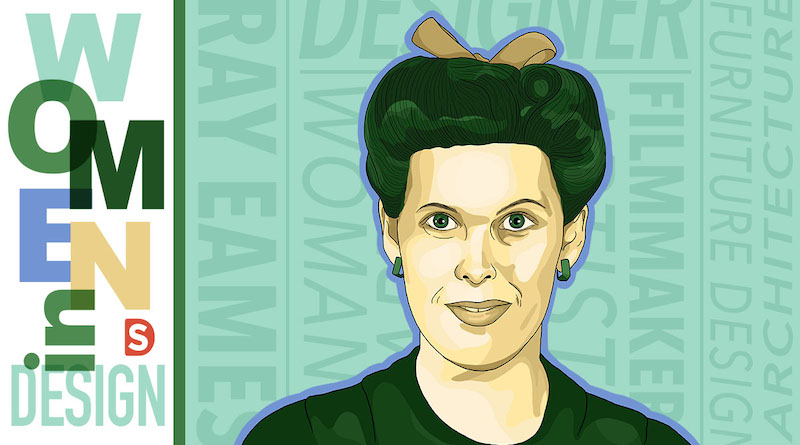
Women In Design – Ray Eames

In this blog series, we shine a light on women trailblazers in the design industry – women who have earned a Wikipedia page (or are likely to very soon). You might not know them by name, but definitely by their work and influence on the design world as a whole.    

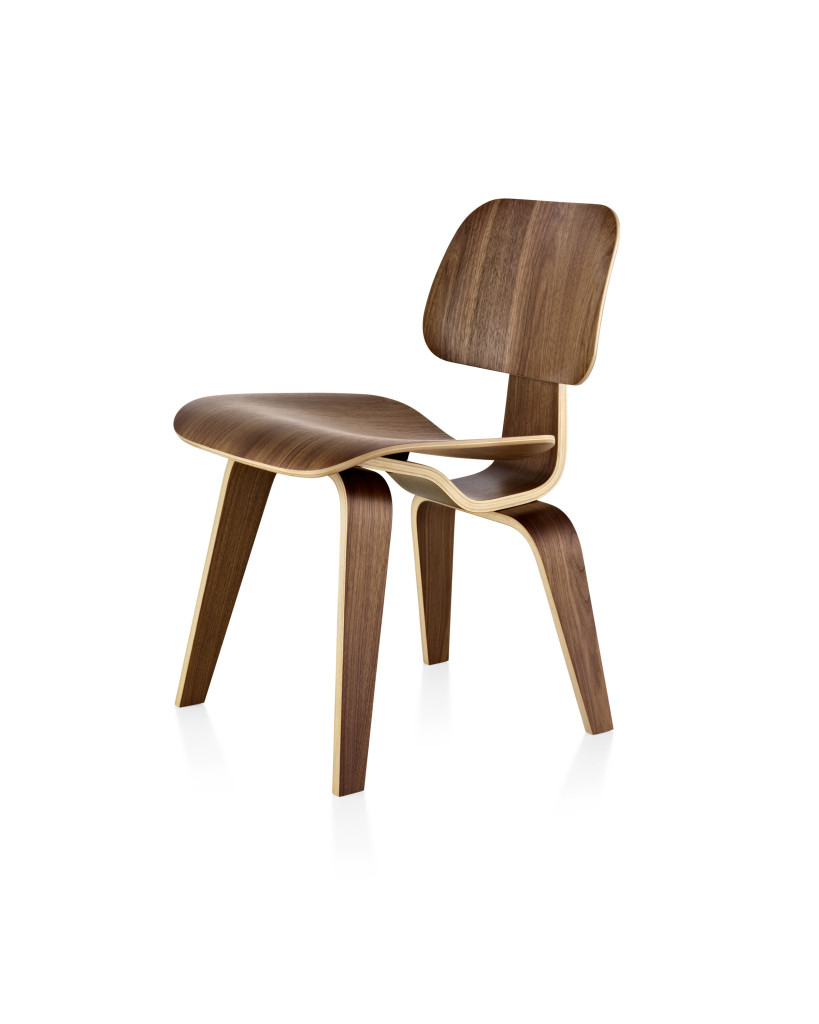
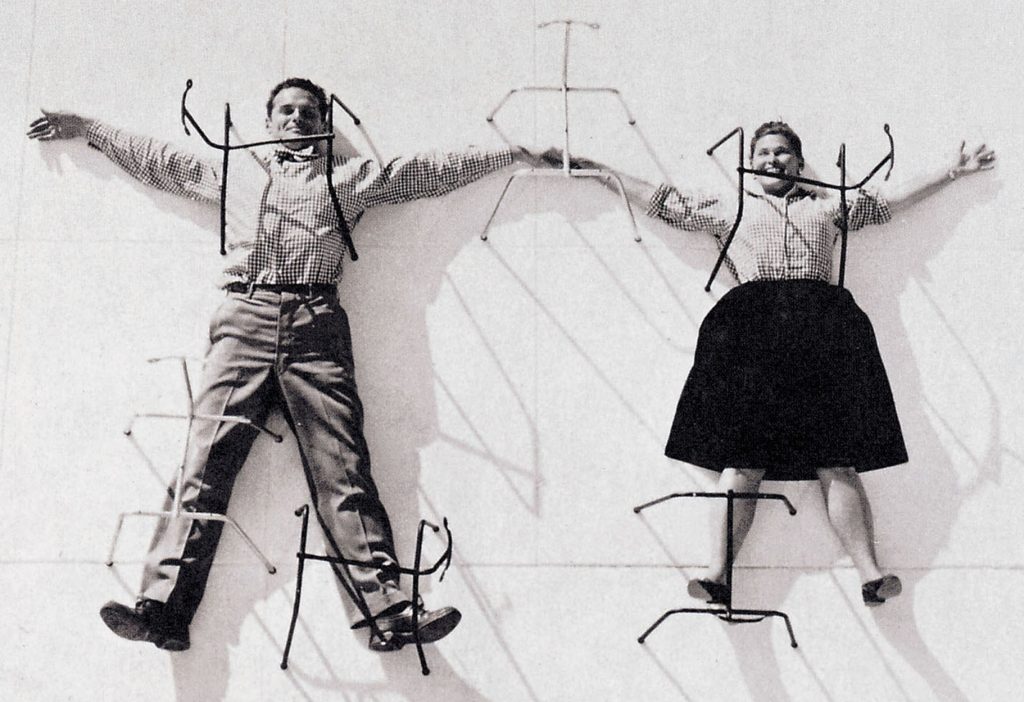
Born Bernice Kaiser, Ray Eames, along with her husband Charles, had a prolific career that ran the gamut from furniture design and architecture to filmmaking, textiles, toys, graphics, exhibition design and much more.  Growing up in Sacramento, California, she credits her ability to appreciate and enjoy her surroundings to her parents, who referred to her as Ray Ray. 

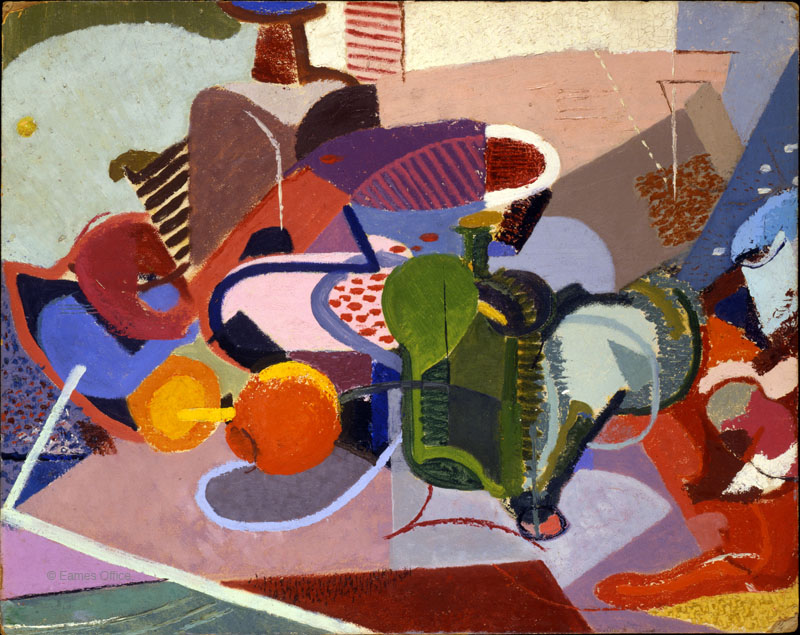
Mentored by renowned painter Hans Hofmann, Ray started out her creative life as a student of abstract expressionist painting in New York City. Sadly, much of her artwork from this period of her life is lost but her influence on the movement pushed appreciation of abstract artwork to the mainstream. She became a founding member of American Abstract Artists, a group that promoted abstract art in a time that major art galleries refused to embrace it. 

“I never gave up painting, I just changed my palette.”  

 Ray Eames

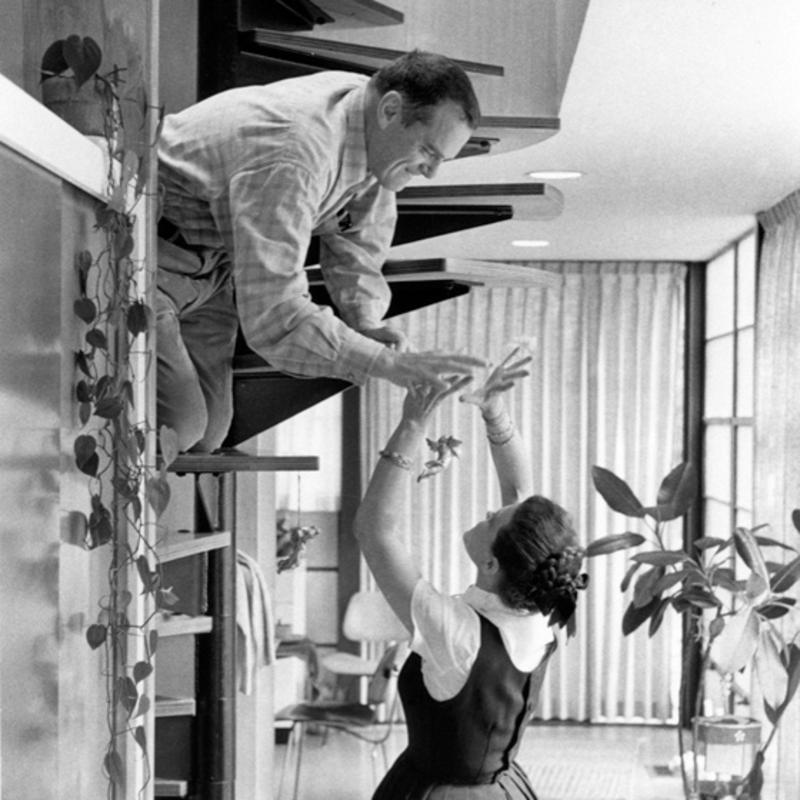
Ray went onto study at the prestigious Cranbrook Academy of Art in Michigan, where she expanded her artistic talents from painting to other medium and met her future creative collaborator and husband, Charles Eames. This powerhouse design duo went onto reshape the world of industrial design.  

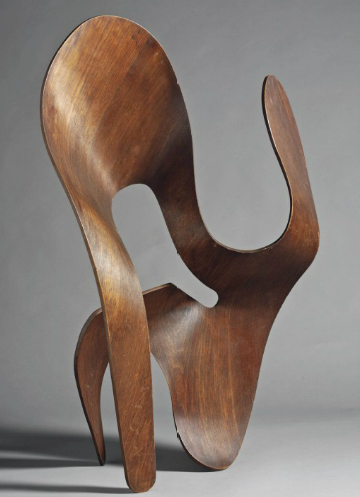
Ray’s vision was unique in that she possessed an innate ability to understand the connectedness between the form of things and their uses, between the details and the bigger picture. In creative collaboration with Charles, Ray’s innovations in furniture design, architecture, and even toys emphasized quality, form, and function at a reasonable cost.  

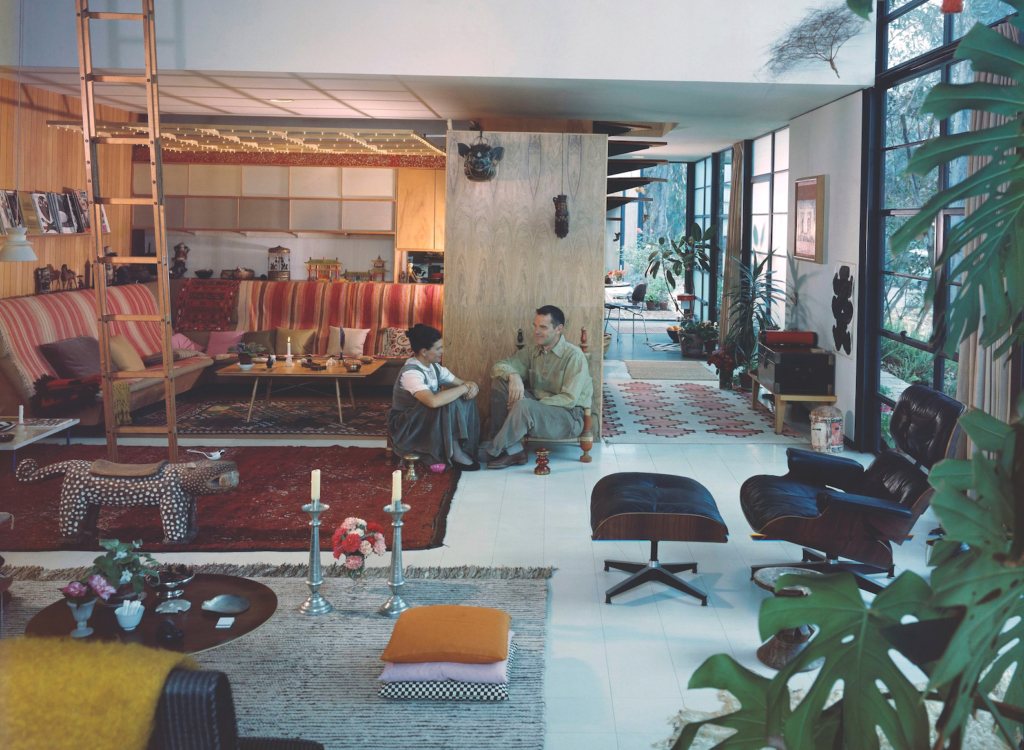
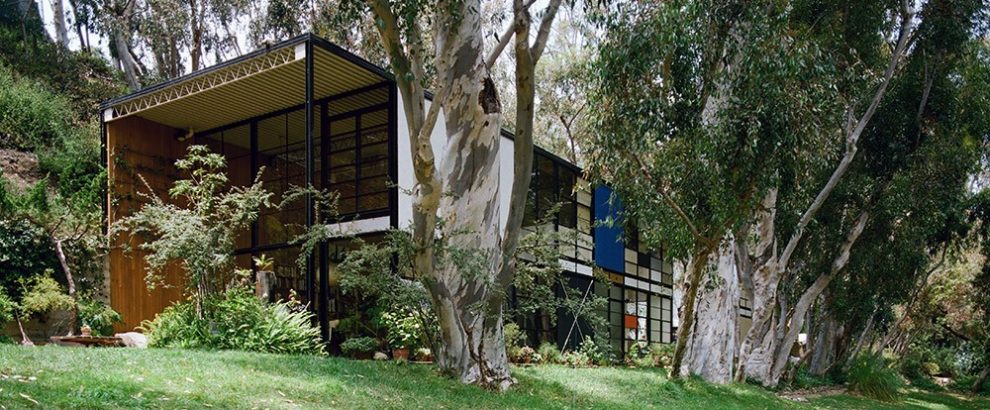
 The Eames House is the culmination of Ray and Charles’ collaborative expertise. The house the couple created is a lasting feat of architecture and design, a personal project of their boundless ingenuity. The structures themselves (a studio and a residence) unobtrusively ease into the surrounding nature of the land. Filled with gifts from friends and family, their home embraced life while emphasizing details – “They anticipated their guests’ needs – whether welcoming visitors at the house with delightful treats or when designing a chair and considering how best to meet the needs of the user ”. As one would expect, the Eames house was always a work in progress that evolved with them and their continuous creativity.   

Not surprisingly, Eames did not receive the same accolades as her husband but despite this lack of deserving recognition, her legacy remains as impactful as her husband. Charles, to his credit, strived to ensure she was acknowledged as an equal partner.  

Ray Eames will be remembered for her ever-evolving innovations within her design – how to best use materials, how to anticipate the needs of the end user, and how details come together to make a whole. Charles probably said it best in the now-famous quote; “Anything I can do, Ray can do better”. 

This concludes our year of acknowledging women in design through this series, featuring portraits by Becki Murray, a designer on the Smith Design team.

If you haven’t read them all, we recommend you go back and spend some time with a few of the most inspiring women in the industry. 

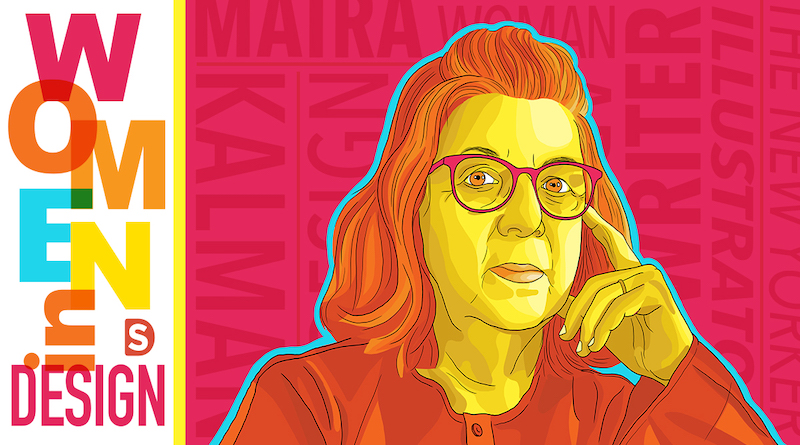
Women In Design – Maira Kalman

In this blog series, we shine a light on women trailblazers in the design industry – women who have earned a Wikipedia page (or are likely to very soon). You might not know them by name, but definitely by their work and influence on the design world as a whole.

Maira Kalman is a renowned artist and writer. She was born in Tel Aviv, Israel and moved to NYC when she was a young girl, where she continues to reside. She was married to the famed graphic artist Tibor Kalman for 18 years until his death in 1999. They founded the agency M & Co together and were highly successful, blending illustration, typography and imagery to create iconic art for prestigious institutions, including the National Audubon Society and MOMA, and covers for the acclaimed Interview magazine.

After the birth of their children, Maira took a new, independent path that led her to become a design legend in her own right. 

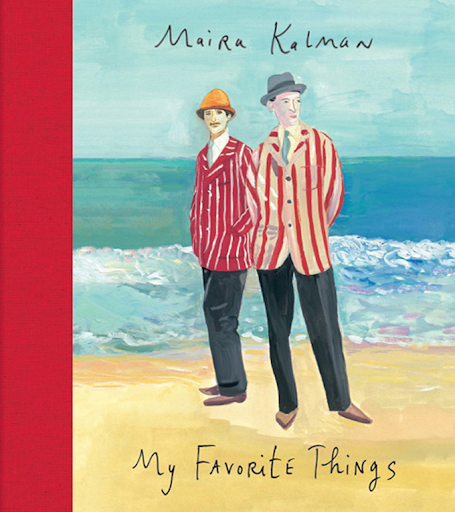
Over the course of her career, she has written and illustrated books for both children and adults that feature her playful take on the world. Her style perfectly captures the whimsical and wise, combining a naive style with a sage’s vision. As a storyteller, which is how she refers to herself, her careful use of language and image work together to capture the eccentric, intelligent way Kalman herself views the world and her appreciation for society, history, and the humorous aspect of life.

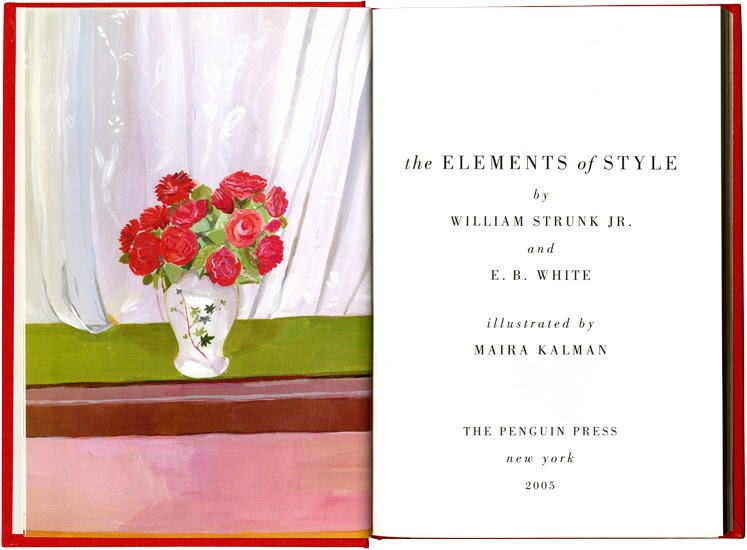
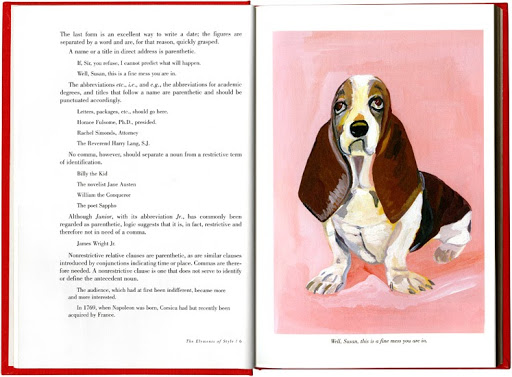
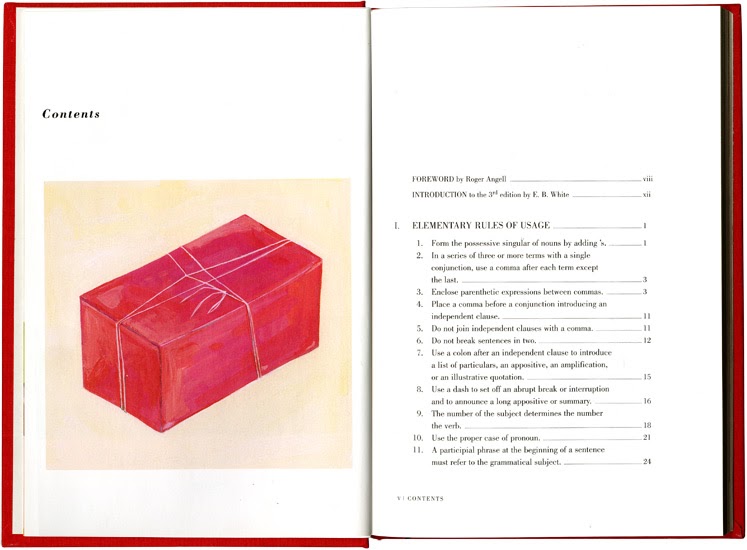
She was commissioned to illustrate the iconic design bible “The Elements of Style” in 2005, which promoted this quote from the New York Times – “While The Elements of Style has never lacked fans or dutiful adherents, appreciation for this slim volume has taken a turn toward the whimsical and even surreal.”

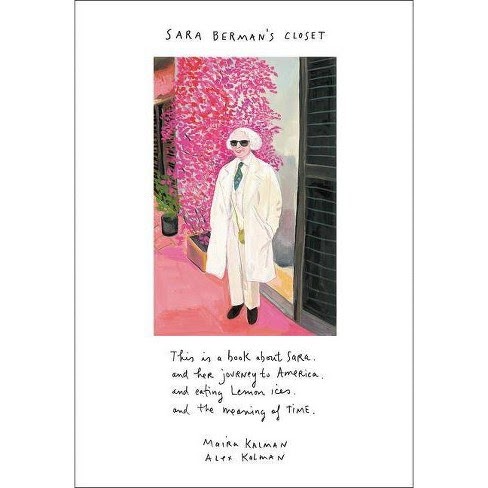
Her work is almost always uniquely personal, capturing her point of view on anything from politics to family. Working with her son Alexander, Maira created an exhibition dedicated to the memory of her mother Sara Berman, an early inspiration, which later became a book titled ‘Sara Berman’s Closet’. She has also collaborated on a short firm with her son called “The Most Wonderful Day” which can be seen here on YouTube.

Her wit, charm and intelligence come through most famously in the The New Yorker magazine cover published in December 2001. She collaborated with her partner Rick Meyerowitz,  redrawing the New York City map post 9/11 and renaming it ‘New Yorkistan’. The response to the cover was overwhelming, the magazine disappearing from newsstands in two days and becoming the best selling issue in the magazine’s history.

Maira Kalman’s impactful work is a reminder to notice and appreciate life. She inspires audiences to look closer at seemingly common things, to see the importance of the ordinary. She elevates politics and philosophy to higher levels of thought, commanding worthy attention. To learn more about Maira Kalman, visit her website, Instagram, or watch her Ted Talk

Sources:

https://en.wikipedia.org/wiki/Maira_Kalman

https://www.thecut.com/2018/04/profile-maira-kalman-author-and-illustrator.html

Women In Design – Teresa Sdralevich

In this blog series, we shine a light on women trailblazers in the design industry – women who have earned a Wikipedia page (or are likely to very soon). You might not know them by name, but definitely by their work and influence on the design world as a whole.

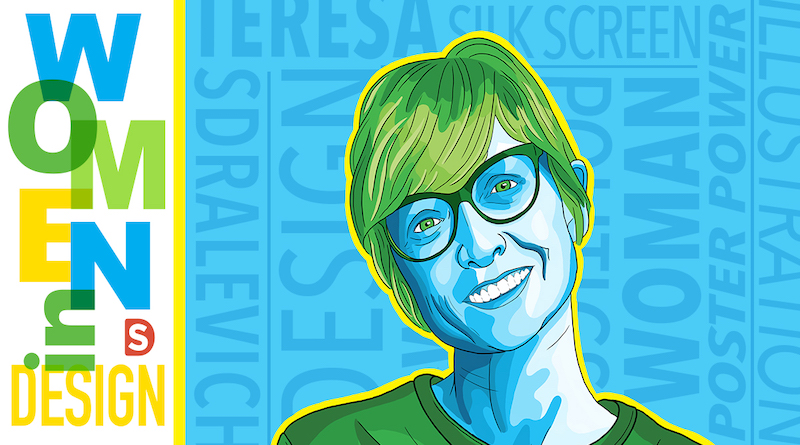
This month, we’re featuring acclaimed graphic designer, illustrator, silk-screen printer, and author, Teresa Sdralevich.  

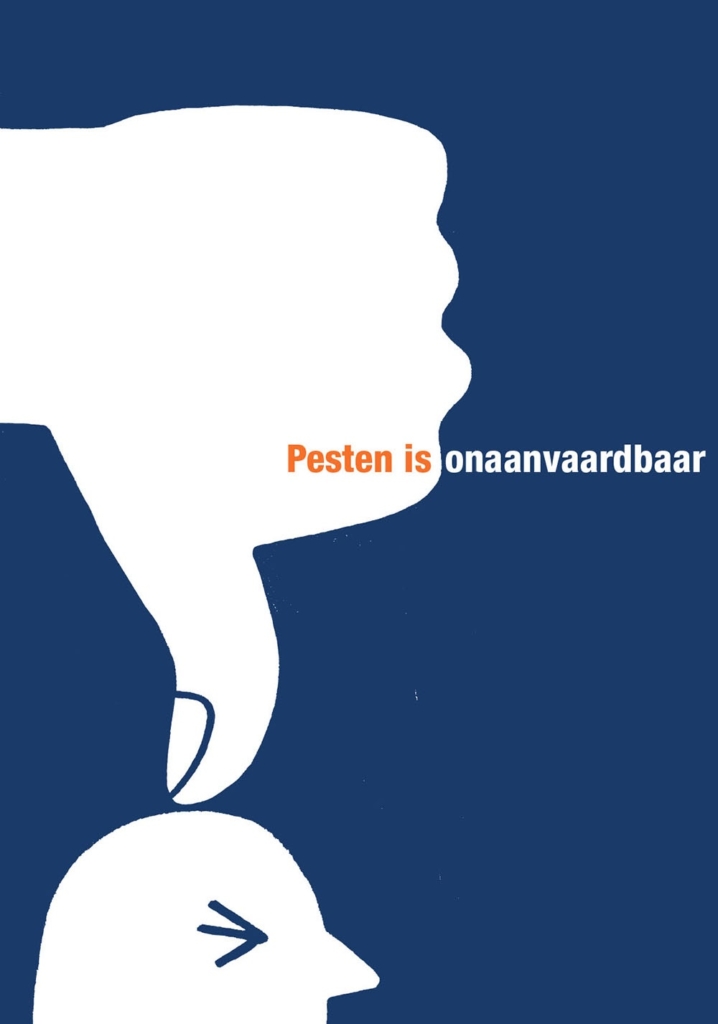
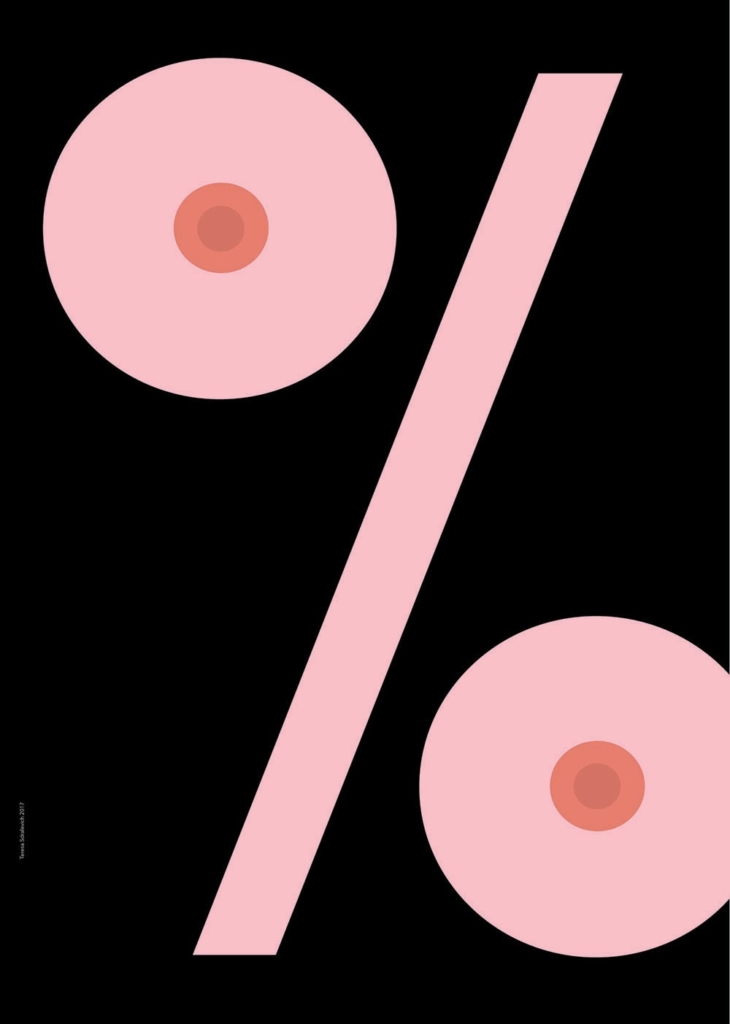
Sdralevich is a highly regarded designer of posters that hold social, cultural, and political relevance. Her impactful work has reached all corners of the world. 


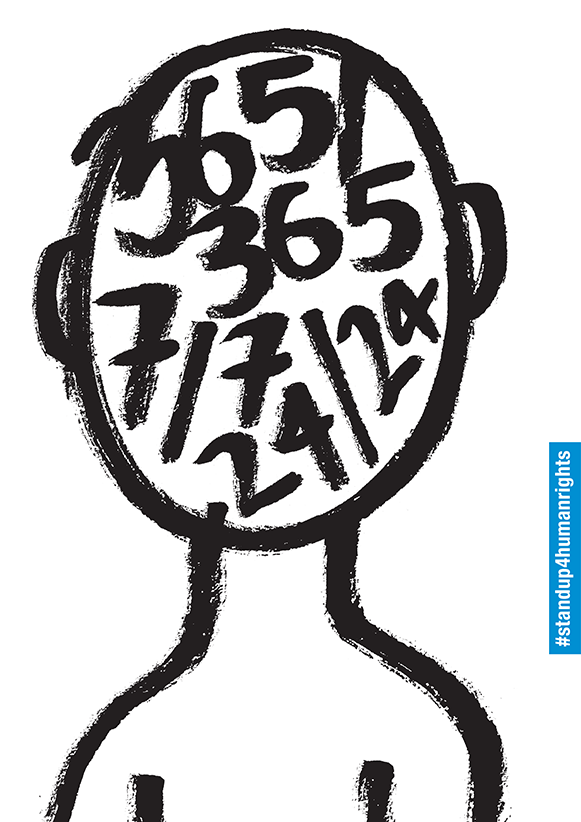
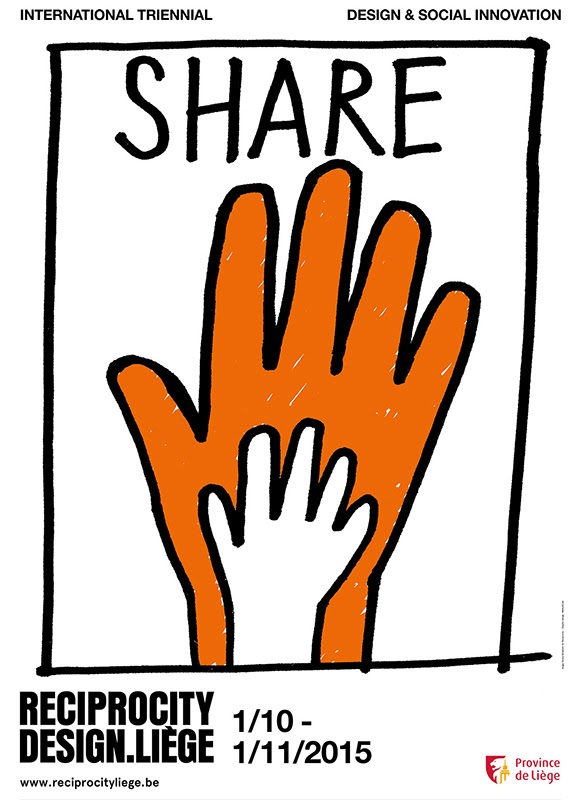
#standupforhumanrights
Poster for the 70th Anniversary of the Universal Declaration of Human Rights

She has also illustrated many books for young readers, published across Europe.

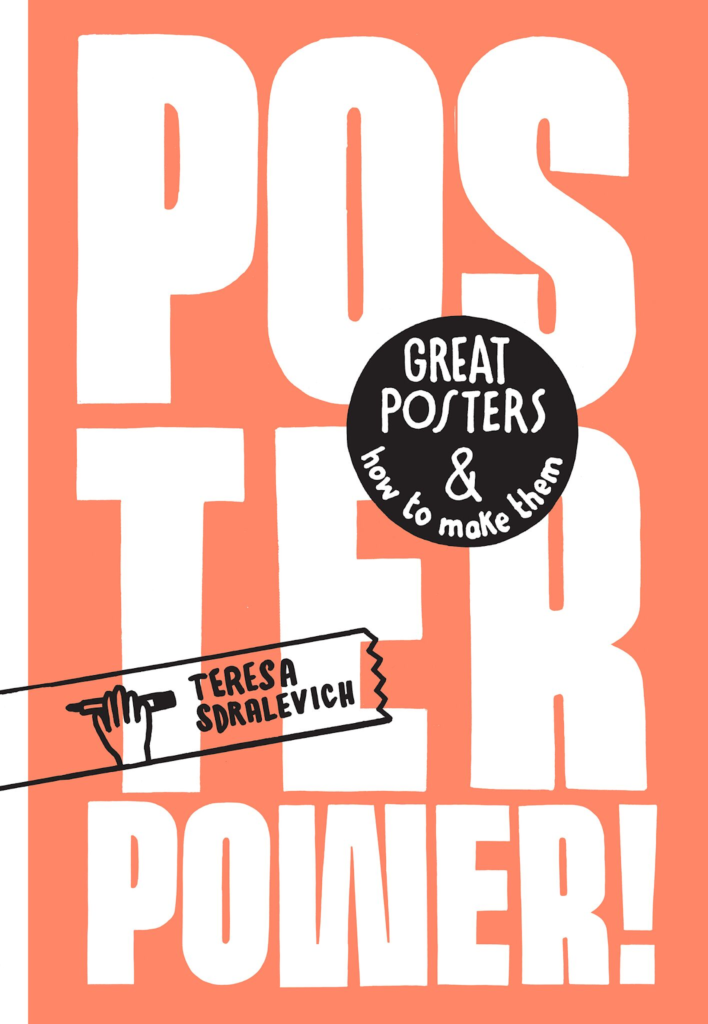
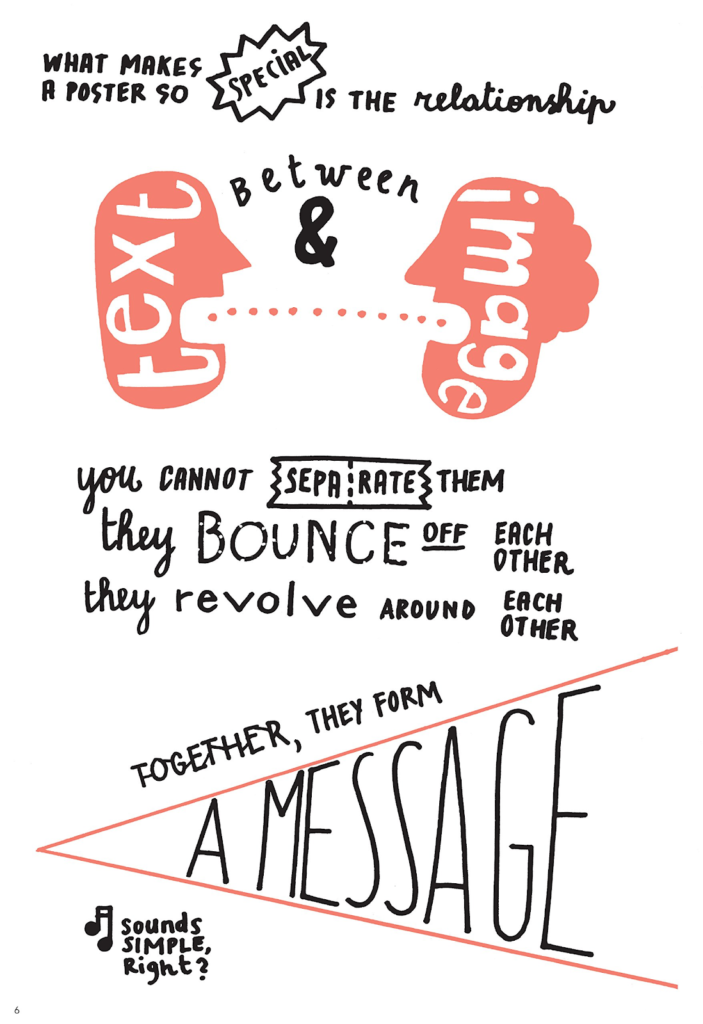
Sdralevich’s 2018 book “Poster Power! Great Posters and How To Make Them” received a British Design and Production Award & is referenced as a source of truth and inspiration for designers of all ages. What makes the book so special is that it is uniquely personal – Sdralevich’s sharp humor and wisdom, both informative and engaging, is evident in the interactive pages.

Her style is playful and lyrical, every mark made is both purposeful and expressive. You can see the influences of Keith Haring and Basquiat in her naive, simple characterizations while the messages have a clever sophistication. As graphic artists, we are all challenged to distill down complex themes into simple visual messages which is what Teresa Sdralevich does so brilliantly. We can all learn from her simple, straightforward, no-nonsense style.

Sdralevich is currently based in Brussels, where she continues to hone her craft, but she can be found traveling all over the world to lead workshops or participate in poster events. 

Through her art, books, and workshops, Teresa Sdralevich is truly making a positive impact on the world and on the minds of aspiring designers. To learn more and see her work, visit her website, Instagram, or Facebook

Sources

https://www.teresasdralevich.net/

https://www.instagram.com/teresasdralevich/

https://www.amazon.com/Teresa-Sdralevich/e/B004MRHCX0%3Fref=dbs_a_mng_rwt_scns_share

https://www.illustoria.com/blog/2018/1/17/2wtmp20y4y32nc55uuq8hbiep65c92

World Art Day 2020 – #HelpByDesign

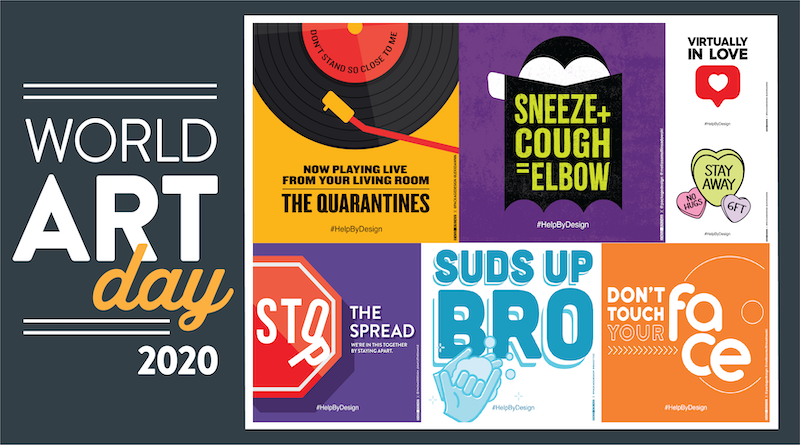
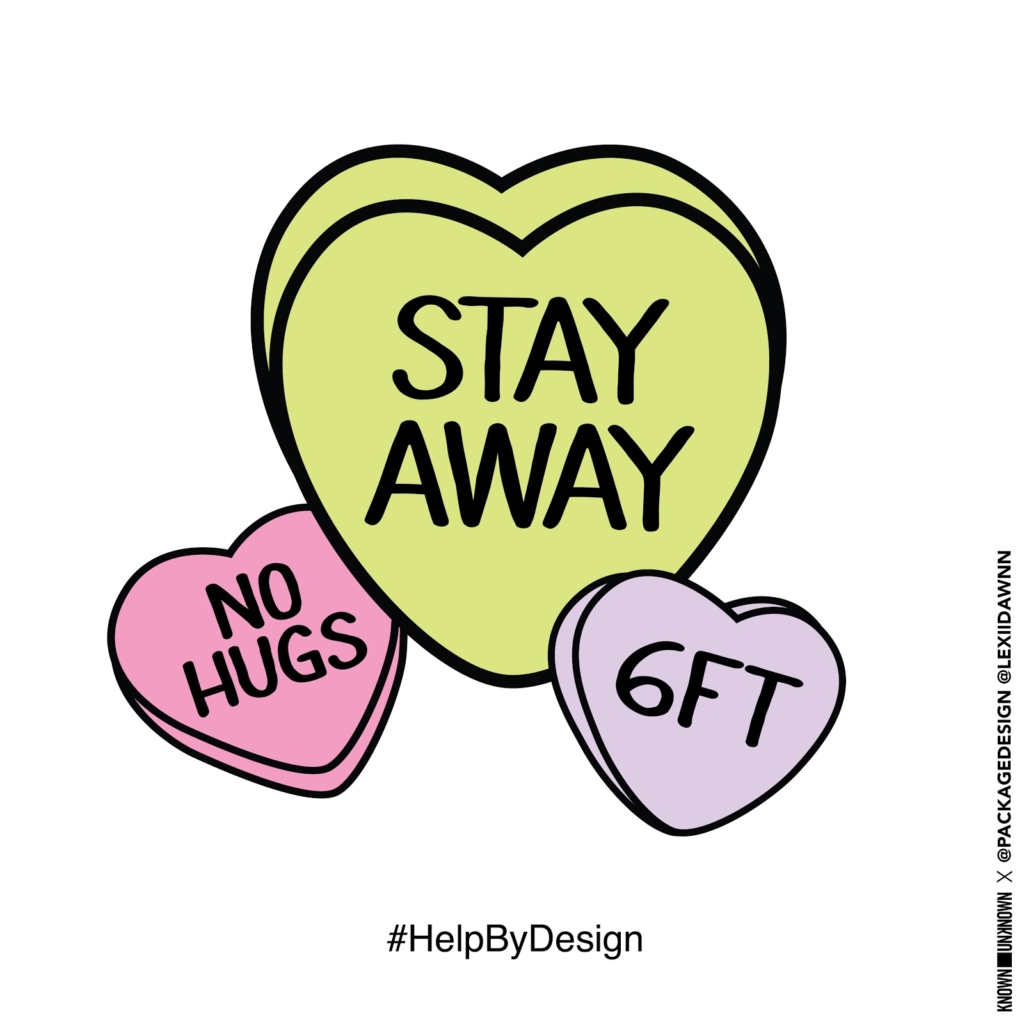
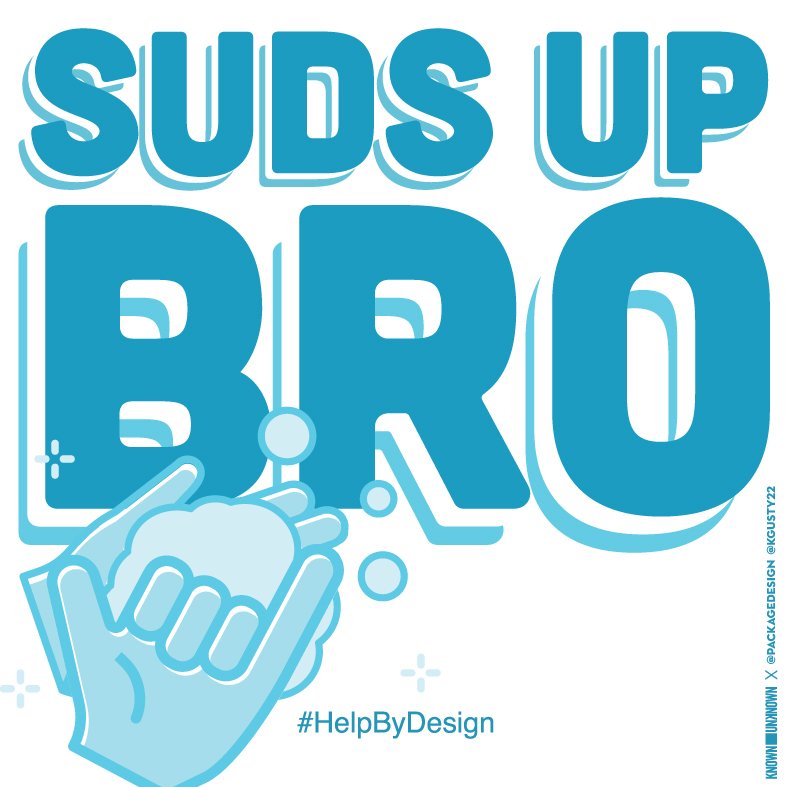
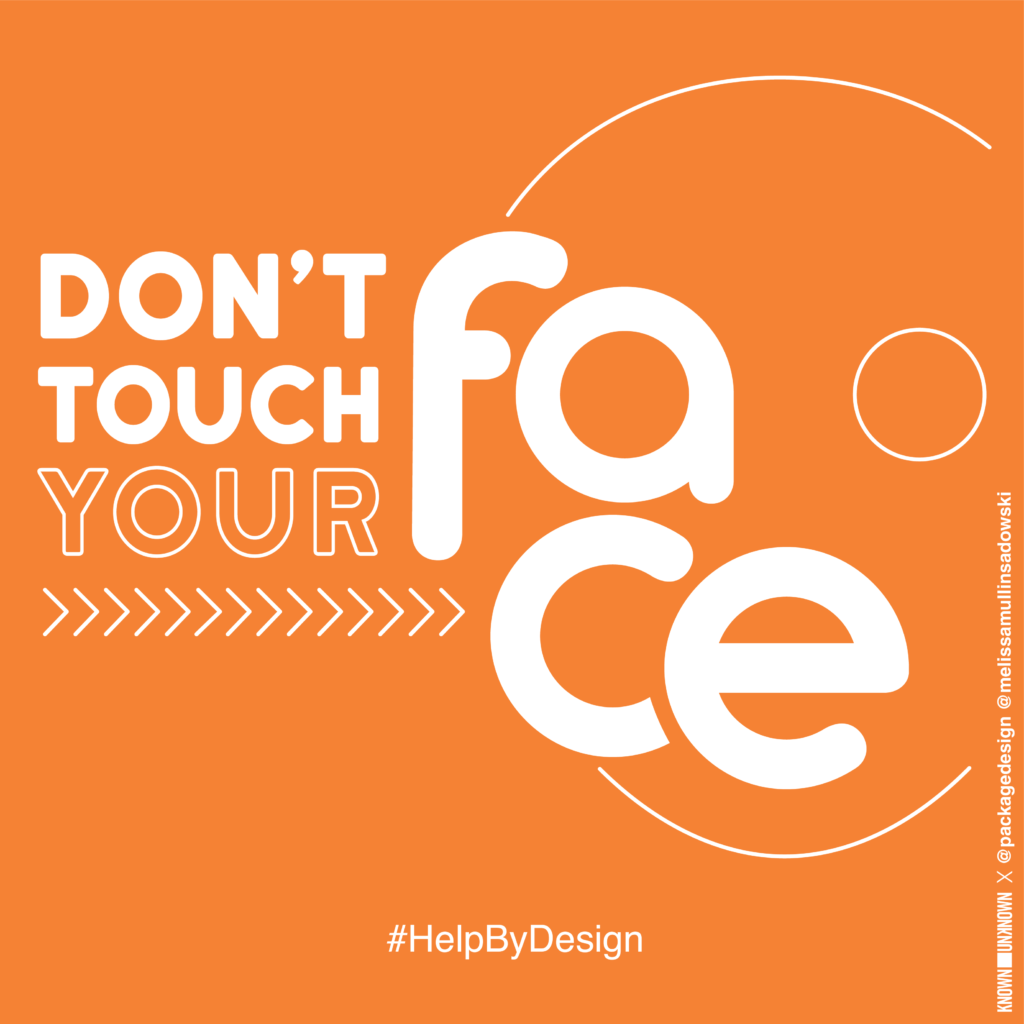
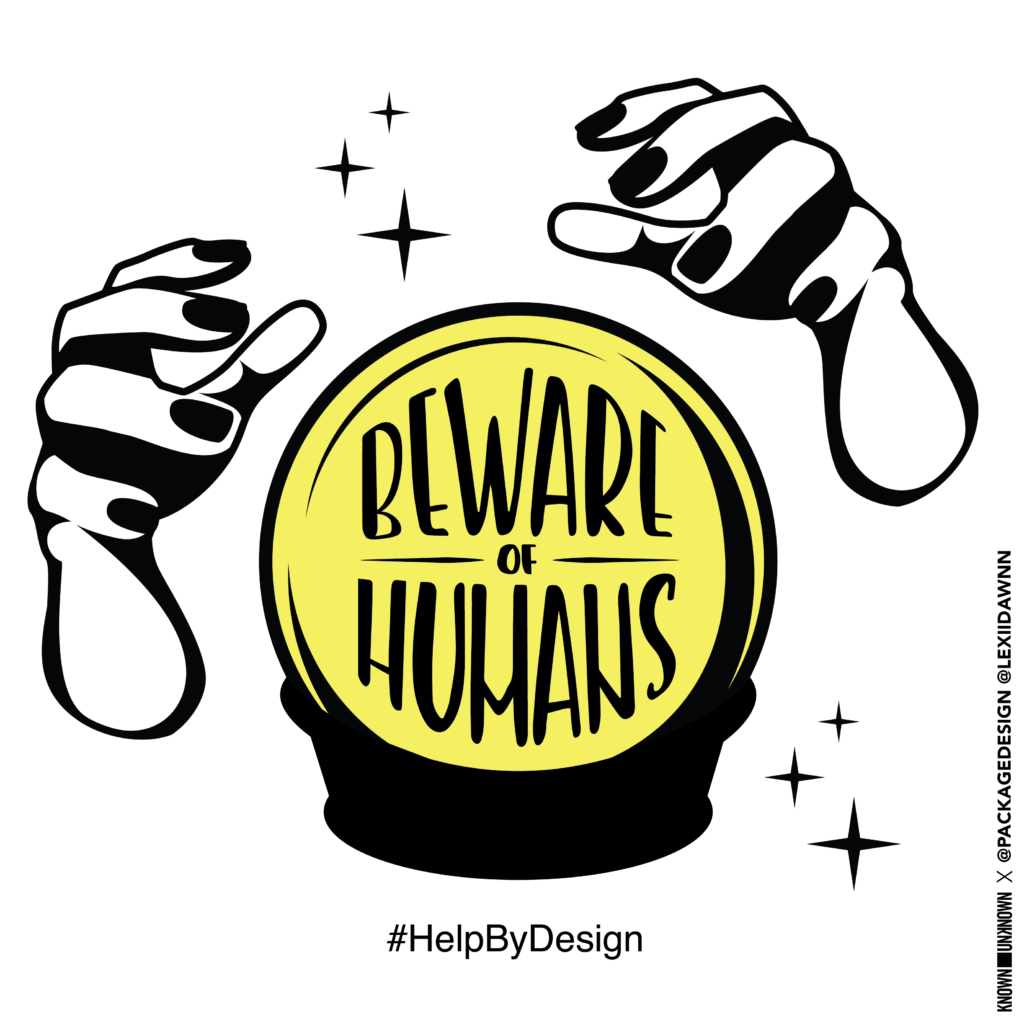
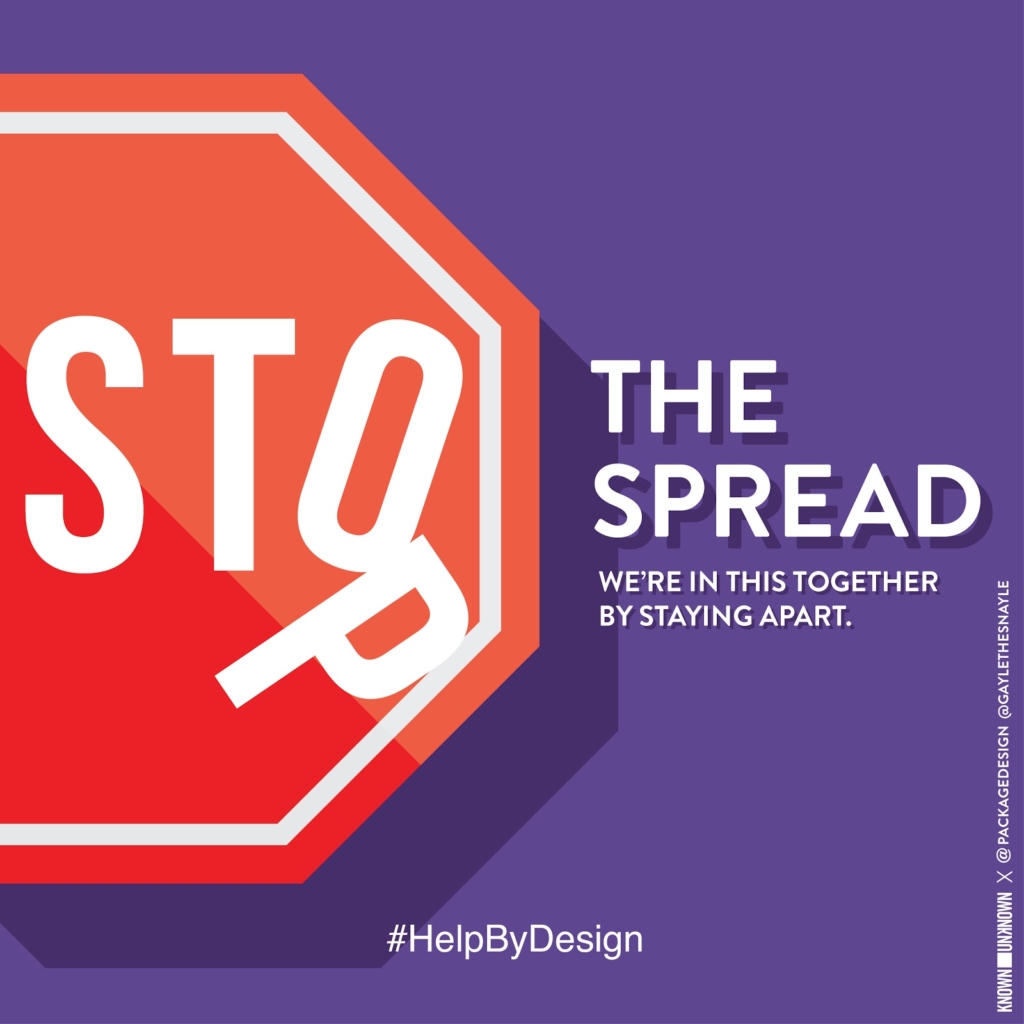
World Art Day is an international celebration of art in all the ways it impacts our world. In honor of this year’s World Art Day, our team participated in #HelpByDesign. #HelpByDesign is a design campaign that brings messages of hope during this time of uncertainty and social distancing. The campaign is run by the group Known Unknown, a global community of designers. Options for messages to include in the typographic designs are provided as inspiration, but designers are welcome to create their own as well.

 Each designer was given free rein to communicate their chosen message in any way they wanted. The best part was seeing how each square showcased the designer’s personality and unique style. 

Participating in this campaign helped connect us with designers all over the world and highlights the importance of visual communication as a unifying tool in times of crisis. To see more artwork for this campaign, visit @known_unknown on Instagram.

Sources

https://www.iaa-usa.org/worldartday

https://known–unknown.com/