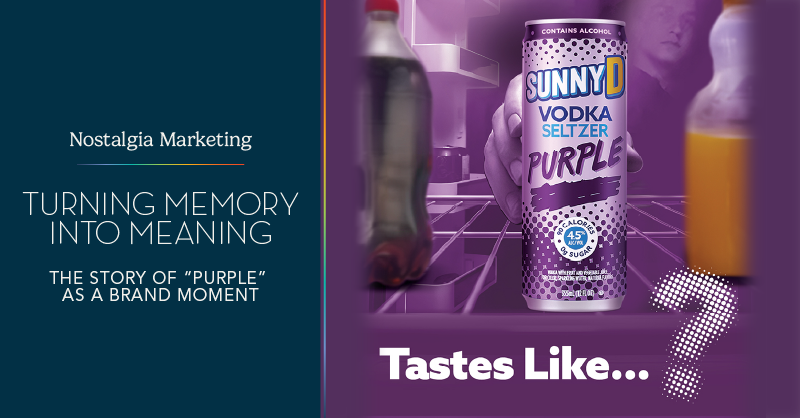
Turning Memory into Meaning: The Story of “Purple” as a Brand Moment

Some of the most powerful brand moments don’t start with something new; they start with a memory. SunnyD identified an innovation opportunity by tapping into a reference that had already been part of culture for decades and launched its long-anticipated “Purple” flavor. 

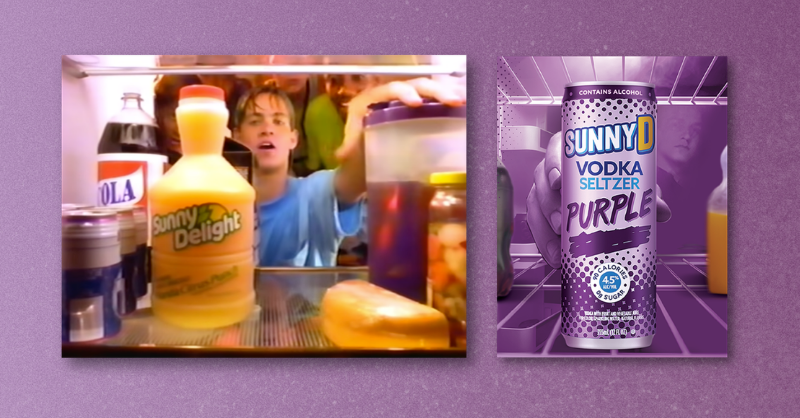
The reference dates back to a well-known 1990s commercial where a refrigerator full of drink options included the now-famous line, “purple stuff.” While the moment was brief, it stuck in viewers’ minds and quickly became part of the brand’s cultural footprint. 

By bringing “purple stuff” to life through SunnyD’s latest launch of their Vodka Seltzer RTD beverage named Purple, the result wasn’t just a new product launch, but a moment of recognition for audiences who grew up with the reference.

Commercial circa. 1991 | Key Visual, SunnyD Vodka Seltzer Purple

Reframing Nostalgia for Cultural Impact

Nostalgia remains one of the most effective tools in marketing because it resonates with people, creates immediate familiarity, and piques their interest. When people recognize something from their past, there’s no need to introduce it or explain it – the connection is already there.

This approach has become increasingly common as brands revisit recognizable elements from the 1990s, from the return of Dunkaroos, which came back after years of fan demand, to the revival of Floyd D. Duck across Bubble Yum’s social channels. By reintroducing familiar products and characters, these brands tap into shared cultural memory while also introducing those references to younger audiences encountering them for the first time.

The difference often comes down to how that nostalgia is applied. Forced nostalgia often tries to recreate moments too literally, relying on imitation rather than meaning. Authentic callbacks work differently; they take something that already exists in culture and give it new context, allowing audiences to complete the story themselves.

That’s what made this moment for SunnyD Vodka Seltzer work. The reference to “purple stuff” was already recognizable and understood, rooted in a 1990s cultural moment. It carried a kind of multi-generational awareness, resonating with those who grew up with it, while sparking interest through new eyes experiencing it for the first time. It also created a built-in curiosity. “What does purple taste like?” became part of the appeal, turning a long-standing joke into a real question people finally had the chance to answer.

Building Cross-Channel Campaigns from Cultural Relevance

Because the idea was rooted in a cultural reference that already carried meaning, the real challenge became ensuring the campaign could live consistently across every place consumers might encounter it. In today’s digital landscape, the strength of a campaign concept depends on how seamlessly it can translate without losing its recognizability. That is where we came in.

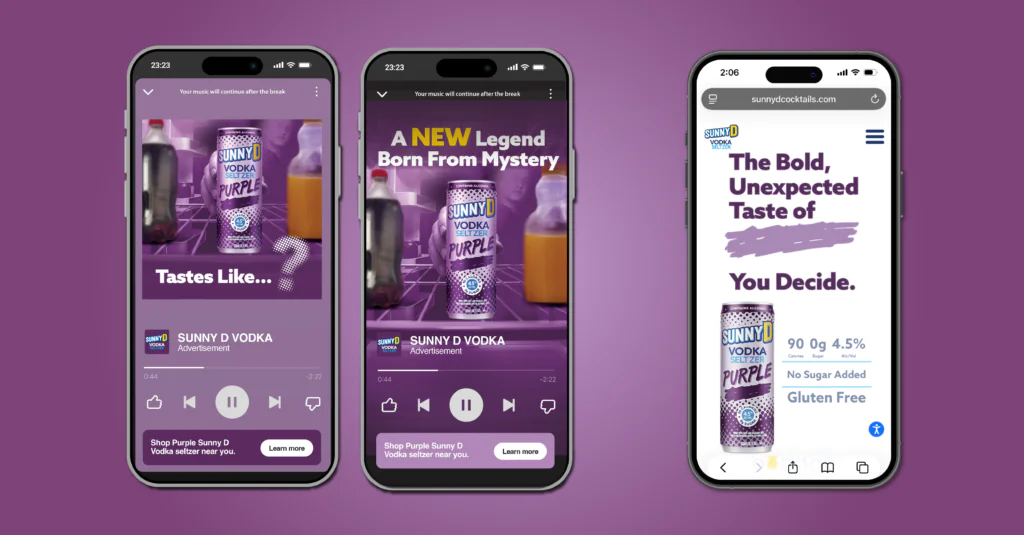
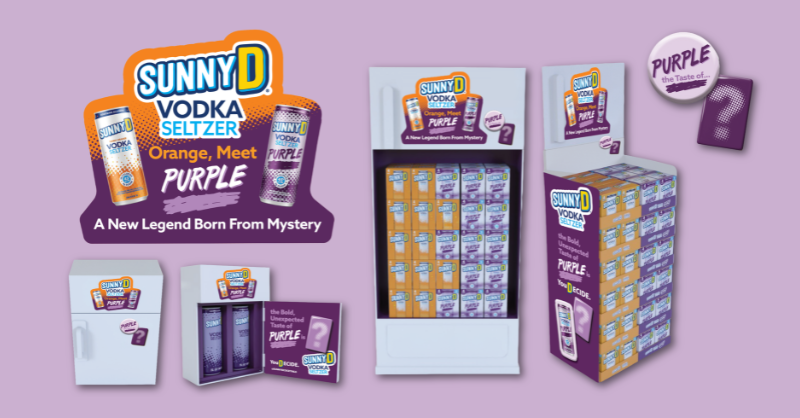
The Smith Design team helped the campaign come to life across a full ecosystem of touchpoints. We developed digital assets that carried the core “purple” idea into e-commerce, the brand website, Instacart, paid digital advertising, Spotify audio, trade advertising, and on in-store POS materials. In just three days, the campaign generated 117 million impressions, including 4.2 million from Walmart and Instacart display and 135.6K from Spotify ads, two key areas where we created digital assets for the campaign.

The goal wasn’t to reinvent the idea at every step, but to maintain consistency, so whether someone encountered it on their phone, in a store, or while streaming music, it felt like part of the same story.

Where Memory Becomes Experience

At its core, the SunnyD Vodka Seltzer Purple campaign launch shows how powerful it can be when brands don’t try to invent meaning but instead build from something that already exists in culture. Purple wasn’t created in the moment; it was something people already knew.

By turning that shared reference into a real product and a full campaign, the idea moved from memory to experience. And for audiences, that shift is what made it stick, not just seeing it again, but finally getting to experience it.


Expanding Palates: The Continued Rise of Globally Inspired Flavor Exploration

As Millennials and Gen Z continue expanding their palates, global flavors have become integral to their culinary experiences. Both generations grew up surrounded by diverse global cuisine, and for Gen Z, global food is more than just about taste; it’s an immersive experience that combines authenticity, culture, and emotional connection. This shift towards adventurous eating reflects a desire for more sophisticated palates as a way to enhance their culinary explorations. As retailers and brands respond to this growing interest, the availability of unique and complex flavors is expanding across various food and beverage categories. From snacks to drinks, options are becoming increasingly diverse, catering to audiences eager for new taste sensations.

Traditional brands that have historically relied on American flavor profiles are now expanding their horizons by embracing globally-inspired varieties. This shift allows them to connect with the adventurous tastes of Millennials and Gen Z while staying aligned with ever-evolving culinary trends.

Where Flavor Innovation Meets Authentic Design

But flavor innovation alone isn’t enough. As shelves become more crowded with globally inspired offerings, package design plays a critical role in signaling authenticity, communicating flavor cues, and inviting consumers to explore something new. Color palettes, typography, patterns, and imagery all work together to evoke cultural inspiration while maintaining a brand’s own visual equity. When done thoughtfully, packaging becomes a gateway, helping consumers quickly understand unfamiliar flavors and feel confident trying them.

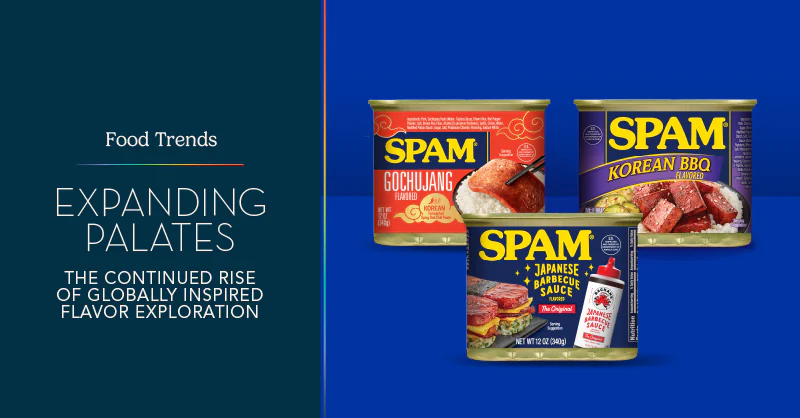
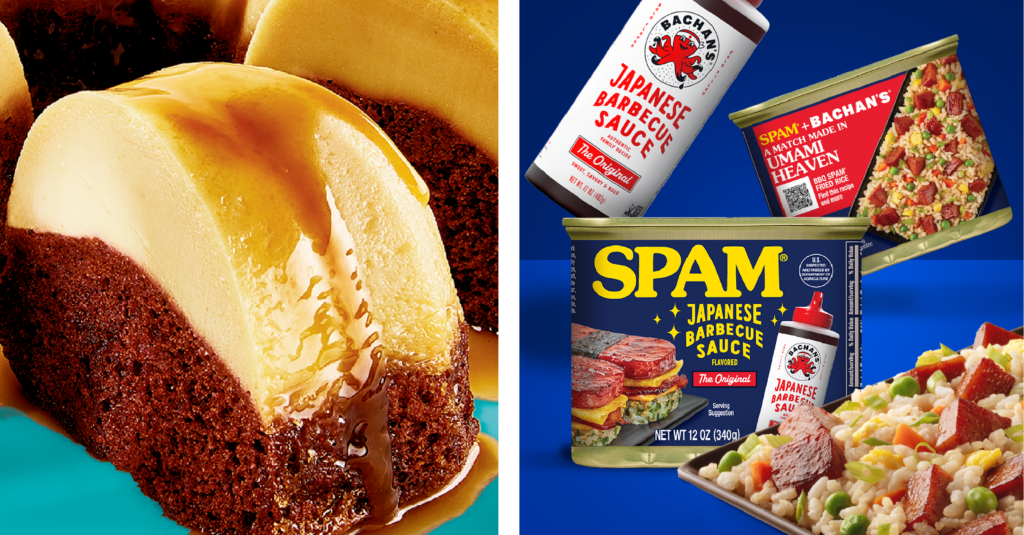
SPAM has long held a meaningful place in Asian American food culture, where it’s been embraced across generations in dishes like musubi, fried rice, and other comfort-driven fusion meals. Recent limited-time offerings continue to build on that cultural connection, blending familiar pantry staples with globally inspired flavors to celebrate community and culinary creativity. A recent collaboration between the SPAM brand and Bachan’s Japanese Barbecue Sauce brings this idea to life, combining two pantry staples rooted in Asian American food culture into a single, umami-rich experience inspired by a pairing fans have been creating at home for years.

The SPAM Japanese Barbecue Sauce flavored variety, made with Bachan’s Original Japanese Barbecue Sauce, delivers a savory balance of sweet, garlicky, and soy-forward notes while celebrating Japanese American culinary traditions. Smith Design partnered with the SPAM team to help shape the packaging for this collaboration, translating the bold flavor fusion into a package design system that feels culturally informed, modern, and shelf-ready.

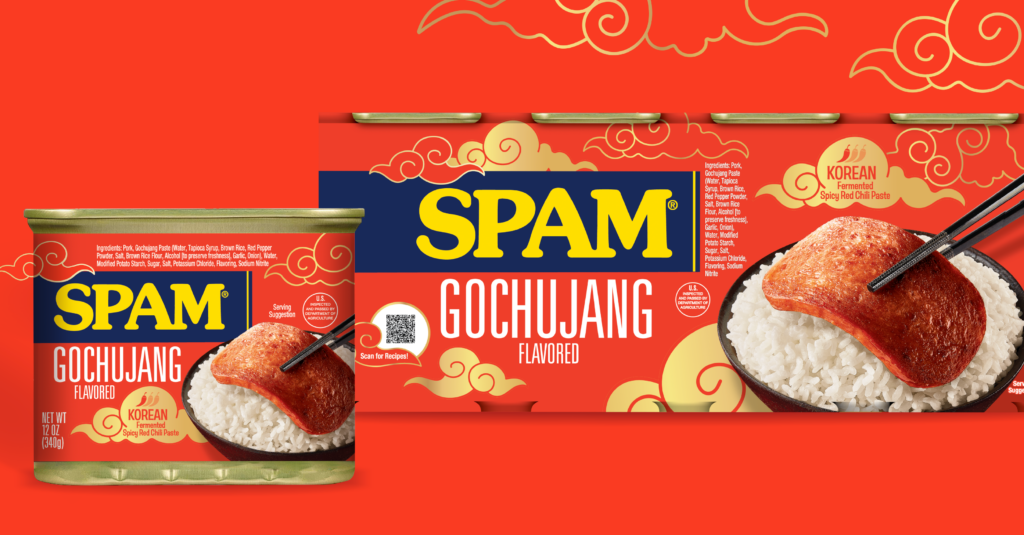
The launch of SPAM Gochujang, inspired by the popular Korean condiment, is another example of this trend. This limited-edition variety combines spicy, sweet, smoky, and umami elements, making it a great addition to any occasion. Smith Design also had the pleasure of collaborating with SPAM to shape the visual aesthetic of this product, ensuring it resonates with Korean heritage and aligns with the essence of gochujang sauces found in adjacent categories. This focus on design not only elevates the product’s appeal but also creates a deeper connection with consumers seeking immersive culinary experiences.

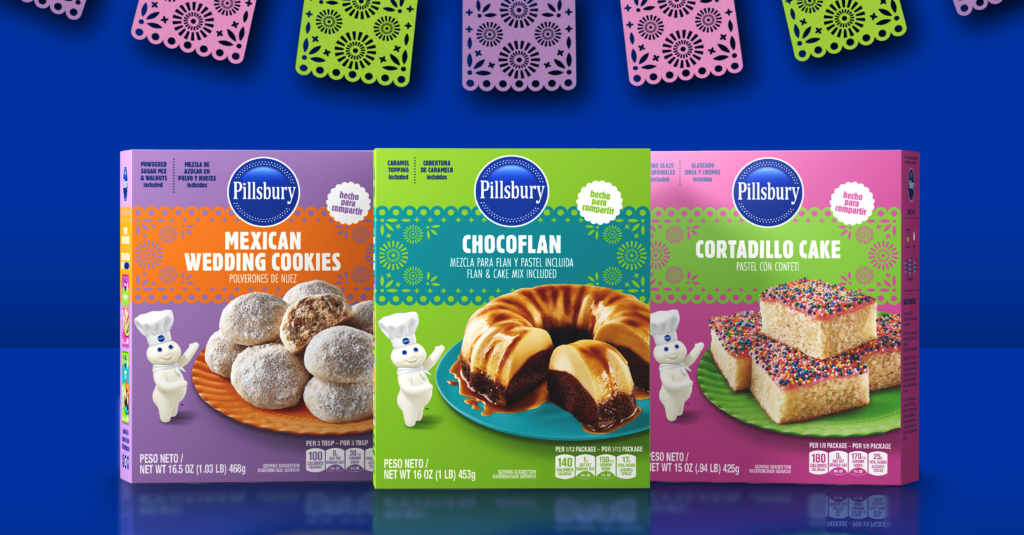
Beyond globally inspired heat and fusion, brands are also finding growth in traditional Hispanic flavors rooted in nostalgia, cultural pride, and the comfort of home. Consumers are gravitating toward offerings that feel authentic and emotionally resonant, creating a compelling opportunity for brands to expand into heritage-driven spaces with credibility and warmth. This insight guided our recent partnership with Pillsbury Baking and Hometown Foods to launch a new line of Hispanic Recipe baking mixes.

Following an in-depth cultural and visual audit and market analysis, we helped translate deeply familiar flavors into a modern retail experience that feels both genuine and accessible. The resulting packaging for Mexican Wedding Cookies, Chocoflan, and Cortadillo Cake blends vibrant, culturally inspired color palettes and patterning with photography that evokes homemade indulgence. The design honors time-tested recipes while staying true to Pillsbury’s playful, trusted brand voice, creating a bridge between tradition and contemporary shelf appeal.

Flavor Communication to Cultural Storytelling

As interest in global flavors continues to grow, packaging is evolving from simple flavor communication to storytelling. Whether highlighting regional ingredients, showcasing flavor mashups, or using design to convey heat, sweetness, or spice, brands have an opportunity to turn global inspiration into a compelling shelf presence. The result is packaging that doesn’t just describe the product, it sparks curiosity and encourages discovery.


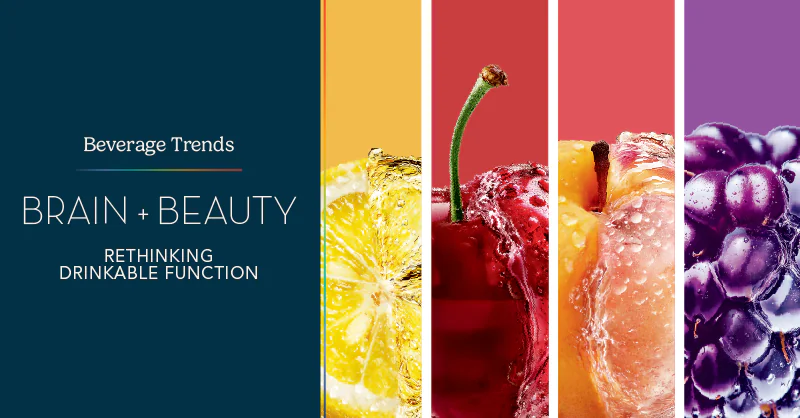
Brain + Beauty: Rethinking Drinkable Function

Functional beverages continue to evolve, and a new dual-focus trend has emerged, with drinks that support both cognitive wellness and visible beauty. Consumers are no longer satisfied with single-purpose beverages; they want products that enhance how they feel and how they show up in daily life. Expo West 2026 highlighted this shift, revealing brands that combine wellness benefits, flavor, and lifestyle-focused experiences to redefine what drinkable function can be.

From Single Benefit to Integrated Wellness

Five years ago, functional beverages were largely defined by a single promise: energy, hydration, immunity, or digestion. Bold ingredients like adaptogens, probiotics, and nootropics dominated.

Today, the category is moving toward integrated wellness. Hydration incorporates broader mineral profiles. Energy is expected to feel balanced and sustainable. Magnesium has emerged as a key ingredient, supporting stress response, recovery, and overall equilibrium.

Consumers also evaluate flavor, design, and experience alongside efficacy. The most successful brands integrate benefits seamlessly, providing a daily ritual that fits naturally into modern lifestyles.

Trends in Action at Expo West

Expo West 2026 made these shifts tangible. Leading brands no longer focus on single ingredients. They combine multiple benefits into cohesive, everyday experiences.

Everyday wellness is evolving. Drinks now blend adaptogens, nootropics, and hydration with lifestyle benefits. Classic formats are being reimagined. Soda-inspired beverages feature functional ingredients and bold, nostalgic flavors. Protein is increasingly incorporated to support satiety and sustained energy. Bright, fruit-forward flavor combinations make functional benefits approachable and enjoyable.

Together, these trends reinforce a key insight: success is no longer defined by one ingredient. It comes from how well benefits, flavor, and experience are integrated.

Brain + Beauty: A Defining Shift

A major emerging trend is the convergence of cognitive wellness and beauty. Consumers no longer see these areas separately. Stress affects skin. Hydration impacts both mental clarity and appearance. Recovery, sleep, and overall balance influence how people feel and present themselves.

Magnesium plays a central role in this shift. Traditionally associated with relaxation and muscle function, it now supports calm, recovery, and overall balance. These benefits influence both cognitive clarity and visible well-being. In this way, magnesium bridges brain and beauty, connecting internal wellness with external expression.

ELOS: Launching at Expo West

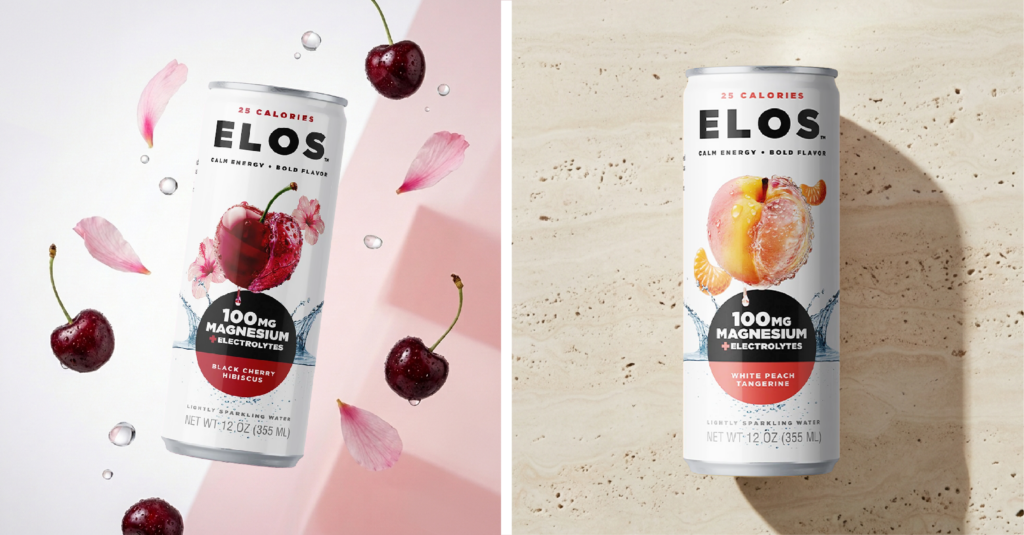
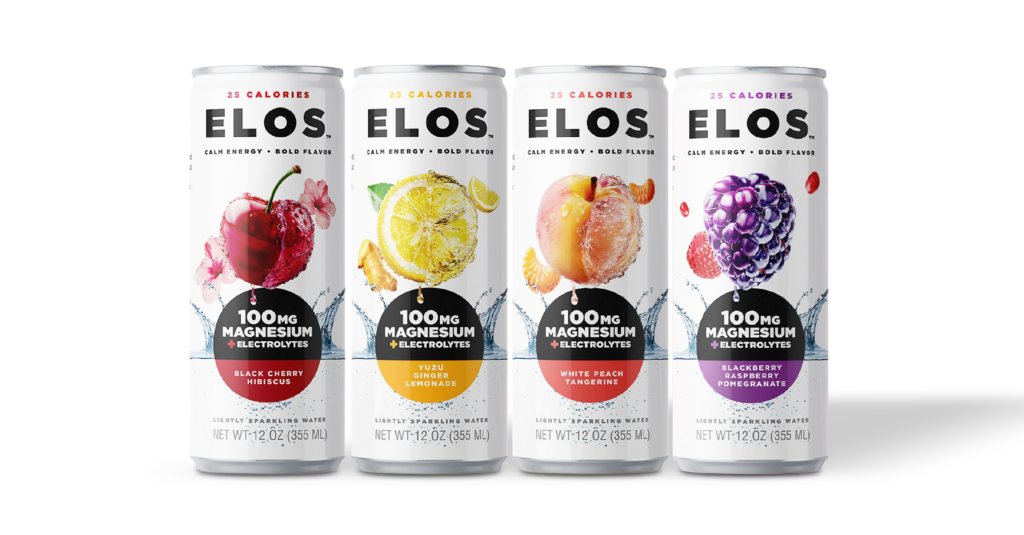
At Smith Design, we recently partnered with Accelerated Manufacturing Solutions (AMS) to launch ELOS, a functional sparkling water brand that officially debuted at Expo West 2026. From the beginning, we worked end to end: naming guidance, brand positioning, visual identity, packaging, and comprehensive brand guidelines.

Our process began with a deep dive into the beverage category and broader wellness landscape. We analyzed competitors, consumer motivations, and emerging cultural signals to identify strategic opportunities for differentiation.

Smith Design collaborated closely with AMS to shape every aspect of the brand:

  • Naming: We explored potential brand names and strategies, ultimately landing on ELOS, a modern, flexible identity designed to grow with the category
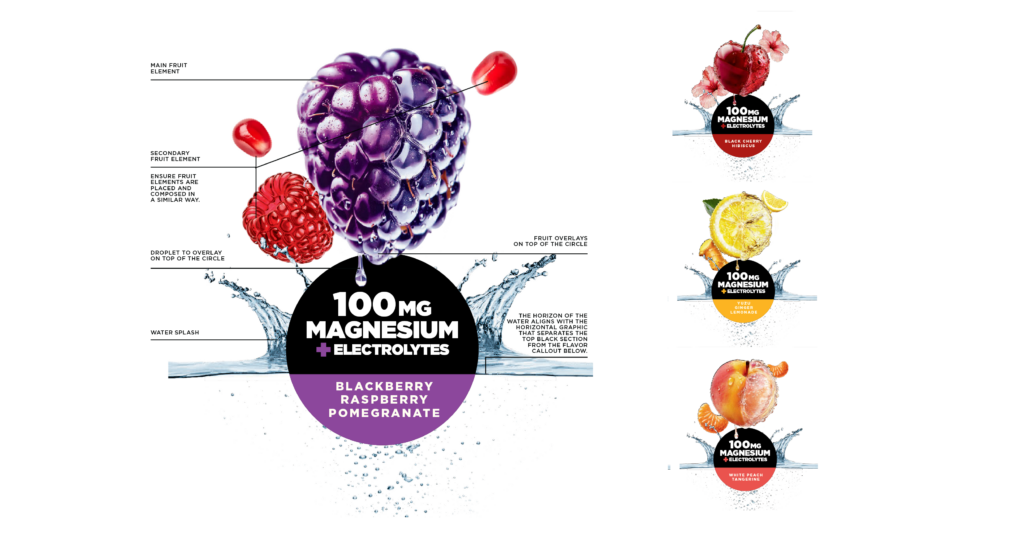
  • Brand Positioning: We defined a promise of refreshment paired with everyday wellness benefits, expressed through a bold, rebellious personality. Large hyper-liquified fruit graphics signal energy, edge, and shelf presence
  • Visual Identity and Packaging: Design systems communicate premium refreshment while reflecting the playful, bold spirit of ELOS
  • Brand Guidelines: Comprehensive guidelines ensure consistency across packaging, marketing, and future product extensions

The initial product delivers a lightly sparkling beverage with magnesium, electrolytes, essential vitamins, and fruit-forward flavor. ELOS is designed as a flexible brand platform capable of evolving with trends, flavors, and consumer expectations.

By combining functionality with flavor, design, and experience, ELOS reflects the future of integrated wellness beverages and the Brain + Beauty movement.

Looking Ahead

Expo West 2026 confirms a clear trajectory for the category: integration is key. Consumers want products that deliver benefits, enjoyment, and balance, seamlessly woven into everyday rituals.

The brands that will lead combine credible wellness claims with strong identity, thoughtful design, memorable flavors, and compelling storytelling. ELOS demonstrates this evolution, pairing wellness, flavor, and personality in a way that feels current, forward-looking, and fully integrated.

For brands and partners, the takeaway is clear. Success comes from building platforms designed to evolve alongside consumers, where integrated wellness, enjoyment, and experience define the next chapter of functional beverages.


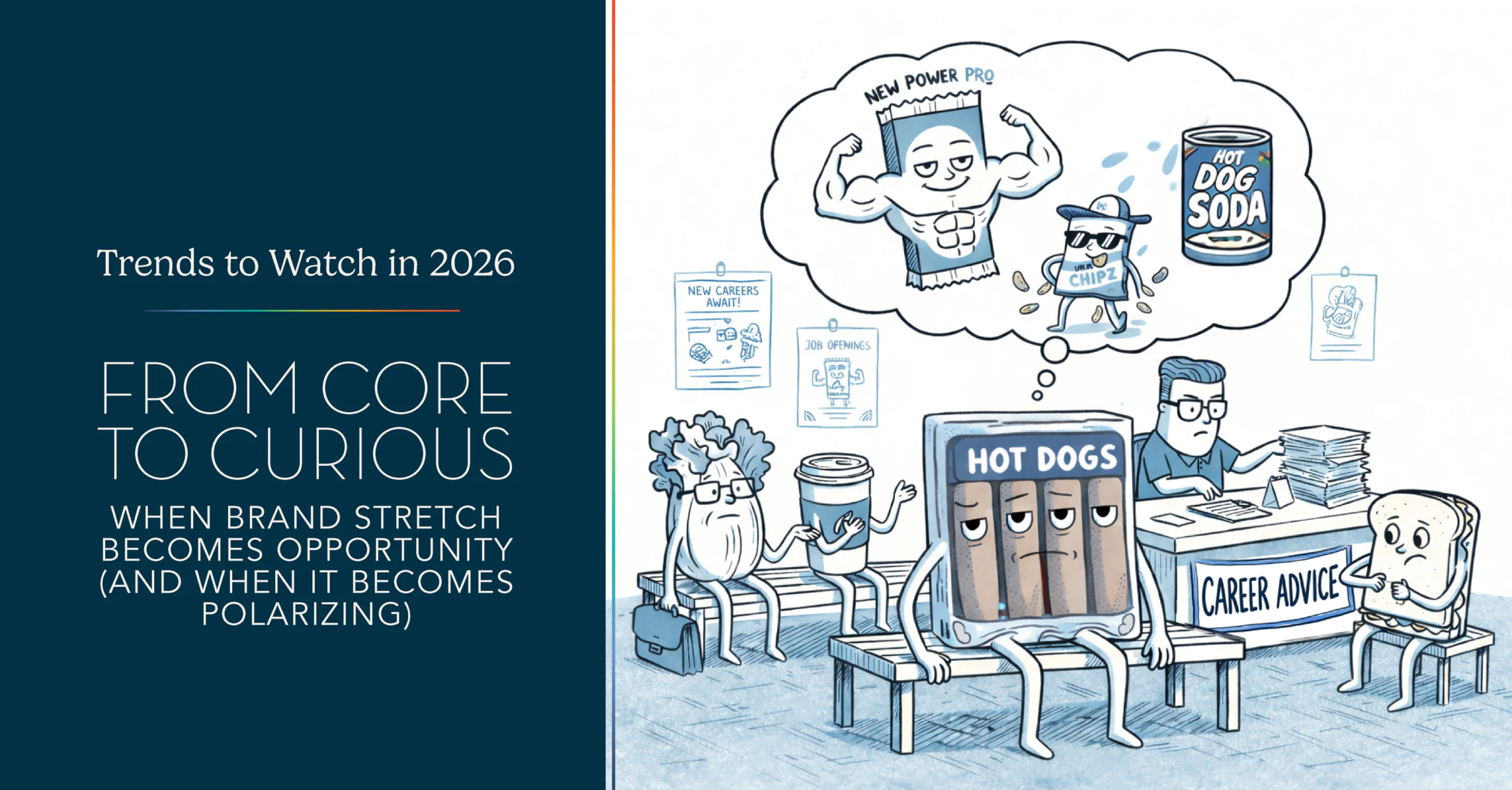
From Core to Curious: When Brand Stretch Becomes Opportunity (and When It Becomes Polarizing)

Brand extension is no longer a cautious step into closely related categories. Today, brands are making bolder, more visible leaps, sometimes logically, sometimes provocatively, into new spaces in pursuit of relevance, growth, and cultural momentum. In an era defined by fast-moving trends and fragmented consumer attention, expanding beyond the core can feel like a necessary survival strategy. Yet recent launches reveal a critical tension: not every stretch is embraced. Some feel like natural evolutions of what a brand already represents, while others ignite confusion, skepticism, and even backlash across social platforms. The question is no longer whether brands can stretch, but when that stretch feels authentic, and when it crosses the line into cultural dissonance.

A recent and highly visible example is Beyond Meat’s move into the functional beverage space. For some consumers, the launch signaled innovation and a broader lifestyle platform built around plant-based nutrition. For others, it felt disconnected from what Beyond Meat has historically stood for: meat alternatives grounded in food science, sustainability, and savory meal occasions. The polarized reaction underscores a growing challenge in modern brand strategy. Consumers expect brands to evolve, but only if that evolution aligns with the mental model they already hold. When the connection is unclear, even well-intentioned innovation can feel forced or opportunistic.

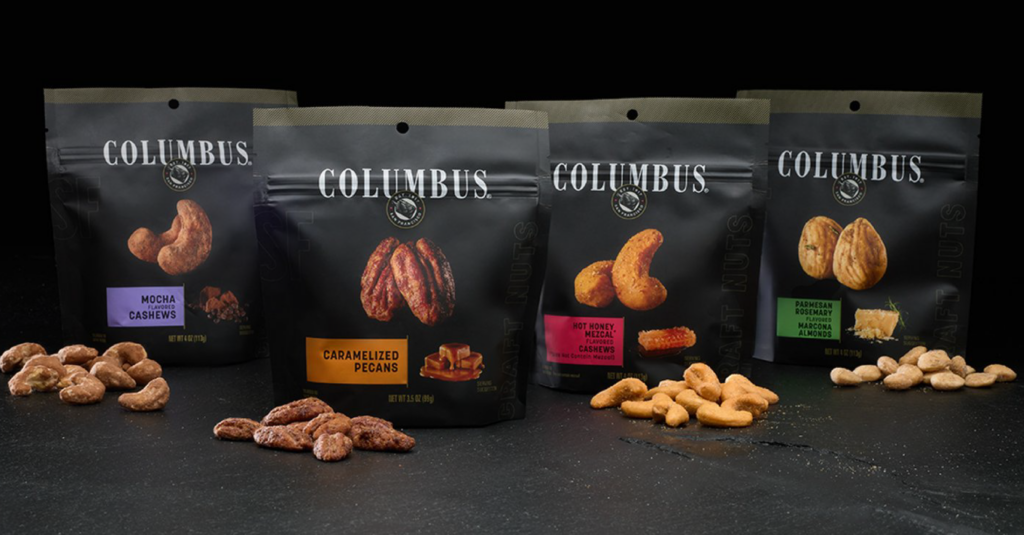
In contrast, several recent brand extensions demonstrate how stretching can succeed when rooted in clear brand logic and occasion relevance. Columbus Meats’ expansion into premium nuts felt intuitive because it extended the same world of craft, quality, and elevated snacking that the brand already owned. Premium nuts naturally fit into charcuterie boards, entertaining moments, and upscale grazing occasions—spaces where Columbus already had cultural permission to play. Rather than redefining the brand, the move simply broadened how and when consumers could interact with it.

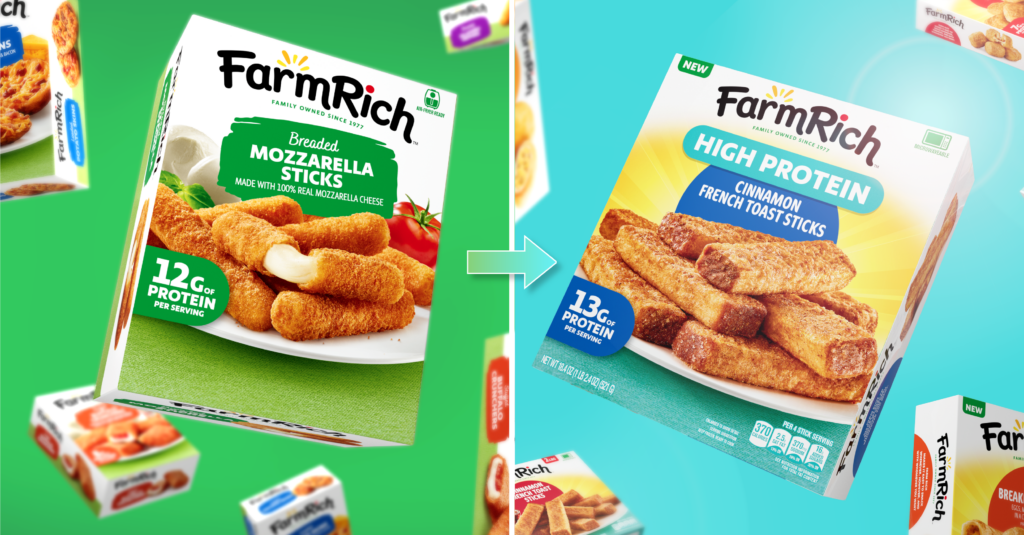
Similarly, Farm Rich’s expansion from frozen appetizers into frozen breakfast built upon its existing equity in comfort, convenience, and freezer-aisle familiarity. Breakfast was not a reinvention but a natural adjacency, allowing the brand to show up at a new daypart while delivering the same promise of easy, crowd-pleasing food. Skippy’s launch of PB Bites followed a comparable logic. By translating its strongest equity, iconic peanut butter taste, and nostalgic appeal, into an on-the-go snacking format, Skippy responded to modern consumption behavior without abandoning its core identity. This was not a leap into a new category as much as a format evolution, meeting consumers where their routines had shifted.

Boar’s Head’s recent entry into indulgent dessert dips may be the boldest example, yet it still remains grounded in the brand’s long-standing reputation for premium, deli-counter craftsmanship. By reframing its role from strictly savory to “premium entertaining,” Boar’s Head expanded into a new emotional territory while staying true to its values of quality and indulgence. The move widens its relevance at social gatherings, extending the brand beyond meats and cheeses into dessert moments without eroding its upscale positioning.

Across these successes, three strategic principles consistently emerge. First, effective brand stretches expand existing occasions rather than inventing entirely unrelated ones. Columbus did not jump into soda; it deepened its presence in snacking and entertaining. Skippy did not become a wellness brand; it stayed in the snack lane and simply made peanut butter more portable. Beyond Meat, by contrast, entered a beverage category defined by different emotional and functional expectations, creating friction between what consumers knew the brand for and what it was suddenly offering.

Second, successful extensions leverage true brand equity, not just brand awareness. They draw from taste cues, trust, quality signals, and the emotional role a brand already plays in consumers’ lives. When Farm Rich entered breakfast, it carried forward its promise of easy comfort food. When Boar’s Head entered the dessert dips market, it leaned into premium indulgence and special-occasion appeal. Extensions fail when they rely solely on logo recognition without translating the brand’s deeper story into the new category in a meaningful way.

Finally, the most successful stretches feel additive rather than opportunistic. Today’s consumers are highly attuned to trend-chasing, especially in saturated spaces like functional beverages and wellness products. Without a clear narrative bridge, Beyond Meat’s move risked being interpreted as a business maneuver rather than a brand evolution. By contrast, Skippy PB Bites addressed a real, practical need: peanut butter without the spoon, making the extension feel purposeful and consumer-driven rather than reactive.

As categories fragment and consumption moments multiply, brand stretching will only accelerate. But the brands that win will not be the ones that stretch the farthest; they will be the ones that stretch with coherence. The difference between opportunity and polarization lies in narrative continuity—whether a new product feels like a natural next chapter or an unrelated side quest. When a brand extension expands an existing role, honors core equities, and solves a genuine consumer need, it builds relevance and long-term growth. When it breaks the mental contract consumers have with the brand, it risks becoming a headline instead of a strategy. In today’s culture, visibility may spark conversation, but authenticity is what sustains trust—and trust remains the most powerful currency a brand can carry into any new category.