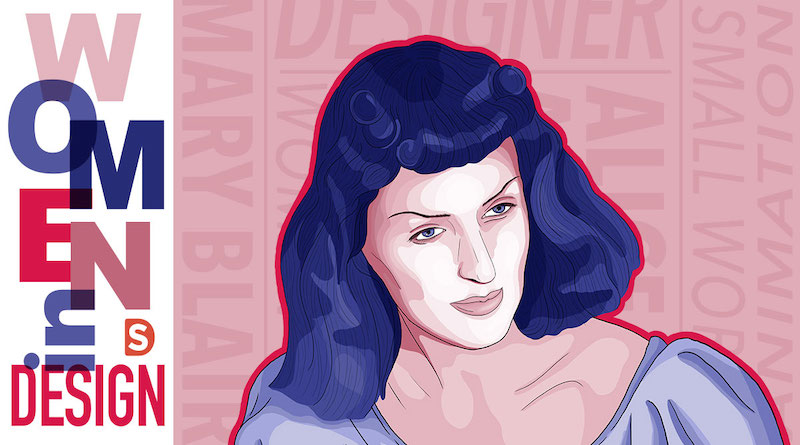

Women in Design: Sylvia Harris

It’s Women’s History Month and to honor women’s contributions to American history, we are excited to bring back our Women in Design series! Each week we will shine a light on women trailblazers in the design industry. You might not know them all by name, but definitely by their work and influence on the design world as a whole.

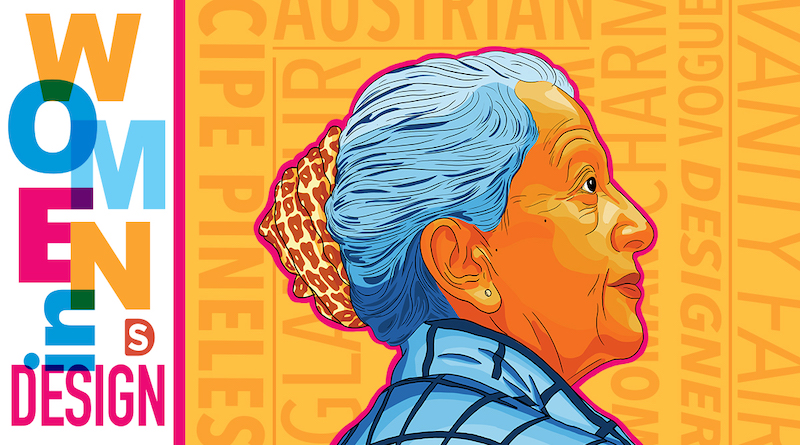
Virginia native Sylvia Harris was a strategist, educator, and graphic designer. Harris attended Virginia Commonwealth University, where she graduated with a BFA in Communication Art and Design and an undergraduate focus in film and photography. After college, Sylvia moved to Boston where she discovered graphic design as a career path. She felt that there was still more for her to learn about the art world and design and decided to attend Yale School of Art where she graduated with an MFA.

Harris’ experience as a Black woman during the desegregation in the 1960s instilled in her a strong belief in social justice and a calling to help others that were disenfranchised by social systems.

Harris established Sylvia Harris LLC, a design and strategy company with a focus with on using design to solve problems for civic agencies, universities, and hospitals.

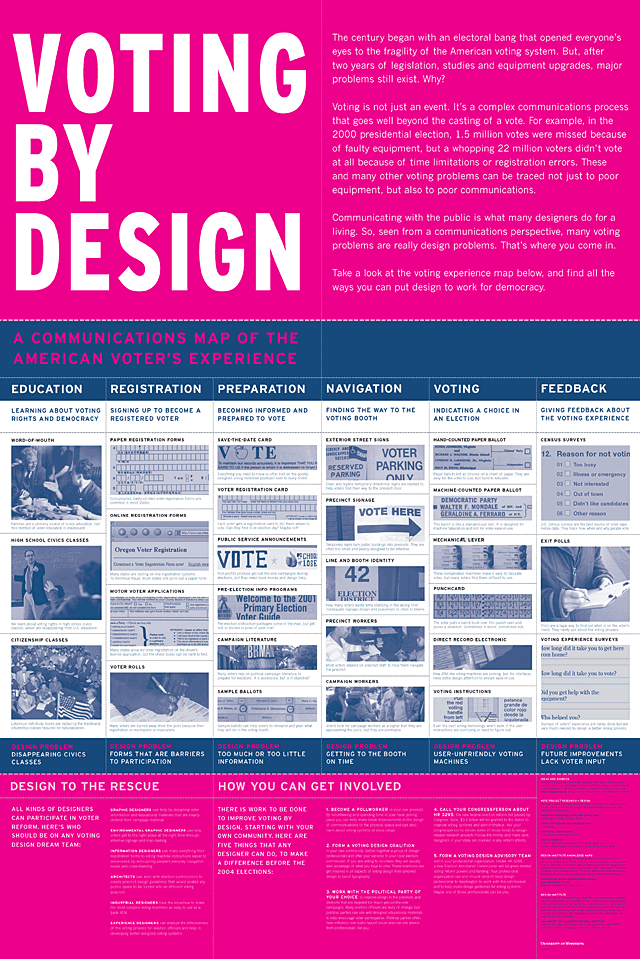
Notably, Harris was the creative director behind the design of the 2000 Census for the United States Census Bureau. With the goal to increase participation, especially among under-represented populations, she had the opportunity to study how and what design could do to get more citizens engaged.

Source: https://segd.org/2021-segd-fellow-sylvia-harris
Source: https://osarcia011.wixsite.com/pioneerwomen/sylvia-harris

Among her may accomplishments, Harris worked with New-York Presbyterian and the Columbia Medical Center as an independent project leader creating information master plans for the hospital designed to improve communication with patients.

Source: https://www.aiga.org/

In April of 2014, Harris was awarded AIGA’s highest honor and most distinguished award, the AIGA Medal. Sylvia Harris will always be remembered as a pioneer of vital inspiration to the field of social design. After her untimely death, the AIGA (American Institute of Graphic Arts) established the Sylvia Harris Citizen Design Award to honor her dedication to the field of social impact design.
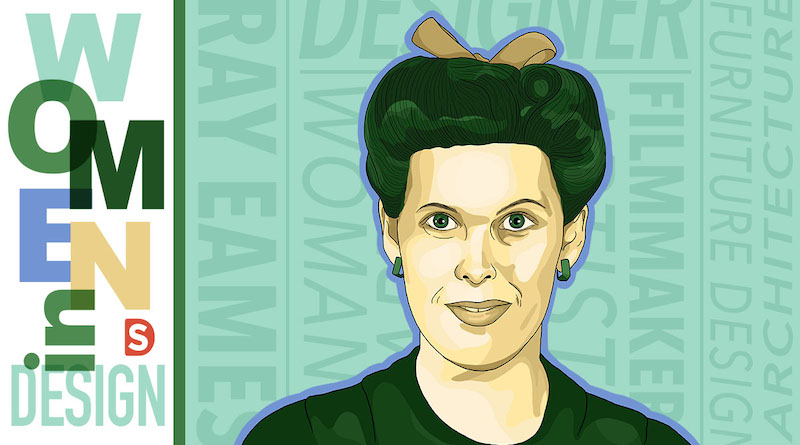
Women In Design – Ray Eames

In this blog series, we shine a light on women trailblazers in the design industry – women who have earned a Wikipedia page (or are likely to very soon). You might not know them by name, but definitely by their work and influence on the design world as a whole.    

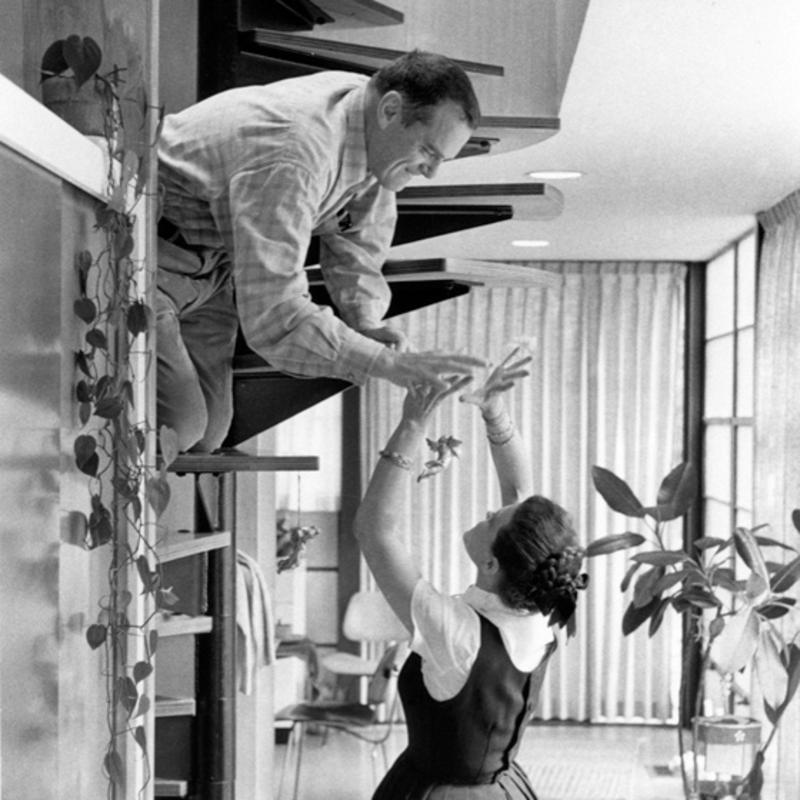
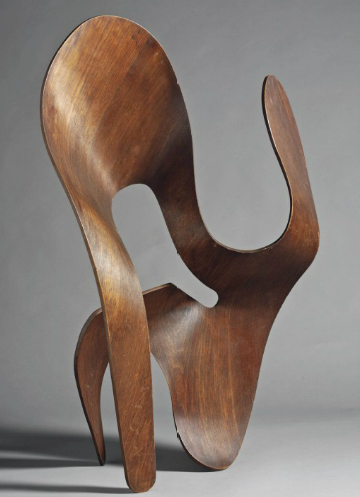
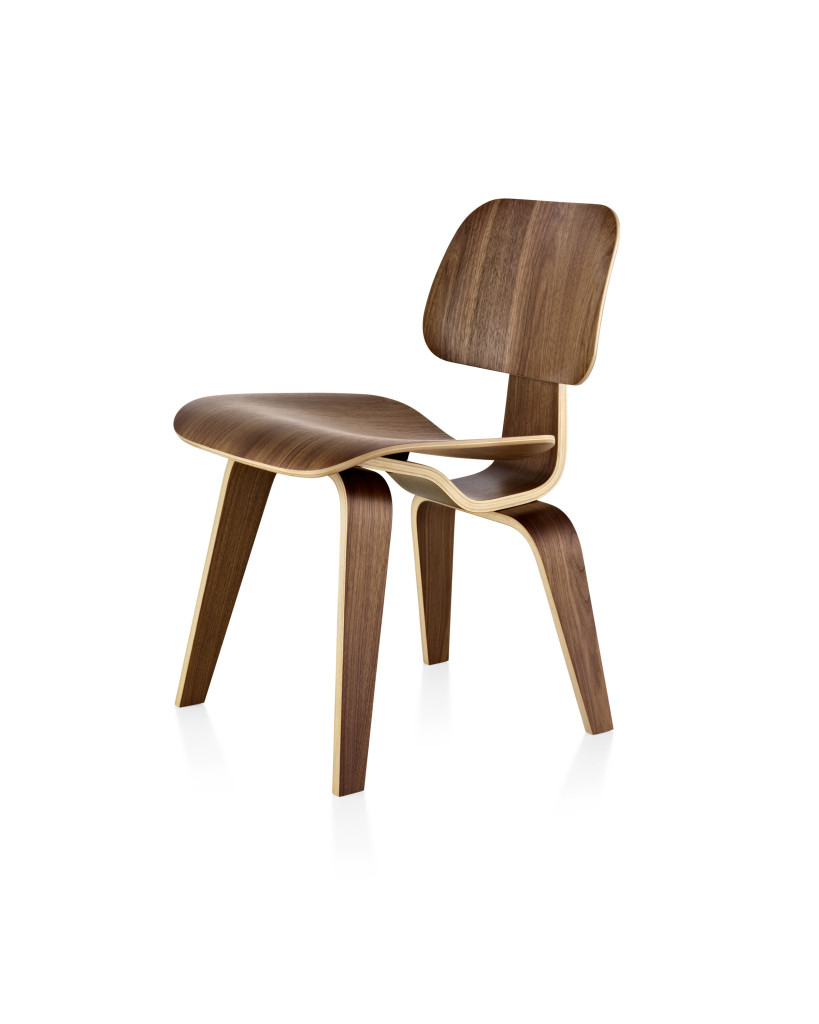
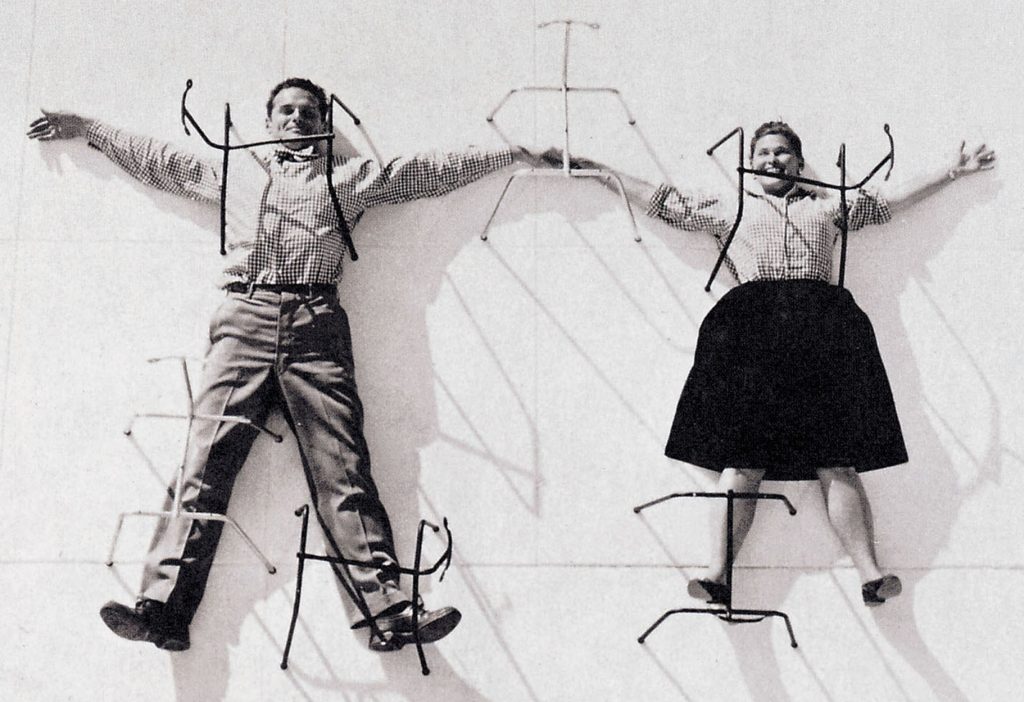
Born Bernice Kaiser, Ray Eames, along with her husband Charles, had a prolific career that ran the gamut from furniture design and architecture to filmmaking, textiles, toys, graphics, exhibition design and much more.  Growing up in Sacramento, California, she credits her ability to appreciate and enjoy her surroundings to her parents, who referred to her as Ray Ray. 

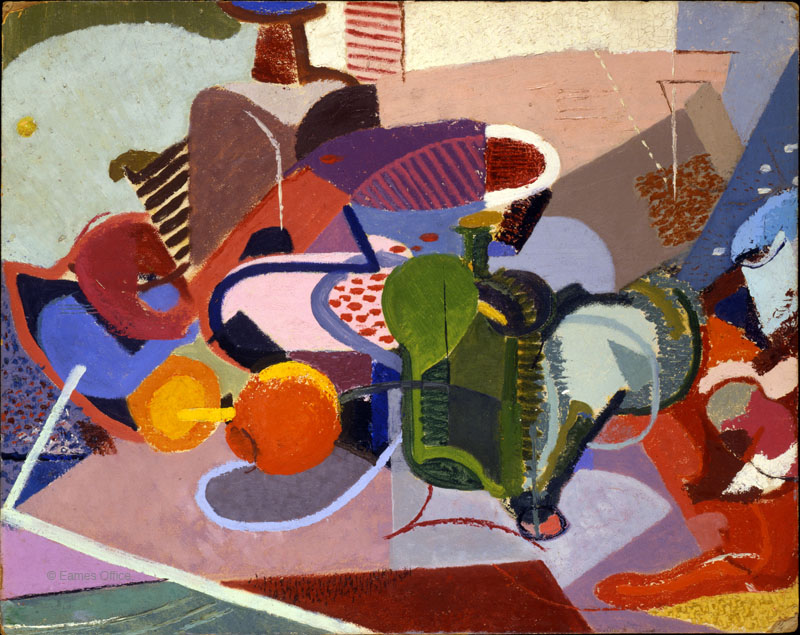
Mentored by renowned painter Hans Hofmann, Ray started out her creative life as a student of abstract expressionist painting in New York City. Sadly, much of her artwork from this period of her life is lost but her influence on the movement pushed appreciation of abstract artwork to the mainstream. She became a founding member of American Abstract Artists, a group that promoted abstract art in a time that major art galleries refused to embrace it. 

“I never gave up painting, I just changed my palette.”  

 Ray Eames

Ray went onto study at the prestigious Cranbrook Academy of Art in Michigan, where she expanded her artistic talents from painting to other medium and met her future creative collaborator and husband, Charles Eames. This powerhouse design duo went onto reshape the world of industrial design.  

Ray’s vision was unique in that she possessed an innate ability to understand the connectedness between the form of things and their uses, between the details and the bigger picture. In creative collaboration with Charles, Ray’s innovations in furniture design, architecture, and even toys emphasized quality, form, and function at a reasonable cost.  

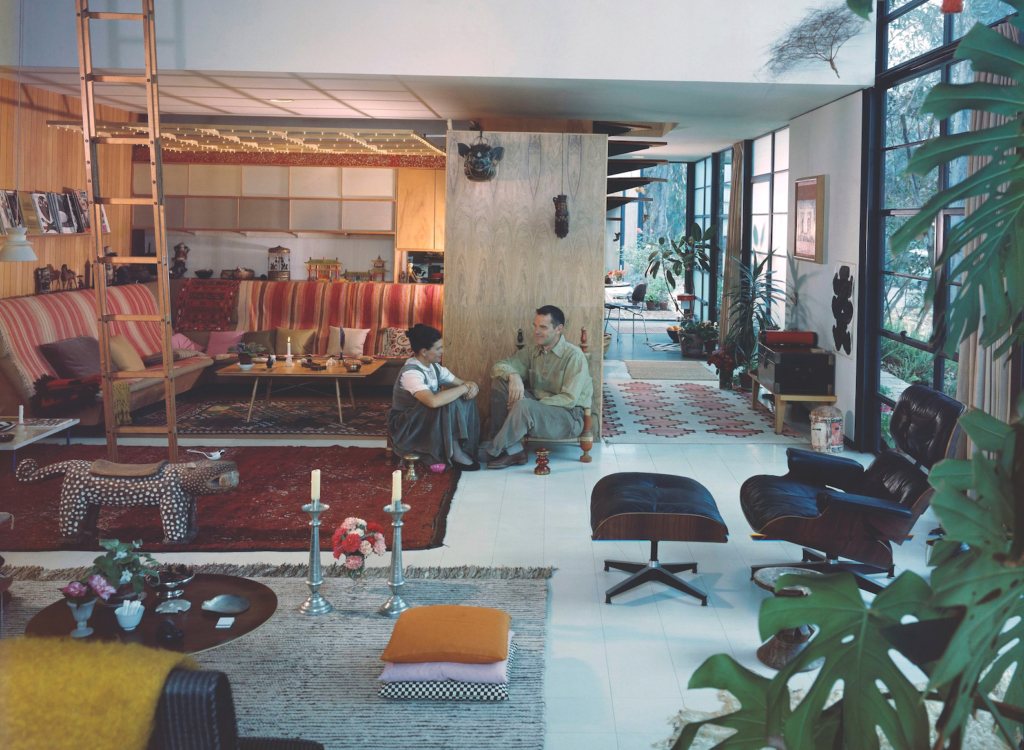
 The Eames House is the culmination of Ray and Charles’ collaborative expertise. The house the couple created is a lasting feat of architecture and design, a personal project of their boundless ingenuity. The structures themselves (a studio and a residence) unobtrusively ease into the surrounding nature of the land. Filled with gifts from friends and family, their home embraced life while emphasizing details – “They anticipated their guests’ needs – whether welcoming visitors at the house with delightful treats or when designing a chair and considering how best to meet the needs of the user ”. As one would expect, the Eames house was always a work in progress that evolved with them and their continuous creativity.   

Not surprisingly, Eames did not receive the same accolades as her husband but despite this lack of deserving recognition, her legacy remains as impactful as her husband. Charles, to his credit, strived to ensure she was acknowledged as an equal partner.  

Ray Eames will be remembered for her ever-evolving innovations within her design – how to best use materials, how to anticipate the needs of the end user, and how details come together to make a whole. Charles probably said it best in the now-famous quote; “Anything I can do, Ray can do better”. 

This concludes our year of acknowledging women in design through this series, featuring portraits by Becki Murray, a designer on the Smith Design team.

If you haven’t read them all, we recommend you go back and spend some time with a few of the most inspiring women in the industry. 

Women In Design – Mary Blair

In this blog series, we shine a light on women trailblazers in the design industry – women who have earned a Wikipedia page (or are likely to very soon). You might not know them by name, but definitely by their work and influence on the design world as a whole.   

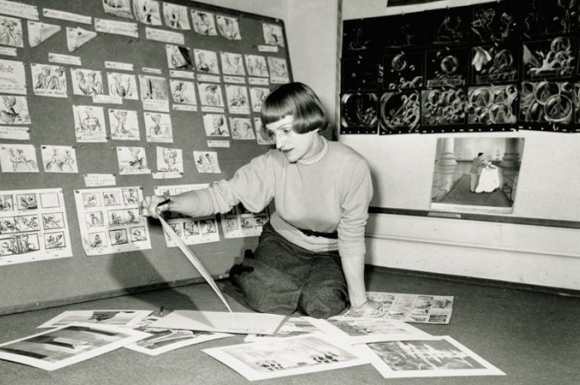
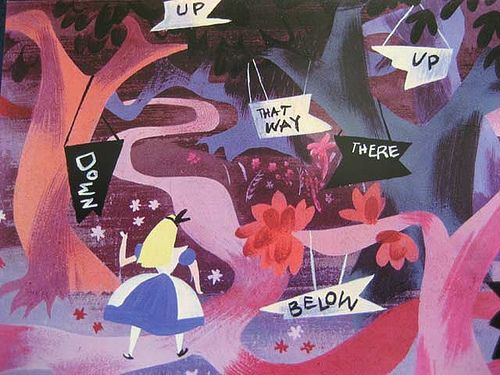
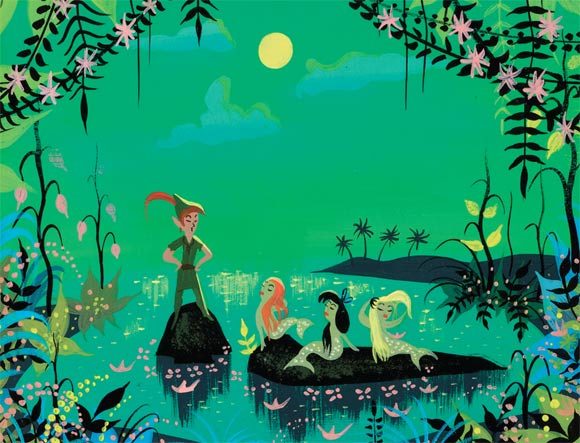
Mary Blair was an impactful artist and animator who brought fairytales to life through dreamy concept art and color styling. She introduced Modernism to Disney’s animation studio, helping to create the artistic style for films such as Cinderella, Alice in Wonderland, and Peter Pan. Thanks to Blair, the visuals of these stories resonate across generations.  

Mary Blair grew up in Texas in the early 1900s before moving to California in the early 20s, where she would attend San Jose State University. During her education, she was recognized as a bright, emerging talent, and was awarded a scholarship to Chouinard Art Institute. Here, she honed her watercolor and color styling skills and met her husband Lee Blair, a fellow artist who would also go on to work at Disney.  

After graduation, Blair’s talent soared early on in her career. She quickly became known for the unique color styles of her designs, earning the attention of both the art community and animation studios. She became a professional animator at Metro-Goldyn-Mayer. As her distinct style developed, she was welcomed to join the prestigious California Water-Color Society. Her watercolors impressed Walt Disney, and she joined Disney’s animation studios as an art supervisor and color stylist. Walt Disney said that Blair “knew about colors he had never heard of before”.  

Blair had a major influence on Disney’s animation, but she faced challenges in her efforts. Despite having the respect of Walt Disney, her other supervisors were quick to dismiss her work as overly abstract and too colorful. In a time where animation studios were dominated by men, she had to fight to push through her ideas, disregarding jealous resentment from her male colleagues. Her determination led to the modernization of the studio’s art style, and her imagination is present in many of Disney’s most iconic films of the time. Her concept art set the foundation for the style that has become associated with a sense of comfortable nostalgia to people who grew up with these classics on their screens. 

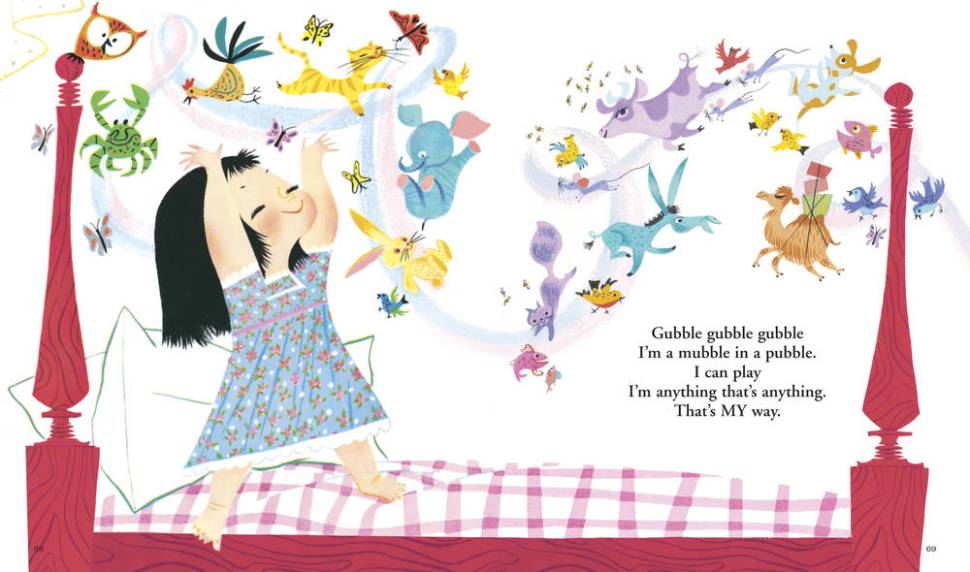
In addition to her accomplishments at professional animation studios, Blair was also a successful freelance designer. She illustrated several Little Golden Books with beautiful, whimsical drawings.  

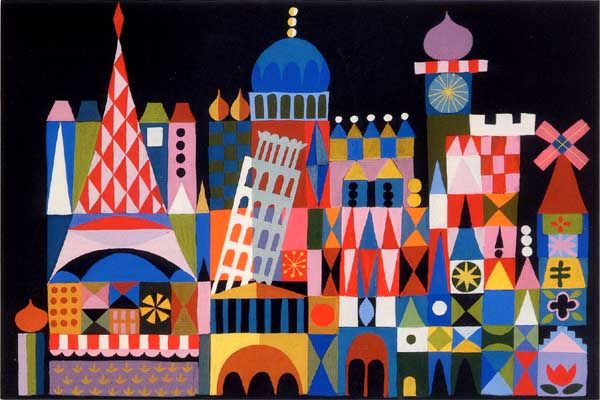
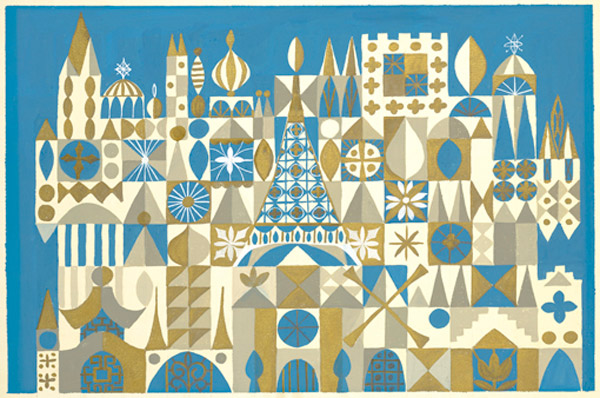
While she was freelancing, Walt Disney reached out to her again, asking if she would help design a new attraction that would eventually find fame at Disneyland, “It’s a Small World”. She also created stunning murals that are showcased throughout Disney’s parks.  

Mary Blair’s innovative influence on animation is undeniable. The worlds she designed through her artwork made children believe in magic, while bringing modern art to the screen. She was posthumously honored for her effect on the art of animation by being inducted into the Disney Legends hall of fame. To learn more about Blair, visit the website presented by her nieces, magicofmaryblair.com.

“Her most distinctive factor is that she is kind of showing us her soul…she puts herself into her art work and it transcends the greatest of the Disney movies.”

Michael Giaimo 

Women In Design – Susan Kare

In this blog series, we shine a light on women trailblazers in the design industry – women who have earned a Wikipedia page (or are likely to very soon). You might not know them by name, but definitely by their work and influence on the design world as a whole.  

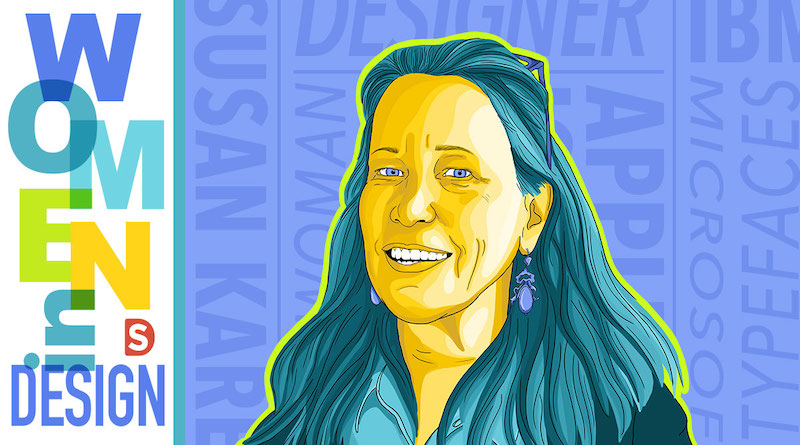
Our October Woman of the Month is Susan Kare, a founding mother of modern design and the creative genius behind some of the most recognizable icons, typefaces, and graphic elements in the world. If you have a Mac, you can see Kare’s looped box design on your Command key.  

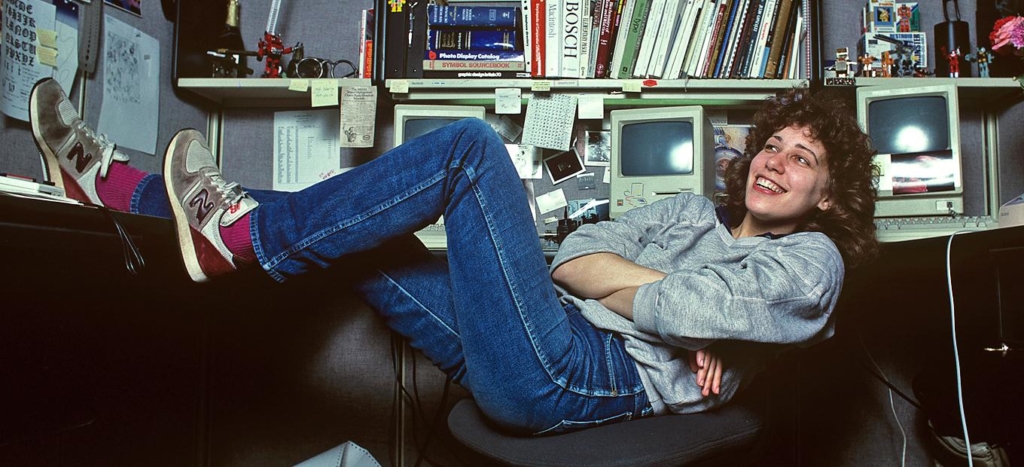
Known as “the woman who gave the Macintosh a smile”, Kare’s digital career took off when she was asked to mock up a few icons and font elements for Apple. She showed up to her interview with a notebook full of pixelated sketches on graph paper, some of which became the iconic elements that gave Macintosh the wit that has charmed users for generations. 

Despite having no previous experience with computers, her designs for Apple revolutionized the industry. Her pixel art went beyond graphic design – drawing from experience gained in a Fine Arts PHD and by incorporating aspects of mosaics, needlepoints, and pointillism. By focusing primarily on meaning and clarity, she made computer graphics approachable and available to a wide audience for the first time. Before, knowledge of code was necessary for simple commands like cut, copy, and paste. Kare’s images became a guide for users of all experience levels to interact with computers.  

“An icon is successful if you could tell someone what it is once and they don’t forget it…the best icons are more like traffic signs than graphic illustrations.”

Susan Kare

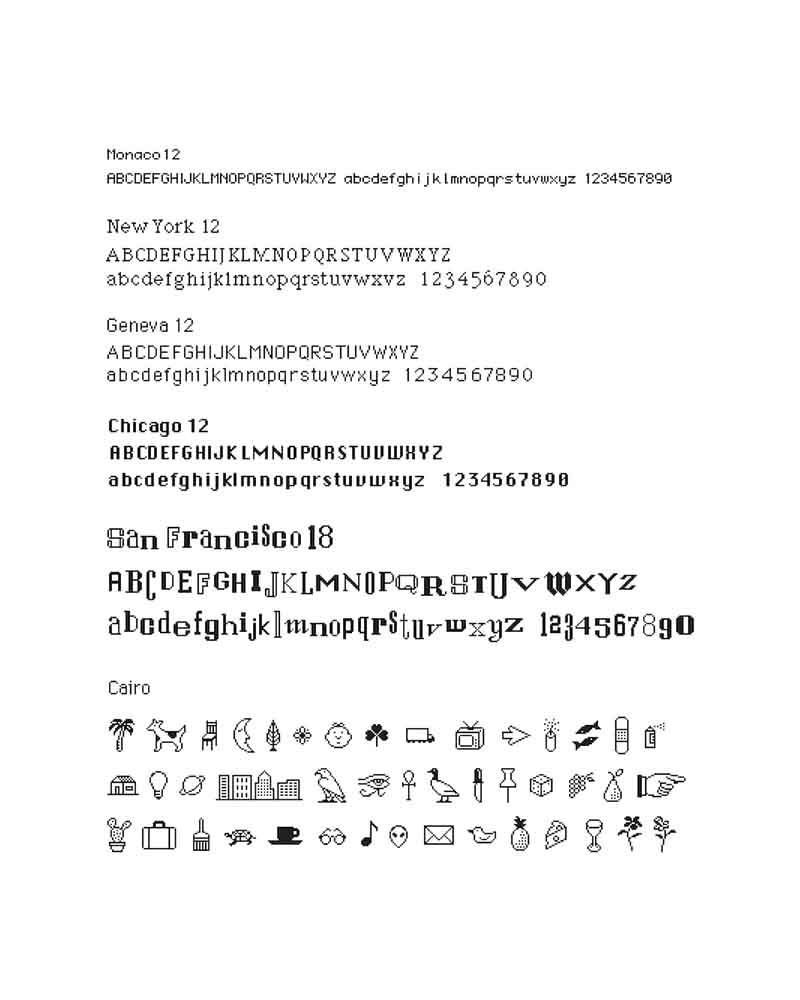
In addition to the icons she designed, Kare created several fonts for Apple that became the standard operating fonts that come with every computer today. She designed these fonts with the screen in mind, aiming to optimize the user’s experience.  

After her time at Apple, Kare continued to work with Steve Jobs at NeXT, Inc., eventually becoming an independent designer. She worked with technology giants Microsoft, IBM, Intel, and Sony Pictures, continuing to bring that combination of simplicity and accessibility to everything she touched. Her art can be found in Microsoft’s Windows 3.0, including the deck of cards of the computer’s solitaire game that was more than just a casual way to pass the time, but was actually designed to help users become comfortable using a mouse.  

Recipient of the AIGA Medal in recognition of her achievements in design and human-computer interaction, today Kare is Creative Director of Special Projects at Pinterest, heading up the design of The Point, Pinterest’s café in their headquarters.  

The seamless interaction we have with computers today is largely due to Kare’s dedication to making computers enjoyable for everyone. The personality in Susan Kare’s work resonates on screen and beyond. Her continuing impact on design is that of wit, whimsy, and maintaining human charm in an increasingly digital landscape.  

Prints of Kare’s work are available on her website, kareprints.com.  

Women in Design – Indi Maverick

In this blog series, we shine a light on women trailblazers in the design industry – women who have earned a Wikipedia page (or are likely to very soon). You might not know them by name, but definitely by their work and influence on the design world as a whole.  

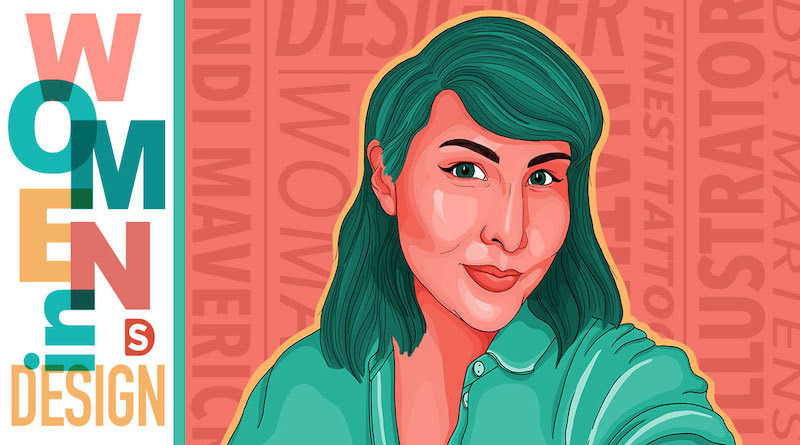
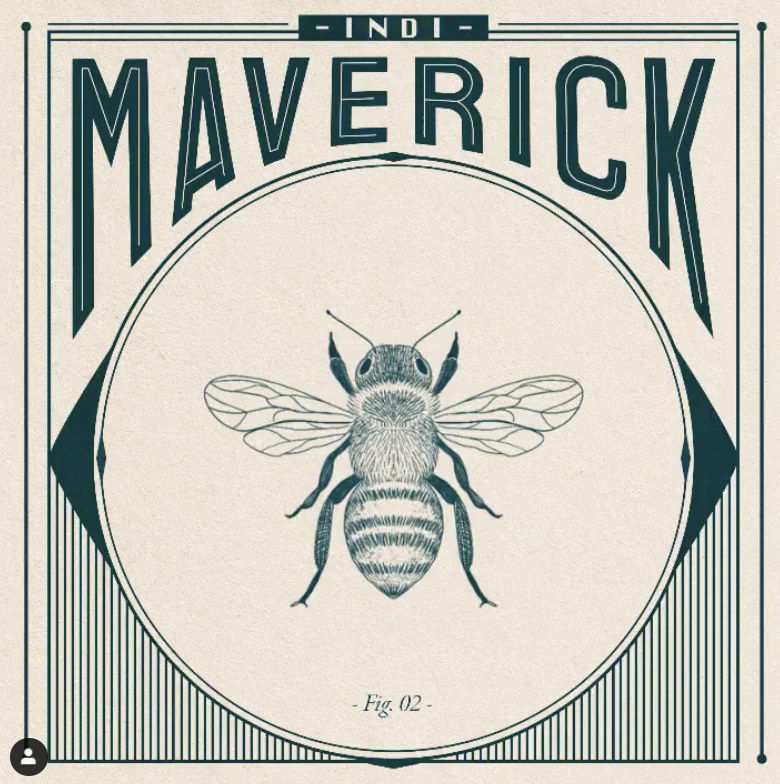
This month, we’re highlighting Mexican graphic design and illustrator, Indi Maverick.  

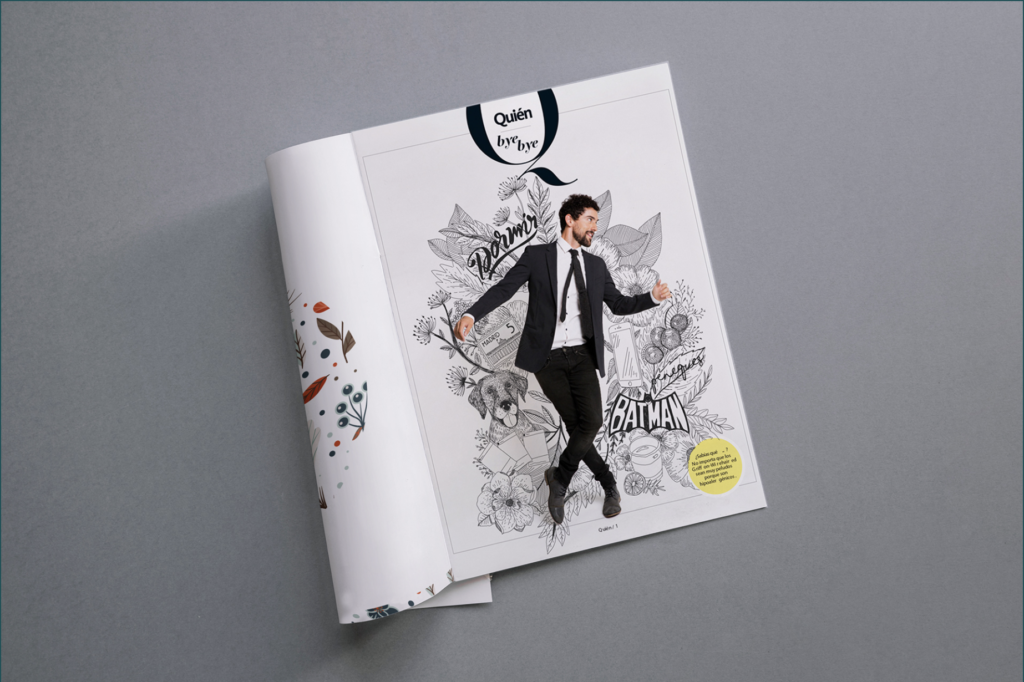
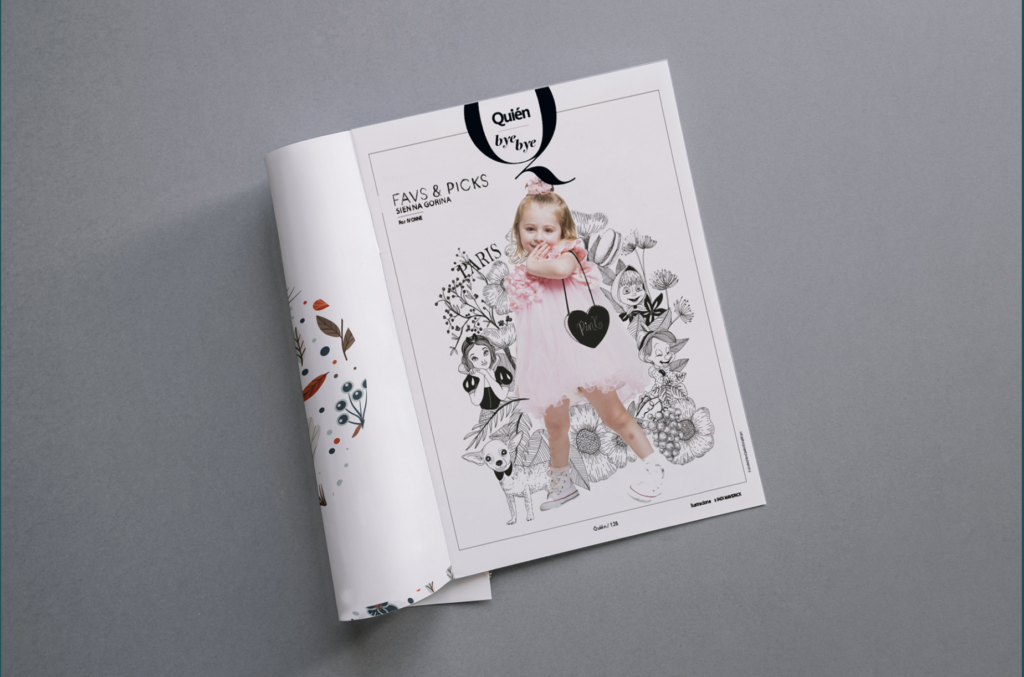
Mexico has long been a source of creative inspiration and a home to incredible artists. In the footsteps of powerhouses like Frida Kahlo, more and more Mexican women are pushing the boundaries of modern art, in their country and around the world. Recognized as one of Mexico’s best female illustrators and designers, Indi Maverick is an emerging talent to keep an eye on. Her work can be found in books, in magazines, on furniture, and on products through various brand partnerships.  

Inspired by nature, Maverick’s fine lines flow organically, often integrating leaves, flowers, and animals. Her process creates intricately detailed pieces out of seemingly simple lines and geometric patterns. In this simplicity, she is able to capture a very human personality, one that feels authentic and not overly cutesy. Her brand work for Dr. MartensStella Artois and Michael Kors shows how she can apply her techniques to fashionable brands in a way that feels relevant and fresh.  

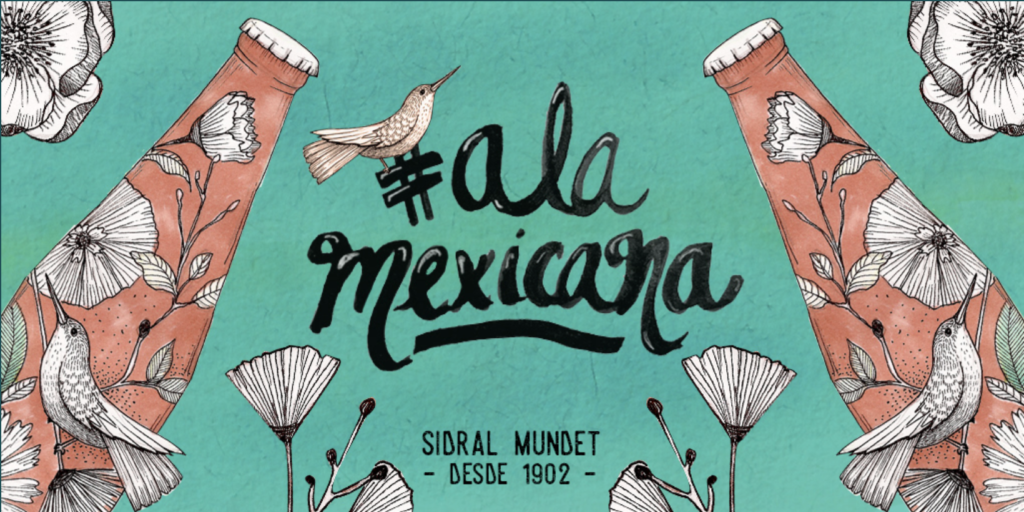
Maverick has participated in several important cultural collaborations. Her illustrations are featured in Sidral Mundet®’s campaign #ALaMexicana. This campaign seeks to use the phrase #ALaMexicana, or “The Mexican Way”, as a positive recognition the spirit, culture, passion and accomplishments of Mexicans.  

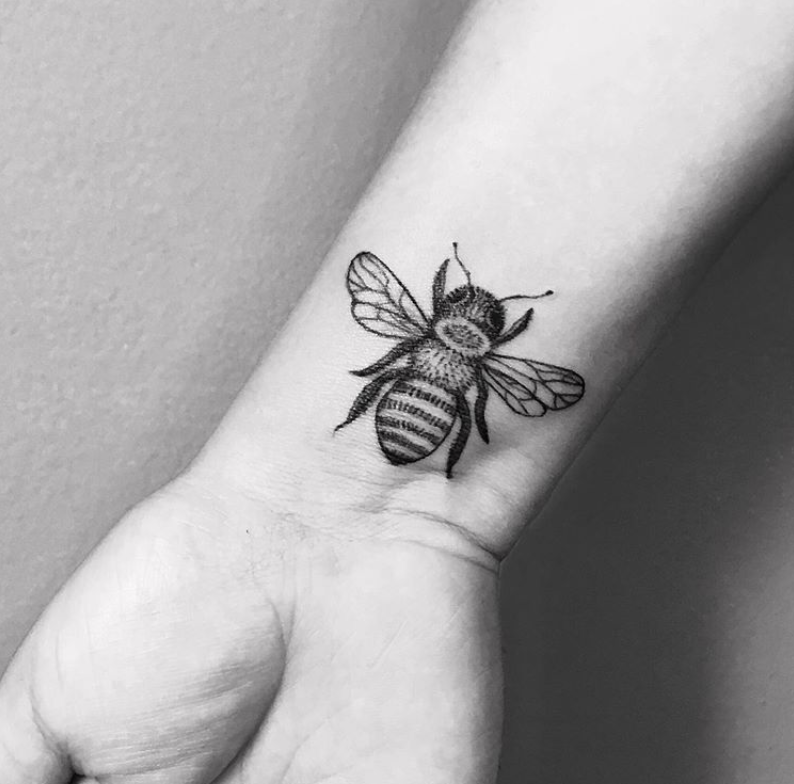
Her style translates beautifully to tattoos, a passion she is beginning to explore.  

Maverick has already proved she is a design force to be reckoned with, and her creative journey is definitely one to pay attention to. To see more of her work, visit her website or her Instagram profile.  

Women In Design – Jessica Walsh

In this blog series, we shine a light on women trailblazers in the design industry – women who have earned a Wikipedia page (or are likely to very soon). You might not know them by name, but definitely by their work and influence on the design world as a whole.

This month, we’re highlighting Jessica Walsh, a bright star in the design field and an all-around creative. Her agency, &Walsh, founded in July of last year has become one of only 36 female-led creative studios in the United States.

Unsurprisingly, Walsh was a self starter from the get-go. Teaching herself coding at age 11, she soon had a growing client base of middle school students looking to launch their own websites. Although web was her first introduction to design, her style really flourished years later at art school and then during her internship at Print. Described as daring, surreal and bold, she cleverly utilizes the tools available to create thought provoking, hilarious, clever and heartfelt pieces.

Jessica Walsh unapologetically commits to the big idea. While some of us might struggle with execution, she commits to the idea first and executes without compromise, often without the use of a computer. In this way, she is operating in a world where technology is used as a tool, but not the only tool. Her creations, more than just graphic works, commit to a big idea first. 

“What I have learned over the years is that a computer is a great tool, but it’s just a tool. Sometimes when you just get off the computer and start working with your hands, you end up having a lot of accidental discoveries and ideas that never would have happened if you are just sitting there all day pushing pixels on the screen.”

Walsh joined Sagmeiter INC., in 2012, making partner 3 years later. Remarkable as that may sound, her true accomplishments during this time are in her personal projects. First, in 2013, Walsh catalogued in video and graphics (later becoming a book) her experience dating Timothy Goodman, a designer friend in “40 days of dating”. A film is currently in the works. Then in 2016 she teamed up with the same friend in “12 kinds of kindness” , exploring ways to be kinder and other similar themes. These social experiments are fascinating, thought provoking, beautifully designed, and ultimately very personal and exposing, appealing to young people familiar with the reality TV experience.

Walsh is aware of her responsibility as a female leader in a male dominated category. She includes Paula Scher, Gail AndersonMaira Kalman as sources of inspiration as she acknowledges that the agency world has in the past been a tough place for women leaders. She also is aware of how her position as a female can be used as a competitive advantage. When Walsh posed naked with Sagemiter to announce their partnership, (a call back to a similar image Sagmeister himself released when he founded his company in 1993) they received instantaneous notoriety through social media, according to a February 2013 interview with The Creative Influence Director Mario De Armas.

To quote Ms Walsh, it achieved its goal…  “it was quite a functional piece of design.”

Now, at 33, with Walsh running her own agency servicing clients such as Museum of Modern Art, The New York Times, and The School of Visual Arts, it is still her genre defying personal work that stands out above the rest. While her former partner Stephan Sagmeister takes 1 year off in every 7 to recharge his creative batteries, Jessica Walsh seems to keep her creativity flowing by focusing on the human experience, something we can all relate to. By sharing her inner world, we the audience are invited to take a look at our own personal creativity to see where it can lead us.

Women In Design – Zaha Hadid

In this blog series, we shine a light on women trailblazers in the design industry – women who have earned a Wikipedia page (or are likely to very soon). You might not know them by name, but definitely by their work and influence on the design world as a whole.

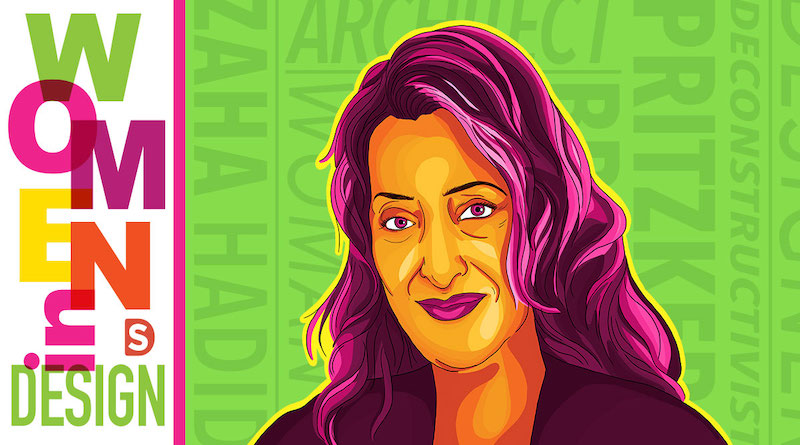
This month, we’re celebrating renowned architect Zaha Hadid. As her professor described her at graduation, Zaha Hadid was “a planet in her own orbit”. She stayed true to her unique vision throughout her impressive career and continuously moved architectural design forward. She became the first woman to receive the prestigious Pritzker Architecture Prize. 

Hadid was often called the “queen of the curve“. Her expressive designs pushed the limits of architectural geometry. Famously opposed to straight lines and mediocrity, her fluid-like structures breathe new life into the spaces around them. Her work includes some of the most iconic buildings in the world. She designed museums, opera houses, stadiums, art & science centers, and more. She loved designing buildings she knew would encourage culture in the community.

Heydar Aliyev Centre in Baku, Azerbaijan

Hadid was born in Baghdad, Iraq. In an interview with The Guardian, she credited “the rivers and the dunes” of Iraq as inspiration for her concepts. She studied architecture in London, and was touted by her professors as one of the best students they ever taught. Even early in her career, people recognized her ability to bring the seemingly impossible to life. She went on to open her own architecture firm, Zaha Hadid Architects, and taught architecture at several schools, such as Harvard Graduate School of Design and Cambridge University.

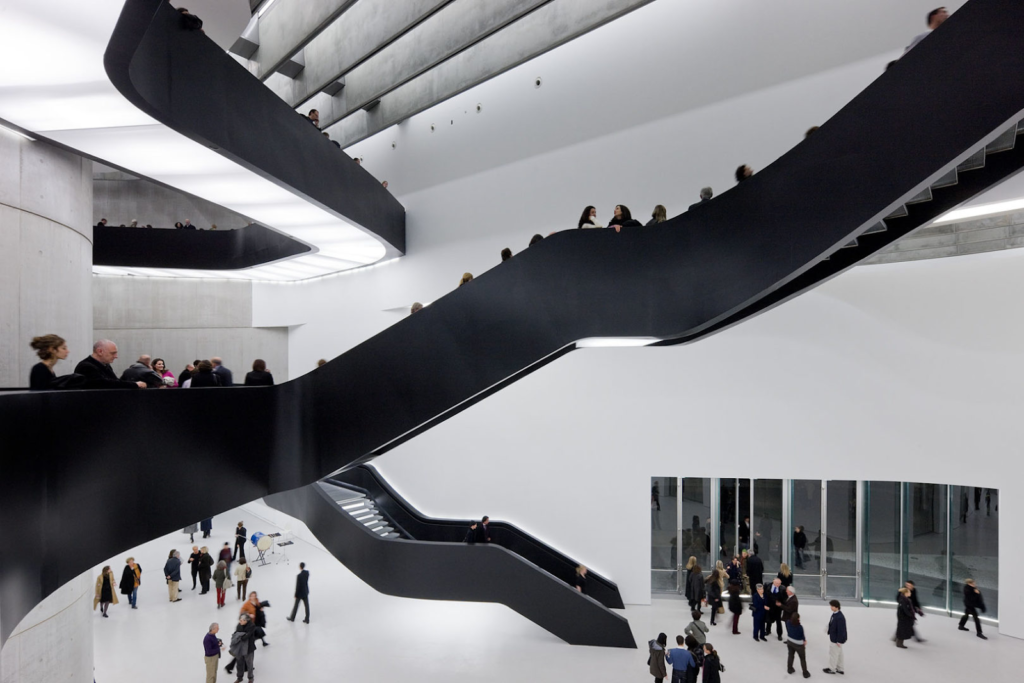
MAXXI Museum of XXI Century Arts

While she is widely regarded as the world’s top female architect, Hadid often refused this categorization, insisting that she was simply an architect and should be referred to as such. She expressed that she experienced sexism and racism during her career, and she hopes her journey shows young women that the glass ceiling can be broken.

Jockey Club Innovation Tower, Hong Kong Polytechnic University

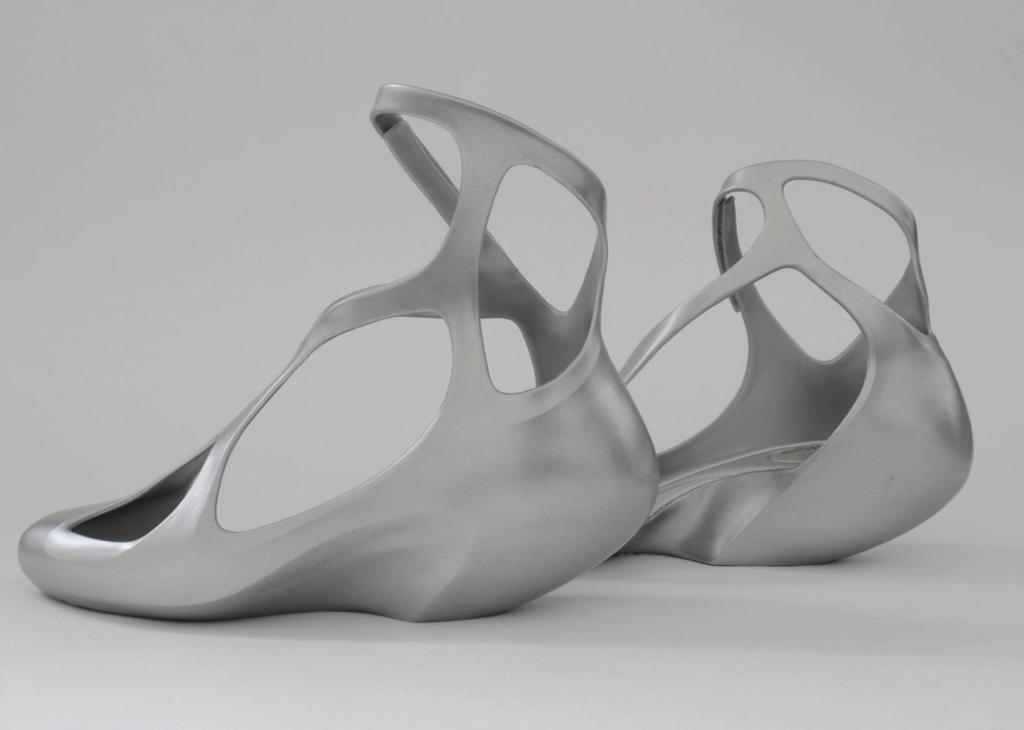
Hadid’s creativity wasn’t limited to architecture. She explored other mediums, such as collaborating with brands in the fashion industry to create conceptually and visually stunning shoes. 

Zaha Hadid’s enduring impact on architecture and design as a whole is undeniable. The world experienced a great loss when she passed away in 2016. Her strong, creative spirit lives on through her work and the many people she’s inspired. 

“When people see something fantastic they think that it’s not possible to achieve it in real life. But that’s not true. You can achieve amazing things.”

Zaha Hadid, The Guardian Interview “Zaha Hadid: I Don’t Make Nice Little Buildings”

Sources

zaha-hadid.com

en.wikipedia.org/wiki/Zaha_Hadid

www.pritzkerprize.com/laureates/2004

theguardian.com/artanddesign/2013/sep/22/zaha-hadid-dont-make-nice-little-buildings

Women In Design – Yesenia Perez-Cruz

In this blog series, we shine a light on women trailblazers in the design industry – women who have earned a Wikipedia page (or are likely to very soon). You might not know them by name, but definitely by their work and influence on the design world as a whole.

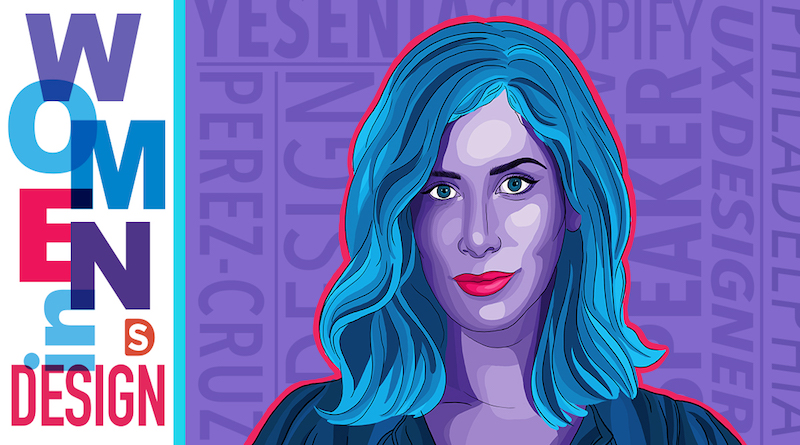
This month, we’re highlighting Yesenia Perez-Cruz, an accomplished designer, speaker, and author. Yesenia Perez-Cruz is a great role model for women and people of color who are interested in design and technology. Her drive towards innovation and passion for inclusivity make her a strong leader in this traditionally male, white industry. 

Initially Perez-Cruz, who came to the US when she was 5 years old, thought she would grow up to be a writer. Her time was spent at this early age reading books as a way to teach herself English. Reading and writing became the foundation for her creative curiosity and that self-motivated drive can be attributed to her success today. A graphic design course in her senior year of high school changed all that and led to her acceptance to the design program at Drexel University.

It was here that Perez-Cruz first became interested in web and user interface design and, eventually, more specifically, UX design. 

UX design,  simply put,  “refers to any interaction a user has with a product or service”. Her work in UX puts her on the forefront of innovations which consumers experience first-hand and in real time. Her inclusive mindset ensures that technology is designed responsibly with all humans in mind, creating a seamless, positive interaction for all end users. 

In her current role as Senior UX Manager at Shopify, she’s noted that her love of writing now plays a bigger role in her career than she expected with UX design presenting an opportunity to tell an interactive story. Her work,  visually stunning as well as highly functional, has earned her street-cred awards like Rad Girl’s 2015 Designer of the Year and a Webby.

She is especially passionate about the relationship between technology and design, providing audiences with applicable inspiration for their own work. In her book, “Expressive Design Systems” she explores the ways in which design systems can elevate design and innovation, and how to avoid becoming stifled by processes. 

Perez-Cruz, a self described introvert, travels the world as a speaker at conferences and events, sharing her expertise and passion but also as a way to advocate for inclusivity and for women of color in the highly competitive design/tech world.

In an interview with The Great Discontent, she explained “When I was going to conferences for the first time, I never saw people on stage who looked like me—there weren’t a lot of women or Latinas. I realized that if I wanted to see more Latinas on stage, I’d have to push myself to get up there. I hope that others will be inspired by that.”

Yesenia Perez-Cruz’s viewpoint is one we should all pay attention to. Through her own self advocacy and inclusive approach, she hopes to encourage others to pursue a similar path.

To learn more about Yesenia Perez-Cruz and to see her work, visit her website https://www.yeseniaperezcruz.com/

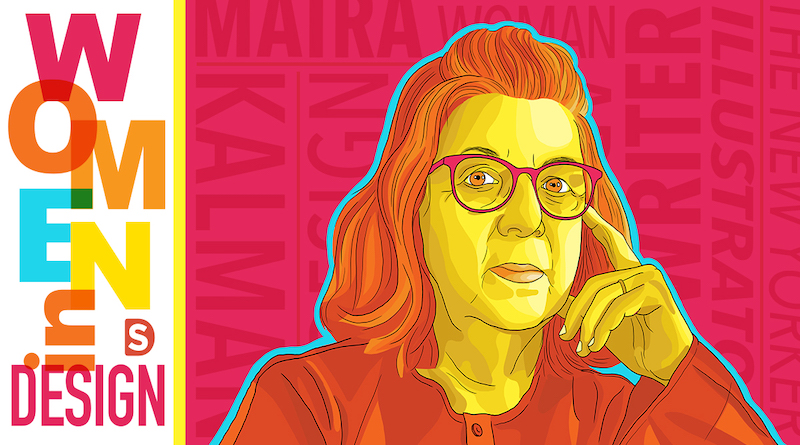
Women In Design – Maira Kalman

In this blog series, we shine a light on women trailblazers in the design industry – women who have earned a Wikipedia page (or are likely to very soon). You might not know them by name, but definitely by their work and influence on the design world as a whole.

Maira Kalman is a renowned artist and writer. She was born in Tel Aviv, Israel and moved to NYC when she was a young girl, where she continues to reside. She was married to the famed graphic artist Tibor Kalman for 18 years until his death in 1999. They founded the agency M & Co together and were highly successful, blending illustration, typography and imagery to create iconic art for prestigious institutions, including the National Audubon Society and MOMA, and covers for the acclaimed Interview magazine.

After the birth of their children, Maira took a new, independent path that led her to become a design legend in her own right. 

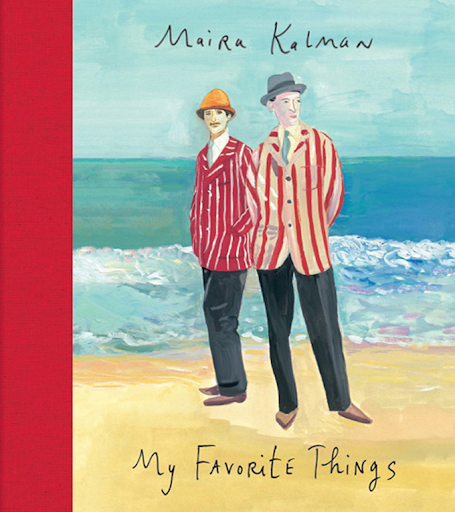
Over the course of her career, she has written and illustrated books for both children and adults that feature her playful take on the world. Her style perfectly captures the whimsical and wise, combining a naive style with a sage’s vision. As a storyteller, which is how she refers to herself, her careful use of language and image work together to capture the eccentric, intelligent way Kalman herself views the world and her appreciation for society, history, and the humorous aspect of life.

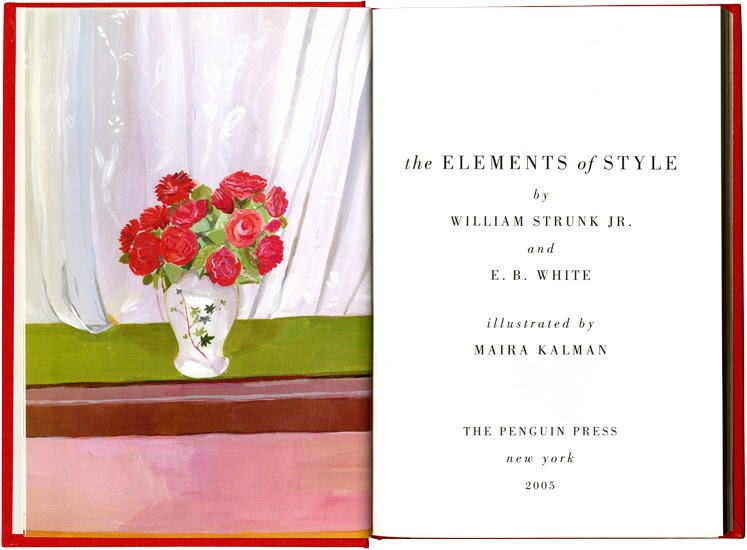
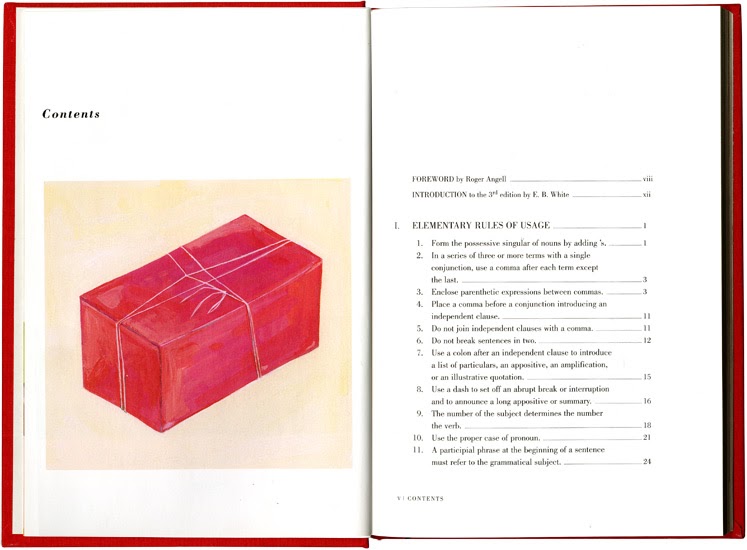
She was commissioned to illustrate the iconic design bible “The Elements of Style” in 2005, which promoted this quote from the New York Times – “While The Elements of Style has never lacked fans or dutiful adherents, appreciation for this slim volume has taken a turn toward the whimsical and even surreal.”

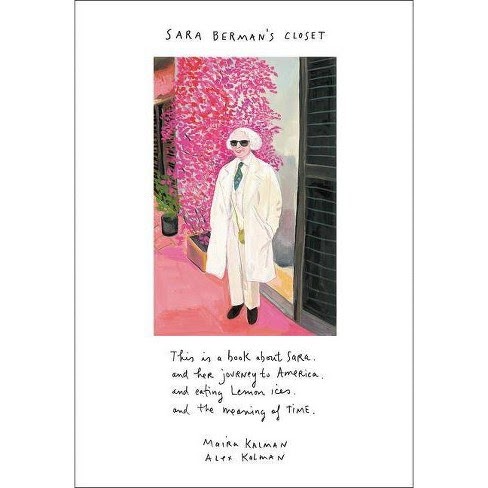
Her work is almost always uniquely personal, capturing her point of view on anything from politics to family. Working with her son Alexander, Maira created an exhibition dedicated to the memory of her mother Sara Berman, an early inspiration, which later became a book titled ‘Sara Berman’s Closet’. She has also collaborated on a short firm with her son called “The Most Wonderful Day” which can be seen here on YouTube.

Her wit, charm and intelligence come through most famously in the The New Yorker magazine cover published in December 2001. She collaborated with her partner Rick Meyerowitz,  redrawing the New York City map post 9/11 and renaming it ‘New Yorkistan’. The response to the cover was overwhelming, the magazine disappearing from newsstands in two days and becoming the best selling issue in the magazine’s history.

Maira Kalman’s impactful work is a reminder to notice and appreciate life. She inspires audiences to look closer at seemingly common things, to see the importance of the ordinary. She elevates politics and philosophy to higher levels of thought, commanding worthy attention. To learn more about Maira Kalman, visit her website, Instagram, or watch her Ted Talk

Sources:

https://en.wikipedia.org/wiki/Maira_Kalman

https://www.thecut.com/2018/04/profile-maira-kalman-author-and-illustrator.html

Women In Design – Teresa Sdralevich

In this blog series, we shine a light on women trailblazers in the design industry – women who have earned a Wikipedia page (or are likely to very soon). You might not know them by name, but definitely by their work and influence on the design world as a whole.

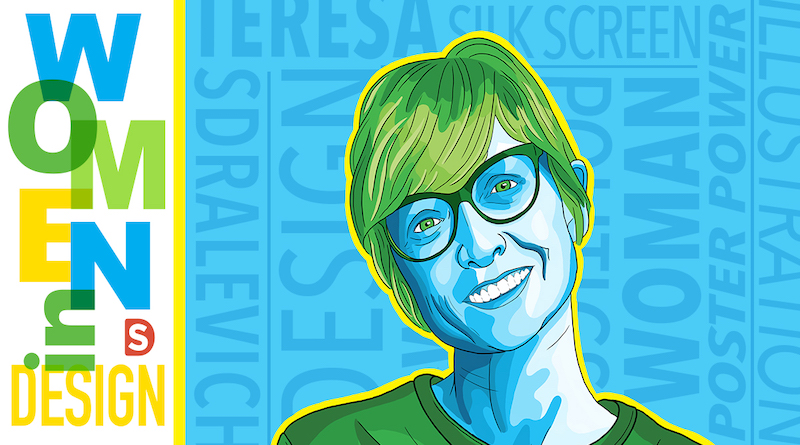
This month, we’re featuring acclaimed graphic designer, illustrator, silk-screen printer, and author, Teresa Sdralevich.  

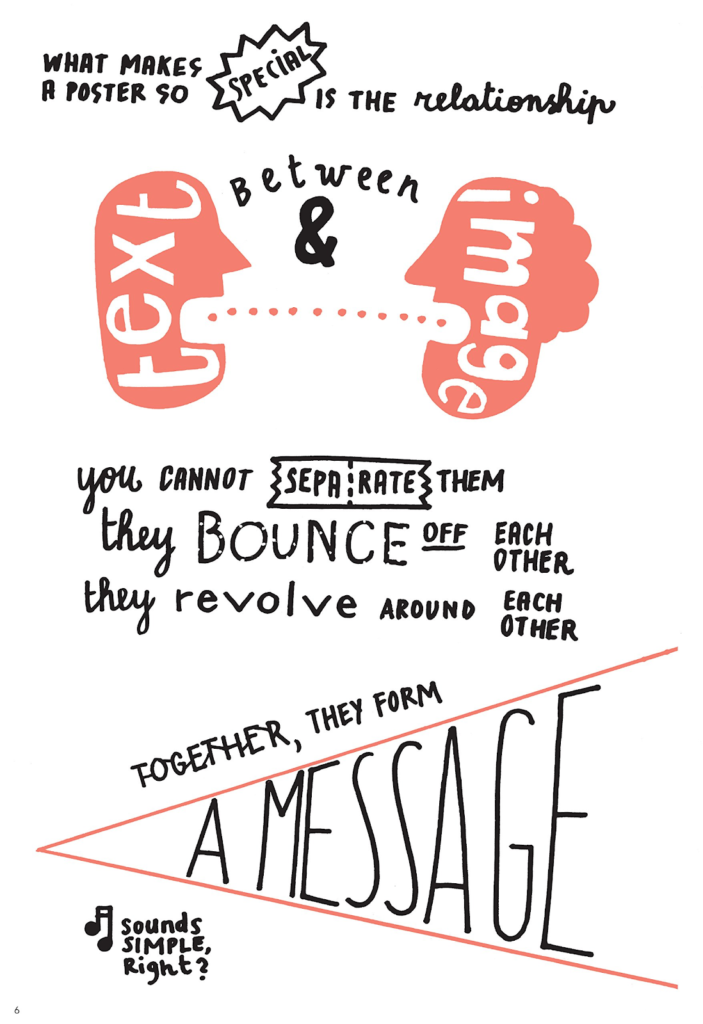
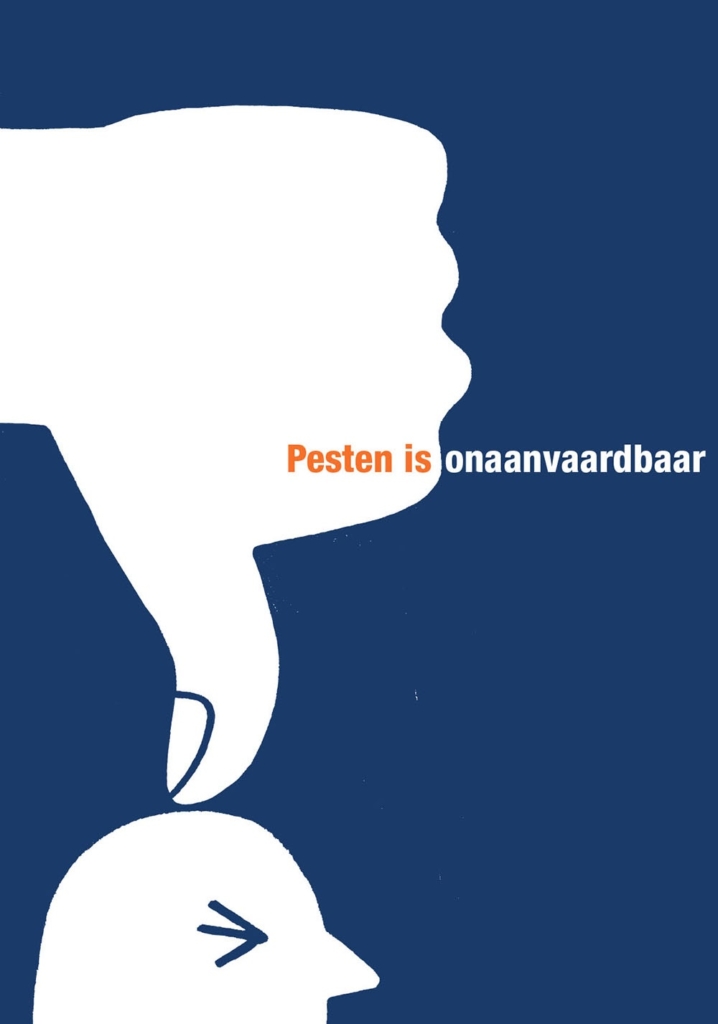
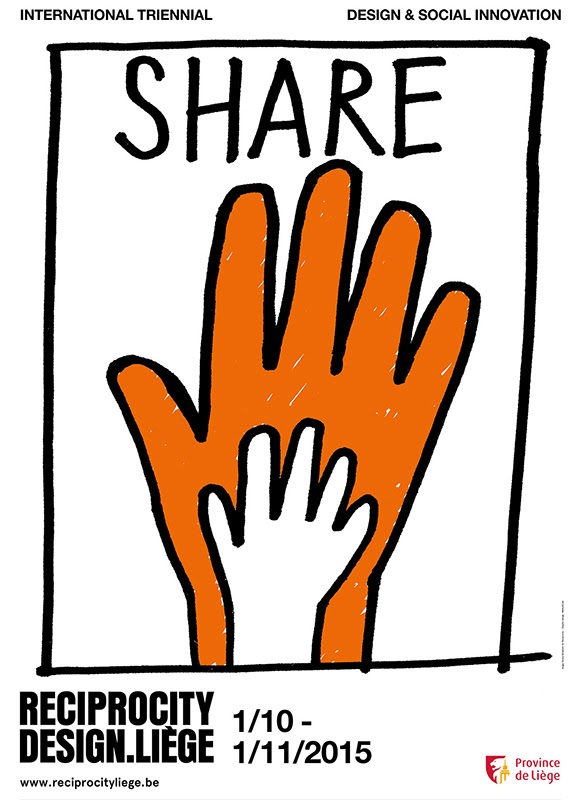
Sdralevich is a highly regarded designer of posters that hold social, cultural, and political relevance. Her impactful work has reached all corners of the world. 


#standupforhumanrights
Poster for the 70th Anniversary of the Universal Declaration of Human Rights

She has also illustrated many books for young readers, published across Europe.

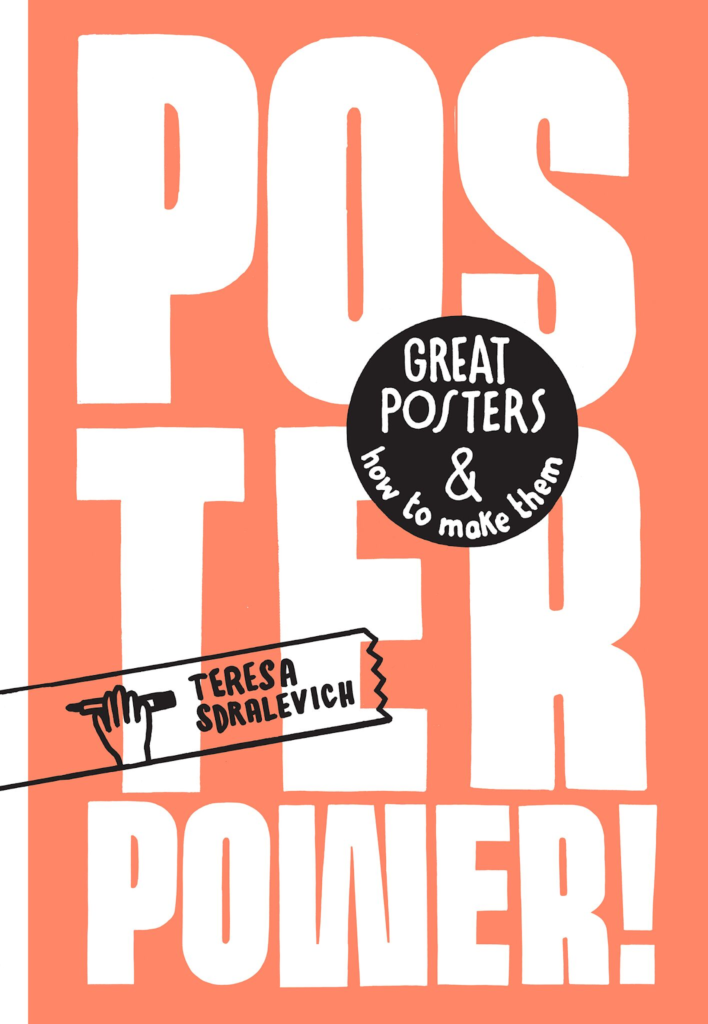
Sdralevich’s 2018 book “Poster Power! Great Posters and How To Make Them” received a British Design and Production Award & is referenced as a source of truth and inspiration for designers of all ages. What makes the book so special is that it is uniquely personal – Sdralevich’s sharp humor and wisdom, both informative and engaging, is evident in the interactive pages.

Her style is playful and lyrical, every mark made is both purposeful and expressive. You can see the influences of Keith Haring and Basquiat in her naive, simple characterizations while the messages have a clever sophistication. As graphic artists, we are all challenged to distill down complex themes into simple visual messages which is what Teresa Sdralevich does so brilliantly. We can all learn from her simple, straightforward, no-nonsense style.

Sdralevich is currently based in Brussels, where she continues to hone her craft, but she can be found traveling all over the world to lead workshops or participate in poster events. 

Through her art, books, and workshops, Teresa Sdralevich is truly making a positive impact on the world and on the minds of aspiring designers. To learn more and see her work, visit her website, Instagram, or Facebook

Sources

https://www.teresasdralevich.net/

https://www.instagram.com/teresasdralevich/

https://www.amazon.com/Teresa-Sdralevich/e/B004MRHCX0%3Fref=dbs_a_mng_rwt_scns_share

https://www.illustoria.com/blog/2018/1/17/2wtmp20y4y32nc55uuq8hbiep65c92

Women in Design – Cipe Pineles

In this blog series, we shine a light on women trailblazers in the design industry – women who have earned a Wikipedia page (or are likely to very soon). You might not know them by name, but definitely by their work and influence on the design world as a whole.

For March, we’re highlighting the impact and accomplishments of editorial designer, Cipe Pineles. 

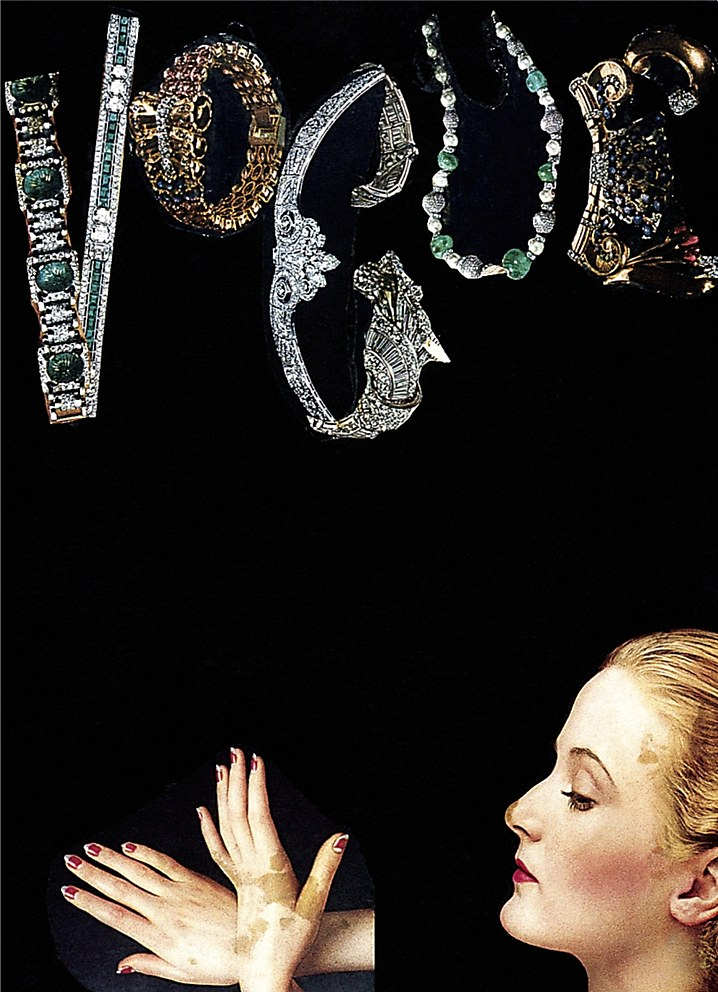
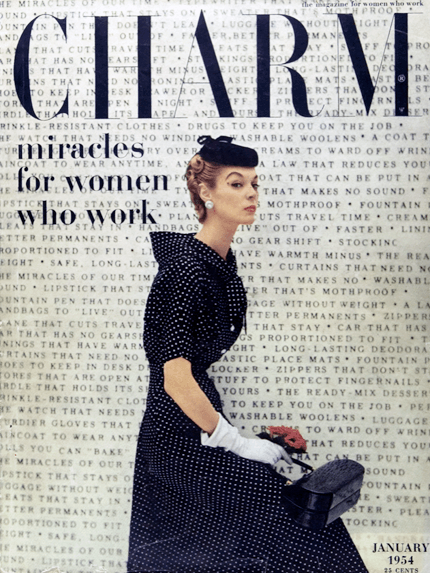
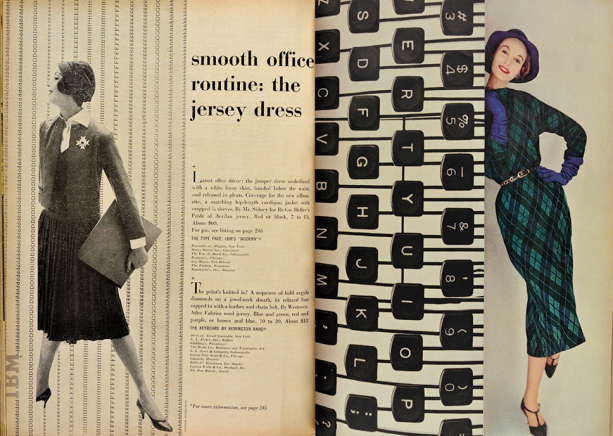
Cipe Pineles was ahead of her time. Originally from Austria, Cipe immigrated to the United States when she was 13 years old. Her accomplishments during her 60-year career include being the first female art director of Vogue, Glamour, Vanity Fair, and House & Garden. Her work, both evocative and groundbreaking, brought fine art into mainstream media and to the population at large. 

Recognized by Clarisse Couder, Condé Nast’s wife, as an exceptional talent, Cipe was given creative freedom to develop her own distinct style. Her love of contemporary art and artists (she commissioned both Andy Warhol and Ben Shahn to illustrate articles) blended the line between art and design in a way that had never been done before.

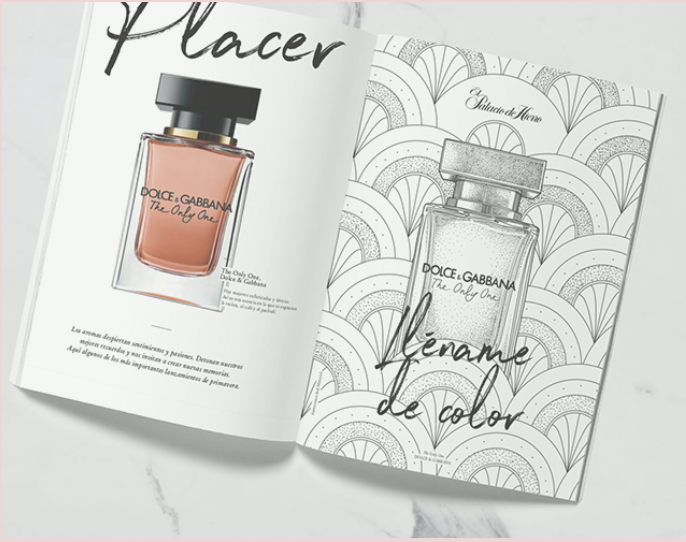
“Her use of the page is both brilliant and brave,” admires Jane Sayer, Director of Visual Strategy at Smith Design. “She combines images, white space, and typographic balance to achieve layouts that are witty, charming, and dynamic. Her spreads tell a visual narrative independent but complimentary to the verbal narrative.”
.

Pineles was obviously very proud of her accomplishments and especially of Charm magazine, calling it the first feminist magazine. She went on to became the first woman inducted into the Art Directors Club of New York in 1943 and received several awards, many of which she was the first female to receive. Pineles led a long and successful career that has permanently impacted editorial design and her legacy of work is as fresh and inspiring today as ever.

https://en.wikipedia.org/wiki/Cipe_Pineles
https://www.commarts.com/features/pioneer-cipe-pineles
https://creativepro.com/the-illustrious-illustrative-world-of-cipe-pineles/

Women in Design: Gail Anderson

In this blog series, we shine a light on women trailblazers in the design industry – women who have earned a Wikipedia page (or are likely to very soon). You might not know them by name, but definitely by their work and influence on the design world as a whole.

This month, we’re highlighting NYC-based designer, educator, and writer, Gail Anderson: the first woman of color to be honored with the American National Design Awards’ Lifetime Achievement from the Smithsonian Design Museum in 2018. 

Anderson’s formative years as a designer took place at Rolling Stone, where she contributed her passion for bold, innovative typography that defined the magazine’s feature pages and influenced designers around her.

Looking at Anderson’s body of work, you can see how her mentor, Paula Scher, has influenced her lyrical and expressive typography style. But what is really delightful is how much playful humor is imbedded in her work, and like any great piece of art it gets better the more time you spend with it. 

In 2002, Anderson began working at SpotCo to create artwork for Broadway and off-Broadway plays seen in bus stands, subway stations and billboards. The Avenue Q subway-inspired puppet-fur logo that she designed became a core part of the play’s marketing.

A love of words and passion for type has been evident throughout Anderson’s career, having co-authored several books on design, illustration and typography. One of her books, Type Tells Tales, explores typographic design as an art and as a storytelling device that expresses narratives, emotions, and voice.*

“Most of what I do is typography-driven, whether it’s through type play or working with hierarchies in editorial content,” Anderson said in a 2019 interview with Invision*. “More and more, I’m interested in creating that editorial content as much as designing it—I’m all about communication through design.”

Anderson has spoken about the stark lack of designers of color, especially in New York, where she’s based. She offers this caveat to studios looking to increase diversity: “When you make that ‘diverse’ hire, remember that person is NOT the spokesperson for an entire gender, race, ethnicity, etc.”

Her advice for budding designers and type enthusiasts: “Take pictures of type on the street and on your travels. Buy books. Save everything. Designers are collectors okay, hoarders. Take a class. Teach a class. Go on a safari. That’s on my bucket list.” *

*Sources:

https://www.amazon.com/Type-Tells-Tales-Steven-Heller/dp/0300226799
https://www.invisionapp.com/inside-design/meet-gail-anderson/
https://creativepro.com/the-creative-world-of-gail-anderson/

Women In Design: Paula Scher

In this blog series, we shine a light on women trailblazers in the design industry – women who have earned a Wikipedia page (or are likely to very soon). You might not know them by name, but definitely by their work and influence on the design world as a whole.

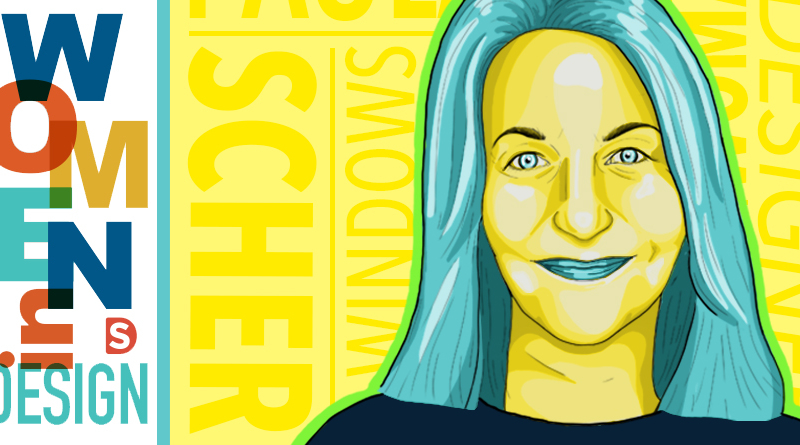
We’re kicking off our Women in Design series with Paula Scher.

Once called “the most influential woman graphic designer on the planet,” Scher’s best known work is synonymous with New York City in the 90’s: her posters edgy colors, dynamic layouts, and hip-hop inspired graphics. However, that doesn’t cover even half of her story.

With a career spanning 40+ years, including stints as an album cover designer at CBS (credits including Boston (Boston), Leonard Bernstein and Bruce Springsteen), she is now a partner at Pentagram. While she might be best known for her logos and posters (The Public Theatre, MoMA, New York Shakespeare Festival in Central Park festival), Scher’s personal work might be her legacy: huge detailed pointillistic maps that showcase her self deprecating humor as well as her dedication to her craft, one she is never completely satisfied with. In other words, she is a true artist.

“Being a woman has nothing to do with the work itself,” Scher says*. “I don’t like pink more. There was a group of feminists very active in the ’80s who believed that women actually made different kinds of work [than men]. I don’t buy that.”

 *Source: https://magenta.as/how-pentagrams-paula-scher-defines-success-14bd60ed586b