Unveil the Future: Captivating Visual/UX Web Trends You Can’t Miss

When it comes to visual aesthetics, a trend can be defined as a style, look, or design approach that gains popularity or widespread adoption for a period of time. These periods are becoming increasingly brief, making it even more crucial to recognize what’s hot—while it’s still hot—and understand how to leverage those trends effectively.

Putting our best foot forward in any design project starts with understanding the competitive landscape. That includes being aware of common aesthetic choices (i.e., trends), but more importantly, understanding why those choices are being made. That “why” often comes from deeper influences such as user experience, interaction patterns, accessibility standards, and evolving audience expectations. We will dig into those factors a bit more below.

Still, visual design direction should not be dictated solely by trendiness. A popular look is not automatically right for a brand. Merit, substance, and quality must come first. The goal is not to mimic “the cool kids”, but to understand what makes them perceived as cool, and then interpret those qualities in a way that is authentic to your brand.

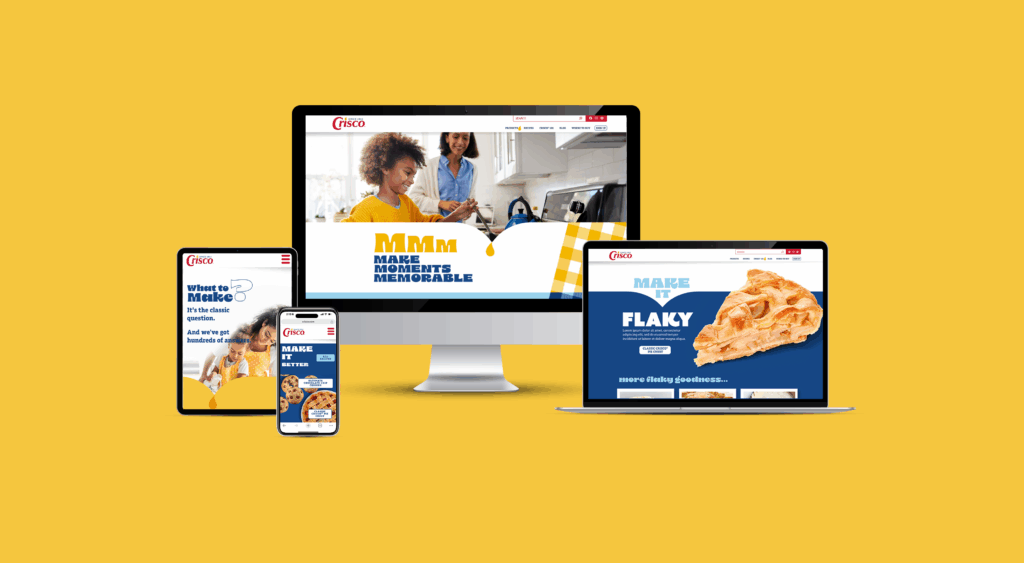
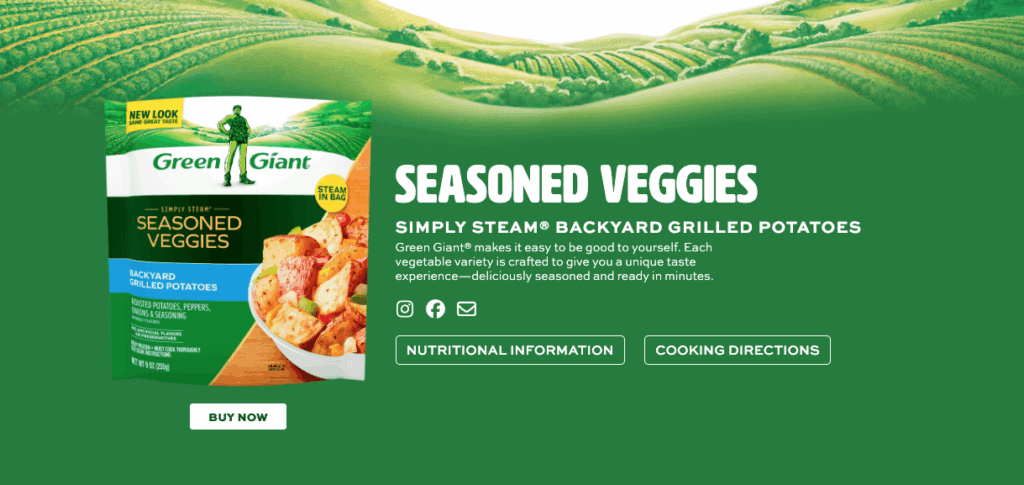
The in-depth research and insights that guided our most recent web design work for Green Giant, Grandma’s Molasses, and Crisco, all of which launched this year, still resonate with many aspects of today’s trends.

Now, let’s dive into the trends…

Crisco brand website development

Minimalism and Clean Design

Minimalism is still having its moment, mostly because users want clarity. With so much competing for attention online, clean, intentional design feels like a breath of fresh air. Avoid being overly stark, think minimal, but with a purpose. Key design principles still apply. The layout, hierarchy, and content are all carefully planned and intentional.

You will usually see this trend show up through:

  • generous amounts of whitespace
  • simple, readable type
  • fewer competing elements on the page
  • clear visual hierarchy that guides the eye

The end result for this minimalistic trend is having pages that load quickly and content that is easier to absorb.

Dark Mode and High-Contrast Themes

Although not everyone is a fan, Dark Mode remains a very popular trend and is an easy way to make a website look sleek.

Here are the benefits of Dark Mode:

  • strong contrast that boosts readability
  • richer colors that pop against darker backgrounds
  • a streamlined, contemporary vibe

Tip: Offering a toggle (light ↔ dark) is a strong UX move that accommodates user preferences. Giving users control over how they view your site is a small touch that goes a long way.

Green Giant Website Design

Bold Typography and Expressive Fonts

Type is doing a lot of heavy lifting these days. Instead of decorative flourishes, brands are leaning into typography to set the tone and deliver personality instantly.

  • oversized headlines, expressive, and creative fonts are tricks that seem to never get old
  • variable fonts (which can change weight/width dynamically) are becoming more common for adaptability

3D Visuals, Animations, and Immersive Elements

The web is getting more dynamic, sometimes in subtle ways, sometimes in totally immersive ones. A little motion can make a site feel alive, but we are also seeing more sites lean into 3D elements, scroll-triggered effects, and interactive elements.

Some hallmarks of this trend are:

  • animations that guide attention
  • 3D models or illustrations used as focal points
  • optimization for a smooth experience

These “user engagement” visuals help create memorable experiences and reinforce quality, but must be done with performance in mind, so they don’t bog down the user’s machine. Use animations/motion where they add meaning, not just for decoration.

Organic Shapes, Asymmetry and Fluid Layouts

There has been a steady shift away from perfectly rigid grids and sharp, rectangular shapes.

You will spot this trend through:

  • curved edges instead of sharp corners
  • sections that overlap or flow into each other
  • a more human, dynamic, and fluid feel, versus overly mechanical layouts

Tip: Asymmetry can draw attention, but make sure the layout still feels balanced, and navigation remains intuitive.

Grids and “Bento Boxes”

Counter to the above is a layout style where content is divided into distinct, modular “boxes” or compartments, much like the sections of a Japanese bento box, where the trend gets its name. Clarity, balance, and modularity are their key features.

  • boxes can vary in size, not limited to just uniform squares
  • different sized blocks working together cohesively
  • size and various configurations of the grid are used to create an overall architecture as well as visual hierarchy

It’s not just decorative. Each box serves a purpose, presenting a specific type of content (text, image, video, link, etc.) It is clean, modern, and makes perfect sense for content heavy experiences.

Customization and Personalization

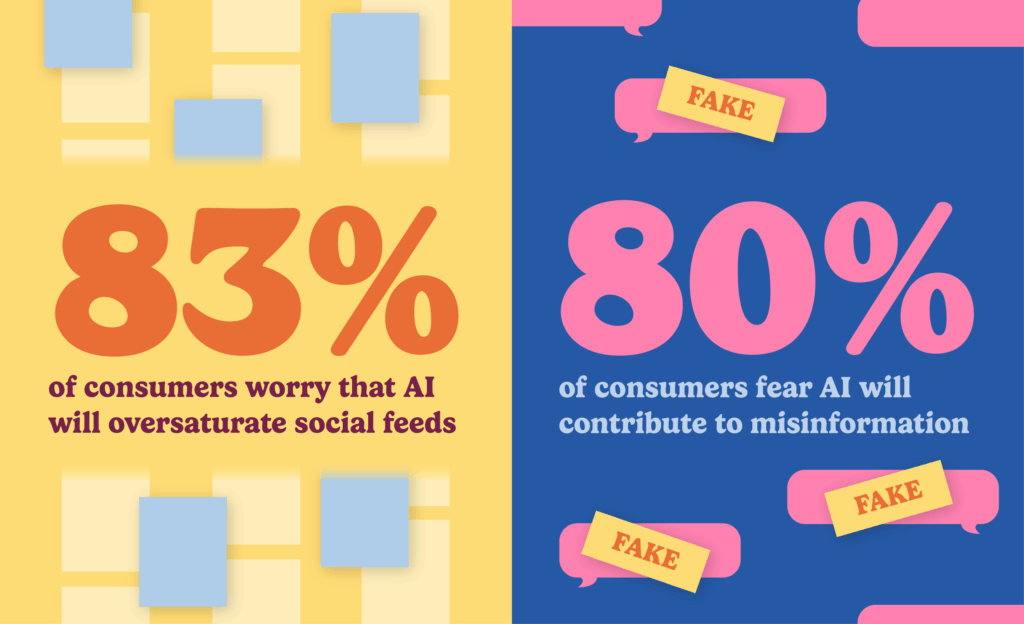
With AI involved with so much of our digital activity, personalization and adaptive experiences are becoming the norm, even if we do not realize it. Sites are starting to adjust themselves based on how and where people use them.

This shows up through:

  • content recommendations tailored to each visitor
  • navigation that prioritizes what you need most
  • location aware messaging or features
  • layouts that adapt based on user behavior

When done well, personalization feels intuitive, not invasive.

Privacy and Security

With all this customization comes stricter rules and regulations around Privacy and Security. These measures are in place to protect users and control how their information is shared, which is why cookie-consent popups are now appearing everywhere you look.

Accessibility

In order to discuss accessibility trends, it is only fair to start with WCAG 2.1/3.0 standards. While being compliant to these standards reduces the risk of lawsuits, 85% of organizations see accessibility as a competitive edge, with the added benefit that accessible sites improve SEO and conversions.

Meeting these standards, along with adding even more options for users to adjust contrast and point sizes for readability, only makes the experience that much better for the user.

Voice Navigation & Assistive Tech Integration are becoming increasingly popular. With AI assistants like Siri, Alexa, and Google Assistant searching the internet and assisting users, it is key to make sure the sites are developed in a way that they can access information easily and correctly.

Sustainability in Web Design

The internet accounts for about 3.7% of global carbon emissions, rivaling that of the airline industry, and could consume as much as 8% of global electricity by 2030.

To be sustainable, we need to recognize that websites rely on energy-intensive servers and data centers, which often utilize fossil fuels and substantial amounts of water for cooling. The key to reducing the carbon footprint is to minimize the energy required to maintain, operate and consume the site.

  • optimizing code creates a more efficient site, quicker load times, and less bandwidth
  • fewer unnecessary scripts which create less draw from servers
  • mobile-first design that prioritizes essentials
  • green hosting providers have their own initiatives in place to help reduce their carbon footprint

A lighter site is not just greener. It is faster and more user-friendly.

Web design trends are evolving faster than ever, driven by technology, user expectations, and cultural shifts. While it’s tempting to chase what’s popular, the most effective designs balance trend awareness with brand authenticity, usability, and accessibility. Minimalism, dark mode, bold typography, immersive visuals, and adaptive layouts all offer exciting opportunities, but they should serve a purpose beyond just aesthetics. Personalization powered by AI, sustainability considerations, and compliance with accessibility standards are no longer optional; they’re essential for creating inclusive, future-ready experiences. Ultimately, great design isn’t about following trends blindly; it’s about understanding why they resonate and using that insight to craft meaningful, user-focused solutions that stand the test of time.

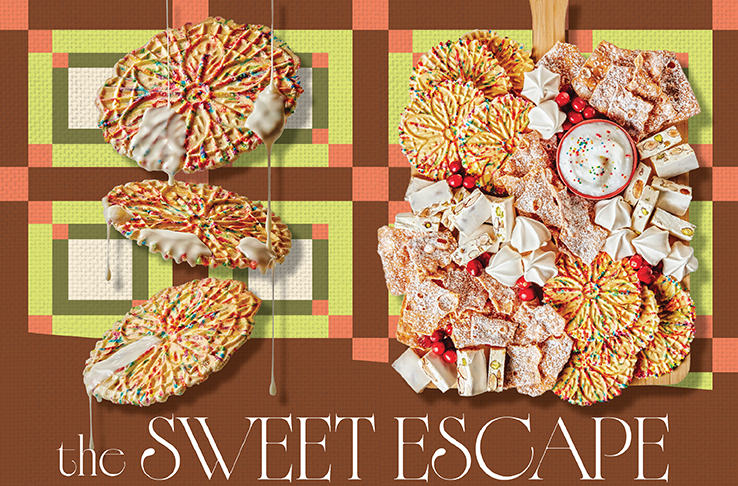
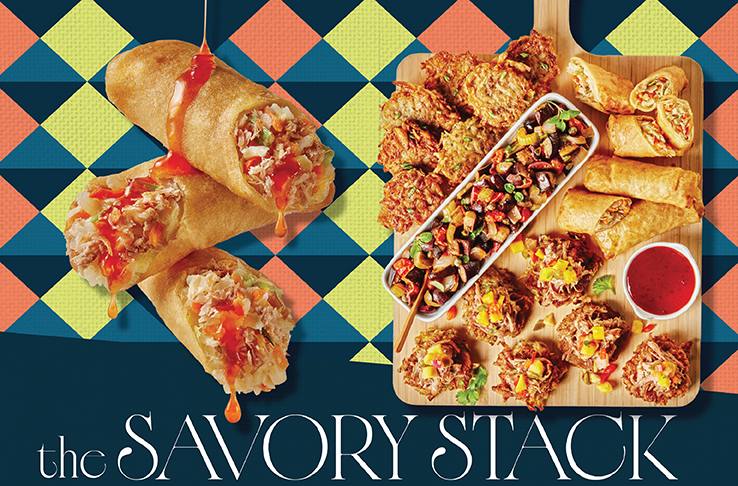
Together, We Gather.

In honor of the holiday season, we’re celebrating the connections between cultures, stories, and traditions that make our world richer and more flavorful.

Because we believe that food has the power to bring people together in profound ways, we are donating to World Central Kitchen, supporting its mission to provide nourishing meals to communities in need around the world.

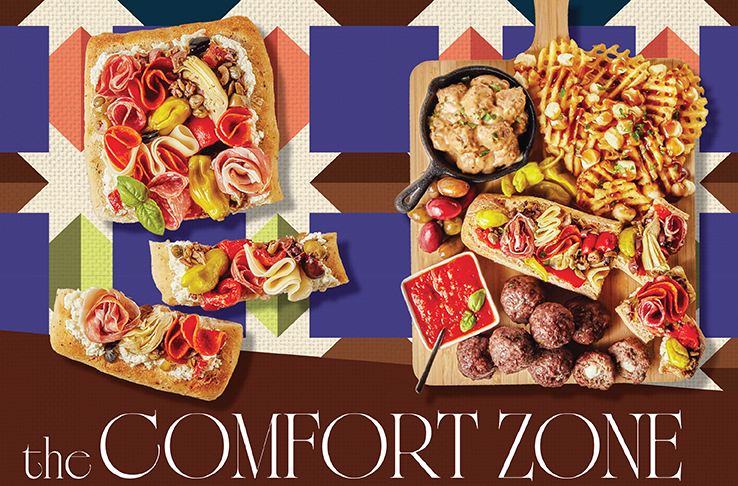
Below, you will find recipes from a few of our team members; small tastes of the many backgrounds and experiences that shape who we are.

Happy Holidays from Smith Design!

Becki’s Polish Chruściki

Ingredients:

  • 5 large egg yolks at room temperature
  • 1 large whole egg at room temperature
  • 1/2 teaspoon salt
  • 1/4 cup confectioners’ sugar plus extra for sprinkling
  • 1/4 cup heavy cream
  • 1 teaspoon vanilla
  • 1 tablespoon rum or brandy
  • 2 cups all-purpose flour
  • 3 cups canola or vegetable oil

Instructions:

  • In the bowl of a stand mixer or in a large bowl with a hand mixer, combine egg yolks, whole egg and salt. Beat at high speed until thick and pale yellow, about 5 minutes.
  • Beat in sugar, cream, vanilla extract and rum. Add flour and beat until dough forms, about 5 minutes.
  • Turn the dough out onto a floured surface. Divide it in half, then cover with plastic wrap and let it rest for at least 20 minutes.
  • Working with half of the dough at a time, roll out to ⅛-inch thickness. Using a pizza cutter or a sharp knife, cut the dough into 2-inch-wide strips.
  • Cut the strips on the diagonal at 4-inch intervals. This results in 2×4 inch rectangles.
  • Make a slit in the center of each strip of dough. Pull one end through the slit to create the traditional twist shape.
  • Heat 2 inches of oil in a large, deep skillet to 350°F.
  • Fry 4 to 6 Chruściki at a time for 1 minute or less per side or until golden brown. Keep an eye on them, they fry quickly! Drain the crisped Chruściki on paper towels.
  • Dust with confectioners’ sugar.  

Elana’s Italian Pizzelle

Ingredients:

  • 6 eggs
  • 2 Tbsp vanilla extract
  • 1 1/2 cups sugar
  • 6 cups flour
  • 4 tsp baking powder
  • 1 cup melted butter, cooled
  • 1 Tbsp anise seeds
  • round rainbow sprinkles

Instructions:

  • In a stand mixer (or with a handheld mixer), beat the eggs, adding the sugar gradually. 
  • Beat the eggs and sugar until smooth. Add the cooled, melted butter and vanilla extract. 
  • Sift the flour and baking powder together, then add them to the eggs and sugar. Stir in the anise seeds and roll the mixture into small balls.
  • Heat up a pizzelle iron. While the iron heats, pour the sprinkles into a small bowl. 
  • Roll the cookie dough balls into the sprinkles so they are coated on the outside. 
  • Place the sprinkled cookie dough into the pizzelle maker and press to cook. Repeat with the remaining dough balls.

Grace’s Sicilian Almond Torrone

Ingredients:

  • 2 sheets wafer paper, cut to fit baking pan
  • 1 cup honey
  • 1 ⅔ cups sugar
  • 3 egg whites, at room temperature
  • 1 pinch salt
  • 1 Tablespoon clear vanilla extract 
  • 1 Tablespoon lemon zest
  • 3 cups nuts, roasted almonds, pistachios, hazelnuts, or pecans

Instructions:

  • Prepare a 9-inch square baking dish (or similar size) by lining it with plastic wrap, ensuring the bottom and sides are fully covered.
  • Cut both sheets of wafer paper to fit the size of the baking dish. Place one sheet of the wafer paper into the bottom of the dish, and set the other piece aside for later.
  • Take the room temperature egg whites and beat them with a dash of salt in a stand mixer until soft peaks form. Keep them in the stand mixer for later.
  • Take a medium to large-sized heavy-bottomed pot, and add the honey and sugar. Stir this mixture on medium heat until it has reached 300ºF.
  • Once the sugar mixture has reached 300ºF, remove from heat and immediately bring it over to the stand mixer.
  • With the mixer on medium-high, stream in about 3 Tablespoons of the hot sugar mixture, let it fully combine with the egg whites, and whip for a few moments
  • before slowly streaming in the remaining sugar mixture.
  • Add in the lemon zest and vanilla extract. Pay close attention to how thick the mixture is getting as it cools. Continue to whip it until the sides of the bowl
  • are cool enough to keep your hand on it for 10 seconds. It takes about 30 seconds to cool down.
  • When this happens, add in the nuts and give it one good mix to combine, then shut it off. If the mixture is getting too thick before the bowl is cool enough to
  • keep your hand on it, add the nuts in and stop mixing at any point. Working quickly, pour the mixture into the prepared baking dish, on top of the wafer paper.
  • Gently spread as evenly as possible. Use a lightly greased spatula to spread the nougat if needed.
  • Top the nougat with the second wafer paper sheet. Gently press everything down tightly and flat, trying to get as flat and level a top as you can – you can
  • use the bottom of a cup to help smooth it out if needed.
  • Let cool at room temperature.
  • When ready, carefully turn the torrone out onto a cutting board. Remove the plastic wrap and use a long serrated knife to cut the torrone into desired sizes.

Melissa’s Pork Tenderloin

Ingredients:

  • 2 pork tenderloins (about 1 1/2 pounds each)
  • 2 tablespoons canola oil
  • Salt and freshly ground pepper

Guava Glaze:

  • 1 cup guava jelly, or apricot jam
  • 1/4 cup Dijon mustard
  • 1/4 cup freshly squeezed orange juice
  • Salt and freshly ground pepper

Orange-Habanero

  • 2 tablespoons canola oil
  • 1 small red onion, finely chopped
  • 4 cloves garlic, finely chopped
  • 1/2 cup fresh lime juice
  • 3 cups freshly squeezed orange juice
  • 1/2 habanero chile, seeded and finely chopped
  • 2 tablespoons chopped fresh cilantro leaves
  • 1 teaspoon cumin seeds
  • Salt and freshly ground pepper

Instructions:

  • Preheat the grill to high.
  • Brush pork with oil, and then season it with salt and pepper. 
  • Set aside a few tablespoons of the Guava Glaze for brushing the cooked pork.
  • Grill the pork tenderloins for 4 to 5 minutes per side, brushing frequently with the Guava Glaze.
  • Remove from the grill, brush again with glaze, and let rest for 10 minutes. Slice into 1/2-inch thick slices, drizzle with the Orange-Habanero Mojo, and serve immediately.

Guava Glaze:

  • Whisk jelly, mustard, and orange juice together in a small bowl.
  • Season, to taste, with salt and pepper.

Orange-Habanero Mojo:

  • Heat oil in a small saucepan over medium-high heat. Add onion and garlic and cook, stirring, until soft, about 5 minutes.
  • Add lime juice, orange juice, and habanero chile and bring to a boil. Cook until reduced by half.
  • Whisk in the cilantro and cumin and season to taste with salt and pepper. Drizzle over pork.

Allen’s Hawaiian Lumpia

Ingredients:

  • 16 oz lumpia wrappers
  • 1 lb ground pork
  • 2 cloves garlic
  • 1 tsp salt
  • 1 tsp black pepper
  • 1 tsp garlic powder
  • 1 tsp shoyu soy sauce
  • 1/2 cup onion
  • 1/2 cup carrots
  • 1/2 cup cabbage
  • 1/2 cup green onions
  • oil for frying
  • flour paste sealer
  • 1/2 tbsp flour
  • 1/2 tbsp water
  • spicy seasoned vinegar sauce
  • 2 tbsp white vinegar
  • 1/4 tsp salt
  • 1/8 tsp pepper
  • 1 clove garlic
  • 1 red Hawaiian chili pepper, optional

Instructions:

  • Prepare vegetables ahead of time.
  • To make the filling, heat a pan over medium heat and drizzle oil into it. Add in the garlic. 
  • Cook for about 30 seconds or until aromatic. Be careful not to burn the garlic.
  • Add in the ground pork and cook until all has turned brown. Drain the oil in a colander.
  • While the meat is draining, reuse the same pan. Drizzle in some oil and add in the vegetables. 
  • Sauté until the vegetables have become slightly tender.
  • Add the meat back into the pan and add in the seasonings: salt, pepper, garlic powder, and shoyu. Mix and cook for one more minute. Then add in the green onions and cook for an additional minute. Take it off the heat and let it cool down to room temperature.
  • Make the flour paste by combining the flour and water in a small bowl. Mix to get a thick paste-like consistency.
  • Assemble the lumpia by separating one sheet of the wrapper. Lay the wrapper on a plate with one corner pointing towards you. Add about 2–3 tbsp of the filling. Take the bottom corner of the wrapper and fold over the filling. Roll tightly until you reach about three-fourths of the way to the top corner. Gently but firmly fold the right and left corners to the middle (it’ll look like an envelope). Tightly roll towards the top, leaving about an inch gap. Apply the paste and roll the rest of the way to seal it off. Repeat this procedure until all of the filling and wrappers have been used.
  • Fill a pan or pot with oil. Heat it to 350ºF and carefully add the wrapped lumpia. Fry until golden brown, about 2–4 minutes.
  • Line a plate with a paper towel to place the fried lumpia on.
  • To make the sauce, combine the vinegar, salt, pepper, garlic, and chili pepper.
  • Serve the lumpia with your choice of dipping sauce.

Rachel’s Potato Latkes

Ingredients:

  • 1 1/2 pounds russet potatoes, peeled 
  • 1/2 medium onion, peeled 
  • 1 large egg, lightly beaten
  • 3 tablespoons all-purpose flour
  • 1 teaspoon salt
  • 1/2 teaspoon baking powder
  • 1/4 teaspoon ground black pepper
  • Vegetable oil

Instructions:

  • Grate the potatoes and onion on the largest holes of a box grater. Alternatively, you can use the grating attachment of a food processor.
  • Place the potato and onion mixture on a lint-free kitchen towel or a large piece of cheesecloth and squeeze out as much liquid as possible.
  • In a large mixing bowl, stir to combine the potato and onion mixture with the egg.
  • Sprinkle the flour, salt, baking powder, and pepper evenly over the potato mixture. Stir it gently to combine well.
  • Meanwhile, fill a large, heavy-bottomed skillet with ¼-inch of oil. Heat it over medium-high heat to 350°F.
  • Working in batches, drop spoonfuls of the latke mixture, between 3 to 4 tablespoons in size, into the hot oil. Press gently with the back of a spoon or spatula to slightly flatten their tops. 
  • Cook for about 3 minutes until golden brown. Flip the latkes and cook for an additional 1 to 3 minutes until golden brown. Adjust the heat as needed to maintain 350°F.
  • Place the latkes on a paper towel-lined plate or a wire rack set over a small, rimmed sheet tray. Repeat with the remaining potato mixture, adjusting the heat as needed.
  • Serve the latkes with sour cream and applesauce, if desired.

Jenna’s Eggplant Caponata

Ingredients:

  • 2 lb eggplant cut into 1 1/2″ cubes
  • 1/2 cup (120g) olive oil plus more as needed
  • 1 teaspoon Diamond Crystal Kosher salt
  • 1/2 teaspoon black pepper
  • 1/4 cup (60g) extra- olive oil
  • 1/3 cup (45g) pignoli nuts
  • 3 ribs celery, chopped
  • 1 large red bell pepper, chopped
  • 1 medium red onion, sliced
  • 1 6-ounce can tomato paste
  • 1 cup (140g) chopped pitted green olives
  • 2 tablespoons (18g) capers, rinsed
  • 1/4 packed cup (42g) raisins, optional
  • 2 tablespoons (26g) sugar
  • 1/4 cup (60g) red wine vinegar
  • 1/4 teaspoon crushed hot red pepper flakes
  • 1/4 cup mince flat-leaf Italian parsley
  • 3 tablespoons mint and/or basil for garnish
  • Salt and pepper to taste

Instructions:

  • Toast the pignoli nuts in a dry pan over medium-low heat for approximately 5 minutes, being careful not to burn. Once toasted, set aside.
  • Heat a large pan to medium heat with extra-virgin olive oil. Add the celery, red onion, and bell pepper and sauté for 5–7 minutes or until softened.
  • Add the tomato paste and continue cooking for another 5 minutes, stirring frequently. If the paste starts to burn, add a few ounces of water to the pan. 
  • Next, add the hot red pepper flakes and cook for 30 seconds.
  • Add the green olives, capers, raisins, sugar, and red wine vinegar. Cook for 5 minutes, allowing the vinegar and sugar to cook through and incorporate.
  • Add the roasted eggplant to the pan and gently mix it all together, being careful not to crush the eggplant. Taste test the acidity and add more sugar or vinegar if required. Season with salt and pepper to taste.
  • When satisfied with the taste, turn off the heat and add the parsley and pignoli nuts. Mix well. Caponata can be eaten right away, but it’s better to refrigerate it overnight so that the flavors meld together. 

Dave’s Swedish Meatballs

Ingredients:

Meatballs:

  • 1/2 sweet onion, finely chopped
  • 1 tsp olive oil
  • 2 lbs ground pork (or beef)
  • 1/2 cup panko breadcrumbs
  • 2 eggs
  • 2 tbs fresh parsley, chopped
  • 1/2 tsp cardamom
  • 1/2 tsp ground nutmeg
  • 1/4 tsp ground all spice
  • 1 tsp garlic powder
  • 1.5 tsp salt
  • 1/4 tsp black pepper

Sauce:

  • 4 tbs butter
  • 3 tbs flour
  • 2 cups beef broth
  • 1 cup heavy cream
  • 1 tbs Worcestershire sauce
  • 1 tsp Dijon mustard
  • Salt + pepper to taste

Instructions

Meatballs:

  • Preheat the oven to 400°F. Line a large baking sheet with parchment paper.
  • Sauté the chopped onion in a little olive oil until just translucent, about 2 minutes.
  • In a large bowl, combine the meatball ingredients with your hands. Form medium-sized balls and place onto the baking sheet.
  • Bake for 20 minutes or until internal meatball temperature registers 160°F.

Sauce:

  • On medium-high heat, melt the butter in a pan and add the flour. Continuously whisk until the rue turns brown.
  • Slowly add and whisk in the broth and then the heavy cream.
  • Next, mix in the Worcestershire and Dijon and bring everything to a boil. Lower the heat to a simmer and cook until the sauce thickens, stirring occasionally. Season with salt and pepper to taste.
  • Add the cooked meatballs to the pan and continue to simmer for another few minutes, drizzling them with the sauce.

Brian’s Poutine

Ingredients:

  • 3 or 4 large russet potatoes
  • 2 tablespoons extra-virgin olive oil
  • 1 teaspoon sea salt
  • 1 1/2 teaspoons dried thyme
  • Freshly cracked black pepper

Gravy

  • 4 tablespoons (½ stick) unsalted butter
  • 1/4 cup all-purpose flour
  • 3/4 teaspoon garlic powder
  • 1/2 teaspoon onion powder
  • 1 cup chicken broth
  • 1 cup beef broth
  • 1 1/2 teaspoons Worcestershire sauce
  • 1 beef bouillon cube
  • 1 teaspoon unfiltered apple cider vinegar

For serving:

  • 10 ounces white cheddar cheese curds, at room temperature
  • Minced fresh parsley

Instructions:

  • Make the fries. Place the batons in a large bowl and cover them with cold water.
  • Let soak for at least 30 minutes, up to 24 hours for crispier fries.
  • Preheat the oven to 425°F. Line 2 large rimmed baking sheets with parchment paper.
  • Spread the potatoes out onto large, clean kitchen towels. Dry them off as best as possible.
  • Place the potatoes on the prepared baking sheets, drizzle with the olive oil, sprinkle with the thyme and salt, and add black pepper to taste.
  • Toss to coat evenly, then spread out the potatoes into a single layer.
  • Bake for 10 minutes, then toss the fries and rotate the pans, swapping the one on the top for the one on the bottom. Increase the oven to 450°F and bake the fries for 10 minutes more. Toss the fries and swap the pans from top to bottom again. Turn on the broiler and cook the fries until they begin to brown and crisp, about five more minutes. Continue to toss and broil until the fries reach the desired doneness. Season with salt and pepper.
  • Meanwhile, make the gravy. In a large saucepan set over medium heat, melt the butter. Sprinkle the flour over the butter and cook, stirring constantly, until golden brown, about 2 minutes. Stir in the garlic powder and onion powder. Slowly add the chicken and beef broth.
  • Increase the heat to medium-high and bring to a boil, stirring often. Reduce the heat to low and simmer until thickened. Stir in the Worcestershire, beef bouillon, and vinegar. Season with salt and pepper.
  • To assemble the poutine, divide the fries among four plates. Sprinkle the fries with the cheese curds, drizzle on the gravy, and garnish with parsley.
  • Serve immediately.

Miles’ Cheese Stuffed Meatballs

Ingredients:

  • 10 oz ground pork
  • 20 oz ground beef
  • 2 eggs
  • 1/4 cup grated Parmesan cheese
  • 1 tbs Italian seasoning
  • Salt and pepper
  • 3 cheese string sticks

Instructions:

  • Preheat the oven to 375F.
  • In a large bowl, mix together the pork, beef, egg, Parmesan cheese and seasonings.
  • Cut the string cheese into small pieces.
  • Take a small handful of the meat mixture and place a piece of the string cheese inside.
  • Form the meat around the cheese into a ball shape.
  • Place the meatballs on a baking sheet lined with foil and cook for 15–20 minutes until the meat is cooked through and the cheese has melted.
  • This recipe makes approximately 24 meatballs.

Mark’s Italian Antipasto

Ingredients:

  • 1 loaf of ciabatta bread
  • 1 cup marinated artichoke hearts, roughly chopped
  • 3/4 cup favorite kind of olives, sliced
  • 3/4 cup roasted red bell pepper, diced
  • 1/3 cup pepperoncini, sliced
  • 8 to 10 pepperoni slices, divided
  • 8 to 10 salami slices, divided
  • 10 to 15 slices provolone cheese, divided
  • 2 tbsp grated Parmesan
  • 1 tbsp olive oil

Instructions:

  • Preheat the oven to 400 degrees.
  • Place the ciabatta bread on a baking sheet.
  • Using a paring knife, score about a one-inch border around the top of the bread.
  • Remove the crust from inside the border and a little bit more of the bread underneath.
  • In a mixing bowl, combine the artichokes, olives, roasted bell pepper, and pepperoncini.
  • Take some of the provolone slices and line the bottom of the bread loaf until covered overlapping as necessary to fit.
  • Arrange some of the salami slices on top of the provolone, followed by some of the pepperoni slices.
  • Take half the antipasto mixture and spread it in an even layer on top of the pepperoni slices.
  • Repeat step three layering followed by step four.
  • Sprinkle the Parmesan cheese on top of the antipasto mixture. Brush the edges of the bread with olive oil.
  • Cover the bread with foil and bake for about 30 minutes or until the cheese has melted.
  • Cool before slicing and serving.

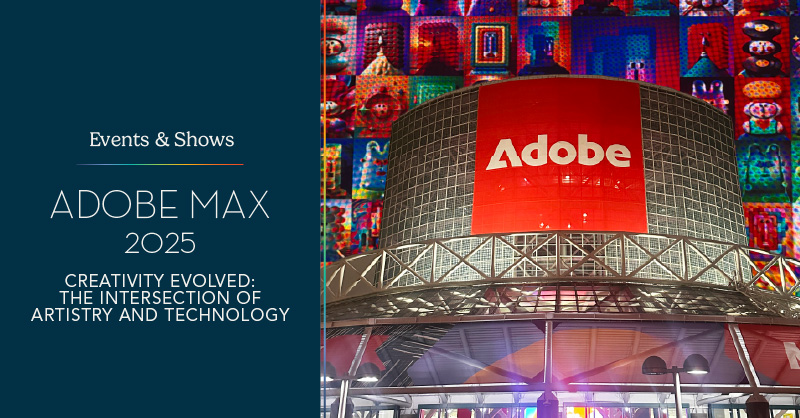
Adobe MAX 2025: Creativity Evolved – The Intersection of Artistry and Technology

Adobe MAX 2025 underscored a central truth: artificial intelligence is transforming creative work — not by replacing it, but by expanding what’s possible. The overarching theme was clear throughout the keynotes and sessions: AI is a partner in the process, enabling faster workflows, more connected collaboration, and entirely new ways to visualize ideas.
For our team, the experience was both inspiring and grounding. The tools may be evolving at a rapid pace, but the creative spark — the part that connects vision, intuition, and craft — remains unmistakably human.

Elana’s Take: A Thoughtful Evolution

This year’s keynote positioned AI as a support system for creativity rather than a substitute for it. Adobe’s rapid development of Firefly — now fully integrated within Photoshop and enhanced with third-party app compatibility — demonstrates how technology can amplify ideation and collaboration.


Firefly Boards, in particular, stood out as a meaningful innovation. The shared digital workspace encourages teams to ideate, iterate, and refine in real time, bridging the gap between brainstorming and execution. It’s a glimpse at how creative processes can become more dynamic without losing their human nuance.


Still, the conversation around AI sparked necessary tension. Some designers celebrated its limitless potential, while others questioned its implications. That balance — curiosity and caution — feels essential to how our industry moves forward.


Miles’ Take: Tools that Empower

As a first-time attendee, I found the experience both overwhelming and exhilarating. Adobe delivered a mix of innovation and practicality — from the headline-grabbing generative features to a range of “quality-of-life” updates that genuinely improve daily workflows.

Features such as “Name All Layers,” MotionMap animation in Illustrator, and Project TurnStyle for perspective shifting are redefining what’s possible within a single software suite. These are not gimmicks; they’re efficiency upgrades that allow more time for actual design thinking.

Even more impressive are tools like the AI Assistant, which can visually analyze work and offer creative recommendations. Combined with generative upscaling, color harmonization, and dynamic lighting adjustments, designers can now refine and elevate work that once required complex manual adjustments or reshoots.


Shared Insights

Across the sessions and demos, a few key lessons emerged:

  • Collaboration is evolving. Tools like Firefly Boards bring co-creation into the heart of the digital workspace.
  • Prompting is a skill. The quality of AI results depends on creative clarity — specificity matters more than ever.
  • Experimentation remains vital. Many of the best results came from unexpected outcomes, reminding us that play and discovery still drive creativity.
  • Human direction is irreplaceable. Even the most advanced features require the designer’s taste, judgment, and narrative vision to succeed.

Closing Reflection

Adobe MAX 2025 made one thing clear: the future of creativity isn’t automated — it’s augmented. As technology continues to evolve, so too must our curiosity and adaptability. These tools are here to help us work smarter, iterate faster, and bring ideas to life with more precision and imagination than ever before.


The craft remains human. The tools are simply catching up.

Turning Up the Heat: How “Spice Culture” Is Redefining Flavor and Brand Collabs in 2026

Spice isn’t just a flavor; it’s a cultural force. Over the last decade, heat has evolved from a fringe fascination to a defining characteristic of modern food culture. As consumers chase bolder, more layered flavor experiences, brands find new and unexpected ways to bottle that energy. 

From Cult Favorite to Collaboration Powerhouse

Few brands embody this evolution like Frank’s RedHot. What began as a pantry staple has transformed into an icon of crave culture and a symbol of familiarity, fandom and flavor. 

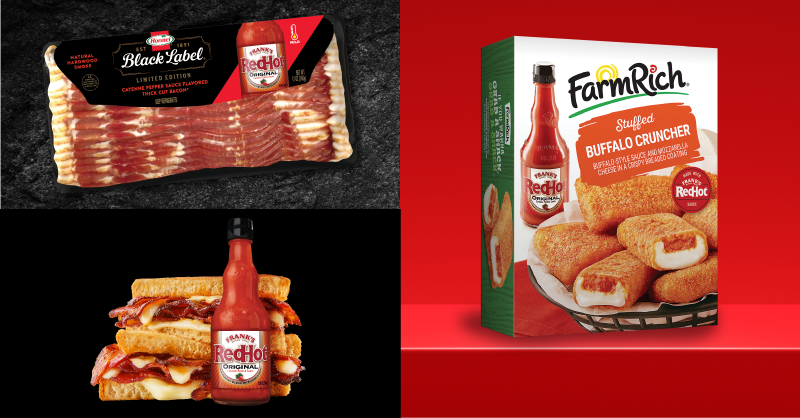
In recent years, Frank’s has proven that strategic collaborations can amplify equity on both sides. The BLACK LABEL® Bacon with Frank’s RedHotFarm Rich Frank’s RedHot Stuffed Buffalo CrunchersSpaghettiOs Frank’s RedHot, and Goldfish Frank’s RedHot partnerships each leveraged the brand’s cult following to infuse new energy and buzz into beloved household names.

Smith Design helped bring two of these partnerships to life: BLACK LABEL® Bacon with Frank’s RedHot and Farm Rich Frank’s RedHot Stuffed Buffalo Crunchers. The packaging captures the playful spirit and bold attitude consumers expect from both brands. Each collaboration merges everyday comfort with heat-driven excitement, creating products that feel familiar yet turned up a notch. Consumers are buying into a shared cultural moment built around boldness, fun, and nostalgia.

The Rise of Regional Heats

While established brands ride the wave of co-branded spice, a new generation of products is shaping the next era of “smart heat.” Emerging names like Tari Hot Sauce, inspired by Peruvian culinary traditions, showcase the vibrancy of regional peppers such as aji amarillo — bringing nuanced, citrusy brightness rather than pure fire.

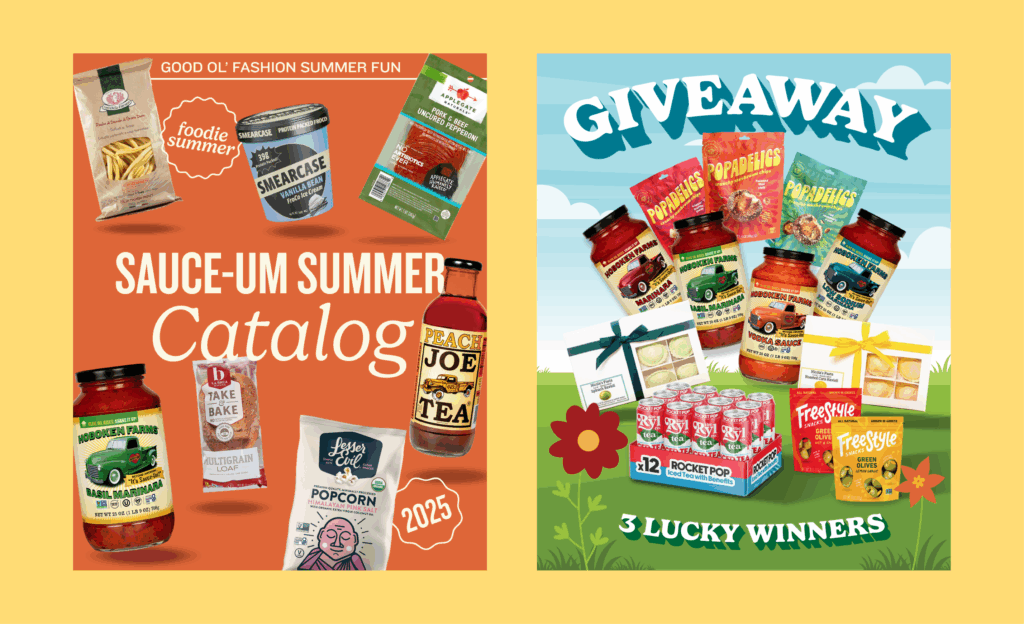
Similarly, Hoboken Farms’ Calabrian Chili Marinara brings buttery, sweet heat to a comfort classic.  Spice is no longer reserved for snacks or condiments but has become a staple in sauces, spreads, and meals.

These products speak to a broader trend: heat as a marker of sophistication. Today’s consumer wants flavor that feels crafted, not chaotic. Products with depth, balance, and a sense of story behind every bite will win with consumers in 2026. 

Sweet Heat

The “sweet heat” movement continues to sizzle as consumers crave more dynamic flavor experiences and brands find creative ways to deliver balance and bite in one irresistible pour. What began with the hot honey craze has evolved into a full-fledged flavor category, expanding into syrups, sauces, and snacks that combine indulgent sweetness with a kick of spice.

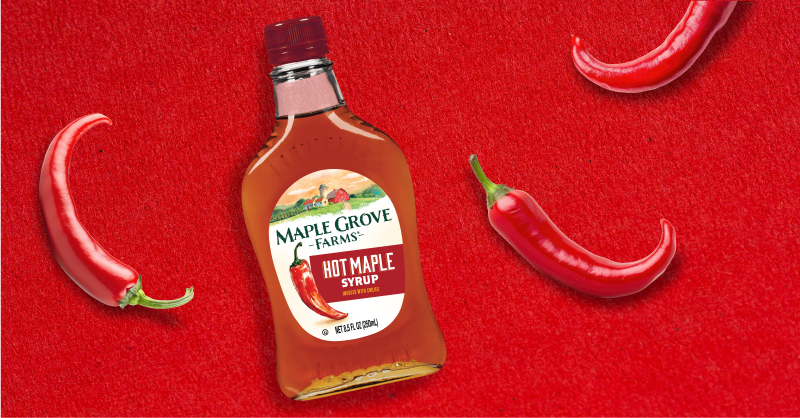
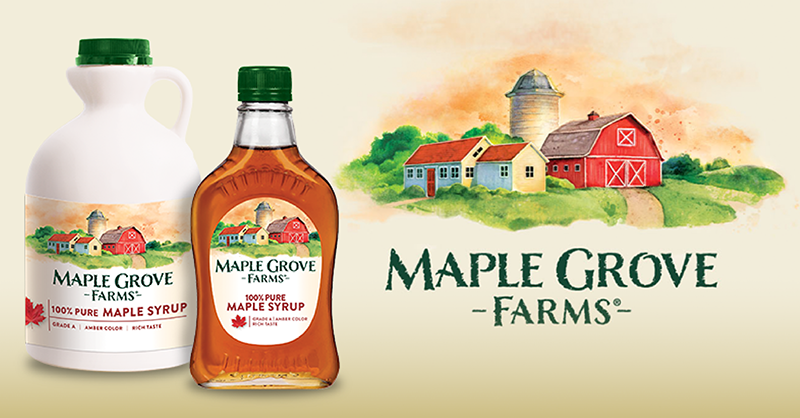
One of the newest standouts in this space is Maple Grove Farms’ Hot Maple Syrup, a just-released product that turns classic comfort into a bold flavor adventure.

Working with Maple Grove FarmsSmith Design developed packaging that reflects this balance, blending the warmth of maple tradition with a modern, fiery twist. The design brings the product’s duality to life, pairing heritage and edge in a way that mirrors its rich sweetness and subtle chili kick.

This launch embodies a defining flavor trend for 2026: sweet heat as a bridge between indulgence and intensity. It’s not about overpowering spice, but about contrast, how warmth and sweetness can coexist in ways that feel elevated, sensory, and new.

The Design Opportunity in “Heat”

For brands and designers alike, heat is more than a sensory trend, it’s a visual and emotional language. Red, orange, and smoky hues evoke intensity and warmth, while typography and texture can telegraph authenticity and craft. Successful “spice branding” balances attitude with accessibility: leaning into energy without alienating mainstream audiences.

As the category grows, co-branding and limited editions have become key storytelling tools. When done well, these collaborations extend the shelf life of excitement and tap into audiences eager for something familiar but turned up a notch.

What’s Next for Heat in 2026

Looking ahead, the conversation around heat will continue to evolve. Expect more emphasis on regional authenticitysweet-heat pairings, and cross-category experimentation — from spicy honeys and chili oils to heat-infused snacks, condiments, and even beverages.

The brands winning in this space understand that heat isn’t just about Scoville units — it’s about emotion, culture, and experience. In 2026, spice is less about pain and more about personality.


It’s Popular. It’s Polarizing. It’s Pumpkin.

’Tis the season of the Great Pumpkin, and with it comes the onslaught of Pumpkin Spice everything. Although the media, social and otherwise, love to poke fun at the plethora of products out there – consumers look forward to it and embrace it wholeheartedly.

Spice maker McCormick recently conducted a survey about seasonal spice mixes used at home – their Pumpkin Pie Spice Mix came in as the “top seasonal flavor consumers look forward to the most throughout the year.” According to the McCormick Proprietary Consumer Survey for 2025, 72% of respondents use pumpkin pie spice at least once a week.

Melt In Your Mouth Pumpkin!

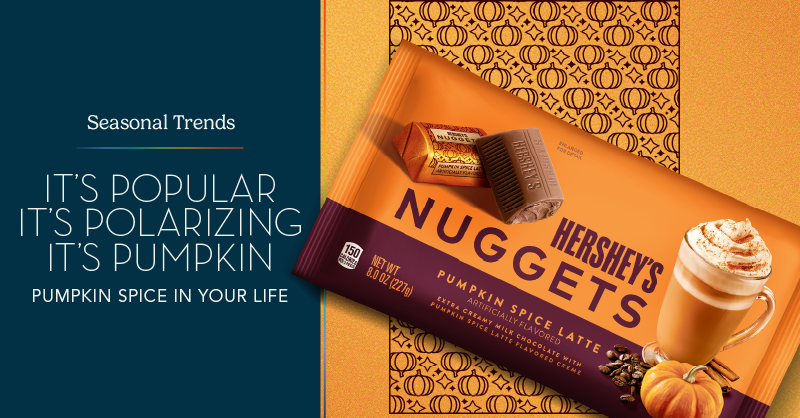
Packaged goods companies fill our shelves with an ever-growing array of pumpkin-spiced products to make it convenient for all to get in on the fall flavor fun. Smith Design has partnered with several clients to bring their brands into this flavor trend. We very recently worked with Hershey on Pumpkin Spice Latte Nuggets, embracing the warmth of fall with a rich, spice-toned color palette, custom illustrations, and in-house photography. The result is a cozy, craveable package that signals fall at first glance and stands out in the seasonal candy aisle.​

Pumpkin Goes Nuts!

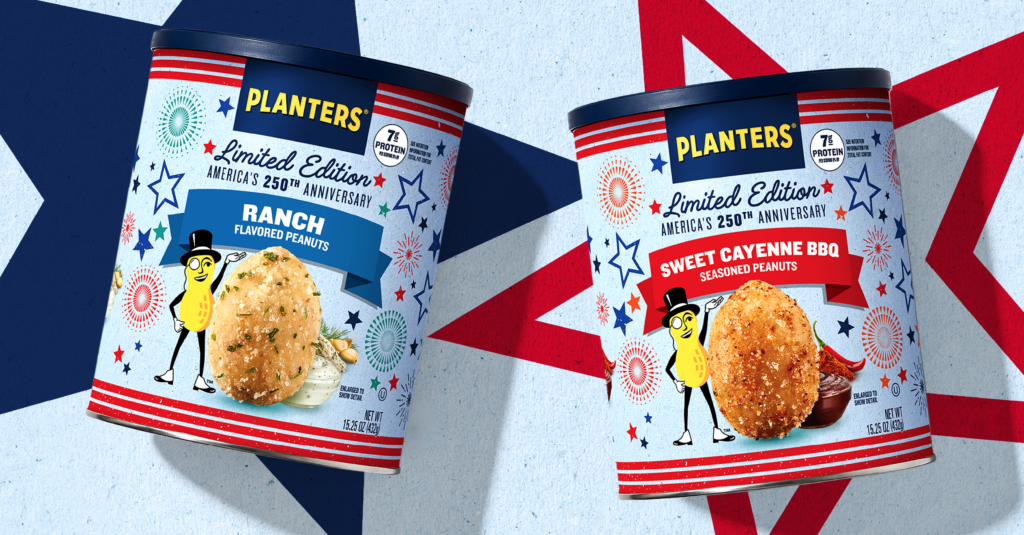
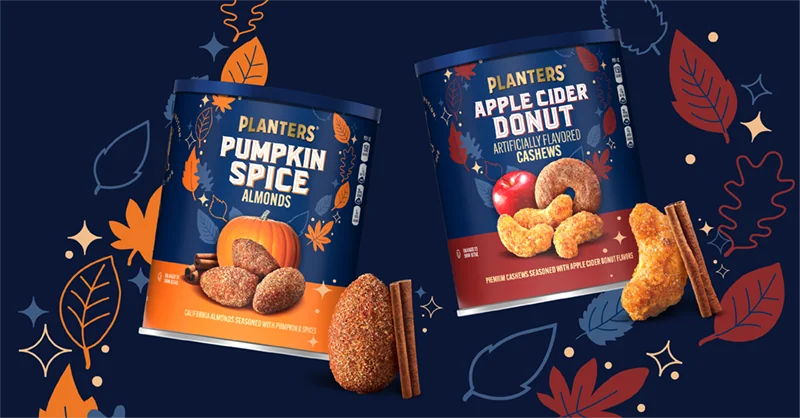
We also created seasonal packaging for Planters, and this year, you can enjoy both the design and the satisfying crunch of Pumpkin Spice Almonds. If the season really grabs you, also look for Planters Apple Cider Donut Cashews to fully fall into fall flavors. Smith Design has established a successful seasonal look for Planters offerings with bold graphics, illustration, and in-house photography to tempt your snack buds. There are holiday mixes as well to warm your winter, like Festive Fancifuls, but let’s not rush things!

Planter's Pumpkin Spice Almonds and Planter's Apple Cider Donut. Seasonal packaging design.

From the Great Pumpkin comes the Greek Pumpkin

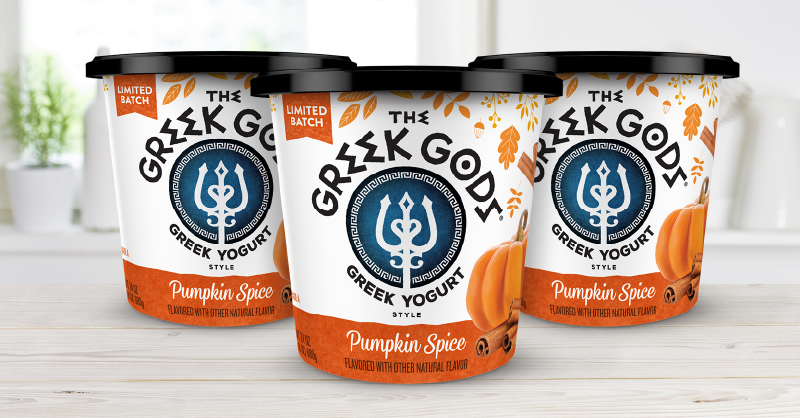
The yogurt aisle is always representing with the latest flavor trends and the most up-to-date seasonal tastes. Our work with Hain Celestial Group includes the launch of several limited-edition yogurt SKUs for The Greek Gods, including Pumpkin Spice. The packs have fun, illustrative flavor cues and photography to enhance the special seasonal attraction of this SKU to their main line of delicious yogurts.

The Greek Gods Greek Yogurt Pumpkin Spice. Seasonal fall packaging design.

Listen, whatever you may feel about Pumpkin season, don’t let it pass untasted. Frankly, we are here for it. If your brand is looking for tasty and trendy design launches, Smith Design is ready with a skilled team known for strategic thought leadership, stunning graphics, impactful illustrations, and delicious photography that sells. Put down that Pumpkin Margarita and give us a call!


References

https://www.thepioneerwoman.com/just-for-fun/a65898827/pumpkin-spice-popularity-survey-2025

Evolving Without Alienating: What 2024–2025 Rebrands Are Teaching Heritage Brands

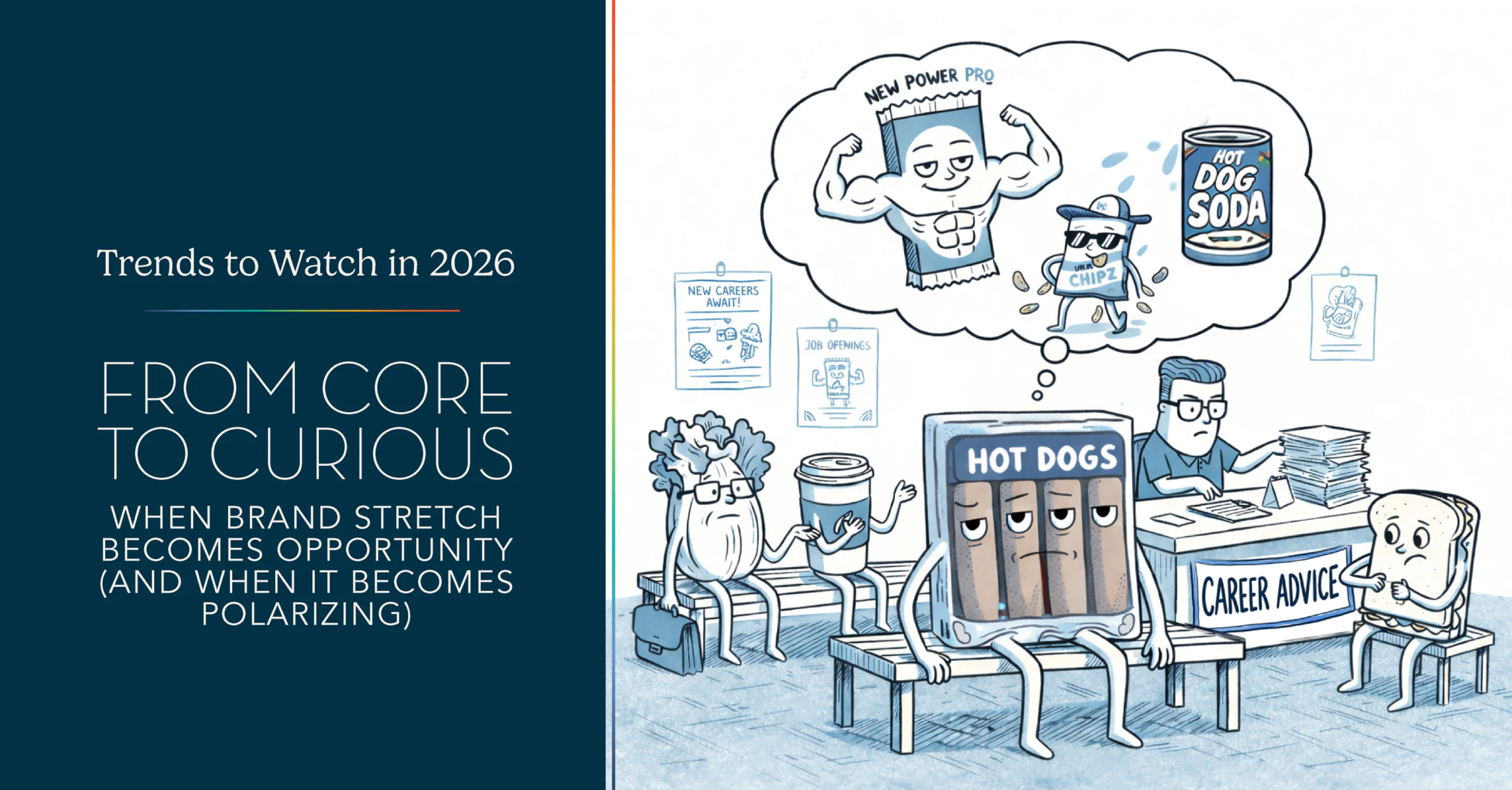
Over the past year, we have seen a wave of brand redesigns, some honoring equities while others completely abandoning them. As a design agency that partners with category-leading heritage brands, our take is simple: treat equities as irreplaceable assets, not creative constraints. 

Respecting Memory While Refreshing Meaning

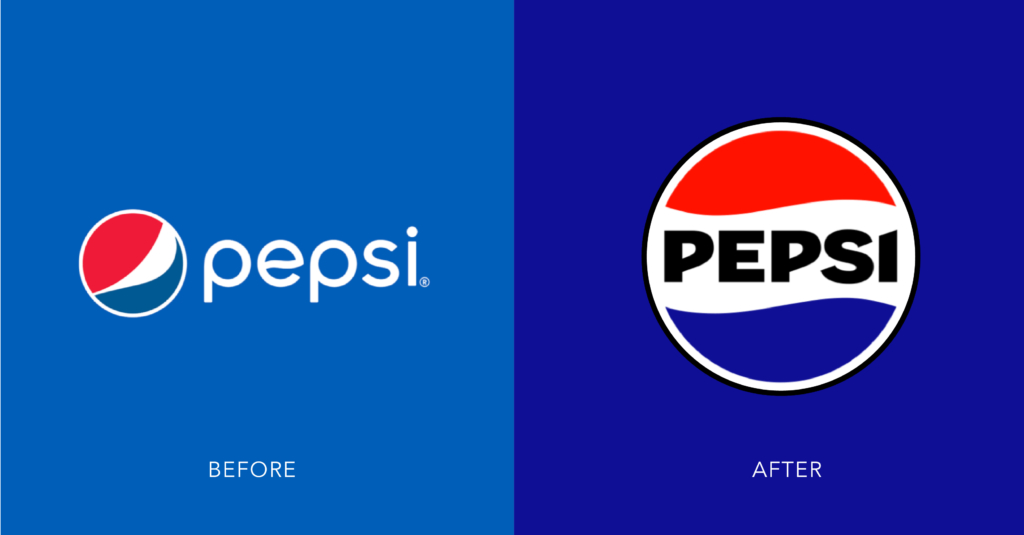
  • Pepsi’s identity refresh channeled 1990s visual memory, returning to a bolder wordmark locked inside the globe, with a darker palette and black accents to elevate Zero Sugar. It’s a case study in nostalgia with intent – contemporary, but instantly “Pepsi.” 
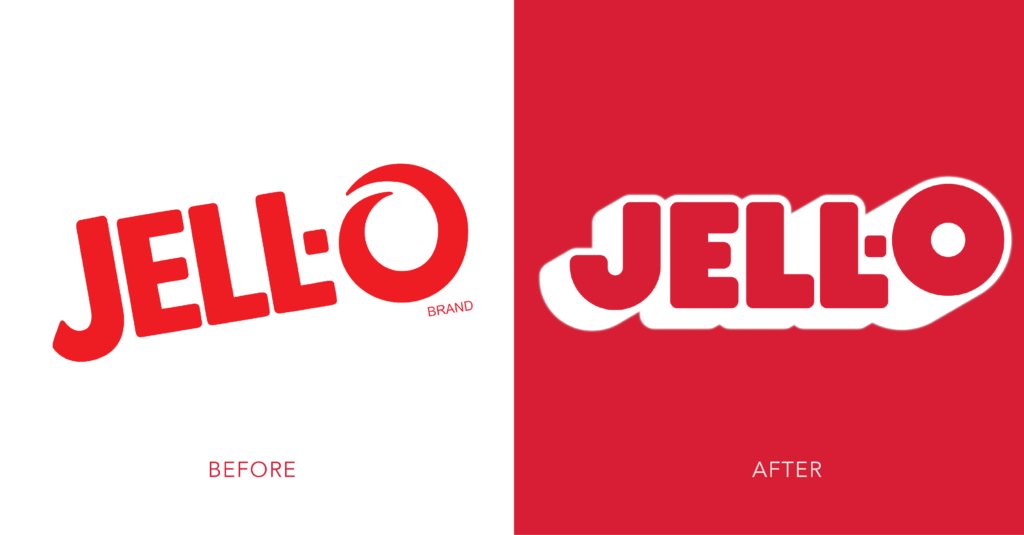
  • Jell-O leaned into a retro-playful packaging system and jiggle-forward visuals, trading clinical cues for joyful appetite appeal. Jell-O is an excellent example of a heritage brand made current by amplifying, not erasing.
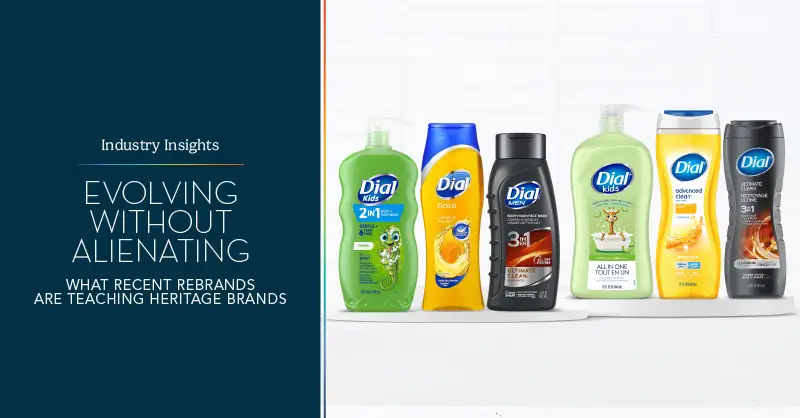
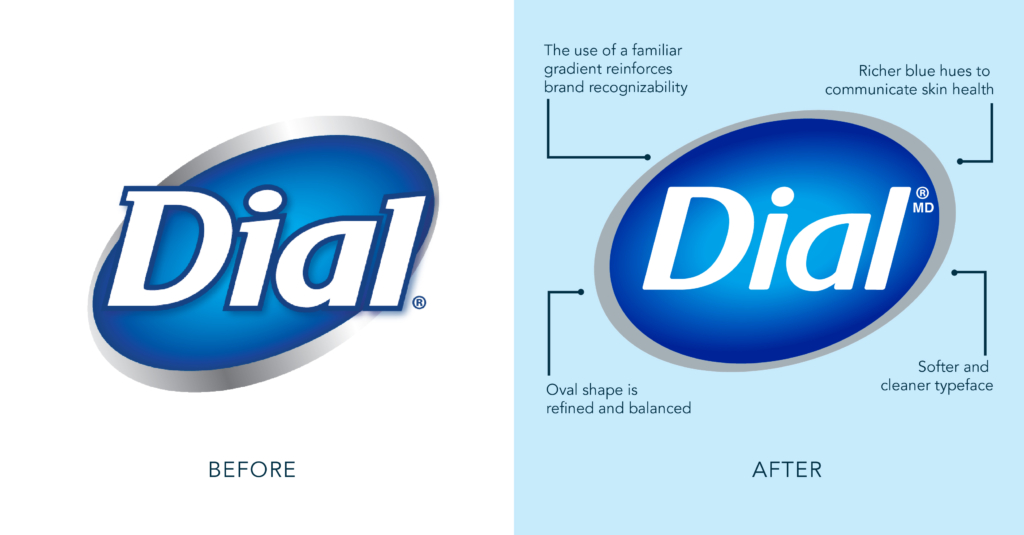
  • Dial evolved its identity by honoring core brand equities while expanding beyond cleanliness to build emotional and sensory connections. In collaboration with Smith Design, the brand introduced modernized illustrations, streamlined packaging, and distinct subline expressions that transform its heritage into a foundation for fresh, relevant storytelling.

Why these landed: each began with an audit of non-negotiable equities (shapes, colors, wordmarks, pack architecture) and then used those as springboards. Heritage was a tool to increase recognition and warmth, not the strategy itself.

Breaking the Bond with Loyalists

  • Cracker Barrel attempted a modernized logo and store refresh that muted hallmark cues (the “old country store” feel). Customer backlash resulted in a swift halt of the rollout and reinstating the original logo, a lesson in how deeply an experience and brand mark are intertwined for legacy brands. 
  • Jaguar in a bold push toward electrification, rolled out a campaign centered on the tagline “Copy Nothing”, featuring a new minimalist logotype and sleek visuals. Fans and critics accused Jaguar of abandoning its storied heritage, claiming the company “killed a British icon.”

What went wrong: backlash isn’t just about logos; it’s about signals towards a bigger change that will affect the core of what consumers know and love about a brand.  When the new expression seems to disinvite your base, consumers start to recognize what may be changing at a deeper level, leaving the new visual strategy to take the brunt of the negativity for the bigger organizational change. 

Our Philosophy for Heritage Leaders

We design with two truths in mind:

  1. Equities are capital. You don’t delete assets that took decades to accrue; you reinvest in them.
  2. Growth requires stretch. New, younger audiences need fresher codes to see themselves in the brand. The backlash received by some brands should not deter heritage brands from making necessary updates; mindful reimagination will make sure you are evolving to meet those new consumer needs.

 The job is to hold the line on what must endure and evolve what can invite.

How We Do It (and what you can expect)

  • Equity Map & Hierarchy. We inventory distinctive assets (color, iconography, pack silhouettes, taglines). Then we tier them: Keep / Evolve / Explore.
  • We purposely use dual-audience testing. We test current users and next-gen prospects separately first and then together, so we can see where preferences diverge rather than averaging them into something not rooted in strong support. 
  • Scenario design, not one-offs. We prototype territories:
    • Conserve: tight evolution, maximum continuity.
    • Bridge: bolder motion with protected core equities.
    • Breakthrough: novelty option pressure-tested for stretch.
  • Decision by “Equity + Effect.” We combine recognition/fit metrics with persuasion and “would try/buy” lift. The winning route protects recognition and grows relevance.

When current vs. new consumers don’t agree…this is the hard part, and it happens. How do we continue forward without abandonment?

  • Find the overlap first. Identify assets both groups rate as “makes it feel like the brand.” Those become untouchables.
  • Localize the novelty. Concentrate change where your base is least sensitive and keep primary marks, core colors, and hero pack elements consistent.
  • Stagger the leap. If the breakthrough route wins with prospects but alarms loyalists, roadmap it: launch the Bridge system now, pre-wire the “why,” and schedule feature releases toward the bolder behaviors once familiarity builds.
  • Narrate the change. Use brand storytelling to frame evolution as a return to purpose, not a departure. Communicate how the launch narrative connects the past to the future in human terms.

Great redesigns don’t choose between heritage and modernity; they translate heritage into modernity. When you honor what people already love, you earn the right to show them what they’ll love next.


References

Pepsi Logo: https://www.printmag.com/branding-identity-design/the-new-pepsi-logo-proves-the-mass-appeal-of-nostalgic-rebrands/

Jello Logo: https://logos-world.net/bright-rebranding-of-the-jell-o-logo/

Breakfast Is the New Frontier for CPG Innovation

Morning food is getting a major makeover.

Breakfast has emerged as one of the most dynamic innovation zones in the CPG landscape.
Shifts in consumer habits, heightened focus on wellness, and a craving for convenience have turned the morning meal into a canvas for experimentation and an opportunity for growth for CPG companies.

A Category Reawakened

With more people working from home or adopting flexible schedules post-pandemic, breakfast has moved from a rushed necessity to a daily ritual consumers are eager to personalize, enhance, and optimize.

Add to this the rise of functional foods, growing demand for clean-label ingredients, and a desire for flavor exploration, and it becomes clear: the traditional cereal aisle is no longer enough.

Trends Driving the Breakfast Boom

Consumers want more from their first meal, giving rise to notable trends across the category. A few trends exhibiting tenacity right now include:

1. Functional Nutrition

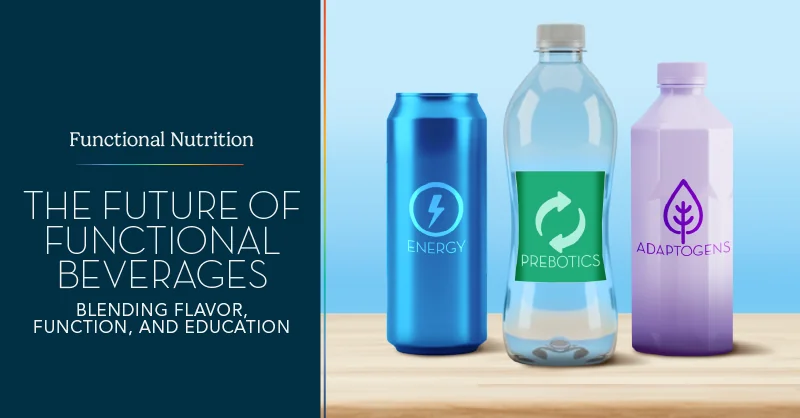
Consumers want breakfast with benefits: energy, focus, satiety, and gut support. Brands like Taika (adaptogenic lattes) and MUSH (probiotic-rich oats) lead the charge by embedding function into formats people already know and love.

2. Protein Priorities

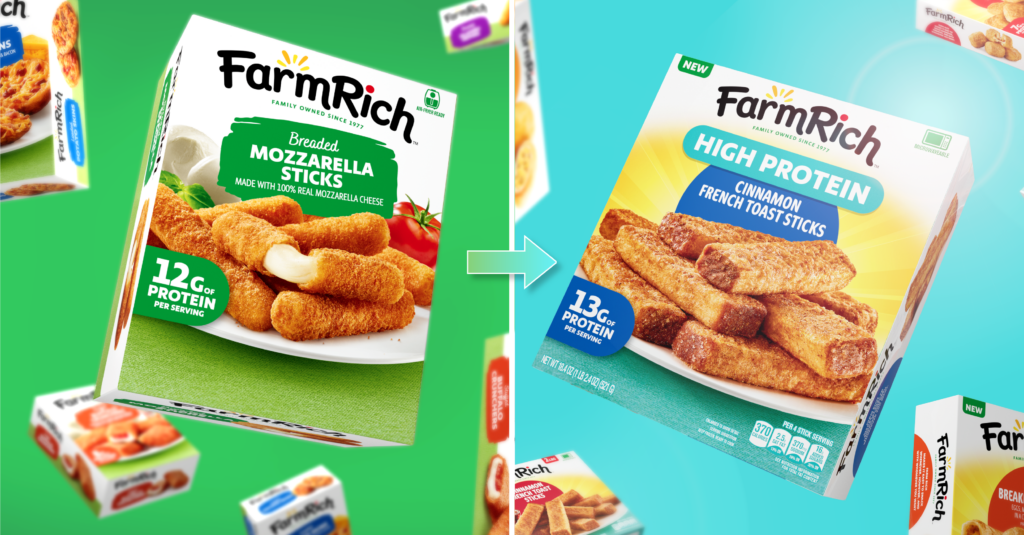
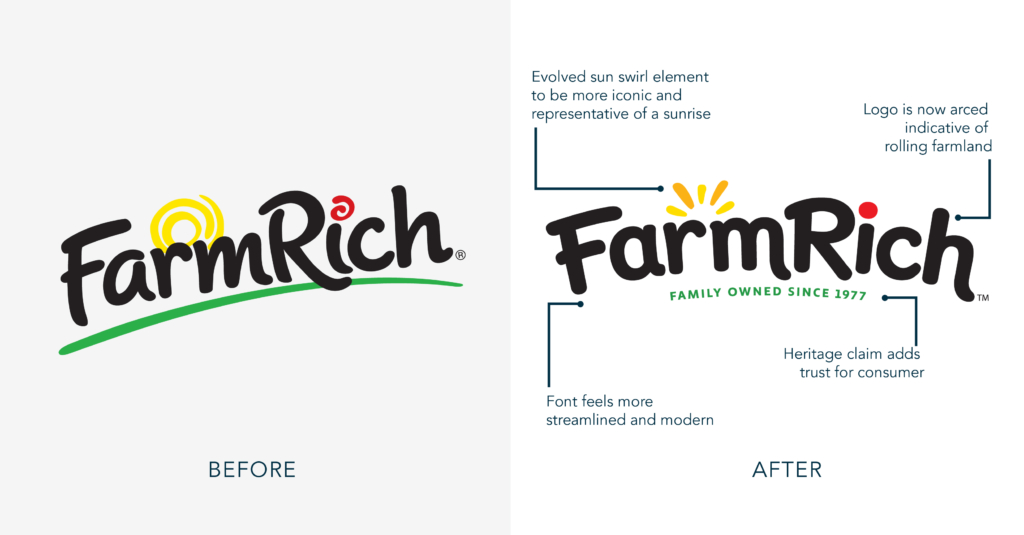
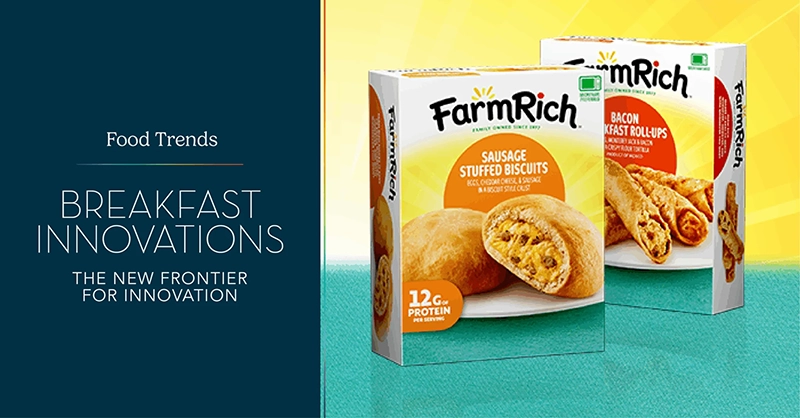
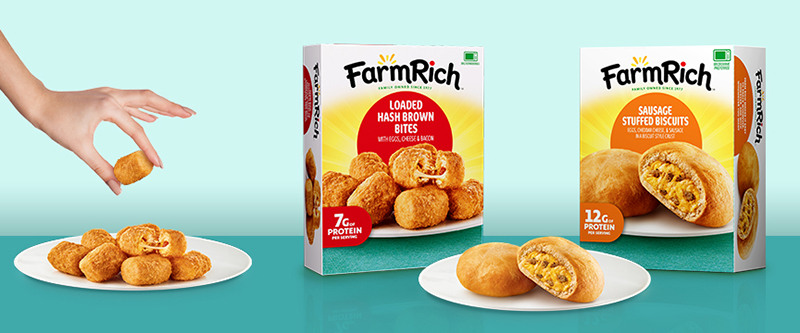
Breakfast has become the protein anchor of the day. Brands like Farm Rich are turning familiar formats into high-performance food without sacrificing taste. Smith Design recently worked with both brands to capture innovations in breakfast. Farm Rich’s High Protein Cinnamon French Toast Sticks, Loaded Hash Brown Bites, Bacon Breakfast Roll Ups, and Sausage Stuffed Biscuits offer the delight and familiarity of indulgent breakfast foods in a portable format that packs a protein punch. Smith created the logo for Farm Rich, redesigned the packaging, and shot the food photography.

3. Plant-Based

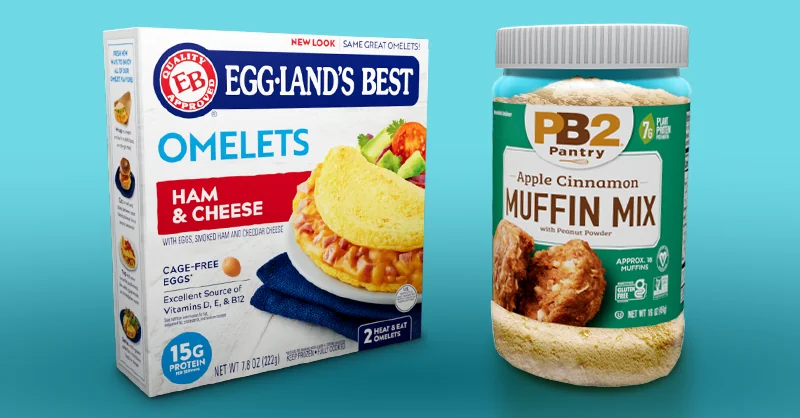
With demand for plant-forward meals increasing, breakfast is an ideal entry point. PB2’s Apple Cinnamon Muffin Mix combines the benefits of added protein that’s all plant-based. Smith Design worked with PB2 on the label design and food photography for this innovative morning mix.

4. Snackification of the Morning Meal

Today’s breakfast might be eaten in the car, at a desk, or mid-Zoom. This shift has opened doors for portable, resealable, microwaveable formats. Smith Design leveled up the package design and photography for Eggland’s Best Sous Vide Egg Bites, which go from frozen to fabulous in minutes and are easy to bring on the go.

The Breakfast Opportunity

For CPG brands, breakfast offers a unique intersection of habit, health, and hedonism. It’s a chance to build brand loyalty in a new category through daily rituals, capture self-space in multiple grocery aisles, and drive category disruption without the need to educate consumers from scratch about their brand.

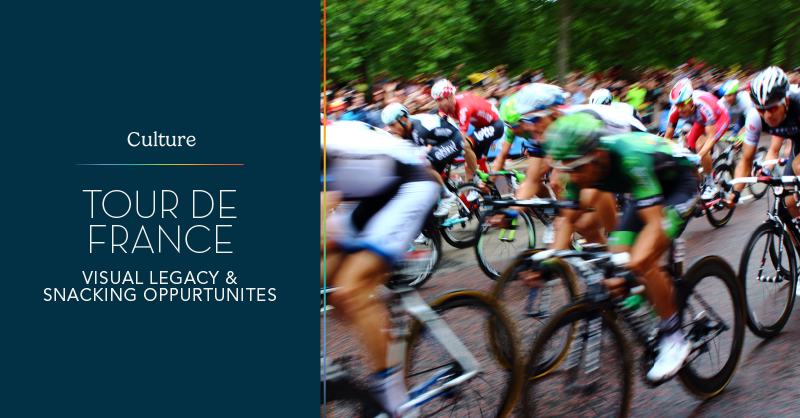
The Visual Legacy of the Tour de France

With Smith Design-ed Products

First held in 1903, the Tour has become one of the most prestigious events in sports, captivating fans with its dramatic mountain climbs, high-speed sprints, and iconic landscapes. It’s a grueling, multi-week stage race that blends athleticism with tradition.

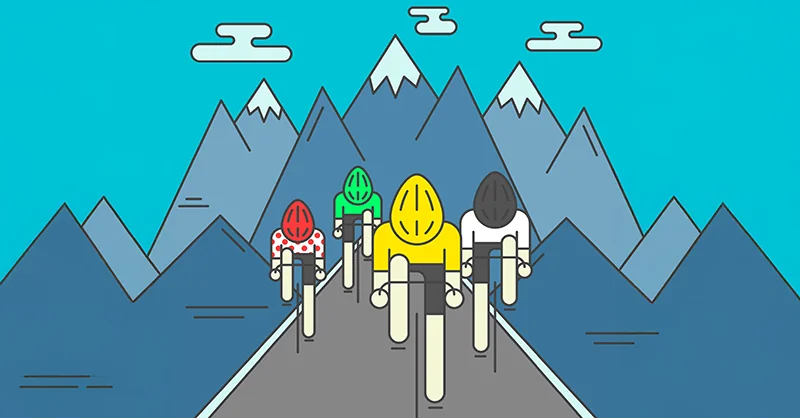
But beyond the peloton lies a fascinating visual language: the jerseys themselves. From the famed maillot jaune to the green, polka dot, and white jerseys, each color tells a story—honoring the race’s history, celebrating standout performances, and adding a layer of symbolism to every pedal stroke. Whether you’re new to the Tour or a longtime fan, understanding the origins of these jerseys offers a richer appreciation for the spectacle and strategy of the race.

Yellow Jersey (Maillot Jaune) – Overall Leader

  • Introduced: 1919
  • Significance: Worn by the rider with the lowest overall time (General Classification).
  • Why Yellow?: It matched the yellow newsprint of L’Auto, the race’s original organizing newspaper.
  • Fun Fact: Eugène Christophe was the first to wear it. At the time, it was controversial because riders felt it made them too easy to target.

Green Jersey (Maillot Vert) – Points Leader

  • Introduced: 1953 (50th anniversary of the Tour)
  • Significance: Awarded to the best sprinter based on points from stage finishes and intermediate sprints.
  • Why Green?: It was originally sponsored by a lawn mower company, hence the green color.
  • Fun Fact: Points are weighted toward flat stages to favor sprinters.

Polka Dot Jersey (Maillot à Pois Rouges) – King of the Mountains

  • Introduced: 1975
  • Significance: Given to the best climber, based on points earned on categorized climbs.
  • Why Polka Dots?: A chocolate sponsor (Chocolat Poulain) used red polka dots in its branding.
  • Fun Fact: Climbs are categorized by difficulty, with more points available on the hardest ones.

White Jersey (Maillot Blanc) – Best Young Rider

  • Introduced: 1975 (discontinued in 1989, revived in 2000)
  • Significance: Awarded to the best rider under 25 in the General Classification.
  • Why White?: It represents youth and potential—a clean slate.
  • Fun Fact: Many eventual Tour winners started out by winning the white jersey early in their careers.

And while history, tradition, and pure athletic prowess are the center points of this epic endurance event, let’s not forget the calories. It takes a fair amount of them to fuel such continued exertion. As an amateur competitive cyclist, I can tell you that certain foods are more suited to sustaining the energy needed to climb the Alps. Even better, I discovered I can support caloric intake for an endurance ride, pulling only from Smith Design client projects.

Here’s how I would set my menu:

Night before:

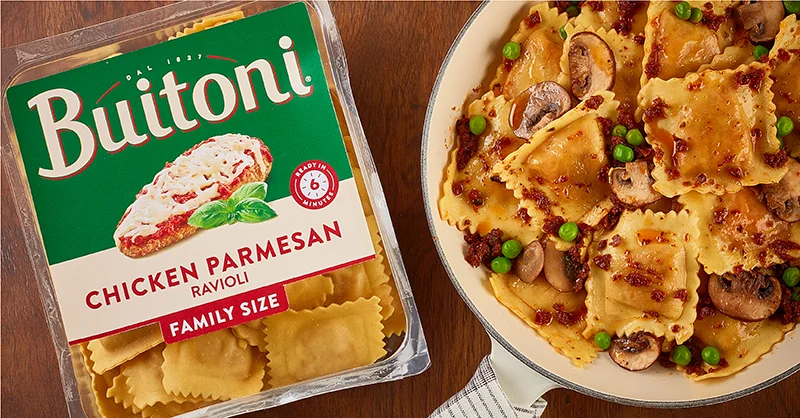
While the science of “carb-loading” has shifted, a pasta meal is still a great idea, as long as it’s a healthy balance of macronutrients. I’d choose Buitoni Chicken Parmesan Ravioli.

Breakfast:

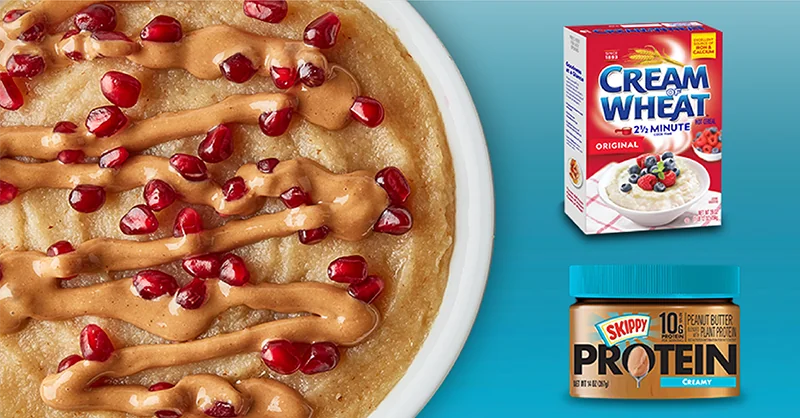
Cream of Wheat will top off your carbs in the morning. I like to stir in some Skippy Creamy Protein Peanut Butter for extra satiation.

On the Bike:

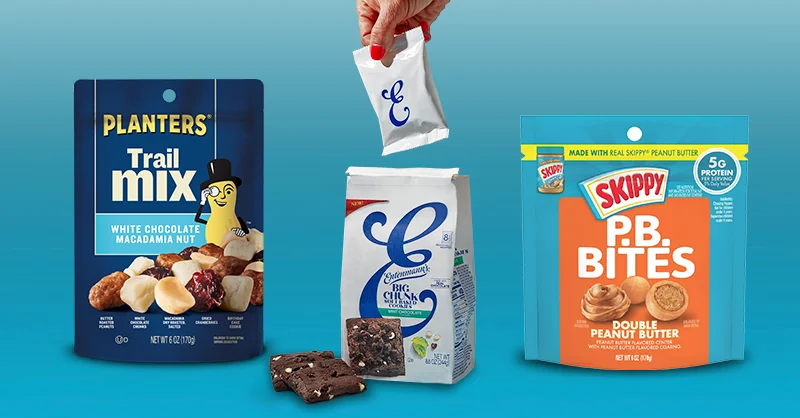
The pros have support cars and domestiques to fetch their snacks, but amateurs? We need to cram our pockets full of goodies. Single-serve packets are easily stashed in cycling jerseys, and small bites are best for snacking on the go. I’d reach for:

Skippy P.B. Bites, Planters Trail Mix, and Entenmann’s Big Chunk cookies.

Electrolytes in your water bottle are an absolute must. Did you know you can make your own by combining a little Maple Grove Farms Maple Syrup and pinch of salt?

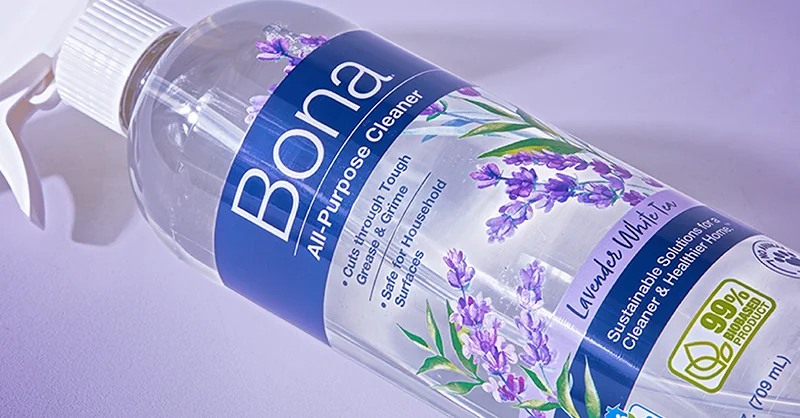
After it’s all over, don’t forget to show your bike some love. Towel it off using Bona’s All Purpose Cleaner (Lavender scent, of course) and a microfiber cleaning cloth.

The Tour de France airs from Saturday, July 5th, through Sunday, July 27th, and the Tour de Femmes airs from July 26th to August 3rd.

Designing Relevance: Keeping Brand Mascots Alive and Impactful

In an era of fragmented attention and fast-moving trends, brand mascots can no longer rely on nostalgia alone but must be actively designed for relevance. Driven by shifts in consumer behavior, digital marketing strategies, and the rise of parasocial relationships in online culture, they have evolved dramatically from static product icons to dynamic social media personalities.

As influencer culture grew in popularity, marketers recognized the value of authentic content and forming emotional connections with their audience. A mascot helps a brand cut through the noise, standing out using humor, sarcasm, or irreverence while still being “on brand.” Even better, because they’re not real people, mascots are flexible digital assets that can respond to trends quickly and don’t need costly influencer contracts. They become nimble, multi-platform brand representatives capable of driving engagement, merchandising, and emotional connection.
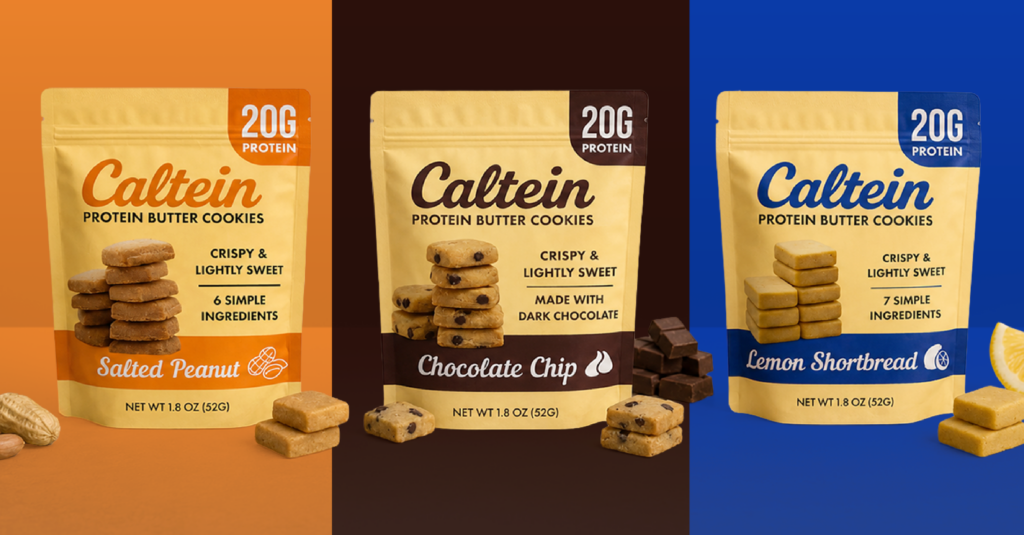
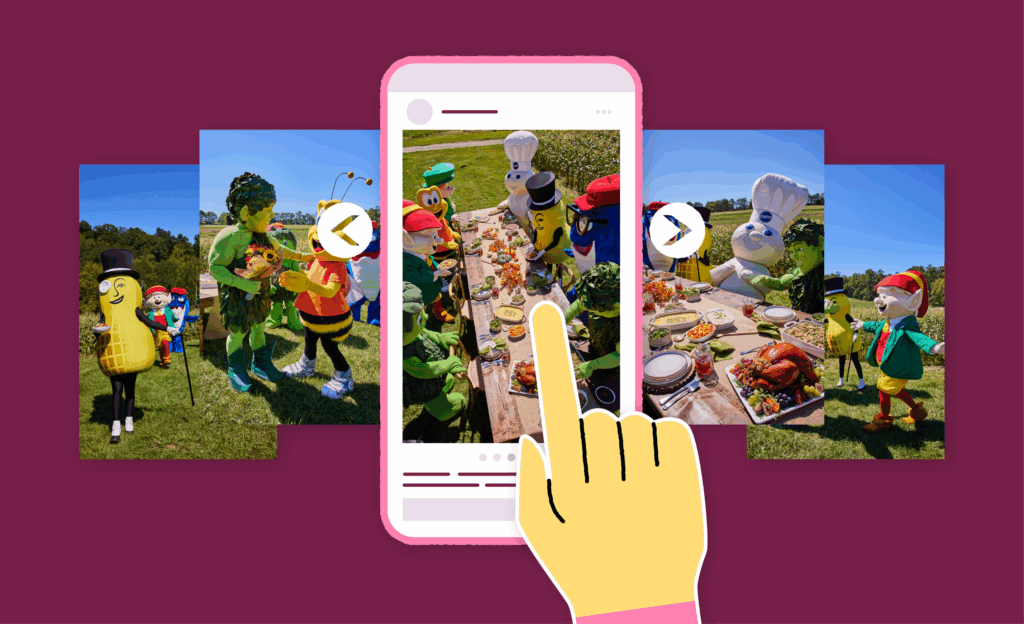
Mr. Peanut and The Jolly Green Giant

Smith Design worked with some long-standing mascots, notably Mr. Peanut and the Jolly Green Giant, helping to evolve their presence on packaging and social media.

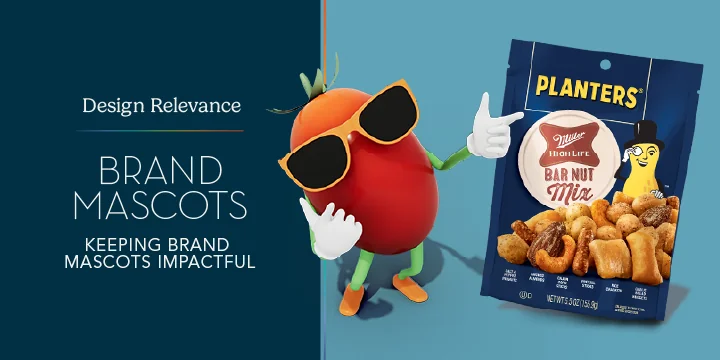
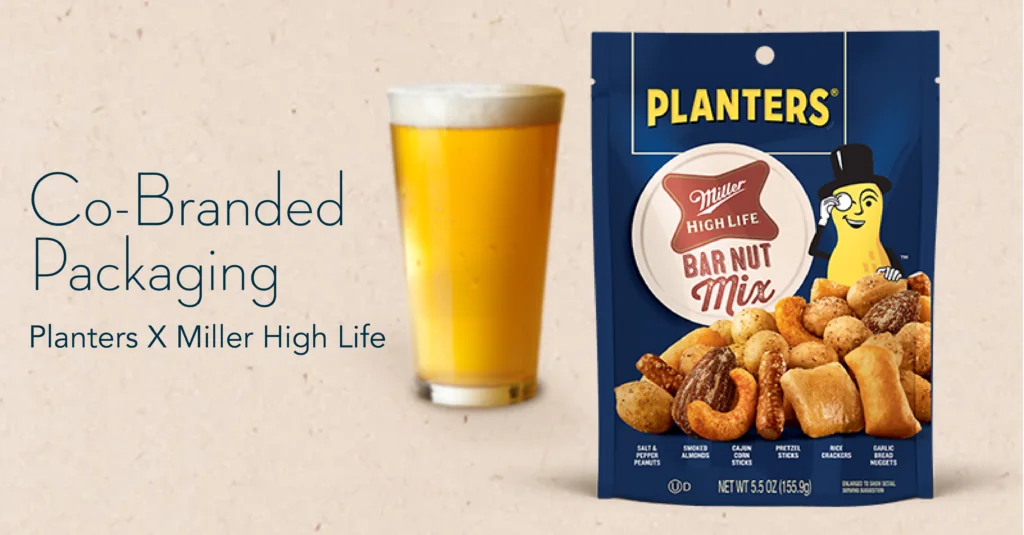
We created the cobranded visual identity and shot the food photography for the Mr. Peanut × Miller High Life Bar Nut Mix, a campy and clever collaboration between two century-old brands that appealed to Millennials and Gen Xers who appreciate retro-kitsch, especially regarding their favorite snacks.

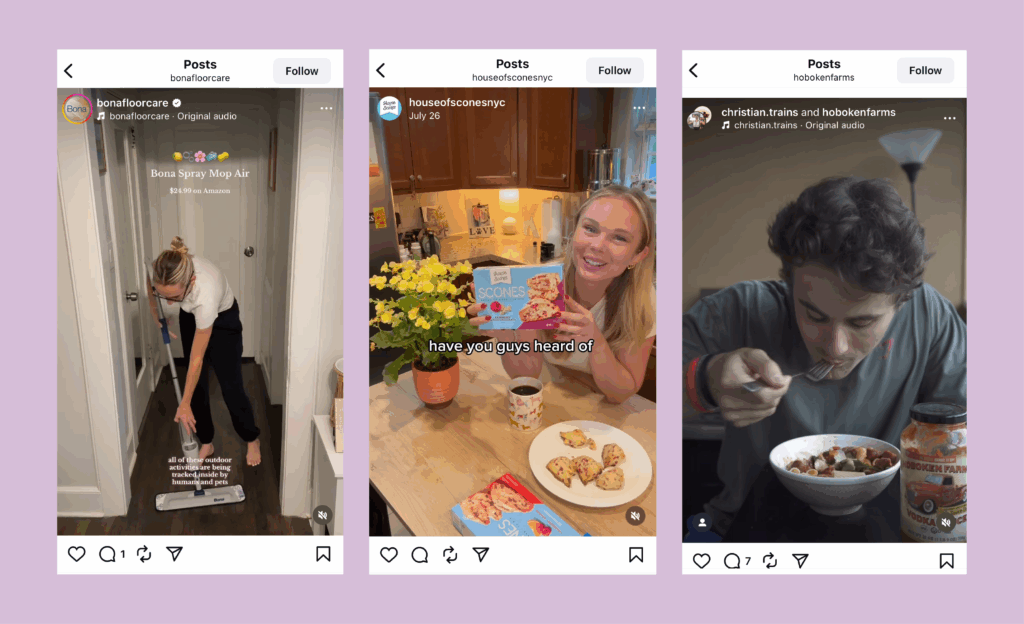
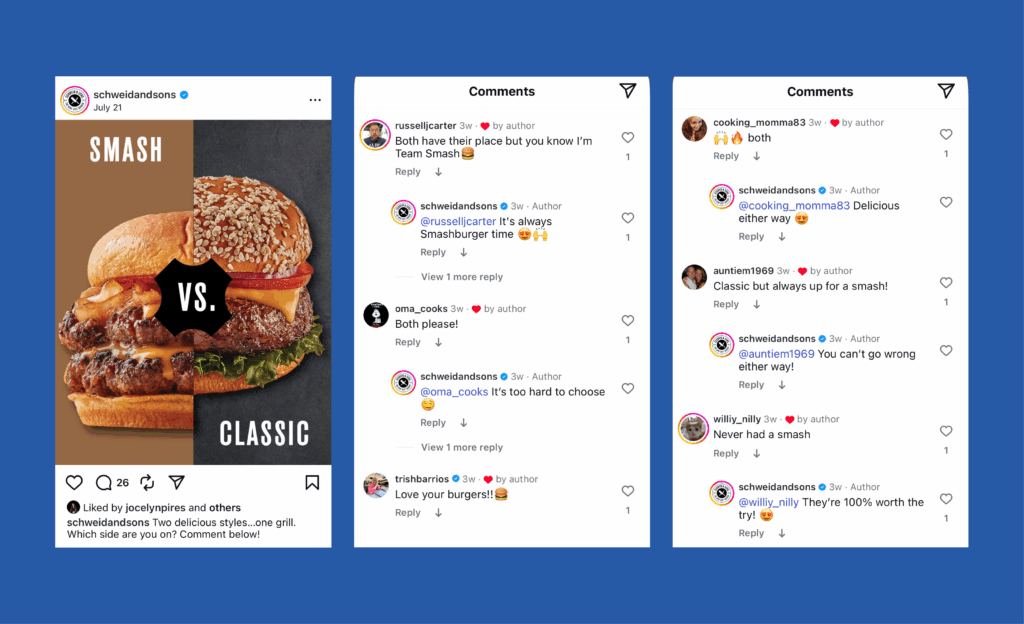
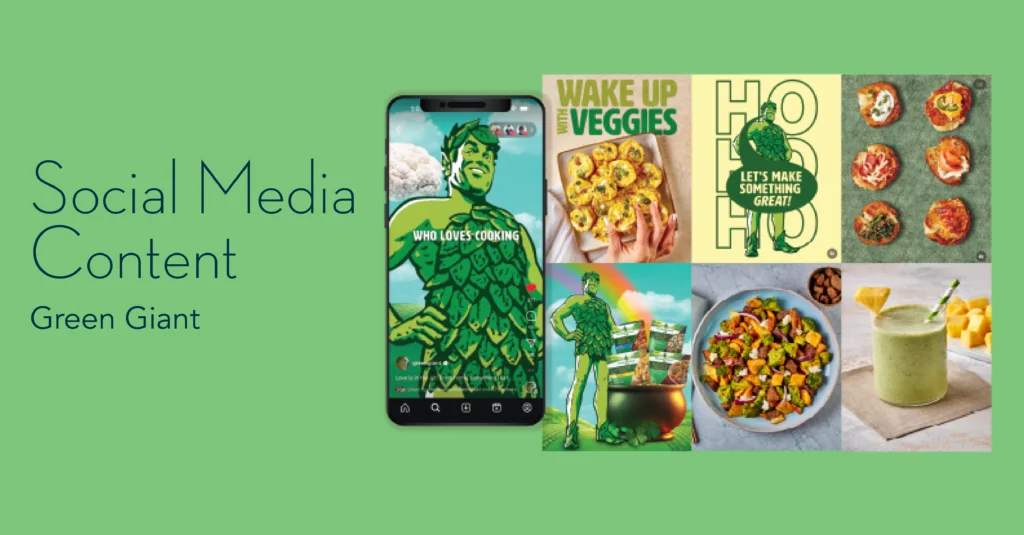
In creating content for Green Giant’s social media, Smith Design focused on posts that allow the Giant to participate in social media trends while retaining his strong, silent persona. One trending post jumped on the “looking for a man” trend and proved one of the brand’s most popular posts. Audiences recognized the trend and appreciated the nod to pop culture.

A Tomato is Born: Designing a Character That Works

Today’s mascots have human-like quirks, backstories, and even relatable drama. Think Duo, Duolingo’s sassy owl, known for chaotic shenanigans like sending threatening reminders to keep up with learning streaks, flirting with celebrities, dancing in public, and office antics.

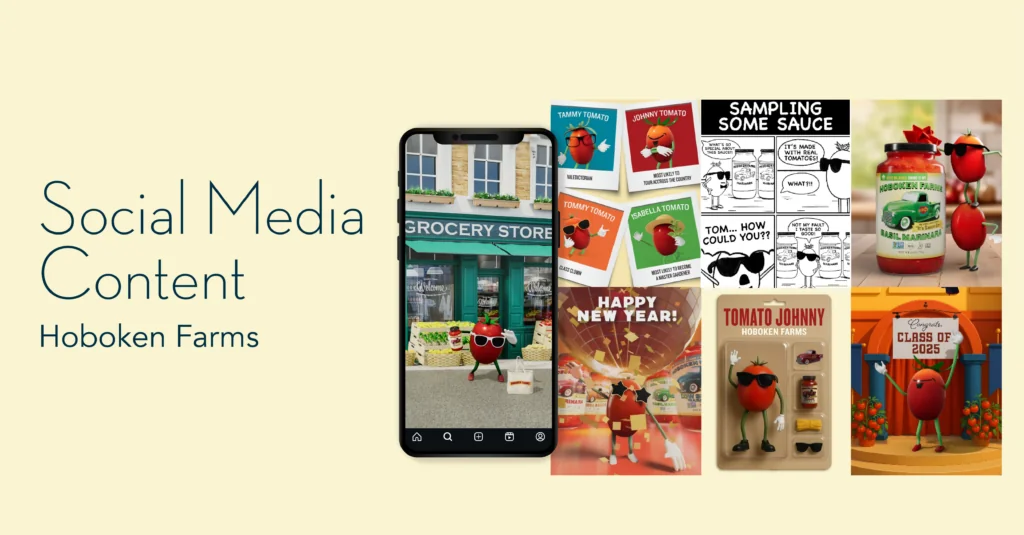
Smith Design embraced the opportunity to create character-focused, relatable, organic social media content for sauce company Hoboken Farms. The brand had no pre-existing mascot in this case, but Smith made a band of unofficial mascots to breathe fresh air into their social media content.

Consequently, a quartet of anthropomorphized Roma tomatoes have become “regulars” on the brand’s social media feed. They’ve gone dancing for New Year’s Eve, announced grocery store partnerships, and even graduated college. As 3D animated representatives, they’re easygoing and adaptable to the task.

And when Smith creatively pivoted them to participate in the popular AI “action figure” trend, they spawned personalities of their own, complete with signature accessories representing each of Hoboken Farms’ four varieties of sauce. Tammy, Tommy, Johnny, and Isabella Tomato are now a part of the sauce’um Hoboken Farms gang, and we’re excited to see what they do next!

If you’re looking to give your brand a representative, an enhanced voice, or even a little extra charisma, let’s chat. At Smith Design, we have vast experience in working with heritage brand mascots as well as inventing fresh, new characters that truly stand out. Whether you’re envisioning a cheeky character, a clever sidekick, or a mascot with undeniable swagger, we’re here to help your brand make a lasting impression. Let’s create something that gets noticed and keeps people talking.

Brands Are Crafting Connections With Hispanic-Inspired Flavor

Record Growth of the U.S. Hispanic Population will transform both CPG Brand Offerings and Marketing Strategy

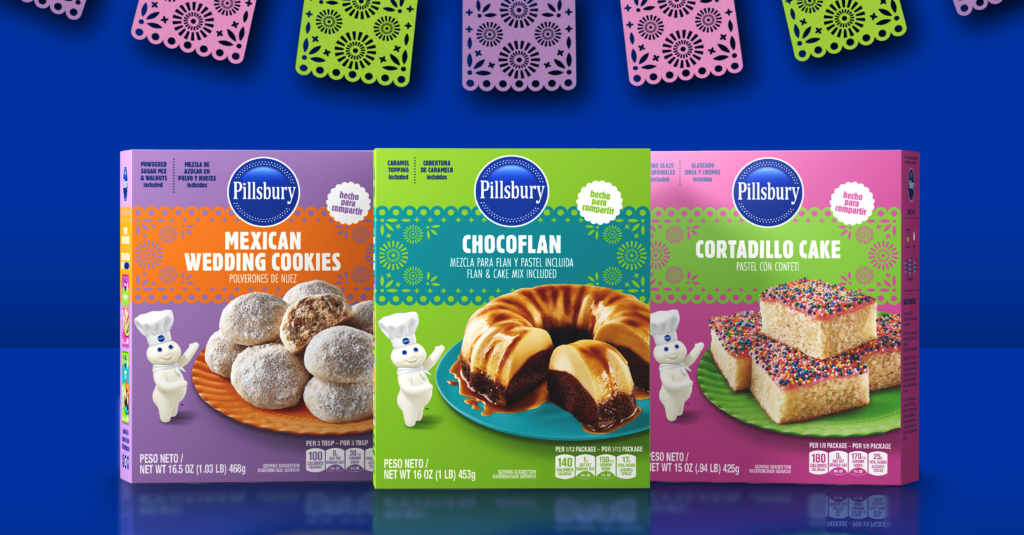
According to the U.S. Census Bureau data, the Hispanic population, which is expanding at a faster rate than non-Latino population in the U.S., is expected to grow to 26.9% by 2060. Hispanics’ flavorful and multicultural cuisine preferences continue to have more influence on the American food landscape. The exposure to more Hispanic cuisine in the U.S. opens exciting avenues for CPG brands to showcase authentic cuisine and flavors while reaching a broad consumer base. Let’s explore how brands can leverage culinary heritage and innovation to resonate with Hispanic audiences and beyond. 

Food Traditions Create Meaningful Connections 

Many brands are leaning into authenticity to build stronger relationships with Hispanic consumers. Food often plays a central role in family traditions, cultural celebrations, and everyday moments of comfort. These experiences help create lasting emotional connections, making certain flavors and brands feel deeply familiar and meaningful across generations. This is where culturally rooted branding becomes especially powerful by honoring heritage while resonating with modern consumers.

The Holanda Case Study: Cultural Authenticity with Broad Appeal

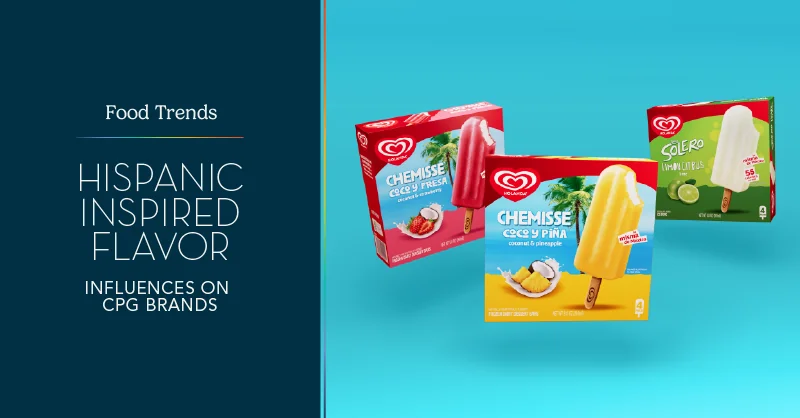
One standout example of culturally rooted branding is Holanda, a beloved Mexican ice cream and novelty brand that recently partnered with Walmart for an exclusive U.S. launch aimed at appealing to a broad Hispanic consumer base. Holanda relied solely on packaging, without advertising support, to capture attention in Walmart’s freezer aisle.

Holanda teamed up with Smith Design to create the packaging. Familiar brand elements were thoughtfully adapted for the U.S. market. Smith Design enhanced the Holanda logo with brighter colors and a distinctive outer shape to maximize shelf impact. Spanish was used as the primary language on the packaging, with English in a secondary role, reinforcing the brand’s cultural authenticity and honoring its Mexican heritage.

This approach helped Holanda form a meaningful connection with Hispanic shoppers, including those who may not have grown up with the brand but recognize and value its roots in Mexico. At the same time, the packaging intrigued non-Hispanic consumers looking to explore authentic international flavors.

Holanda’s packaging strategy demonstrates how effective design can convey tradition and cultural relevance while remaining accessible. By emphasizing its origins and maintaining core brand elements, Holanda celebrates cultural pride and authenticity while resonating with a diverse U.S. audience. The brand’s success underscores the power of intentional design and heritage-driven storytelling. Find out where to get Holanda Novelties, click here!
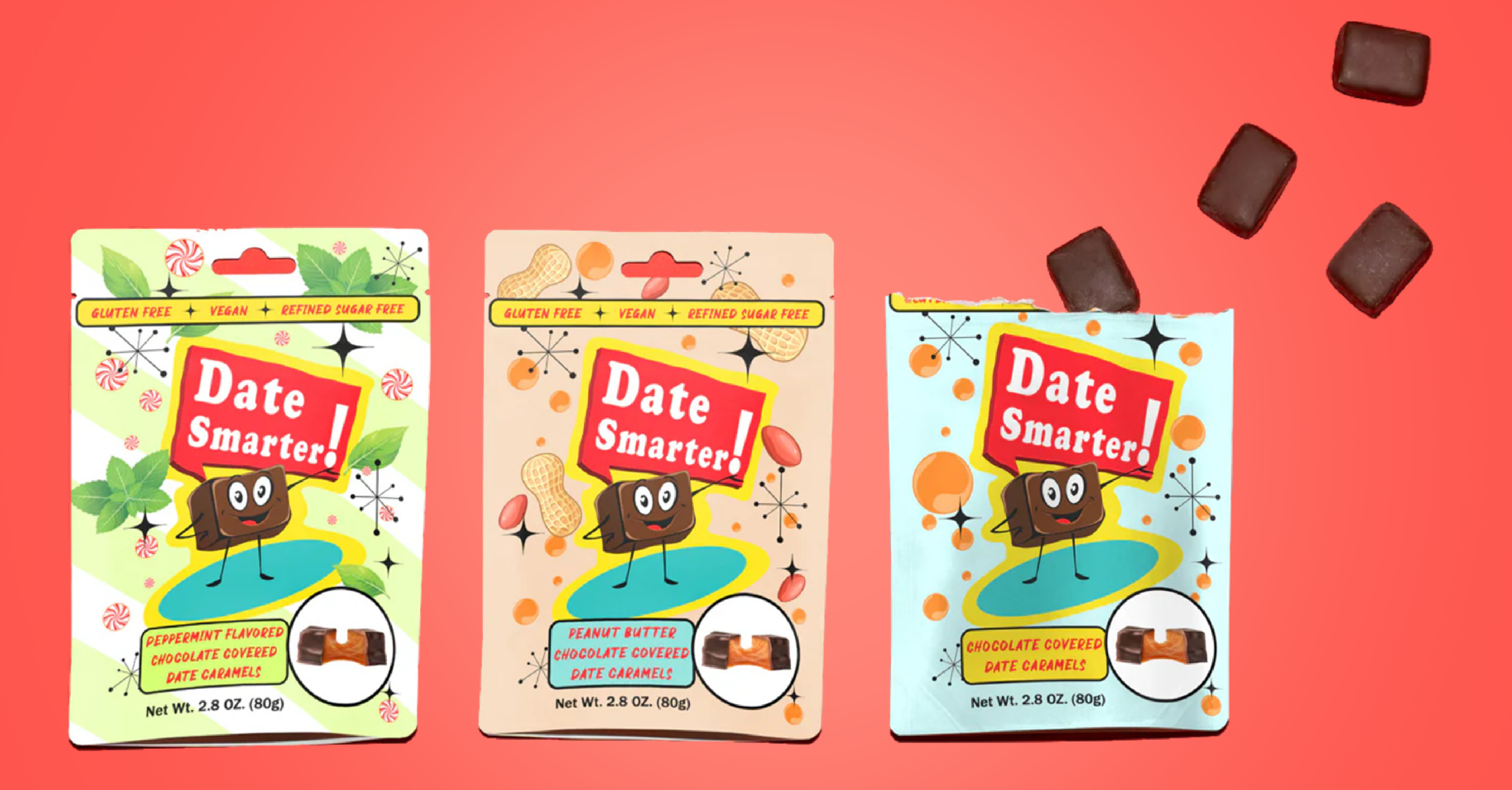
Celebrating Hispanic Flavors in Different Channels

Adding flavors and spices can enhance foods and attract consumers who love more vibrant and tangier Hispanic-influenced flavors. 

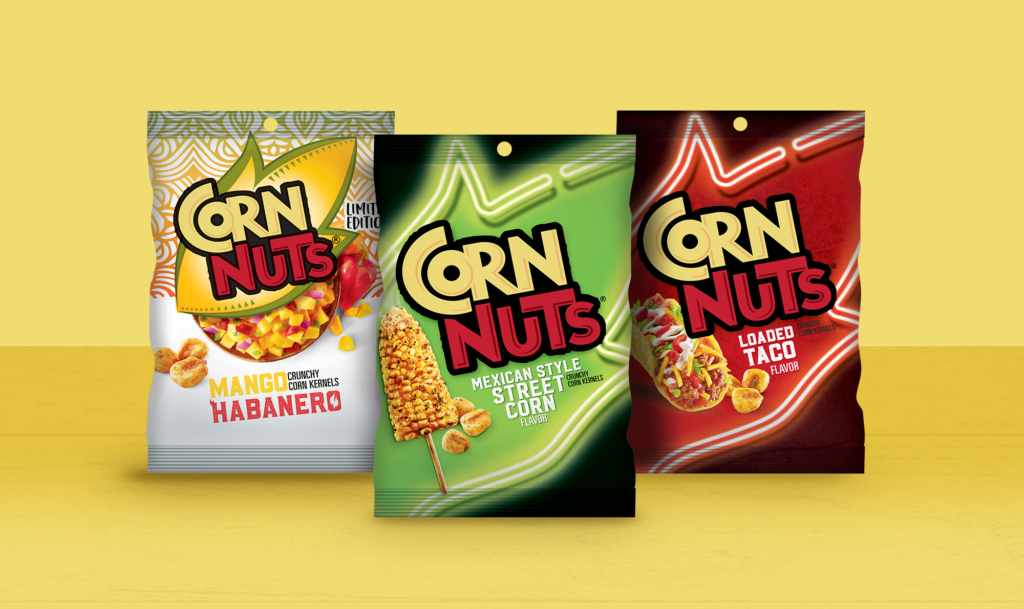
In the snacking channel, Hormel Foods has recently launched two new Mexican-inspired additions to its CORN NUTS® brand: Mexican-Style Street Corn and Loaded Taco. Packed with crunchy goodness and popping with flavor, these snacks appeal to consumers seeking bold, crave-able tastes. Smith Design created vibrant packaging that not only catches the eye but amplifies the excitement behind the products. Read more about these products, check out Innovation at its Crunchiest featuring CORN NUTS®.

The beloved Tajin® Brand seasoning has truly taken off as a flavor enhancer and is now trending as a margarita rimmer. Tajin® has also collaborated with several brands, including condiments like Hellmann’s Chili Lime Mayonnaise Dressing and breakfast items such as Pop-Tarts with Tajin seasoning and fruity Chamoy sauce. There seem to be no limits to which channels can offer more spice and Hispanic-influenced flavor!

A Flavorful Future for CPG Brands

The integration of Hispanic cuisine and flavors in the U.S. reflects a cultural journey that will continue to enrich America’s culinary landscape. With products that honor heritage, offer authentic flavors, and appeal to diverse tastes, brands have an exciting opportunity to resonate with a growing Hispanic population and a broader market. For CPG companies, the path forward is clear: embrace the diversity within Hispanic cuisine, create products that celebrate tradition, and invite all consumers to experience the depth of Hispanic flavors. By aligning with consumer interests and honoring cultural significance, brands can build lasting connections and unlock a world of flavor possibilities across a wide variety of channels.
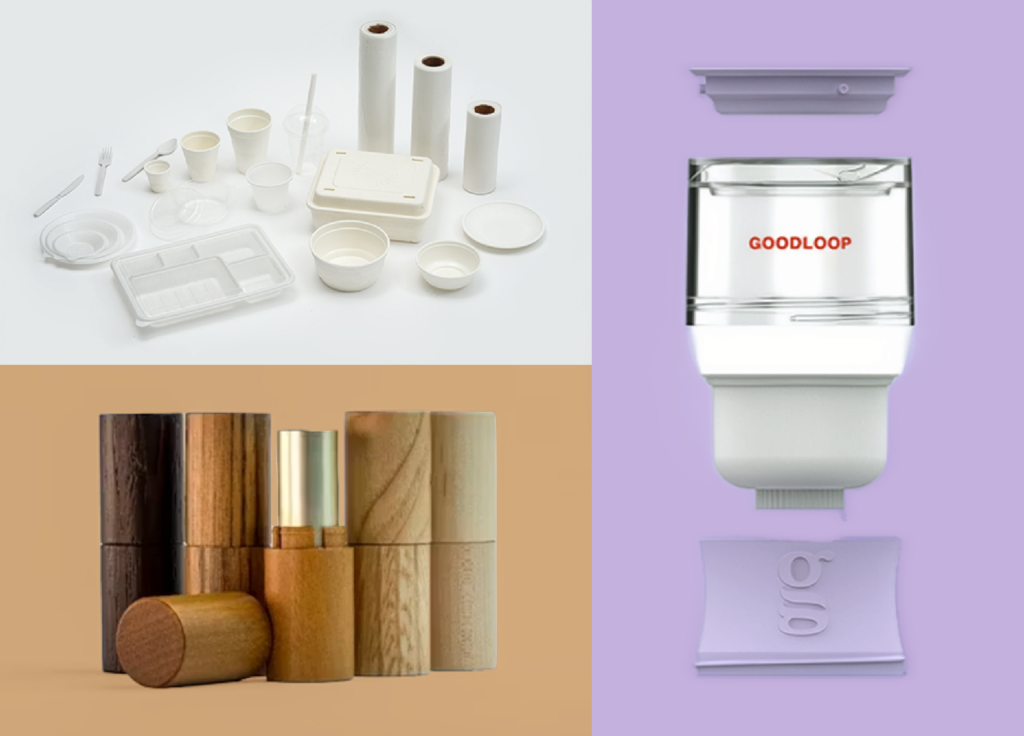
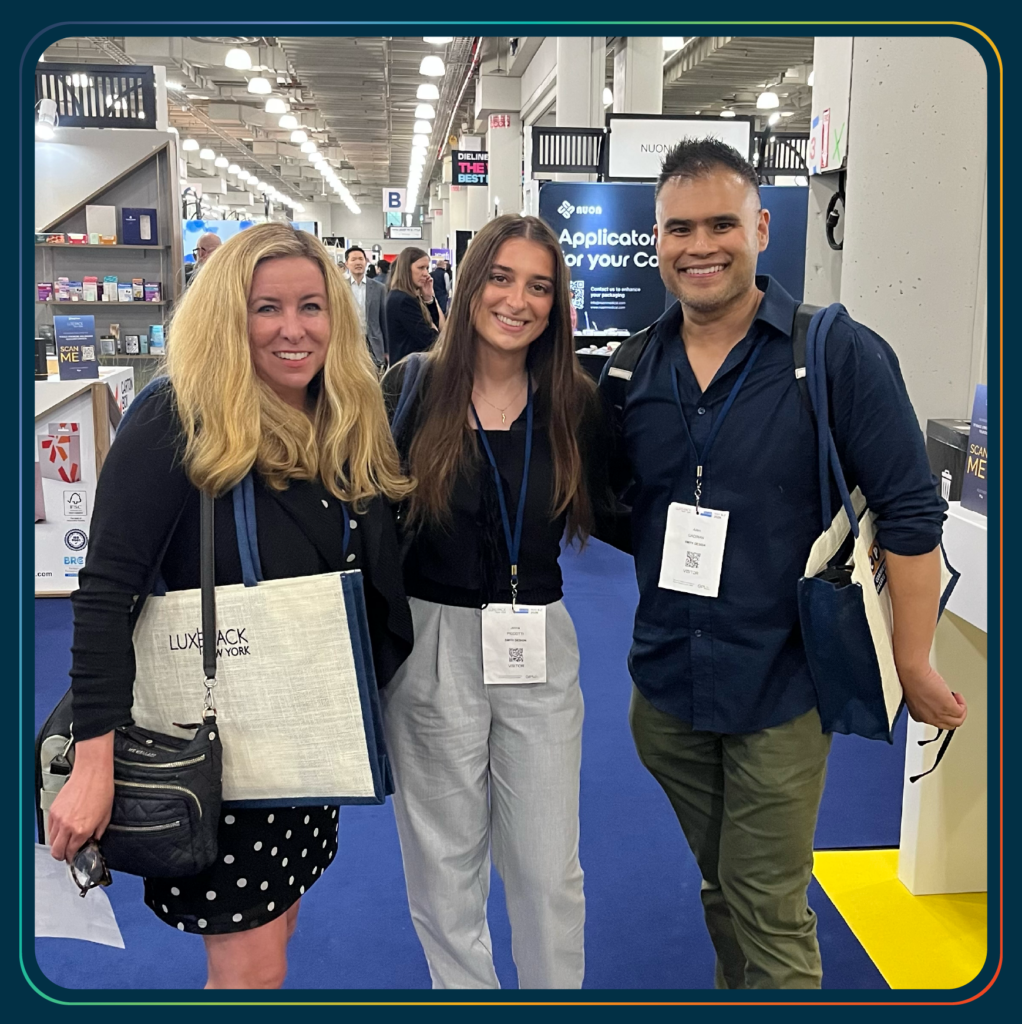
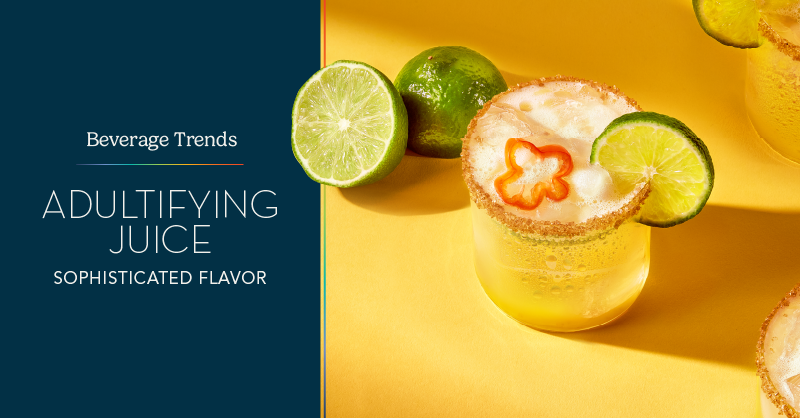
Adultifying Juice

The trend of “adultifying” juice—transforming traditional juice beverages into sophisticated, health-focused, or functional drinks tailored for adult consumers—has been gaining momentum.

This momentum is reflected in recent product innovations across beverage companies, from Coca-Cola to Califia Farms, and is spurred by the younger generations, particularly Gen Z, who are reshaping beverage consumption in the following key ways:

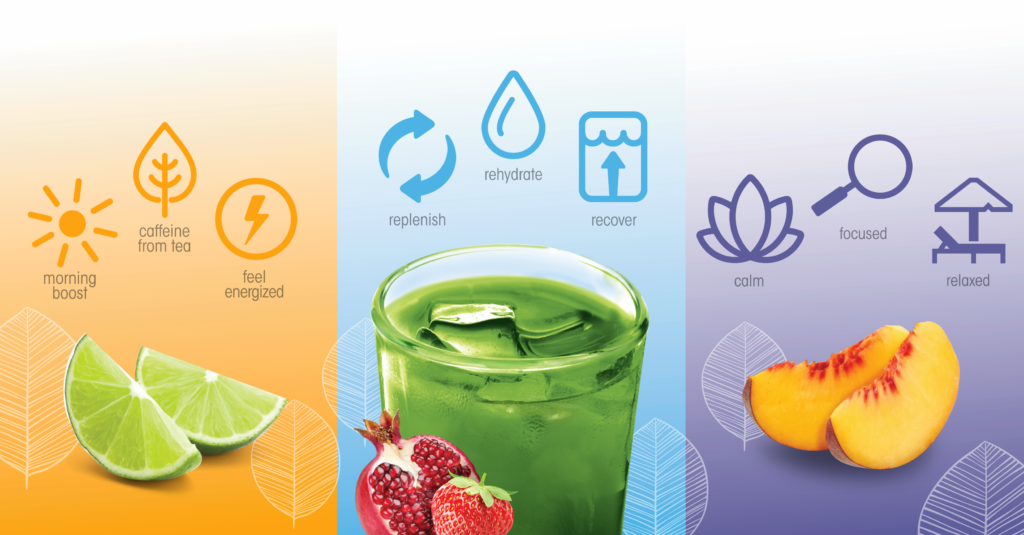
  • Prioritizing health and wellness by choosing functional beverages with added benefits like gut health support (prebiotics, probiotics), immune-boosting ingredients, and adaptogens.
  • Favoring clean-label drinks with natural ingredients over traditional sodas or artificially flavored options.
  • Reaching for bold, exotic, and unexpected flavor combinations, such as yuzu, dragon fruit, and hibiscus.
  • Appreciating cultural and global influences, like matcha, turmeric, and botanicals.

These headwinds have been affecting the broader beverage industry and the orange juice subset, compounded by increased competition from alternative drinks and a general decline in traditional breakfast habits.

In response, Florida’s Natural, the citrus-focused and farmer-owned co-operative, is exploring a new product line that aligns with these evolving consumer tastes and trends.

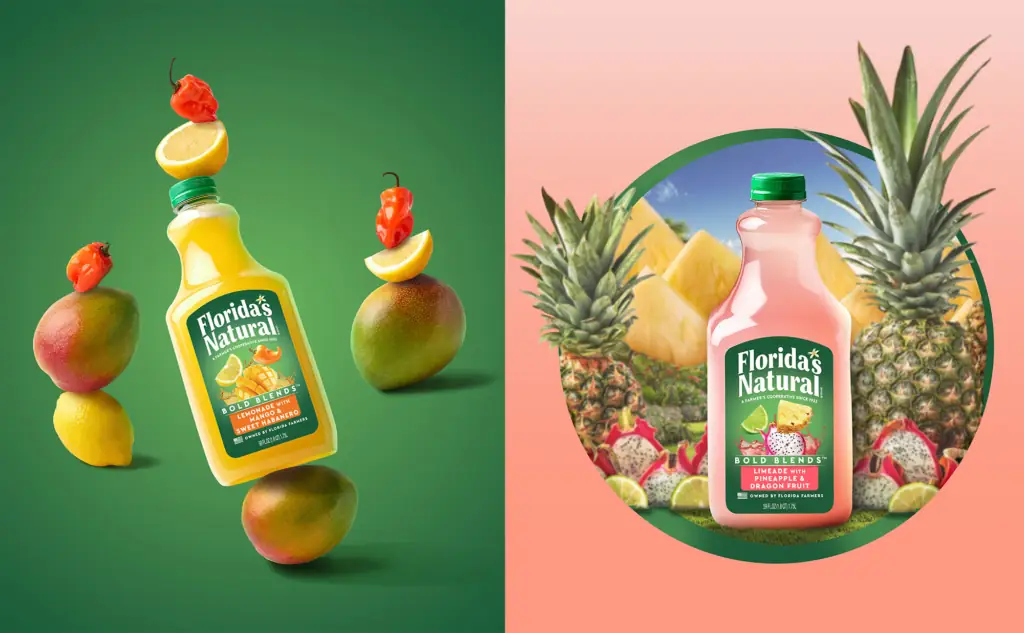
Meet Bold Blends, a unique mix of vibrant and exotic flavors, like pineapple with dragon fruit and mango with habanero pepper.

Smith Design was engaged to rejuvenate Florida’s Natural’s brand appeal and address the shifting market dynamics to ensure long-term sustainability via this new product line. To do this, Smith created a design that departed from their core line with a rich, green label and vibrant and dynamic fruit imagery.  

The label design cues excitement and refreshment, hooking the consumer with a medley of unexpected flavors.

Flavors that could easily be used in a cocktail or mocktail, making Bold Blends especially appealing to the “make it your way” younger generation.

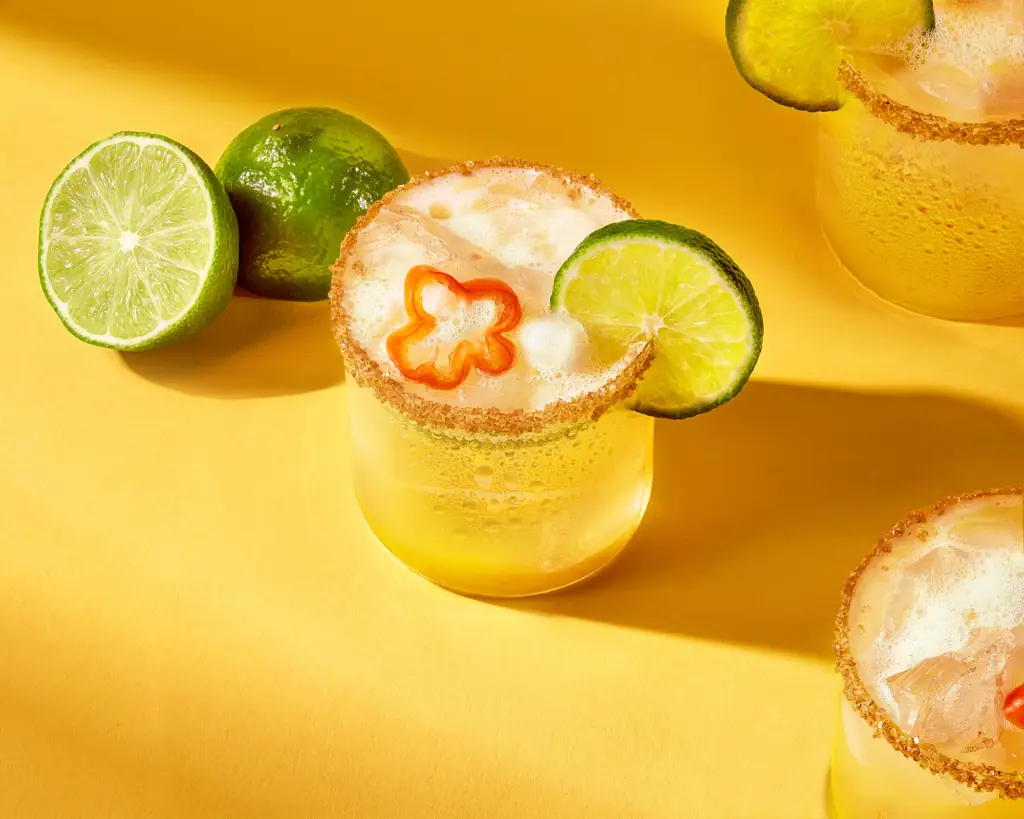
With Cinco de Mayo approaching, we offer this Spicy Mango Habanero Margarita recipe featuring Florida’s Natural Bold Blends. Raise a glass to reimagined flavor!

BOLD and Spicy Mango Habanero Margarita

Ingredients (Serves 1)

  • 2 oz tequila (silver or reposado)
  • 1 oz fresh lime juice
  • 1 oz Bold Blends Lemonade with Mango and Habanero
  • ½ oz triple sec (or Cointreau)
  • Tajín or chili powder + salt (for the rim)
  • Ice
  • Lime wedge or mango slice (for garnish)

Instructions

  1. Prepare the Rim: Run a lime wedge around the rim of your glass and dip it in a mix of Tajín and salt.
  2. Mix It Up: Add tequila, Bold Blends, triple sec, and ice. Shake well for about 15-20 seconds.
  3. Strain & Serve: Strain into your prepared glass filled with fresh ice.
  4. Garnish & Enjoy: Top with a lime wedge or a mango slice for extra flair.