Giving back is an important part of our culture at Smith Design. We believe that design is at its best when it’s a force for good, and we make a conscious effort to translate these values into actions that benefit our team, our clients and our community. As we look back on the past year, we are proud to have donated time, funds and resources to a variety of organizations near and dear to our hearts. From our Thanksgiving Coat and Clothing Drive, to our Holiday Toy Drive to a food pantry donation of over 200lbs of goods, we are thrilled to have been able to make a small but meaningful impact on our community.
Each year at the holidays, Smith Design makes a contribution on behalf of our colleagues, friends and community to organizations that are working hard to make the world a better place. This year, we were proud to support Save the Children, DreamYard Project, Earth Justice and the Innocence Project.
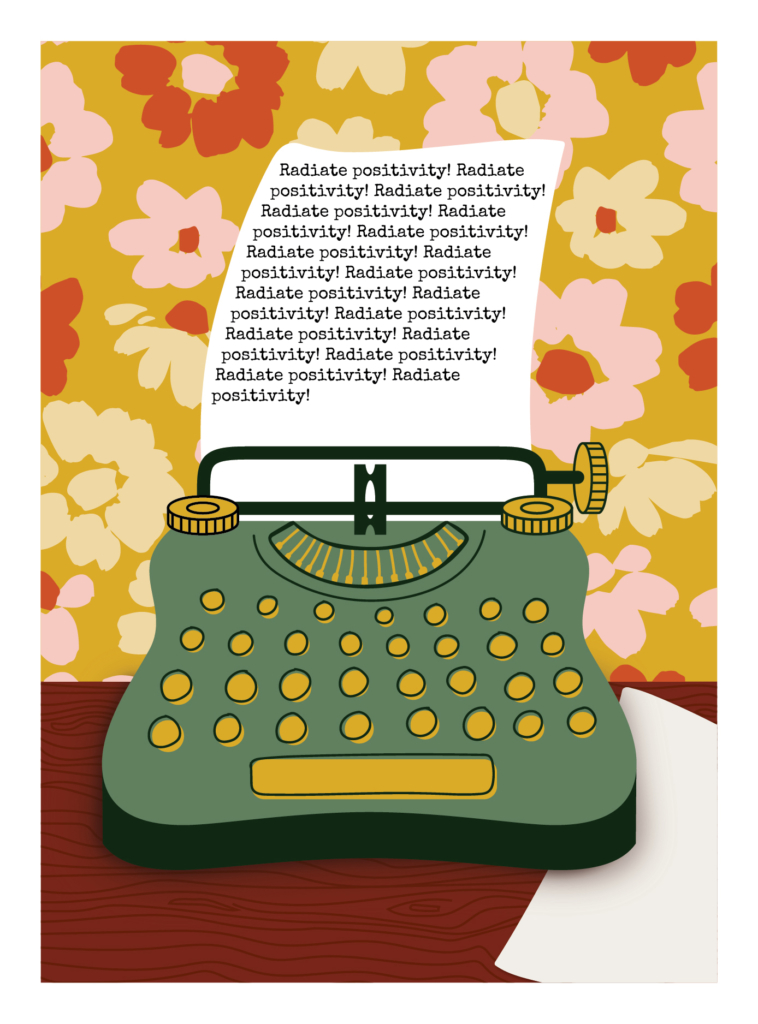
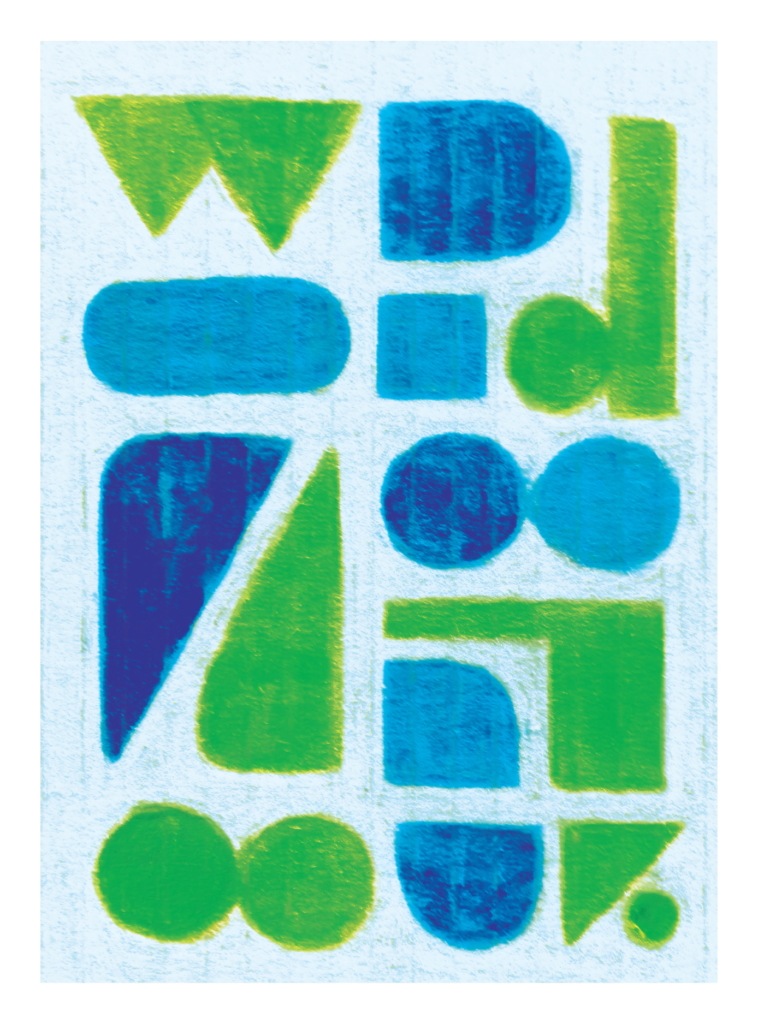
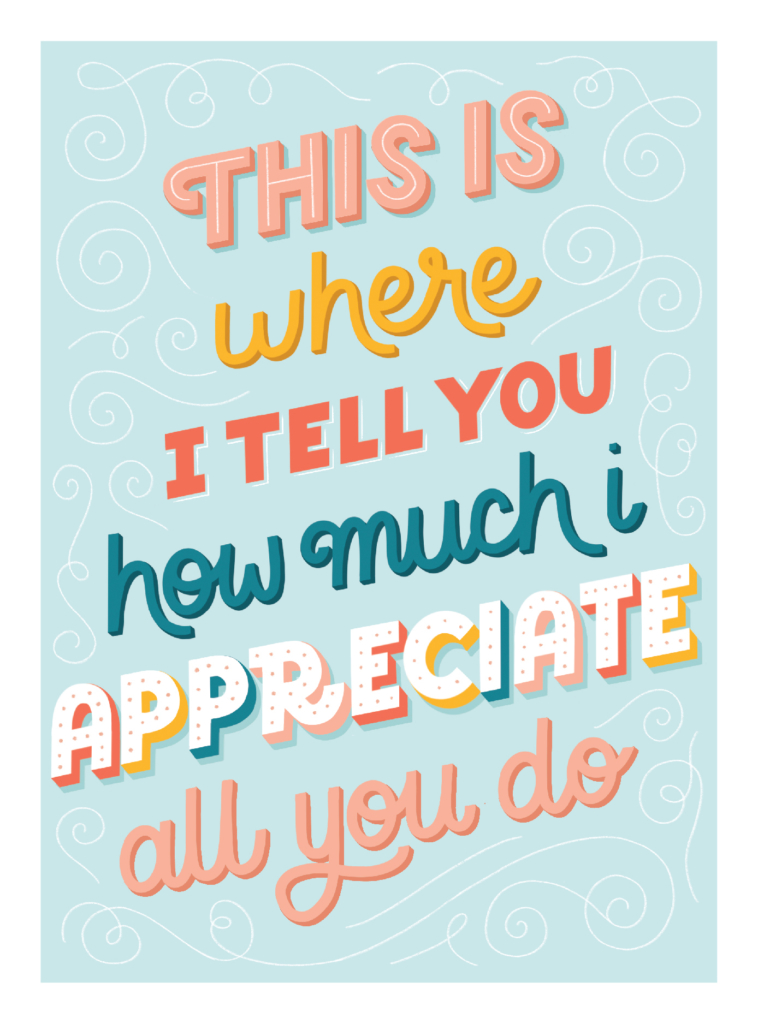
In the spirit of gratitude, our creative team also created a series of graphics to promote positivity and express what gratitude and generosity looks like to them. Take a look at the designs below and here’s a bright year ahead!
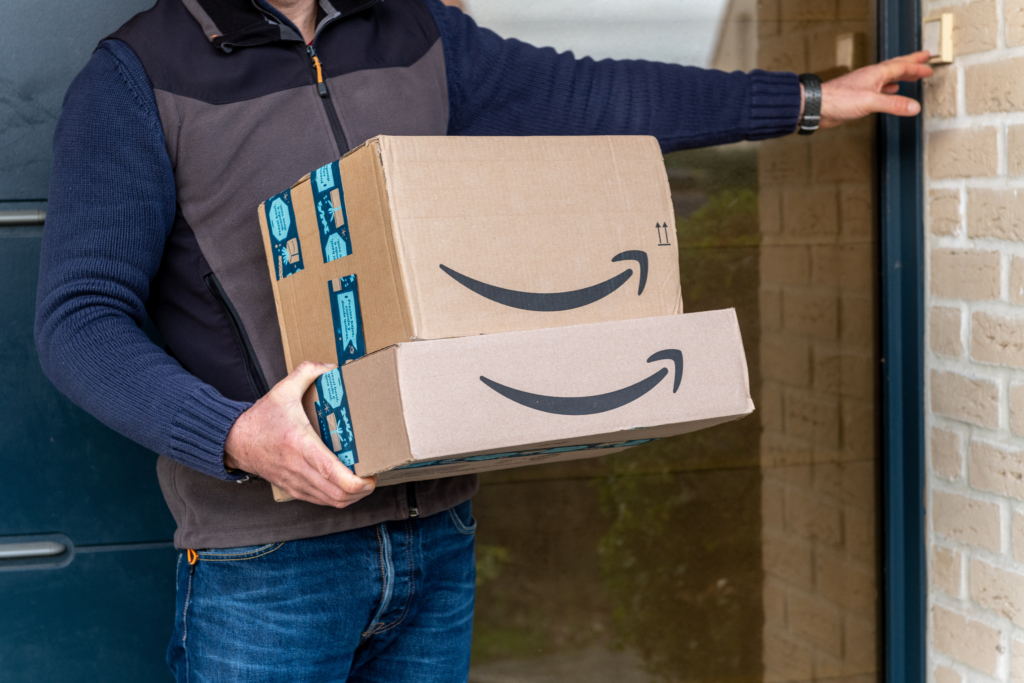
The holiday season is upon us and major retailers are betting big on omnichannel retail. As giants like Wal Mart, Target and Amazon gear up to handle forthcoming surge in online shopping, brands should also be taking stock of their online experience. Investing in your brand’s digital content and e-comm experience may seem like only a small piece of the marketing equation, but it can be a critical one.
In particular, video content has been proven to boost sales and improve conversion. When it comes to giving shoppers a close to IRL experience, video can’t be beat. From detailed product information to FAQs and tutorials to recipes and inspiration, video content builds shopper engagement and drives trial.
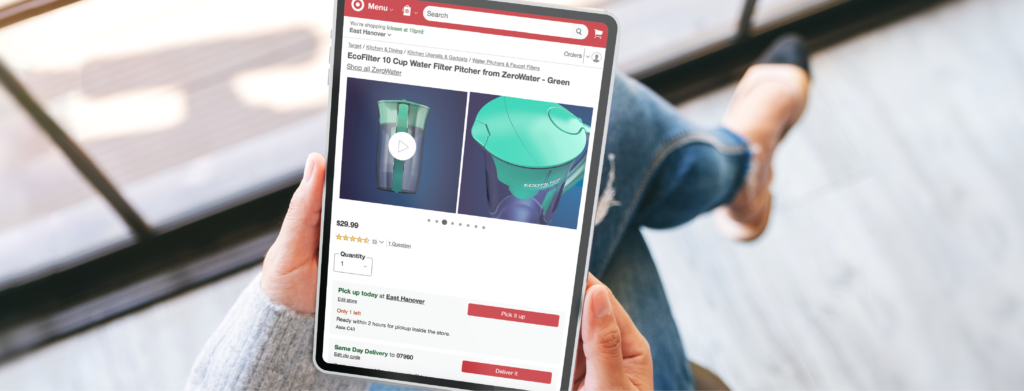
building out ZeroWater’s online experience with custom product wireframes and how-to videos
Why might this be? First of all, audiences already love watching videos. According to a report from Hyperfine Media, 1/3 of online activity is spent watching videos*. From YouTube to TikTok to Reels, we are primed to engage with the format. Secondly, videos provide a convenient and engaging platform to quickly share product information, answer common questions and close any gaps between consideration and purchase. Per a survey conducted by Builder Fly, 77% of consumers say they’ve been convinced to buy a product or service by watching a video and 69% say they prefer to watch a video to learn about a product or service.
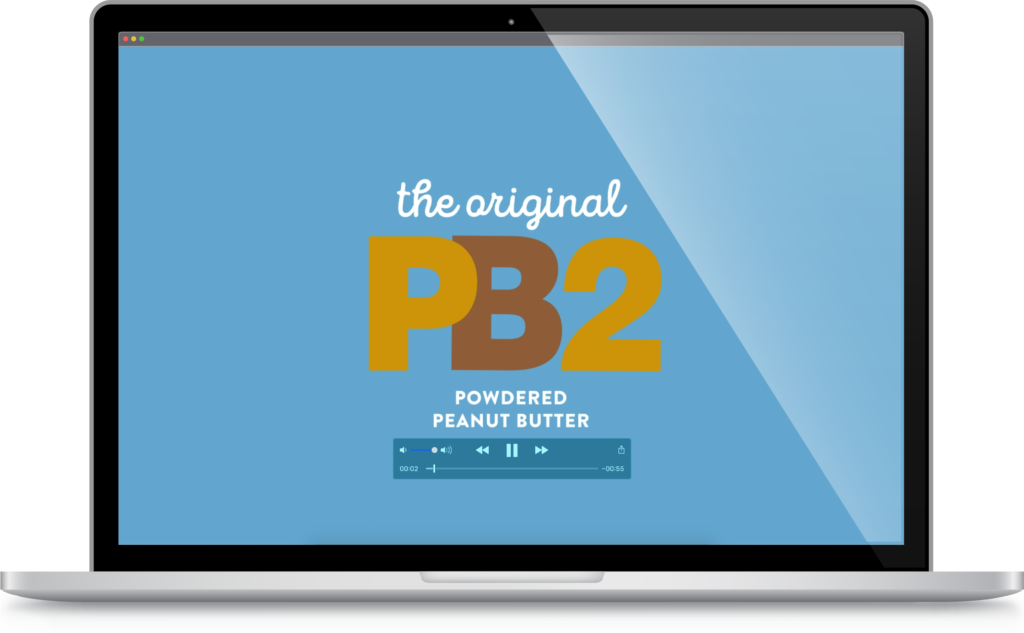
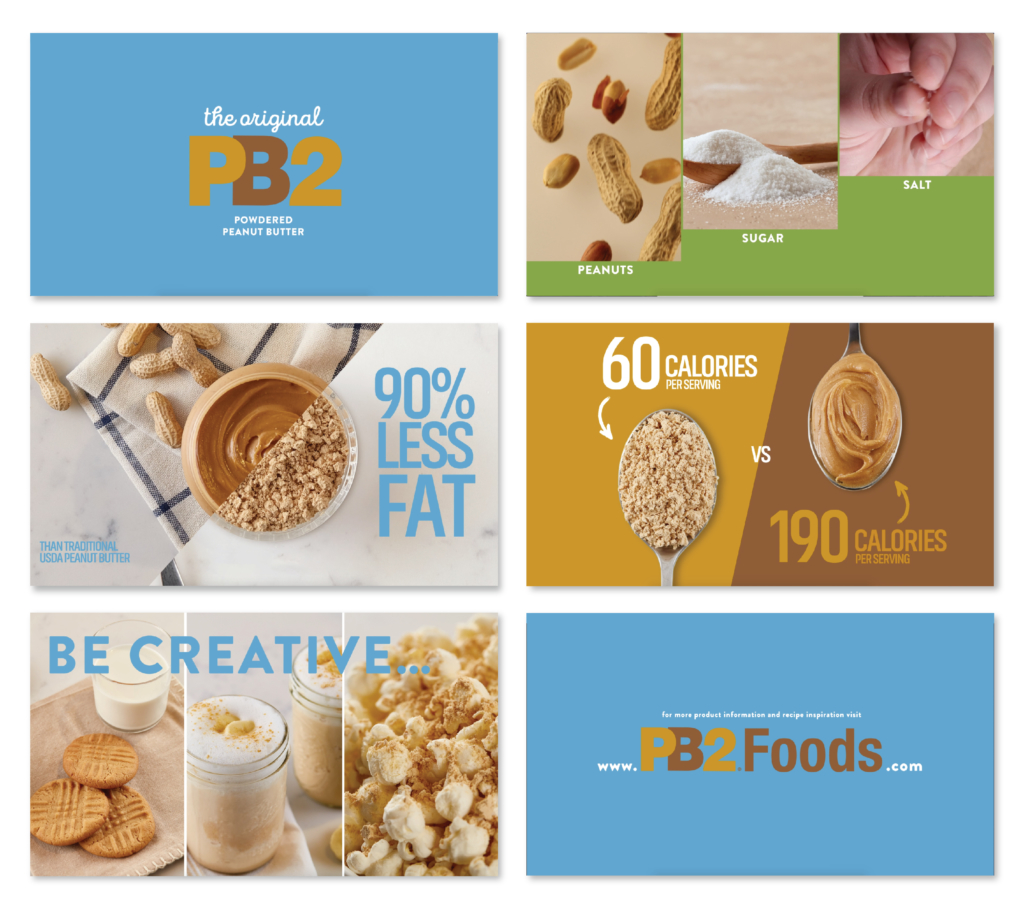
A custom e-comm video created for PB2
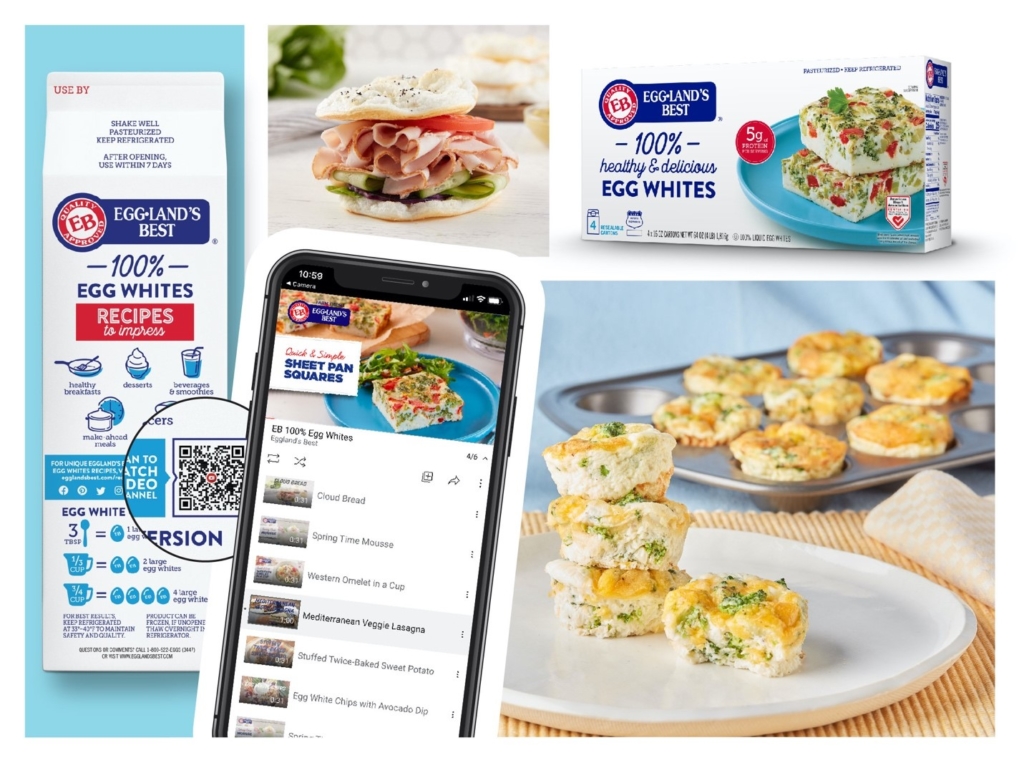
When PB2 was looking to boost their Amazon presence, we created a custom sizzle video to educate and entertain, highlighting product attributes, nutritional benefits and recipe ideas. For Eggland’s Best, our redesigned pack included a QR code linked to the brand’s YouTube channel, which features recipes developed, styled and shot by our in-house team.
The Takeaway: People love watching videos and are primed to engage with the format. As omnichannel and e-comm sales become increasingly critical for brand health, video content is an easy and effective way to build trust, attract shoppers and drive sales.
Interested in learning more about our video and e-comm capabilities? Get in touch!
How Social Media Can Actually Improve Your Mental Health
Gabrielle Ferrara, MSW, LSW
So, if you’re reading this article, I’m going to assume you are on the Internet. You came across this piece of writing with an interesting title, and you want to click on it and read it, but your to-do list is barking in your ears. You think about how much time you’ve been spending on social media and the Internet recently, and you wonder if it’s impacting your sanity. And if your experience has been anything like mine, for the past 10-15 years you have been inundated with warning messages about how the growth of the Internet is one of the worst things that has ever happened to both our individual and collective mental health.
Somewhere between the Slender Man commotion and the chaos of the Tide Pod Challenge, the Internet started getting a bad rap and was seen as a very toxic place to be, especially for young people. Parents, teachers, therapists, and other influential adults galore were bombarded with messaging that kids and teens should not be on the Internet, as there was no telling what they might find on there.
Now, here’s the thing: I don’t think the Internet is a fabulous place full of rainbows and butterflies. There is some dark and dangerous stuff out there. But as a mental health professional myself, I feel the need to jump to the Internet’s defense for a minute here, and explore some of the wonderful things that the Internet and social media have done for our mental health.
Here’s a little therapy tidbit for you (ahem – free therapy right here, folks!). It’s called a “dialectical statement.” In other words, two seemingly conflicting facts can be true at the same time, and these statements are separated by the word “and” instead of “but.”
So: The Internet can be a dark, twisty place that should be used mindfully, and it can be an incredibly uniting, validating, and healing place for those struggling with their mental health.
Let’s talk about it.
I’ve tried to condense the mental health benefits of the Internet/social media into three succinct points that I believe are worth discussing:
1) You can find free psychoeducation from licensed therapists/mental health professionals.
It’s no secret that many mental health professionals have joined the social media world lately, sharing their experiences and expertise about the topics they know best.
A few things I want to mention at this juncture before moving forward:
Social media is never, ever a replacement for therapy. Following a therapist on Instagram or TikTok does not constitute a therapeutic relationship. Therapists should never be providing you therapeutic services via social media sites/DMs (nor should you expect them to). Many therapists will have some sort of disclaimer on their page that says something to this effect. It is our ethical duty to keep these social media pages safe, and to simply provide education, awareness, and advocacy information. Consequently, we (therapists like myself) cannot respond to DMs, provide specific advice/feedback, or have personal conversations with you on social media. I am a therapist, but I am not your therapist.
Phew! Okay, now that I got that out of the way…
Mental health professionals having a growing presence on social media is, in my opinion, one of the best things that has happened in recent years for overall mental health awareness/advocacy. Now more than ever, people can find truthful, validated, and simplified information about mental health, mental illnesses, available treatment, and more! These posts can be a powerful tool to start important conversations around mental health and stigma reduction.
2) You can find resources, support groups, and warmlines/hotlines to help you manage your mental health.
For many people in this country, receiving formal mental health support/therapy is not possible due to limitations in accessibility, whether it be financial, geographical, or just logistical. There is a huge demand for therapists right now and finding one that has available appointments is no easy task.
Thankfully, there are viable, accessible alternatives that can provide individuals with support and resources. Online support groups are available for nearly every mental health condition and demographic you can imagine, and many of them are completely free of charge. There are also various hotlines and “warmlines” with volunteers that are available to provide free, 24/7 support to those experiencing a mental health concern. The benefits of these types of online resources are unquantifiable, especially during the COVID-19 pandemic, as people can access mental health support from the safety and comfort of their own homes.
A few resources that are worth noting (this is by no means an exhaustive list; like I said, there is a support group or online community for nearly every mental health struggle that exists!)
Crisis Text Line: Go to https://www.crisistextline.org/ or text “HOME” to 741-741 to be connected with a Crisis Counselor. This resource is available 24/7.
Suicide Prevention Lifeline: Go to https://suicidepreventionlifeline.org/ to chat with a crisis volunteer or call 1-800-273-8255. This resource is available 24/7.
I’m going to get a little personal here so I can adequately represent this last point. In addition to being a therapist myself, I am also proudly a human being that also sees a therapist! That’s right, therapists go to therapy too. And therapists struggle with their mental health. I was diagnosed with OCD nearly ten years ago. In the beginning of my journey with OCD, I felt incredibly alone. I felt like I was the only one who experienced the thoughts, the confusion, and the emotional pain associated with the disorder. I felt lost.
Cue social media! A few years ago, I discovered the OCD community on social media. I found hundreds of accounts created by people just like me – human beings with a brain that tries to bully them sometimes. I immediately felt at home; I knew that I had found my people. And most importantly, I realized that I wasn’t alone. I would never wish OCD on anybody, but it is always such a relief to be able to log onto social media on a particularly difficult day and be surrounded by other people who understand exactly how I’m feeling.
So, there you have it! Straight from the mouth of a licensed therapist – social media can actually be good for you sometimes.
The Internet is not always a healthy, supportive, or validating place, and for that reason, I advise you to always use it with caution. Take social media breaks when needed, unfollow accounts that are not helpful, and remain vigilant about interacting with strangers online. That said – wonderful things can happen online as well. Look at it this way: we all have the Internet, and we all have mental health. We might as well make something beautiful out of that, right?
Smith Design Awarded General Services Administration (GSA) Schedule Contract
We are pleased to announce that Smith Design is now a Professional Services Schedule Contract holder, awarded by the General Services Administration. The GSA acts as the procurement arm of the federal government, offering government agencies at the local, state and national level the opportunity to engage with approved suppliers on various products and services.
This marks the latest development in the continued expansion of our in-house capabilities, service offerings and industry experience. Smith Design has been fortunate to work on a diverse and rewarding range of projects in the private and non-profit sectors. Now, we are thrilled to offer our brand identity, graphic design, brand strategy, digital, social, and web-based marketing services to the public sector.
As a certified woman-owned small business (WBENC) and an Ecovadis-rated supplier with a score in the 90th percentile, we are proud to be a partner that can also help government organizations reach their goals of engaging more diverse and sustainable suppliers. We look forward to our forthcoming collaborations and to engaging with a new network of partners and providers.
Further information on our agency and services can be found via the GSA platform (contract number 47QRAA21D0073). We operate under the Special Item Numbers (SINs) 541 430 – Graphic Design Services, 541 511 – Web Based Marketing, and 541 922 – Commercial Photography Services. All contract solicitations posted on the GSA eBuy platform and at the Federal Business Opportunities site for federal agencies, as well as the NYSCR and like platforms for State and Local agencies, can be viewed and pursued by Smith Design. Or, contact us directly at sean@smithdesign.com
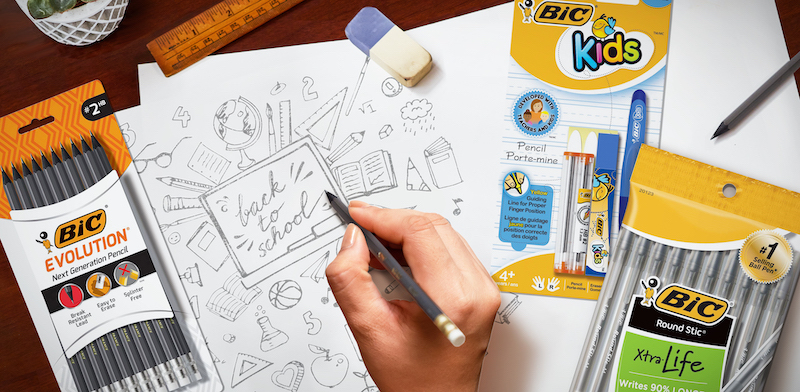
Most kids are heading back to school this week, which got us thinking about an “old school” subject: handwriting. While some have said that handwriting will become obsolete or a far second to typing, there are plenty of reasons to teach handwriting, and to instill the value of writing by hand as a practice that goes far beyond the simple transfer of information. Read on and you may just find one more reason to stash the Notes app and pick up a pen.
As a maker of some of the most iconic stationery and writing implements out there, we weren’t surprised to find that BiC has a wealth of information on the benefits of writing by hand. BiC wants to bring awareness of how important writing is for brain growth. According to BiC, Handwriting 15 Minutes a day can help cognitive development, motor skills, writing skills, and comprehension by engaging these 14 abilities:
Physical
Visual Focusing
Organized Physical Movements
Spatial Perception
Hand-Eye Coordination
Motor Planning
Tactile Input
Crossing Midline
Cognitive
Mental Attention
Receptive Language
Inner Expressive Language
Memory Recall
Concentration with Awareness
Organization
Integration
BiC breaks down the fundamentals of handwriting for us through grades. From Kindergarten through 2nd grade, writing can increase brain activity while also leading to better letter perception than typing or viewing text would. From 3rd grade through middle school, continuing to master handwriting fluency helps kids keep up with their brain development. This leads to better academic performance. From high school through college, writing notes is shown to help improve test performance. In adulthood and beyond, writing helps boost memory, even for those whose school days are far behind them.
Could this be the reason so many teachers have told us to ditch the computer and take notes by hand? As a matter of fact, yes. Writing by hand improves a person’s ability to retain new information.
“A 2017 study in the journal Frontiers in Psychology found that brain regions associated with learning are more active when people completed a task by hand, as opposed to on a keyboard. The authors of that study say writing by hand may promote “deep encoding” of new information in ways that keyboard writing does not.”
This is because, unlike typing, handwriting is a slower process of connecting strokes on paper. You have to really think while writing, which allows you to better grasp the information.
“When we write a letter of the alphabet, we form it component stroke by component stroke, and that process of production involves pathways in the brain that go near or through parts that manage emotion.”
Virginia Berninger, professor emerita of education at the University of Washington.
Not only does slowing down to write allow us to absorb more information, it also allows for more elaborate word choices. Because writing gives us time to think through what we are writing, we can think of the most appropriate word for the situation, leading to better self-expression.
Speaking of better self-expression, according to psychologist there are benefits behind personal, emotion-focused writing that help people to recognize and better understand what they are feeling.
Taking 15-30 minutes a day writing about your feelings can benefit your physical and mental health.
For many of us who grew up using computers to write, or have adopted it almost entirely in adulthood, writing by hand can seem slow, old-fashioned and even inefficient. Why pull out a pen and hunt down blank paper when you have a digital notepad in your pocket? But handwriting, like many things from the analog age, can provide a critical counterbalance to our plugged-in lifestyles.
Custom recipes are a great way to build brand engagement and connect with customers beyond the shelf. On-pack or off, recipes boost appetite appeal and spark creativity with shoppers and home cooks alike.
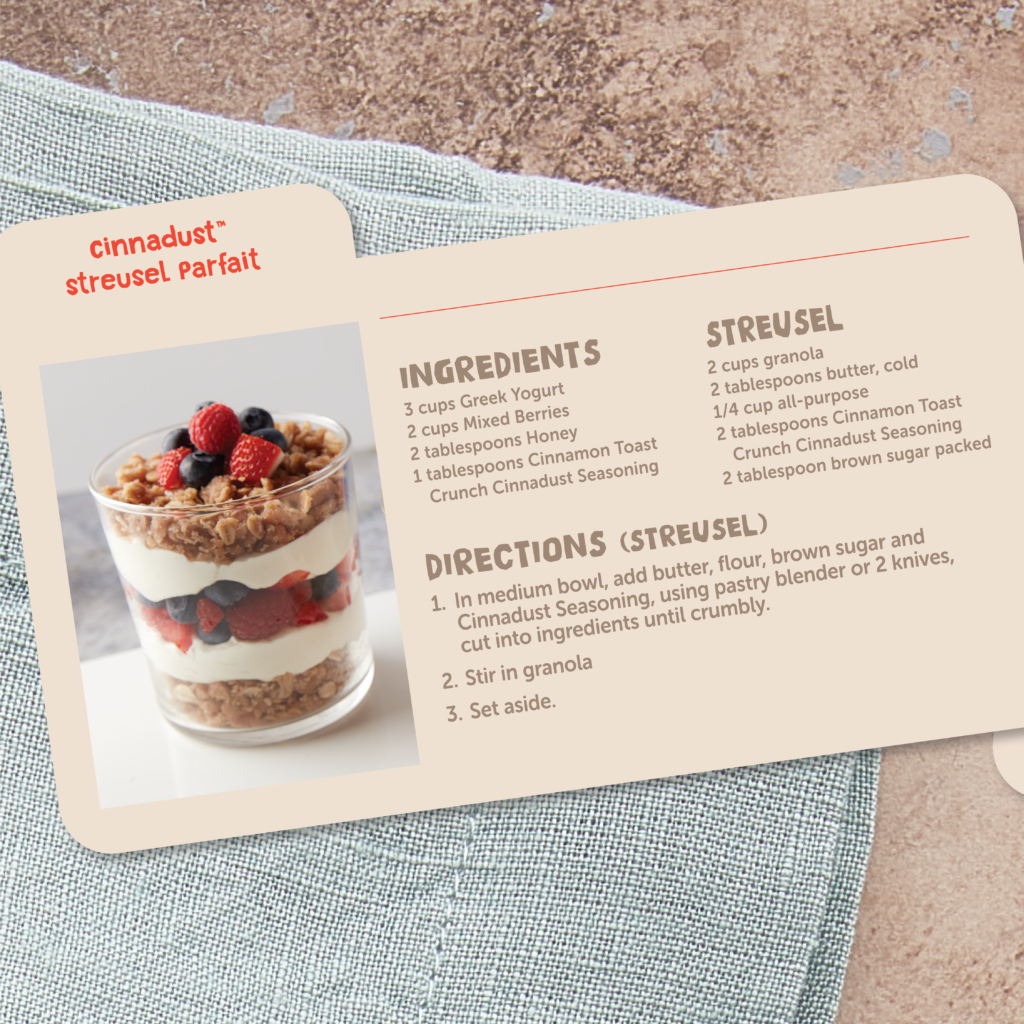
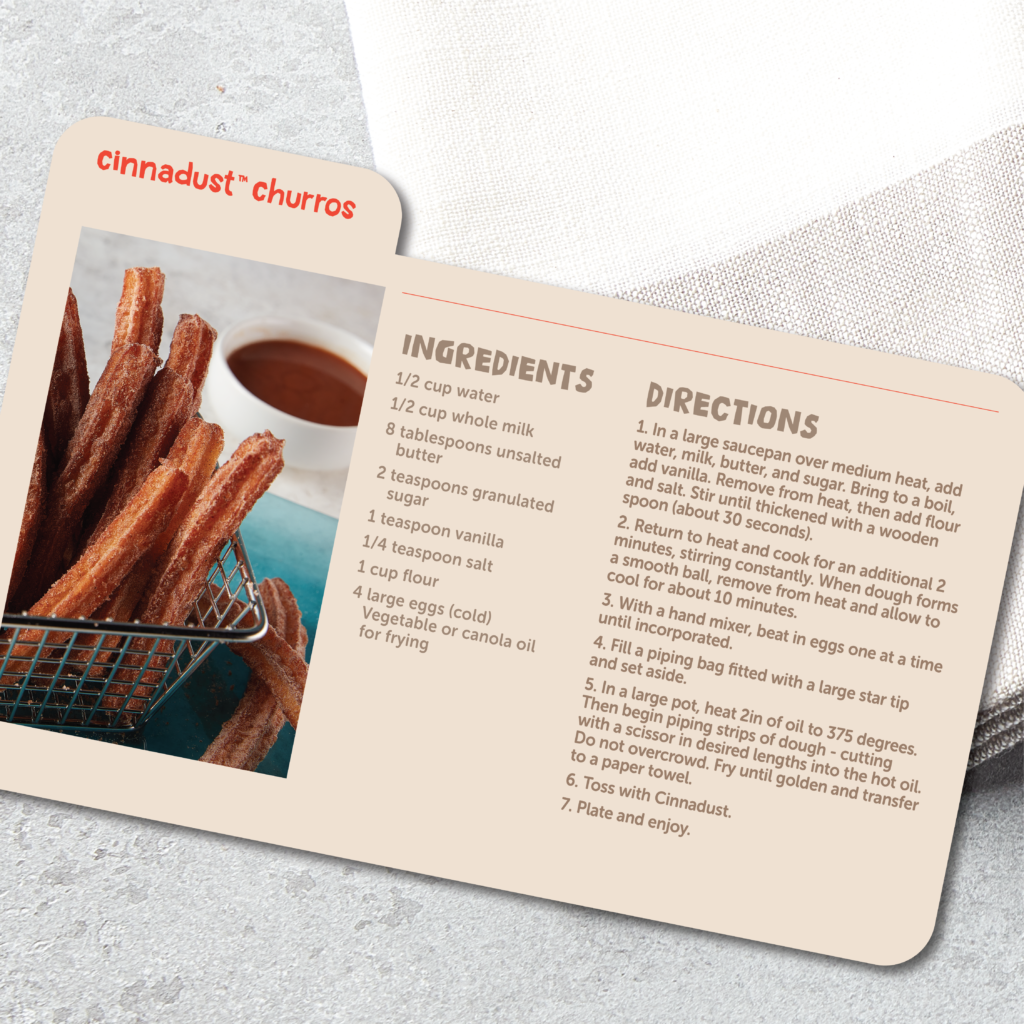
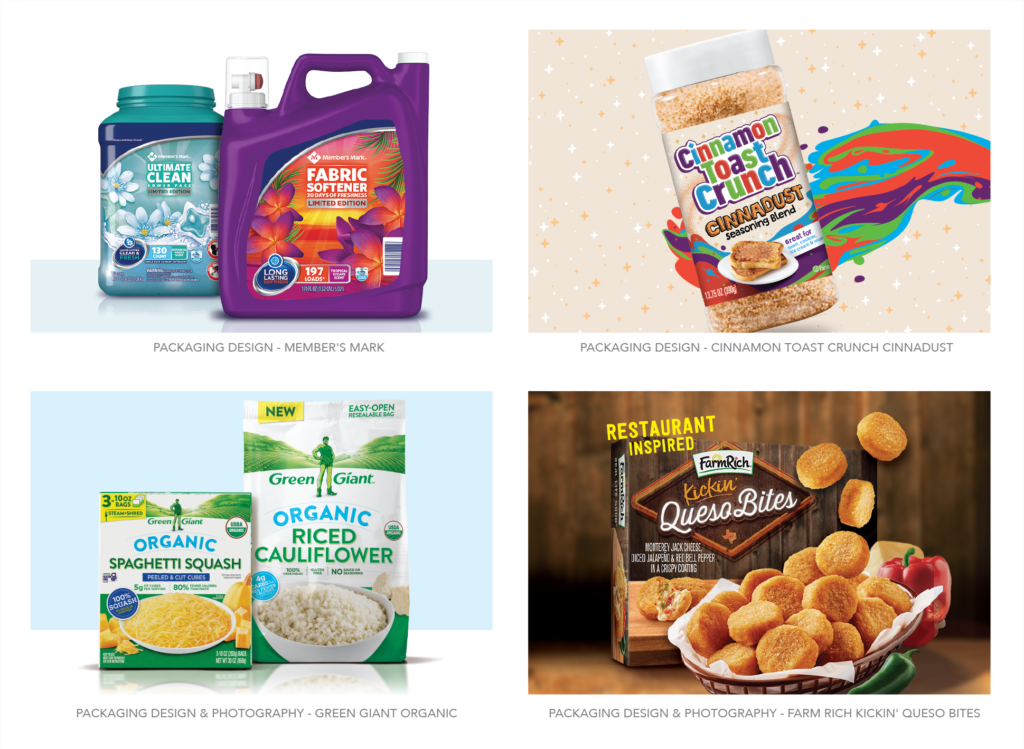
Recipe development can also support brand innovation–particularity when introducing new flavors or formats–by guiding shoppers on how to utilize and enjoy new offerings, making unfamiliar products more enticing and approachable. When B&G launched Cinnadust, a seasoning blend that captures classic taste of Cinnamon Toast Crunch, we set out to deliver a range of recipes that would inspire home cooks to think beyond the cereal aisle.
A healthy amount of research and planning goes into our recipes to ensure that customers are getting a rewarding culinary experience, and that our client’s product is the star of the show. We find fresh ways to approach each recipe, taking inspiration from trending foods, flavors, cooking techniques and even health and wellness content to ensure our recipes are relevant and attractive to a broad audience. We also create themed and seasonal content for limited-edition products, holidays and brand collaborations.
As designers, we know that it’s not enough for our recipes to taste good, they have to look good too. All our recipes are taste-tested, styled and captured in our on-site professional kitchen and photo studio. Whether in-person or remote, having all of our facilities under one roof makes for and efficient, collaborative and cohesive process from start to finish While we work with professional equipment, we make sure that our recipes are home-cook friendly by providing step by step instructions that are approachable and easy to follow.
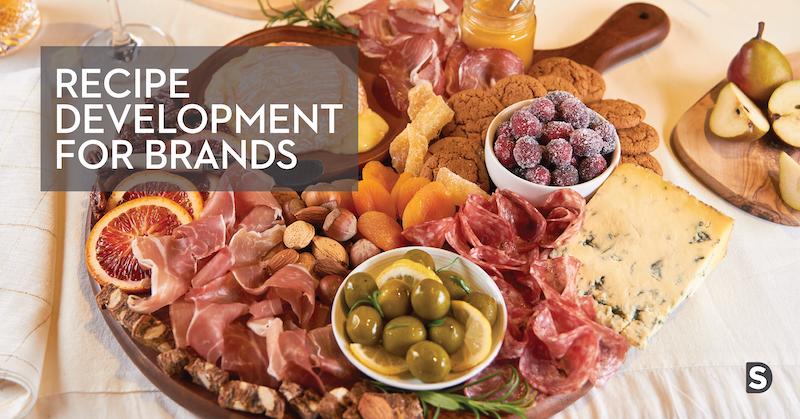
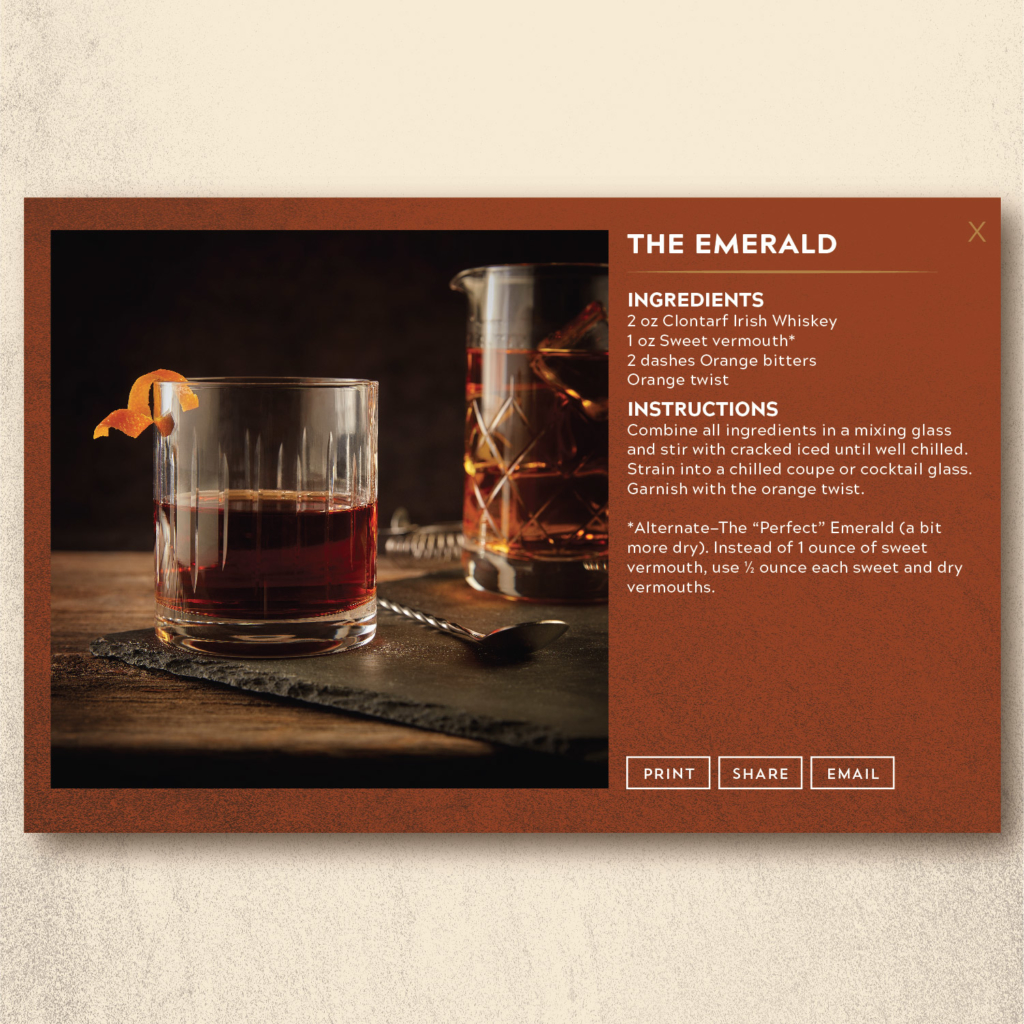
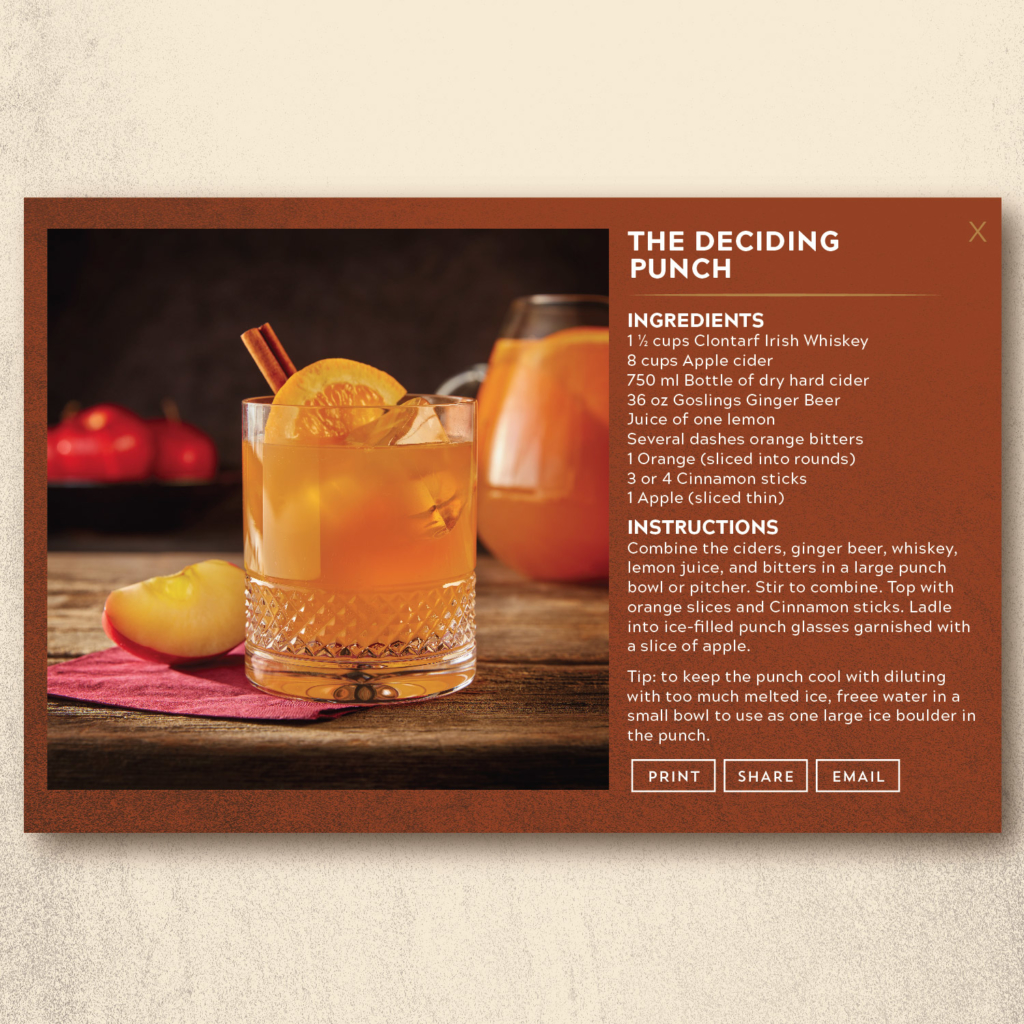
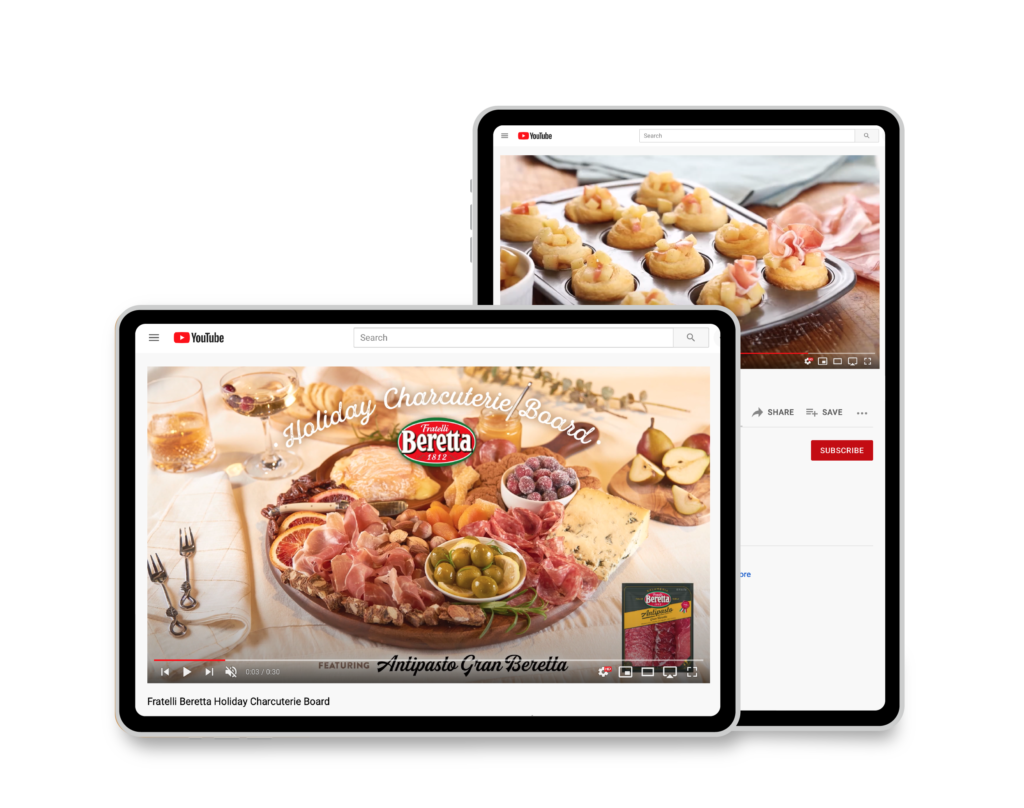
While we work with professional equipment, we make sure that our recipes are home-cook friendly by providing step by step instructions that are approachable and easy to follow. From seasonal charcuterie boards and appetizer platters for Fratelli Beretta, to heart-healthy breakfasts for Eggland’s Best and even signature cocktails for Clontarf and Brady’s, we’ve developed recipes for nearly every skill level and occasion.
Whether sprucing up a back panel, adding value to your ecomm experience, or creating fun and engaging content for social media, custom recipe development is an excellent way to make brands and products shine. Interested in learning more? Get in touch!
Across demographics, a growing majority of consumers are seeking out meat and dairy that is better for the planet, the animals, and their own health. The explosion of plant-based alternatives and rise in flexitarian diets has even carnivorous shoppers thinking twice about where their animal products from. Conventional and mass-channel shoppers are keeping their eyes open for messages such as “Grass-Fed,” “Humanely-Raised,” and “No Hormones Added,” a trend that grew exponentially during the 2020 lockdown. In addition, social and environmental responsibility narratives, where companies share their philosophy and practices with respect to the treatment of employees, animals and the planet are becoming more commonplace in both packaging and brand marketing.
In this new landscape, it’s essential for brands to connect authentically and transparently with their audiences.
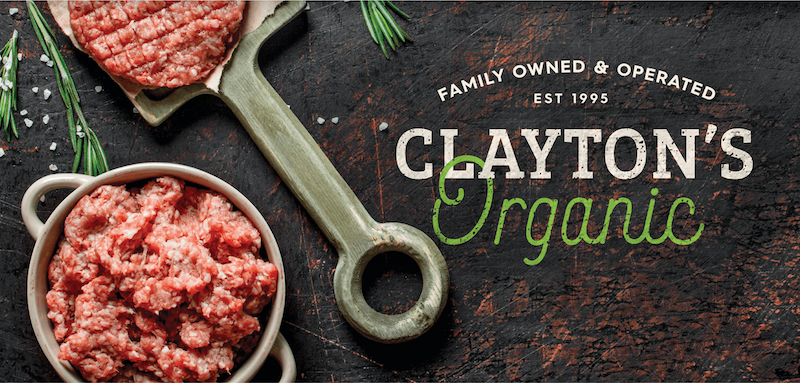
We helped Clayton’s Organic bring their responsible ranching practices and authentic brand narrative to life on-pack and online. Clayton’s Organic is family owned and operated, raising cattle humanely and sustainably in the beautiful open pastures of Australia. Respect for the land, the animals and each other is at the heart of all that they do. Our brand challenge was to convey this point of difference while both elevating and differentiating the brand from other premium meats.
Our design speaks to the heritage of this family-owned brand, complete with custom illustrations of the family that works the ranch to this day. Photography, type and colorways bring online shoppers into the abundant pastureland, while a revitalized on-pack visual language clearly communicates the key claims and core benefits that matter most to shoppers.
Interested in learning more about how we’re designing for today’s evolving industries and savvy shoppers? Get in touch!
Designing CPG brands for the club channel requires a distinct visual strategy that considers not only the brand and product objectives, but also environmental, consumer, and product factors unique to the landscape.
Club stores are large, crowded and competitive shopping environments. Both primary and secondary packaging must work hard to capture attention, tell brand stories and communicate key product attributes. Primary packaging should consider how pack structures will be stacked and displayed to ensure design elements function across multiple packs and are appealing from all sides – including the top.
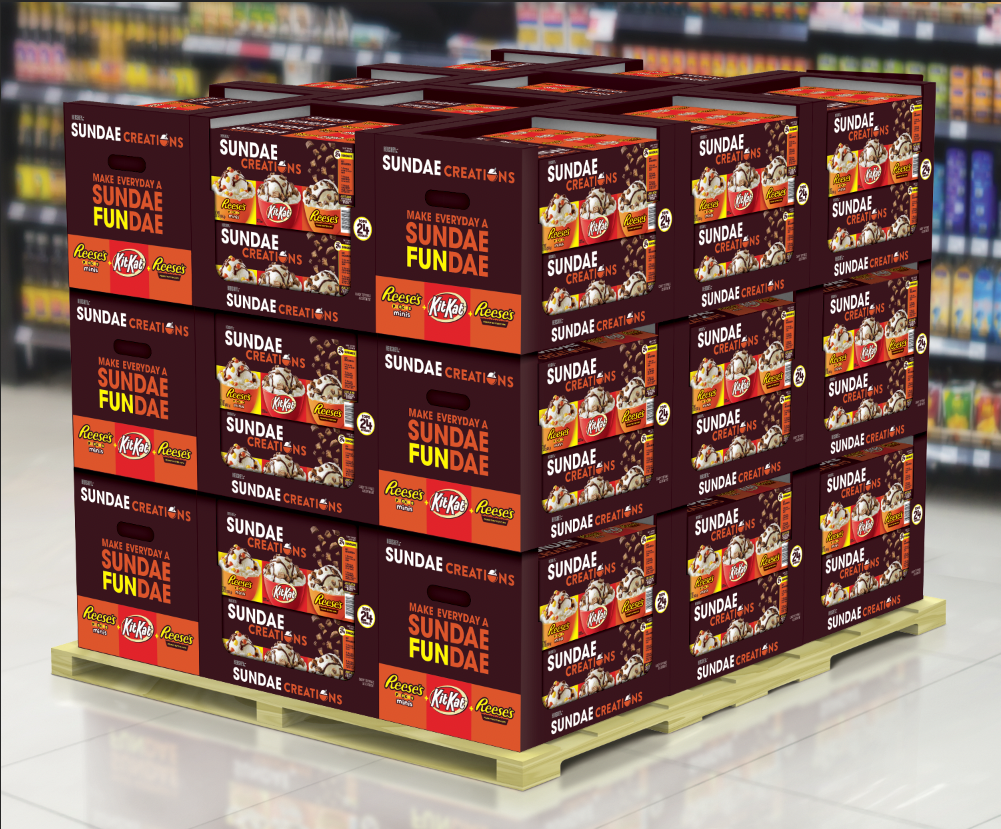
Secondary packaging such as palettes provide an additional opportunity for billboarding, amplifying key messages and creating a branded environment. If leveraged correctly, outer packaging can also allows brands to create a self-contained point-of-sale experience without the need for additional collateral or structures.
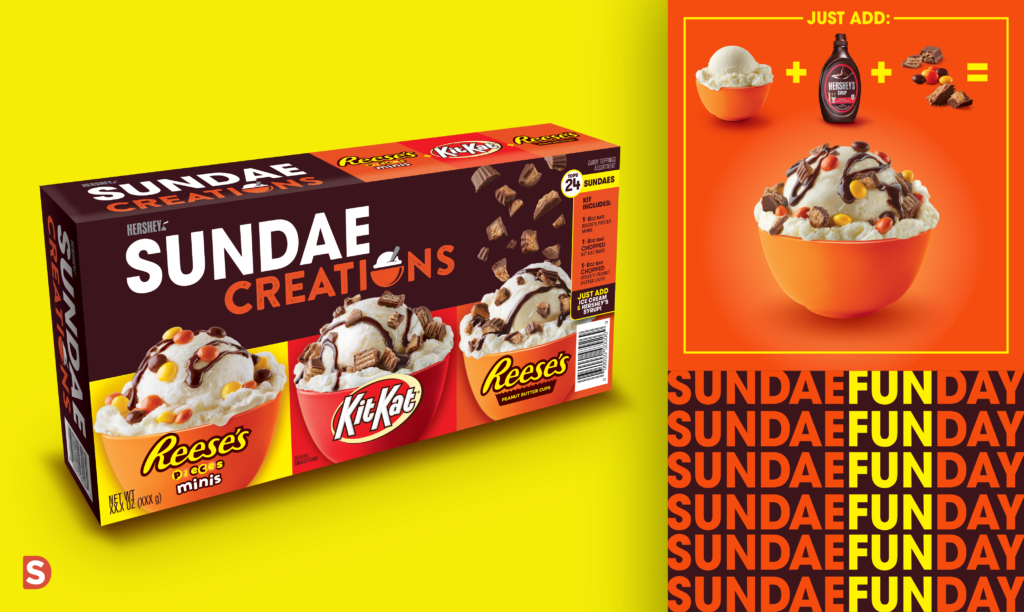
Our design for Sundae Creations, a club-exclusive offering from Hershey leveraged both pack and palette design to create an eye-catching and enticing display. Custom photography drives appetite appeal and conversational copy invites shoppers to explore the new offering.
The Takeaway
Club store environments offer singular challenges and opportunities for brands to engage with shoppers. High turnover and frequent club-exclusive innovations call for design that is fresh, compelling and current. Considering the shopper experience and designing for maximum impact and brand clarity will drive awareness and help brands to stand out in a crowded, competitive space.
Interested in learning more about our design & strategic capabilities? Get in touch!
Conversations around sustainability, environmental impact, and eco-friendliness have become more central to brands and their products. Not only is it ethical for companies to consider their environmental impact, but it is also necessary in order to be trusted by their consumers.
We partner with brands to execute their sustainable efforts on and off pack, from presenting eco-friendly design solutions to communicating efforts through various media.
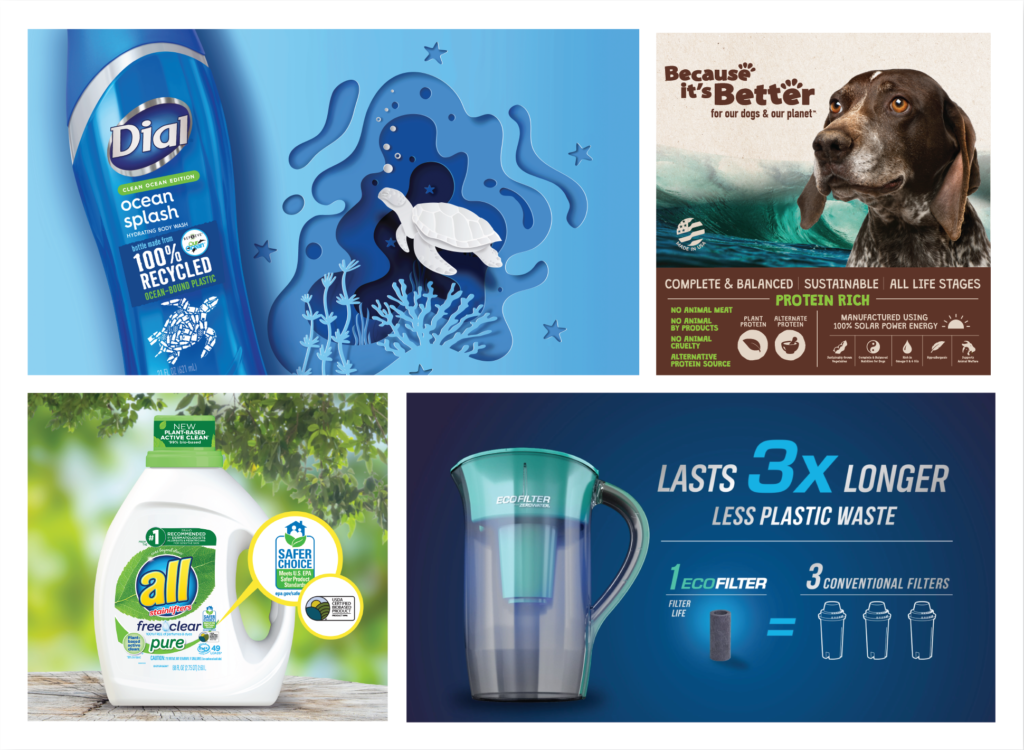
Through our client partnerships, we’ve seen the tactical ways brands bring their sustainability efforts to life through their products and packaging. Because it’s Better aims to provide a healthier, more sustainable protein alternative for dog food through their innovative plant-based products. All Free and Clear pure provides a powerful clean through a 99% bio-based detergent, which is gentle on skin and better for the environment. ZeroWater’s EcoFilter helps consumers use fewer plastic bottles by providing unmatched filtration technology straight from the tap. Plus, unlike competitors, its long-lasting filter utilizes no plastic filter shells, also cutting down on waste.
Education is also a central component in sustainability. We’re partnered with clients to create concise and intelligible communications both on and off pack (via QR codes and digital content) that guide consumers on how to properly recycle packaging.
With increased environmental focus and research bringing more solutions to the forefront of design, we’re excited to continue to help brands innovate for a healthier future. Recyclable packaging, waste-reducing solutions, safer chemicals in cleaning products – every step towards sustainability is progress.
Interested in learning more about our experience working with brands on their sustainable packaging solutions? Contact us below and click here to read about our membership in the Sustainable Packaging Coalition.
We are excited to announce that Smith Design is now a member of the Sustainable Packaging Coalition! We are honored to join the ranks of brands, agencies and manufacturers across the supply chain that are committed to finding and implementing more sustainable packaging solutions.
Sustainability has long been a core value at Smith Design. As brand and packaging designers, we feel a unique responsibility to be accountable for our own footprint and to be actively engaged in and committed to advancing sustainability in the packing industry as a whole. We look forward to continuing our journey towards a greener future, both as an independent business and in partnership with our clients. To learn more about the SPC and its initiatives, click here.
The post-covid retail landscape will become increasingly integrated, with brands leveraging both the widespread adoption of online shopping as well as a renewed interest in experiential brick & mortar offerings. With more consumers resuming a hybrid online and in-store shopping model, consistency is essential, as is understanding the nuances unique to each platform.
Design is a key tool in bridging the digital, in-store and at-home experiences that are crucial to brand experience. When approaching creative development, we look to create a universal, extractable elements that can function across platforms to create an engaging brand world.
Build Trust by Bringing Products to Life
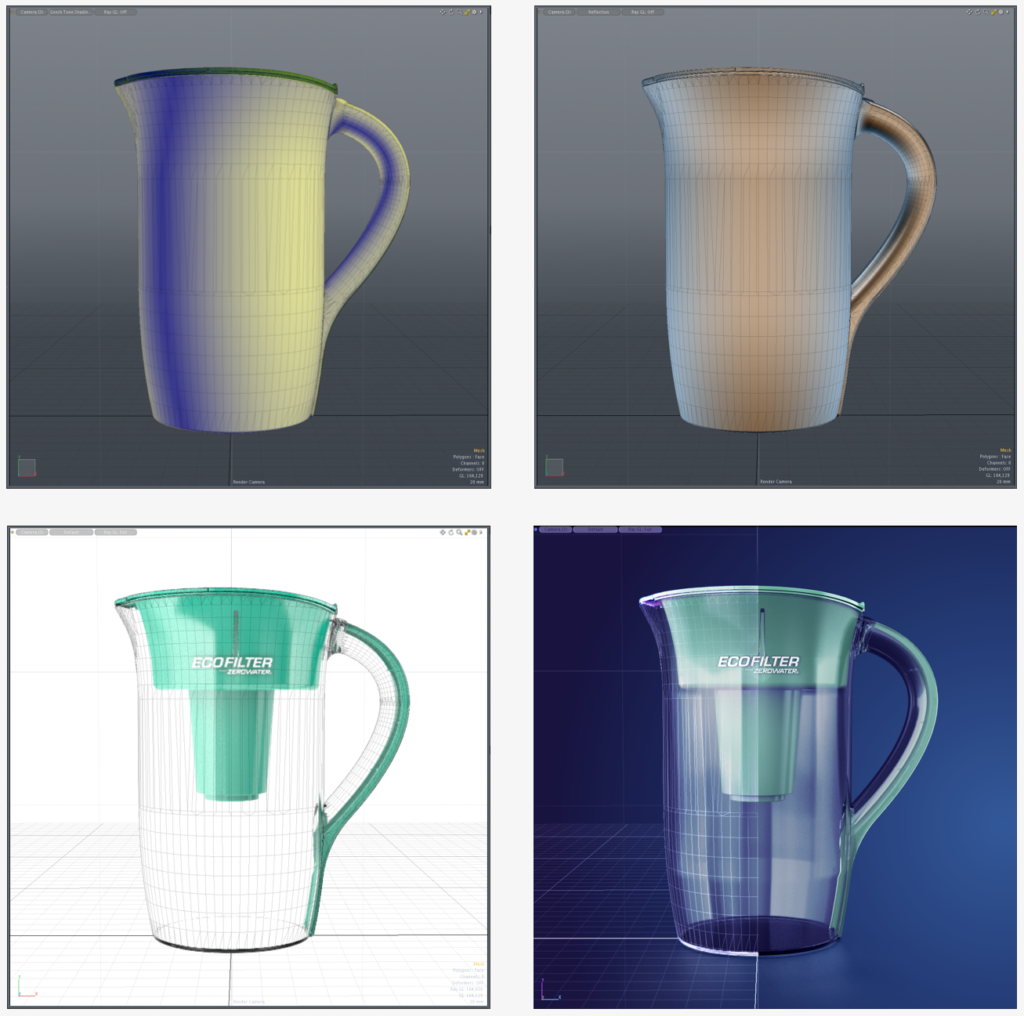
We’ve all been duped by products showing up differently than advertised. Keeping digital assets in line with the reality of the physical products builds brand trust and gives consumers confidence in purchasing new brands and products online. Luckily, innovations in digital media, such as 3D wireframing, can create a bridge between the physical reality of a product and its digital translation to e-commerce.
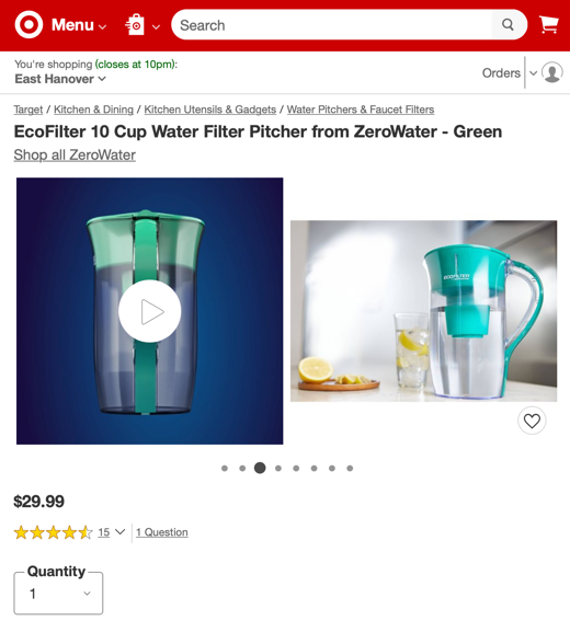
When ZeroWater developed the innovative EcoFilter, they had the opportunity to launch the new product exclusively online before expanding their presence in-store. A combination of photography, video and 3D renderings provided the assets needed for a successful virtual launch. Quality wireframing enabled consumers to get a wholistic, accurate view of the product, helping to build trust and drive purchase intent. Technical videos featuring live product demonstrations ensured a seamless customer journey from discovery to purchase. By unifying the online and in-hand product experience, shoppers were given the tools and the confidence to engage with the brand every step of the way.
Prioritize Packaging
Packaging is an anchor for a brand’s story. It is the consumer touchpoint with the highest physical interaction, living on in people’s homes far beyond any marketing campaign. We’ve mentioned the necessity of having compelling digital content, but it’s also essential that the packing experience be just as delightful and, most importantly, consistent to the look and feel of other touch points. A sleek and on-trend digital presence coupled with outdated packaging creates dissonance and can take consumers out of the brand experience. Packaging also serves as a billboard for the brand at shelf and at home; distinctive packaging, especially when disruptive to the category, is a key driver of overall brand recognition and awareness. In addition to primary packaging, shippers and even SIOC (ship in its own container) provide additional opportunities to bridge the gap and create tangible, memorable experiences.
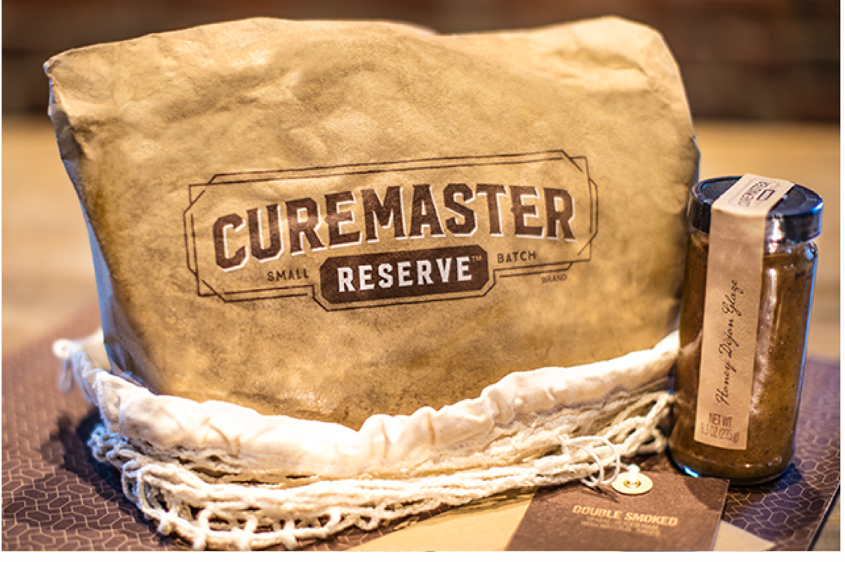
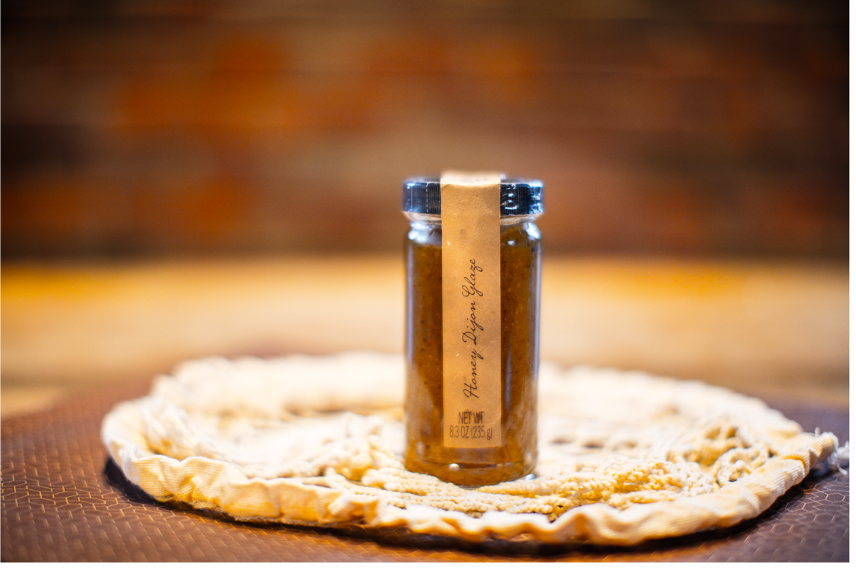
Curemaster Reserve was looking to introduce a new, artisanal ham with elevated flavor varieties to the e-commerce space. As this was to be the first Hormel brand to launch exclusively via e-commerce, Smith was asked to create a unique, super-premium packaging and unboxing experience. The unveiling included a custom designed shipping box and inner package. The recipient envelope with grommet fasten detail housed recipes, cooking information and a personalized letter from The Curemaster.
Within the box, details like the hangtag, a reusable net bag and a custom printed paper wrap added to the overall authenticity of the product while reinforcing the Artisan Mastery positioning.
Expanding Brand Experience to the Retail Environment
More people than ever before embraced online shopping during the pandemic, and many will continue to enjoy the added convenience and expanded product selection it affords. That said, consumers will also be looking for enticing brick and mortar experiences that can engage and entertain in ways that digital offerings can’t. Retail activations are one way that brands can capture attention and continue the dialog “IRL”. We’ve partnered with brands including Reese’s and Green Giant to create eye-catching in-store brand activations to compliment digital initiatives and reach new demographics.
Looking Ahead
The changes of the last year will have lasting impacts on consumer habits. Expectations for online, in-store and at-home experiences are higher than ever, and brands should be prepared to meet them. Those who embrace and leverage the omnichannel experience will emerge as leaders in the post-pandemic market.
Check out the video below for more on our omnichannel capabilities. Interested in learning more about how to prepare your brand for the Omnichannel Experience? Let’s talk!