Brain + Beauty: Rethinking Drinkable Function

Functional beverages continue to evolve, and a new dual-focus trend has emerged, with drinks that support both cognitive wellness and visible beauty. Consumers are no longer satisfied with single-purpose beverages; they want products that enhance how they feel and how they show up in daily life. Expo West 2026 highlighted this shift, revealing brands that combine wellness benefits, flavor, and lifestyle-focused experiences to redefine what drinkable function can be.

From Single Benefit to Integrated Wellness

Five years ago, functional beverages were largely defined by a single promise: energy, hydration, immunity, or digestion. Bold ingredients like adaptogens, probiotics, and nootropics dominated.

Today, the category is moving toward integrated wellness. Hydration incorporates broader mineral profiles. Energy is expected to feel balanced and sustainable. Magnesium has emerged as a key ingredient, supporting stress response, recovery, and overall equilibrium.

Consumers also evaluate flavor, design, and experience alongside efficacy. The most successful brands integrate benefits seamlessly, providing a daily ritual that fits naturally into modern lifestyles.

Trends in Action at Expo West

Expo West 2026 made these shifts tangible. Leading brands no longer focus on single ingredients. They combine multiple benefits into cohesive, everyday experiences.

Everyday wellness is evolving. Drinks now blend adaptogens, nootropics, and hydration with lifestyle benefits. Classic formats are being reimagined. Soda-inspired beverages feature functional ingredients and bold, nostalgic flavors. Protein is increasingly incorporated to support satiety and sustained energy. Bright, fruit-forward flavor combinations make functional benefits approachable and enjoyable.

Together, these trends reinforce a key insight: success is no longer defined by one ingredient. It comes from how well benefits, flavor, and experience are integrated.

Brain + Beauty: A Defining Shift

A major emerging trend is the convergence of cognitive wellness and beauty. Consumers no longer see these areas separately. Stress affects skin. Hydration impacts both mental clarity and appearance. Recovery, sleep, and overall balance influence how people feel and present themselves.

Magnesium plays a central role in this shift. Traditionally associated with relaxation and muscle function, it now supports calm, recovery, and overall balance. These benefits influence both cognitive clarity and visible well-being. In this way, magnesium bridges brain and beauty, connecting internal wellness with external expression.

ELOS: Launching at Expo West

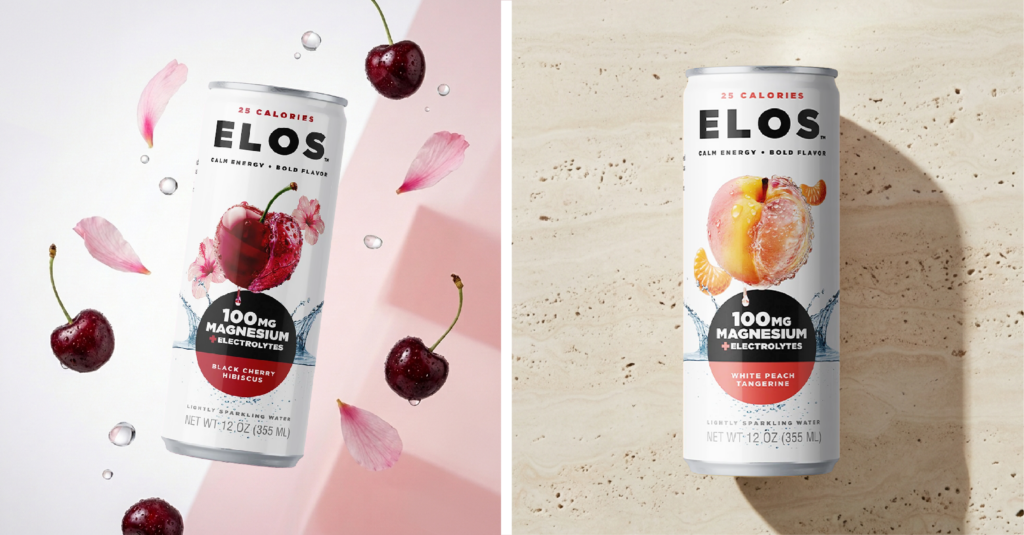
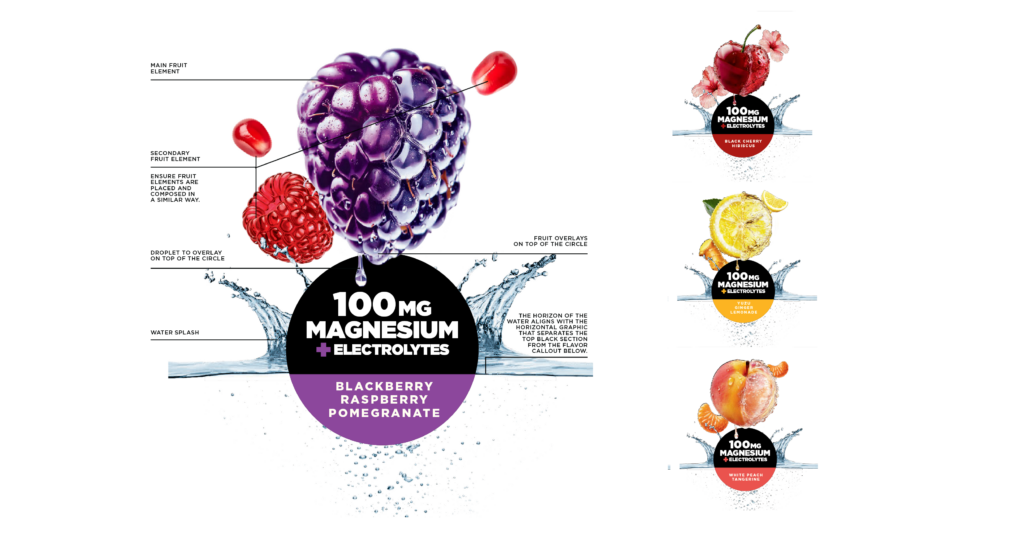
At Smith Design, we recently partnered with Accelerated Manufacturing Solutions (AMS) to launch ELOS, a functional sparkling water brand that officially debuted at Expo West 2026. From the beginning, we worked end to end: naming guidance, brand positioning, visual identity, packaging, and comprehensive brand guidelines.

Our process began with a deep dive into the beverage category and broader wellness landscape. We analyzed competitors, consumer motivations, and emerging cultural signals to identify strategic opportunities for differentiation.

Smith Design collaborated closely with AMS to shape every aspect of the brand:

  • Naming: We explored potential brand names and strategies, ultimately landing on ELOS, a modern, flexible identity designed to grow with the category
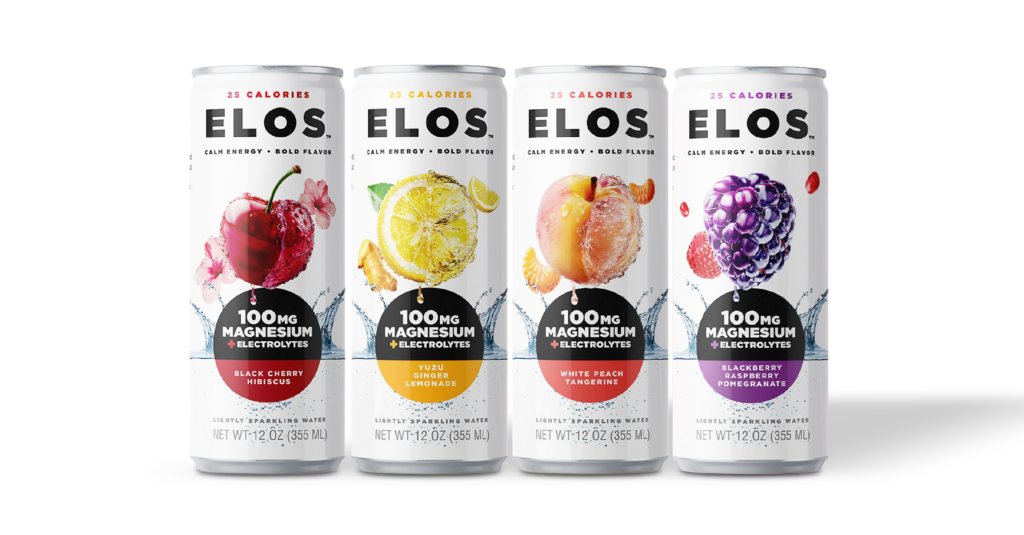
  • Brand Positioning: We defined a promise of refreshment paired with everyday wellness benefits, expressed through a bold, rebellious personality. Large hyper-liquified fruit graphics signal energy, edge, and shelf presence
  • Visual Identity and Packaging: Design systems communicate premium refreshment while reflecting the playful, bold spirit of ELOS
  • Brand Guidelines: Comprehensive guidelines ensure consistency across packaging, marketing, and future product extensions

The initial product delivers a lightly sparkling beverage with magnesium, electrolytes, essential vitamins, and fruit-forward flavor. ELOS is designed as a flexible brand platform capable of evolving with trends, flavors, and consumer expectations.

By combining functionality with flavor, design, and experience, ELOS reflects the future of integrated wellness beverages and the Brain + Beauty movement.

Looking Ahead

Expo West 2026 confirms a clear trajectory for the category: integration is key. Consumers want products that deliver benefits, enjoyment, and balance, seamlessly woven into everyday rituals.

The brands that will lead combine credible wellness claims with strong identity, thoughtful design, memorable flavors, and compelling storytelling. ELOS demonstrates this evolution, pairing wellness, flavor, and personality in a way that feels current, forward-looking, and fully integrated.

For brands and partners, the takeaway is clear. Success comes from building platforms designed to evolve alongside consumers, where integrated wellness, enjoyment, and experience define the next chapter of functional beverages.


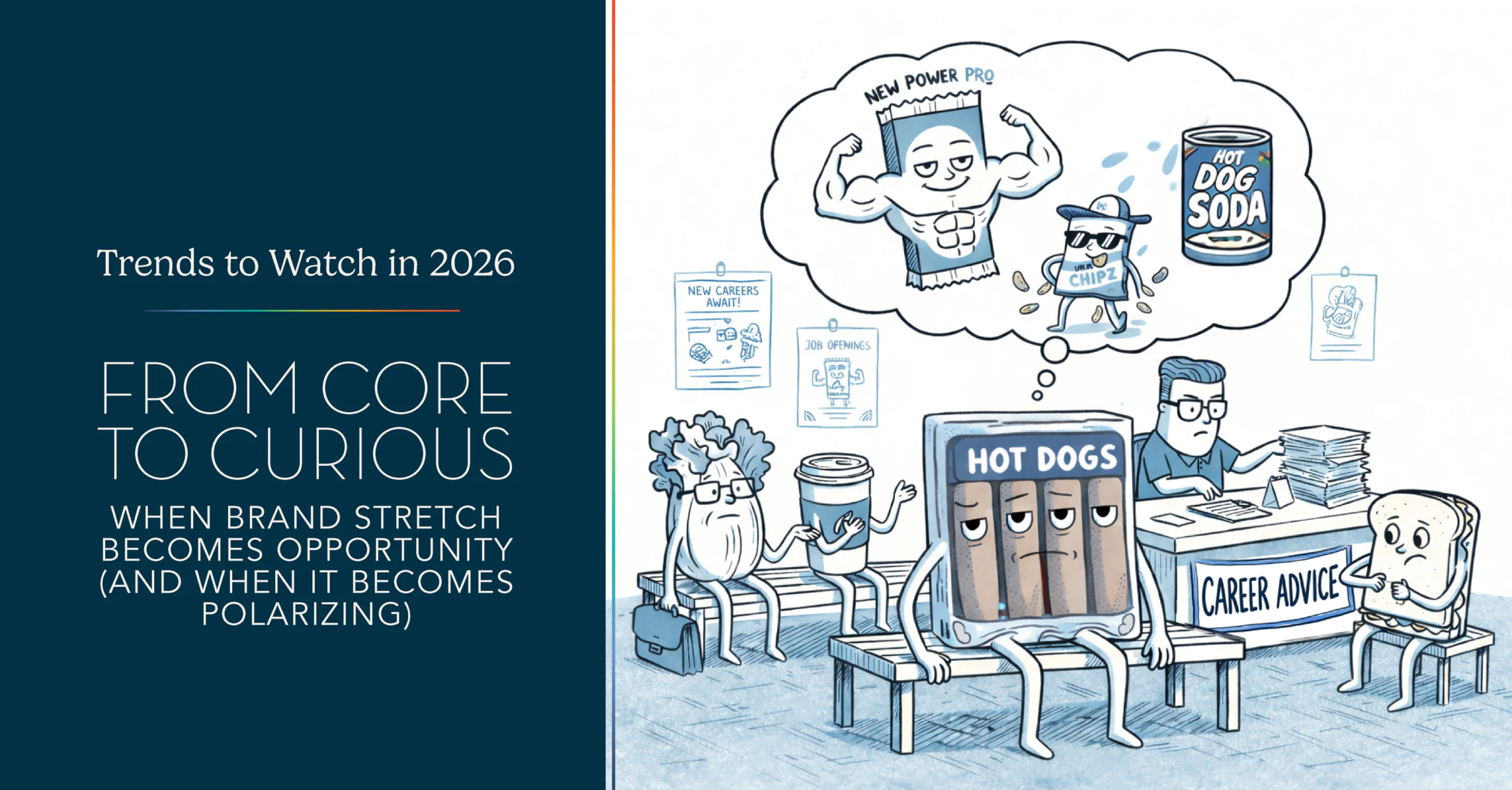
From Core to Curious: When Brand Stretch Becomes Opportunity (and When It Becomes Polarizing)

Brand extension is no longer a cautious step into closely related categories. Today, brands are making bolder, more visible leaps, sometimes logically, sometimes provocatively, into new spaces in pursuit of relevance, growth, and cultural momentum. In an era defined by fast-moving trends and fragmented consumer attention, expanding beyond the core can feel like a necessary survival strategy. Yet recent launches reveal a critical tension: not every stretch is embraced. Some feel like natural evolutions of what a brand already represents, while others ignite confusion, skepticism, and even backlash across social platforms. The question is no longer whether brands can stretch, but when that stretch feels authentic, and when it crosses the line into cultural dissonance.

A recent and highly visible example is Beyond Meat’s move into the functional beverage space. For some consumers, the launch signaled innovation and a broader lifestyle platform built around plant-based nutrition. For others, it felt disconnected from what Beyond Meat has historically stood for: meat alternatives grounded in food science, sustainability, and savory meal occasions. The polarized reaction underscores a growing challenge in modern brand strategy. Consumers expect brands to evolve, but only if that evolution aligns with the mental model they already hold. When the connection is unclear, even well-intentioned innovation can feel forced or opportunistic.

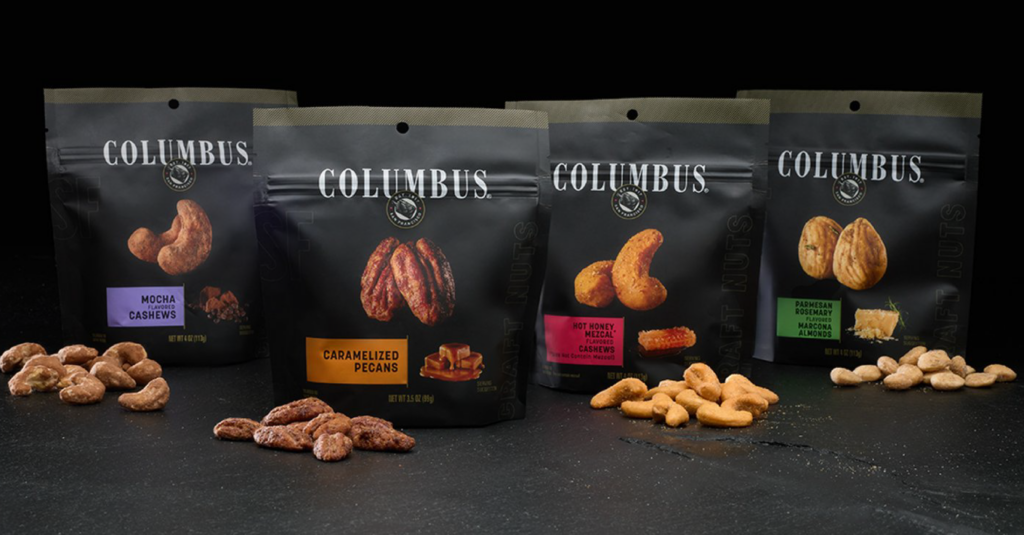
In contrast, several recent brand extensions demonstrate how stretching can succeed when rooted in clear brand logic and occasion relevance. Columbus Meats’ expansion into premium nuts felt intuitive because it extended the same world of craft, quality, and elevated snacking that the brand already owned. Premium nuts naturally fit into charcuterie boards, entertaining moments, and upscale grazing occasions—spaces where Columbus already had cultural permission to play. Rather than redefining the brand, the move simply broadened how and when consumers could interact with it.

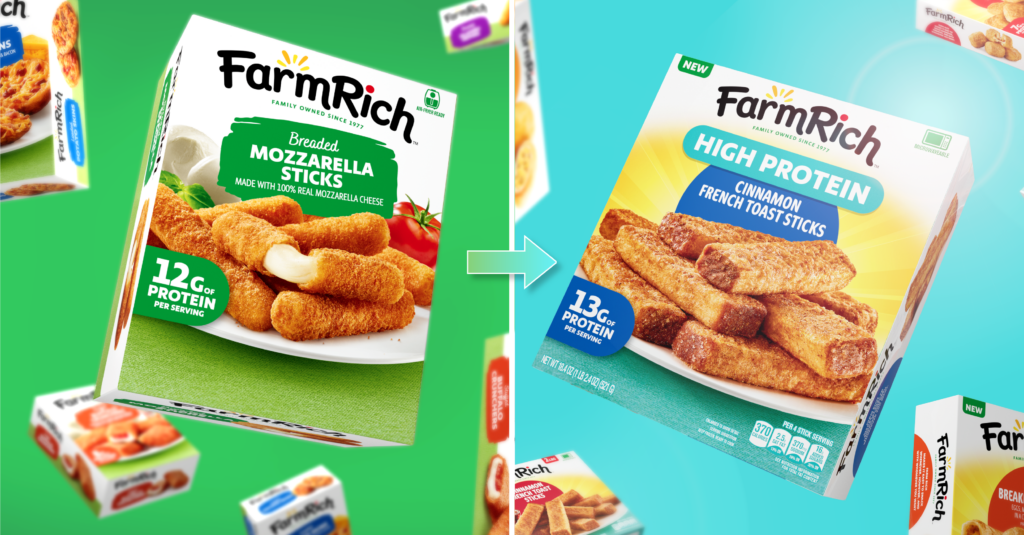
Similarly, Farm Rich’s expansion from frozen appetizers into frozen breakfast built upon its existing equity in comfort, convenience, and freezer-aisle familiarity. Breakfast was not a reinvention but a natural adjacency, allowing the brand to show up at a new daypart while delivering the same promise of easy, crowd-pleasing food. Skippy’s launch of PB Bites followed a comparable logic. By translating its strongest equity, iconic peanut butter taste, and nostalgic appeal, into an on-the-go snacking format, Skippy responded to modern consumption behavior without abandoning its core identity. This was not a leap into a new category as much as a format evolution, meeting consumers where their routines had shifted.

Boar’s Head’s recent entry into indulgent dessert dips may be the boldest example, yet it still remains grounded in the brand’s long-standing reputation for premium, deli-counter craftsmanship. By reframing its role from strictly savory to “premium entertaining,” Boar’s Head expanded into a new emotional territory while staying true to its values of quality and indulgence. The move widens its relevance at social gatherings, extending the brand beyond meats and cheeses into dessert moments without eroding its upscale positioning.

Across these successes, three strategic principles consistently emerge. First, effective brand stretches expand existing occasions rather than inventing entirely unrelated ones. Columbus did not jump into soda; it deepened its presence in snacking and entertaining. Skippy did not become a wellness brand; it stayed in the snack lane and simply made peanut butter more portable. Beyond Meat, by contrast, entered a beverage category defined by different emotional and functional expectations, creating friction between what consumers knew the brand for and what it was suddenly offering.

Second, successful extensions leverage true brand equity, not just brand awareness. They draw from taste cues, trust, quality signals, and the emotional role a brand already plays in consumers’ lives. When Farm Rich entered breakfast, it carried forward its promise of easy comfort food. When Boar’s Head entered the dessert dips market, it leaned into premium indulgence and special-occasion appeal. Extensions fail when they rely solely on logo recognition without translating the brand’s deeper story into the new category in a meaningful way.

Finally, the most successful stretches feel additive rather than opportunistic. Today’s consumers are highly attuned to trend-chasing, especially in saturated spaces like functional beverages and wellness products. Without a clear narrative bridge, Beyond Meat’s move risked being interpreted as a business maneuver rather than a brand evolution. By contrast, Skippy PB Bites addressed a real, practical need: peanut butter without the spoon, making the extension feel purposeful and consumer-driven rather than reactive.

As categories fragment and consumption moments multiply, brand stretching will only accelerate. But the brands that win will not be the ones that stretch the farthest; they will be the ones that stretch with coherence. The difference between opportunity and polarization lies in narrative continuity—whether a new product feels like a natural next chapter or an unrelated side quest. When a brand extension expands an existing role, honors core equities, and solves a genuine consumer need, it builds relevance and long-term growth. When it breaks the mental contract consumers have with the brand, it risks becoming a headline instead of a strategy. In today’s culture, visibility may spark conversation, but authenticity is what sustains trust—and trust remains the most powerful currency a brand can carry into any new category.

Remote Photoshoots with Smith Design

Even as we welcome our clients and collaborators back into the studio, we’re excited to continue to offer the flexibility of remote photoshoots! Over the past year, we’ve honed our process to offer an engaging and attentive experience with our in-house photo team and studio, all without the time or expense of traveling to the set. Check out the below or get in touch to learn more about how we’re bringing the set to you!

2020: Giving Back & Looking Forward

At Smith Design, giving back is at the heart of our actions. In 2020, it was an honor to be a part of incredible causes and campaigns that provide support to those in need and advocate for progress on important issues. 

Earlier this year, we partnered with multiple organizations to bring relief to those impacted by COVID-19. Through the #EN95 Campaign, on our social media channels we brought attention to the need for PPE and encouraged donations of masks, money, blood, and food to assist the medical community and their patients.  

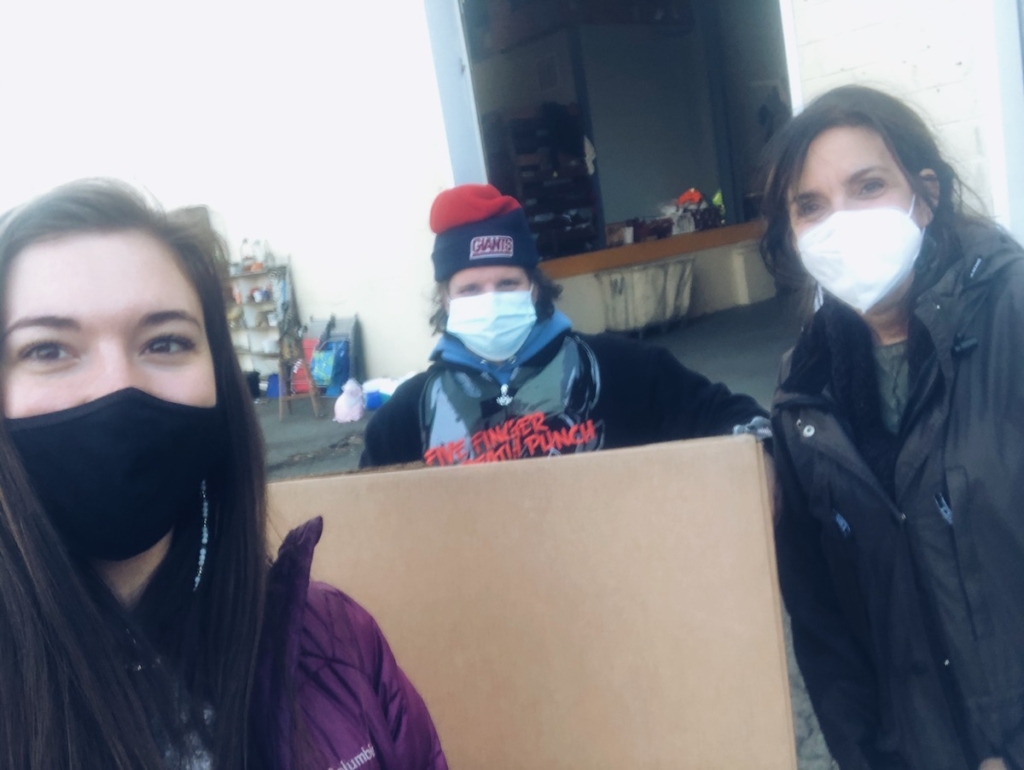
We pulled together as a team to provide support for the responders on the front line of COVID-19. We worked with FLAG, Front Line Appreciation Group, to create Flag Fuel Boxes. These Fuel Boxes provided food and words of encouragement for front line and essential workers. Members of our team and their families purchased and packed these care packages and wrote personal notes for these unsung heroes.  Together, we completed 172 boxes! We can’t thank our frontline workers enough for all that they have done throughout these challenging months.  

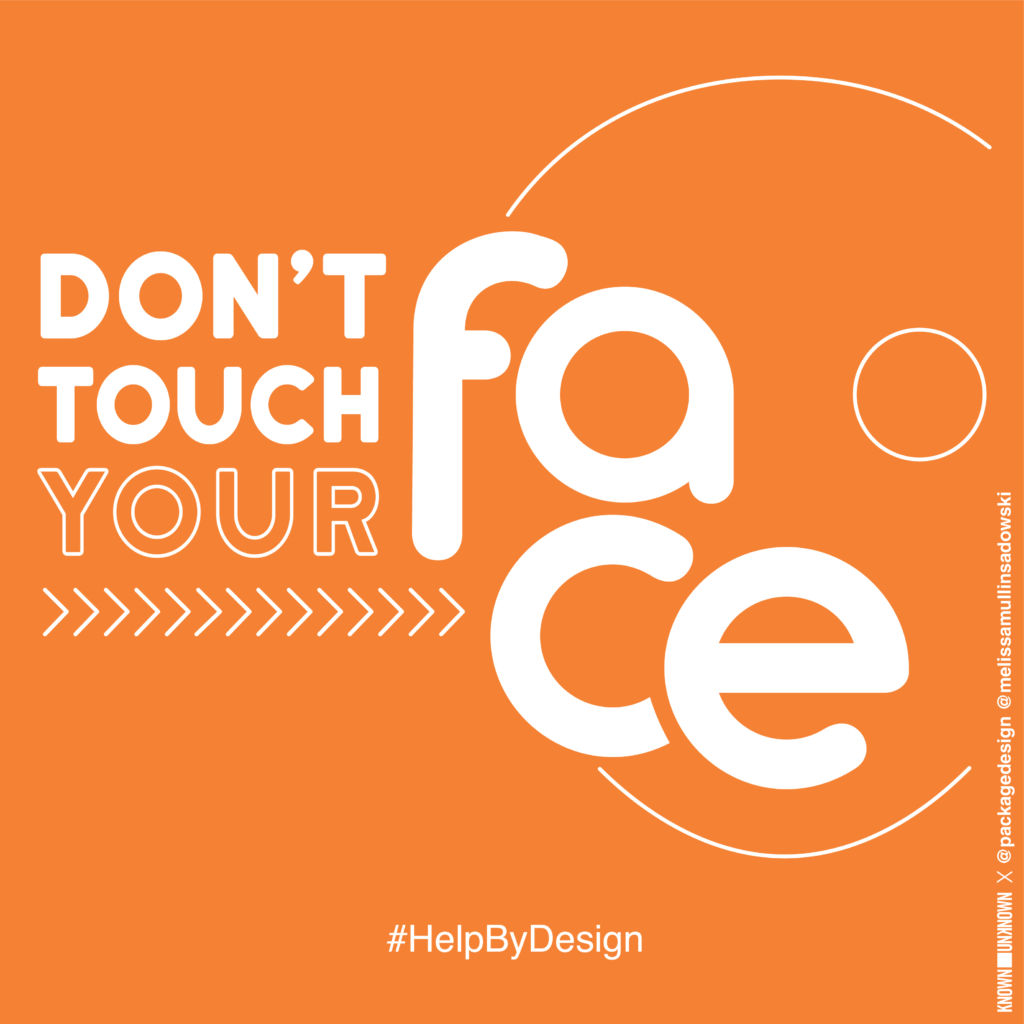
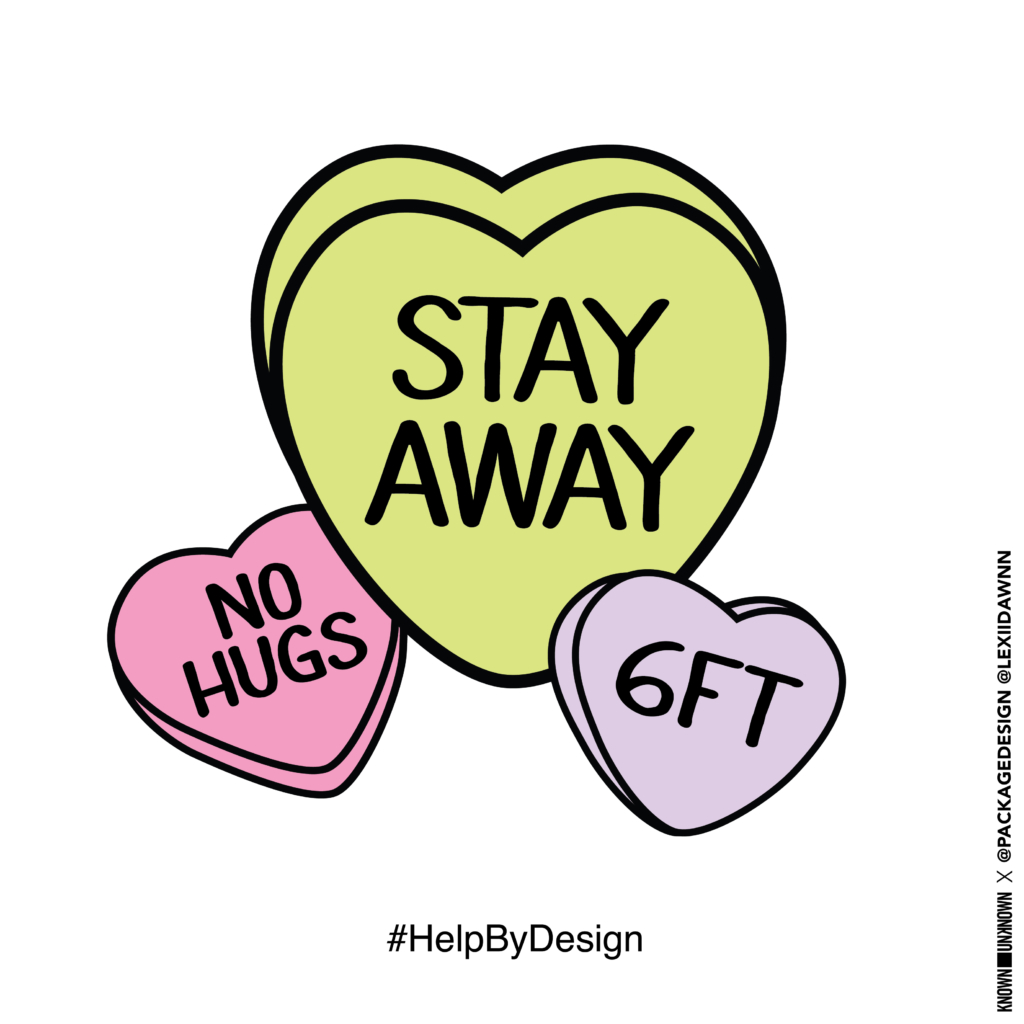
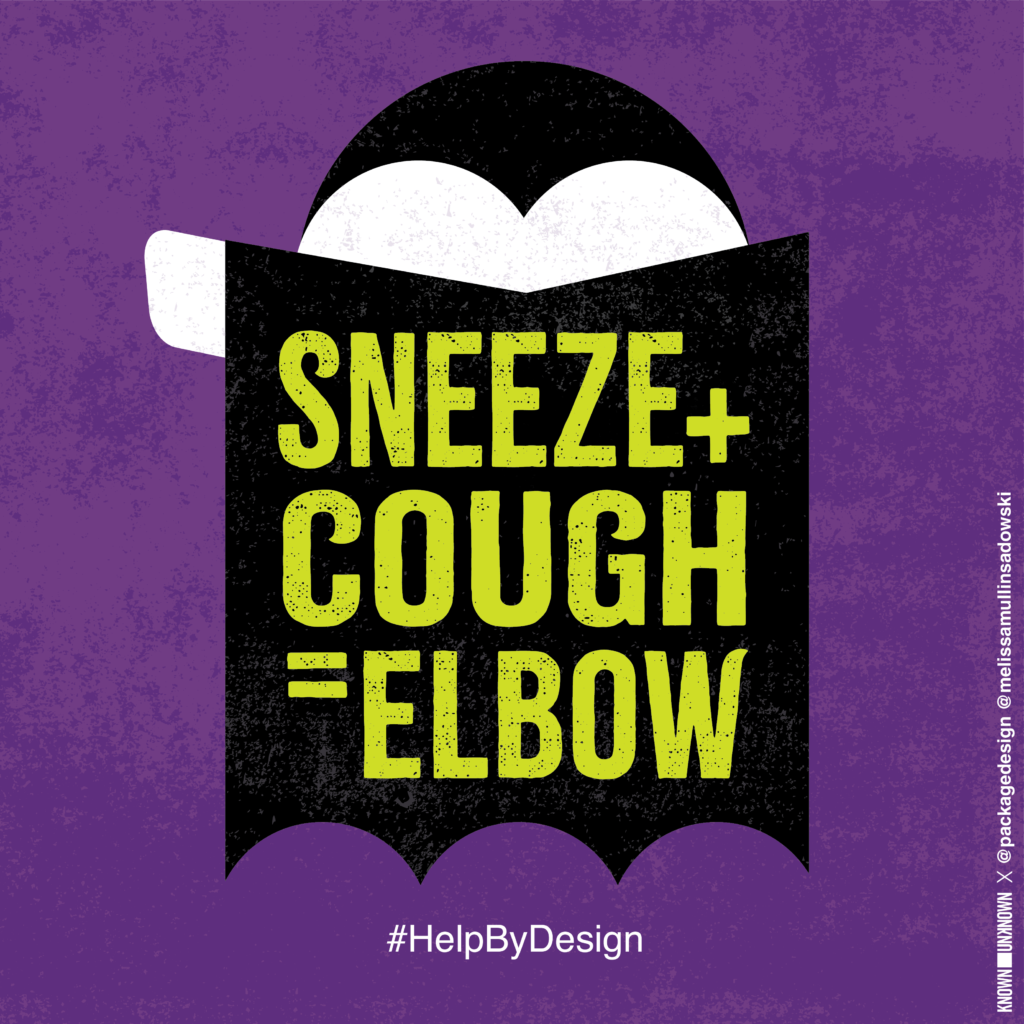
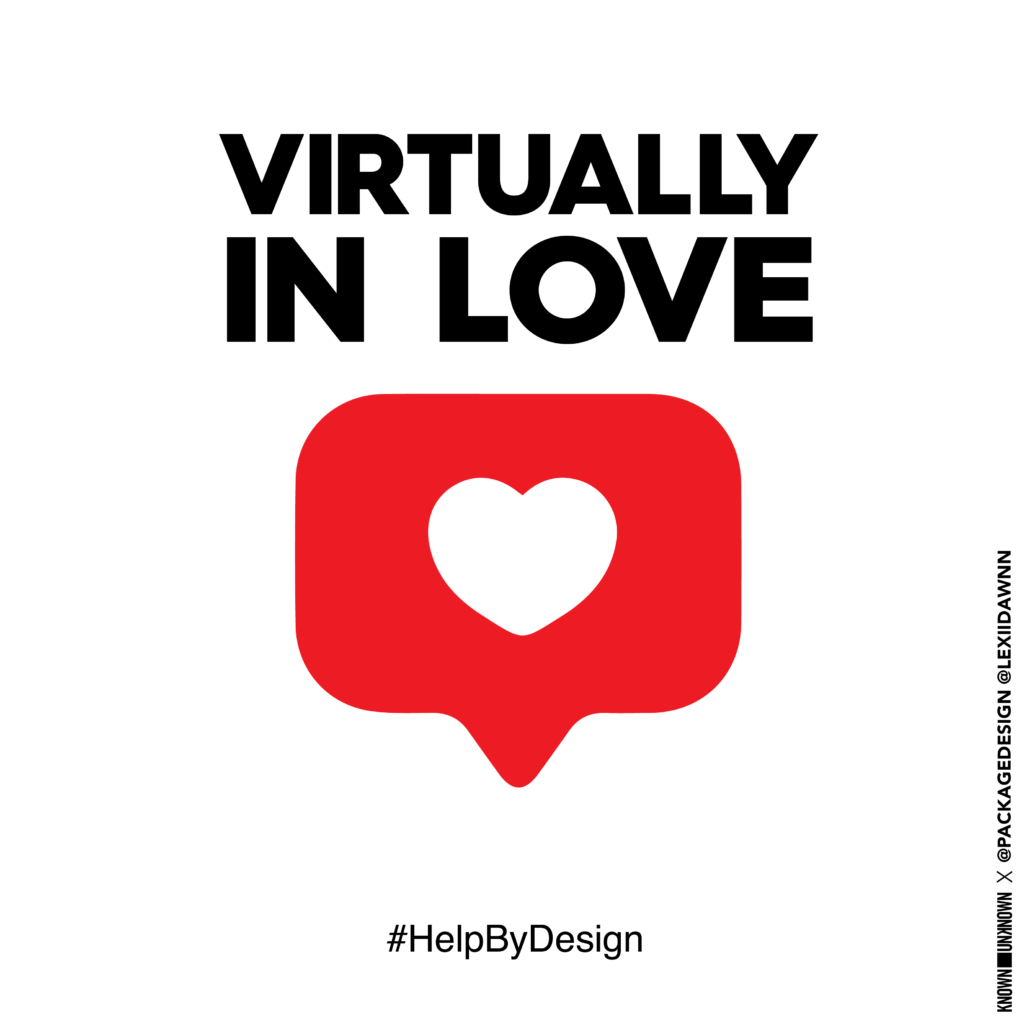
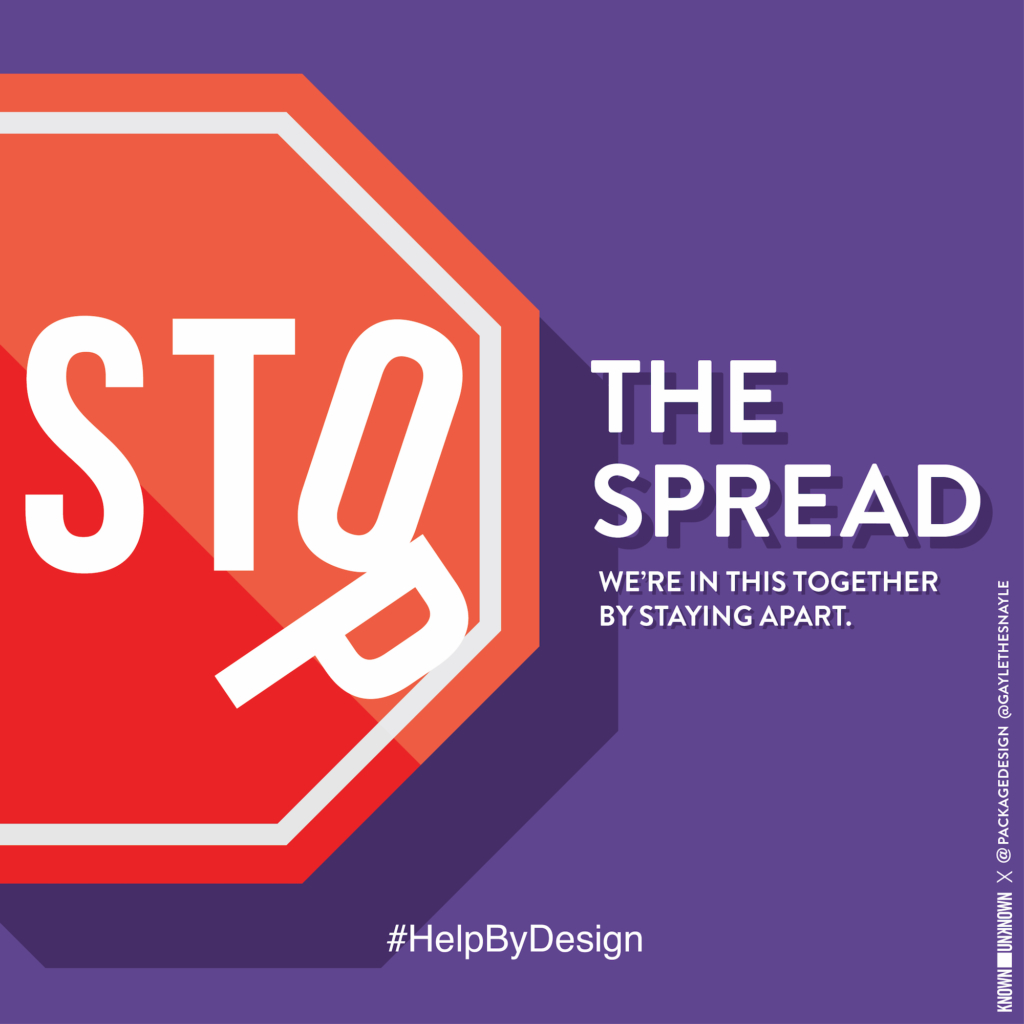
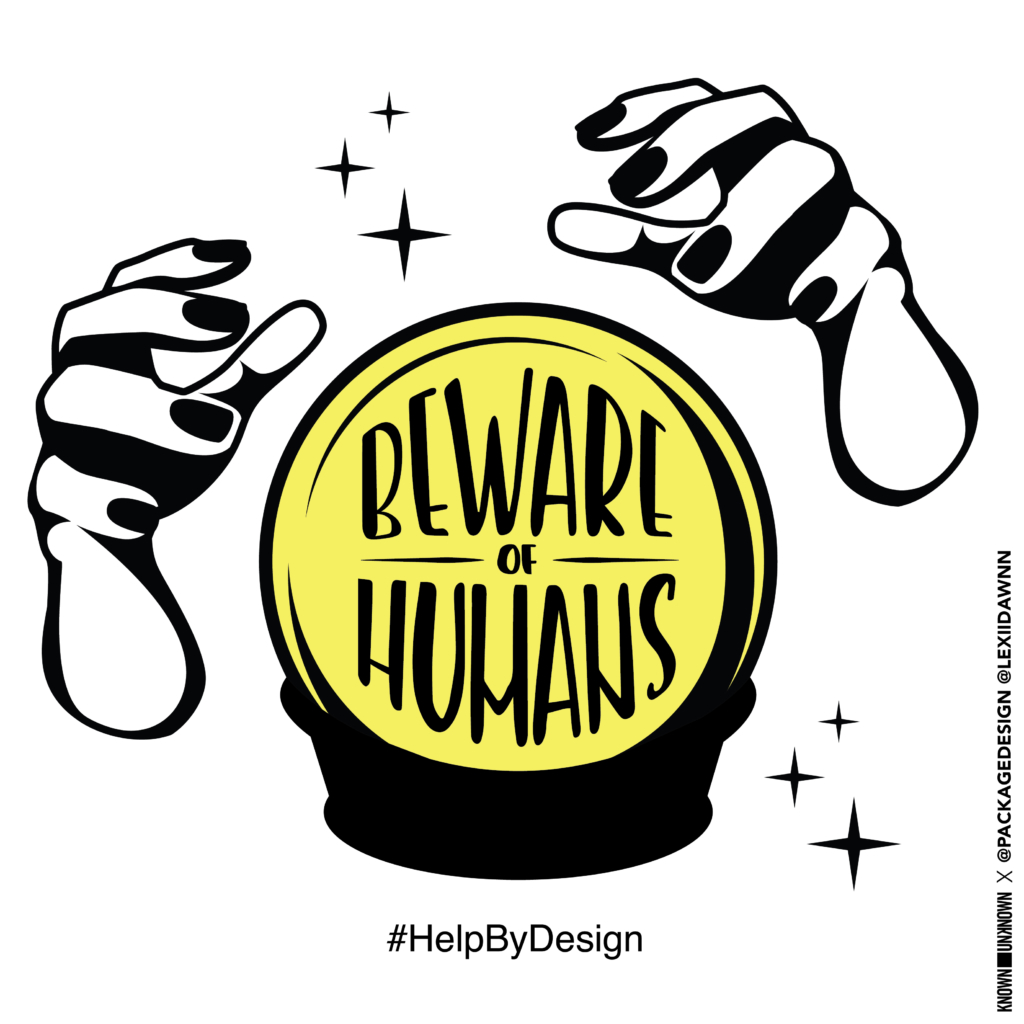
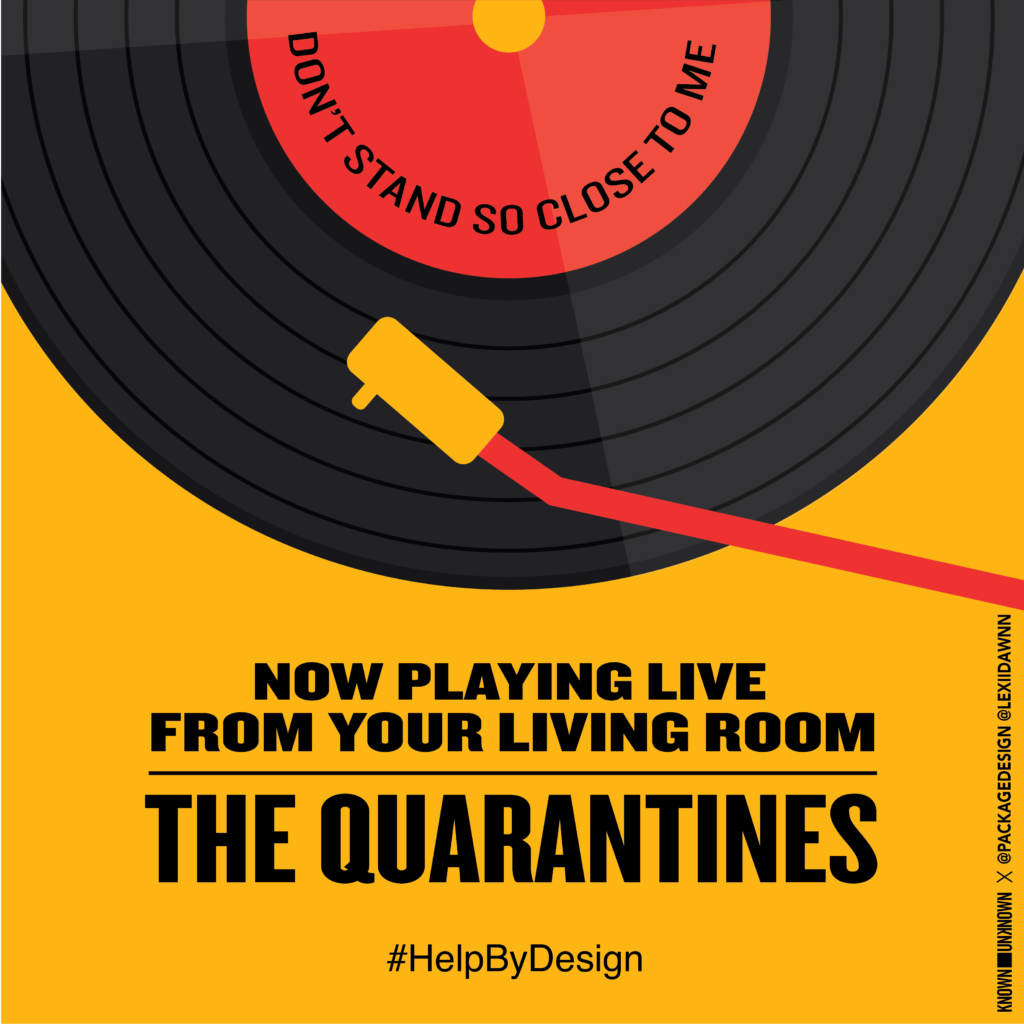
To continue to drive awareness of CDC guidelines and to help #StopTheSpread, our design team created graphic PSAs for the #HelpByDesign campaign. This initiative brings messages of hope during this time of uncertainty throughout lockdowns, restrictions, and social distancing. The campaign is run by the group Known Unknown, a global community of designers. Participating in this campaign helped connect us with designers all over the world and proves the importance of visual communication as a unifying tool in times of crisis. 

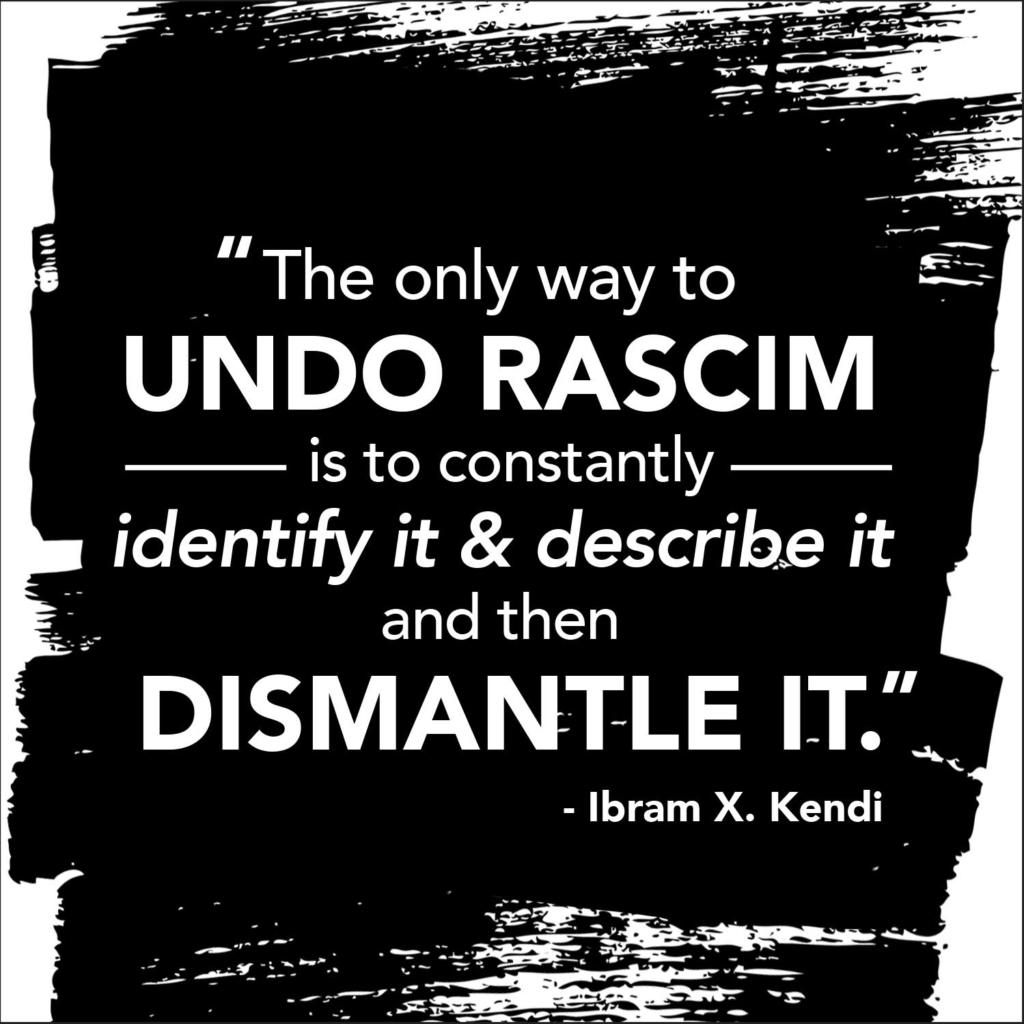
In support of the fight against systemic racism, Smith Design made contributions towards the organizations Black Lives Matter and Color of Change. Through our social media network, we strived to bring attention to these additional organizations that seek to dismantle the injustices and inequalities perpetuated by racism: 

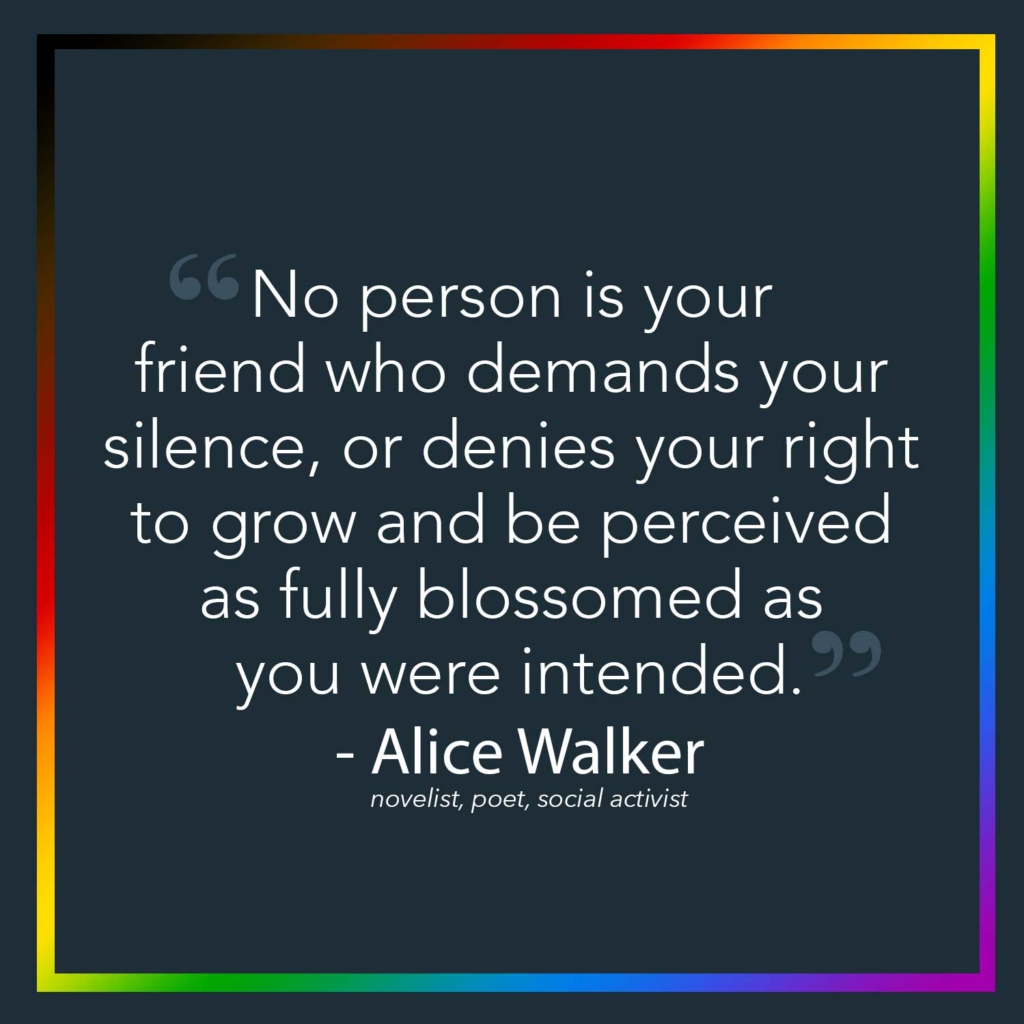
In honor of Pride Month, Smith Design donated in support of The Trevor Project and The National Queer and Trans Therapists of Color Network. We also promoted other important organizations that support the LGBTQ community:  

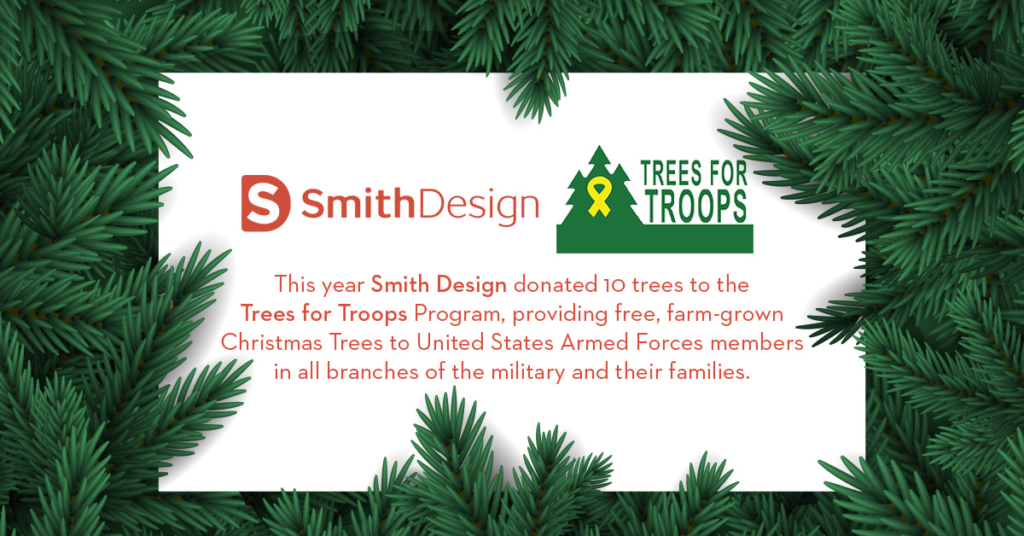
This holiday season, Smith Design proudly supported our troops via Trees for Troops. Our donation of 10 trees meant free farm-grown Christmas Trees were provided to United States Armed Forces members and their families across all branches of the military. Visit treesfortroops.org to learn more about their program that delivers “the spirit of Christmas to military families – one Christmas Tree at a time”.  

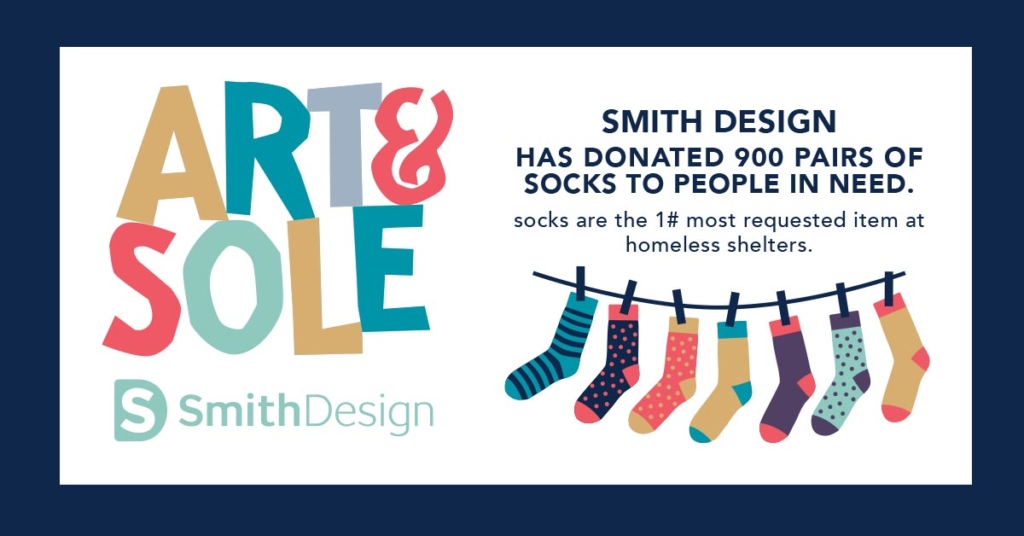
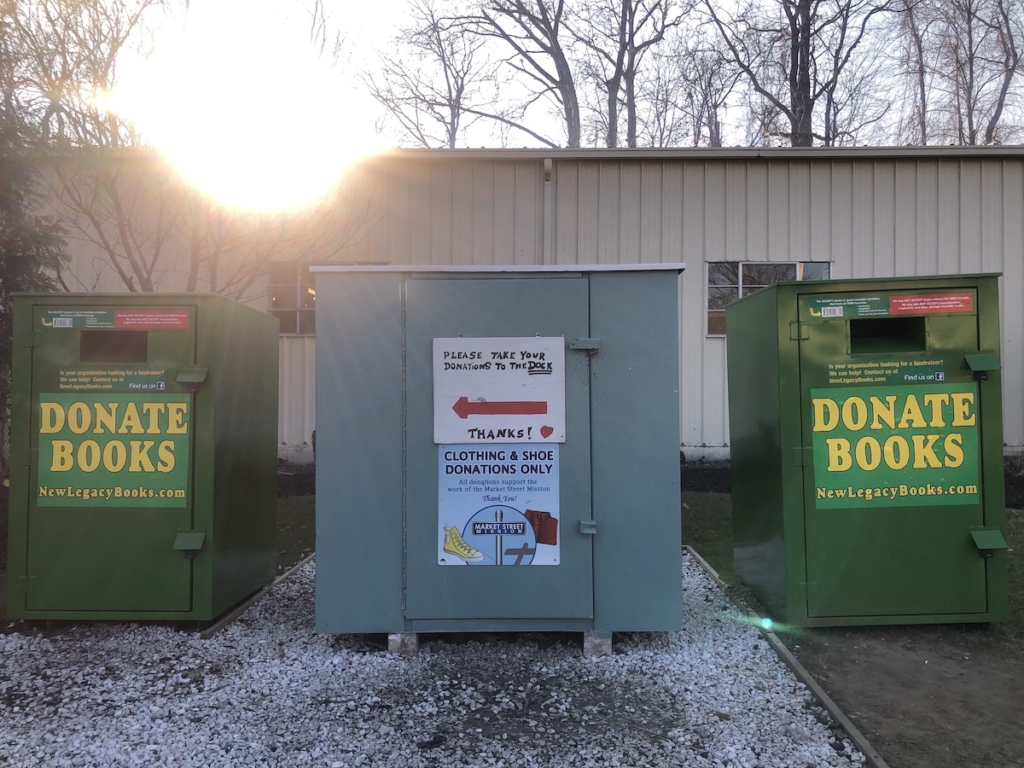
Believe it or not, the #1 requested item in homeless shelters is socks. Knowing this crucial shortage during the winter months ahead, we donated 900 pairs of socks to people in need, including our local shelter.

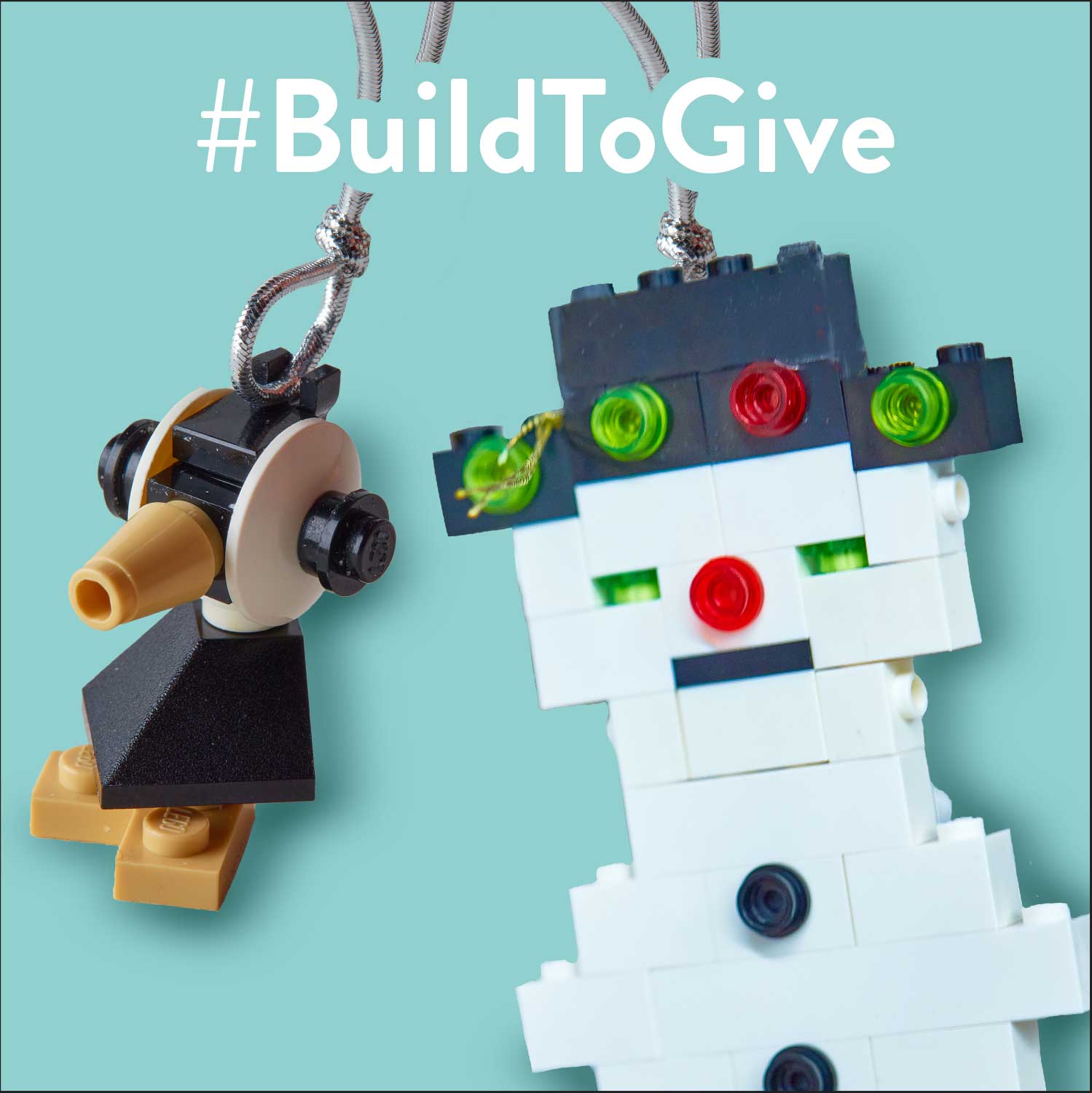
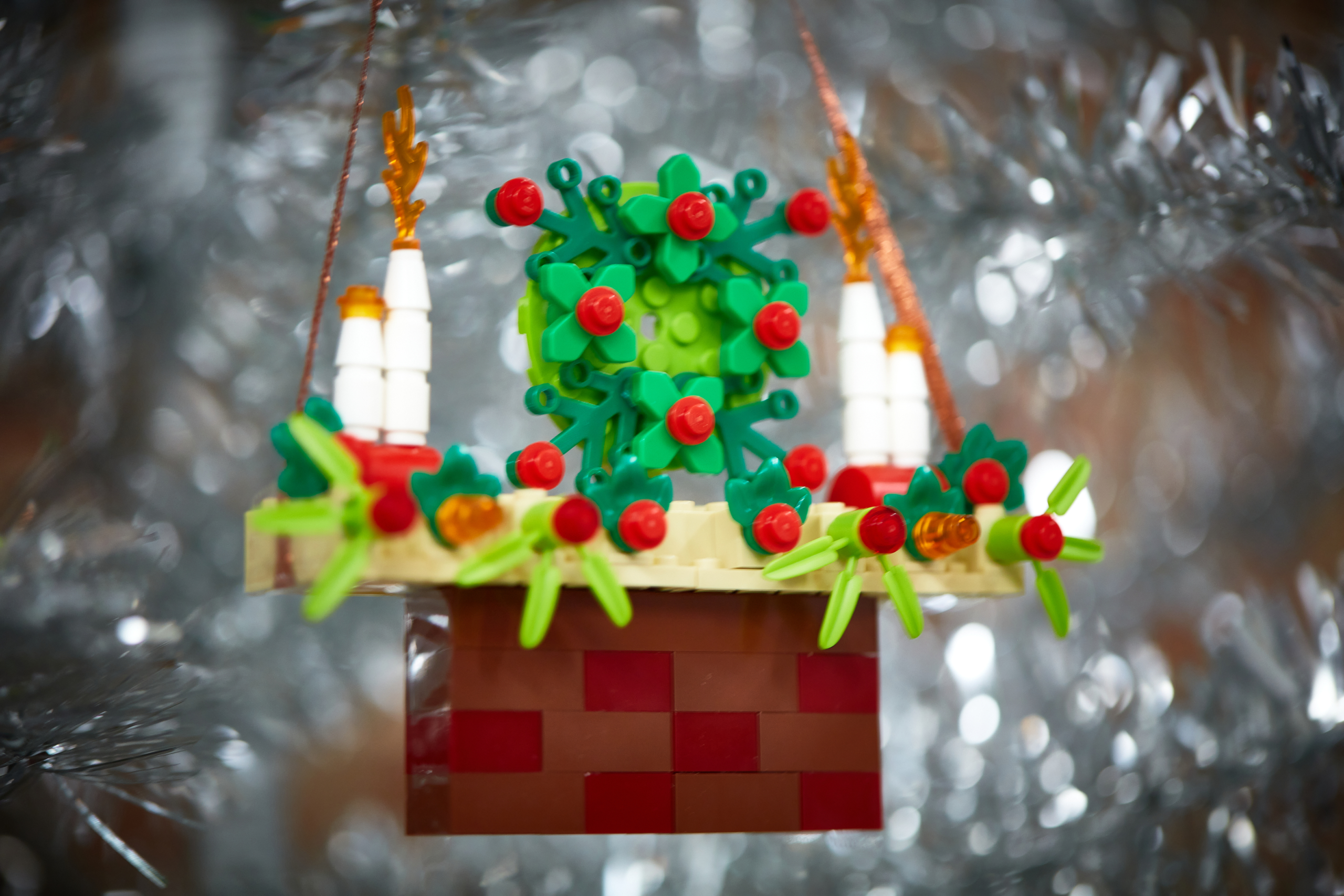
Our team was excited to participate in LEGO’s #BuildToGive initiative, a campaign that donates sets of LEGO to children in need for every LEGO ornament shared online with the hashtag. It was a joy to create the ornaments for a good cause, with our teams’ very own LEGO Master leading the way.  

In a year of uniquely challenging circumstances, we have strived to push kindness and caring forward through these giving back initiatives. We look forward to continuing to support these and other great causes in 2021. Here’s to another year of compassion, optimism, altruism and teamwork!  

Importance of Brand Planning

When you think of successful entrepreneurs or brand teams what are the first things that come to mind for how they became successful? At first glance, you might attribute their success to things like smart, confident leadership, a great product, competitive drive, or a great marketing campaign. However, the unsung hero, the backbone of their success is often their brand planning. Planning is not sexy, it’s not the part that people talk about and share, but it universally serves as the guide they follow to achieve success.

Planning is not a one-size-fits-all process, some may have more elaborate plans than others, but regardless of the size of your business, you still need a plan that lays out even a basic roadmap for how you will achieve your goals.

Why is brand planning important?

A brand plan aligns everyone in your organization behind the same vision, strategies, tactics, and costs needed to make your brand or business venture a success. In this cluttered world of overwhelming options, writing a brand plan will help you and your team stay focused, guide the way you allocate your limited resources, and consistently express your brand offering to your target consumers.

What should your brand plan include?

  1. Business Analysis & Issues – specify how your brand or business is currently positioned in the marketplace. Who are your current and/or potential customers? What are their needs and wants?  Who are your key competitors and how are they performing? What are your current strengths and weaknesses? What potential opportunities and threats exist that could impact your brand. 
  2. Objectives – your plan should spell out what it is you want the brand to achieve.  Your objectives can be defined both in terms of long and short term goals, for current or future customers and/or specific business outcomes like sales, market share, brand awareness, brand image, customer loyalty or more. 
  3. Strategies – here you will lay out how you plan to achieve your goals, what channels and tools you will use and how you will focus your resources.  Depending on your product or category, key decisions to align on could include which product you will prioritize, how will it be designed or positioned, how will it be sold and priced, and how will you engage your target.
  4. Tactics – stemming from your strategies, tactics are the specific tasks you and/or your team will execute to work towards your goal. What will your team work on, what are the resources available and what is the budget and timeline you will allocate to each task.

You may only write your brand plan once a year but as a business leader you should always be in planning mode, that is to say, you should always monitor your brand’s performance, identify key learnings and areas of improvement.   As you learn more about your customers and your key competitors, you can adapt your plan to help you stay on track and keep working towards achieving your goals.  

– Emma Medina, Director of Brand Strategy at Smith Design