Turning Up the Heat: How “Spice Culture” Is Redefining Flavor and Brand Collabs in 2026

Spice isn’t just a flavor; it’s a cultural force. Over the last decade, heat has evolved from a fringe fascination to a defining characteristic of modern food culture. As consumers chase bolder, more layered flavor experiences, brands find new and unexpected ways to bottle that energy. 

From Cult Favorite to Collaboration Powerhouse

Few brands embody this evolution like Frank’s RedHot. What began as a pantry staple has transformed into an icon of crave culture and a symbol of familiarity, fandom and flavor. 

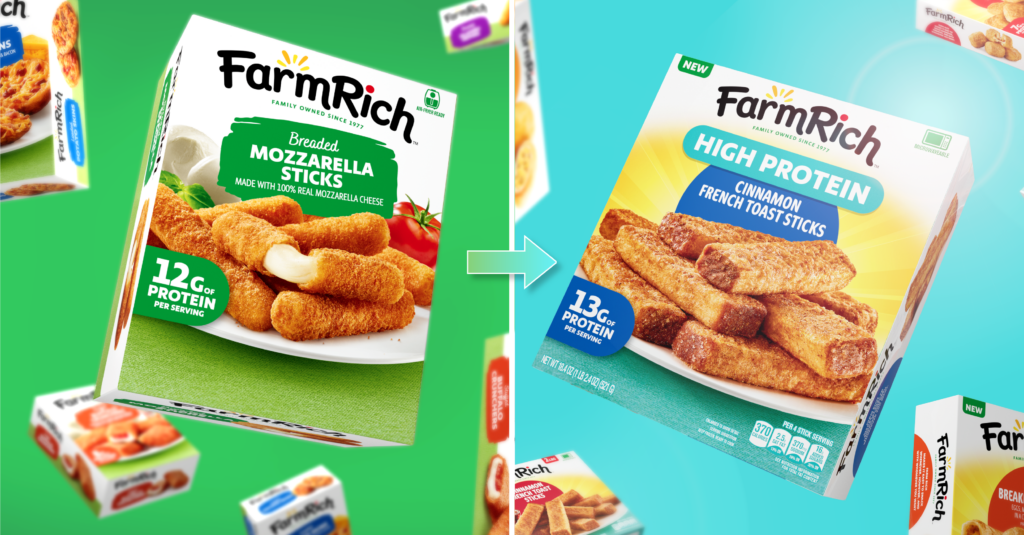
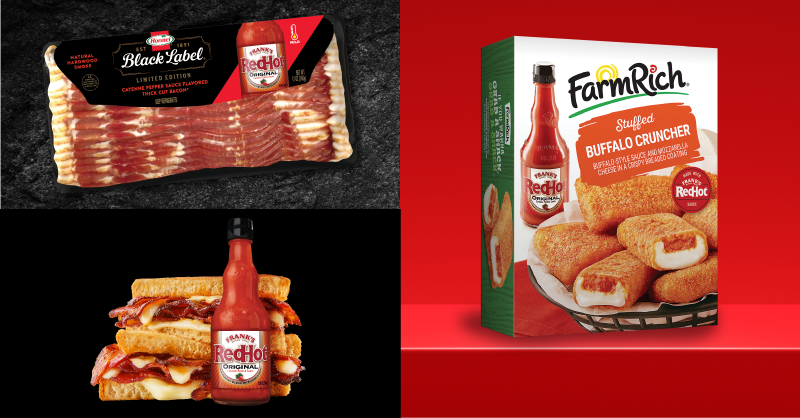
In recent years, Frank’s has proven that strategic collaborations can amplify equity on both sides. The BLACK LABEL® Bacon with Frank’s RedHotFarm Rich Frank’s RedHot Stuffed Buffalo CrunchersSpaghettiOs Frank’s RedHot, and Goldfish Frank’s RedHot partnerships each leveraged the brand’s cult following to infuse new energy and buzz into beloved household names.

Smith Design helped bring two of these partnerships to life: BLACK LABEL® Bacon with Frank’s RedHot and Farm Rich Frank’s RedHot Stuffed Buffalo Crunchers. The packaging captures the playful spirit and bold attitude consumers expect from both brands. Each collaboration merges everyday comfort with heat-driven excitement, creating products that feel familiar yet turned up a notch. Consumers are buying into a shared cultural moment built around boldness, fun, and nostalgia.

The Rise of Regional Heats

While established brands ride the wave of co-branded spice, a new generation of products is shaping the next era of “smart heat.” Emerging names like Tari Hot Sauce, inspired by Peruvian culinary traditions, showcase the vibrancy of regional peppers such as aji amarillo — bringing nuanced, citrusy brightness rather than pure fire.

Similarly, Hoboken Farms’ Calabrian Chili Marinara brings buttery, sweet heat to a comfort classic.  Spice is no longer reserved for snacks or condiments but has become a staple in sauces, spreads, and meals.

These products speak to a broader trend: heat as a marker of sophistication. Today’s consumer wants flavor that feels crafted, not chaotic. Products with depth, balance, and a sense of story behind every bite will win with consumers in 2026. 

Sweet Heat

The “sweet heat” movement continues to sizzle as consumers crave more dynamic flavor experiences and brands find creative ways to deliver balance and bite in one irresistible pour. What began with the hot honey craze has evolved into a full-fledged flavor category, expanding into syrups, sauces, and snacks that combine indulgent sweetness with a kick of spice.

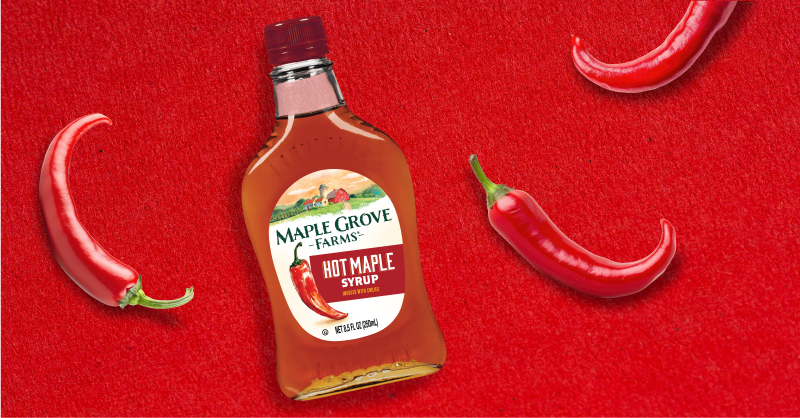
One of the newest standouts in this space is Maple Grove Farms’ Hot Maple Syrup, a just-released product that turns classic comfort into a bold flavor adventure.

Working with Maple Grove FarmsSmith Design developed packaging that reflects this balance, blending the warmth of maple tradition with a modern, fiery twist. The design brings the product’s duality to life, pairing heritage and edge in a way that mirrors its rich sweetness and subtle chili kick.

This launch embodies a defining flavor trend for 2026: sweet heat as a bridge between indulgence and intensity. It’s not about overpowering spice, but about contrast, how warmth and sweetness can coexist in ways that feel elevated, sensory, and new.

The Design Opportunity in “Heat”

For brands and designers alike, heat is more than a sensory trend, it’s a visual and emotional language. Red, orange, and smoky hues evoke intensity and warmth, while typography and texture can telegraph authenticity and craft. Successful “spice branding” balances attitude with accessibility: leaning into energy without alienating mainstream audiences.

As the category grows, co-branding and limited editions have become key storytelling tools. When done well, these collaborations extend the shelf life of excitement and tap into audiences eager for something familiar but turned up a notch.

What’s Next for Heat in 2026

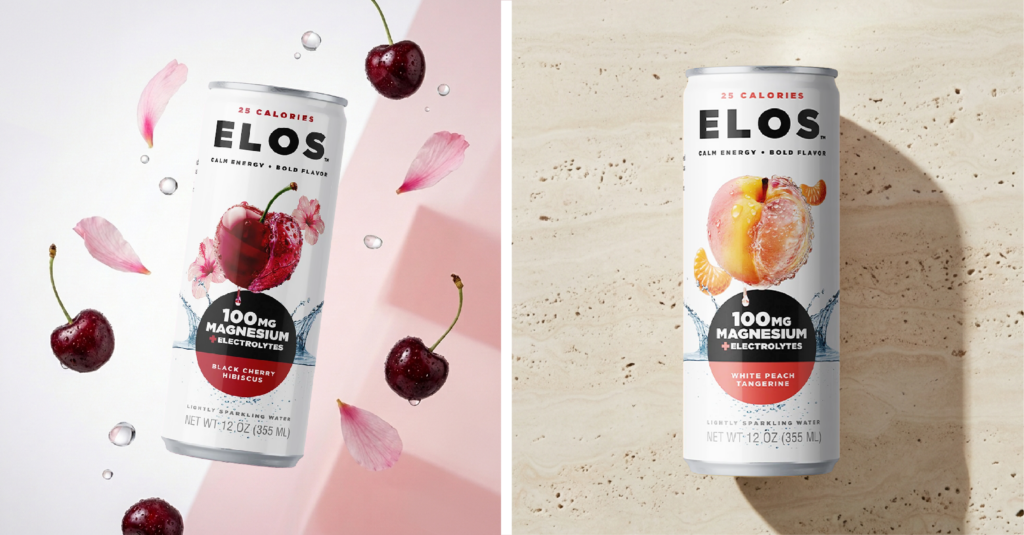
Looking ahead, the conversation around heat will continue to evolve. Expect more emphasis on regional authenticitysweet-heat pairings, and cross-category experimentation — from spicy honeys and chili oils to heat-infused snacks, condiments, and even beverages.

The brands winning in this space understand that heat isn’t just about Scoville units — it’s about emotion, culture, and experience. In 2026, spice is less about pain and more about personality.


Bold Chaos Packaging Trend Is Turning Heads

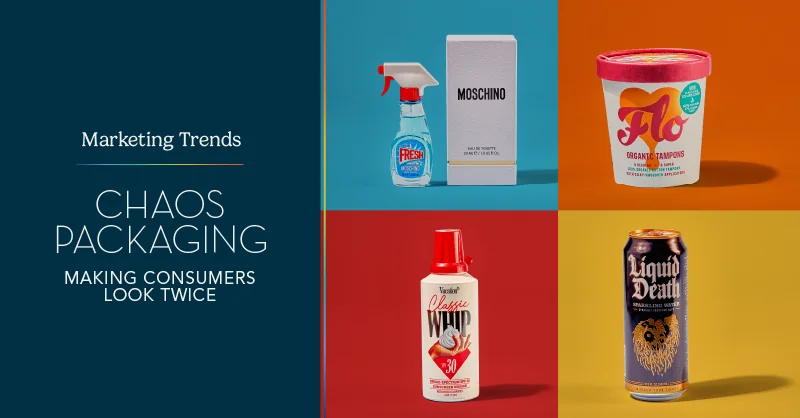
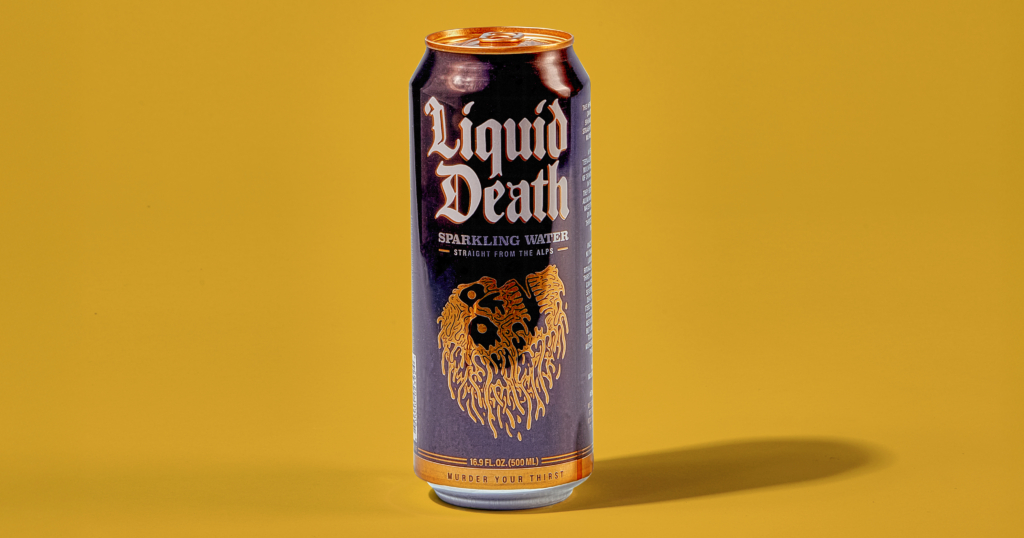
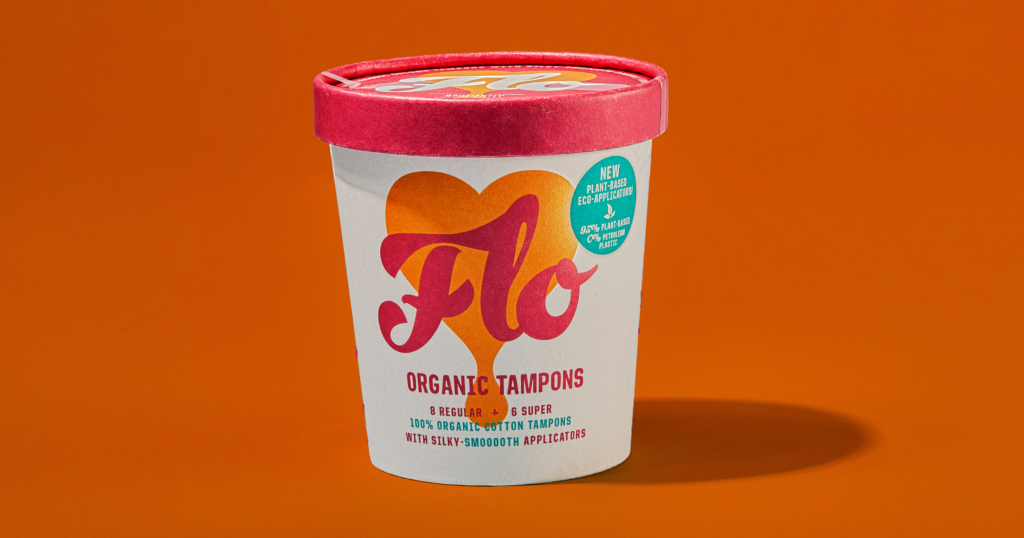
In today’s world of retail, consumers crave uniqueness, surprise, and a touch of rebellion – and the latest packaging trend, aptly called “chaos packaging,” brings all these elements to the forefront. Chaos packaging, a phenomenon that continues to gain traction on TikTok and recently spotlighted by The Wall Street Journal, embraces an unorthodox approach by selling products in containers that are unconventional to their category. Think tampons packaged in what looks like ice cream containers or water in tallboy cans traditionally used for beer. This outlandish packaging taps into our curiosity and challenges the norms of what packaging “should” be, prompting many to wonder: How far will this trend go, and what could be next?

Small Startups Disrupt the Shelves

The chaos packaging trend began with small startup brands that, due to limited budgets, needed to stand out against larger competitors. Without funds for extensive advertising, these companies had one primary promotional tool – their packaging. Rather than using conventional packaging that might get lost on shelf, they adopted surprising, playful forms, and in many cases, they used stock packaging to keep costs down. By placing their products in non-standard containers, these brands caught the eye of consumers in a shockingly fresh and economical way.

Influencers Fuel the Chaos Packaging Craze

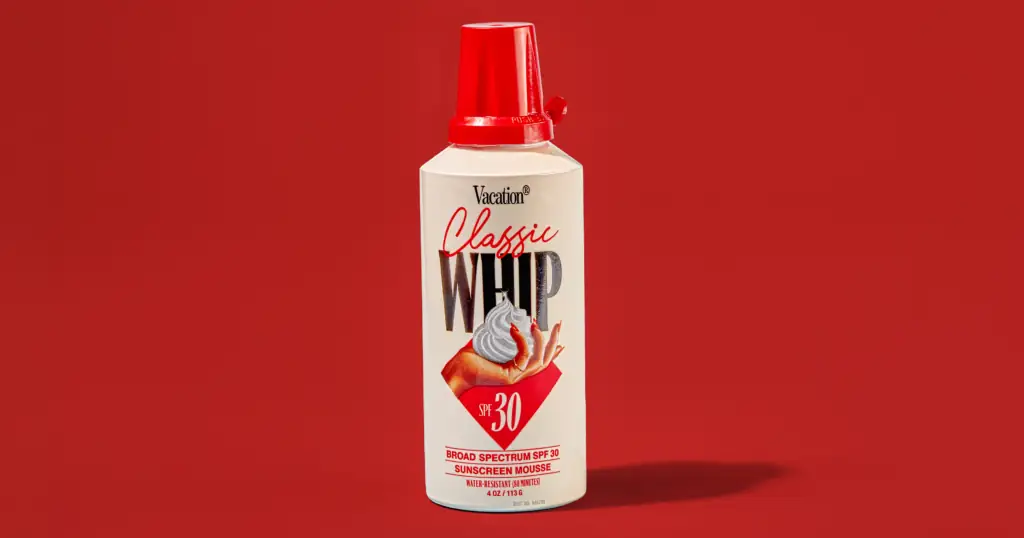
Social media influencers continue to play a significant role in amplifying chaos packaging. This past summer, the Vacation brand sunscreen went viral. This sunscreen packaged in a whipped cream container really whipped up a frenzy of social posts!

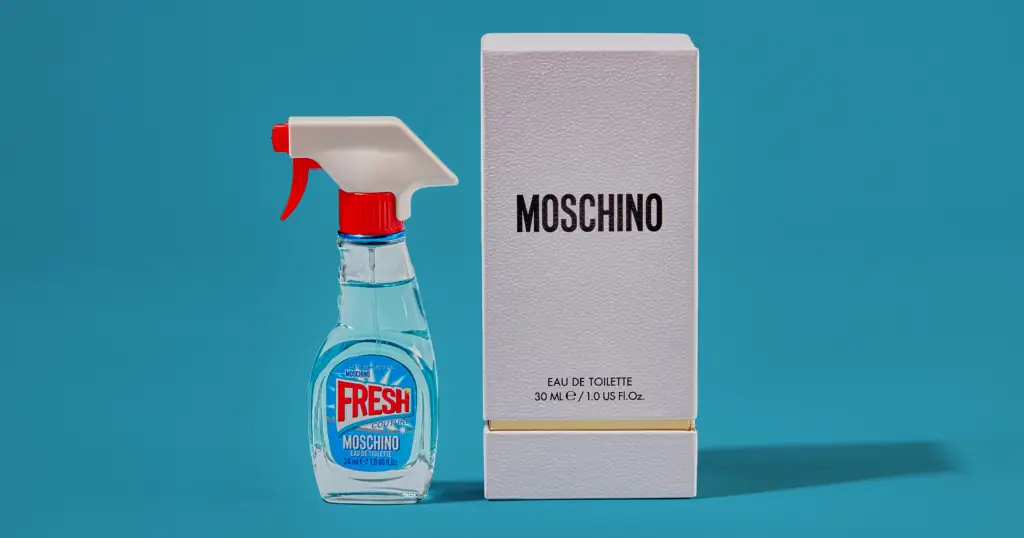
Another standout example comes from Moschino, a perfume brand beloved by influencers. The perfume’s outer box appears plain, but inside, the bottle resembles a surface cleaner’s trigger spray bottle – an unexpected twist that shocks and delights.

A Mini Bit of Nostalgia

The Moschino perfume’s packaging may remind Gen Z and Gen Alpha of the “mini-brand” and “unpacking” trends that flooded YouTube in the past decade. Videos of unboxing surprise toys, mystery eggs, and miniatures sparked fascination and surprise, a sentiment chaos packaging now revives. In a news segment about chaos packaging that recently aired on a Philadelphia station, one of the news anchors stated that the Moschino brand is like the answer to Gen Z growing up. Brands actually become mini-brands!

What’s Next for Packaging Trends?

With chaos packaging capturing attention, the natural question is: What’s next? The idea of a “surprise element” in packaging has deep roots in consumer culture, from cereal box toys to Happy Meal surprises. As brands look for the next big thing, candy and personal care sectors may continue to experiment with innovative shapes and formats, perhaps pushing the boundaries further than ever.

Consider the rising trend of using tackle boxes for candy storage or the popularity of unusual shapes and vessels in beauty stores like Sephora and Ulta. As a medium, packaging is transforming into an experience itself, inviting consumers to interact, play, and share their finds with friends and followers.

Sustainability Meets Chaos: A New Frontier

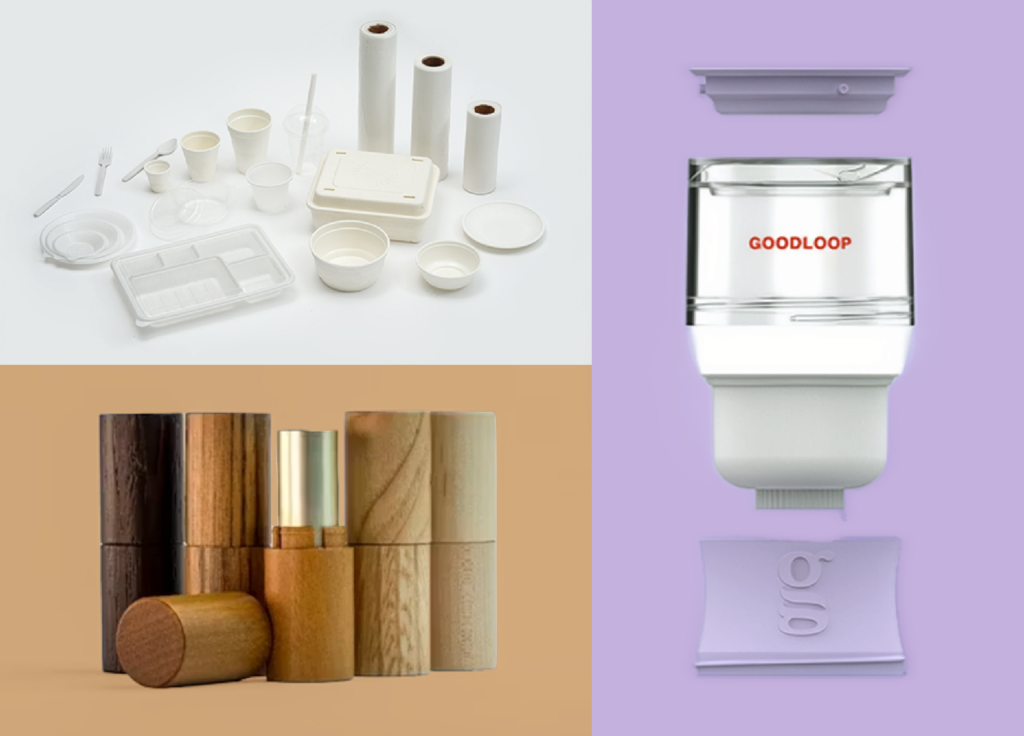
As brands push the envelope with chaos packaging, sustainability remains a crucial priority for all packaged goods. Both CPG companies and packaging manufacturers are researching and innovating with eco-friendly packaging options. 

An example of sustainable packaging innovation is the in-mold labeling (IML) technology for plastic containers. With the IML manufacturing process, the labels are fused to the containers, allowing for easier recyclability because the packaging is a single material. Yogurt cups, primarily made with IML packaging, could inspire chaos packaging in unexpected categories. Imagine beauty products such as face masks or an exfoliator sold in yogurt containers! IML yogurt cups can also be used as packaging for foods in the snacking category, from dried fruits and nuts to chips and dips.

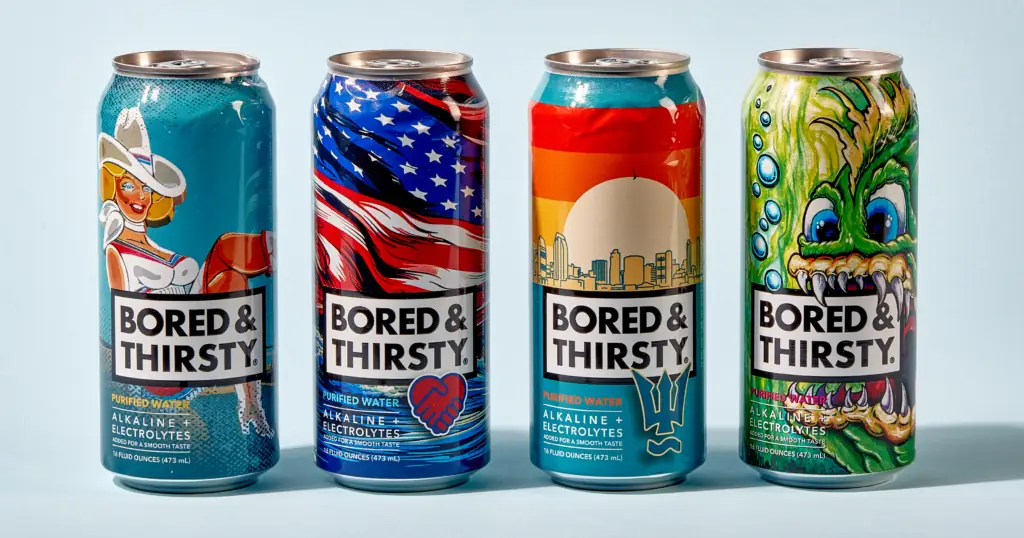
Aluminum is perhaps the most sustainable material on earth as it is highly recyclable. A current trend we observed is water being packaged in aluminum cans. As previously mentioned, Liquid Death water is pretty disruptive as it looks like beer in an aluminum tall boy can. Another fun example of water being packaged in cans is Bored & Thirsty water which has a plethora of wild designs with one consistent simple and clean logo. These designs allow the consumer to make a statement as they enjoy their water!

The future and evolution of packaging, if not chaotic, then certainly fun and sustainable

The chaos packaging trend signals a shift in consumer expectations, with brands redefining traditional forms. As brands innovate, there’s no telling how far they’ll take this trend and how packaging will evolve. Consumer packaging will continue to be a canvas for creativity, tapping into consumers’ love for surprise, fun, and perhaps even a bit of nostalgia – all while adapting to a more sustainable world.

Looking for ideas for your brand’s packaging?

You have come to the right place for inspiration, creativity, and brand strategy!

At Smith Design, we continue to research and immerse ourselves in trends and solutions across different categories. We’d love to hear from you!

Please fill out the form below with your contact information, and we will schedule a consultation.