
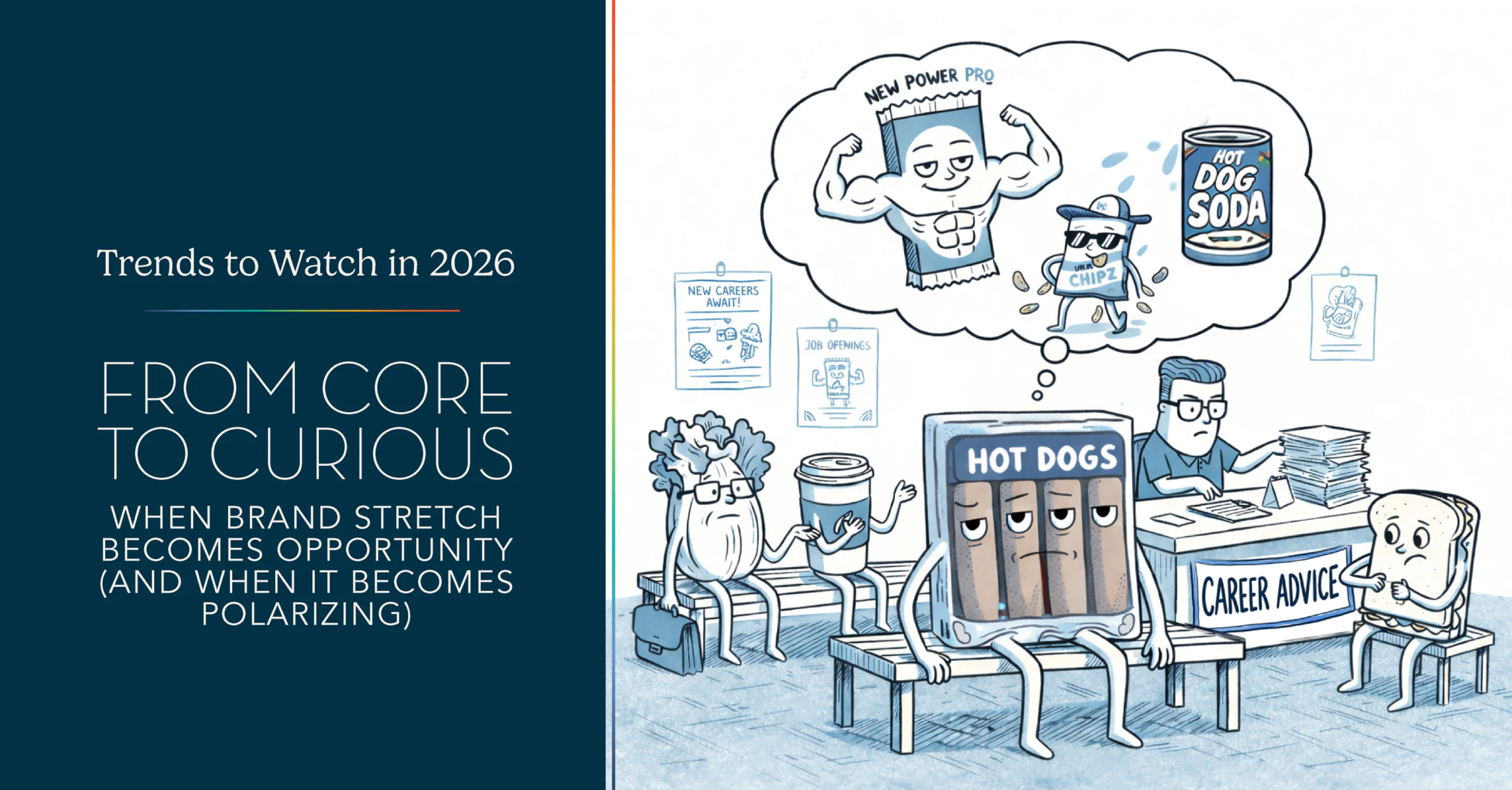
Brand extension is no longer a cautious step into closely related categories. Today, brands are making bolder, more visible leaps, sometimes logically, sometimes provocatively, into new spaces in pursuit of relevance, growth, and cultural momentum. In an era defined by fast-moving trends and fragmented consumer attention, expanding beyond the core can feel like a necessary survival strategy. Yet recent launches reveal a critical tension: not every stretch is embraced. Some feel like natural evolutions of what a brand already represents, while others ignite confusion, skepticism, and even backlash across social platforms. The question is no longer whether brands can stretch, but when that stretch feels authentic, and when it crosses the line into cultural dissonance.
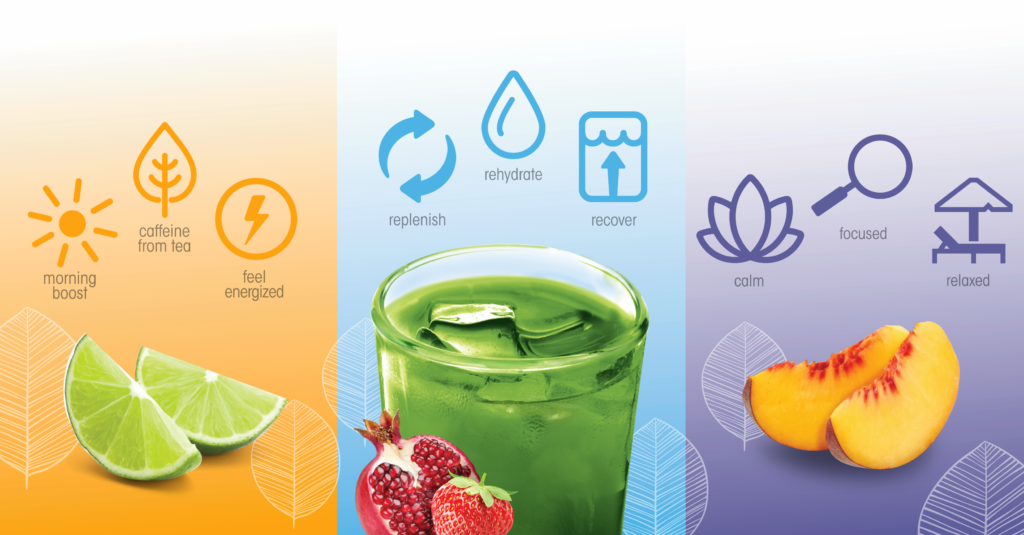
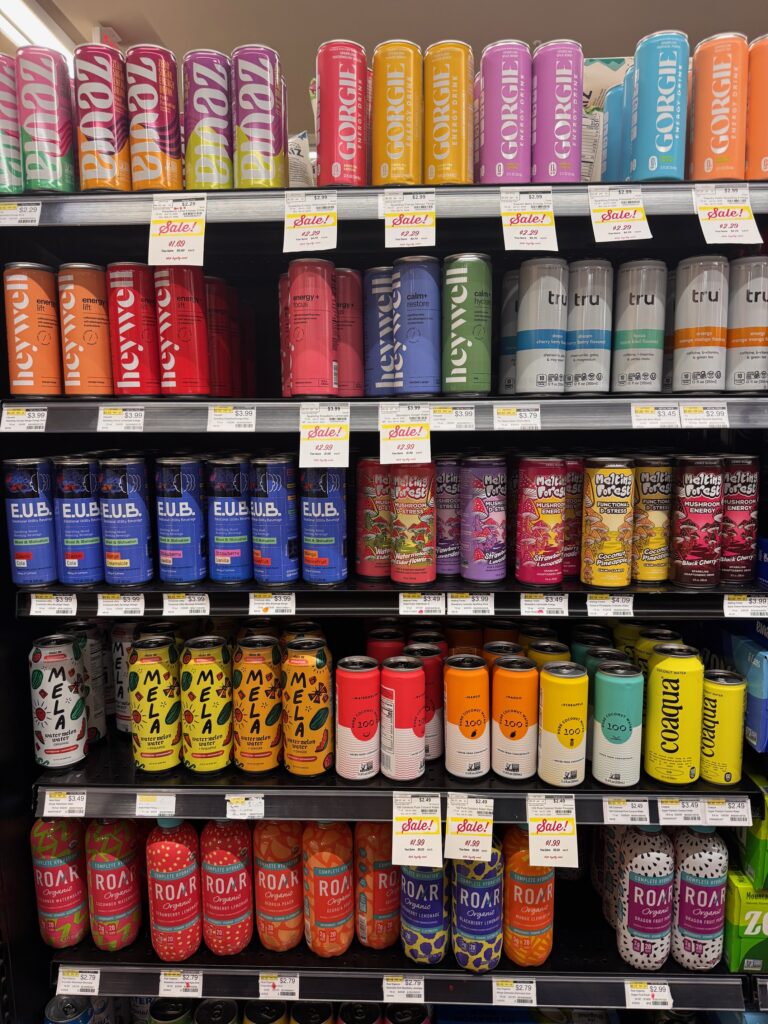
A recent and highly visible example is Beyond Meat’s move into the functional beverage space. For some consumers, the launch signaled innovation and a broader lifestyle platform built around plant-based nutrition. For others, it felt disconnected from what Beyond Meat has historically stood for: meat alternatives grounded in food science, sustainability, and savory meal occasions. The polarized reaction underscores a growing challenge in modern brand strategy. Consumers expect brands to evolve, but only if that evolution aligns with the mental model they already hold. When the connection is unclear, even well-intentioned innovation can feel forced or opportunistic.
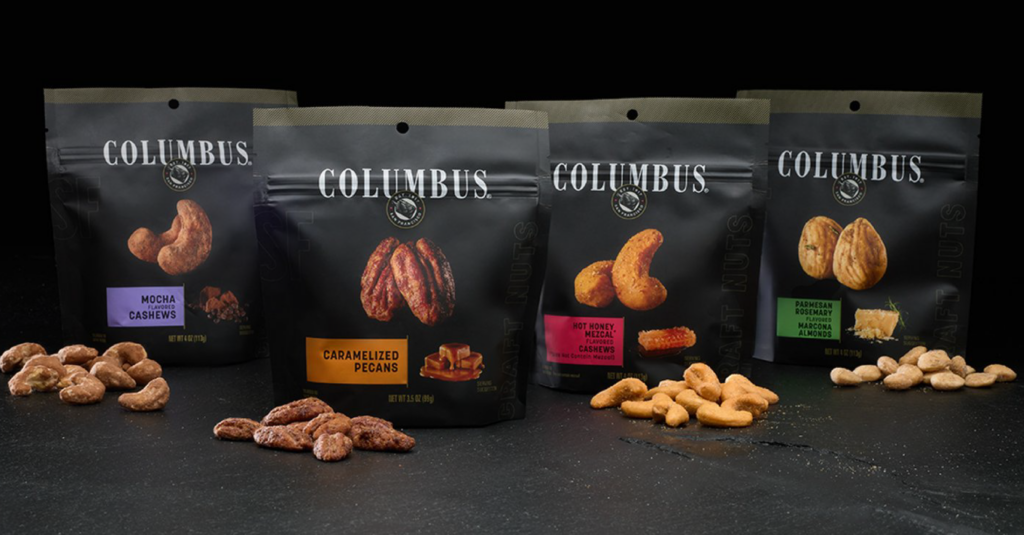
In contrast, several recent brand extensions demonstrate how stretching can succeed when rooted in clear brand logic and occasion relevance. Columbus Meats’ expansion into premium nuts felt intuitive because it extended the same world of craft, quality, and elevated snacking that the brand already owned. Premium nuts naturally fit into charcuterie boards, entertaining moments, and upscale grazing occasions—spaces where Columbus already had cultural permission to play. Rather than redefining the brand, the move simply broadened how and when consumers could interact with it.
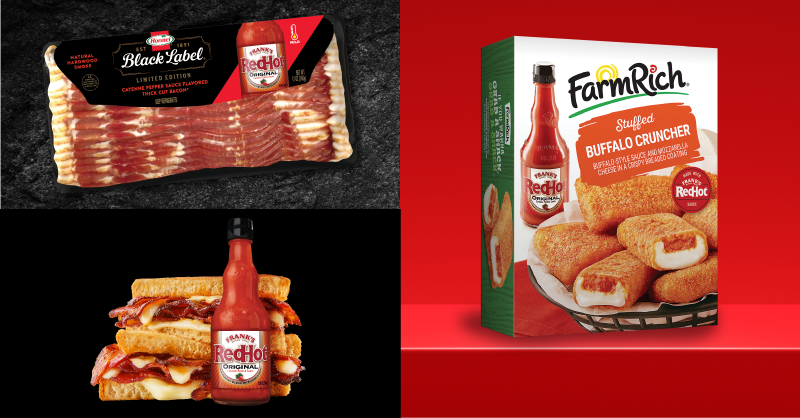
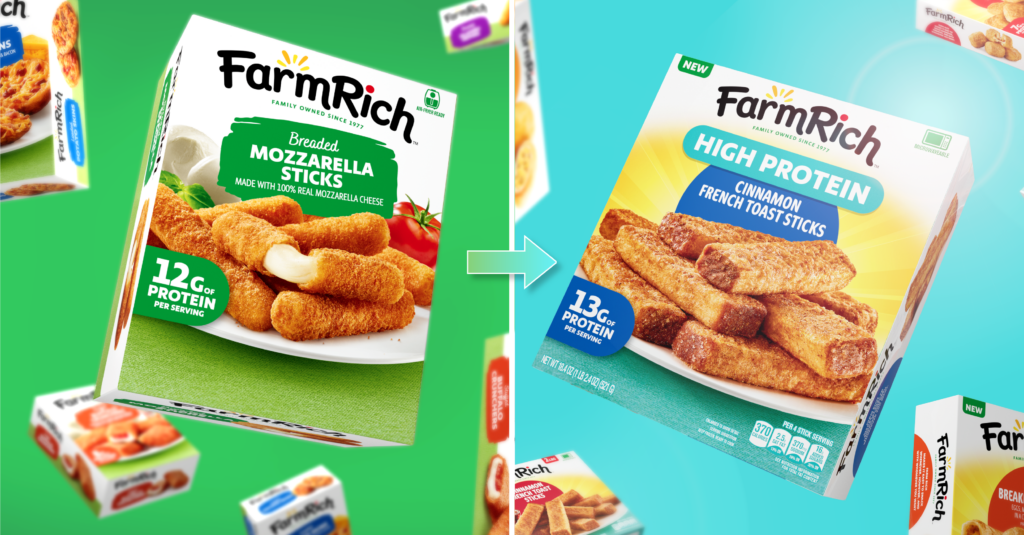
Similarly, Farm Rich’s expansion from frozen appetizers into frozen breakfast built upon its existing equity in comfort, convenience, and freezer-aisle familiarity. Breakfast was not a reinvention but a natural adjacency, allowing the brand to show up at a new daypart while delivering the same promise of easy, crowd-pleasing food. Skippy’s launch of PB Bites followed a comparable logic. By translating its strongest equity, iconic peanut butter taste, and nostalgic appeal, into an on-the-go snacking format, Skippy responded to modern consumption behavior without abandoning its core identity. This was not a leap into a new category as much as a format evolution, meeting consumers where their routines had shifted.
Boar’s Head’s recent entry into indulgent dessert dips may be the boldest example, yet it still remains grounded in the brand’s long-standing reputation for premium, deli-counter craftsmanship. By reframing its role from strictly savory to “premium entertaining,” Boar’s Head expanded into a new emotional territory while staying true to its values of quality and indulgence. The move widens its relevance at social gatherings, extending the brand beyond meats and cheeses into dessert moments without eroding its upscale positioning.
Across these successes, three strategic principles consistently emerge. First, effective brand stretches expand existing occasions rather than inventing entirely unrelated ones. Columbus did not jump into soda; it deepened its presence in snacking and entertaining. Skippy did not become a wellness brand; it stayed in the snack lane and simply made peanut butter more portable. Beyond Meat, by contrast, entered a beverage category defined by different emotional and functional expectations, creating friction between what consumers knew the brand for and what it was suddenly offering.
Second, successful extensions leverage true brand equity, not just brand awareness. They draw from taste cues, trust, quality signals, and the emotional role a brand already plays in consumers’ lives. When Farm Rich entered breakfast, it carried forward its promise of easy comfort food. When Boar’s Head entered the dessert dips market, it leaned into premium indulgence and special-occasion appeal. Extensions fail when they rely solely on logo recognition without translating the brand’s deeper story into the new category in a meaningful way.
Finally, the most successful stretches feel additive rather than opportunistic. Today’s consumers are highly attuned to trend-chasing, especially in saturated spaces like functional beverages and wellness products. Without a clear narrative bridge, Beyond Meat’s move risked being interpreted as a business maneuver rather than a brand evolution. By contrast, Skippy PB Bites addressed a real, practical need: peanut butter without the spoon, making the extension feel purposeful and consumer-driven rather than reactive.
As categories fragment and consumption moments multiply, brand stretching will only accelerate. But the brands that win will not be the ones that stretch the farthest; they will be the ones that stretch with coherence. The difference between opportunity and polarization lies in narrative continuity—whether a new product feels like a natural next chapter or an unrelated side quest. When a brand extension expands an existing role, honors core equities, and solves a genuine consumer need, it builds relevance and long-term growth. When it breaks the mental contract consumers have with the brand, it risks becoming a headline instead of a strategy. In today’s culture, visibility may spark conversation, but authenticity is what sustains trust—and trust remains the most powerful currency a brand can carry into any new category.