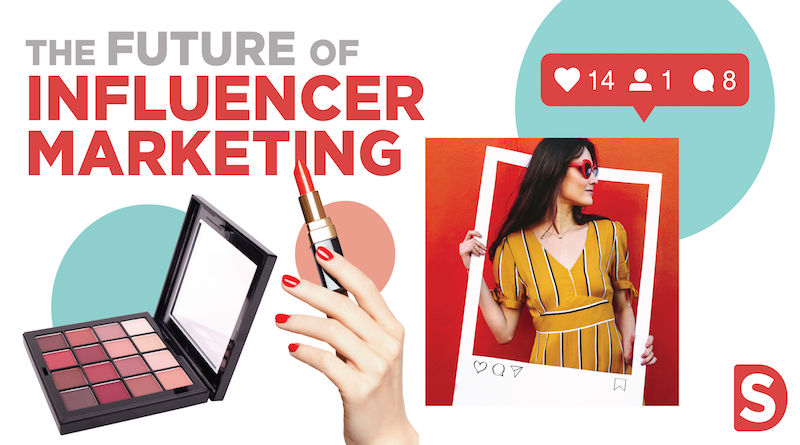
The Future of Influencer Marketing

COVID-19 will undoubtedly leave an unprecedented impact on the world. All industries and business markets will be affected, even the digital landscape.

However, budget cuts are impacting digital campaigns and partnerships. In order for companies to weather the current situation, many budgets have been reduced and reworked. Marketing budgets have come under more detailed scrutiny than ever, so paying for sponsored content partnerships tends to get deprioritized. Influencers have been reducing their rates to try and continue partnerships with brands, but unfortunately, many campaigns have been paused or cancelled, despite the positive metrics. 

With the increase in social media usage and the quickly accelerating growth of e-commerce, brands across all categories shouldn’t dismiss sponsored content as a valuable marketing strategy in a post-COVID-19 world. There is now an opportunity for brands and influencers to create a more authentic connection with each other and with their audiences. Sponsored partnerships are being approached openly and honestly, parameters being laid out with an understanding of the difficulties COVID-19 has caused. As Later points out, influencers are able to approach brands with reduced pricing for sponsored campaigns and content, creating partnerships that may not have happened before. If your brand is considering starting or refreshing an influencer marketing campaign, now might be the perfect time to solidify plans. 

Great examples of brands successfully utilizing social media channels and influencer partnerships, even during this time of new challenges, are found in the tool industry. Many brands of tools partner with influencers on social media, who use and review their products in their professions. Their opinion is reliable because these influencers actually use these products on jobsites. They naturally relate to the brands’ target audience, building community and trust, while encouraging others in their field to try the products they recommend. This digitally connected network of influencers and audiences will continue to drive positive results for the partnered brands, especially with the ongoing rise of e-commerce. 

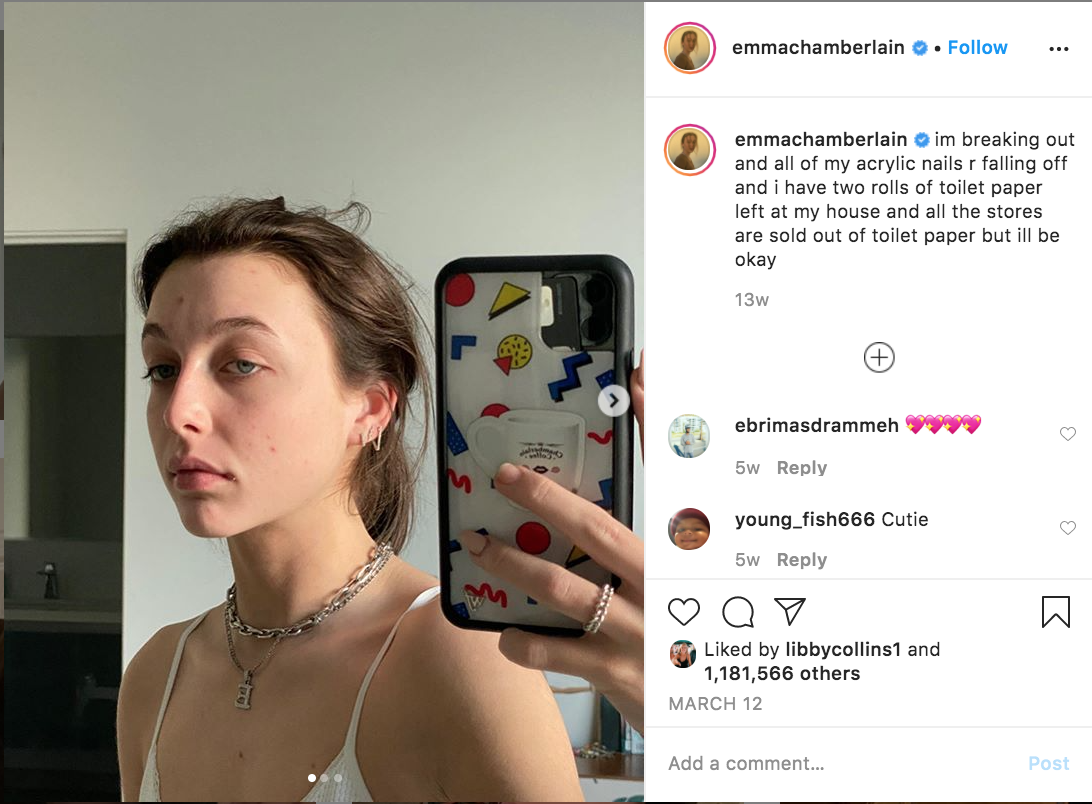
In addition to reevaluating existing partnerships and developing new ones, there is an opportunity to reframe content to be more effective in the changing world. Recently, sponsored content through a filtered lens has been losing its charm on audiences. In an analysis of the fashion magazine industry, The Times asked “In a world where toilet paper is hard to come by, is there a place…for magazines selling dreams of luxury?” This question applies to influencers and their content as well. Influencers will be more successful with their sponsored content if their voice is honest and reliable. Consumers crave authenticity. Audiences, especially from Generation Z (who make up the majority of Instagram users), will respond well to content that does not feel disconnected from reality.

The perspective of influencer marketing has to change from “don’t you want to be like me?” to “I am just like you”. Now more than ever, people want to feel comforted by honesty, authenticity, and familiarity. Campaigns that achieve this will connect with their target audiences and earn brand loyalty. 

Emma Chamberlain, a YouTuber and influencer who is especially popular with Gen Z, has built her entire personal brand around authenticity, often taking it to the extreme with her content. Her content is so real and relatable that it makes her followers feel like they are on the inside of a private joke with her. 
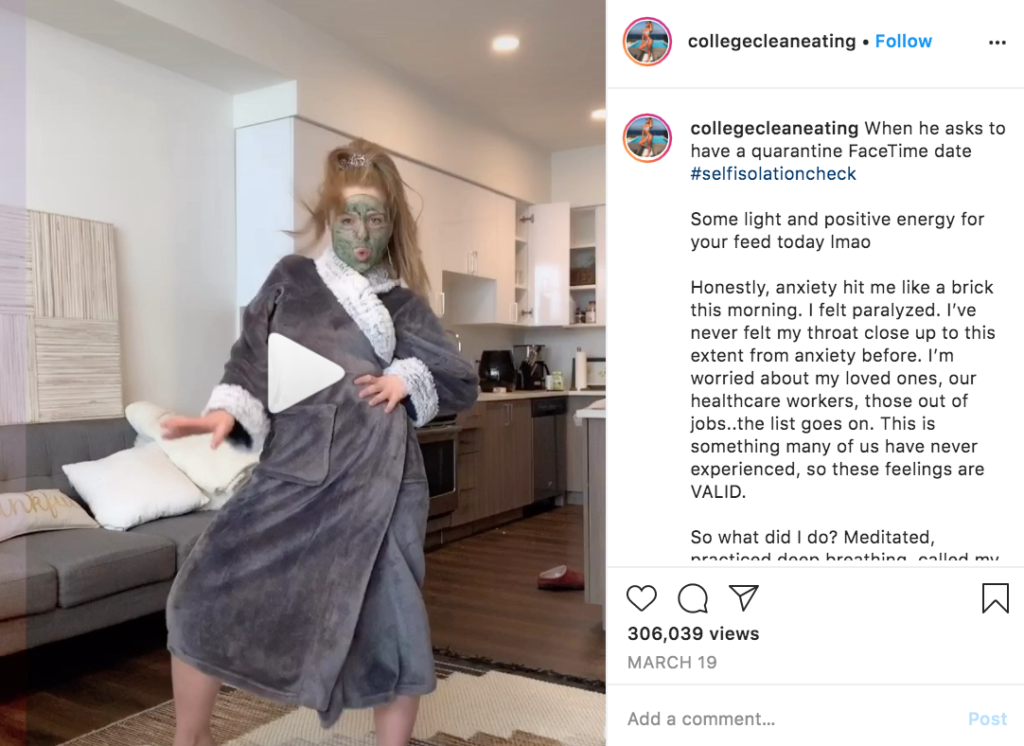
Another example of successful authenticity is fitness influencer Katrina @collegecleaneating. She posts engaging content, opening up about relationships, mental health, and body positivity struggles she’s experienced on her fitness journey. Her approachable, empathetic digital presence has earned her about 650,000 followers on Instagram and differentiates her profile from other fitness accounts that rely heavily on perfection. When she shares sponsored content, her followers are ready to engage and inherently trust her opinion. 
As the world moves forward and marketing teams are faced with many decisions, influencer marketing shouldn’t be overlooked. With the right content, partnerships, and strategy, influencer marketing is a powerful tool that B2C brands can use to leverage the rising popularity of e-commerce, build brand loyalty, drive traffic to websites, and ultimately increase digital sales. Questions about developing effective brand and digital marketing strategies? Contact us below. 

Sources:
https://www.ai-ap.com/publications/article/26614/trending-could-covid-19-kill-off-influencer-cultu.html

nytimes.com

https://www.bigcommerce.com/blog/influencer-marketing-statistics/

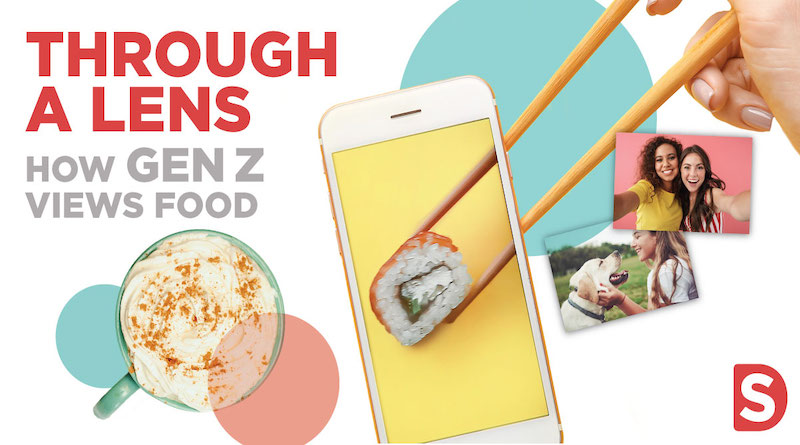
Through a Lens: How Gen-Z Views Food

“Gen-Z”. The generation under the scrutiny of marketers who want to understand their shopping preferences, their consumer habits, and TikTok. Generally speaking, this generation is an ethnically diverse, socially-conscious group of digital natives who are growing up with unprecedented access to technology. As this group of people (born between 1995-2015) gets older, their impact on all industries, including the food and restaurant industry, is becoming increasingly evident. 

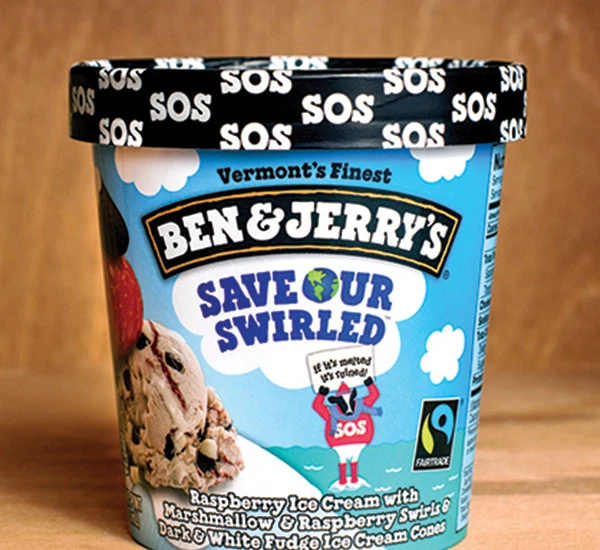
This generation is practical and realistic. They crave authenticity, which causes them to opt away from artificial ingredients and preservatives if they can help it. Ethical and sustainable sourcing is also important to them, as they are careful about the impact their actions have on the greater good. Studies show that Gen-Z is more eager than previous generations to go meatless, 79% of the generation wanting to at least reduce their overall meat intake in an effort to be more sustainable. As major influencers of the rise in popularity of veganism, they will find it odd if a brand or restaurant does not offer vegan and/or vegetarian options. In addition to wanting to see food brands be inclusive with their dining options, they especially appreciate brands that engage with relevant trends, and in some cases, politics. 

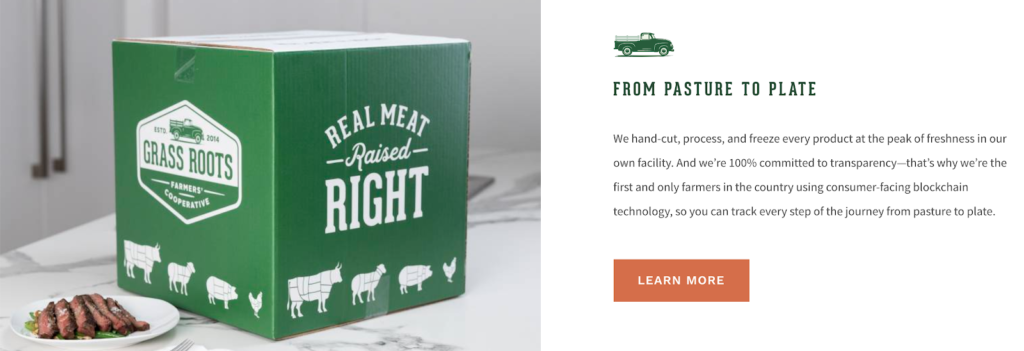
As Melissa Abbott explained in Food Business News, Gen-Z is all about transparency. “Gen Z is the first generation to completely grow up in the digital age, so to them there is no question that can be unanswered. This is really affecting the food that they eat because they want to know where it’s from, how’s it grown, who made it.” Perceptions of shadiness won’t be tolerated by these consumers. A good example of transparency that would resonate with Gen-Z is Grass Roots’ pasture-raised meat. They explain the mission and pasture-raised farm methods behind their products, and even emphasize transparency in their shipping process. Their digital presence is engaging and their message is clear. 

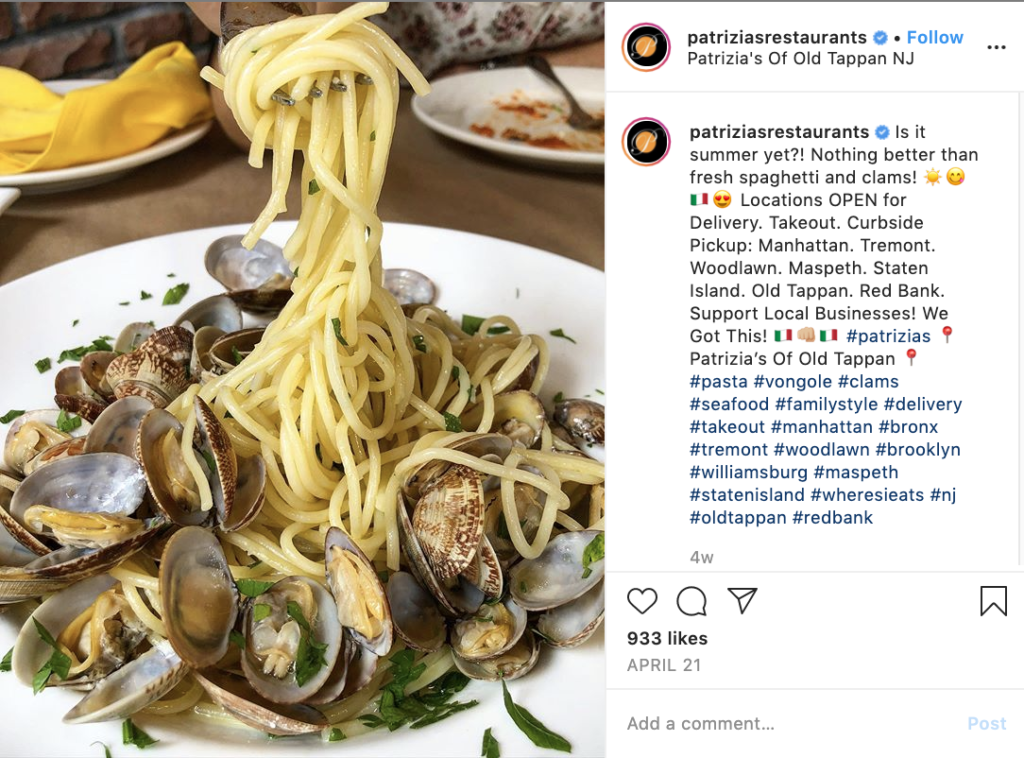
At the center of many stereotypical jokes about this younger crowd is the trend of photographing and posting meals on social media. This habit doesn’t come as a surprise, as this generation accounts for about 75% of Instagram users. In reality, the act of pausing for a moment to appreciate the meal and share it with others actually makes the meal more satisfying. A study from the Journal of Consumer Marketing found that the attention to detail and delay in gratification has a positive effect on the senses. 

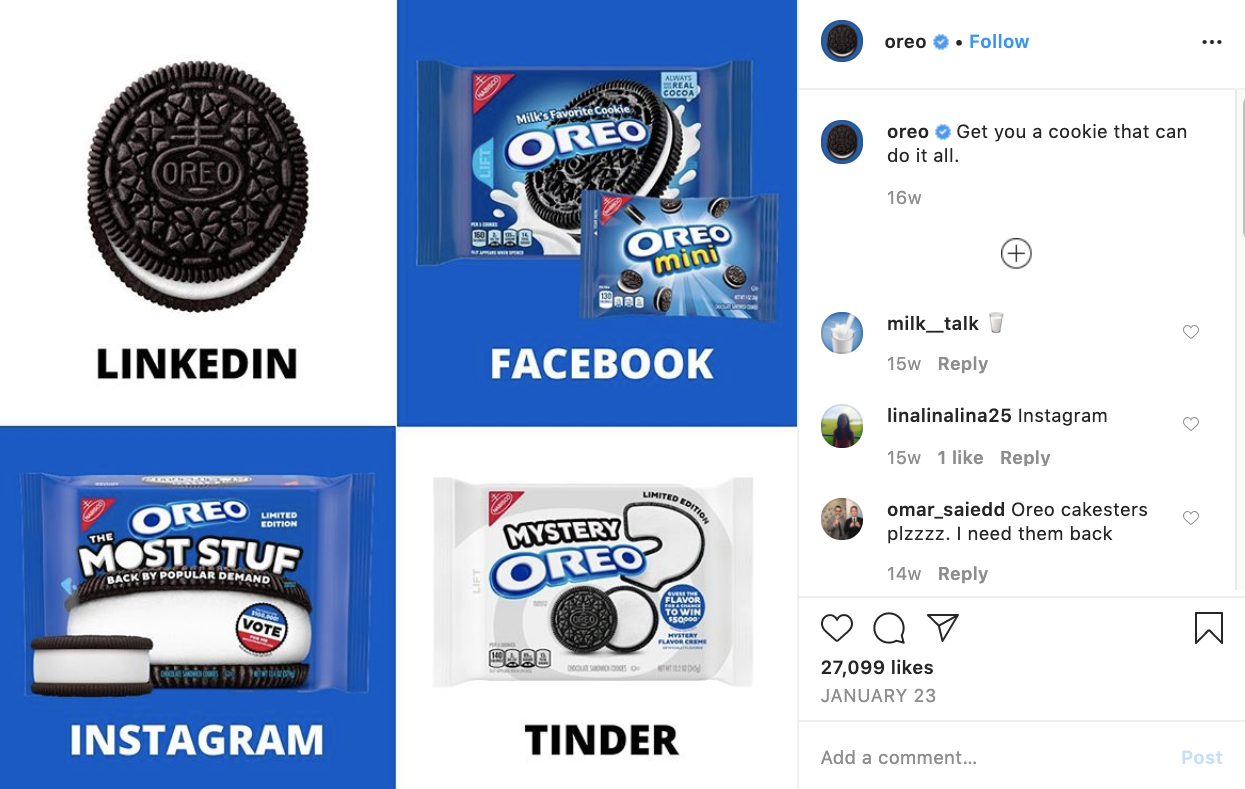
Brands and restaurants can benefit from creating a digital relationship with their consumers through social media. It only makes sense to engage with consumers where they spend time – and in many cases for food, that is Instagram. An Instagrammable dish seen on social media is a call to action for these adventurous eaters.

In addition to Instagram, TikTok is also having a strong impact on this generation’s food trends and habits. Lots of food trends have gone viral on TikTok, especially with the help of the platform’s many food influencers. From cute cereal made out of tiny pancakes to recipes for full meals, TikTok’s bite-sized videos are perfect for sharing food content with Gen-Z.

Growing up with social media, Gen-Z’s digital attention moves at a fast pace. The short recipe videos through TikTok are this generation’s ideal way of learning to cook – convenient, clear, and fun. Brands can leverage this type of content to showcase how to cook with or use their products.

While Gen-Z eaters are adventurous and like a photogenic experience when it comes to food, they also appreciate convenience. Even before COVID-19, take out and drive through meals were increasing in popularity as younger people chose to take their food home and dine on their own terms. Often, this includes streaming something on the TV while eating. In this situation, the combination of convenient food and entertainment of their choice creates a tailored dining experience in the comfort of their home. Retail brands will benefit from this trend as well, as more and more grocery stores offer delivery or pickup options. 

It is key for brands to understand how Gen-Z’s conscious consumerism and digital habits affect their preferences in food and dining, and how those preferences will affect those industries as a whole. To learn more about generation z’s consumer habits, visit our POV analysis here

Sources:

A New Generation to Feed by American Egg Board

https://upserve.com/restaurant-insider/generation-z-new-food-trends/

https://www.ama.org/marketing-news/how-ben-jerrys-took-both-its-ice-cream-and-mission-global/

https://www.buzzfeed.com/racheldunkel/recipes-on-tiktok-that-have-my-mouth-watering

https://www.instagram.com/patriziasrestaurants/