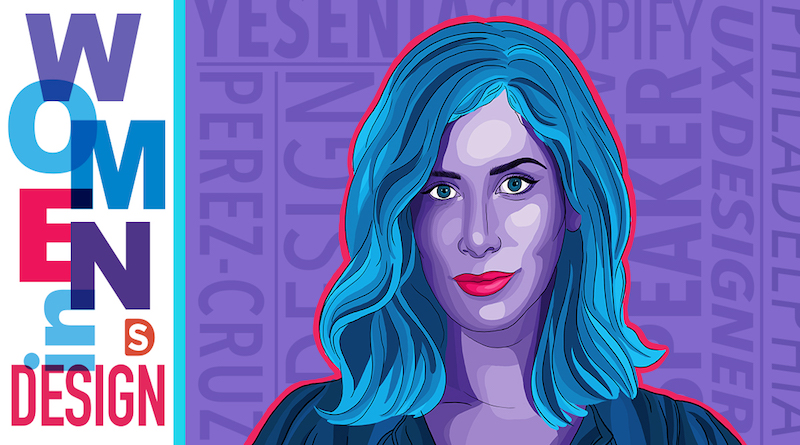
Women In Design – Yesenia Perez-Cruz

In this blog series, we shine a light on women trailblazers in the design industry – women who have earned a Wikipedia page (or are likely to very soon). You might not know them by name, but definitely by their work and influence on the design world as a whole.

This month, we’re highlighting Yesenia Perez-Cruz, an accomplished designer, speaker, and author. Yesenia Perez-Cruz is a great role model for women and people of color who are interested in design and technology. Her drive towards innovation and passion for inclusivity make her a strong leader in this traditionally male, white industry. 

Initially Perez-Cruz, who came to the US when she was 5 years old, thought she would grow up to be a writer. Her time was spent at this early age reading books as a way to teach herself English. Reading and writing became the foundation for her creative curiosity and that self-motivated drive can be attributed to her success today. A graphic design course in her senior year of high school changed all that and led to her acceptance to the design program at Drexel University.


It was here that Perez-Cruz first became interested in web and user interface design and, eventually, more specifically, UX design. 

UX design,  simply put,  “refers to any interaction a user has with a product or service”. Her work in UX puts her on the forefront of innovations which consumers experience first-hand and in real time. Her inclusive mindset ensures that technology is designed responsibly with all humans in mind, creating a seamless, positive interaction for all end users. 

In her current role as Senior UX Manager at Shopify, she’s noted that her love of writing now plays a bigger role in her career than she expected with UX design presenting an opportunity to tell an interactive story. Her work,  visually stunning as well as highly functional, has earned her street-cred awards like Rad Girl’s 2015 Designer of the Year and a Webby.
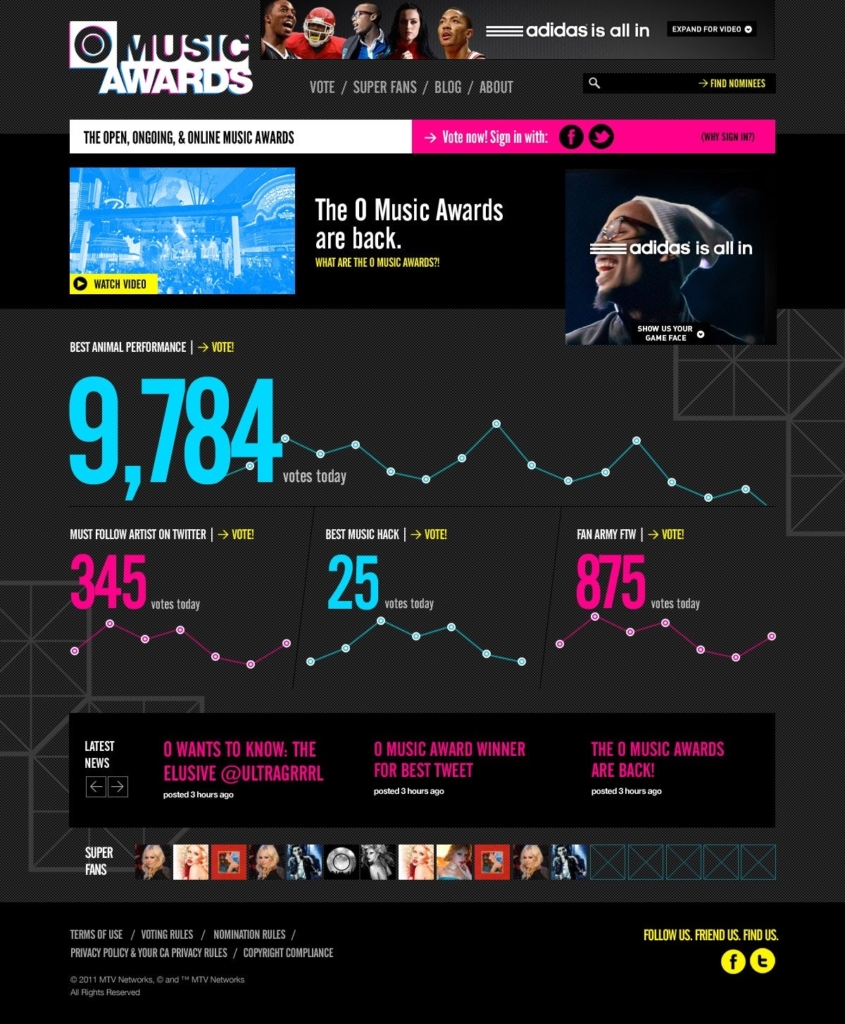
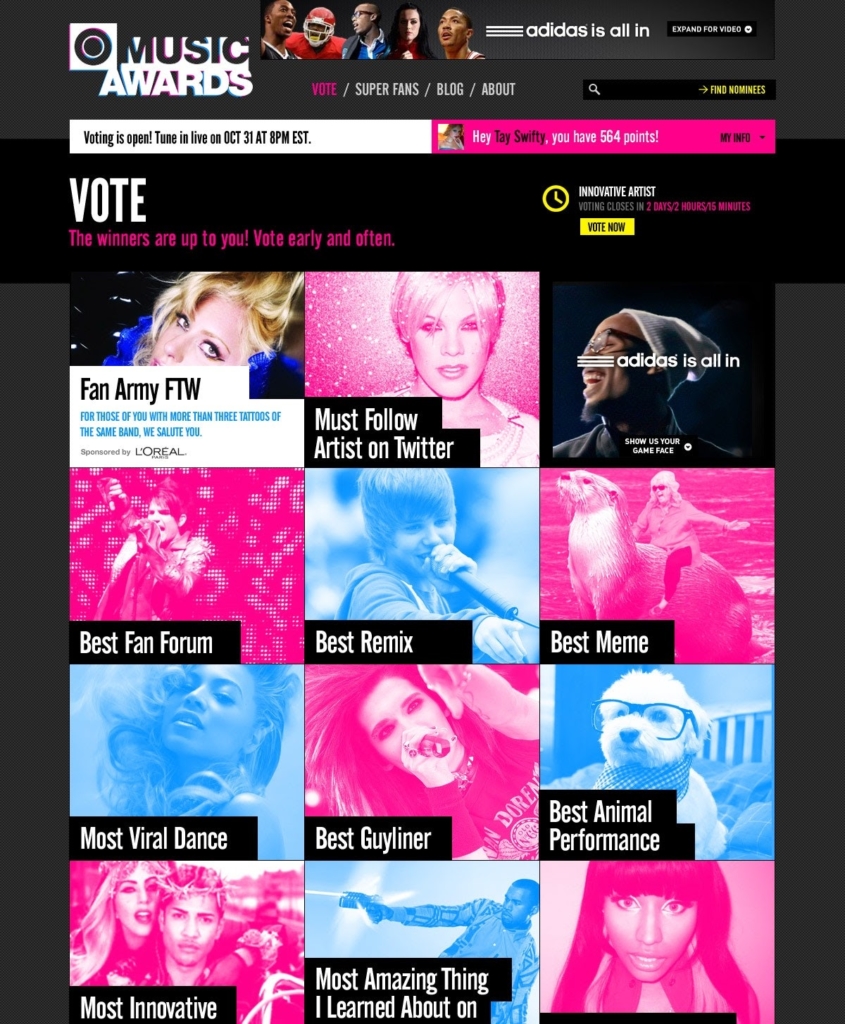
She is especially passionate about the relationship between technology and design, providing audiences with applicable inspiration for their own work. In her book, “Expressive Design Systems” she explores the ways in which design systems can elevate design and innovation, and how to avoid becoming stifled by processes. 

Perez-Cruz, a self described introvert, travels the world as a speaker at conferences and events, sharing her expertise and passion but also as a way to advocate for inclusivity and for women of color in the highly competitive design/tech world.

In an interview with The Great Discontent, she explained “When I was going to conferences for the first time, I never saw people on stage who looked like me—there weren’t a lot of women or Latinas. I realized that if I wanted to see more Latinas on stage, I’d have to push myself to get up there. I hope that others will be inspired by that.”
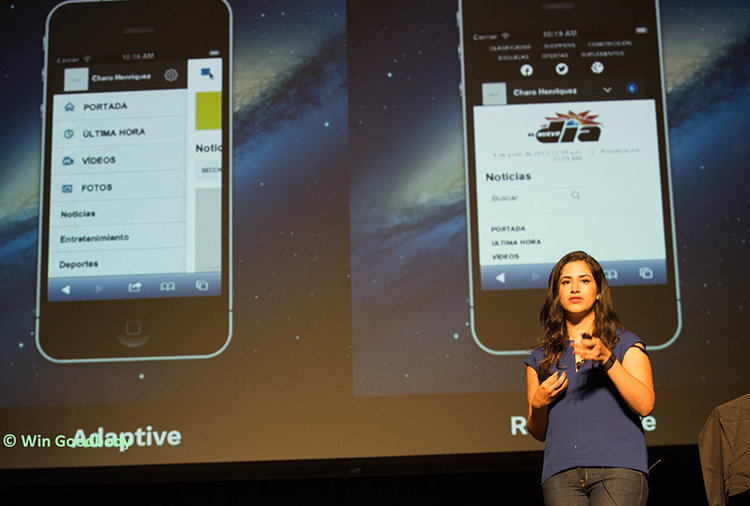
Yesenia Perez-Cruz’s viewpoint is one we should all pay attention to. Through her own self advocacy and inclusive approach, she hopes to encourage others to pursue a similar path.

To learn more about Yesenia Perez-Cruz and to see her work, visit her website https://www.yeseniaperezcruz.com/

The Future of Influencer Marketing

COVID-19 will undoubtedly leave an unprecedented impact on the world. All industries and business markets will be affected, even the digital landscape.

However, budget cuts are impacting digital campaigns and partnerships. In order for companies to weather the current situation, many budgets have been reduced and reworked. Marketing budgets have come under more detailed scrutiny than ever, so paying for sponsored content partnerships tends to get deprioritized. Influencers have been reducing their rates to try and continue partnerships with brands, but unfortunately, many campaigns have been paused or cancelled, despite the positive metrics. 

With the increase in social media usage and the quickly accelerating growth of e-commerce, brands across all categories shouldn’t dismiss sponsored content as a valuable marketing strategy in a post-COVID-19 world. There is now an opportunity for brands and influencers to create a more authentic connection with each other and with their audiences. Sponsored partnerships are being approached openly and honestly, parameters being laid out with an understanding of the difficulties COVID-19 has caused. As Later points out, influencers are able to approach brands with reduced pricing for sponsored campaigns and content, creating partnerships that may not have happened before. If your brand is considering starting or refreshing an influencer marketing campaign, now might be the perfect time to solidify plans. 

Great examples of brands successfully utilizing social media channels and influencer partnerships, even during this time of new challenges, are found in the tool industry. Many brands of tools partner with influencers on social media, who use and review their products in their professions. Their opinion is reliable because these influencers actually use these products on jobsites. They naturally relate to the brands’ target audience, building community and trust, while encouraging others in their field to try the products they recommend. This digitally connected network of influencers and audiences will continue to drive positive results for the partnered brands, especially with the ongoing rise of e-commerce. 

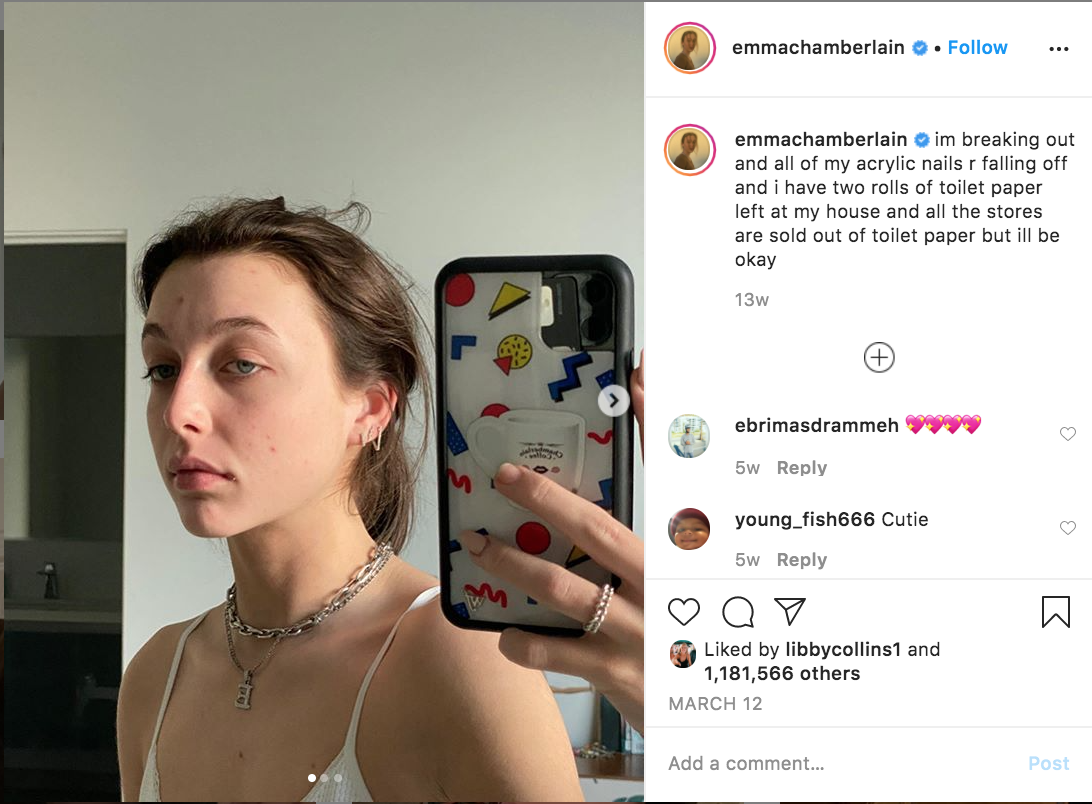
In addition to reevaluating existing partnerships and developing new ones, there is an opportunity to reframe content to be more effective in the changing world. Recently, sponsored content through a filtered lens has been losing its charm on audiences. In an analysis of the fashion magazine industry, The Times asked “In a world where toilet paper is hard to come by, is there a place…for magazines selling dreams of luxury?” This question applies to influencers and their content as well. Influencers will be more successful with their sponsored content if their voice is honest and reliable. Consumers crave authenticity. Audiences, especially from Generation Z (who make up the majority of Instagram users), will respond well to content that does not feel disconnected from reality.

The perspective of influencer marketing has to change from “don’t you want to be like me?” to “I am just like you”. Now more than ever, people want to feel comforted by honesty, authenticity, and familiarity. Campaigns that achieve this will connect with their target audiences and earn brand loyalty. 

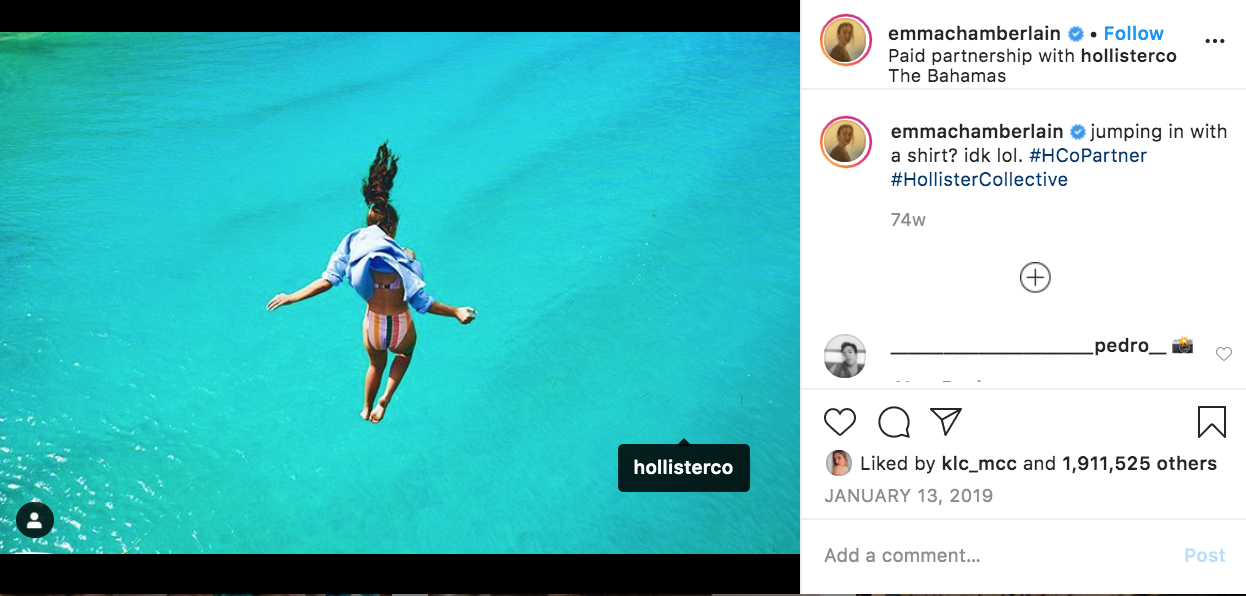
Emma Chamberlain, a YouTuber and influencer who is especially popular with Gen Z, has built her entire personal brand around authenticity, often taking it to the extreme with her content. Her content is so real and relatable that it makes her followers feel like they are on the inside of a private joke with her. 

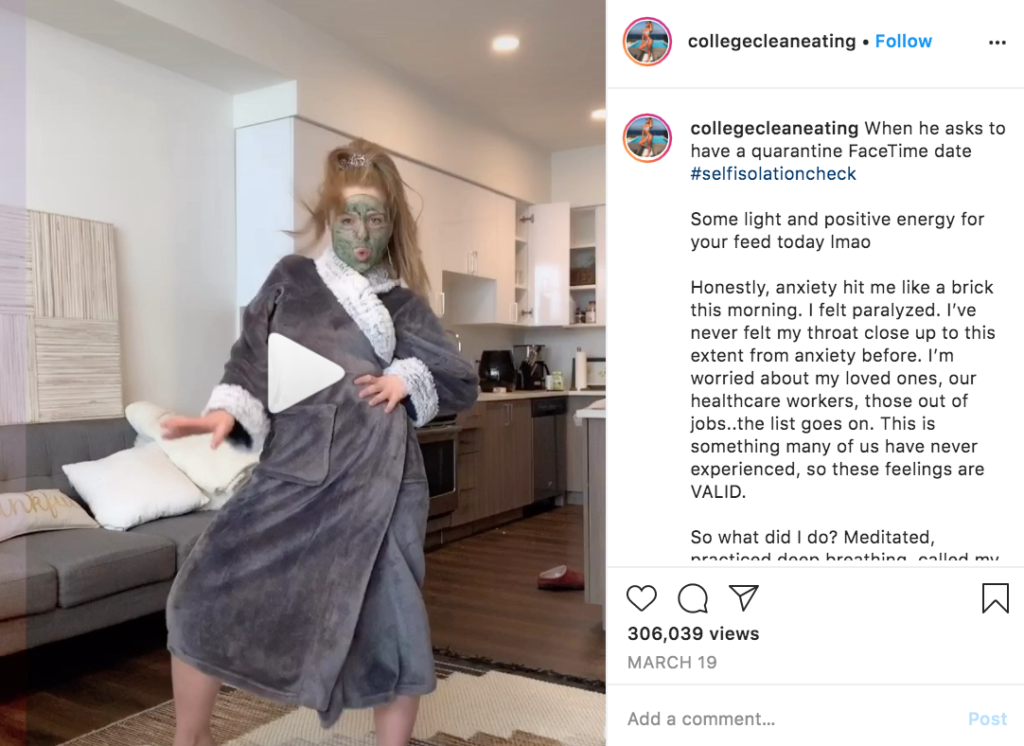
Another example of successful authenticity is fitness influencer Katrina @collegecleaneating. She posts engaging content, opening up about relationships, mental health, and body positivity struggles she’s experienced on her fitness journey. Her approachable, empathetic digital presence has earned her about 650,000 followers on Instagram and differentiates her profile from other fitness accounts that rely heavily on perfection. When she shares sponsored content, her followers are ready to engage and inherently trust her opinion. 

As the world moves forward and marketing teams are faced with many decisions, influencer marketing shouldn’t be overlooked. With the right content, partnerships, and strategy, influencer marketing is a powerful tool that B2C brands can use to leverage the rising popularity of e-commerce, build brand loyalty, drive traffic to websites, and ultimately increase digital sales. Questions about developing effective brand and digital marketing strategies? Contact us below. 

Sources:

https://www.ai-ap.com/publications/article/26614/trending-could-covid-19-kill-off-influencer-cultu.html

nytimes.com

https://www.bigcommerce.com/blog/influencer-marketing-statistics/