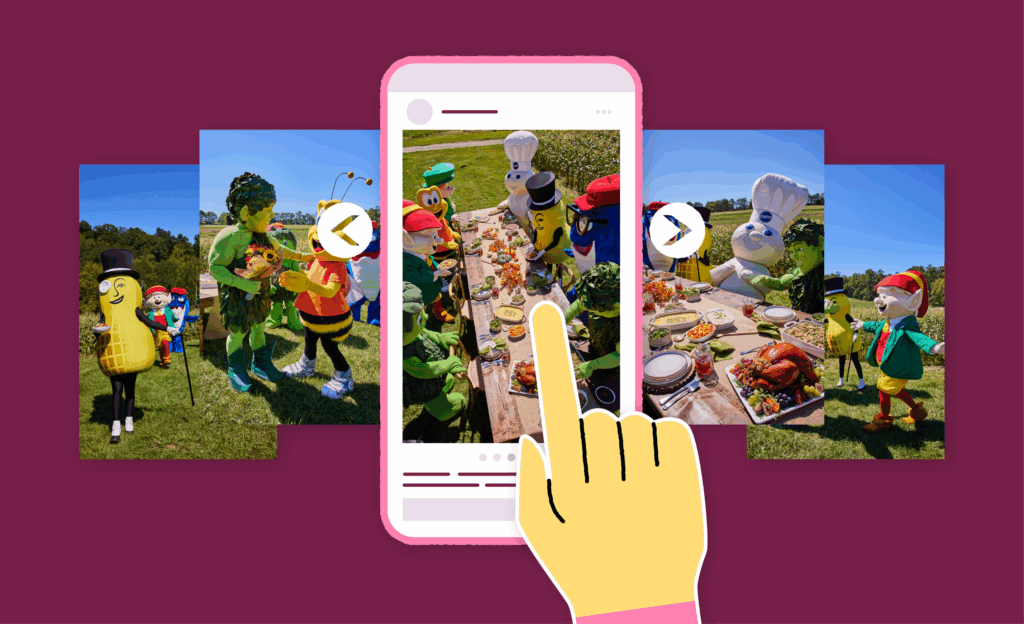
Together, We Gather.

In honor of the holiday season, we’re celebrating the connections between cultures, stories, and traditions that make our world richer and more flavorful.

Because we believe that food has the power to bring people together in profound ways, we are donating to World Central Kitchen, supporting its mission to provide nourishing meals to communities in need around the world.

Below, you will find recipes from a few of our team members; small tastes of the many backgrounds and experiences that shape who we are.

Happy Holidays from Smith Design!

Becki’s Polish Chruściki

Ingredients:

  • 5 large egg yolks at room temperature
  • 1 large whole egg at room temperature
  • 1/2 teaspoon salt
  • 1/4 cup confectioners’ sugar plus extra for sprinkling
  • 1/4 cup heavy cream
  • 1 teaspoon vanilla
  • 1 tablespoon rum or brandy
  • 2 cups all-purpose flour
  • 3 cups canola or vegetable oil

Instructions:

  • In the bowl of a stand mixer or in a large bowl with a hand mixer, combine egg yolks, whole egg and salt. Beat at high speed until thick and pale yellow, about 5 minutes.
  • Beat in sugar, cream, vanilla extract and rum. Add flour and beat until dough forms, about 5 minutes.
  • Turn the dough out onto a floured surface. Divide it in half, then cover with plastic wrap and let it rest for at least 20 minutes.
  • Working with half of the dough at a time, roll out to ⅛-inch thickness. Using a pizza cutter or a sharp knife, cut the dough into 2-inch-wide strips.
  • Cut the strips on the diagonal at 4-inch intervals. This results in 2×4 inch rectangles.
  • Make a slit in the center of each strip of dough. Pull one end through the slit to create the traditional twist shape.
  • Heat 2 inches of oil in a large, deep skillet to 350°F.
  • Fry 4 to 6 Chruściki at a time for 1 minute or less per side or until golden brown. Keep an eye on them, they fry quickly! Drain the crisped Chruściki on paper towels.
  • Dust with confectioners’ sugar.  

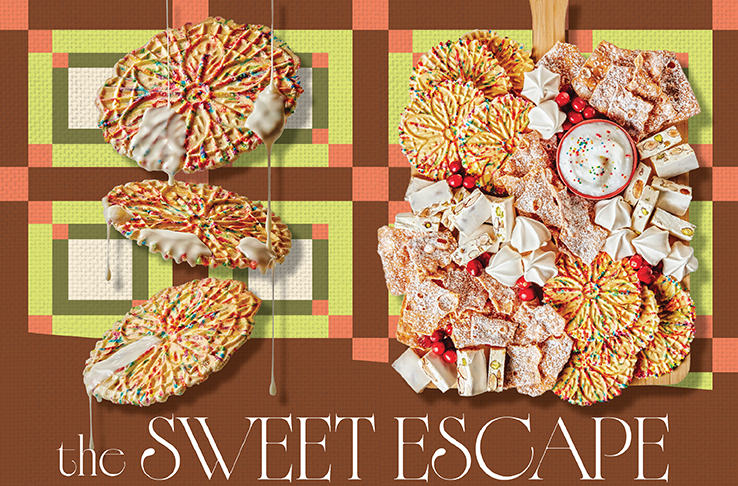
Elana’s Italian Pizzelle

Ingredients:

  • 6 eggs
  • 2 Tbsp vanilla extract
  • 1 1/2 cups sugar
  • 6 cups flour
  • 4 tsp baking powder
  • 1 cup melted butter, cooled
  • 1 Tbsp anise seeds
  • round rainbow sprinkles

Instructions:

  • In a stand mixer (or with a handheld mixer), beat the eggs, adding the sugar gradually. 
  • Beat the eggs and sugar until smooth. Add the cooled, melted butter and vanilla extract. 
  • Sift the flour and baking powder together, then add them to the eggs and sugar. Stir in the anise seeds and roll the mixture into small balls.
  • Heat up a pizzelle iron. While the iron heats, pour the sprinkles into a small bowl. 
  • Roll the cookie dough balls into the sprinkles so they are coated on the outside. 
  • Place the sprinkled cookie dough into the pizzelle maker and press to cook. Repeat with the remaining dough balls.

Grace’s Sicilian Almond Torrone

Ingredients:

  • 2 sheets wafer paper, cut to fit baking pan
  • 1 cup honey
  • 1 ⅔ cups sugar
  • 3 egg whites, at room temperature
  • 1 pinch salt
  • 1 Tablespoon clear vanilla extract 
  • 1 Tablespoon lemon zest
  • 3 cups nuts, roasted almonds, pistachios, hazelnuts, or pecans

Instructions:

  • Prepare a 9-inch square baking dish (or similar size) by lining it with plastic wrap, ensuring the bottom and sides are fully covered.
  • Cut both sheets of wafer paper to fit the size of the baking dish. Place one sheet of the wafer paper into the bottom of the dish, and set the other piece aside for later.
  • Take the room temperature egg whites and beat them with a dash of salt in a stand mixer until soft peaks form. Keep them in the stand mixer for later.
  • Take a medium to large-sized heavy-bottomed pot, and add the honey and sugar. Stir this mixture on medium heat until it has reached 300ºF.
  • Once the sugar mixture has reached 300ºF, remove from heat and immediately bring it over to the stand mixer.
  • With the mixer on medium-high, stream in about 3 Tablespoons of the hot sugar mixture, let it fully combine with the egg whites, and whip for a few moments
  • before slowly streaming in the remaining sugar mixture.
  • Add in the lemon zest and vanilla extract. Pay close attention to how thick the mixture is getting as it cools. Continue to whip it until the sides of the bowl
  • are cool enough to keep your hand on it for 10 seconds. It takes about 30 seconds to cool down.
  • When this happens, add in the nuts and give it one good mix to combine, then shut it off. If the mixture is getting too thick before the bowl is cool enough to
  • keep your hand on it, add the nuts in and stop mixing at any point. Working quickly, pour the mixture into the prepared baking dish, on top of the wafer paper.
  • Gently spread as evenly as possible. Use a lightly greased spatula to spread the nougat if needed.
  • Top the nougat with the second wafer paper sheet. Gently press everything down tightly and flat, trying to get as flat and level a top as you can – you can
  • use the bottom of a cup to help smooth it out if needed.
  • Let cool at room temperature.
  • When ready, carefully turn the torrone out onto a cutting board. Remove the plastic wrap and use a long serrated knife to cut the torrone into desired sizes.

Melissa’s Pork Tenderloin

Ingredients:

  • 2 pork tenderloins (about 1 1/2 pounds each)
  • 2 tablespoons canola oil
  • Salt and freshly ground pepper

Guava Glaze:

  • 1 cup guava jelly, or apricot jam
  • 1/4 cup Dijon mustard
  • 1/4 cup freshly squeezed orange juice
  • Salt and freshly ground pepper

Orange-Habanero

  • 2 tablespoons canola oil
  • 1 small red onion, finely chopped
  • 4 cloves garlic, finely chopped
  • 1/2 cup fresh lime juice
  • 3 cups freshly squeezed orange juice
  • 1/2 habanero chile, seeded and finely chopped
  • 2 tablespoons chopped fresh cilantro leaves
  • 1 teaspoon cumin seeds
  • Salt and freshly ground pepper

Instructions:

  • Preheat the grill to high.
  • Brush pork with oil, and then season it with salt and pepper. 
  • Set aside a few tablespoons of the Guava Glaze for brushing the cooked pork.
  • Grill the pork tenderloins for 4 to 5 minutes per side, brushing frequently with the Guava Glaze.
  • Remove from the grill, brush again with glaze, and let rest for 10 minutes. Slice into 1/2-inch thick slices, drizzle with the Orange-Habanero Mojo, and serve immediately.

Guava Glaze:

  • Whisk jelly, mustard, and orange juice together in a small bowl.
  • Season, to taste, with salt and pepper.

Orange-Habanero Mojo:

  • Heat oil in a small saucepan over medium-high heat. Add onion and garlic and cook, stirring, until soft, about 5 minutes.
  • Add lime juice, orange juice, and habanero chile and bring to a boil. Cook until reduced by half.
  • Whisk in the cilantro and cumin and season to taste with salt and pepper. Drizzle over pork.

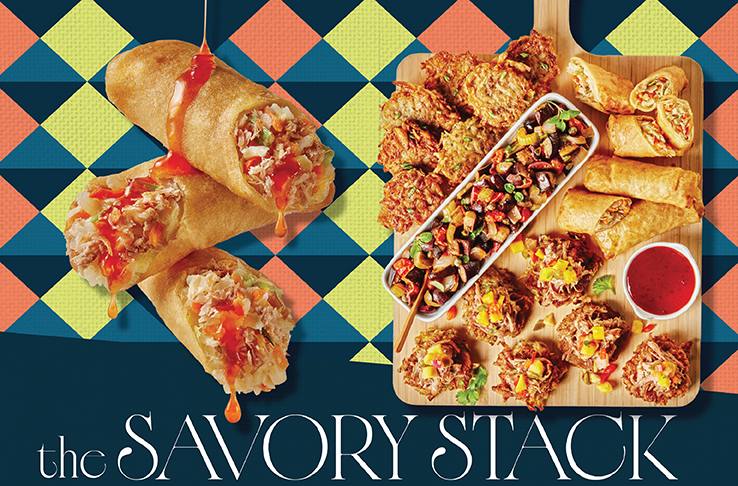
Allen’s Hawaiian Lumpia

Ingredients:

  • 16 oz lumpia wrappers
  • 1 lb ground pork
  • 2 cloves garlic
  • 1 tsp salt
  • 1 tsp black pepper
  • 1 tsp garlic powder
  • 1 tsp shoyu soy sauce
  • 1/2 cup onion
  • 1/2 cup carrots
  • 1/2 cup cabbage
  • 1/2 cup green onions
  • oil for frying
  • flour paste sealer
  • 1/2 tbsp flour
  • 1/2 tbsp water
  • spicy seasoned vinegar sauce
  • 2 tbsp white vinegar
  • 1/4 tsp salt
  • 1/8 tsp pepper
  • 1 clove garlic
  • 1 red Hawaiian chili pepper, optional

Instructions:

  • Prepare vegetables ahead of time.
  • To make the filling, heat a pan over medium heat and drizzle oil into it. Add in the garlic. 
  • Cook for about 30 seconds or until aromatic. Be careful not to burn the garlic.
  • Add in the ground pork and cook until all has turned brown. Drain the oil in a colander.
  • While the meat is draining, reuse the same pan. Drizzle in some oil and add in the vegetables. 
  • Sauté until the vegetables have become slightly tender.
  • Add the meat back into the pan and add in the seasonings: salt, pepper, garlic powder, and shoyu. Mix and cook for one more minute. Then add in the green onions and cook for an additional minute. Take it off the heat and let it cool down to room temperature.
  • Make the flour paste by combining the flour and water in a small bowl. Mix to get a thick paste-like consistency.
  • Assemble the lumpia by separating one sheet of the wrapper. Lay the wrapper on a plate with one corner pointing towards you. Add about 2–3 tbsp of the filling. Take the bottom corner of the wrapper and fold over the filling. Roll tightly until you reach about three-fourths of the way to the top corner. Gently but firmly fold the right and left corners to the middle (it’ll look like an envelope). Tightly roll towards the top, leaving about an inch gap. Apply the paste and roll the rest of the way to seal it off. Repeat this procedure until all of the filling and wrappers have been used.
  • Fill a pan or pot with oil. Heat it to 350ºF and carefully add the wrapped lumpia. Fry until golden brown, about 2–4 minutes.
  • Line a plate with a paper towel to place the fried lumpia on.
  • To make the sauce, combine the vinegar, salt, pepper, garlic, and chili pepper.
  • Serve the lumpia with your choice of dipping sauce.

Rachel’s Potato Latkes

Ingredients:

  • 1 1/2 pounds russet potatoes, peeled 
  • 1/2 medium onion, peeled 
  • 1 large egg, lightly beaten
  • 3 tablespoons all-purpose flour
  • 1 teaspoon salt
  • 1/2 teaspoon baking powder
  • 1/4 teaspoon ground black pepper
  • Vegetable oil

Instructions:

  • Grate the potatoes and onion on the largest holes of a box grater. Alternatively, you can use the grating attachment of a food processor.
  • Place the potato and onion mixture on a lint-free kitchen towel or a large piece of cheesecloth and squeeze out as much liquid as possible.
  • In a large mixing bowl, stir to combine the potato and onion mixture with the egg.
  • Sprinkle the flour, salt, baking powder, and pepper evenly over the potato mixture. Stir it gently to combine well.
  • Meanwhile, fill a large, heavy-bottomed skillet with ¼-inch of oil. Heat it over medium-high heat to 350°F.
  • Working in batches, drop spoonfuls of the latke mixture, between 3 to 4 tablespoons in size, into the hot oil. Press gently with the back of a spoon or spatula to slightly flatten their tops. 
  • Cook for about 3 minutes until golden brown. Flip the latkes and cook for an additional 1 to 3 minutes until golden brown. Adjust the heat as needed to maintain 350°F.
  • Place the latkes on a paper towel-lined plate or a wire rack set over a small, rimmed sheet tray. Repeat with the remaining potato mixture, adjusting the heat as needed.
  • Serve the latkes with sour cream and applesauce, if desired.

Jenna’s Eggplant Caponata

Ingredients:

  • 2 lb eggplant cut into 1 1/2″ cubes
  • 1/2 cup (120g) olive oil plus more as needed
  • 1 teaspoon Diamond Crystal Kosher salt
  • 1/2 teaspoon black pepper
  • 1/4 cup (60g) extra- olive oil
  • 1/3 cup (45g) pignoli nuts
  • 3 ribs celery, chopped
  • 1 large red bell pepper, chopped
  • 1 medium red onion, sliced
  • 1 6-ounce can tomato paste
  • 1 cup (140g) chopped pitted green olives
  • 2 tablespoons (18g) capers, rinsed
  • 1/4 packed cup (42g) raisins, optional
  • 2 tablespoons (26g) sugar
  • 1/4 cup (60g) red wine vinegar
  • 1/4 teaspoon crushed hot red pepper flakes
  • 1/4 cup mince flat-leaf Italian parsley
  • 3 tablespoons mint and/or basil for garnish
  • Salt and pepper to taste

Instructions:

  • Toast the pignoli nuts in a dry pan over medium-low heat for approximately 5 minutes, being careful not to burn. Once toasted, set aside.
  • Heat a large pan to medium heat with extra-virgin olive oil. Add the celery, red onion, and bell pepper and sauté for 5–7 minutes or until softened.
  • Add the tomato paste and continue cooking for another 5 minutes, stirring frequently. If the paste starts to burn, add a few ounces of water to the pan. 
  • Next, add the hot red pepper flakes and cook for 30 seconds.
  • Add the green olives, capers, raisins, sugar, and red wine vinegar. Cook for 5 minutes, allowing the vinegar and sugar to cook through and incorporate.
  • Add the roasted eggplant to the pan and gently mix it all together, being careful not to crush the eggplant. Taste test the acidity and add more sugar or vinegar if required. Season with salt and pepper to taste.
  • When satisfied with the taste, turn off the heat and add the parsley and pignoli nuts. Mix well. Caponata can be eaten right away, but it’s better to refrigerate it overnight so that the flavors meld together. 

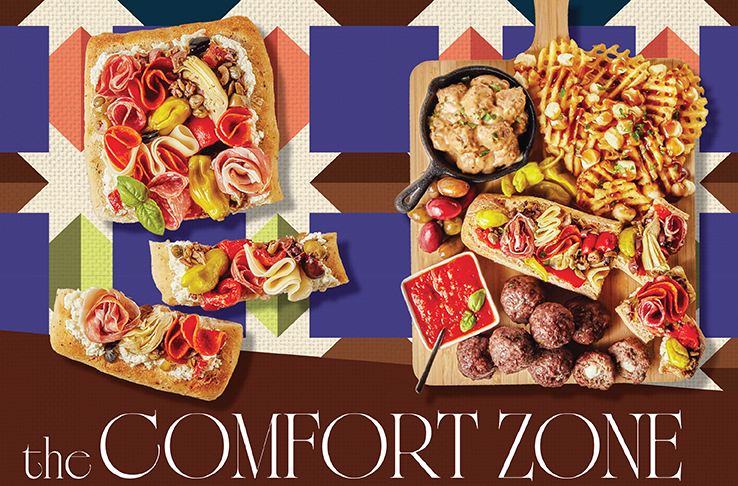
Dave’s Swedish Meatballs

Ingredients:

Meatballs:

  • 1/2 sweet onion, finely chopped
  • 1 tsp olive oil
  • 2 lbs ground pork (or beef)
  • 1/2 cup panko breadcrumbs
  • 2 eggs
  • 2 tbs fresh parsley, chopped
  • 1/2 tsp cardamom
  • 1/2 tsp ground nutmeg
  • 1/4 tsp ground all spice
  • 1 tsp garlic powder
  • 1.5 tsp salt
  • 1/4 tsp black pepper

Sauce:

  • 4 tbs butter
  • 3 tbs flour
  • 2 cups beef broth
  • 1 cup heavy cream
  • 1 tbs Worcestershire sauce
  • 1 tsp Dijon mustard
  • Salt + pepper to taste

Instructions

Meatballs:

  • Preheat the oven to 400°F. Line a large baking sheet with parchment paper.
  • Sauté the chopped onion in a little olive oil until just translucent, about 2 minutes.
  • In a large bowl, combine the meatball ingredients with your hands. Form medium-sized balls and place onto the baking sheet.
  • Bake for 20 minutes or until internal meatball temperature registers 160°F.

Sauce:

  • On medium-high heat, melt the butter in a pan and add the flour. Continuously whisk until the rue turns brown.
  • Slowly add and whisk in the broth and then the heavy cream.
  • Next, mix in the Worcestershire and Dijon and bring everything to a boil. Lower the heat to a simmer and cook until the sauce thickens, stirring occasionally. Season with salt and pepper to taste.
  • Add the cooked meatballs to the pan and continue to simmer for another few minutes, drizzling them with the sauce.

Brian’s Poutine

Ingredients:

  • 3 or 4 large russet potatoes
  • 2 tablespoons extra-virgin olive oil
  • 1 teaspoon sea salt
  • 1 1/2 teaspoons dried thyme
  • Freshly cracked black pepper

Gravy

  • 4 tablespoons (½ stick) unsalted butter
  • 1/4 cup all-purpose flour
  • 3/4 teaspoon garlic powder
  • 1/2 teaspoon onion powder
  • 1 cup chicken broth
  • 1 cup beef broth
  • 1 1/2 teaspoons Worcestershire sauce
  • 1 beef bouillon cube
  • 1 teaspoon unfiltered apple cider vinegar

For serving:

  • 10 ounces white cheddar cheese curds, at room temperature
  • Minced fresh parsley

Instructions:

  • Make the fries. Place the batons in a large bowl and cover them with cold water.
  • Let soak for at least 30 minutes, up to 24 hours for crispier fries.
  • Preheat the oven to 425°F. Line 2 large rimmed baking sheets with parchment paper.
  • Spread the potatoes out onto large, clean kitchen towels. Dry them off as best as possible.
  • Place the potatoes on the prepared baking sheets, drizzle with the olive oil, sprinkle with the thyme and salt, and add black pepper to taste.
  • Toss to coat evenly, then spread out the potatoes into a single layer.
  • Bake for 10 minutes, then toss the fries and rotate the pans, swapping the one on the top for the one on the bottom. Increase the oven to 450°F and bake the fries for 10 minutes more. Toss the fries and swap the pans from top to bottom again. Turn on the broiler and cook the fries until they begin to brown and crisp, about five more minutes. Continue to toss and broil until the fries reach the desired doneness. Season with salt and pepper.
  • Meanwhile, make the gravy. In a large saucepan set over medium heat, melt the butter. Sprinkle the flour over the butter and cook, stirring constantly, until golden brown, about 2 minutes. Stir in the garlic powder and onion powder. Slowly add the chicken and beef broth.
  • Increase the heat to medium-high and bring to a boil, stirring often. Reduce the heat to low and simmer until thickened. Stir in the Worcestershire, beef bouillon, and vinegar. Season with salt and pepper.
  • To assemble the poutine, divide the fries among four plates. Sprinkle the fries with the cheese curds, drizzle on the gravy, and garnish with parsley.
  • Serve immediately.

Miles’ Cheese Stuffed Meatballs

Ingredients:

  • 10 oz ground pork
  • 20 oz ground beef
  • 2 eggs
  • 1/4 cup grated Parmesan cheese
  • 1 tbs Italian seasoning
  • Salt and pepper
  • 3 cheese string sticks

Instructions:

  • Preheat the oven to 375F.
  • In a large bowl, mix together the pork, beef, egg, Parmesan cheese and seasonings.
  • Cut the string cheese into small pieces.
  • Take a small handful of the meat mixture and place a piece of the string cheese inside.
  • Form the meat around the cheese into a ball shape.
  • Place the meatballs on a baking sheet lined with foil and cook for 15–20 minutes until the meat is cooked through and the cheese has melted.
  • This recipe makes approximately 24 meatballs.

Mark’s Italian Antipasto

Ingredients:

  • 1 loaf of ciabatta bread
  • 1 cup marinated artichoke hearts, roughly chopped
  • 3/4 cup favorite kind of olives, sliced
  • 3/4 cup roasted red bell pepper, diced
  • 1/3 cup pepperoncini, sliced
  • 8 to 10 pepperoni slices, divided
  • 8 to 10 salami slices, divided
  • 10 to 15 slices provolone cheese, divided
  • 2 tbsp grated Parmesan
  • 1 tbsp olive oil

Instructions:

  • Preheat the oven to 400 degrees.
  • Place the ciabatta bread on a baking sheet.
  • Using a paring knife, score about a one-inch border around the top of the bread.
  • Remove the crust from inside the border and a little bit more of the bread underneath.
  • In a mixing bowl, combine the artichokes, olives, roasted bell pepper, and pepperoncini.
  • Take some of the provolone slices and line the bottom of the bread loaf until covered overlapping as necessary to fit.
  • Arrange some of the salami slices on top of the provolone, followed by some of the pepperoni slices.
  • Take half the antipasto mixture and spread it in an even layer on top of the pepperoni slices.
  • Repeat step three layering followed by step four.
  • Sprinkle the Parmesan cheese on top of the antipasto mixture. Brush the edges of the bread with olive oil.
  • Cover the bread with foil and bake for about 30 minutes or until the cheese has melted.
  • Cool before slicing and serving.

Adobe MAX 2025: Creativity Evolved – The Intersection of Artistry and Technology

Adobe MAX 2025 underscored a central truth: artificial intelligence is transforming creative work — not by replacing it, but by expanding what’s possible. The overarching theme was clear throughout the keynotes and sessions: AI is a partner in the process, enabling faster workflows, more connected collaboration, and entirely new ways to visualize ideas.
For our team, the experience was both inspiring and grounding. The tools may be evolving at a rapid pace, but the creative spark — the part that connects vision, intuition, and craft — remains unmistakably human.

Elana’s Take: A Thoughtful Evolution

This year’s keynote positioned AI as a support system for creativity rather than a substitute for it. Adobe’s rapid development of Firefly — now fully integrated within Photoshop and enhanced with third-party app compatibility — demonstrates how technology can amplify ideation and collaboration.


Firefly Boards, in particular, stood out as a meaningful innovation. The shared digital workspace encourages teams to ideate, iterate, and refine in real time, bridging the gap between brainstorming and execution. It’s a glimpse at how creative processes can become more dynamic without losing their human nuance.


Still, the conversation around AI sparked necessary tension. Some designers celebrated its limitless potential, while others questioned its implications. That balance — curiosity and caution — feels essential to how our industry moves forward.


Miles’ Take: Tools that Empower

As a first-time attendee, I found the experience both overwhelming and exhilarating. Adobe delivered a mix of innovation and practicality — from the headline-grabbing generative features to a range of “quality-of-life” updates that genuinely improve daily workflows.

Features such as “Name All Layers,” MotionMap animation in Illustrator, and Project TurnStyle for perspective shifting are redefining what’s possible within a single software suite. These are not gimmicks; they’re efficiency upgrades that allow more time for actual design thinking.

Even more impressive are tools like the AI Assistant, which can visually analyze work and offer creative recommendations. Combined with generative upscaling, color harmonization, and dynamic lighting adjustments, designers can now refine and elevate work that once required complex manual adjustments or reshoots.


Shared Insights

Across the sessions and demos, a few key lessons emerged:

  • Collaboration is evolving. Tools like Firefly Boards bring co-creation into the heart of the digital workspace.
  • Prompting is a skill. The quality of AI results depends on creative clarity — specificity matters more than ever.
  • Experimentation remains vital. Many of the best results came from unexpected outcomes, reminding us that play and discovery still drive creativity.
  • Human direction is irreplaceable. Even the most advanced features require the designer’s taste, judgment, and narrative vision to succeed.

Closing Reflection

Adobe MAX 2025 made one thing clear: the future of creativity isn’t automated — it’s augmented. As technology continues to evolve, so too must our curiosity and adaptability. These tools are here to help us work smarter, iterate faster, and bring ideas to life with more precision and imagination than ever before.


The craft remains human. The tools are simply catching up.

Turning Up the Heat: How “Spice Culture” Is Redefining Flavor and Brand Collabs in 2026

Spice isn’t just a flavor; it’s a cultural force. Over the last decade, heat has evolved from a fringe fascination to a defining characteristic of modern food culture. As consumers chase bolder, more layered flavor experiences, brands find new and unexpected ways to bottle that energy. 

From Cult Favorite to Collaboration Powerhouse

Few brands embody this evolution like Frank’s RedHot. What began as a pantry staple has transformed into an icon of crave culture and a symbol of familiarity, fandom and flavor. 

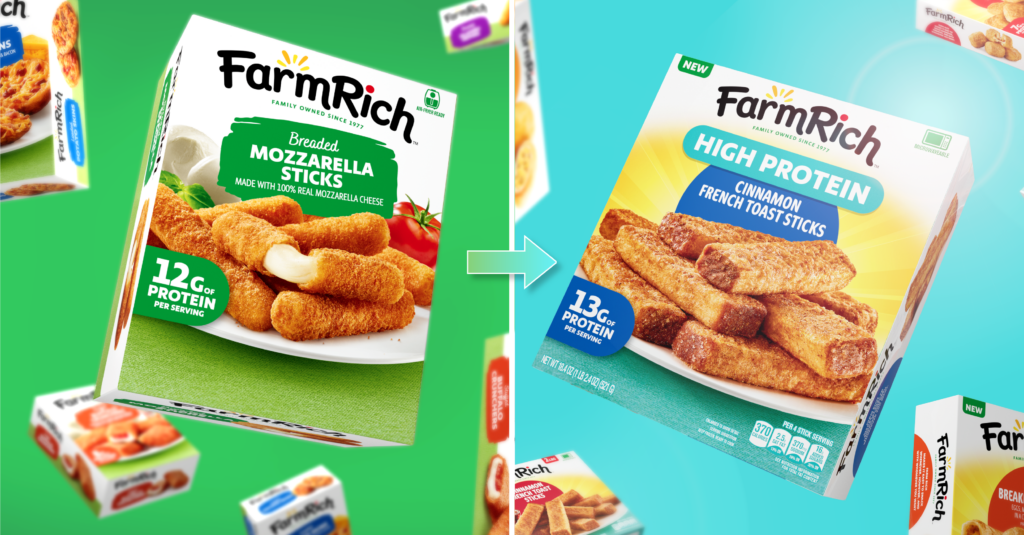
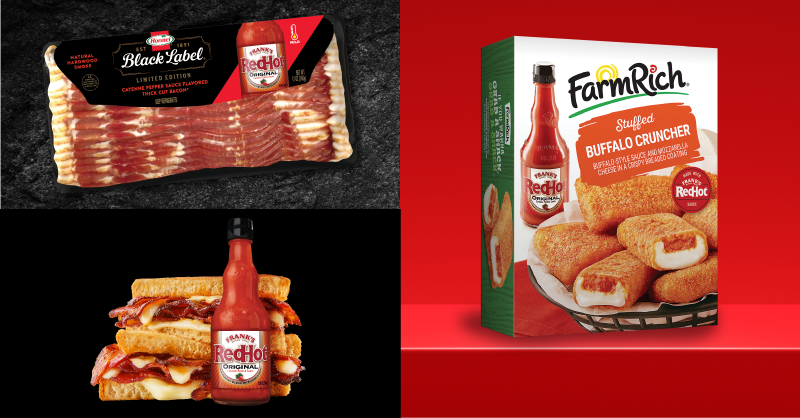
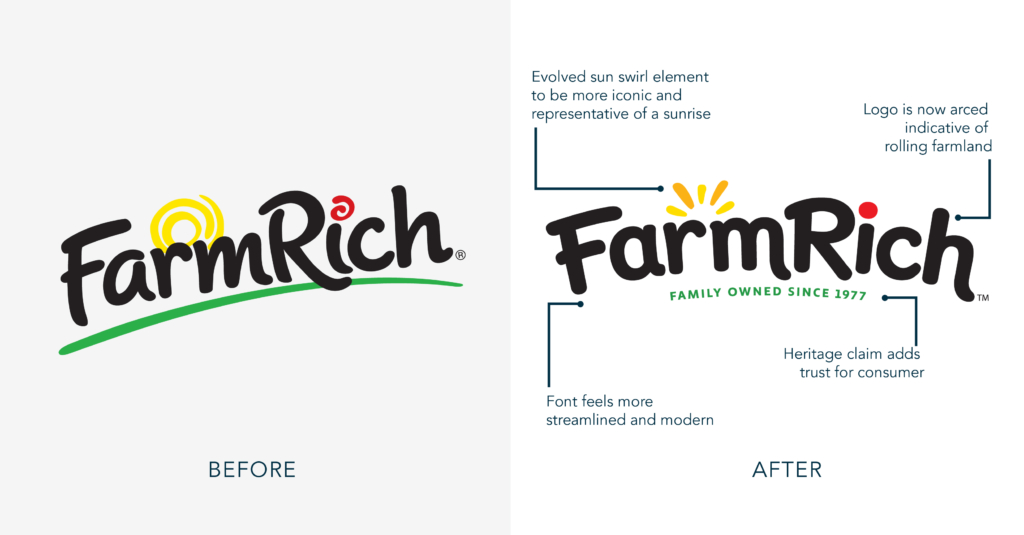
In recent years, Frank’s has proven that strategic collaborations can amplify equity on both sides. The BLACK LABEL® Bacon with Frank’s RedHotFarm Rich Frank’s RedHot Stuffed Buffalo CrunchersSpaghettiOs Frank’s RedHot, and Goldfish Frank’s RedHot partnerships each leveraged the brand’s cult following to infuse new energy and buzz into beloved household names.

Smith Design helped bring two of these partnerships to life: BLACK LABEL® Bacon with Frank’s RedHot and Farm Rich Frank’s RedHot Stuffed Buffalo Crunchers. The packaging captures the playful spirit and bold attitude consumers expect from both brands. Each collaboration merges everyday comfort with heat-driven excitement, creating products that feel familiar yet turned up a notch. Consumers are buying into a shared cultural moment built around boldness, fun, and nostalgia.

The Rise of Regional Heats

While established brands ride the wave of co-branded spice, a new generation of products is shaping the next era of “smart heat.” Emerging names like Tari Hot Sauce, inspired by Peruvian culinary traditions, showcase the vibrancy of regional peppers such as aji amarillo — bringing nuanced, citrusy brightness rather than pure fire.

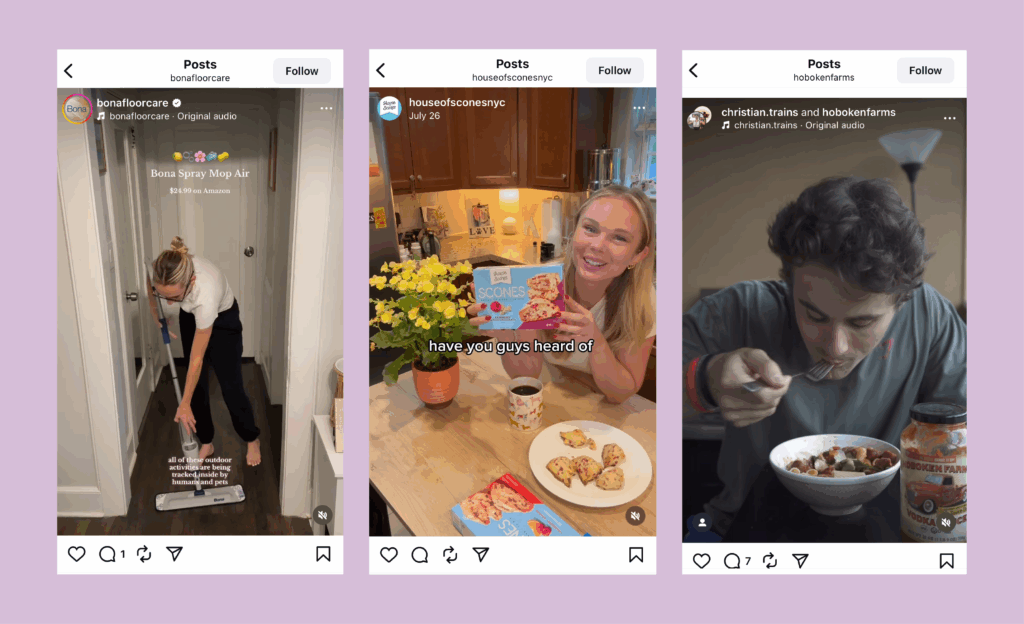
Similarly, Hoboken Farms’ Calabrian Chili Marinara brings buttery, sweet heat to a comfort classic.  Spice is no longer reserved for snacks or condiments but has become a staple in sauces, spreads, and meals.

These products speak to a broader trend: heat as a marker of sophistication. Today’s consumer wants flavor that feels crafted, not chaotic. Products with depth, balance, and a sense of story behind every bite will win with consumers in 2026. 

Sweet Heat

The “sweet heat” movement continues to sizzle as consumers crave more dynamic flavor experiences and brands find creative ways to deliver balance and bite in one irresistible pour. What began with the hot honey craze has evolved into a full-fledged flavor category, expanding into syrups, sauces, and snacks that combine indulgent sweetness with a kick of spice.

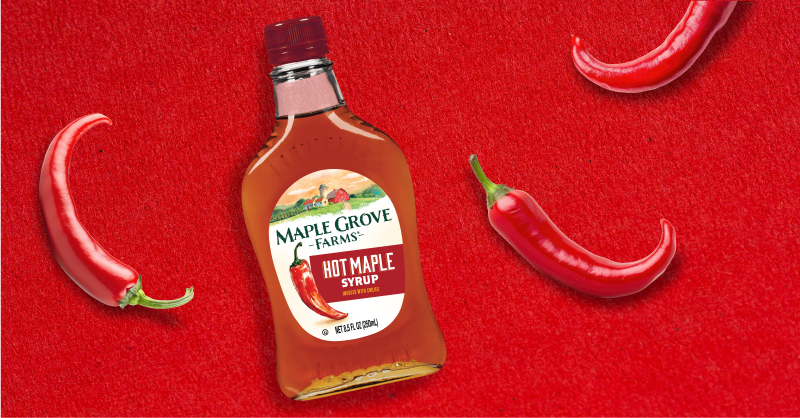
One of the newest standouts in this space is Maple Grove Farms’ Hot Maple Syrup, a just-released product that turns classic comfort into a bold flavor adventure.

Working with Maple Grove FarmsSmith Design developed packaging that reflects this balance, blending the warmth of maple tradition with a modern, fiery twist. The design brings the product’s duality to life, pairing heritage and edge in a way that mirrors its rich sweetness and subtle chili kick.

This launch embodies a defining flavor trend for 2026: sweet heat as a bridge between indulgence and intensity. It’s not about overpowering spice, but about contrast, how warmth and sweetness can coexist in ways that feel elevated, sensory, and new.

The Design Opportunity in “Heat”

For brands and designers alike, heat is more than a sensory trend, it’s a visual and emotional language. Red, orange, and smoky hues evoke intensity and warmth, while typography and texture can telegraph authenticity and craft. Successful “spice branding” balances attitude with accessibility: leaning into energy without alienating mainstream audiences.

As the category grows, co-branding and limited editions have become key storytelling tools. When done well, these collaborations extend the shelf life of excitement and tap into audiences eager for something familiar but turned up a notch.

What’s Next for Heat in 2026

Looking ahead, the conversation around heat will continue to evolve. Expect more emphasis on regional authenticitysweet-heat pairings, and cross-category experimentation — from spicy honeys and chili oils to heat-infused snacks, condiments, and even beverages.
The brands winning in this space understand that heat isn’t just about Scoville units — it’s about emotion, culture, and experience. In 2026, spice is less about pain and more about personality.


It’s Popular. It’s Polarizing. It’s Pumpkin.

’Tis the season of the Great Pumpkin, and with it comes the onslaught of Pumpkin Spice everything. Although the media, social and otherwise, love to poke fun at the plethora of products out there – consumers look forward to it and embrace it wholeheartedly.

Spice maker McCormick recently conducted a survey about seasonal spice mixes used at home – their Pumpkin Pie Spice Mix came in as the “top seasonal flavor consumers look forward to the most throughout the year.” According to the McCormick Proprietary Consumer Survey for 2025, 72% of respondents use pumpkin pie spice at least once a week.

Melt In Your Mouth Pumpkin!

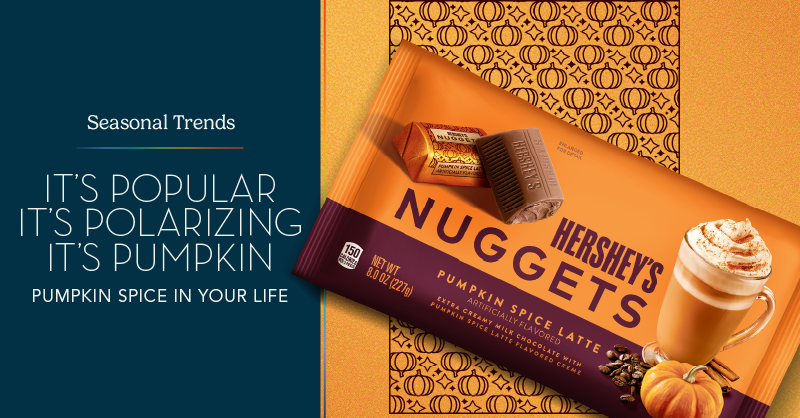
Packaged goods companies fill our shelves with an ever-growing array of pumpkin-spiced products to make it convenient for all to get in on the fall flavor fun. Smith Design has partnered with several clients to bring their brands into this flavor trend. We very recently worked with Hershey on Pumpkin Spice Latte Nuggets, embracing the warmth of fall with a rich, spice-toned color palette, custom illustrations, and in-house photography. The result is a cozy, craveable package that signals fall at first glance and stands out in the seasonal candy aisle.​

Pumpkin Goes Nuts!

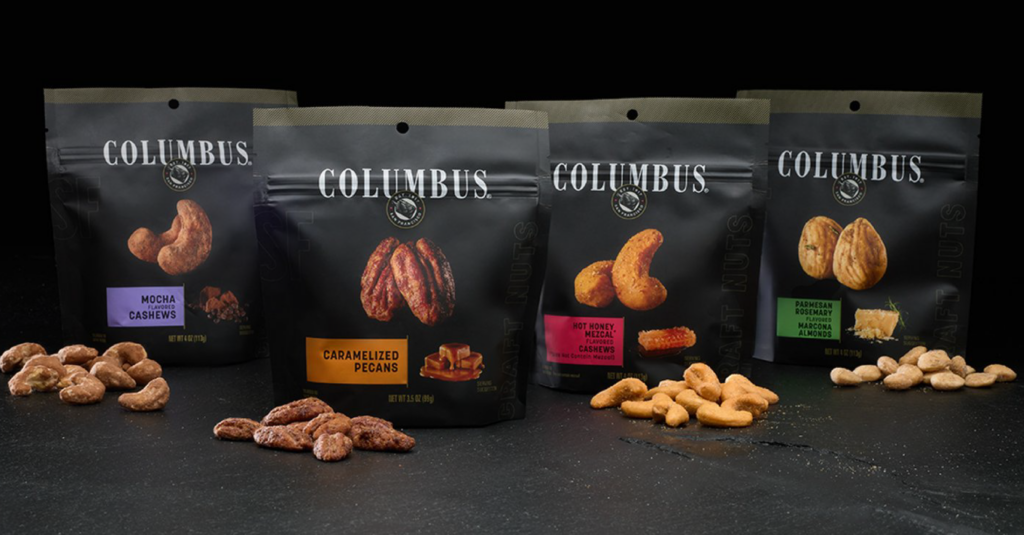
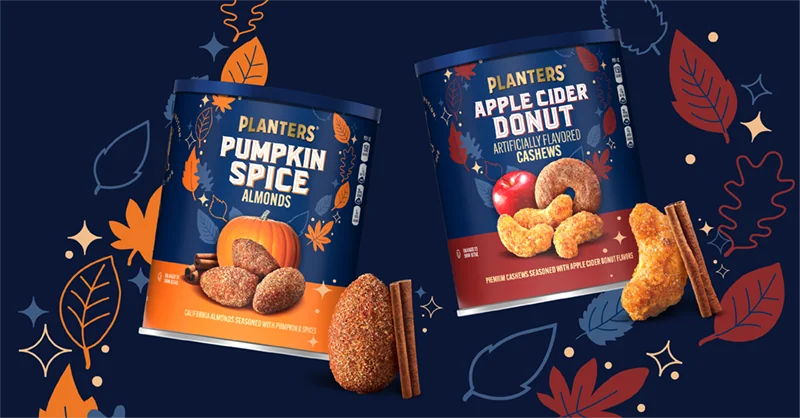
We also created seasonal packaging for Planters, and this year, you can enjoy both the design and the satisfying crunch of Pumpkin Spice Almonds. If the season really grabs you, also look for Planters Apple Cider Donut Cashews to fully fall into fall flavors. Smith Design has established a successful seasonal look for Planters offerings with bold graphics, illustration, and in-house photography to tempt your snack buds. There are holiday mixes as well to warm your winter, like Festive Fancifuls, but let’s not rush things!

Planter's Pumpkin Spice Almonds and Planter's Apple Cider Donut. Seasonal packaging design.

From the Great Pumpkin comes the Greek Pumpkin

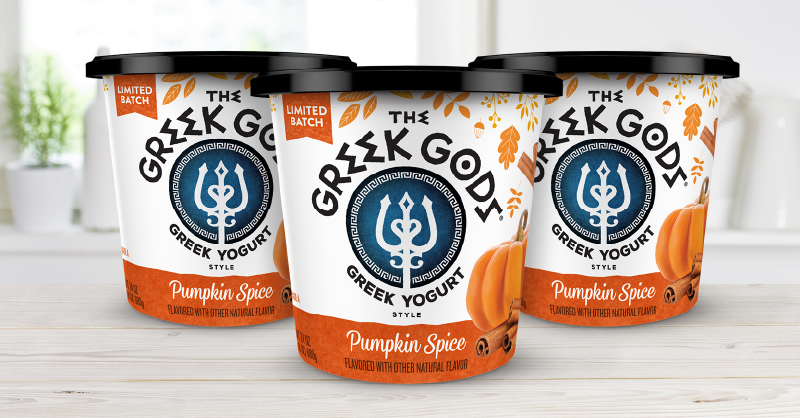
The yogurt aisle is always representing with the latest flavor trends and the most up-to-date seasonal tastes. Our work with Hain Celestial Group includes the launch of several limited-edition yogurt SKUs for The Greek Gods, including Pumpkin Spice. The packs have fun, illustrative flavor cues and photography to enhance the special seasonal attraction of this SKU to their main line of delicious yogurts.

The Greek Gods Greek Yogurt Pumpkin Spice. Seasonal fall packaging design.

Listen, whatever you may feel about Pumpkin season, don’t let it pass untasted. Frankly, we are here for it. If your brand is looking for tasty and trendy design launches, Smith Design is ready with a skilled team known for strategic thought leadership, stunning graphics, impactful illustrations, and delicious photography that sells. Put down that Pumpkin Margarita and give us a call!


References

https://www.thepioneerwoman.com/just-for-fun/a65898827/pumpkin-spice-popularity-survey-2025

Evolving Without Alienating: What 2024–2025 Rebrands Are Teaching Heritage Brands

Over the past year, we have seen a wave of brand redesigns, some honoring equities while others completely abandoning them. As a design agency that partners with category-leading heritage brands, our take is simple: treat equities as irreplaceable assets, not creative constraints. 

Respecting Memory While Refreshing Meaning

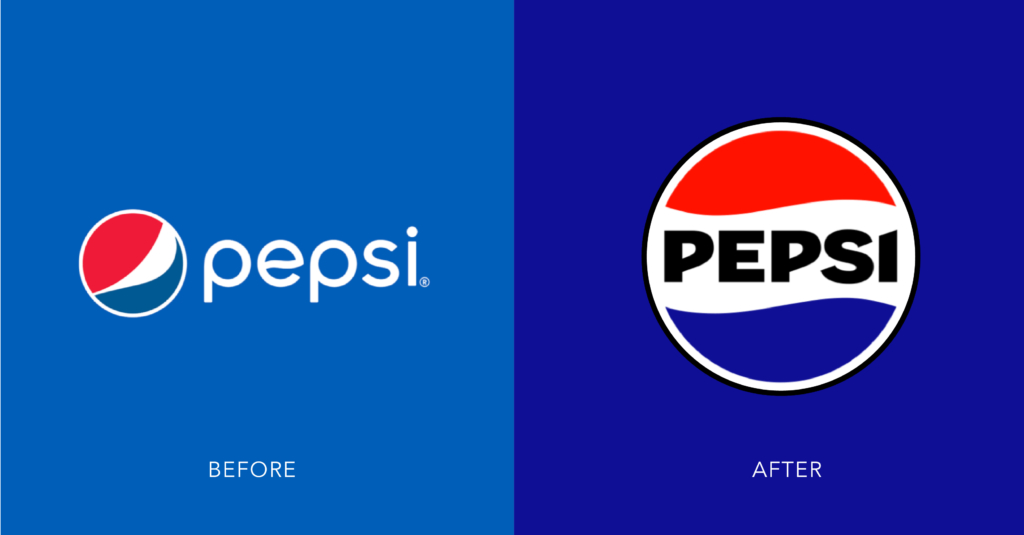
  • Pepsi’s identity refresh channeled 1990s visual memory, returning to a bolder wordmark locked inside the globe, with a darker palette and black accents to elevate Zero Sugar. It’s a case study in nostalgia with intent – contemporary, but instantly “Pepsi.” 
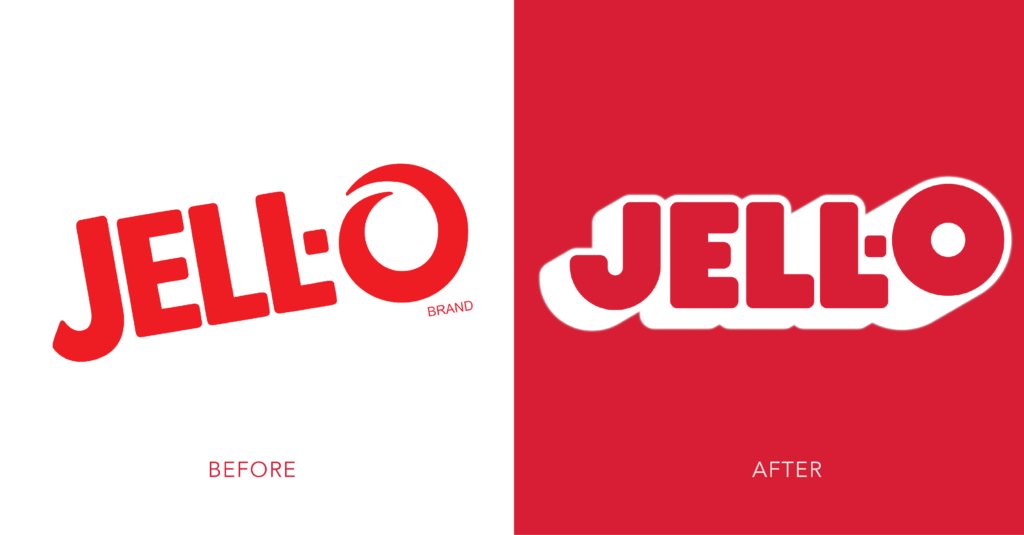
  • Jell-O leaned into a retro-playful packaging system and jiggle-forward visuals, trading clinical cues for joyful appetite appeal. Jell-O is an excellent example of a heritage brand made current by amplifying, not erasing.
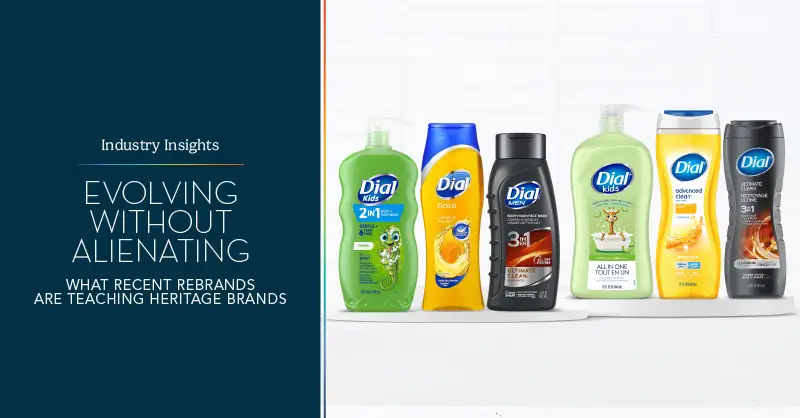
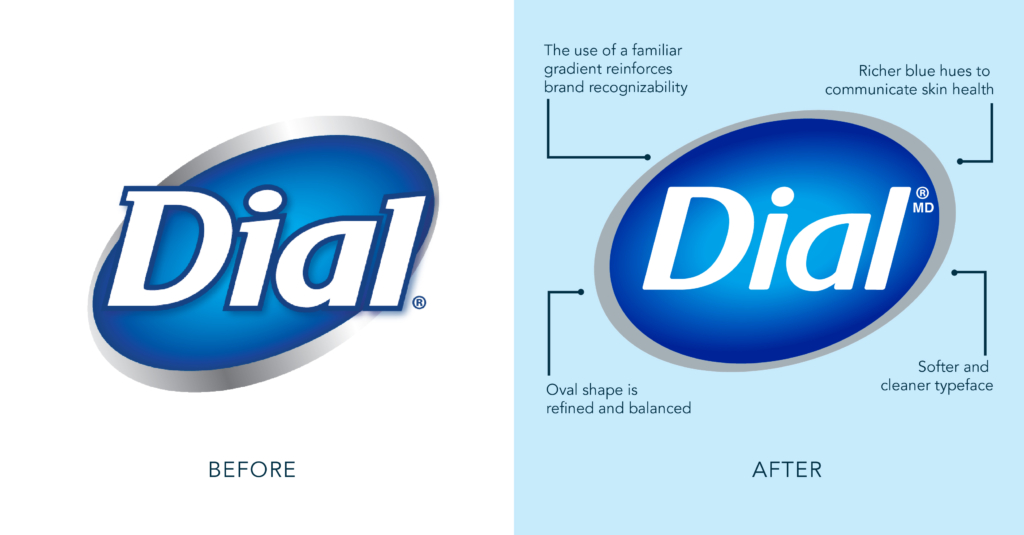
  • Dial evolved its identity by honoring core brand equities while expanding beyond cleanliness to build emotional and sensory connections. In collaboration with Smith Design, the brand introduced modernized illustrations, streamlined packaging, and distinct subline expressions that transform its heritage into a foundation for fresh, relevant storytelling.

Why these landed: each began with an audit of non-negotiable equities (shapes, colors, wordmarks, pack architecture) and then used those as springboards. Heritage was a tool to increase recognition and warmth, not the strategy itself.

Breaking the Bond with Loyalists

  • Cracker Barrel attempted a modernized logo and store refresh that muted hallmark cues (the “old country store” feel). Customer backlash resulted in a swift halt of the rollout and reinstating the original logo, a lesson in how deeply an experience and brand mark are intertwined for legacy brands. 
  • Jaguar in a bold push toward electrification, rolled out a campaign centered on the tagline “Copy Nothing”, featuring a new minimalist logotype and sleek visuals. Fans and critics accused Jaguar of abandoning its storied heritage, claiming the company “killed a British icon.”

What went wrong: backlash isn’t just about logos; it’s about signals towards a bigger change that will affect the core of what consumers know and love about a brand.  When the new expression seems to disinvite your base, consumers start to recognize what may be changing at a deeper level, leaving the new visual strategy to take the brunt of the negativity for the bigger organizational change. 

Our Philosophy for Heritage Leaders

We design with two truths in mind:

  1. Equities are capital. You don’t delete assets that took decades to accrue; you reinvest in them.
  2. Growth requires stretch. New, younger audiences need fresher codes to see themselves in the brand. The backlash received by some brands should not deter heritage brands from making necessary updates; mindful reimagination will make sure you are evolving to meet those new consumer needs.

 The job is to hold the line on what must endure and evolve what can invite.

How We Do It (and what you can expect)

  • Equity Map & Hierarchy. We inventory distinctive assets (color, iconography, pack silhouettes, taglines). Then we tier them: Keep / Evolve / Explore.
  • We purposely use dual-audience testing. We test current users and next-gen prospects separately first and then together, so we can see where preferences diverge rather than averaging them into something not rooted in strong support. 
  • Scenario design, not one-offs. We prototype territories:
    • Conserve: tight evolution, maximum continuity.
    • Bridge: bolder motion with protected core equities.
    • Breakthrough: novelty option pressure-tested for stretch.
  • Decision by “Equity + Effect.” We combine recognition/fit metrics with persuasion and “would try/buy” lift. The winning route protects recognition and grows relevance.

When current vs. new consumers don’t agree…this is the hard part, and it happens. How do we continue forward without abandonment?

  • Find the overlap first. Identify assets both groups rate as “makes it feel like the brand.” Those become untouchables.
  • Localize the novelty. Concentrate change where your base is least sensitive and keep primary marks, core colors, and hero pack elements consistent.
  • Stagger the leap. If the breakthrough route wins with prospects but alarms loyalists, roadmap it: launch the Bridge system now, pre-wire the “why,” and schedule feature releases toward the bolder behaviors once familiarity builds.
  • Narrate the change. Use brand storytelling to frame evolution as a return to purpose, not a departure. Communicate how the launch narrative connects the past to the future in human terms.

Great redesigns don’t choose between heritage and modernity; they translate heritage into modernity. When you honor what people already love, you earn the right to show them what they’ll love next.


References

Pepsi Logo: https://www.printmag.com/branding-identity-design/the-new-pepsi-logo-proves-the-mass-appeal-of-nostalgic-rebrands/

Jello Logo: https://logos-world.net/bright-rebranding-of-the-jell-o-logo/