Adobe MAX 2025: Creativity Evolved – The Intersection of Artistry and Technology

Adobe MAX 2025 underscored a central truth: artificial intelligence is transforming creative work — not by replacing it, but by expanding what’s possible. The overarching theme was clear throughout the keynotes and sessions: AI is a partner in the process, enabling faster workflows, more connected collaboration, and entirely new ways to visualize ideas.
For our team, the experience was both inspiring and grounding. The tools may be evolving at a rapid pace, but the creative spark — the part that connects vision, intuition, and craft — remains unmistakably human.

Elana’s Take: A Thoughtful Evolution

This year’s keynote positioned AI as a support system for creativity rather than a substitute for it. Adobe’s rapid development of Firefly — now fully integrated within Photoshop and enhanced with third-party app compatibility — demonstrates how technology can amplify ideation and collaboration.


Firefly Boards, in particular, stood out as a meaningful innovation. The shared digital workspace encourages teams to ideate, iterate, and refine in real time, bridging the gap between brainstorming and execution. It’s a glimpse at how creative processes can become more dynamic without losing their human nuance.


Still, the conversation around AI sparked necessary tension. Some designers celebrated its limitless potential, while others questioned its implications. That balance — curiosity and caution — feels essential to how our industry moves forward.


Miles’ Take: Tools that Empower

As a first-time attendee, I found the experience both overwhelming and exhilarating. Adobe delivered a mix of innovation and practicality — from the headline-grabbing generative features to a range of “quality-of-life” updates that genuinely improve daily workflows.

Features such as “Name All Layers,” MotionMap animation in Illustrator, and Project TurnStyle for perspective shifting are redefining what’s possible within a single software suite. These are not gimmicks; they’re efficiency upgrades that allow more time for actual design thinking.

Even more impressive are tools like the AI Assistant, which can visually analyze work and offer creative recommendations. Combined with generative upscaling, color harmonization, and dynamic lighting adjustments, designers can now refine and elevate work that once required complex manual adjustments or reshoots.


Shared Insights

Across the sessions and demos, a few key lessons emerged:

  • Collaboration is evolving. Tools like Firefly Boards bring co-creation into the heart of the digital workspace.
  • Prompting is a skill. The quality of AI results depends on creative clarity — specificity matters more than ever.
  • Experimentation remains vital. Many of the best results came from unexpected outcomes, reminding us that play and discovery still drive creativity.
  • Human direction is irreplaceable. Even the most advanced features require the designer’s taste, judgment, and narrative vision to succeed.

Closing Reflection

Adobe MAX 2025 made one thing clear: the future of creativity isn’t automated — it’s augmented. As technology continues to evolve, so too must our curiosity and adaptability. These tools are here to help us work smarter, iterate faster, and bring ideas to life with more precision and imagination than ever before.


The craft remains human. The tools are simply catching up.
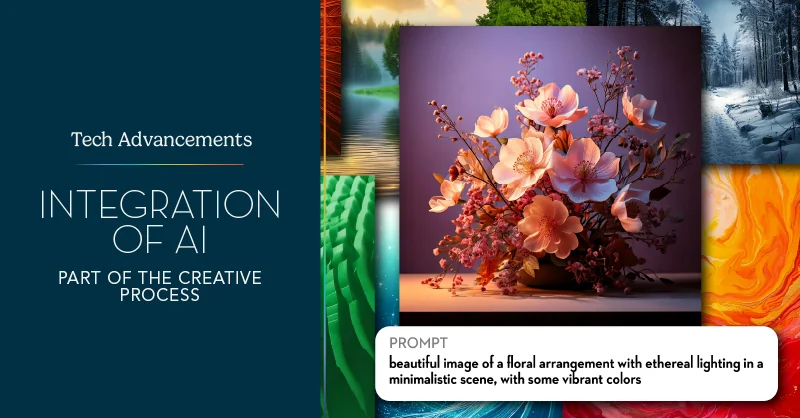
Integration of AI as Part of the Creative Process

Whether you’re a designer or a brand marketer, this blog offers insights that can help you harness the power of Visual Generative AI. Maximize agility with faster turnaround times and cost efficiency with “GenAI”.

AI has rapidly evolved from a niche area in computer science into a transformative force across various industries, particularly graphic design. Visual GenAI enables machines to perceive, interpret, and act on visual data similarly to how humans do, but the implications of this technology extend far beyond mere image recognition.

GenAI – New Developments

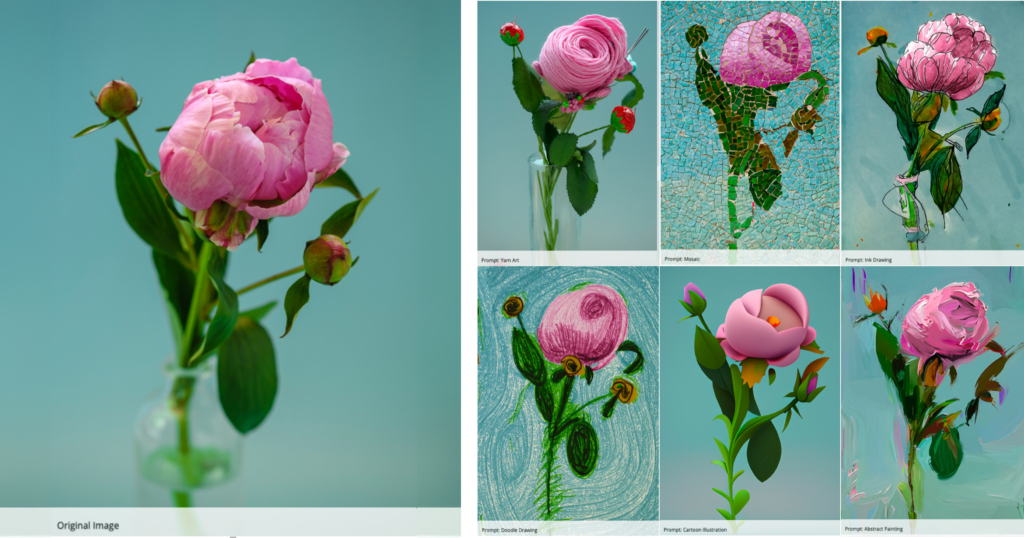
The recent conversations surrounding GenAI focus on developments in AI image synthesis such as Firefly, Runway, DALL-E, Midjourney, and Flux, which have accelerated automated creativity. 

The integration of GenAI in graphic design has evolved from basic automation tools to sophisticated generative systems, significantly impacting the creative process by streamlining repetitive tasks, generating design ideas, and enhancing image manipulation, allowing designers to focus more on conceptualization and high-level decision-making. 

The future of AI in graphic design likely includes even more advanced customization, personalized design experiences, and the ability to seamlessly integrate diverse data sources into visual outputs, further blurring the lines between design and data analysis.

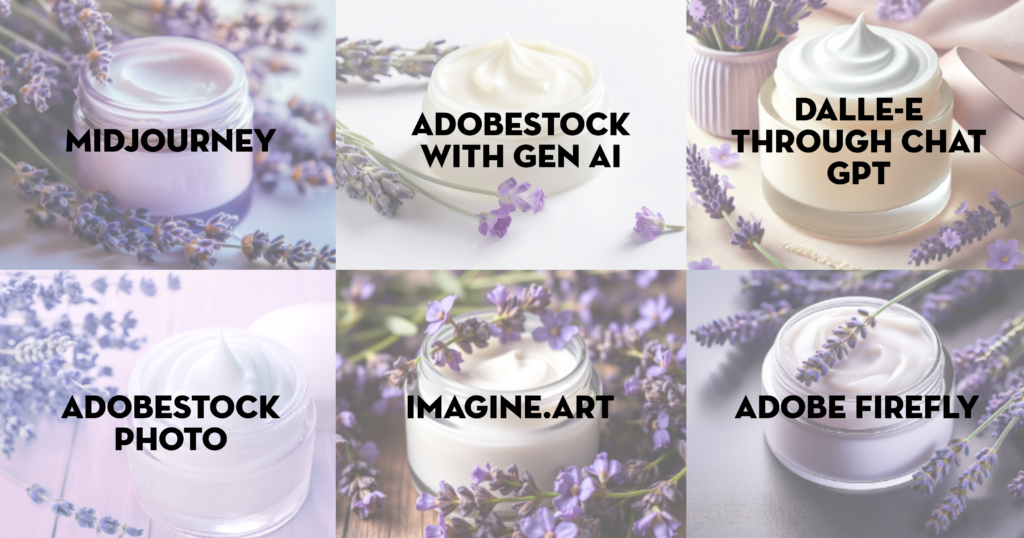
Guess Which Images Are Made With AI?

Stay tuned for the answer revealed further down in the blog…

GenAI – Governance

In mid-October Smith Design sent three representatives to the Adobe MAX 2024 conference in Miami Florida. They returned with a wealth of new knowledge, including how Adobe is paving the way for GenAI governance by implementing content credentials and using only permitted content. Adobe takes responsible innovation in the age of GenAI very seriously. Their leadership positioning and commitment to thoughtful AI innovation is an example for other GenAI development models. A diverse Adobe AI Ethics Review Board oversees training, testing, and the review process to ensure accountability, responsibility, and transparency. Click here to learn more about our learnings from the Adobe Max conference: https://smithdesign.com/blog/adobe-max-2024-recap/

With an everchanging landscape, the GenAI risk and governance stakeholders in different organizations will need to diligently oversee the responsible use of GenAI by mitigating potential biases, security threats, and ensuring safety and ethical practices.  

Drive Efficiency and Enhance the Creative Process Using AI as a Tool

As we are weeks away from entering the last year of Q1 in the 21st Century, several key trends converge to reshape the industry. Advancements in machine learning, natural language processing, and computer vision are driving these trends, making AI more accessible and powerful than ever before. Designers who embrace these technologies will equip themselves to meet the demands of an increasingly digital and personalized world in the 21st century Q2 and beyond.

Think of the process of using AI as spit balling ideas, image swipe sessions, or post-it sketch storms with your team, during the beginning phase of design. How might you use AI to generate ideas, or use it in your workflow? 

You can use AI to:

  1. Enhanced Creative & Visual Briefs: Generate unique design concepts that designers may not have considered. AI can assist designers in providing fresh perspectives to spark creativity.
  2. Efficiency and Speed: Quickly generate designs or concepts, significantly reducing turnaround times. This speed can be crucial in meeting tight deadlines.
  3. Customization: Tailor designs based on specific prompts, enabling a high degree of personalization.
  4. Cost-Effectiveness: Streamline the design process, especially for preliminary concepts and prototypes, making it more affordable than traditional research methods.
  5. Exploration of Styles: Mimic various artistic styles and genres, allowing designers to experiment with different looks and feel without needing to master each style individually. AI programs enhance efficiency and creativity by quickly generating ideas and automating repetitive tasks. It can also help with style references, material reference, consumer types, objects, materials, conveying idea/context, design language,  packaging types, photography language, etc.
  6. Consistency: Maintain design consistency across various projects by adhering to predefined style guidelines and parameters.
  7. Accessibility: For those without advanced design skills, or the ability to verbally communicate their vision, AI tools can provide a way to create professional-looking designs with minimal expertise.
  8. Data-Driven Insights: Analyze trends and patterns to inform design decisions.
  9. Experimentation: Assist in testing and iterating on multiple design concepts quickly, helping designers find the best solution without extensive manual effort.
  10. Support for Collaboration: Facilitate collaborations by providing a shared platform where team members can generate and refine design ideas together.

And now for the answers!

Conclusion

As AI continues to advance, its impact on graphic design and marketing will only grow. By integrating these technologies into their workflows, designers can unlock new levels of creativity and efficiency. The future is bright for those willing to embrace the possibilities that AI brings to the table.

Want to learn more about how to successfully navigate using AI as a tool for inspiration and efficiency? Fill out the form below to be one of the first to receive our more extensive white paper that is in development. Please add that you are interested in the GenAI white paper.

Smith Design also offers Educational Seminars where we host webinars and live or streamed events on trending topics. Please fill out the form to connect and to learn more. 

Asian Trend Round Up

1: Get in line Apple X – face recognition is like SO last year.

2: See something, say something.

3: Do I look virtually fat in these virtual pants?

4: The End of App.

5: I don’t know about moving mountains, but a 7/11 might be doable.

6: Data Data Everywhere…

7: CHA CHING! Its Singles Day!

8: Livestreaming millionaires

9: Just like The Shopping Channel, but on crack

10: The perfect gift for your still-living-with-his-mother cousin