Brands Are Crafting Connections With Hispanic-Inspired Flavor

Record Growth of the U.S. Hispanic Population will transform both CPG Brand Offerings and Marketing Strategy

According to the U.S. Census Bureau data, the Hispanic population, which is expanding at a faster rate than non-Latino population in the U.S., is expected to grow to 26.9% by 2060. Hispanics’ flavorful and multicultural cuisine preferences continue to have more influence on the American food landscape. The exposure to more Hispanic cuisine in the U.S. opens exciting avenues for CPG brands to showcase authentic cuisine and flavors while reaching a broad consumer base. Let’s explore how brands can leverage culinary heritage and innovation to resonate with Hispanic audiences and beyond. 

Food Traditions Create Meaningful Connections 

Many brands are leaning into authenticity to build stronger relationships with Hispanic consumers. Food often plays a central role in family traditions, cultural celebrations, and everyday moments of comfort. These experiences help create lasting emotional connections, making certain flavors and brands feel deeply familiar and meaningful across generations. This is where culturally rooted branding becomes especially powerful by honoring heritage while resonating with modern consumers.

The Holanda Case Study: Cultural Authenticity with Broad Appeal

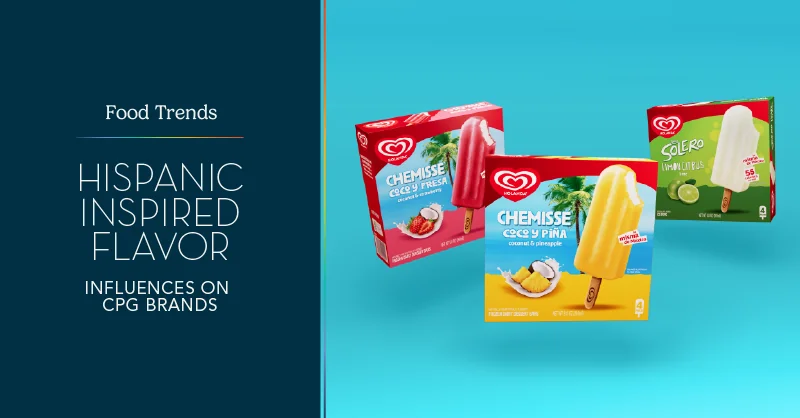
One standout example of culturally rooted branding is Holanda, a beloved Mexican ice cream and novelty brand that recently partnered with Walmart for an exclusive U.S. launch aimed at appealing to a broad Hispanic consumer base. Holanda relied solely on packaging, without advertising support, to capture attention in Walmart’s freezer aisle.

Holanda teamed up with Smith Design to create the packaging. Familiar brand elements were thoughtfully adapted for the U.S. market. Smith Design enhanced the Holanda logo with brighter colors and a distinctive outer shape to maximize shelf impact. Spanish was used as the primary language on the packaging, with English in a secondary role, reinforcing the brand’s cultural authenticity and honoring its Mexican heritage.

This approach helped Holanda form a meaningful connection with Hispanic shoppers, including those who may not have grown up with the brand but recognize and value its roots in Mexico. At the same time, the packaging intrigued non-Hispanic consumers looking to explore authentic international flavors.

Holanda’s packaging strategy demonstrates how effective design can convey tradition and cultural relevance while remaining accessible. By emphasizing its origins and maintaining core brand elements, Holanda celebrates cultural pride and authenticity while resonating with a diverse U.S. audience. The brand’s success underscores the power of intentional design and heritage-driven storytelling. Find out where to get Holanda Novelties, click here!

Celebrating Hispanic Flavors in Different Channels
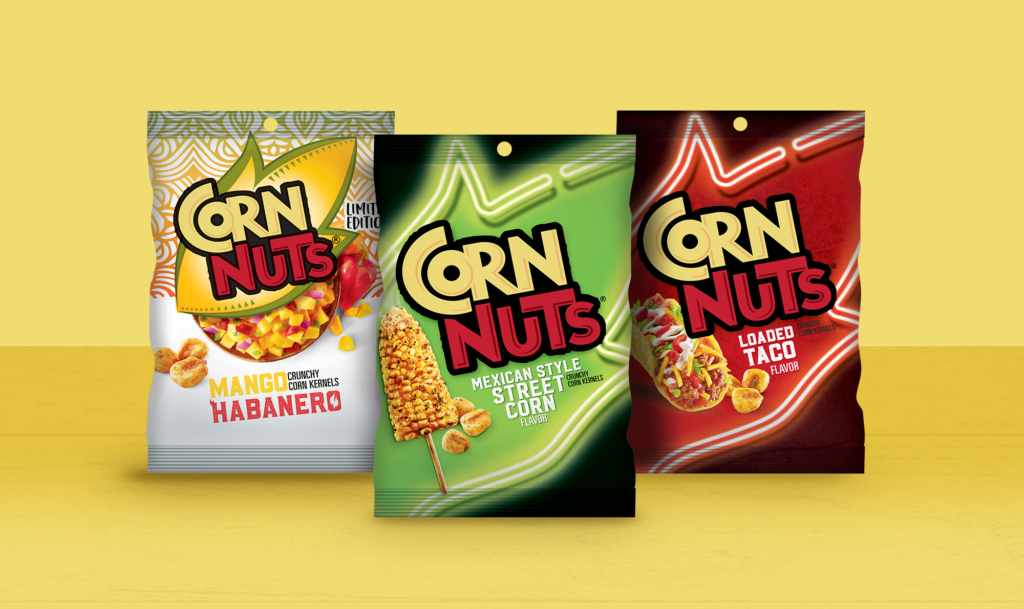
Adding flavors and spices can enhance foods and attract consumers who love more vibrant and tangier Hispanic-influenced flavors. 

In the snacking channel, Hormel Foods has recently launched two new Mexican-inspired additions to its CORN NUTS® brand: Mexican-Style Street Corn and Loaded Taco. Packed with crunchy goodness and popping with flavor, these snacks appeal to consumers seeking bold, crave-able tastes. Smith Design created vibrant packaging that not only catches the eye but amplifies the excitement behind the products. Read more about these products, check out Innovation at its Crunchiest featuring CORN NUTS®.

The beloved Tajin® Brand seasoning has truly taken off as a flavor enhancer and is now trending as a margarita rimmer. Tajin® has also collaborated with several brands, including condiments like Hellmann’s Chili Lime Mayonnaise Dressing and breakfast items such as Pop-Tarts with Tajin seasoning and fruity Chamoy sauce. There seem to be no limits to which channels can offer more spice and Hispanic-influenced flavor!

A Flavorful Future for CPG Brands

The integration of Hispanic cuisine and flavors in the U.S. reflects a cultural journey that will continue to enrich America’s culinary landscape. With products that honor heritage, offer authentic flavors, and appeal to diverse tastes, brands have an exciting opportunity to resonate with a growing Hispanic population and a broader market. For CPG companies, the path forward is clear: embrace the diversity within Hispanic cuisine, create products that celebrate tradition, and invite all consumers to experience the depth of Hispanic flavors. By aligning with consumer interests and honoring cultural significance, brands can build lasting connections and unlock a world of flavor possibilities across a wide variety of channels.
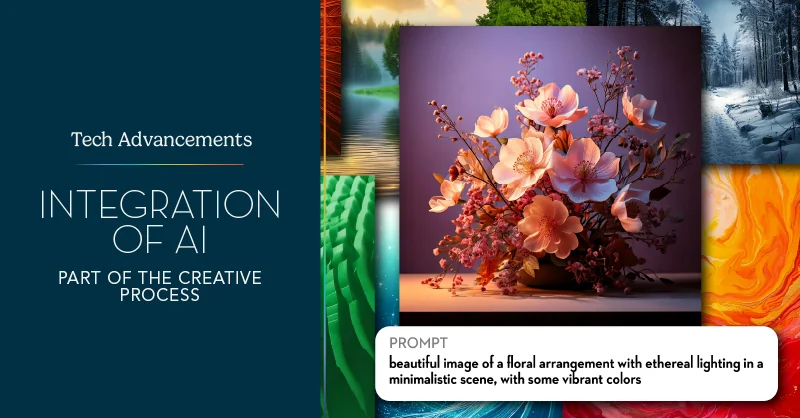

Integration of AI as Part of the Creative Process

Whether you’re a designer or a brand marketer, this blog offers insights that can help you harness the power of Visual Generative AI. Maximize agility with faster turnaround times and cost efficiency with “GenAI”.

AI has rapidly evolved from a niche area in computer science into a transformative force across various industries, particularly graphic design. Visual GenAI enables machines to perceive, interpret, and act on visual data similarly to how humans do, but the implications of this technology extend far beyond mere image recognition.

GenAI – New Developments

The recent conversations surrounding GenAI focus on developments in AI image synthesis such as Firefly, Runway, DALL-E, Midjourney, and Flux, which have accelerated automated creativity. 

The integration of GenAI in graphic design has evolved from basic automation tools to sophisticated generative systems, significantly impacting the creative process by streamlining repetitive tasks, generating design ideas, and enhancing image manipulation, allowing designers to focus more on conceptualization and high-level decision-making. 

The future of AI in graphic design likely includes even more advanced customization, personalized design experiences, and the ability to seamlessly integrate diverse data sources into visual outputs, further blurring the lines between design and data analysis.

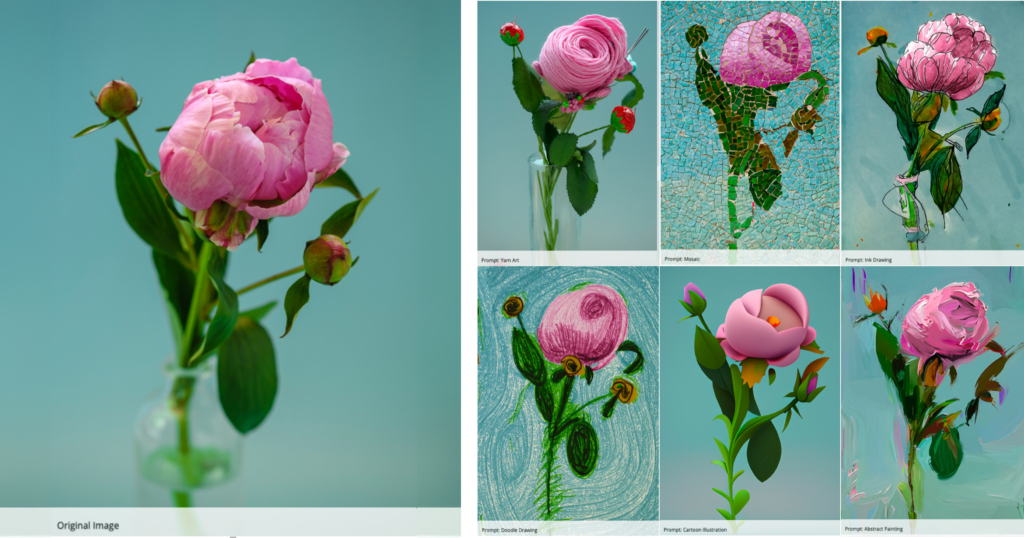
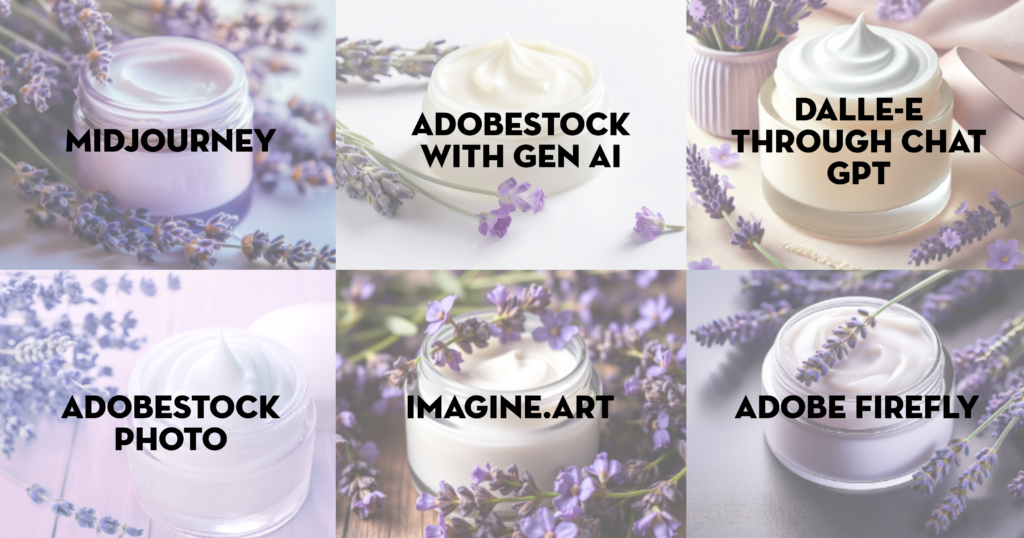
Guess Which Images Are Made With AI?

Stay tuned for the answer revealed further down in the blog…

GenAI – Governance

In mid-October Smith Design sent three representatives to the Adobe MAX 2024 conference in Miami Florida. They returned with a wealth of new knowledge, including how Adobe is paving the way for GenAI governance by implementing content credentials and using only permitted content. Adobe takes responsible innovation in the age of GenAI very seriously. Their leadership positioning and commitment to thoughtful AI innovation is an example for other GenAI development models. A diverse Adobe AI Ethics Review Board oversees training, testing, and the review process to ensure accountability, responsibility, and transparency. Click here to learn more about our learnings from the Adobe Max conference: https://smithdesign.com/blog/adobe-max-2024-recap/

With an everchanging landscape, the GenAI risk and governance stakeholders in different organizations will need to diligently oversee the responsible use of GenAI by mitigating potential biases, security threats, and ensuring safety and ethical practices.  

Drive Efficiency and Enhance the Creative Process Using AI as a Tool

As we are weeks away from entering the last year of Q1 in the 21st Century, several key trends converge to reshape the industry. Advancements in machine learning, natural language processing, and computer vision are driving these trends, making AI more accessible and powerful than ever before. Designers who embrace these technologies will equip themselves to meet the demands of an increasingly digital and personalized world in the 21st century Q2 and beyond.

Think of the process of using AI as spit balling ideas, image swipe sessions, or post-it sketch storms with your team, during the beginning phase of design. How might you use AI to generate ideas, or use it in your workflow? 

You can use AI to:

  1. Enhanced Creative & Visual Briefs: Generate unique design concepts that designers may not have considered. AI can assist designers in providing fresh perspectives to spark creativity.
  2. Efficiency and Speed: Quickly generate designs or concepts, significantly reducing turnaround times. This speed can be crucial in meeting tight deadlines.
  3. Customization: Tailor designs based on specific prompts, enabling a high degree of personalization.
  4. Cost-Effectiveness: Streamline the design process, especially for preliminary concepts and prototypes, making it more affordable than traditional research methods.
  5. Exploration of Styles: Mimic various artistic styles and genres, allowing designers to experiment with different looks and feel without needing to master each style individually. AI programs enhance efficiency and creativity by quickly generating ideas and automating repetitive tasks. It can also help with style references, material reference, consumer types, objects, materials, conveying idea/context, design language,  packaging types, photography language, etc.
  6. Consistency: Maintain design consistency across various projects by adhering to predefined style guidelines and parameters.
  7. Accessibility: For those without advanced design skills, or the ability to verbally communicate their vision, AI tools can provide a way to create professional-looking designs with minimal expertise.
  8. Data-Driven Insights: Analyze trends and patterns to inform design decisions.
  9. Experimentation: Assist in testing and iterating on multiple design concepts quickly, helping designers find the best solution without extensive manual effort.
  10. Support for Collaboration: Facilitate collaborations by providing a shared platform where team members can generate and refine design ideas together.

And now for the answers!

Conclusion

As AI continues to advance, its impact on graphic design and marketing will only grow. By integrating these technologies into their workflows, designers can unlock new levels of creativity and efficiency. The future is bright for those willing to embrace the possibilities that AI brings to the table.

Want to learn more about how to successfully navigate using AI as a tool for inspiration and efficiency? Fill out the form below to be one of the first to receive our more extensive white paper that is in development. Please add that you are interested in the GenAI white paper.

Smith Design also offers Educational Seminars where we host webinars and live or streamed events on trending topics. Please fill out the form to connect and to learn more. 

Bold Chaos Packaging Trend Is Turning Heads

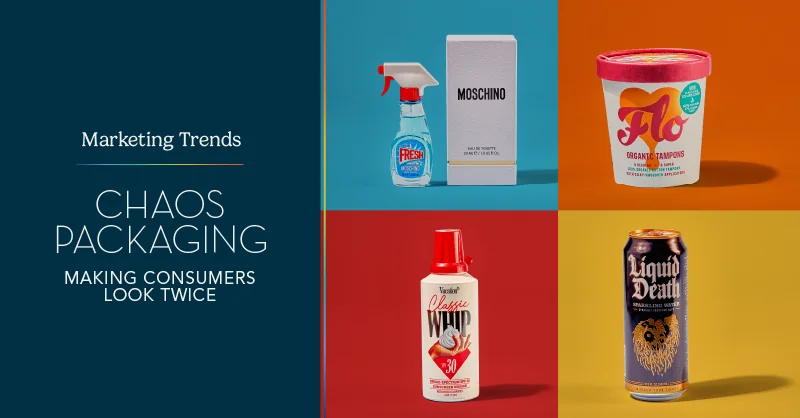
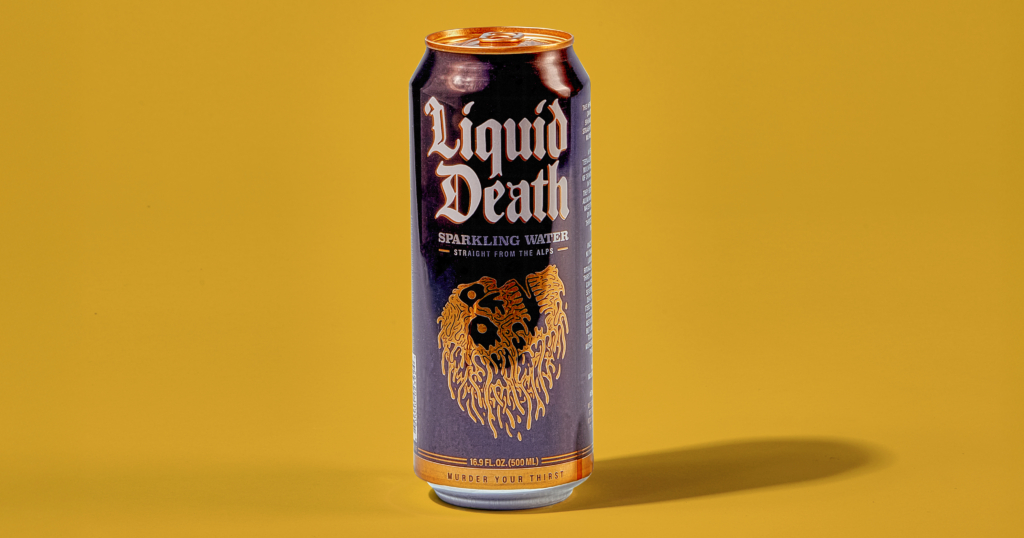
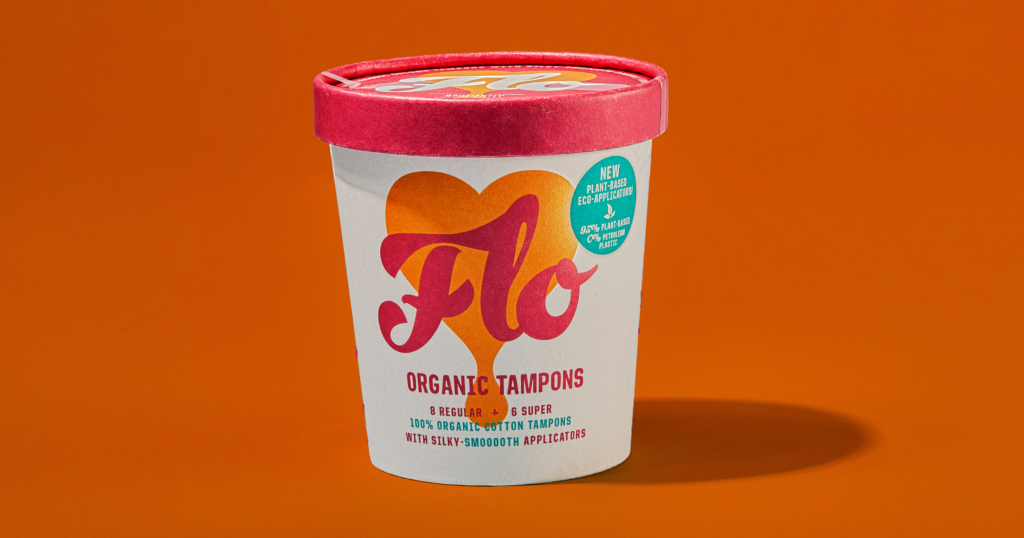
In today’s world of retail, consumers crave uniqueness, surprise, and a touch of rebellion – and the latest packaging trend, aptly called “chaos packaging,” brings all these elements to the forefront. Chaos packaging, a phenomenon that continues to gain traction on TikTok and recently spotlighted by The Wall Street Journal, embraces an unorthodox approach by selling products in containers that are unconventional to their category. Think tampons packaged in what looks like ice cream containers or water in tallboy cans traditionally used for beer. This outlandish packaging taps into our curiosity and challenges the norms of what packaging “should” be, prompting many to wonder: How far will this trend go, and what could be next?

Small Startups Disrupt the Shelves

The chaos packaging trend began with small startup brands that, due to limited budgets, needed to stand out against larger competitors. Without funds for extensive advertising, these companies had one primary promotional tool – their packaging. Rather than using conventional packaging that might get lost on shelf, they adopted surprising, playful forms, and in many cases, they used stock packaging to keep costs down. By placing their products in non-standard containers, these brands caught the eye of consumers in a shockingly fresh and economical way.

Influencers Fuel the Chaos Packaging Craze

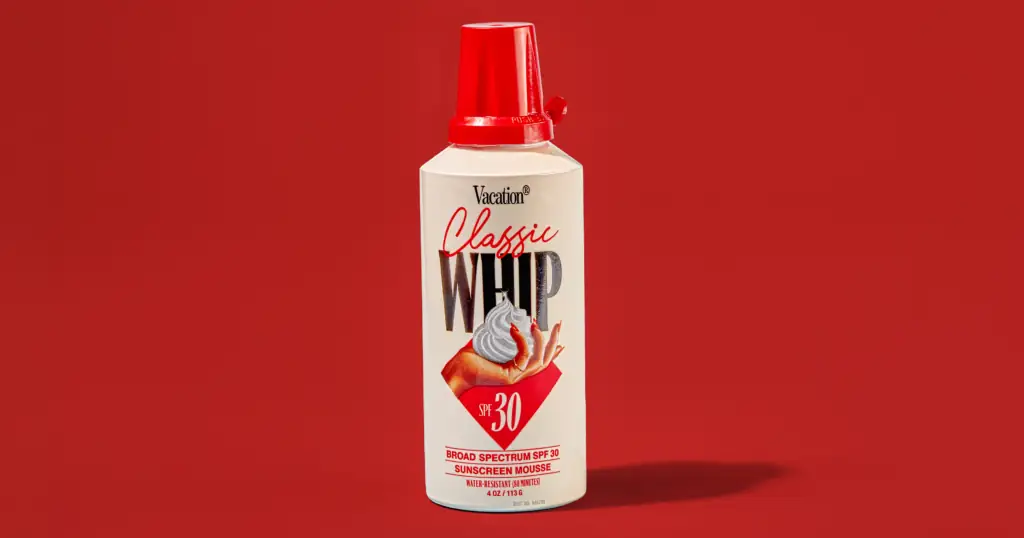
Social media influencers continue to play a significant role in amplifying chaos packaging. This past summer, the Vacation brand sunscreen went viral. This sunscreen packaged in a whipped cream container really whipped up a frenzy of social posts!

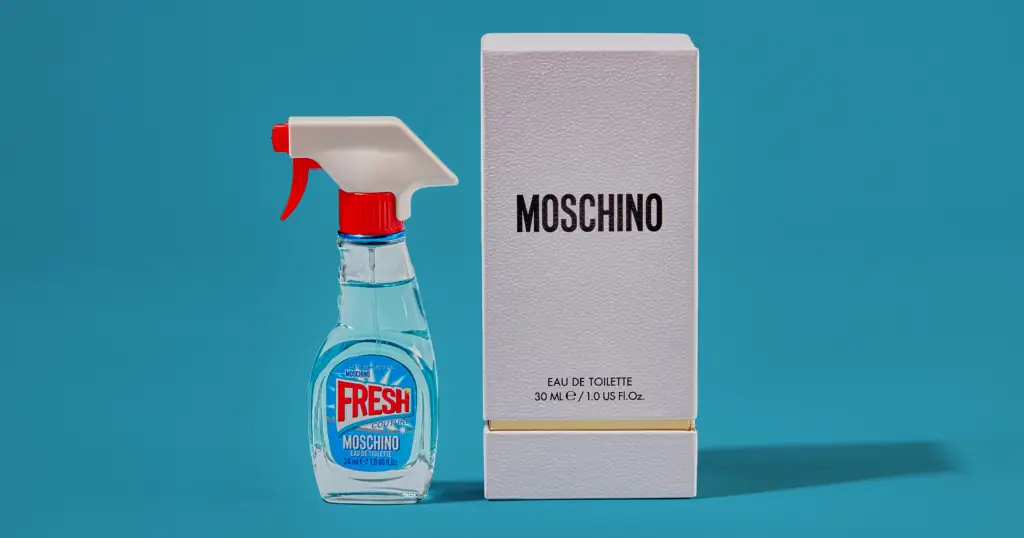
Another standout example comes from Moschino, a perfume brand beloved by influencers. The perfume’s outer box appears plain, but inside, the bottle resembles a surface cleaner’s trigger spray bottle – an unexpected twist that shocks and delights.

A Mini Bit of Nostalgia

The Moschino perfume’s packaging may remind Gen Z and Gen Alpha of the “mini-brand” and “unpacking” trends that flooded YouTube in the past decade. Videos of unboxing surprise toys, mystery eggs, and miniatures sparked fascination and surprise, a sentiment chaos packaging now revives. In a news segment about chaos packaging that recently aired on a Philadelphia station, one of the news anchors stated that the Moschino brand is like the answer to Gen Z growing up. Brands actually become mini-brands!

What’s Next for Packaging Trends?

With chaos packaging capturing attention, the natural question is: What’s next? The idea of a “surprise element” in packaging has deep roots in consumer culture, from cereal box toys to Happy Meal surprises. As brands look for the next big thing, candy and personal care sectors may continue to experiment with innovative shapes and formats, perhaps pushing the boundaries further than ever.

Consider the rising trend of using tackle boxes for candy storage or the popularity of unusual shapes and vessels in beauty stores like Sephora and Ulta. As a medium, packaging is transforming into an experience itself, inviting consumers to interact, play, and share their finds with friends and followers.

Sustainability Meets Chaos: A New Frontier

As brands push the envelope with chaos packaging, sustainability remains a crucial priority for all packaged goods. Both CPG companies and packaging manufacturers are researching and innovating with eco-friendly packaging options. 

An example of sustainable packaging innovation is the in-mold labeling (IML) technology for plastic containers. With the IML manufacturing process, the labels are fused to the containers, allowing for easier recyclability because the packaging is a single material. Yogurt cups, primarily made with IML packaging, could inspire chaos packaging in unexpected categories. Imagine beauty products such as face masks or an exfoliator sold in yogurt containers! IML yogurt cups can also be used as packaging for foods in the snacking category, from dried fruits and nuts to chips and dips.

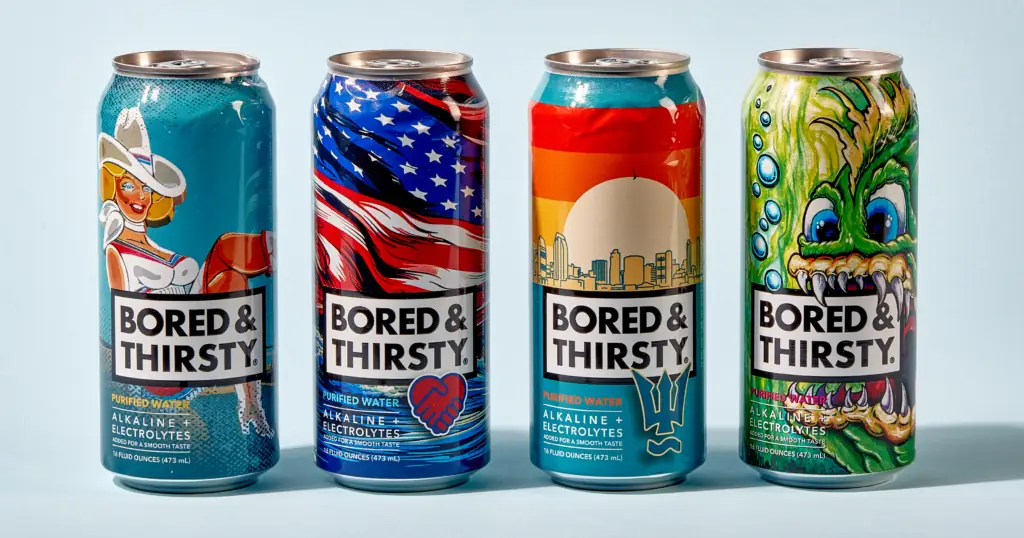
Aluminum is perhaps the most sustainable material on earth as it is highly recyclable. A current trend we observed is water being packaged in aluminum cans. As previously mentioned, Liquid Death water is pretty disruptive as it looks like beer in an aluminum tall boy can. Another fun example of water being packaged in cans is Bored & Thirsty water which has a plethora of wild designs with one consistent simple and clean logo. These designs allow the consumer to make a statement as they enjoy their water!

The future and evolution of packaging, if not chaotic, then certainly fun and sustainable

The chaos packaging trend signals a shift in consumer expectations, with brands redefining traditional forms. As brands innovate, there’s no telling how far they’ll take this trend and how packaging will evolve. Consumer packaging will continue to be a canvas for creativity, tapping into consumers’ love for surprise, fun, and perhaps even a bit of nostalgia – all while adapting to a more sustainable world.

Looking for ideas for your brand’s packaging?

You have come to the right place for inspiration, creativity, and brand strategy!

At Smith Design, we continue to research and immerse ourselves in trends and solutions across different categories. We’d love to hear from you!

Please fill out the form below with your contact information, and we will schedule a consultation.

How Pioneering Brands Can Leverage National Days

Why Brands Should Leverage National Days

National Days present a unique opportunity for brands to generate buzz and capture attention. With the right strategy, these observances can help your brand stand out, reach new audiences, and boost engagement. This blog will walk you through maximizing your brand’s potential by promoting relevant National Days and positioning your brand as a leader in its category.

Why National Days Matter for Your Brand

Lately it seems that there’s an established National Day for almost everything, including some very bizarre days such as National Fruitcake Toss Day and National Take a Walk in the Park Day. Social media has been a significant force behind the rise of celebrating National Days because of the ease of sharing and commenting, aided by specific hashtags and their relatable content. 

Because of this, celebrating National Days relevant to your business is an excellent way to attract attention and drive engagement. They serve as pre-built, highly shareable content opportunities for brands. Whether launching a product, announcing a new initiative, or simply engaging with your audience, aligning your message with a National Day can amplify your reach.

For instance, National Hot Dog Day, celebrated on the third Wednesday in July, is the perfect moment to promote your hot dog brand. But how do you stand out when every other hot dog brand does the same? The key lies in creative storytelling and building anticipation.

How to use Creative Storytelling to Capitalize on National Days

1. Create a Multi-Phase Social Media Campaign around the National Day

To rise above the noise, think beyond just posting once on the official National Day. Instead, create a multi-phase campaign that builds excitement before, during, and after the event. 

Pre-Day Teasers: Start by teasing your National Day campaign in the days leading up to the event. For example, as a hot dog brand, you could share a pre-post promising a fun surprise on National Hot Dog Day. This teaser post drives suspense and anticipation among your followers, who will be eager to see what’s coming. Posting a survey beforehand and revealing the results on your National Day is a fun way to collect comments and keep discussions going. 

Exclusive Reveal: On the big day, reveal something exclusive, such as a new product, a unique promotion, or an interactive social media challenge. The goal is to offer something that ties into the day and position your brand as the leader in its niche.

Post National Day Follow-ups: Leverage the National Day after it ends. One way to follow up is to make a tongue-in-cheek joke about the National Day. It’s even OK to be silly if it fits your brand voice, that is! For example:

Image: A hot dog lounging on a beach chair, wearing sunglasses, with an umbrella drink in hand.
Caption: “Yesterday we were the main event 🌭, today we’re just relishing the memories. 😎🍹#ChillinAfterTheGrill #HotDogVacationMode #StillSizzlingInOurHearts”

Pro Tip: Remember to post relevant hashtags on each social post for greater audience reach and visibility. 

2. Choose a Worthy Cause

Consumers appreciate when brands support worthy causes. When choosing a cause, it’s important to align with it authentically and meaningfully. Brand transparency is a fantastic way to do this. 

You can share images of your employees in support of the cause, or if permissible, employee stories that relate to it. If that is not accessible, partnering with an expert or influencer is an alternative. Repost or create educational content about it and be accountable for your support. If you plan to host a fundraiser or donate your time to a cause, follow up with photos and provide updates on fundraising results.

3. Go All Out with Experiential Marketing

Experiential marketing allows customers to interact with your brand in real life. These brand experiences not only capture attention but also create memorable moments that can be shared widely on social media.

A great example of this is Ghirardelli®’s celebration of National Peppermint Bark Day. On December 1st, 2023, the brand launched a life-sized snow globe installation at Hudson Yards in New York City. Visitors could step inside the snow globe for a holiday-themed photo op, and were treated to free Peppermint Bark Squares and hot cocoa. 

Brand Marketers can couple a branded photo-op, like the Ghirardelli snow globe, with a unique hashtag and encourage participants to share photos and their experience with your brand on social media that’s easily searchable and reusable. The “chain reaction” of activity on social channels provides a treasure trove of user-generated content.

Additional samples, coupons, or prizes can go to participants who post and tag their event experience on social media.

4. Special Edition Product Launches That Align with National Days

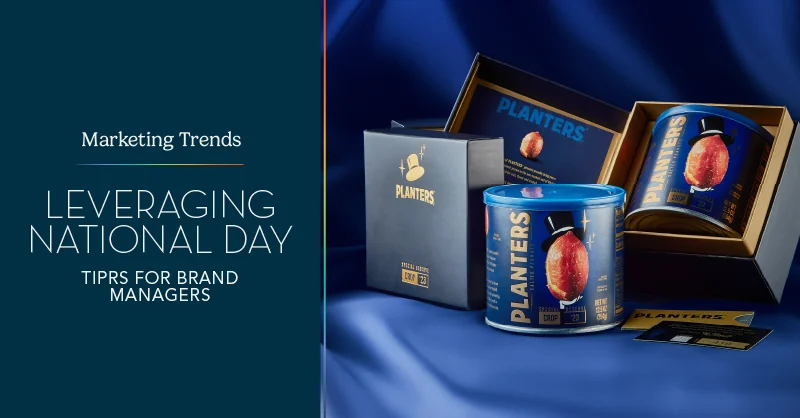
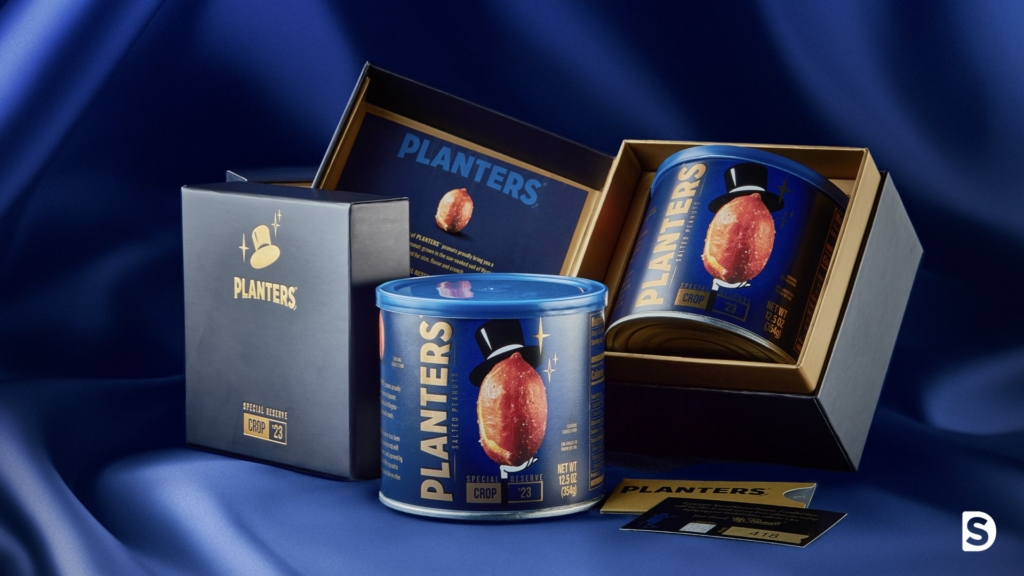
Another effective way to leverage National Days is by launching or promoting a special edition product tied explicitly to the occasion. Planters® recently did this to great effect with the launch of their Special Reserve Peanuts, which was timed perfectly for National Peanut Day on September 13th, 2024. The Special Reserve Peanuts, designed for peanut aficionados, were released in limited-edition, hand-cooked batches. Smith Design collaborated with the Planters brand to create the premium packaging and collector’s edition box which added an exclusive feel, elevating the product and making the day special for their audience.

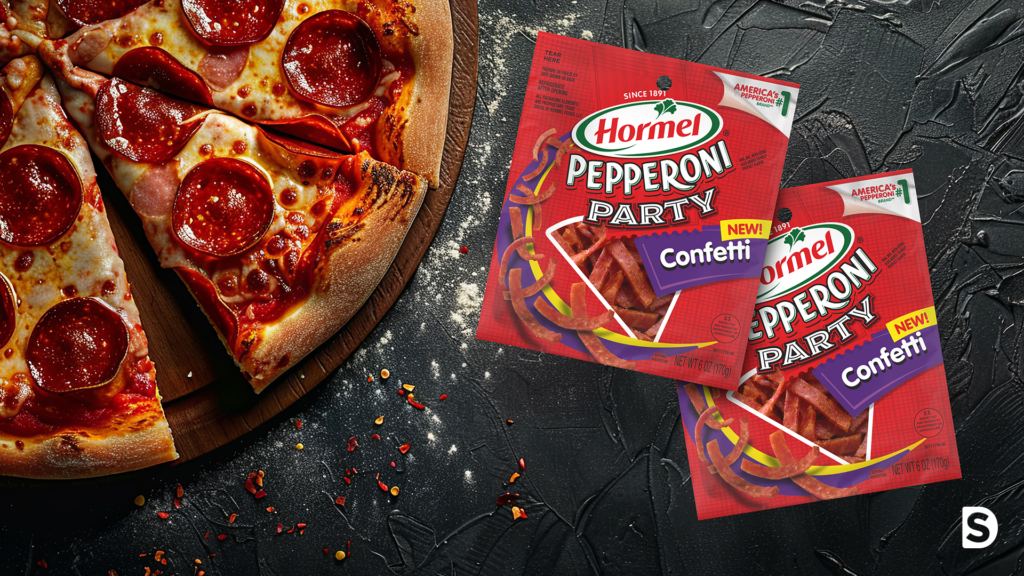
Smith Design also designed the Hormel® Pepperoni Party Confetti packaging which released on September 20th, 2024, which of course was National Pepperoni Pizza Day! Along with the release of the new product, Hormel ran a special sweepstakes for fans to declare their intent to take PTO (Pepperoni Time Off) on National Pepperoni Day. The grand prize is a Pepperoni Pizza vacation to either New York City or Chicago during National Pizza Month in October. Pizza fans were also encouraged to share their PTO news on social media using hashtag #PepperoniTimeOff to increase their chances of winning.

Key Takeaways for a Successful National Day Campaign

Whether you choose to have some social media fun with a National Day, support a worthy cause, or plan a unique experience, remember to:

  1. Plan Ahead: Build your content strategy well in advance. Planning is crucial to ensure your brand owns the day and stands out.
  2. Use a Storytelling Approach: Use teasers and pre-announcements to build excitement leading up to the day, reveals on the day of, and follow up with relatable content.
  3. Use Hashtags to Effect: Remember to use the proper hashtags of your National Day so they can be easily found and shared. Consider coupling that with a unique to your brand hashtag that can be searched to find posts by your audience.
  4. Analyze the Results: Have a look back at your efforts. Did they pay off in either engagement or brand awareness? 

By strategically leveraging National Days, you can attract new leads, drive engagement, and position your brand as a leader in its category. Whether through experiential marketing, product launches, worthy cause support, or creative social media campaigns, these observances provide an ideal platform to promote your brand in a way that feels timely, relevant, and impactful.