
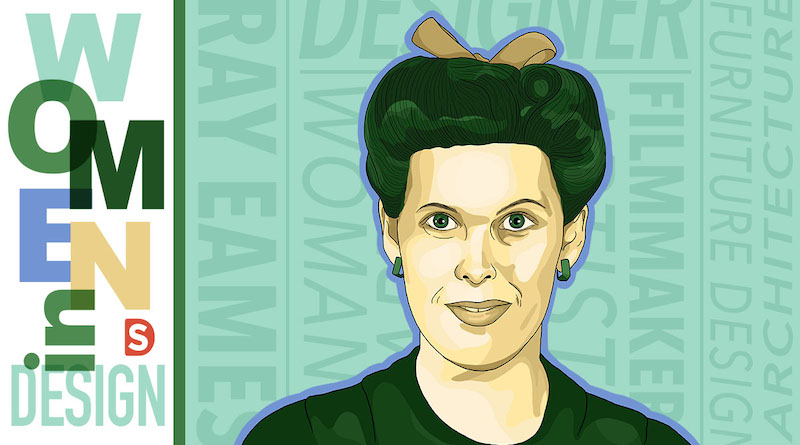
In this blog series, we shine a light on women trailblazers in the design industry – women who have earned a Wikipedia page (or are likely to very soon). You might not know them by name, but definitely by their work and influence on the design world as a whole.
Born Bernice Kaiser, Ray Eames, along with her husband Charles, had a prolific career that ran the gamut from furniture design and architecture to filmmaking, textiles, toys, graphics, exhibition design and much more. Growing up in Sacramento, California, she credits her ability to appreciate and enjoy her surroundings to her parents, who referred to her as Ray Ray.
Mentored by renowned painter Hans Hofmann, Ray started out her creative life as a student of abstract expressionist painting in New York City. Sadly, much of her artwork from this period of her life is lost but her influence on the movement pushed appreciation of abstract artwork to the mainstream. She became a founding member of American Abstract Artists, a group that promoted abstract art in a time that major art galleries refused to embrace it.
“I never gave up painting, I just changed my palette.”
Ray Eames

Ray went onto study at the prestigious Cranbrook Academy of Art in Michigan, where she expanded her artistic talents from painting to other medium and met her future creative collaborator and husband, Charles Eames. This powerhouse design duo went onto reshape the world of industrial design.
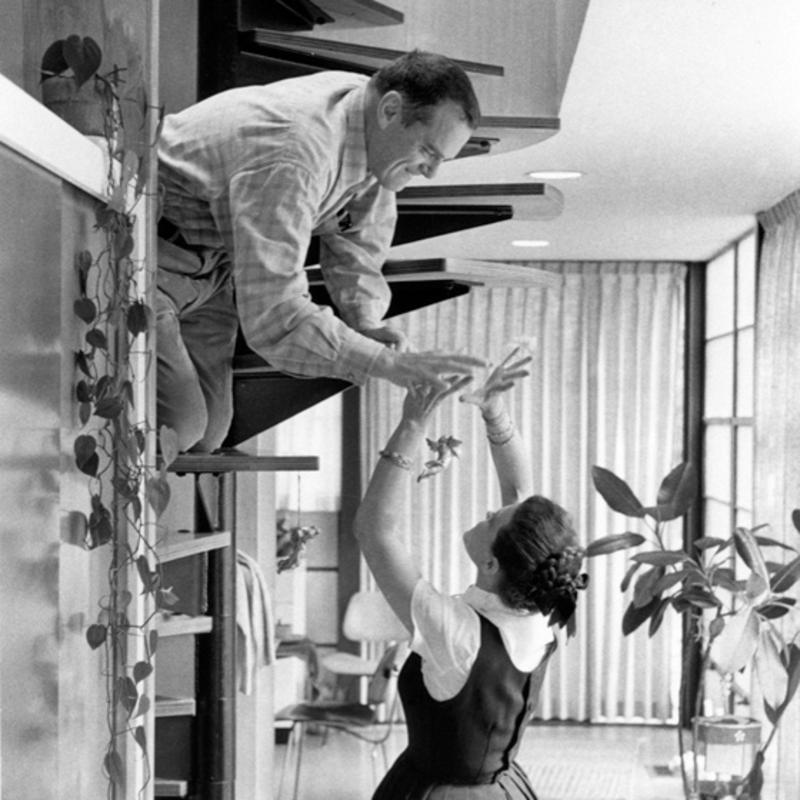
Ray’s vision was unique in that she possessed an innate ability to understand the connectedness between the form of things and their uses, between the details and the bigger picture. In creative collaboration with Charles, Ray’s innovations in furniture design, architecture, and even toys emphasized quality, form, and function at a reasonable cost.
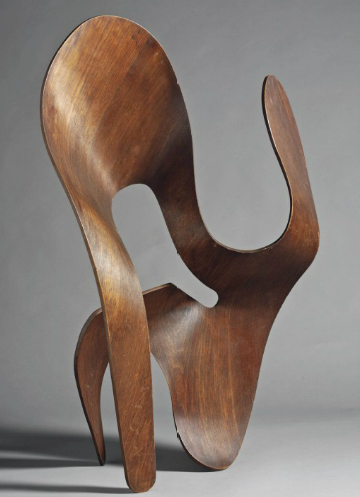
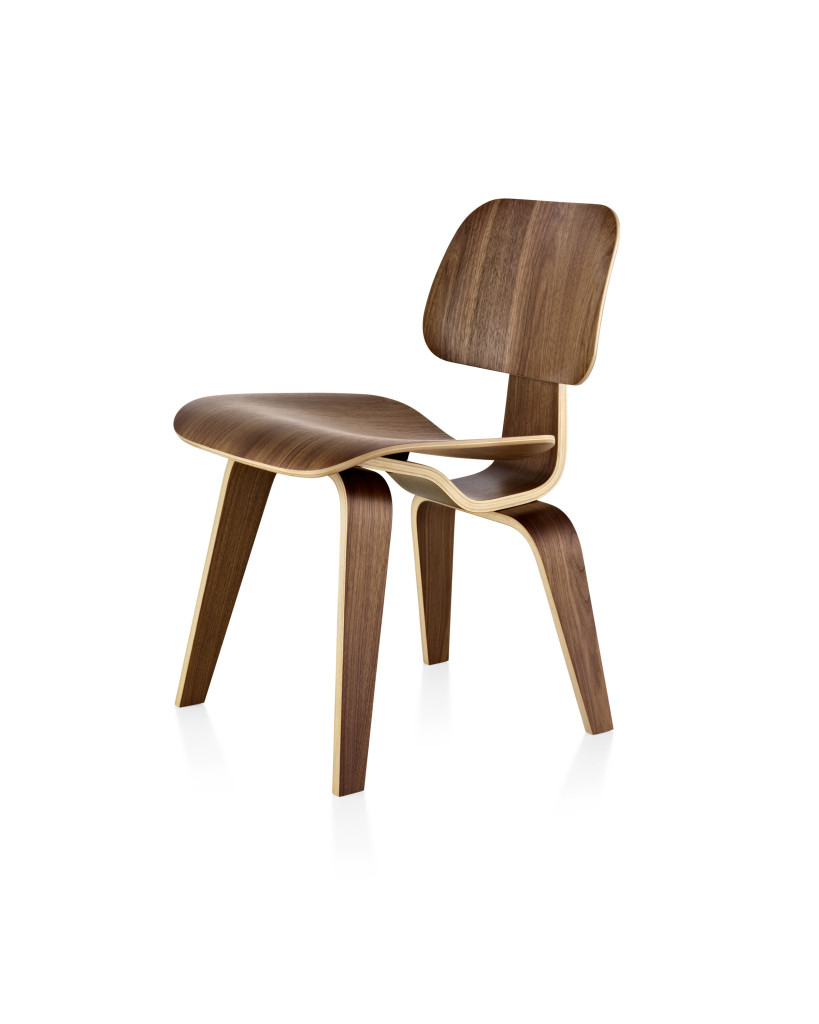
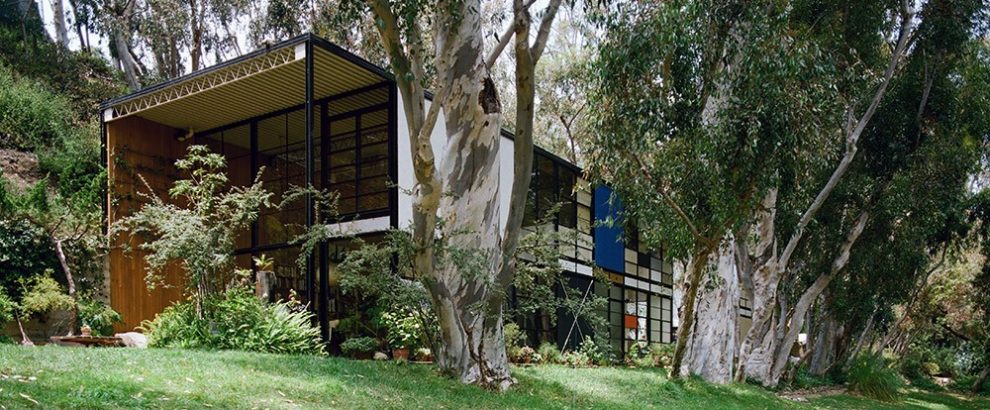
The Eames House is the culmination of Ray and Charles’ collaborative expertise. The house the couple created is a lasting feat of architecture and design, a personal project of their boundless ingenuity. The structures themselves (a studio and a residence) unobtrusively ease into the surrounding nature of the land. Filled with gifts from friends and family, their home embraced life while emphasizing details – “They anticipated their guests’ needs – whether welcoming visitors at the house with delightful treats or when designing a chair and considering how best to meet the needs of the user ”. As one would expect, the Eames house was always a work in progress that evolved with them and their continuous creativity.
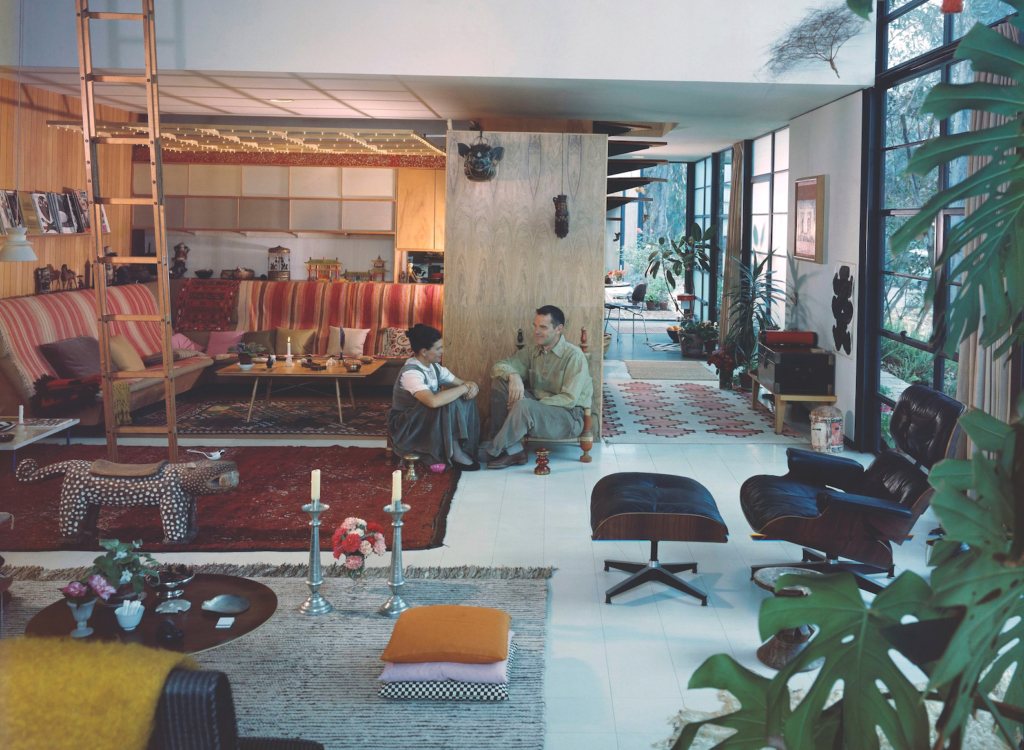
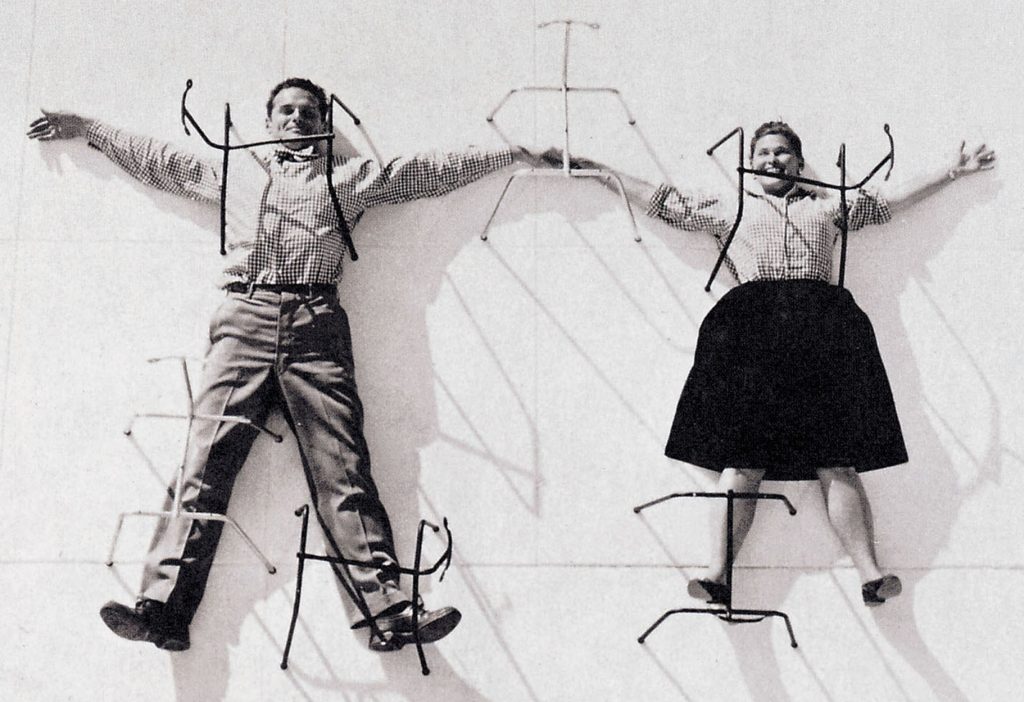
Not surprisingly, Eames did not receive the same accolades as her husband but despite this lack of deserving recognition, her legacy remains as impactful as her husband. Charles, to his credit, strived to ensure she was acknowledged as an equal partner.

Ray Eames will be remembered for her ever-evolving innovations within her design – how to best use materials, how to anticipate the needs of the end user, and how details come together to make a whole. Charles probably said it best in the now-famous quote; “Anything I can do, Ray can do better”.
This concludes our year of acknowledging women in design through this series, featuring portraits by Becki Murray, a designer on the Smith Design team.
If you haven’t read them all, we recommend you go back and spend some time with a few of the most inspiring women in the industry.