


Walking the show floor with intent matters more than ever. The perimeter is no longer a supporting cast to center-store CPG; it is where most of the category innovation, premiumization, and brand storytelling is happening. Retail prepared foods now replace restaurant occasions for 28% of shoppers, more than double the rate of 2017, and U.S. grocery foodservice has crossed $52 billion in annual sales. So, before we get to Orlando (June 7–9), here is how we’re framing what we expect to see, and what brands in these categories should be doing about it right now.
Three forces are reshaping all three categories
- “Value” no longer means cheap. It means earned. Consumers have spent two-plus years tightening grocery budgets, yet they continue to trade-up into premium dairy, prepared deli, and artisanal bakery. The reconciliation is simple: shoppers are spending more intentionally, not less. They want products that deliver functional benefits, sensory rewards, and a story that aligns with their values. The implication for branding is clear: generic premium cues no longer earn the trade-up; specificity does.
- Protein is the floor. Fiber is the ceiling. McKinsey reports that 70% of U.S. consumers plan to increase their protein intake in 2026, and dairy is the most preferred source. But the next wave is already cresting: fiber, gut health, and GLP-1-friendly nutrient density. Cottage cheese has grown at a 6.2% CAGR over the last five years. Sourdough product launches are up 31% globally, with another 33% growth forecast for 2026. The on-pack hierarchy is being rewritten, with protein grams, fiber grams, and ingredient transparency increasingly becoming the first things eyes find on the front panel.
- Indulgence has been redefined as permission. The cultural rebellion against austerity is real. Consumers want comfort, ritual, and a little luxury, but they want it justified. Mini formats, “everyday charcuterie,” portion-controlled mochi, single-serve specialty cheese, and one-bite cakes. The winning brands are not asking shoppers to choose between health and happiness; they are giving them both, in a smaller, smarter package.
What we’re watching
In the deli case:
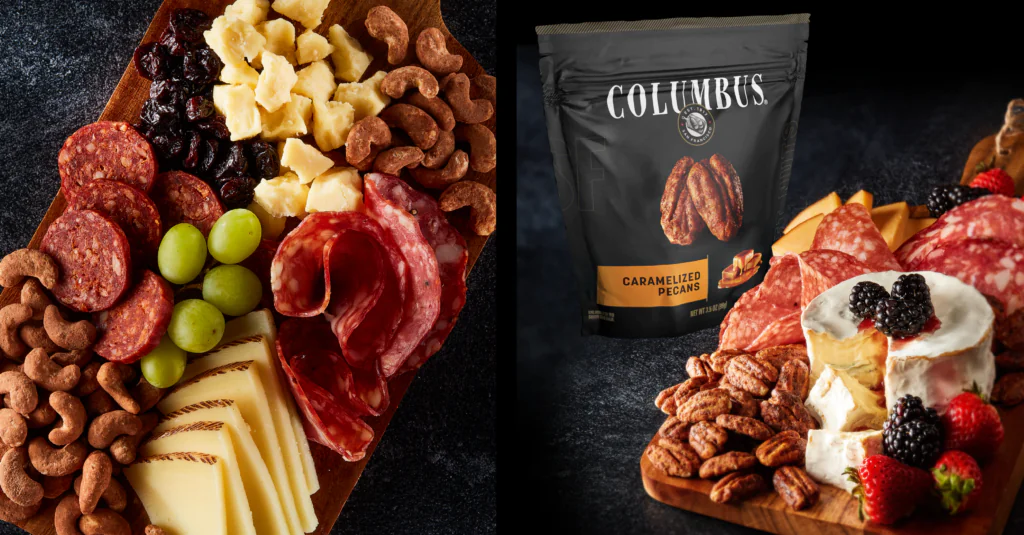
- Clean-label proteins move up-market. Shoppers no longer accept “deli meat” as automatically processed. Short ingredient panels, no fillers, and transparent sourcing are commanding premium pricing but only when the packaging signals that promise instantly.
- “Everyday charcuterie” graduates from trend to staple. Pre-built boards, snacking kits, and grab-and-go entertaining are pulling occasions out of restaurants and into living rooms. The brand opportunity: packaging that performs both as a grocery shelf unit and a tabletop centerpiece.
- Bold flavors, value pricing. Limited-time flavor drops, global-but-approachable profiles (Mediterranean, Korean, smoky-zesty mashups), and a permissive attitude toward novelty, without restaurant-level price tags.
In the dairy aisle:
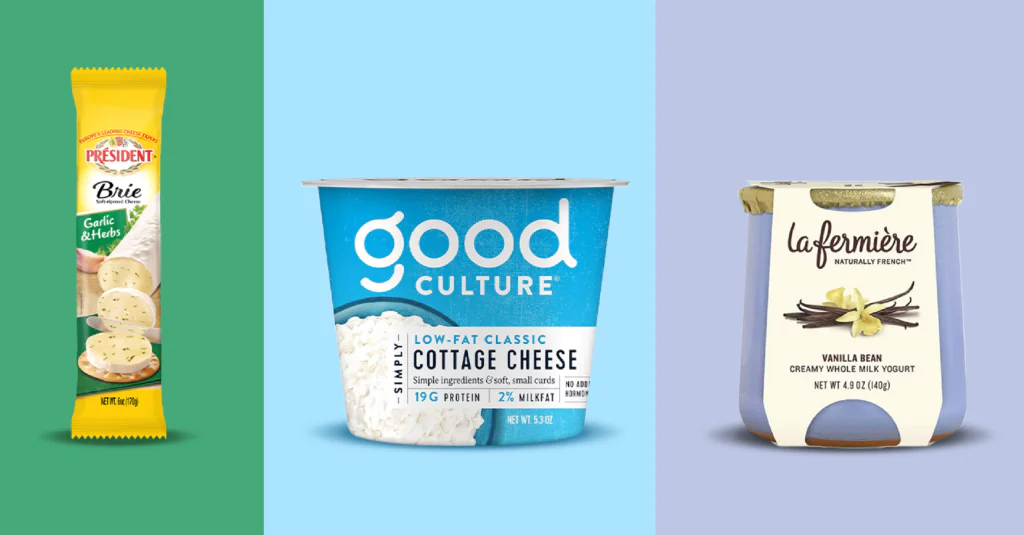
- GLP-1-friendly positioning, done quietly. Smart brands are not calling it out on-pack. They are reformulating for higher protein, lower sugar, and added fiber, and letting the nutritional panel do the talking. Heavy-handed “Ozempic-friendly” claims should be skipped in favor of positive food claims.
- Affordable luxury cues in the dairy case. Gold accents, glass and glass-look containers, restrained typography, matte finishes, tactile sleeves. The yogurt set is starting to read like the beauty aisle.
- Functional and regenerative as overlapping plays. Probiotic kefirs, A2 milk, grass-fed butter, regenerative-ag stories. Certifications and provenance are increasingly front-of-pack equity.
In the bakery:
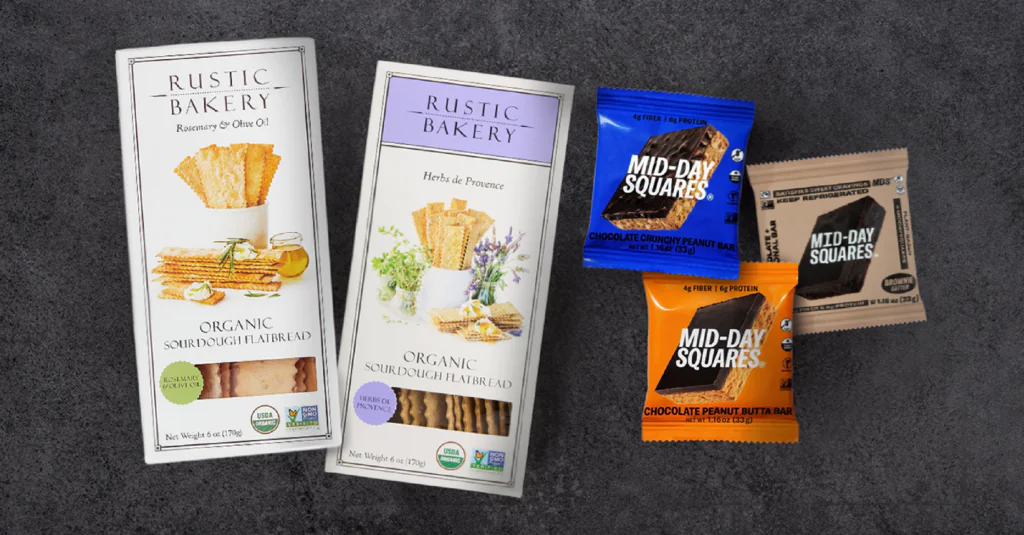
- The moody palette shift. After years of pastels, the bakery is moving toward charcoal, deep purples, espresso browns, and burnt orange: colors that signal depth of flavor and grown-up indulgence.
- Paper is king. Sustainable bakery packaging is consolidating around FSC-certified kraft, glassine windows, water-based barrier coatings, and minimalist single-color printing. The “less ink, more story” school of design is winning the shelf.
What we’ll be looking for in Orlando
- Structural innovation in single-serve and snacking formats particularly in dairy and prepared deli. Who is solving for portability without sacrificing premium feel?
- Cross-category convergence. Sourdough crackers in deli charcuterie programs. Cottage cheese in bakery. High-protein desserts. The lines between the three categories are blurring fast.
- Sustainability stories that show their work. We’re watching for brands that quantify, certify, and visualize their commitments on-pack.
We will be back after the show with a debrief on what surprised us, who broke through, and the trends worth bringing back to the studio. Until then, if you want a sounding board on how trends translate to your brand’s strategy and packaging, our team would love to connect with you.