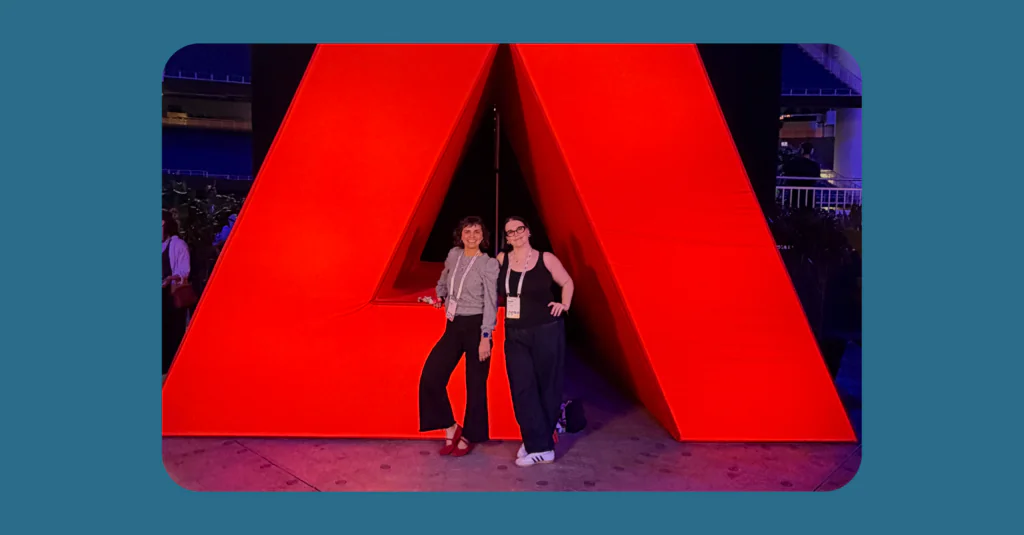

For a design firm built on CPG packaging, we’ve spent decades “thinking outside the box.” When it comes to adopting new creative technology, most teams accidentally trap themselves in a different kind of box entirely: treating AI like a faster way to crank out isolated flat files or one-off social posts. The reality emerging from Adobe MAX 2026 in Miami is that the box itself has changed. The big takeaway isn’t that AI can generate imagery faster; it’s that combining expertise in design, photography, illustration, and AI provides far more value by bringing human direction to what would otherwise be isolated one-offs.
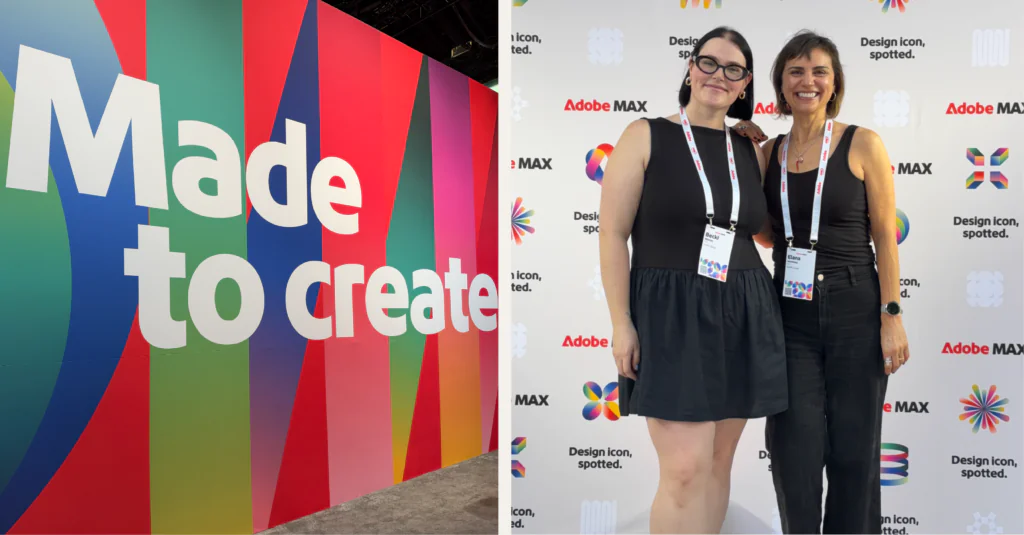
Three MAX 2026 Shifts That Matter Most to Brand Leaders
1. Strategic Vision and Meaningful Storytelling Over Empty Scale
Anyone can use AI to resize an asset or generate a quick variation across ten different channels. But without a strategic brand vision, scale just means shouting into the void faster. A true design studio brings the human intuition, cultural context, and narrative depth needed to ensure every brand touchpoint tells a cohesive, compelling story that resonates with consumers.
2. Multi-Model Orchestration Requires Creative Direction
Adobe’s expansion into a multi-model studio, integrating specialized engines like Flux 2 Pro for tactile texture realism alongside Gemini models for structural, context-aware editing and Firefly for commercially safe brand consistency, means choosing the right tool for the job matters more than ever. Without strong art direction, multi-model speed just produces off-brand noise.
3. Human Craft and Physical Reality Remain the Anchor
Even as AI accelerates ideation and resizing, physical truth still wins at the shelf and in the feed. Authentic food styling, real-world photography, tactile packaging finishes, and cultural insight provide the foundational DNA that AI workflows can scale but never replace.
Smith Design sends representatives to Adobe MAX every year as part of our ongoing commitment to continued education. Rather than treating the conference as a passive product update, we approach it as an immersive lab.
Between the hands-on sessions where you can immediately put new tools to the test and learn directly from working practitioners, the takeaway is clear: the most impactful creatives aren’t chasing shortcuts. They’re investing their time and creative energy into pairing deep, foundational mastery with newly released capabilities. A few of our favorite sessions this year highlighted exactly that.
For me (Elana), I gravitated toward classes that bridge technical craft with real-world storytelling:
- Jan Wischermann’s Master Retouching for Luxury Brands: A masterclass in blending old-school, meticulous Photoshop techniques with an elevated, modern flair.
- Jesús Ramirez’s Pro Production Workflows in Photoshop: A look into the real-world mindset of a working professional navigating high-end compositing for TV and movies.
- Rob de Winter’s Photoshop and Firefly Boards: A session full of dry humor where Rob brought his wonderfully wacky creations to life using the latest toolsets.
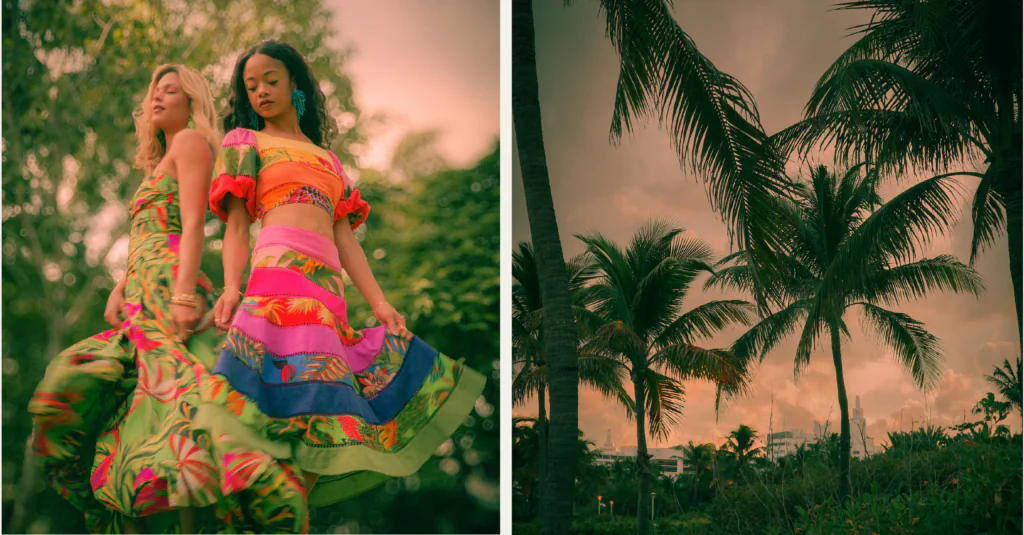
- A Photowalk in the Botanical Gardens with Marina Williams: A live photoshoot with models surrounded by Miami’s lush plants and flowers, followed by a hands-on Lightroom editing workshop.
My coworker Becki brought back an equally inspiring set of takeaways, zeroing in on the shift from automation to true creative collaboration and efficiency:
- The Core Philosophy: “AI is not a tool; it is an instrument,” reframing how we collaborate with technology.
- Batch Relink in Illustrator: A massive workflow win for managing complex, multi-asset design structures.
- Dynamic Text in Illustrator: A game-changer for streamlining layout variations without losing design integrity.
- Relight in Photoshop: Advanced lighting controls that give artists precise command over atmosphere and depth.
- Marisol Ortega’s Your Life is a Moodboard: An inspiring talk on finding organic inspiration in your day-to-day life and translating lived experiences directly into visual work.
- The Sneaks: Looking ahead with excitement at the groundbreaking features and future technology previews on the horizon.
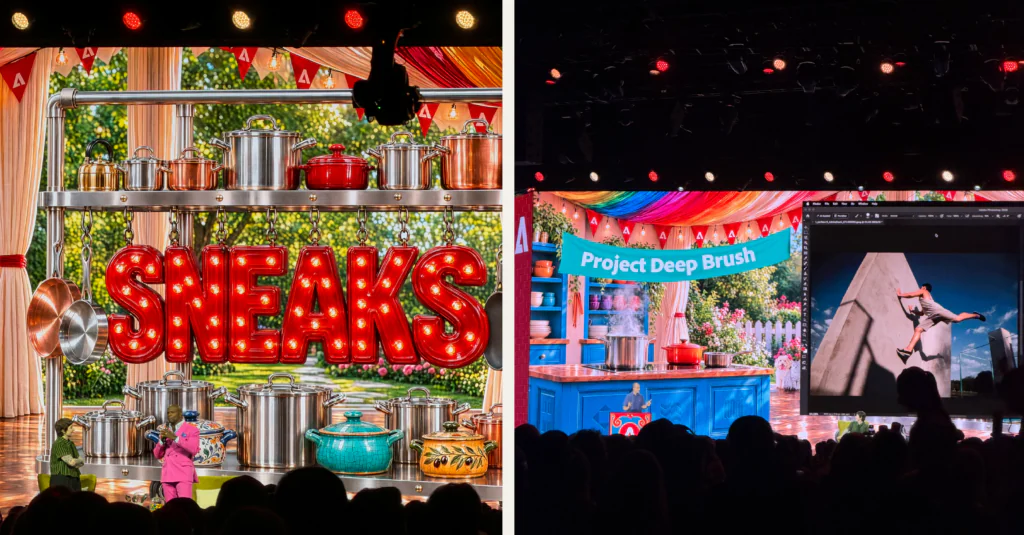
Beyond the overarching strategy, the sheer number of practical, everyday upgrades demonstrated on the main stage is genuinely exciting for our day-to-day workflows. Having the AI Assistant integrated across the Creative Cloud suite, alongside the ability in Photoshop to seamlessly toggle between the AI-Assisted/Firefly Editor and the traditional Pro Editor, means we never have to sacrifice granular control for speed. Adobe also rolled out several targeted heavy hitters across the board: Topaz joined Adobe for dramatically improved upscaling options; new intuitive sound and color editing tools in Premiere; Concept to Vector and Dynamic Text in Illustrator; and expanded Firefly capabilities, such as Design and Builder, that turn rough ideas into structured, editable layouts for print, digital, and web. Together, these updates fundamentally change the mechanics of day-to-day execution.
Adobe is also leaning into open-ecosystem versatility. At MAX, they previewed local Model Context Protocol (MCP) support, which lets third-party AI assistants like ChatGPT, Claude, and Gemini connect directly to native Creative Cloud files right on your computer. What makes this genuinely practical is the flexibility: you stay completely in the driver’s seat. You can turn MCP connections off or avoid them entirely if you prefer a traditional workspace, and running the connection itself doesn’t cost any Adobe generative credits (though if you use Firefly or partner AI tools inside your apps, that still consumes credits). Together, these updates change the mechanics of day-to-day execution by letting creatives choose the exact assistants and tools that fit their process.
For CPG, food & beverage, and retail brands, this shift creates a massive opportunity alongside a new risk: execution is becoming abundant, which makes brand judgment, taste, and governance the true competitive differentiators.
How Smith Design Bridges Strategy, Craft, and AI Speed
At Smith Design, we believe where imagination meets intention, technology becomes a force multiplier rather than a shortcut.
Brand Universes Built for Scale: We architect cohesive brand identities, packaging systems, and custom brand guidelines designed to hold their equity across physical retail shelves and digital extensions alike.
In-House Studio Craft as the Master Source: Our studio spans commercial food photography, styling, video, and illustration. We capture the real-world nuance, appetite appeal, and material authenticity that serve as the gold-standard inputs for downstream campaign rollouts.
Governed Production & Omnichannel Activation: From print-ready pack architecture to modular social and A+ content ecosystems, we combine strategic positioning with disciplined production workflows, so your brand shows up consistently everywhere.
Ultimately, Adobe MAX demonstrated that navigating what’s next isn’t about figuring out how to build a better box faster; it’s about knowing how to fill it with human intent, craft, and imagination.